Botanical Oils Supplement
(0 Results)
Discover nature's powerful botanical oils supplements, carefully crafted to support your overall well-being and health. Packed with essential nutrients and antioxidants, these botanical oils are sourced from premium ingredients to provide you with a natural boost. Whether you're looking to enhance your immune system, promote healthy skin, or support your cardiovascular health, our selection of botanical oils supplements offers a convenient way to incorporate these beneficial nutrients into your daily routine. Explore our range of botanical oils supplements and experience nature's goodness in every serving.
-

-
-
 74$28.99
 -

-

-
-

-
 Portions Master$24.99
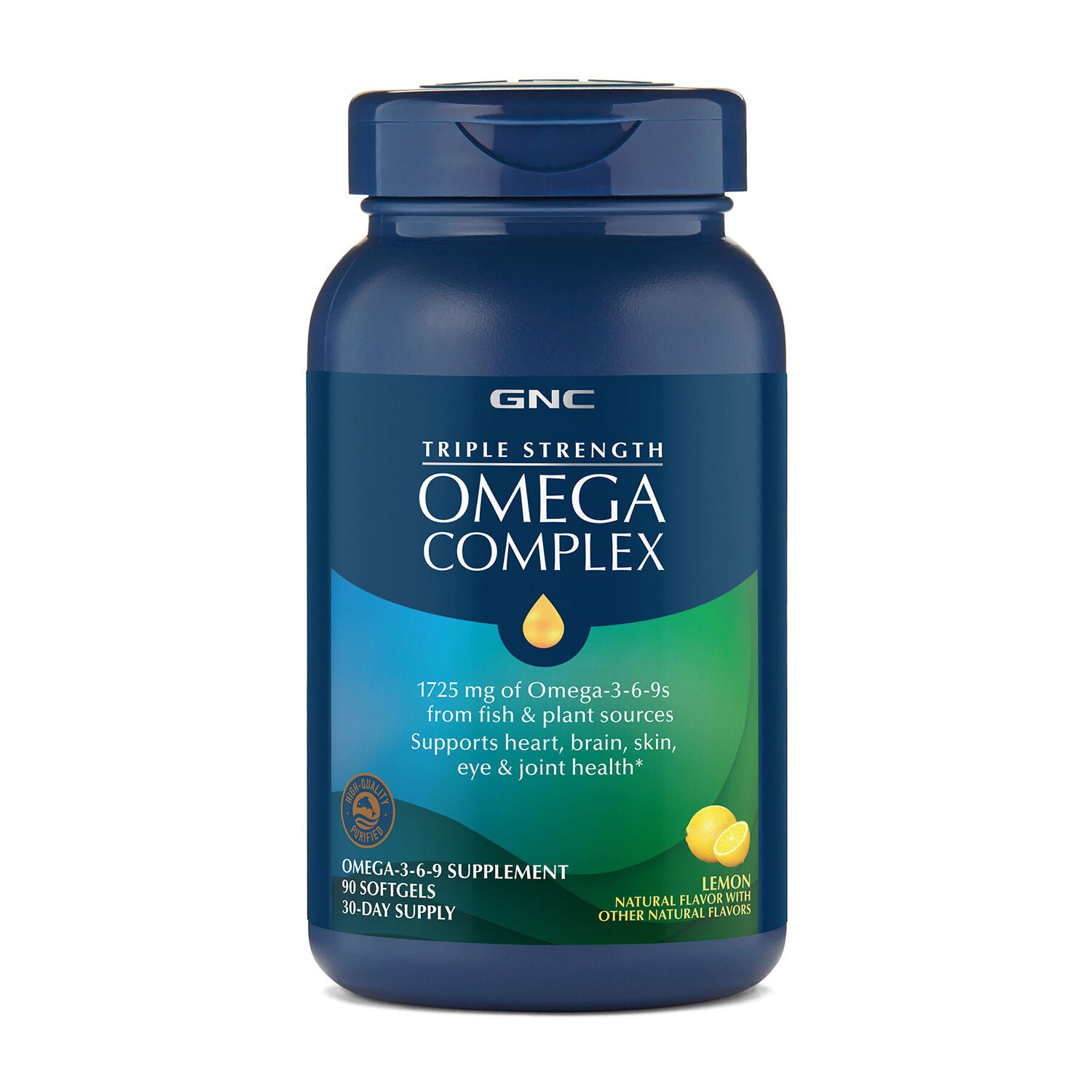
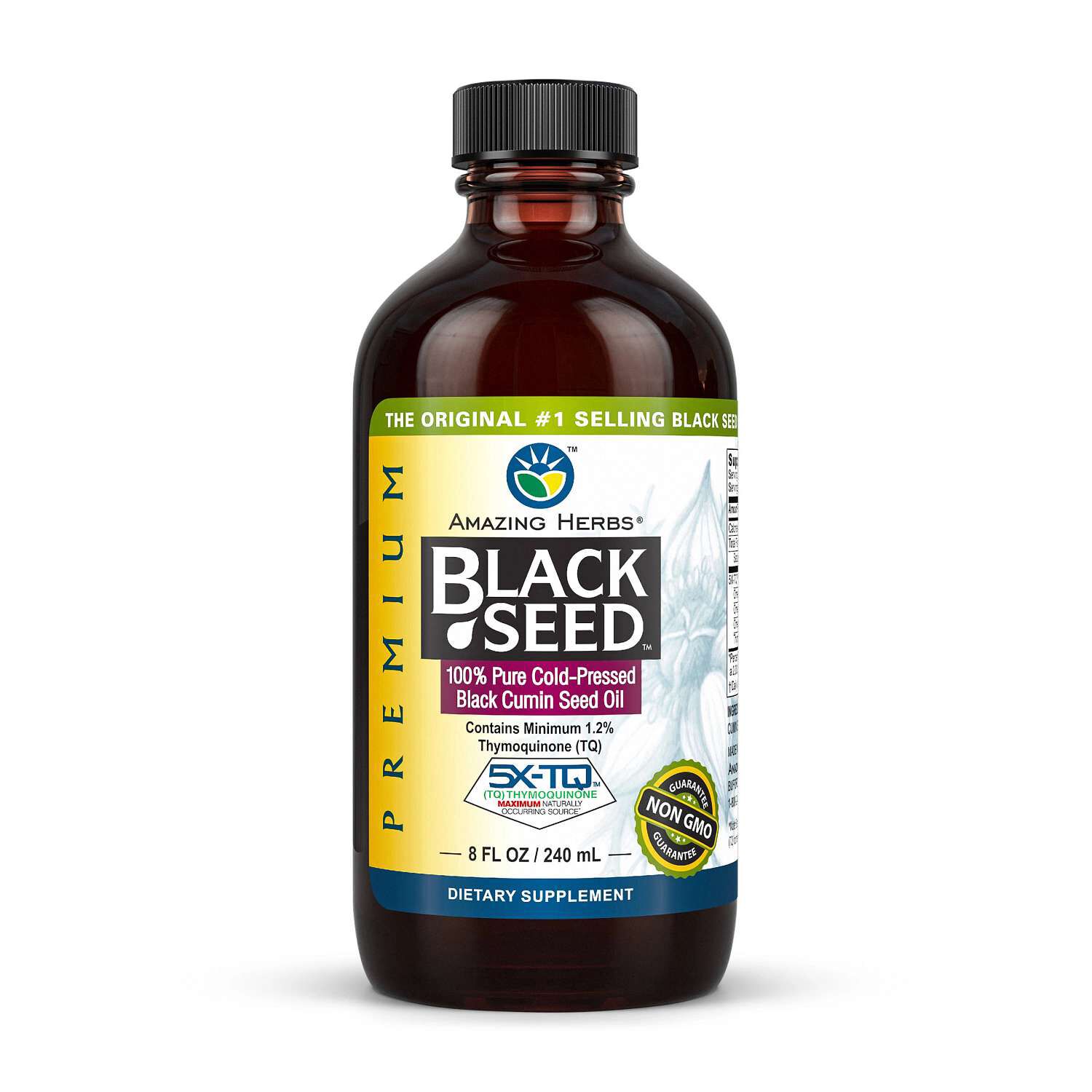
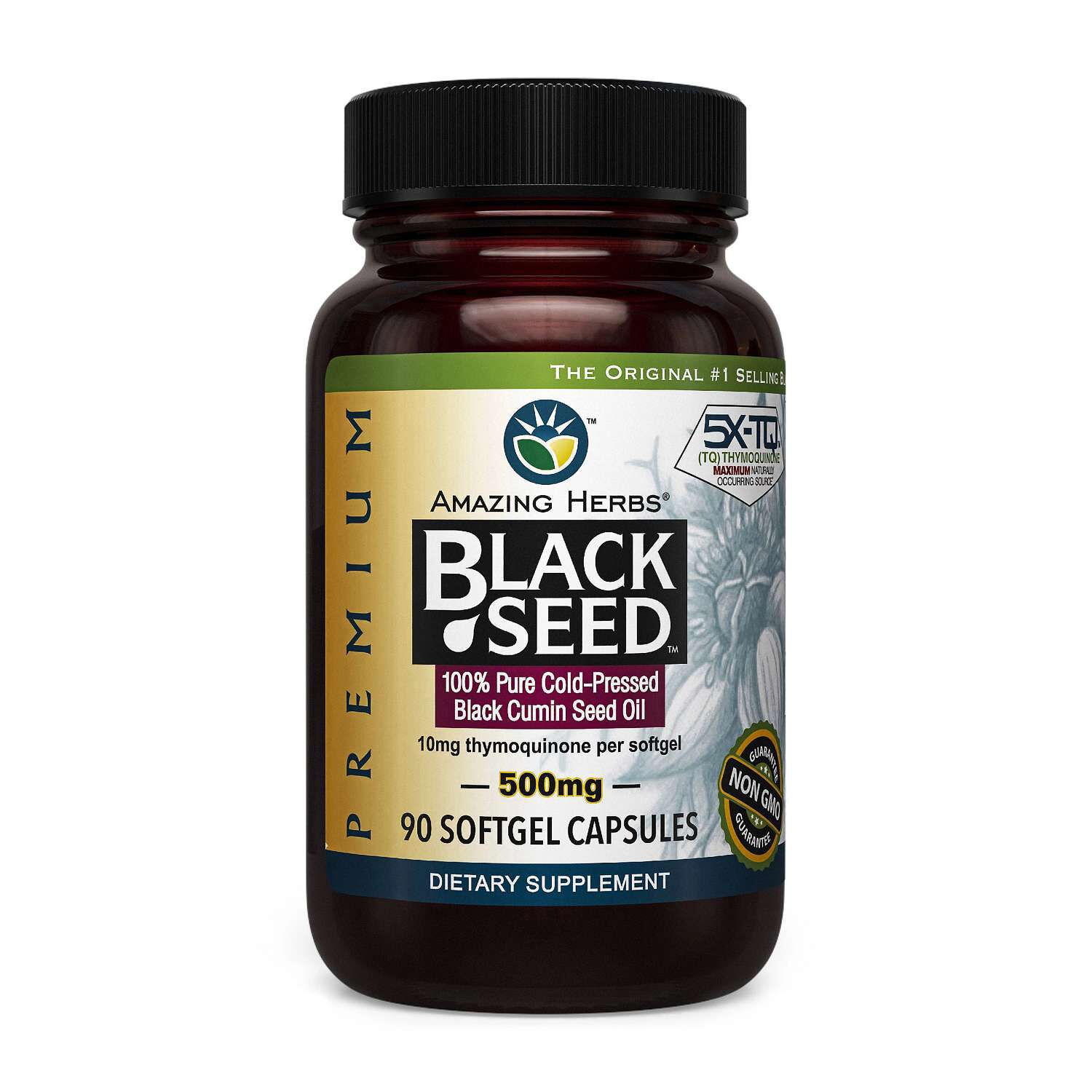
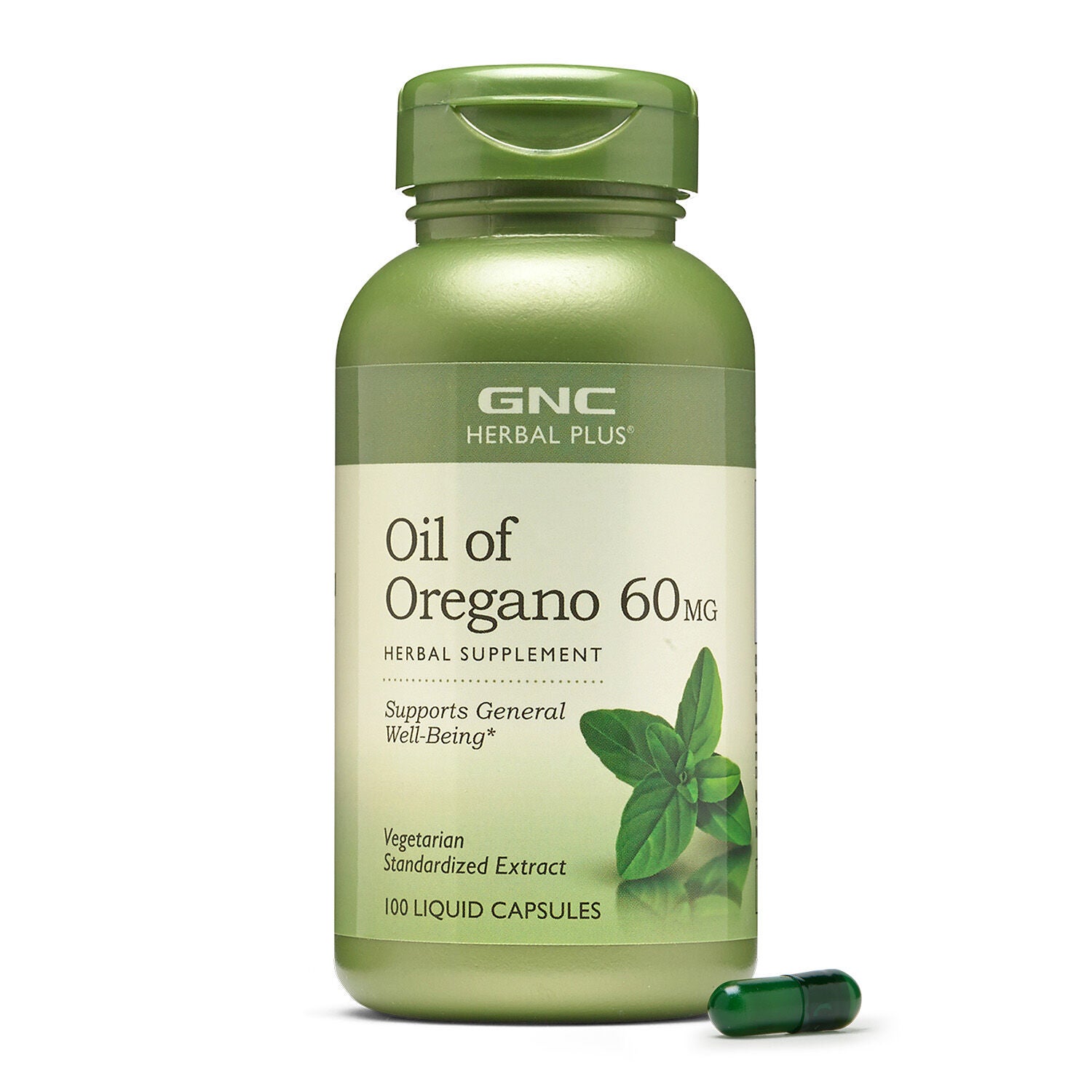
Botanical oil supplements are dietary supplements made with oils derived from plant sources, including seeds, fruits, and other botanical materials. The category covers a range of ingredients rather than one uniform type of oil. Some formulas contain oils valued for their fatty acid composition, while others feature concentrated botanical extracts blended into a carrier oil. That distinction matters when comparing bottles: a seed oil and an herbal oil extract can have different ingredient profiles, serving sizes, and intended uses, even when both come in softgels. Flaxseed oil, for example, contains alpha-linolenic acid, or ALA, a plant-derived omega-3 fatty acid. Pumpkin seed oil contains a different mix of fatty acids, including linoleic and oleic acids, while evening primrose oil is associated with gamma-linolenic acid, or GLA. These names describe components of the oils, not interchangeable reasons to choose them. Herbal oil preparations may instead identify a botanical constituent, such as carvacrol in oregano oil, alongside the amount of extract in each serving. A clearly described formula makes it easier to distinguish the featured botanical from any oil used to dilute or carry it. Plant part is another useful detail: oil pressed from a seed is not necessarily comparable to an extract made from the leaves of the same plant. Liquid, capsule, and softgel formats provide different ways to include these ingredients in an established supplement routine, with the choice often coming down to dietary preferences, serving instructions, and comfort with the format. Products labeled for dietary use also belong to a different category from oils intended for fragrance or external application. Similar botanical names do not make those categories interchangeable. For shoppers exploring botanical oil supplements, the most useful starting point is the identity of the oil, the amount provided per serving, and the way the formula is presented on the label, rather than a broad claim about what every plant-derived oil might do.
The details of a botanical oil supplement extend beyond the ingredient named on the front of the bottle. The Supplement Facts panel identifies serving size and declared ingredient amounts, while the other ingredients list describes components such as capsule materials, carrier oils, and flavorings. A serving may consist of more than one softgel, so the amount shown per serving is not always the amount in a single piece. Likewise, the stated weight of an oil is not necessarily the weight of a particular fatty acid or botanical constituent within it. Keeping those measurements distinct creates a more accurate comparison between formulas. Softgels enclose the oil in a sealed shell and generally avoid the need to measure a liquid. Their dimensions and shell ingredients vary, however, so a plant-derived oil does not automatically mean the finished supplement suits a vegan eating pattern. Gelatin and plant-based shell materials are different options, and the label is the place to confirm which is used. Liquid oils offer a different experience, with serving amounts measured according to the package directions and a flavor that may be noticeable. An earthy seed oil and an aromatic herbal preparation can have very different tastes; added flavoring can also change that experience. Processing descriptions provide further context. Cold-pressed and expeller-pressed describe aspects of extraction, while refined describes additional processing that can affect characteristics such as flavor and color. None of these terms, standing alone, explains every aspect of a finished supplement. Organic certification addresses specified production requirements rather than establishing a particular effect. Independent testing information is most useful when it states what was evaluated, such as ingredient identity or selected quality attributes. Clear botanical naming, understandable serving information, and specific documentation offer more substance than an elaborate front label. For someone comparing two otherwise similar bottles, those quieter details often explain meaningful differences in composition and everyday handling.
Choosing among botanical oil supplements also involves matching the package and format to the way it will actually be used. An adult who prefers a straightforward capsule routine may favor a clearly labeled softgel formula, while someone comfortable measuring liquids may prefer a bottle with an appropriate measuring device. A liquid can require more attention to closing the cap and keeping the bottle upright; a softgel container calls for handling that keeps its contents clean and dry. Neither format is automatically the better fit for every household. Package size deserves consideration in relation to the labeled serving count and any instructions for use after opening, rather than bottle dimensions alone. Oils require care to preserve their quality, so storage directions, expiration information, and closure design are practical parts of the selection process. Keeping the original packaging retains access to the ingredient list, lot information, and handling instructions. A secure cap and a readable label may seem like small features, but they matter when a bottle becomes part of a daily routine. Dietary preferences deserve the same attention: shoppers choosing plant-derived ingredients may also want to review the shell, added oils, and allergen information rather than relying on the botanical name alone. Single-source formulas make one featured oil the focus, whereas blends combine ingredients in a shared serving. For a closer look at that format, Natural Oil Blends offers a related category to explore. When comparing blends, individually stated amounts help explain how the serving is divided among the featured ingredients; a combined blend amount supplies less detail about each component. Botanical oil supplements are a personal purchase, particularly when taste, capsule materials, and existing routines influence the choice. Even as a gift, a familiar format and known preferences matter more than an eye-catching bottle. A well-matched selection brings together a recognizable botanical source, transparent ingredient information, suitable packaging, and an intended use that aligns with the product’s own labeling.
Best Sellers
-
GNC SuperFoods
-
Amazing Herbs
-
Amazing Herbs