Botanical Blends Supplement
(0 Results)
Discover a world of natural wellness with our botanical blends supplement collection. Crafted with carefully selected botanical ingredients, these supplements are designed to support your overall health and well-being. From immunity-boosting blends to stress-relief formulas, each product is thoughtfully formulated to help you achieve your wellness goals. Explore our range of botanical blends supplements and nourish your body from within.
-
-
-
-

-
-
-

-
 $32.99
-
-
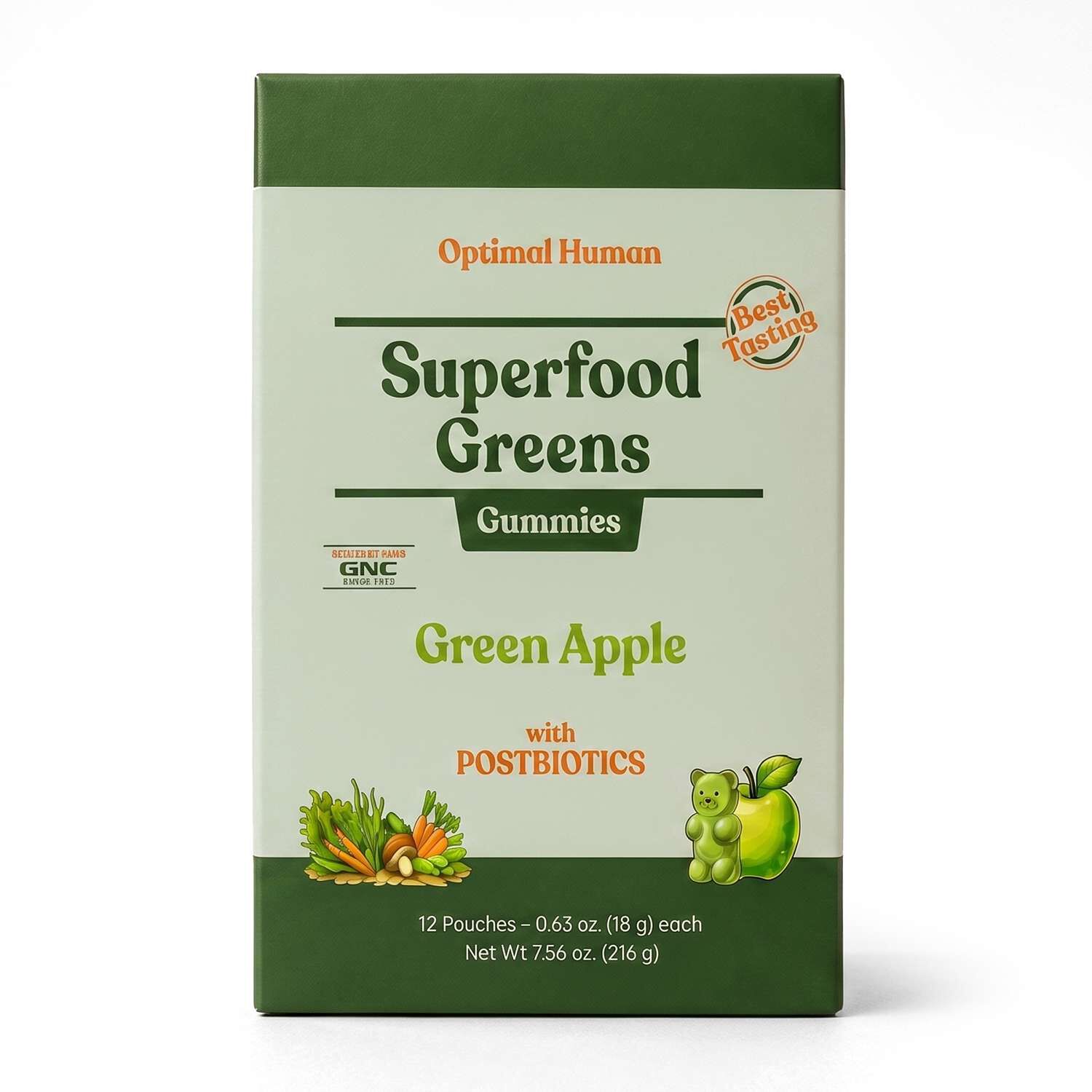
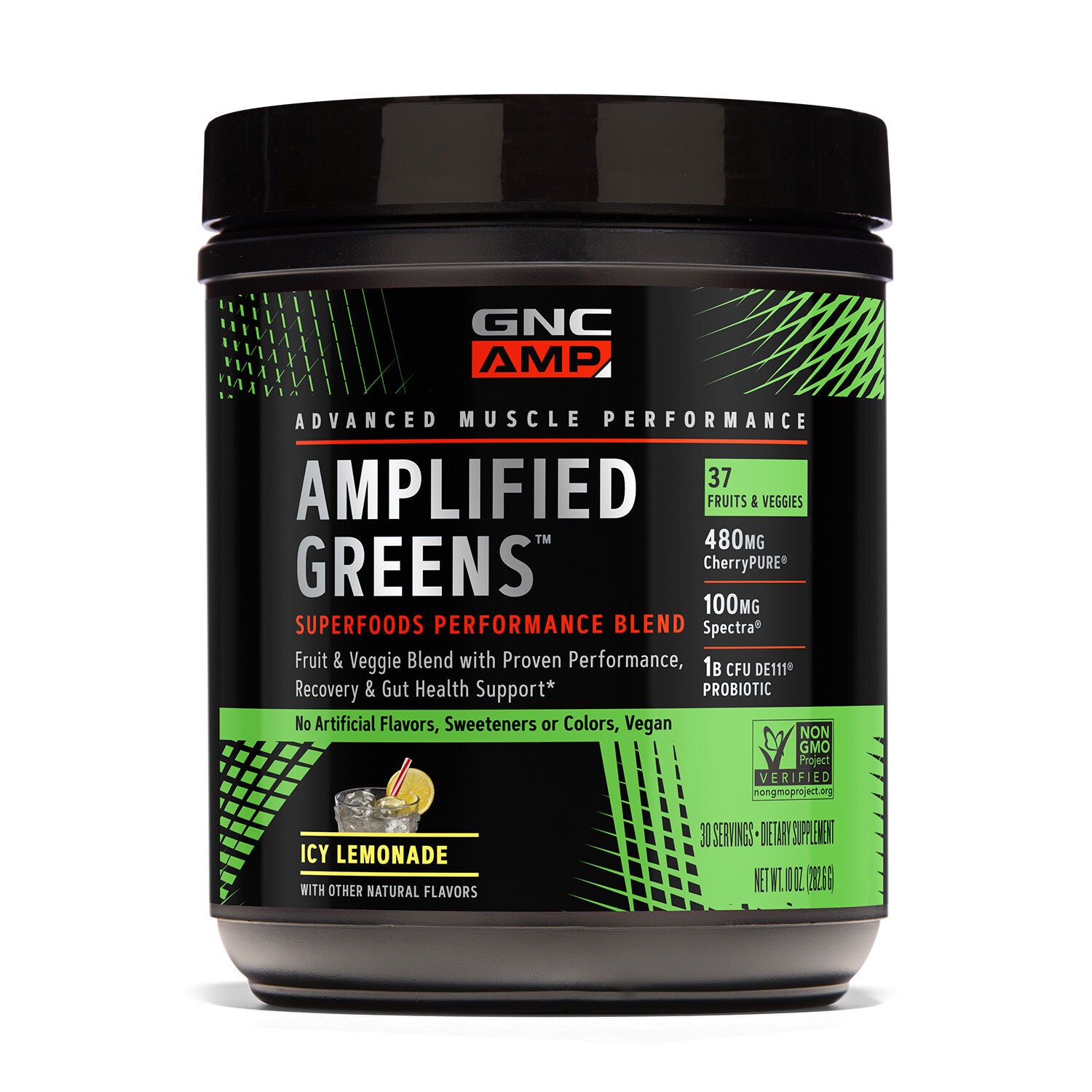

Botanical blend supplements combine plant-derived ingredients in a single formula, drawing from roots, leaves, flowers, fruits, seeds, or bark. Rather than featuring just one botanical, these supplements bring several ingredients together in formats such as capsules, tablets, powders, and liquid preparations. The blend’s character depends on the plants selected, the parts used, and how those ingredients are prepared. A formula made with ground plant material differs from one made with extracts, even when the same plant names appear on both labels. Extracts involve processing that draws out selected components, while whole-plant powders generally contain a broader mixture of the original material. Neither description, by itself, establishes that one formula is a better match for every shopper. Botanical blend supplements are intended to supplement an everyday routine, not replace meals or a varied diet. Their appeal often comes from combining several botanicals in one format rather than keeping separate containers for each ingredient. Capsules offer a measured format without the need to stir a powder into a drink, while powders provide an option for people who prefer preparing a beverage. Liquid blends have their own serving directions and may include a dropper or another measuring feature. Beyond format, useful distinctions include the amount in each serving, the number of capsules or scoops that make up that serving, and whether the label identifies individual ingredient amounts or lists a blend under a combined amount. Those details help explain what is actually inside the container. Capsule shells, flavorings, sweeteners, and other supporting ingredients also shape the product’s fit with personal preferences. A plant-derived capsule shell does not necessarily mean every ingredient in the formula is plant-derived, so the full ingredient list matters. For shoppers comparing botanical blends, the most meaningful description connects the plant names, preparation method, serving information, and intended use rather than relying on a broad category name alone. These distinctions also make comparisons more useful when two formulas have similar front-label descriptions but different ingredient lists.
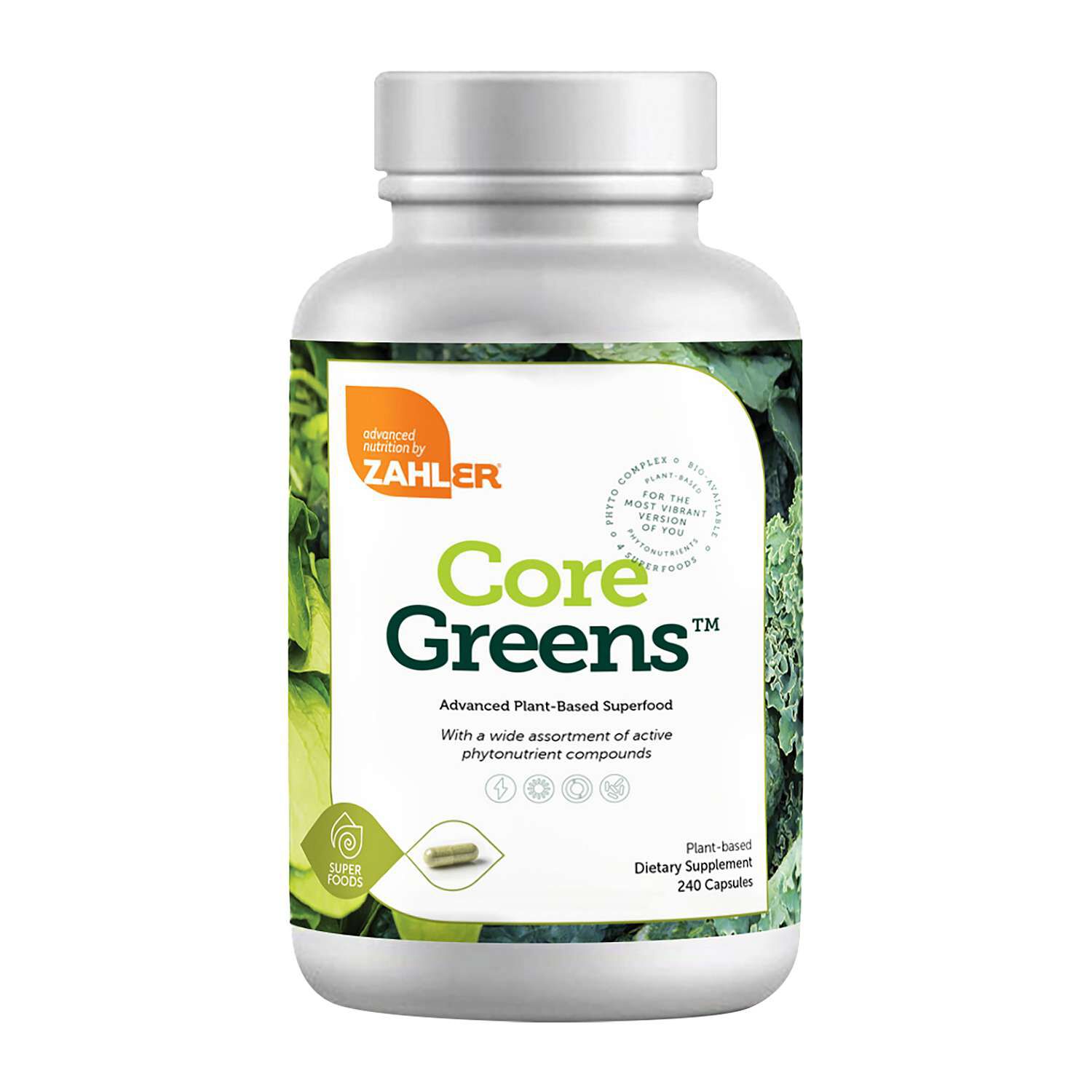
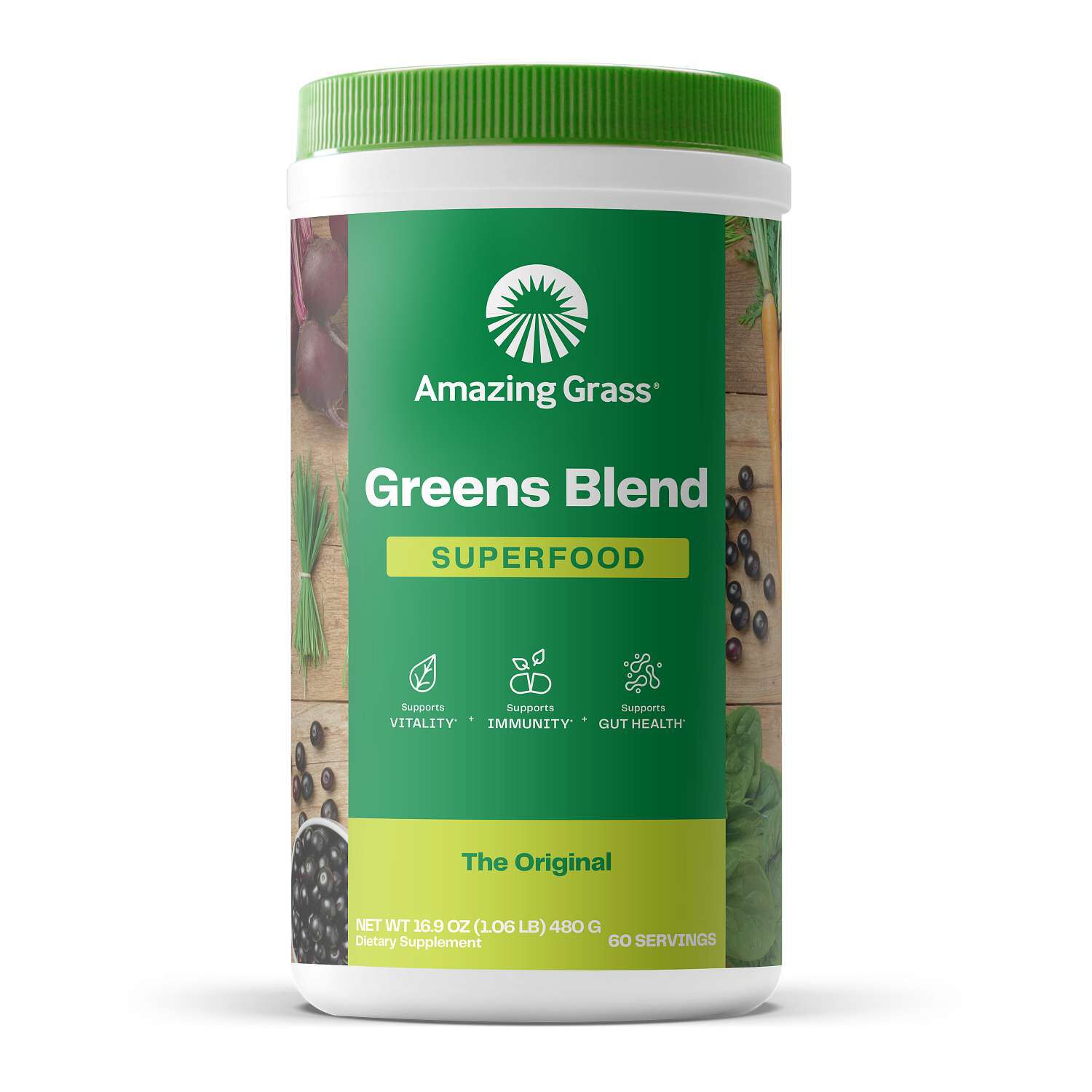
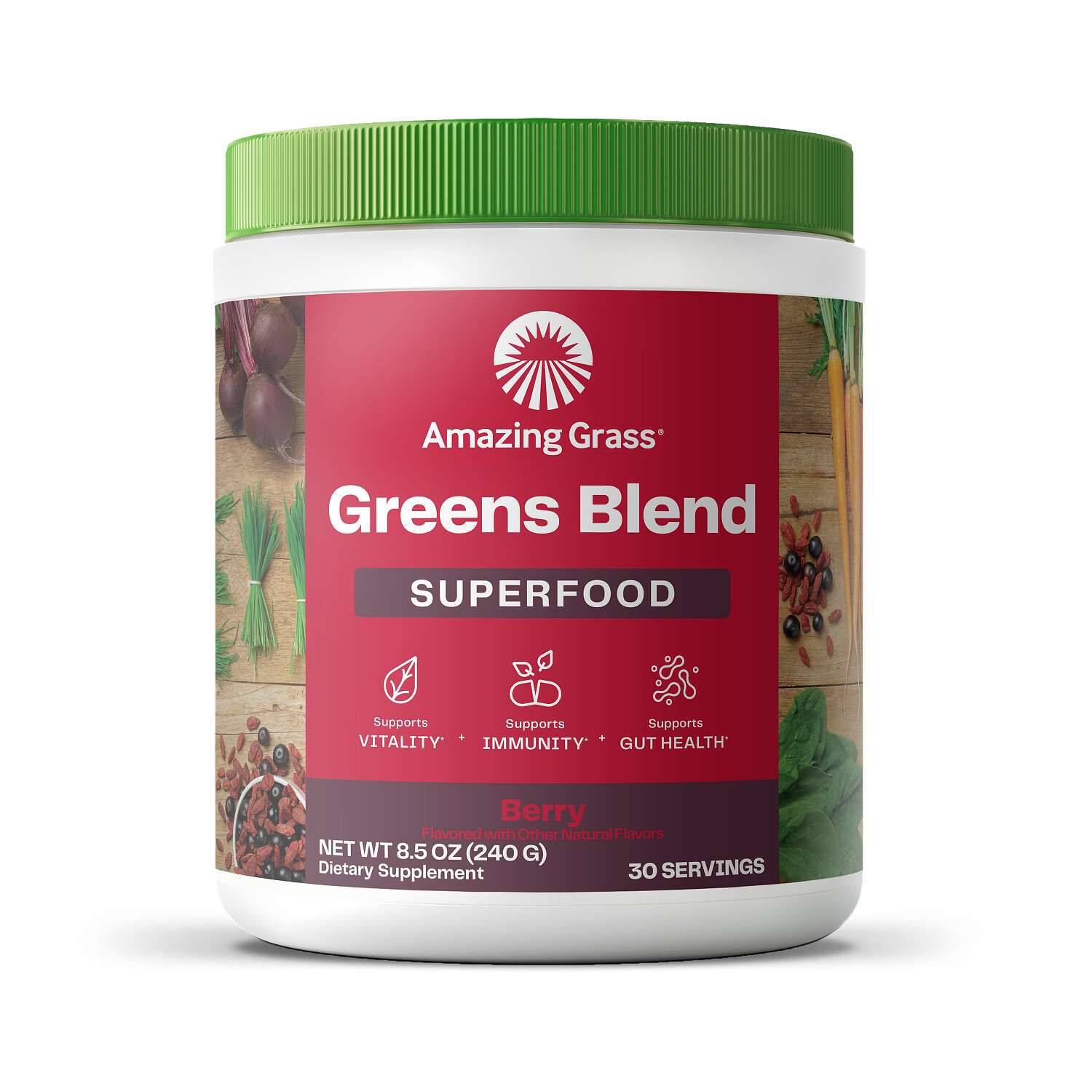
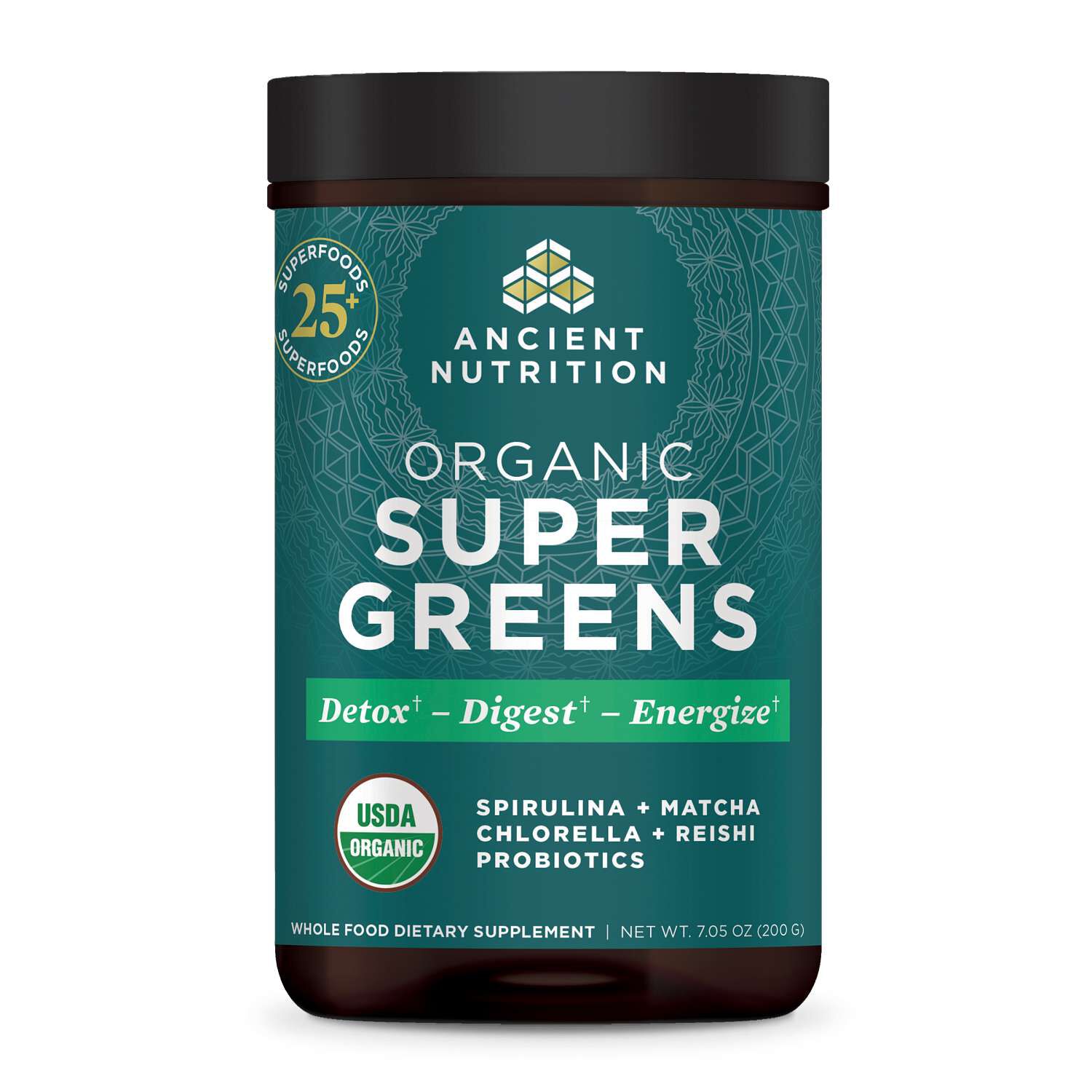
The botanical blends category includes a wide range of ingredient combinations, from greens and vegetable-based powders to formulas centered on herbs, roots, or flowers. Greens blends may contain dried leafy ingredients, grasses, or other plant materials, sometimes alongside ingredients such as spirulina. Herbal blends might feature combinations of ginger, turmeric, chamomile, or other botanicals, with the exact selection varying by formula. A familiar culinary plant can appear in a supplement in a form quite different from the ingredient used in cooking; a concentrated extract, for example, is not interchangeable with a spoonful of kitchen seasoning. Some herbal formulas are described as adaptogenic, a category commonly associated with ingredients such as ashwagandha, rhodiola, and holy basil. That term does not reveal the serving amount, extraction method, or other ingredients, so the label remains the more useful reference for comparing formulas. Shoppers interested in that category can also explore Adaptogenic Herbal Supplement Blends while considering ingredient combinations and preferred formats. Clear botanical identification is valuable across these categories. A label that names the plant species and the part used provides more detail than a general reference to an herb, because a root-based ingredient and a leaf-based ingredient are not necessarily equivalent. When an extract is described as standardized, the label may identify a measured component used to characterize that extract; this does not, on its own, establish an outcome for the person using it. Quality information deserves the same careful reading. Independent testing may assess identity, ingredient amounts, or selected contaminants, depending on the testing program. An organic certification addresses specified production practices rather than demonstrating a product’s effectiveness. The FDA does not approve dietary supplements for safety or effectiveness before they are sold. For that reason, transparent labeling, clear manufacturer information, and a specific explanation of any testing or certification are more informative than a general statement about quality. Documentation that identifies what was assessed offers useful context without making every certification mark interchangeable.
Choosing among botanical blend supplements also involves the ordinary details of how a product fits into daily life. Someone who prefers a brief morning routine may favor a capsule format, while someone who already prepares a smoothie might prefer a powder intended for that use. Neither format is automatically better; preparation, serving size, and ingredient preferences make the difference. A powder’s texture and taste depend on its ingredients and processing. Leaf-based blends may have a grassy character, root ingredients may contribute earthy notes, and flavored formulas may include sweeteners or other additions that change the overall taste. Package directions provide the relevant preparation details, including the suggested liquid, mixing method, and serving measure. The scoop inside a powder container is a measuring tool, and its size should not be assumed to match a household spoon or a scoop from another container. Similarly, a liquid formula’s serving should be understood from its own label rather than inferred from the bottle’s appearance. Packaging and care matter once a supplement becomes part of a routine. A securely closed lid, a readable label, and access to the original serving information help keep the product organized. Powders are generally best handled with a clean, dry measuring tool, and all formats should be stored according to their package directions. Moisture can affect powder texture, so resealing the container after use is a practical part of care. Keeping supplements in their original packaging also preserves the ingredient list, lot information, and date markings for reference. For households with several supplement users, clearly identified containers help distinguish one person’s selections from another’s. Botanical blends can be a personal purchase, and they are most suitable as gifts when the recipient has already expressed a preference for the ingredients and format. Across the category, a thoughtful selection rests on straightforward details: which botanicals are included, how they are prepared, what constitutes a serving, and whether the format suits the recipient’s established routine. Those details give this varied collection a practical context beyond the names on the front of the package.
Best Sellers
-
Ancient Nutrition
-
Amazing Grass