





Natural Indigestion Remedies
(0 Results)
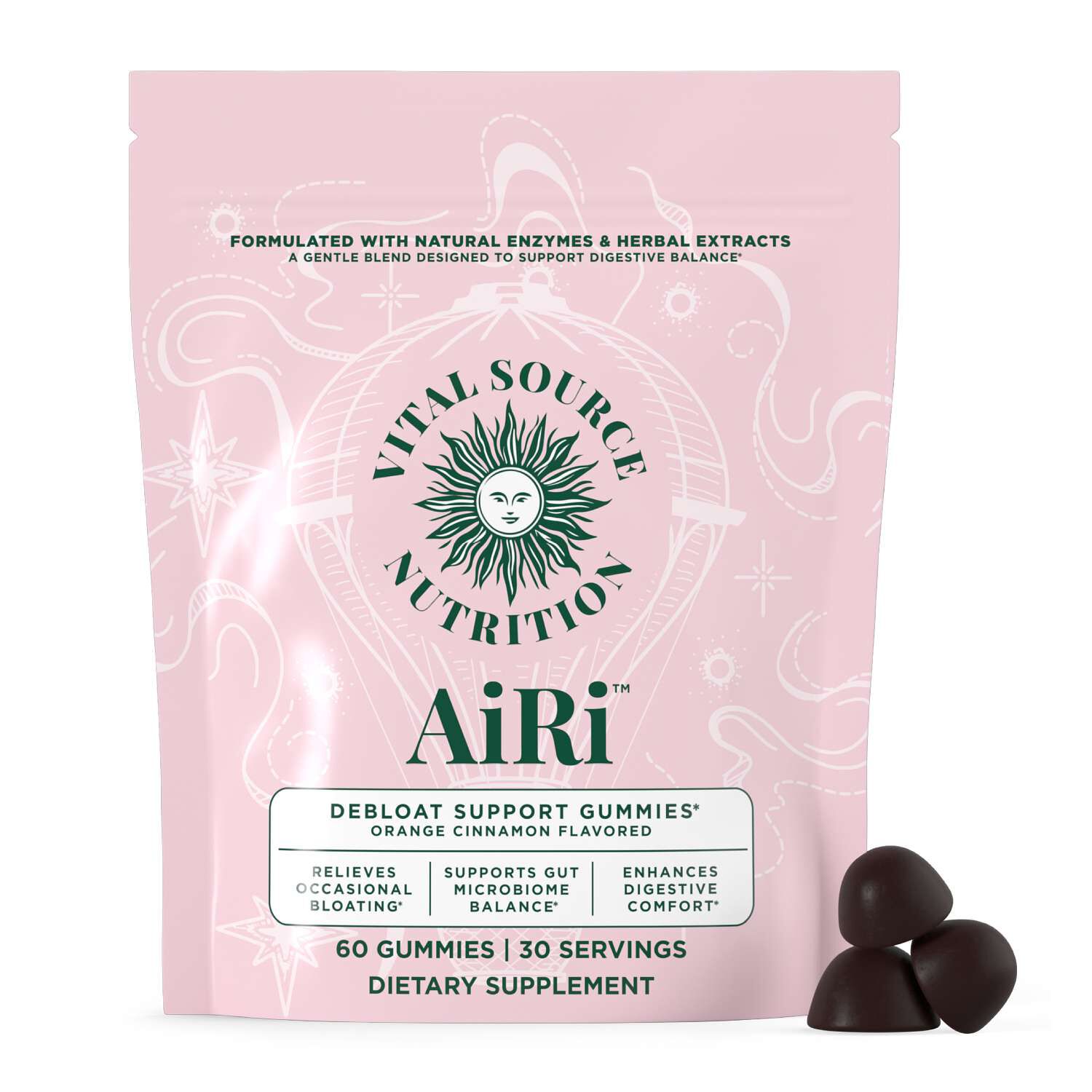
If you're seeking relief from occasional indigestion, look no further than our selection of natural indigestion remedies. From herbal supplements to digestive enzymes, these products are formulated to support your digestive health and help you feel your best. Say goodbye to discomfort and hello to a happier tummy with these gentle yet effective solutions.
-
 Sprayology$38.99
-

-

-

-
 $19.99
-

-
 $29.99
-

Ginger, chamomile, herbal tea blends, and digestive supplements are common starting points for shoppers comparing natural indigestion remedies. These categories differ in ingredient source, preparation, serving format, and intended use, making the label more informative than the word natural alone. Ginger preparations can feature dried rhizome, powdered ginger, or an extract, while chamomile preparations typically use the plant’s flowers. In tea form, ginger has a distinctive spicy character, and chamomile generally has a softer, floral taste. Blends may also include ingredients such as fennel or other botanicals, so the flavor and ingredient profile can vary considerably between formulas. Someone who enjoys the ritual of steeping tea may prefer a beverage format, while another shopper may be more interested in capsules or measured powders. These are differences in how a product fits into daily life, not evidence that one format will produce a particular outcome. Botanical teas and digestive supplements also belong to different labeling categories: a tea sold as a conventional beverage generally carries different information from a product labeled as a dietary supplement. Looking at the ingredient panel, serving information, and preparation directions helps clarify those distinctions. A blend named for ginger, for example, can contain several additional ingredients rather than ginger alone. An extract can also differ from a simple ground botanical in concentration and composition. The plant part, quantity per serving, and presence of other ingredients provide a more useful basis for comparison than package size or botanical imagery. For shoppers who value a short ingredient list, a single-botanical format may fit that preference; others may enjoy the flavor complexity of a blend. Neither approach makes the formulas interchangeable. Natural describes a broad shopping preference, not a standard recipe, serving size, or assurance of a particular result.
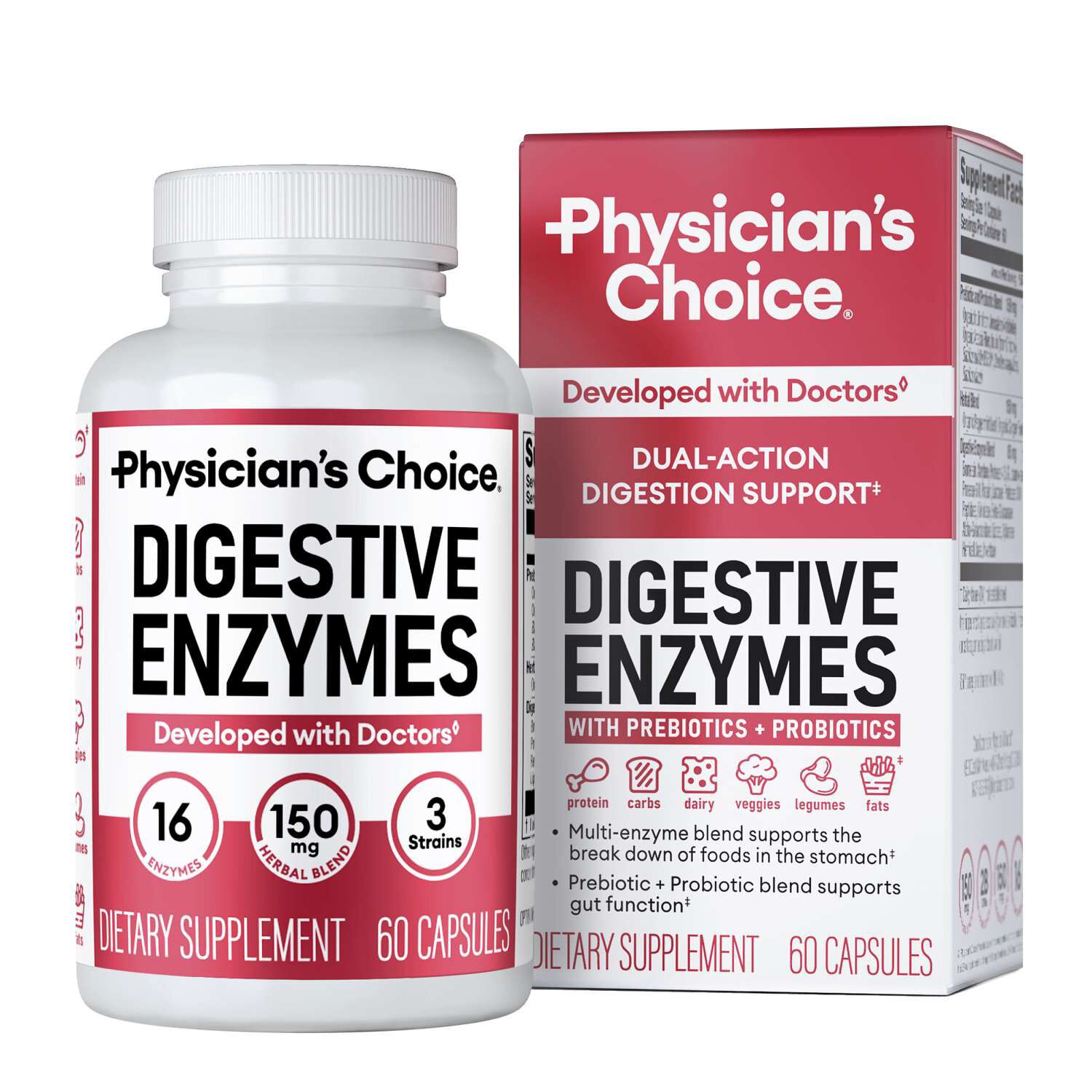
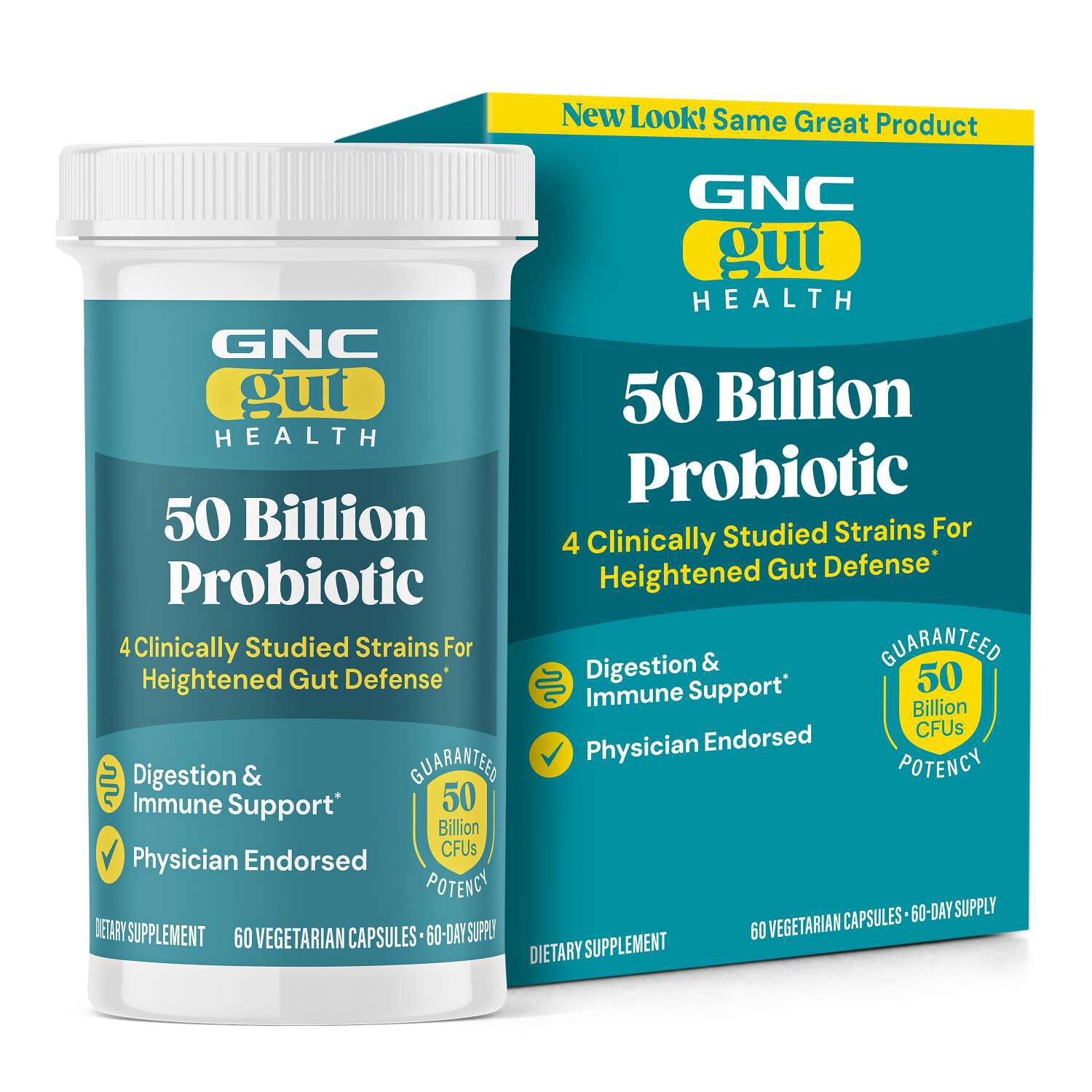
Beyond botanicals, digestive wellness assortments can include enzyme formulas, probiotics, and fiber supplements, each with its own terminology and intended-use description. Enzyme labels may name ingredients such as amylase, protease, or lipase and show activity measurements alongside other serving information. Those measurements are different from the weight of a capsule or the amount of powder in a container. Probiotic labels often identify microorganisms by genus, species, and strain, along with colony-forming units, commonly abbreviated as CFUs. Some labels specify a count through an expiration date, while others describe the count at manufacture, making the wording worth a close look. Fiber formulas can contain ingredients such as psyllium or inulin, with different textures, flavors, and mixing directions. None of these categories is simply another version of an herbal tea, even when they appear together under a broad digestive wellness theme. Format adds another layer to the comparison. Capsules have shell ingredients that may be animal-derived or plant-derived, while chewable formats can include sweeteners, flavorings, and ingredients that create their texture. Powders require attention to serving measurements and preparation directions; a scoop’s appearance alone does not establish how much it holds. Tea bags offer a different preparation experience from loose botanicals, which require a suitable infuser or strainer. A person making a beverage in an office kitchenette may appreciate straightforward preparation, while someone with a favorite teapot may enjoy measuring loose ingredients at home. Taste also deserves consideration before choosing a larger package. A pronounced ginger flavor, a floral blend, and an unflavored powder offer different sensory experiences, and ingredients described as unflavored can still have a noticeable taste or texture. A realistic comparison considers the number of servings, the amount used for each serving, and any equipment involved. That approach keeps the focus on what the product actually contains and how it is intended to be prepared, rather than assuming that every digestive supplement serves the same purpose.
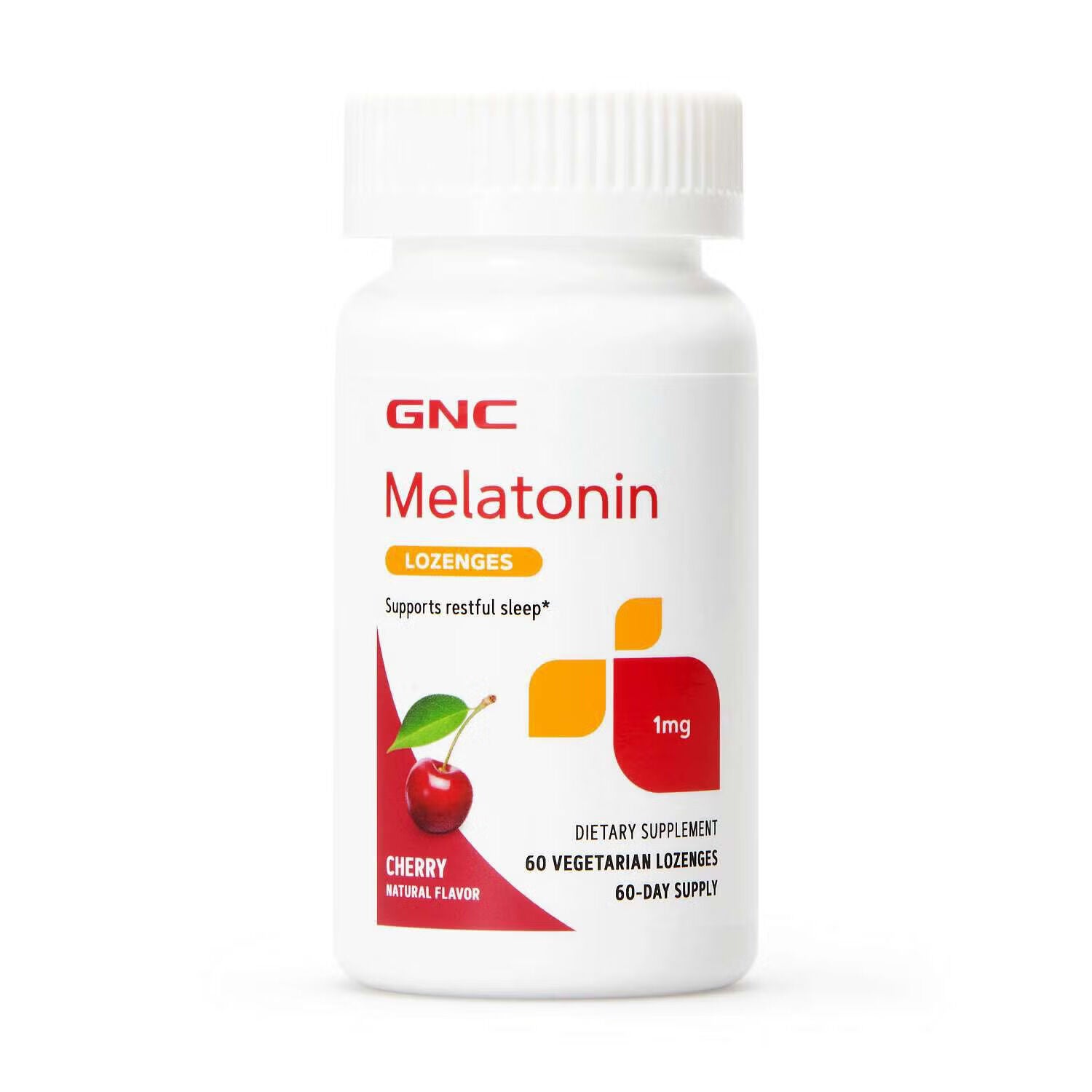
Thoughtful label reading also extends to the less prominent details on the package. Capsule materials, added sweeteners, flavorings, allergen statements, and dietary certifications can matter just as much to an individual shopper as the featured botanical. Someone choosing around a vegetarian preference, for instance, may want to check the capsule shell as well as the main ingredients. A shopper who dislikes sweet beverages may be more interested in the flavor description and sweetener list than in a large image of an herb on the front panel. Certifications are most useful when they match a specific preference and can be identified clearly on the label; a leafy design alone does not communicate the same information. Storage and packaging matter, too, especially for formats that will be opened repeatedly. Preparation and storage instructions differ, and some probiotic formulas have refrigeration requirements while others have different handling directions. Tea bags benefit from packaging that limits exposure to moisture and strong pantry odors. Powder containers need secure closures and appropriate measuring tools, with label directions providing the reference for handling. A container that fits neatly beside breakfast supplies may be convenient, but a location near steam or direct sunlight may conflict with its storage instructions. For travel, the original labeled packaging keeps serving details, ingredient information, and handling directions together. Package size is worth considering in relation to the labeled servings and expiration date, rather than simply choosing the largest container. These practical details may make a format easier to incorporate into an established routine without suggesting that consistency ensures a particular result. For an evening beverage routine, caffeine content and flavor may be useful comparison points, especially when a blend contains ingredients beyond the botanical named on the front. Shoppers exploring a separate nighttime wellness category can also browse Natural Remedies For Insomnia. Across digestive wellness categories, the clearest comparisons come from identifiable ingredients, readable serving information, preparation requirements, and a format that suits the person using it.
Best Sellers

Related Pages


Top Collections
- Zinc Supplements | Top Brands at Great Prices | GNC
- Cortisol Supplements
- NAD+ Supplement Tablets
- Top Rated Collagen | Shop Customer Favorites | GNC
- Best Brand of Magnesium Glycinate
- Peptide Supplements
- Iron Supplements
- Protein Powders For Muscle Growth Support
- Vitamins That Help Support Weight Gain
- Peptide Supplements for Muscle Growth