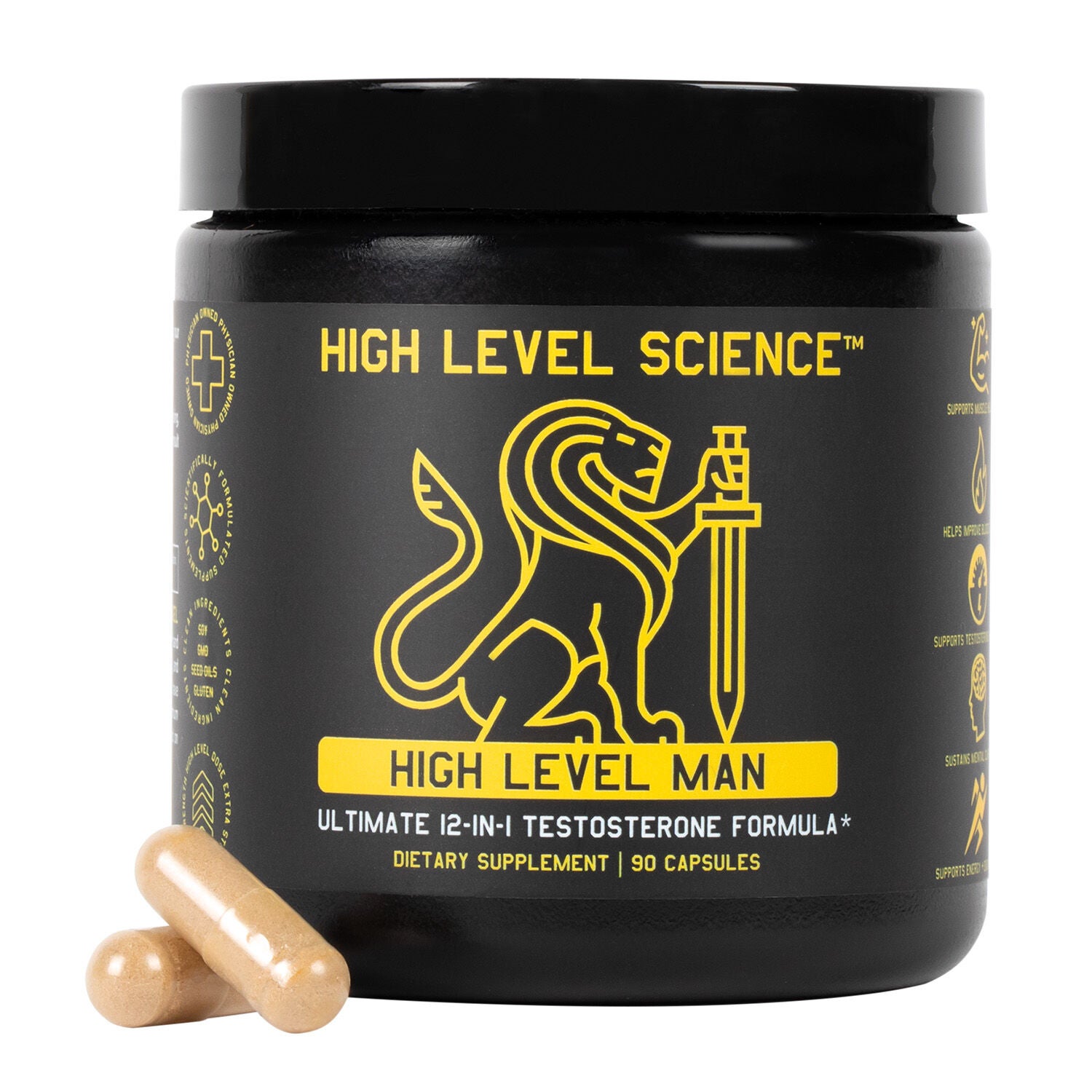
Natural Men's Sexual Health Supplements
(0 Results)
Enhance your vitality and well-being with our selection of natural men's sexual health supplements. Specially formulated to support men's reproductive health and overall performance, these supplements are crafted with high-quality ingredients to help you maintain peak physical and sexual wellness. From promoting libido and stamina to supporting testosterone levels, our range of products aims to address various aspects of men's sexual health. Discover a holistic approach to optimizing your intimate well-being with our carefully curated collection of supplements designed to help you feel your best every day.
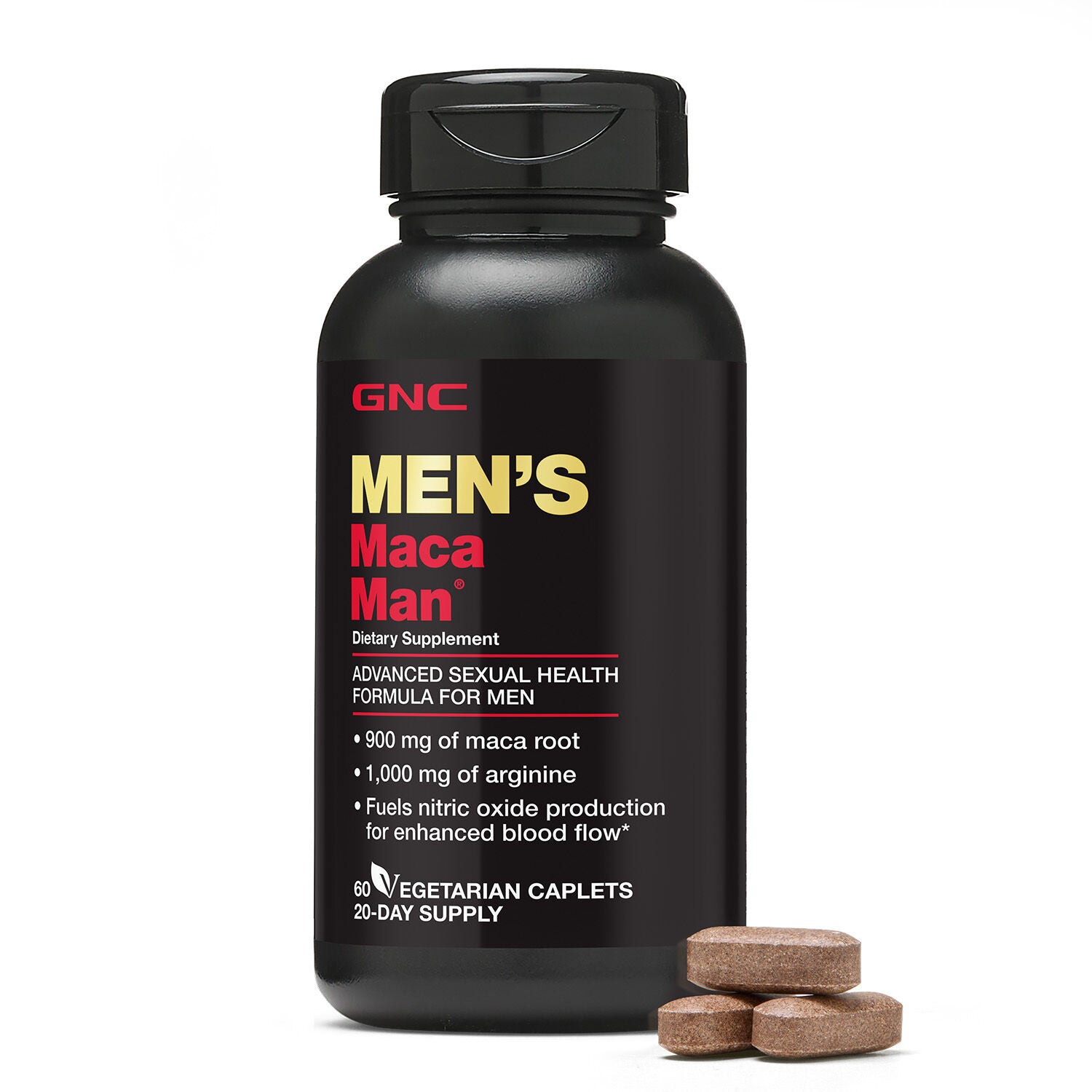

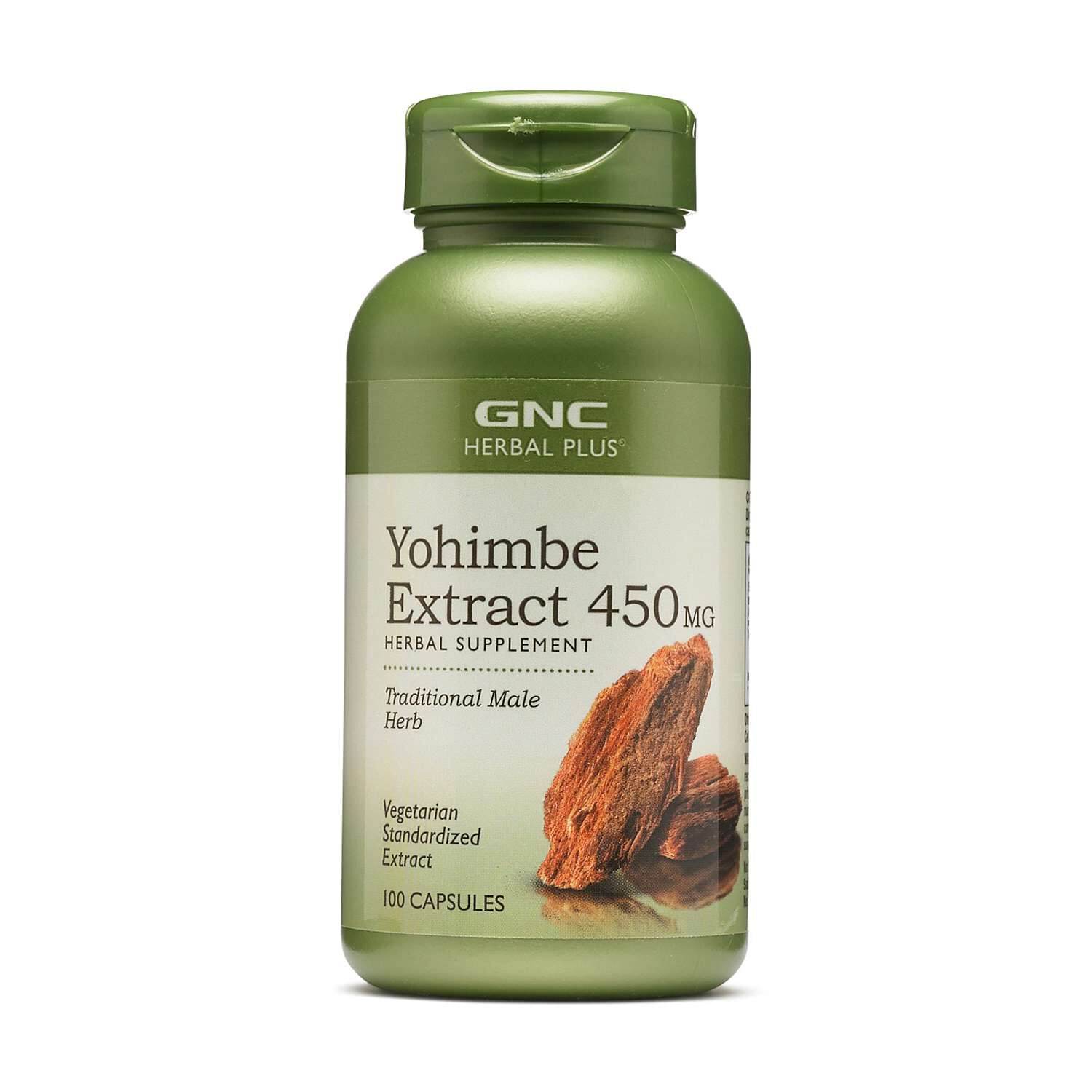


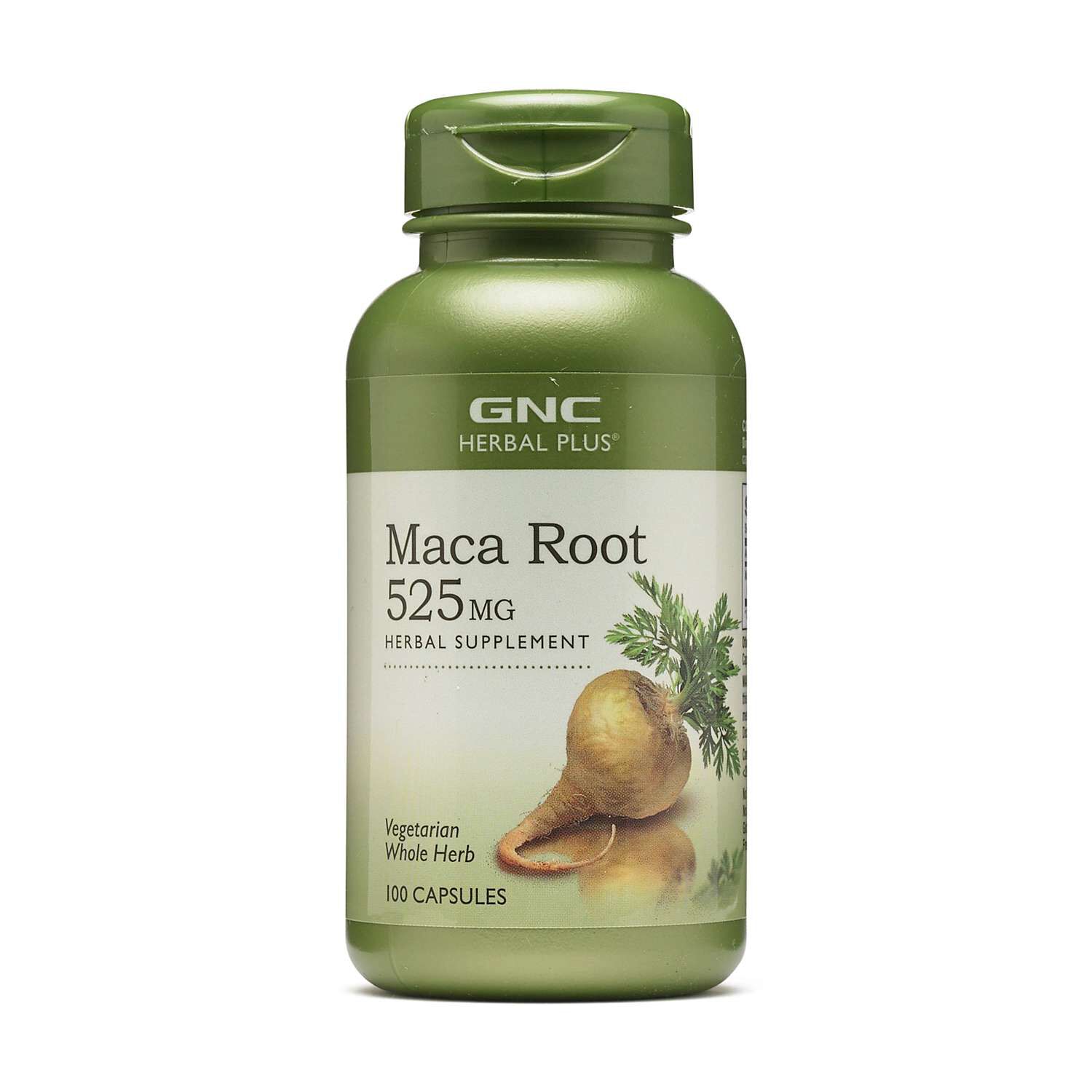
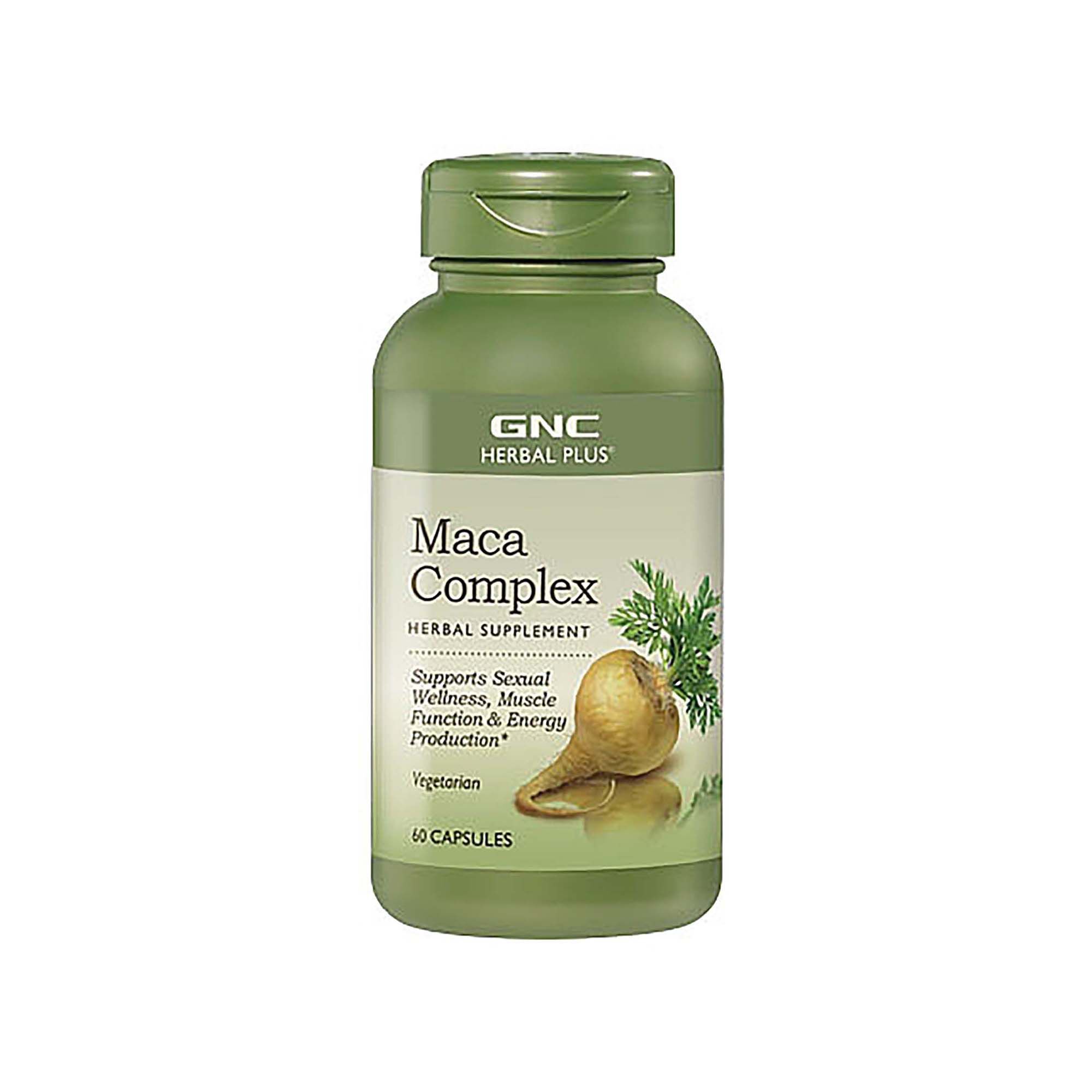


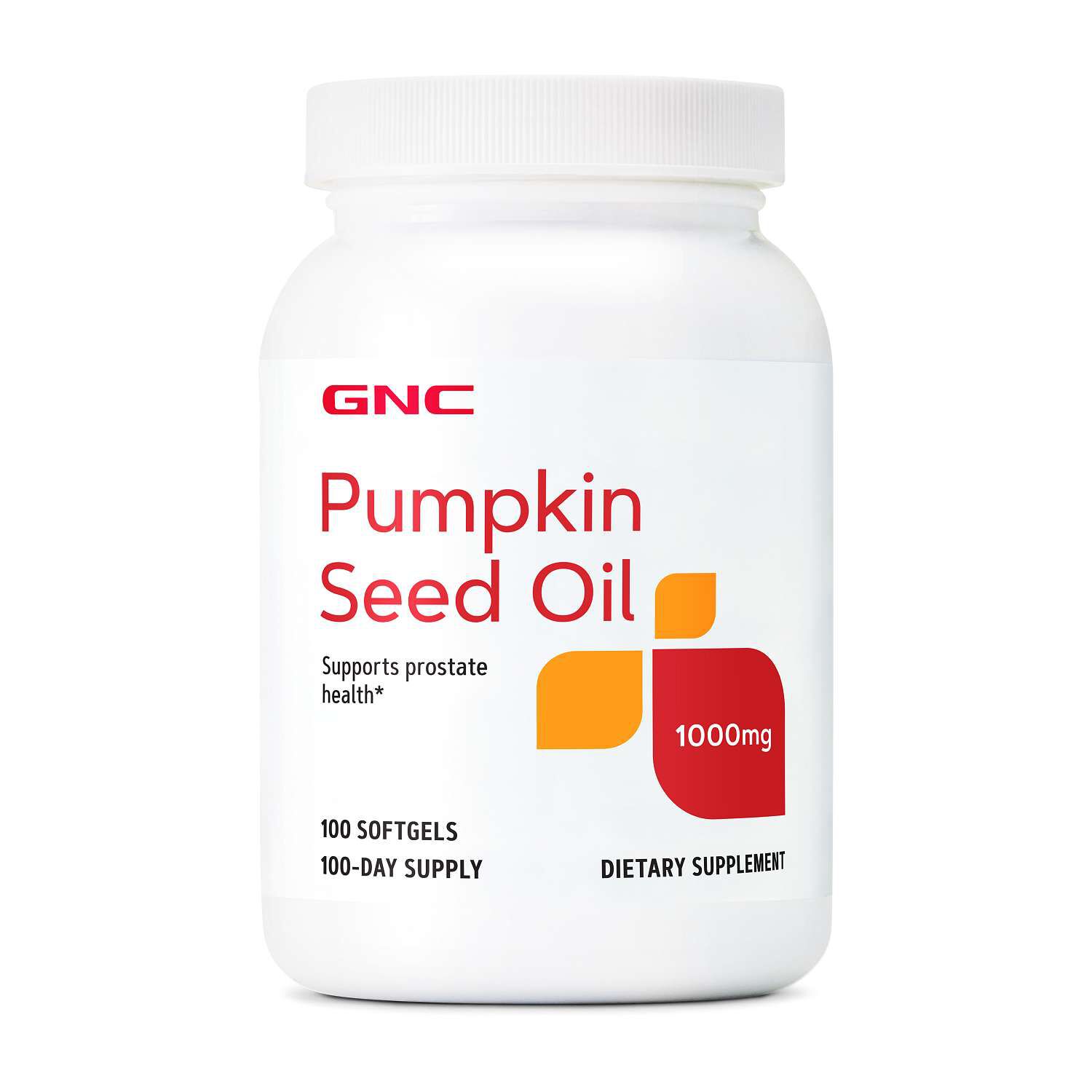
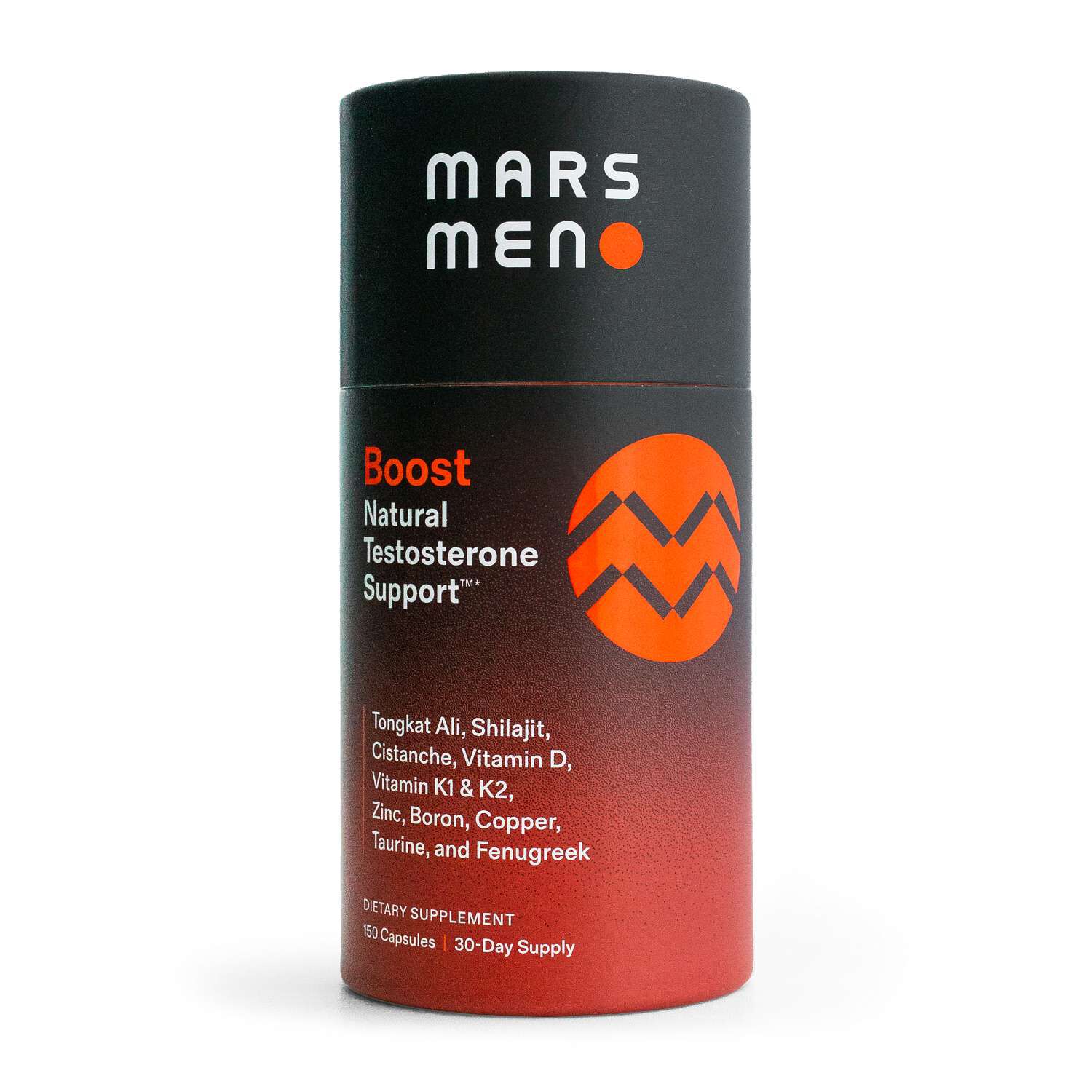
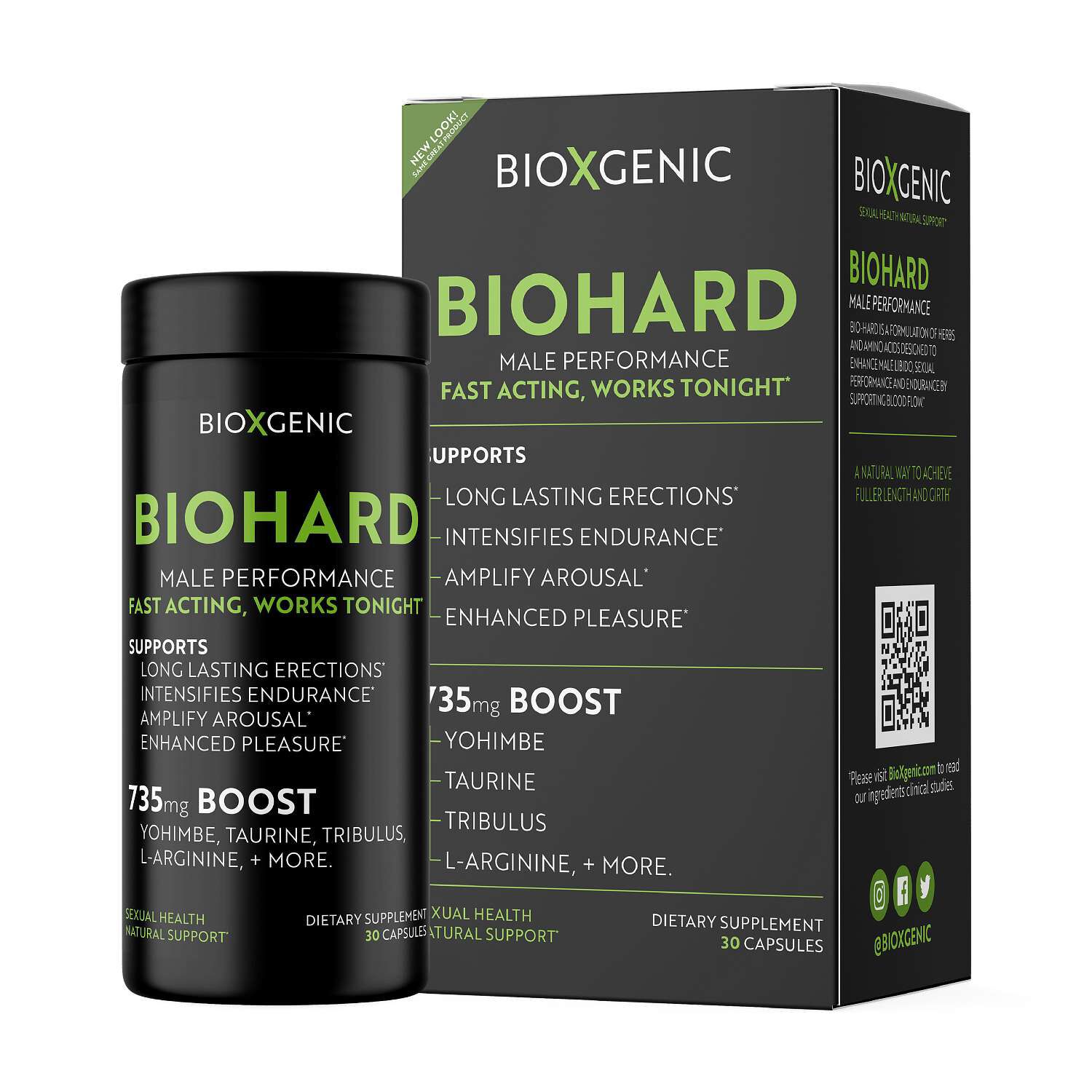
Natural men's sexual health supplements bring together botanical ingredients, amino acids, and minerals in formulas intended for adult men's personal wellness routines. The category includes both single-ingredient options and blends, with differences in ingredient sources, serving sizes, and preparation methods. Maca, ginseng, and ashwagandha are among the botanicals associated with this category, while L-arginine and zinc represent other types of ingredients that may appear alongside herbs. Maca is a root traditionally used as a food in the Andes. Ginseng refers to several plants, making the botanical name an important distinction on a label. Ashwagandha formulas can contain root material, leaf material, or extracts, depending on the preparation. L-arginine is an amino acid, and zinc is a mineral rather than an herb. These distinctions give the category more variety than the word natural alone might suggest. Natural is not a uniform description of ingredient sourcing, processing, or finished-formula composition, and it does not establish safety or effectiveness. A botanical powder and a concentrated extract can come from the same plant yet differ in composition and the amount listed per serving. Likewise, traditional use, scientific research, and a finished formula's intended purpose are separate considerations. Evidence varies by ingredient and preparation, and research on one ingredient does not automatically apply to every blend containing it. Dietary supplements also follow a different regulatory framework from prescription medicines; the FDA does not approve them for safety and effectiveness before they reach the market. For men browsing this category, useful background starts with understanding what a formula contains rather than assuming that similar names mean similar products. Some shoppers are interested primarily in herbal ingredients, while others prefer combinations that include minerals or amino acids. The intended use remains personal wellness, not a substitute for professional health care. Clear ingredient descriptions, readable labeling, and realistic expectations provide a more grounded basis for comparing natural men's sexual health supplements than broad language about performance.
Format is another practical difference within the category. Capsules, tablets, powders, and chewable formats create different experiences in an everyday routine, even when their ingredient lists look similar. A capsule format may appeal to someone who prefers a measured serving without mixing, while a powder may suit someone comfortable with preparing a serving according to the label. Tablets vary in size and coating, and chewable formats can include flavorings, sweeteners, and other ingredients that affect taste and texture. Capsule shells can be made from gelatin or plant-derived materials, so an herbal formula is not automatically vegetarian. The Supplement Facts panel identifies serving size and listed dietary ingredients, while the other-ingredients list provides details about capsule materials, binders, colors, and similar components. Those details matter when personal preferences include a particular capsule material or avoiding certain ingredients. Serving size also changes the meaning of a label: an amount stated for a serving of several capsules is not necessarily the amount in a single capsule. Container count and serving count are separate pieces of information, and neither establishes how a formula will perform. Everyday fit can be as straightforward as whether the format works with an established routine and whether its directions are easy to follow. Someone who travels frequently may prefer compact packaging with clearly printed directions, while someone organizing several supplements may place greater value on distinct labels and readable serving information. Care and storage are part of that practical fit. Storage instructions vary, and the original packaging carries information such as the lot number, date markings, and manufacturer directions. A well-fitting closure and an intact container may help protect the contents during ordinary handling, but packaging does not replace the stated storage requirements. Unlike a durable accessory, a supplement is a consumable with its own handling considerations. Its usefulness in a routine depends on more than bottle design or a familiar ingredient name.
Comparing formulas also means looking beyond the front label to the details that distinguish one preparation from another. For botanicals, the plant's scientific name, the part used, and whether the ingredient is a powder or extract provide meaningful context. A root-only preparation differs from one that includes other plant parts, and an extract ratio describes a manufacturing relationship rather than proving a particular result. Some labels identify standardization to a named constituent, which adds information about the extract's composition without establishing what an individual will experience. Single-ingredient formulas can make the ingredient panel easier to interpret, while blends combine several components in one serving. When a blend lists a combined amount without individual quantities, that presentation provides less detail about each component's contribution. A longer ingredient list or a larger stated amount is not, by itself, evidence of a better fit. Mineral labels introduce another distinction: the named mineral and its source compound are related but not identical pieces of information. These details help explain why two formulas associated with men's sexual wellness can look quite different when viewed side by side. For shoppers interested specifically in botanical options, Men's Herbal Supplements offers a related category centered on herbal formulations. The overlap reflects ingredient selection, not an assumption that every herbal supplement has the same intended use. Personal preferences may include a short ingredient list, a plant-derived capsule, clearly identified botanical sources, or a format that fits comfortably into an existing routine. Label warnings, intended audience information, and manufacturer directions remain relevant parts of the product description, rather than fine print separate from the selection process. For this intimate category, straightforward descriptions are especially valuable: they make room for thoughtful comparison without implying that one formula can determine someone's experience. Natural men's sexual health supplements are best understood through their actual ingredients, preparation, format, and stated purpose, with expectations shaped by the evidence for the particular formulation rather than by the category name alone.