Natural Supplements For Fall Weight Loss Support
(0 Results)
Natural supplements for fall weight loss may offer support as you work toward your seasonal wellness goals. With cooler weather and changing routines, autumn can be a great time to refresh your approach to healthy living. Explore options that fit your lifestyle and discover how natural ingredients might become a part of your fall routine. Whether you’re looking to complement an active lifestyle or simply want to explore new possibilities, natural supplements for fall weight loss could help you stay motivated throughout the season.


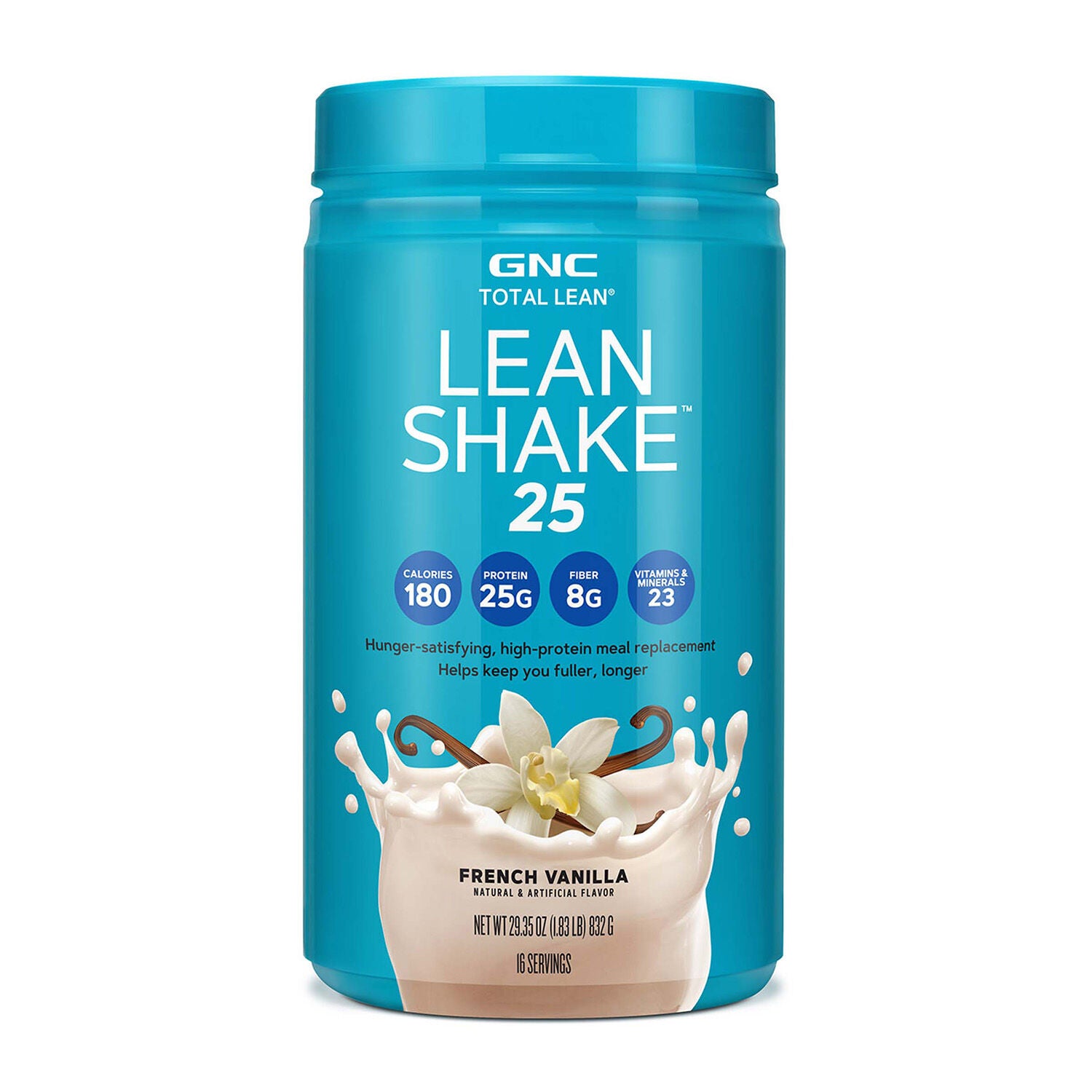
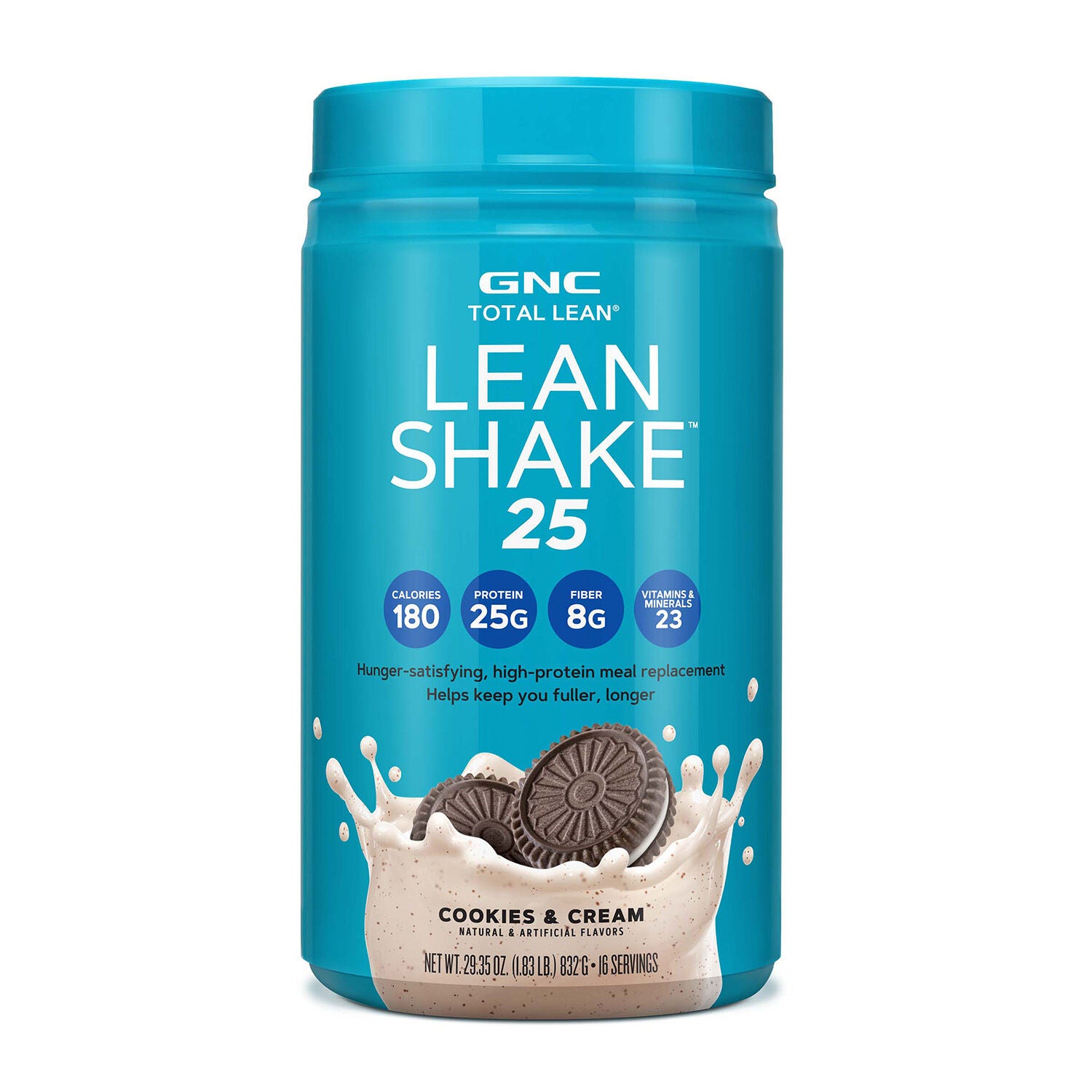
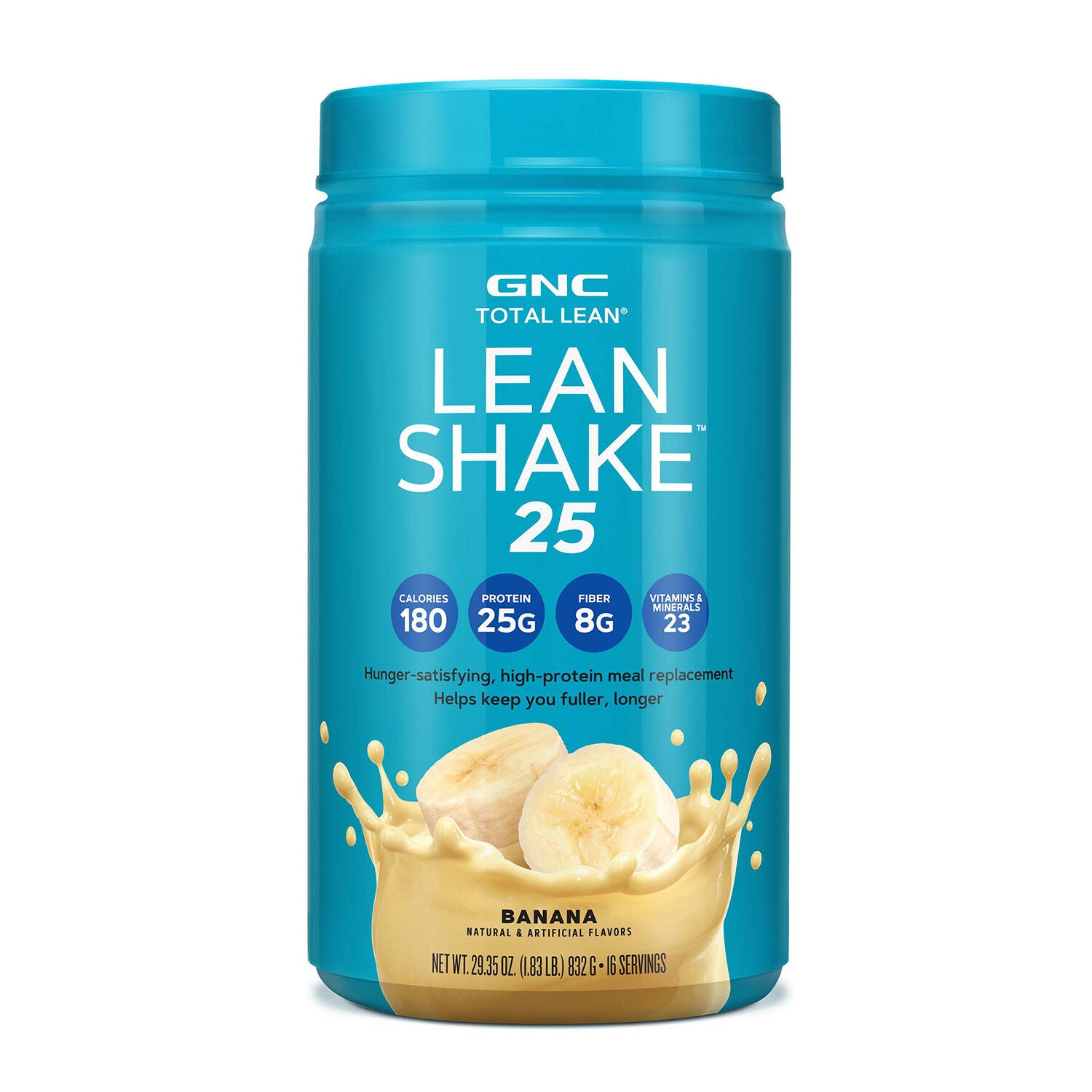
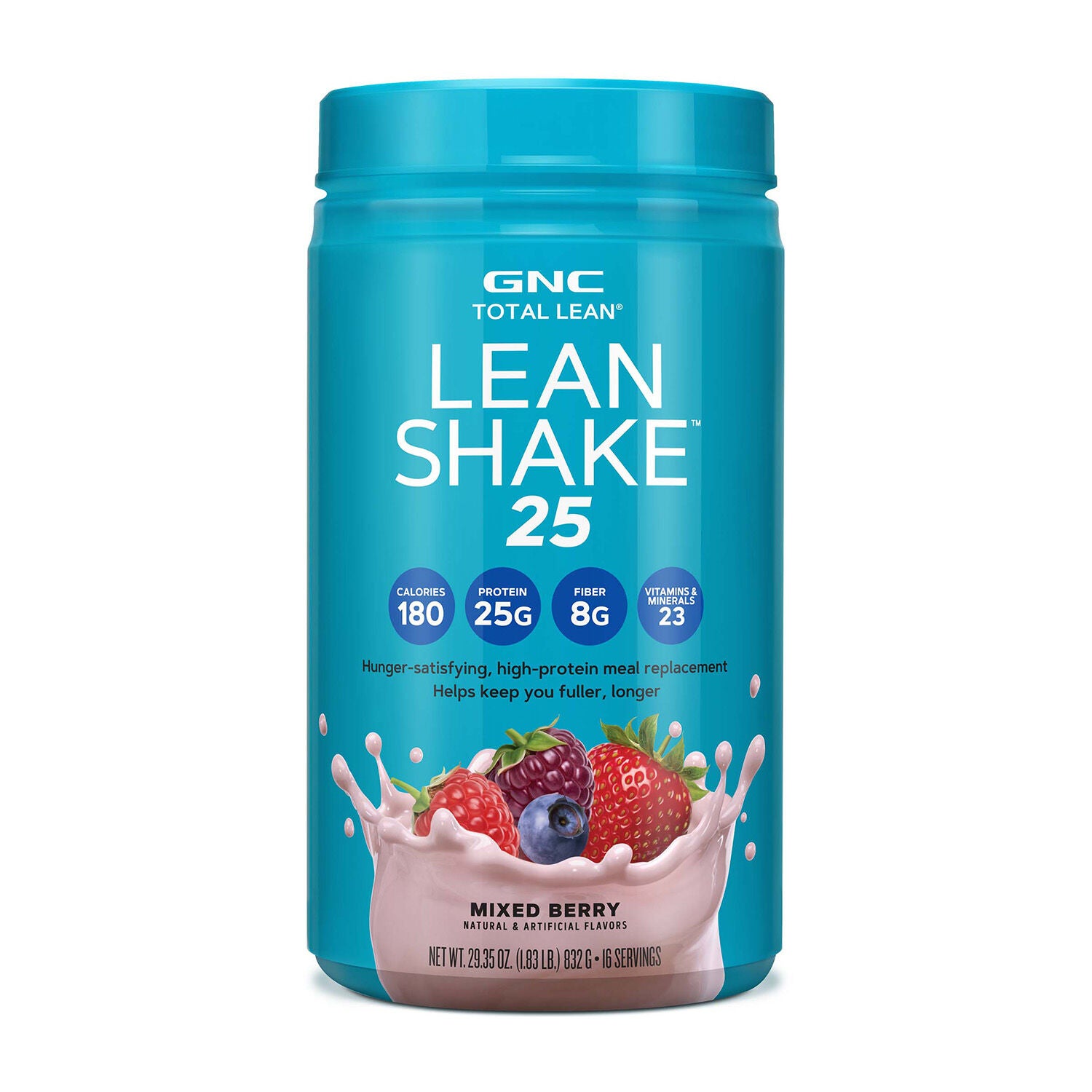
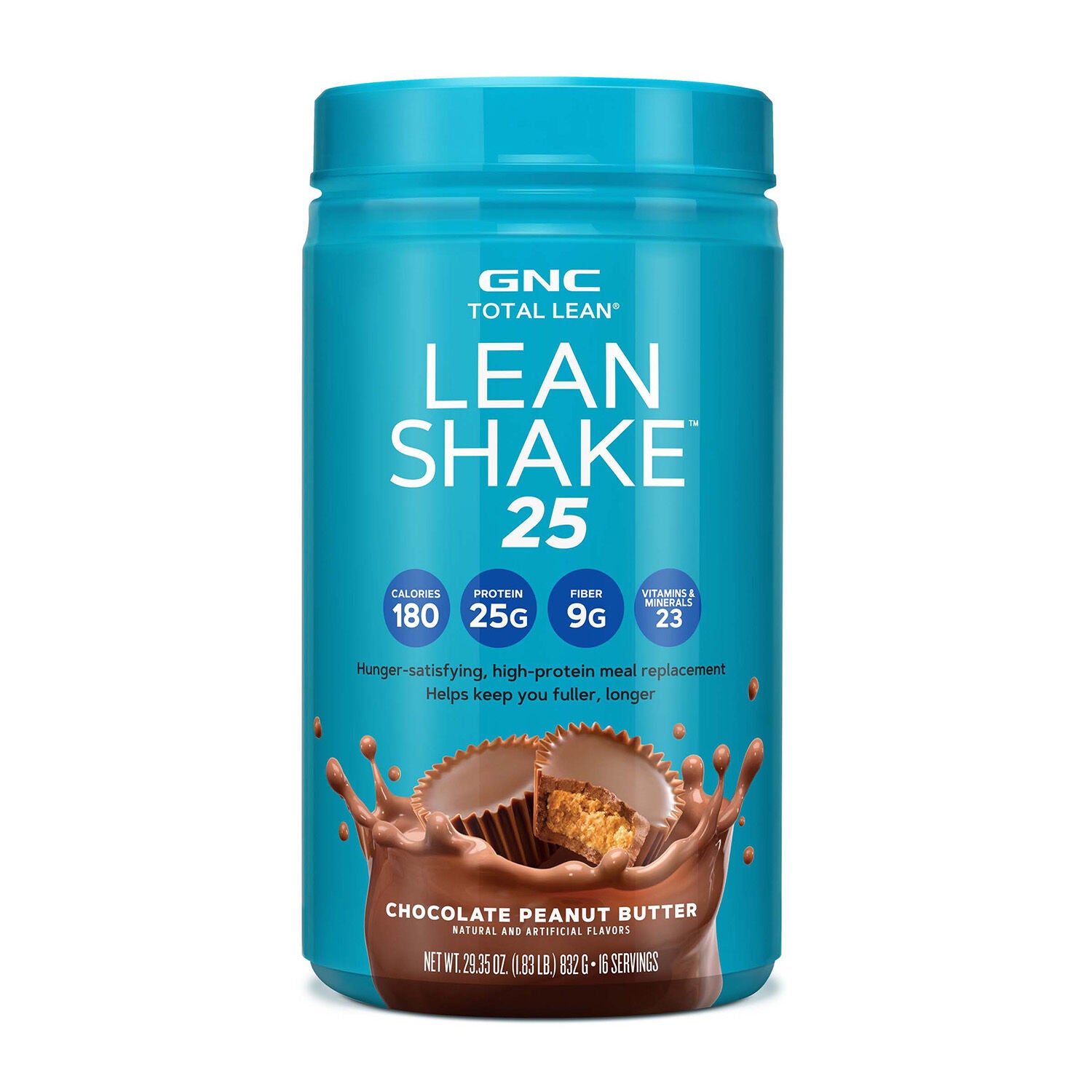


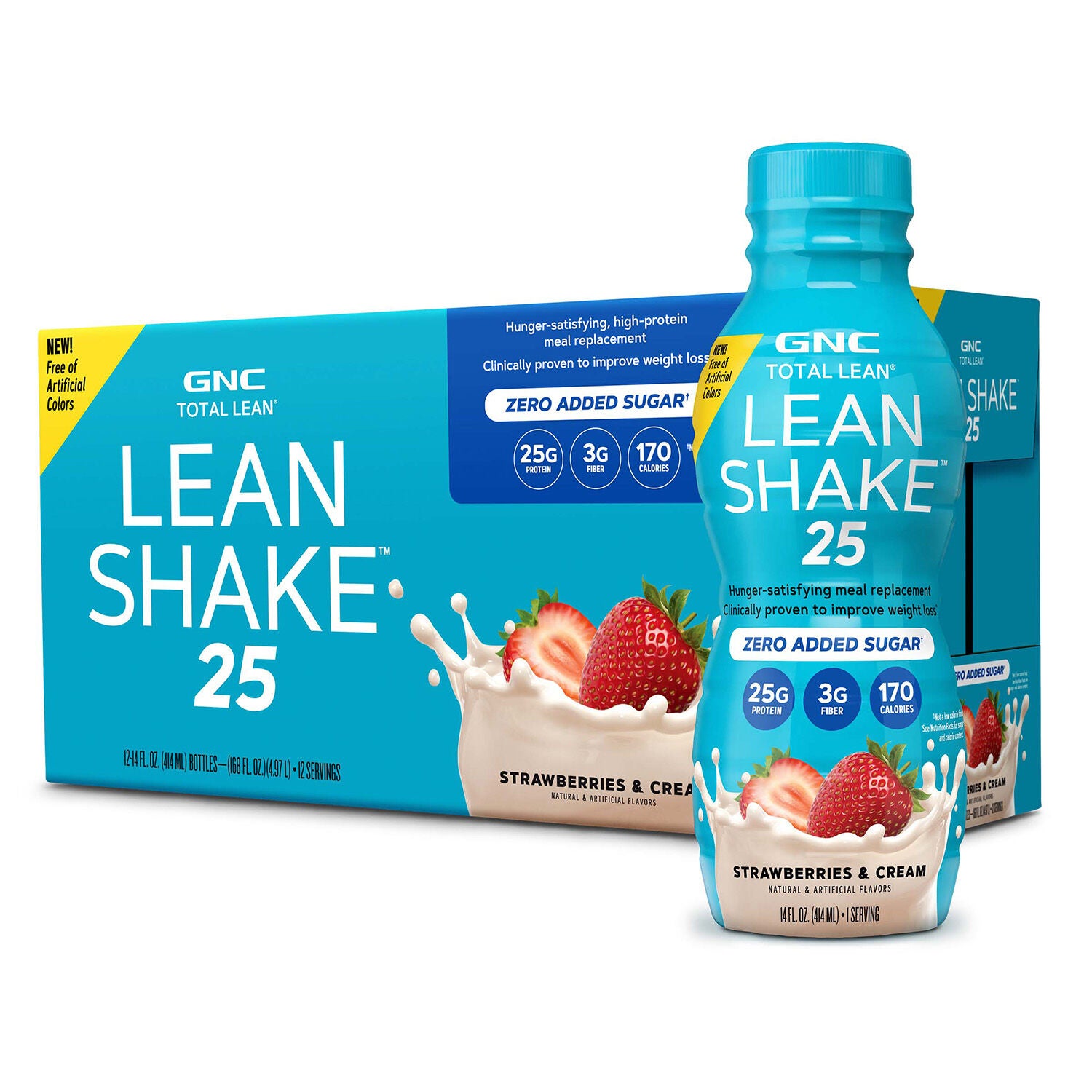
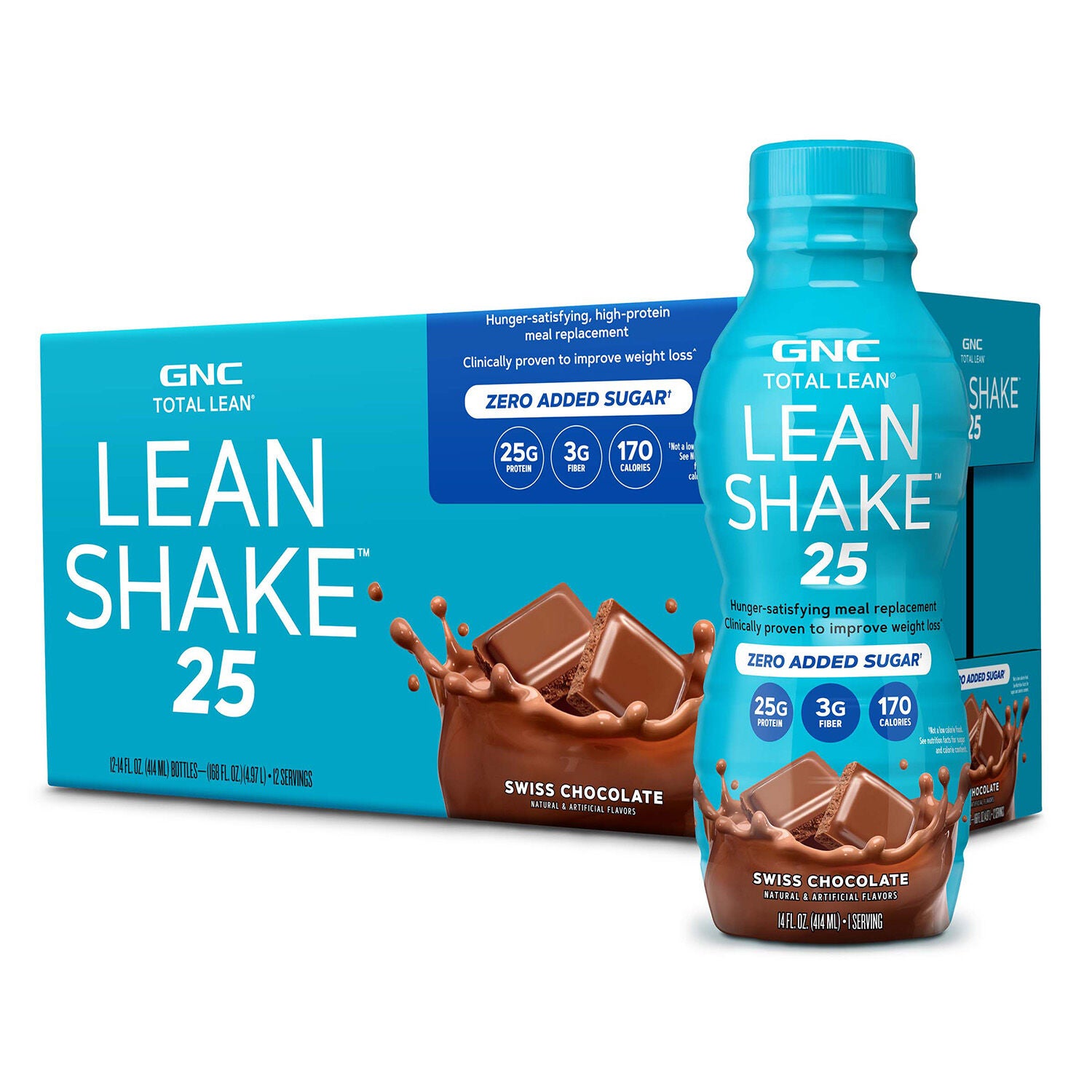
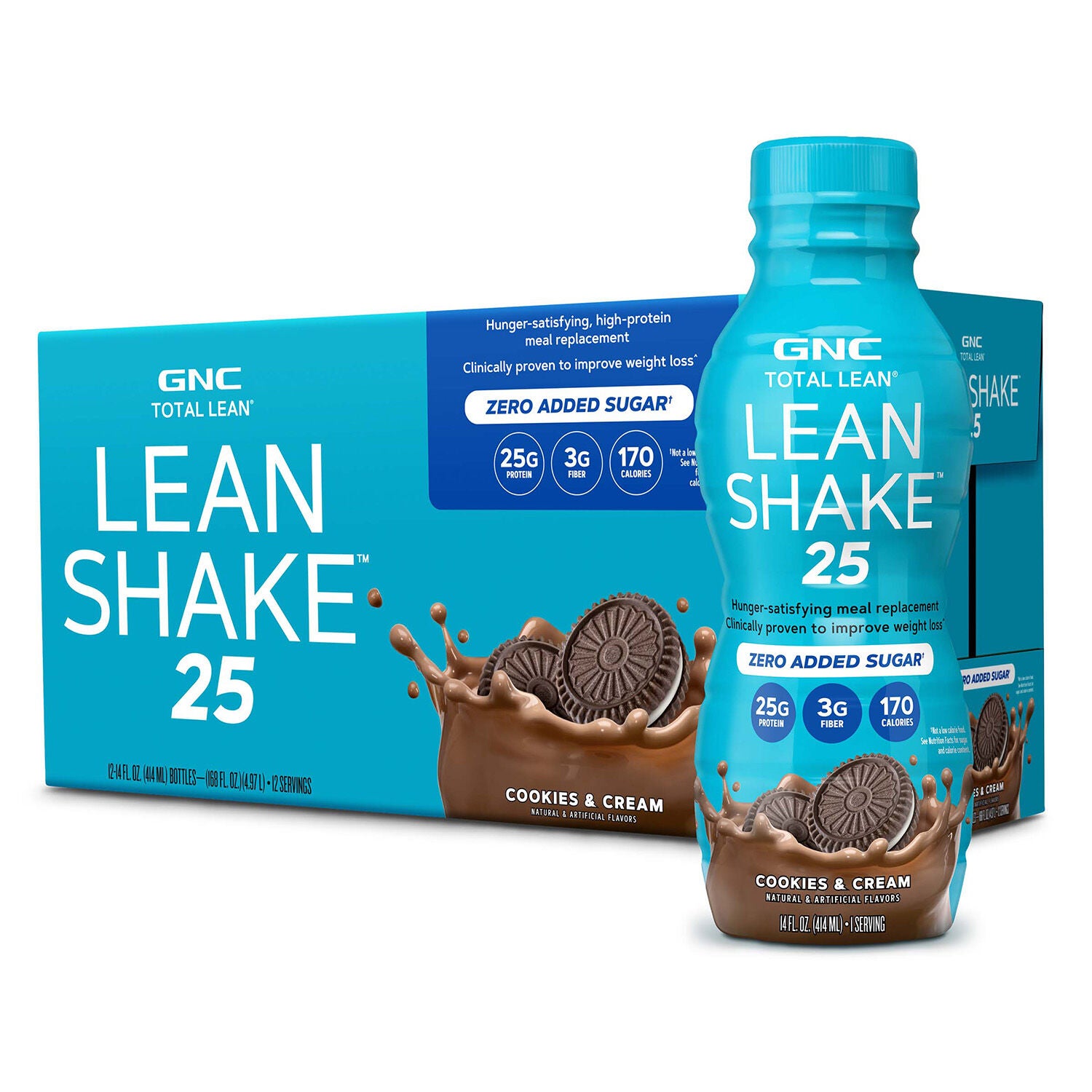
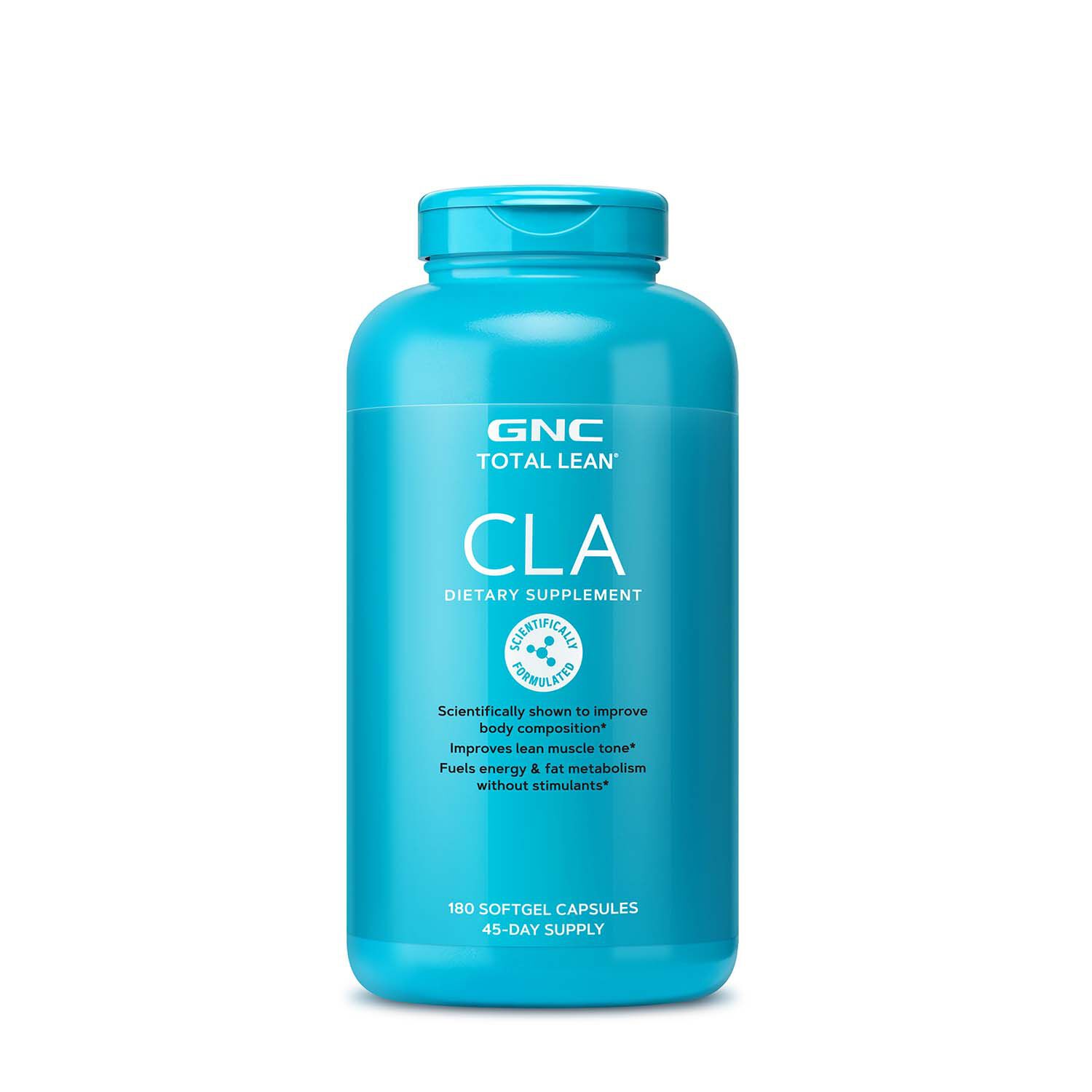

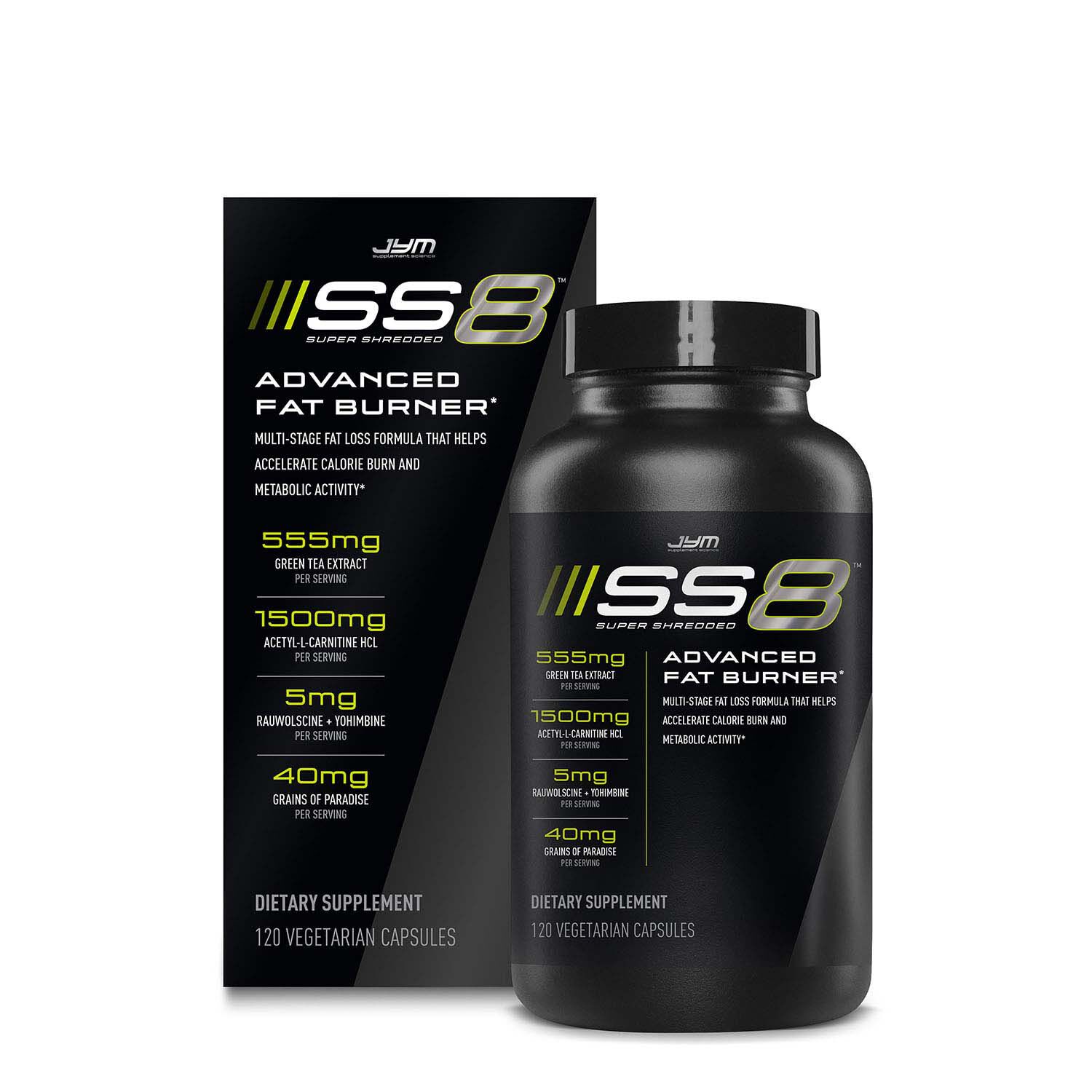
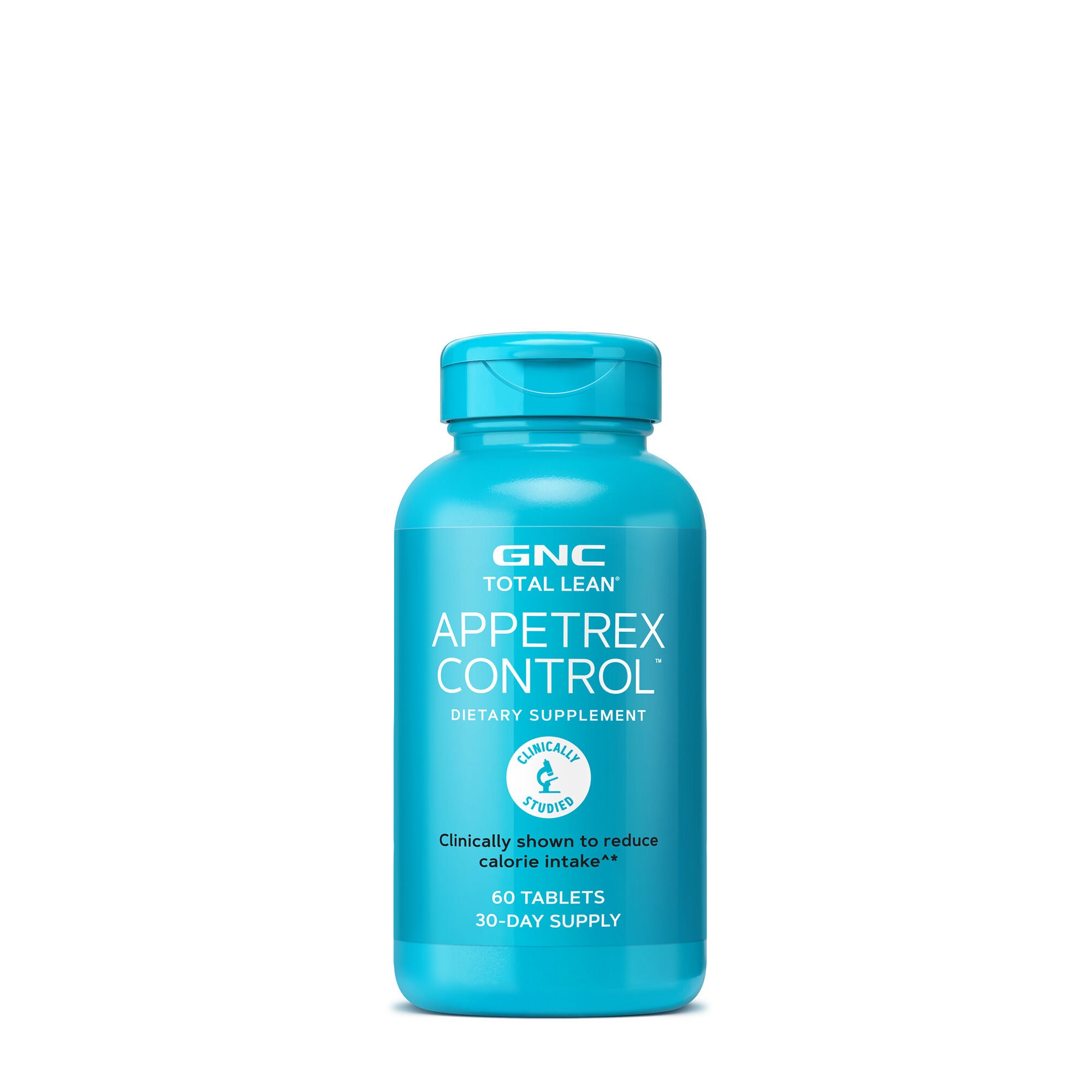


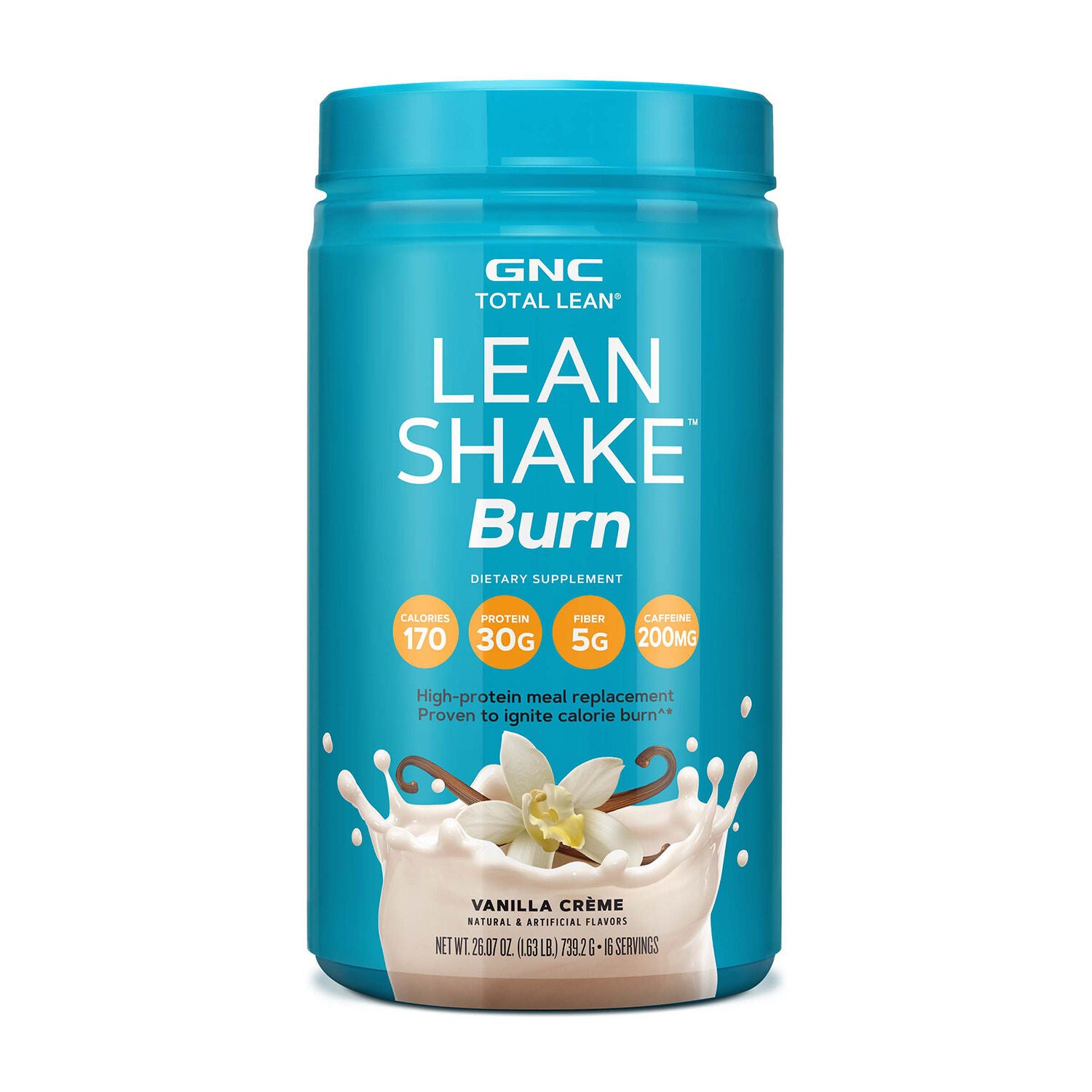

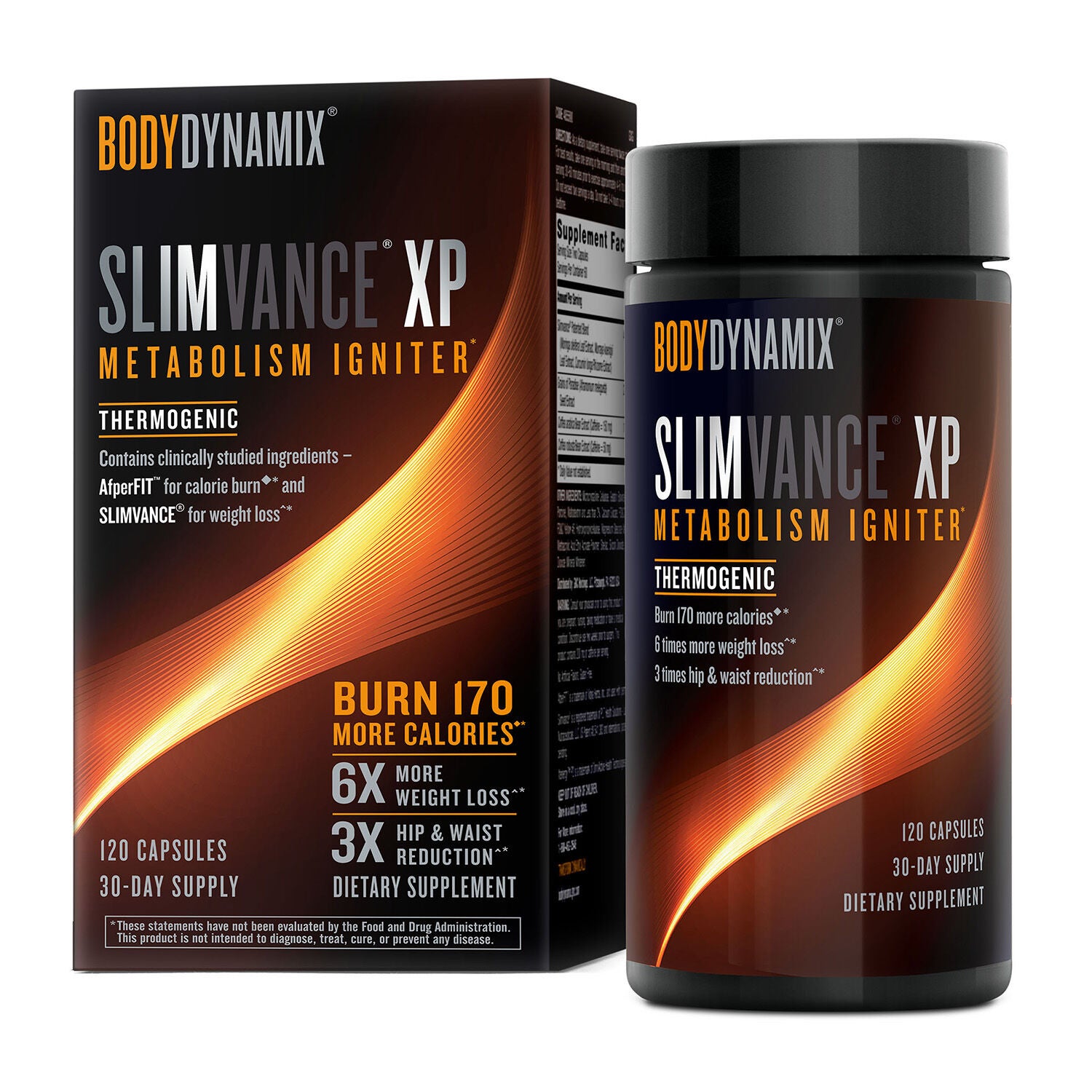
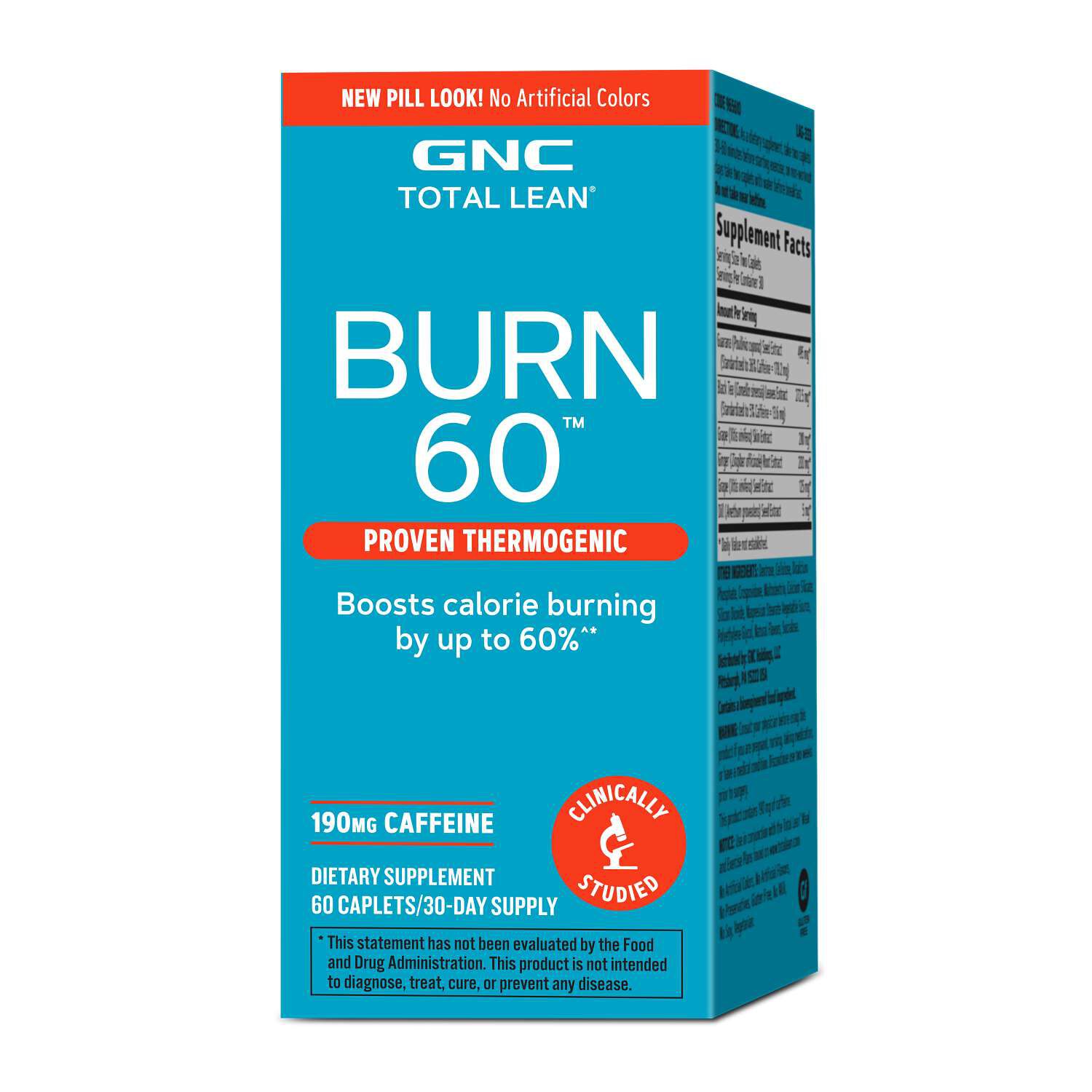

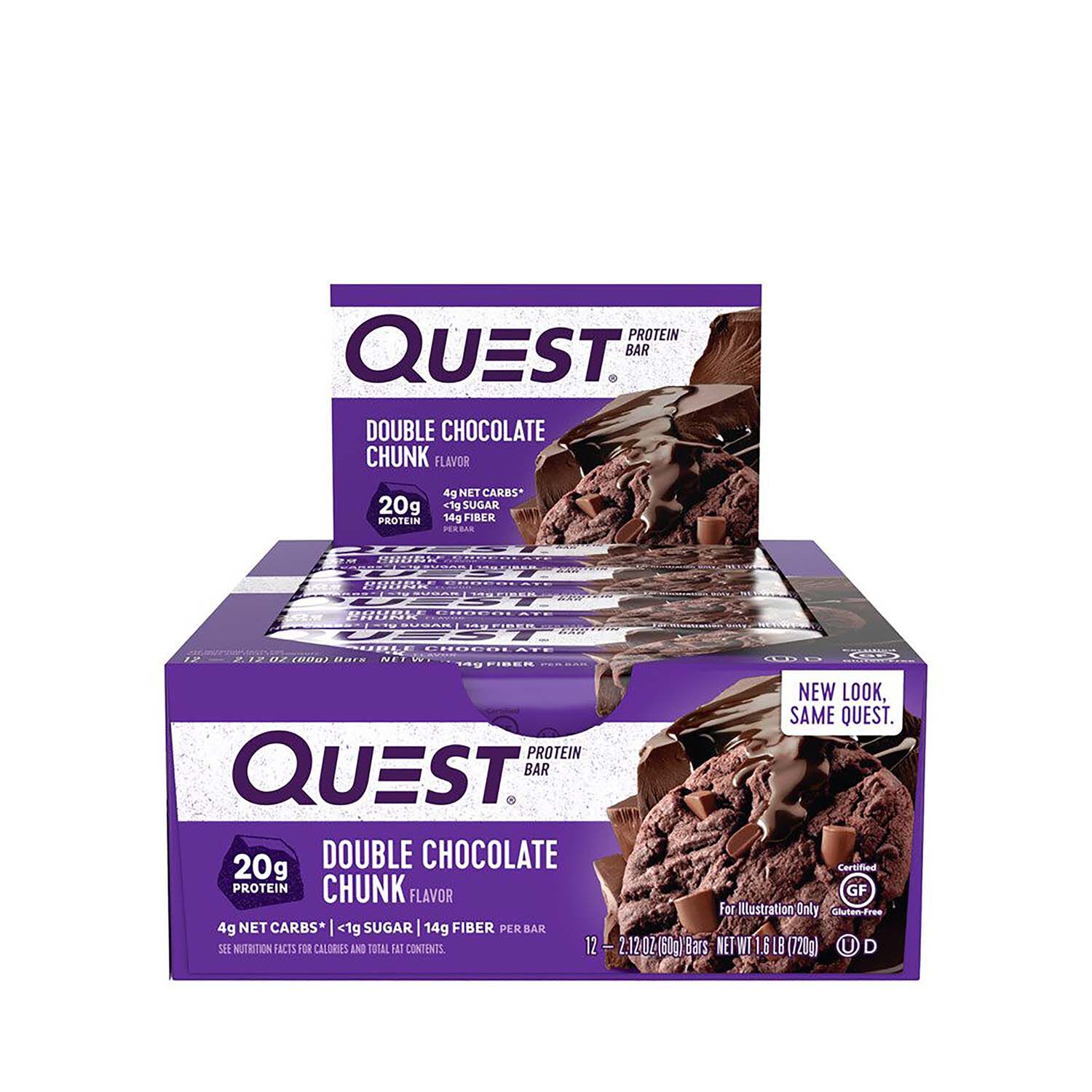
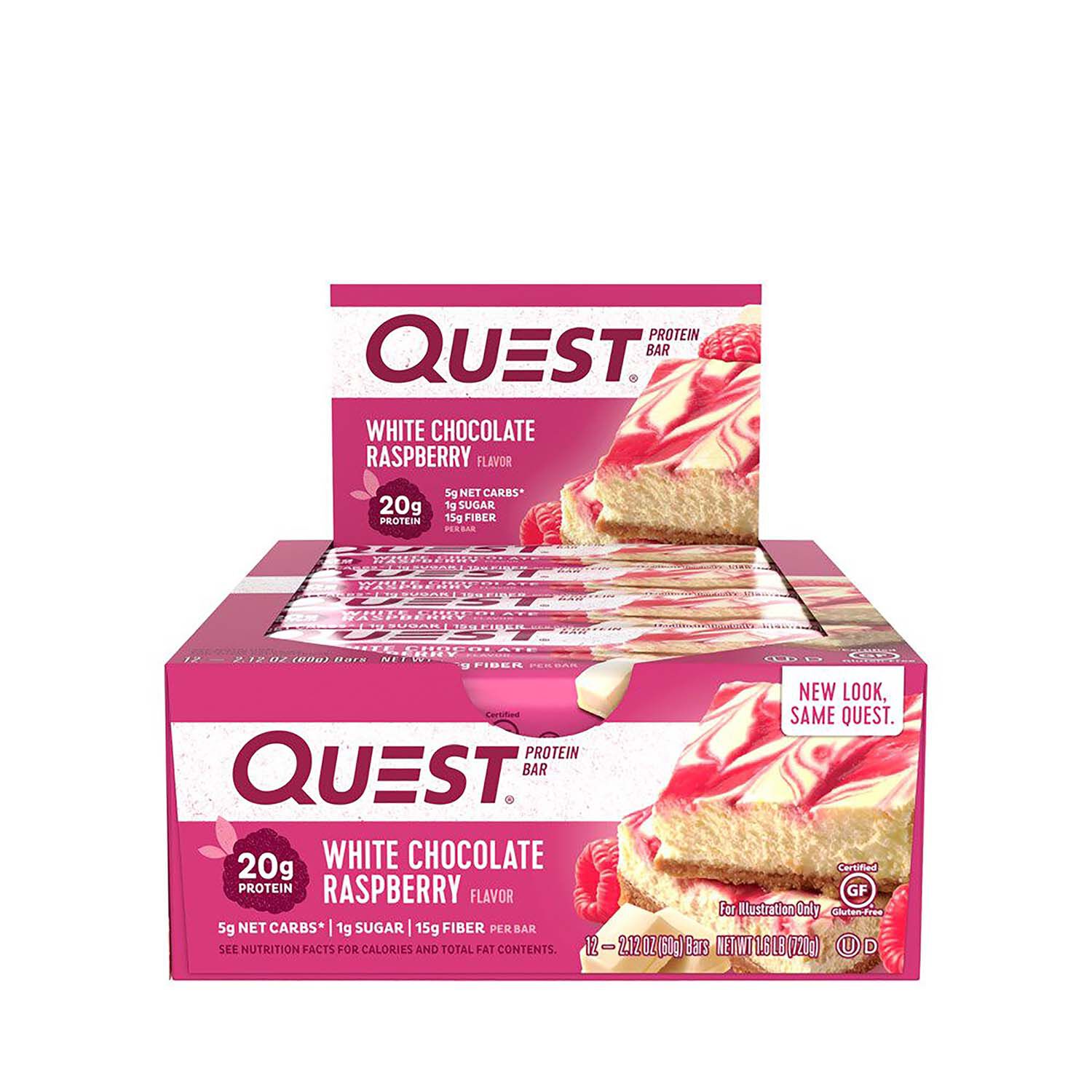
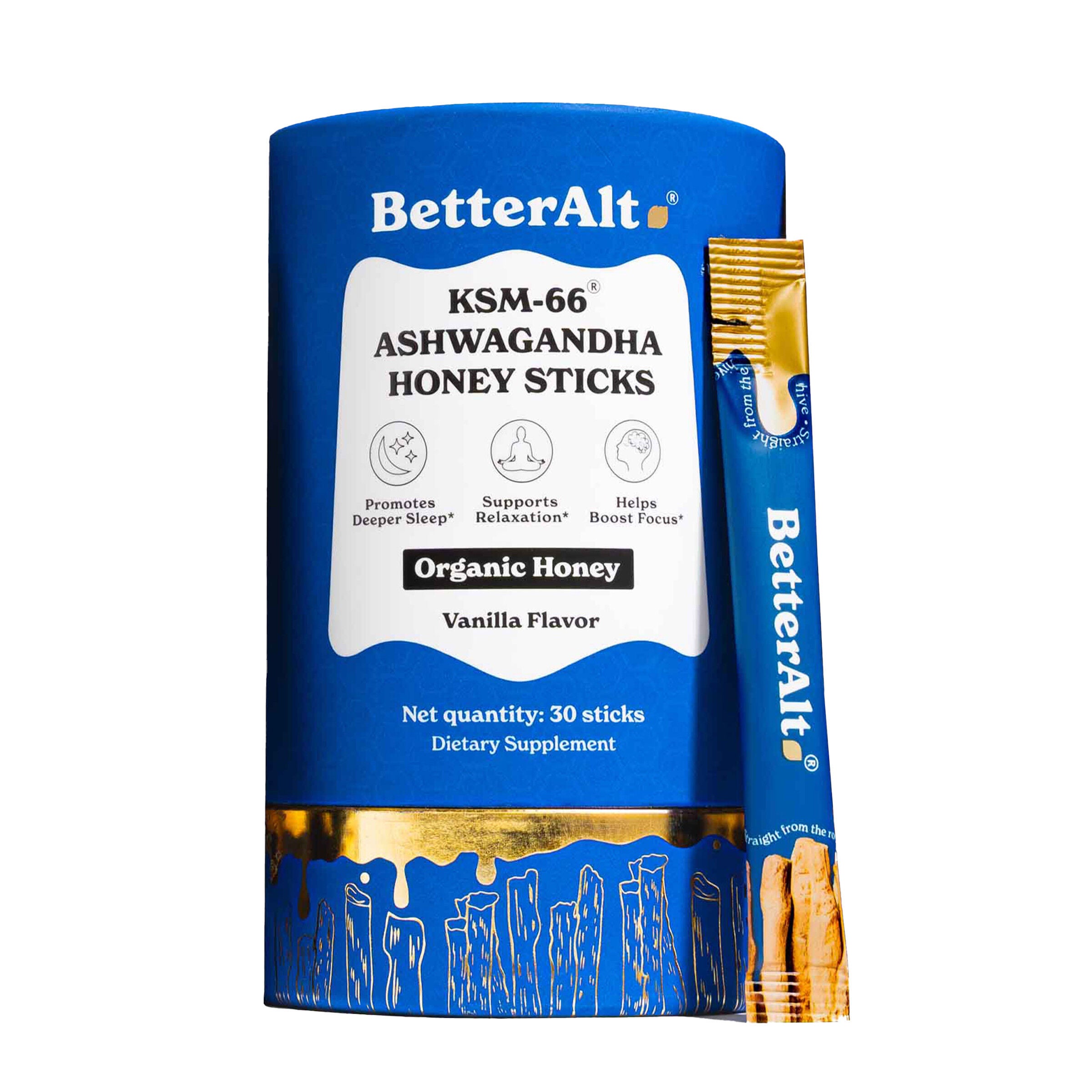
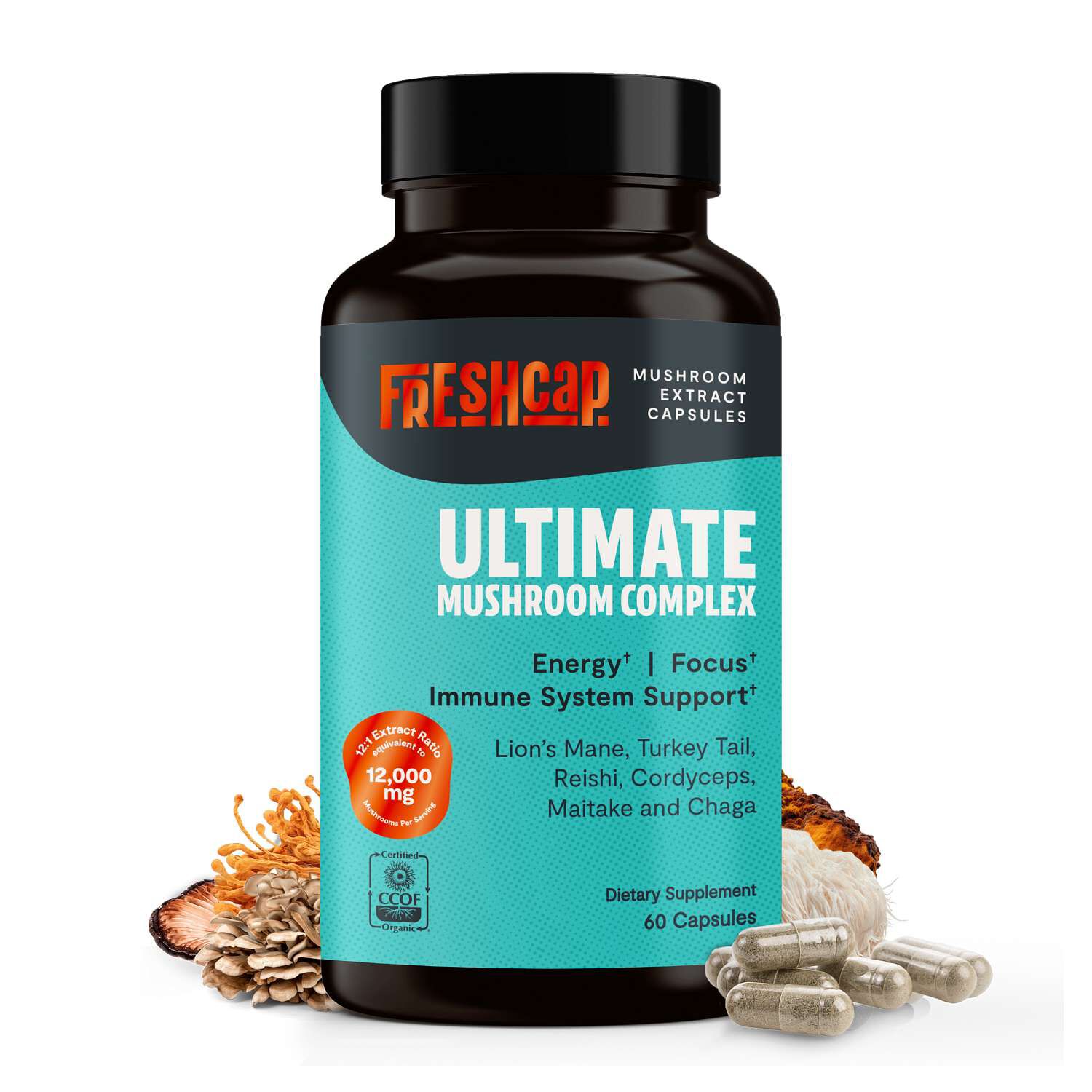
Natural supplements for fall weight loss support may fit into a broader routine built around satisfying meals, regular movement, restorative sleep, and realistic habits. As the weather cools, schedules often shift indoors, daylight hours grow shorter, and familiar seasonal foods begin appearing at gatherings, cafés, and family tables. A thoughtfully chosen supplement could help complement those changes without taking the place of nourishing food. Fiber supplements, protein powders, green tea extract, and caffeine-containing formulas are among the options people may explore when building a seasonal wellness routine. Their potential role varies by ingredient, serving size, and individual needs, so product labels deserve close attention. Look for clear ingredient lists, practical serving directions, and amounts that fit comfortably into your daily routine. Soluble fiber, including forms such as psyllium or glucomannan, may mix well with water or a smoothie and could help make meals feel more satisfying when paired with adequate fluids. Protein powder may provide a convenient way to add protein to breakfast, an afternoon snack, or a post-workout smoothie, especially on busy days when cooking feels less appealing. Plant-based and dairy-based options may suit different dietary preferences, while unflavored varieties could offer more flexibility for blending with fruit, oats, yogurt, or seasonal ingredients such as pumpkin and apples. Since natural ingredients can affect people differently, checking the full label and speaking with a qualified healthcare professional may be helpful before adding a new supplement to a routine.
When comparing products, consider how each option would fit into real life rather than choosing based only on a prominent front-label claim. A powder that dissolves smoothly in a shaker may suit someone commuting to work, while single-serve packets could appeal to travelers, students, or anyone who prefers measured portions. A fiber powder may work well for a person who finds it difficult to include beans, lentils, berries, vegetables, and whole grains at every meal, though it may be wise to introduce it gradually and follow the package directions. Protein supplements might be useful for active adults, people with demanding schedules, or households looking for simple snack ingredients during the cooler months. They could also make a practical gift for a friend beginning a new walking routine, returning to the gym, or preparing easy breakfasts for busy mornings. Green tea extract and caffeine-containing supplements call for extra label awareness, particularly when coffee, tea, energy beverages, or other sources of caffeine are already part of the day. Caffeine may support alertness for some adults, but it could interfere with rest when used too late, and individual tolerance can vary. Compare serving sizes, caffeine amounts, sweeteners, flavors, and added ingredients before purchasing. Products with a long ingredient list may not offer the flexibility of a simpler formula, while flavored powders may contain more added sugar than expected. Pairing a supplement with foods such as roasted squash, dark leafy greens, apples, pears, oats, nuts, seeds, and beans may create a more satisfying seasonal pattern than relying on a product alone. For additional seasonal options, browse Supplements For Autumn Wellness.
A useful fall routine often begins with small details: keeping a shaker bottle near a work bag, preparing smoothie ingredients before a busy morning, or placing a fiber supplement where it will be remembered alongside breakfast supplies. These simple cues may make consistent use easier while leaving room for the spontaneous pleasures of the season, from a warm bowl of oats on a crisp morning to a shared meal during a weekend gathering. Supplements may be most suitable for adults who already have a foundation of balanced eating and regular activity and want added convenience around specific nutrition goals. They could also appeal to gift-givers assembling a wellness basket with a reusable shaker, measuring scoop, herbal tea, nuts, or other pantry-friendly items, provided the recipient’s preferences and dietary needs are known. Anyone who is pregnant or nursing, managing an ongoing health concern, preparing for a procedure, or taking prescription or over-the-counter medication may wish to consult a healthcare professional before using a new supplement. “Natural” describes an ingredient source, not how every person may respond to it, and a label’s directions should guide serving size and storage. Keeping expectations grounded can make the experience more sustainable: a supplement may complement meals and movement, but it could not replace the habits that shape long-term wellness. During the transition from warmer days to cooler ones, choosing products that suit personal tastes, schedules, budgets, and dietary preferences may make a weight loss support routine feel more practical and enjoyable.