





New Sports Supplements
(0 Results)
Discover the latest in sports nutrition with our new sports supplements collection. Designed to support athletes and fitness enthusiasts, these innovative products could help elevate your performance and recovery. Whether you're aiming to build muscle, increase endurance, or simply maintain a healthy lifestyle, our range of new sports supplements offers something for every goal. Explore cutting-edge formulas and ingredients that may assist you in reaching new heights in your fitness journey.


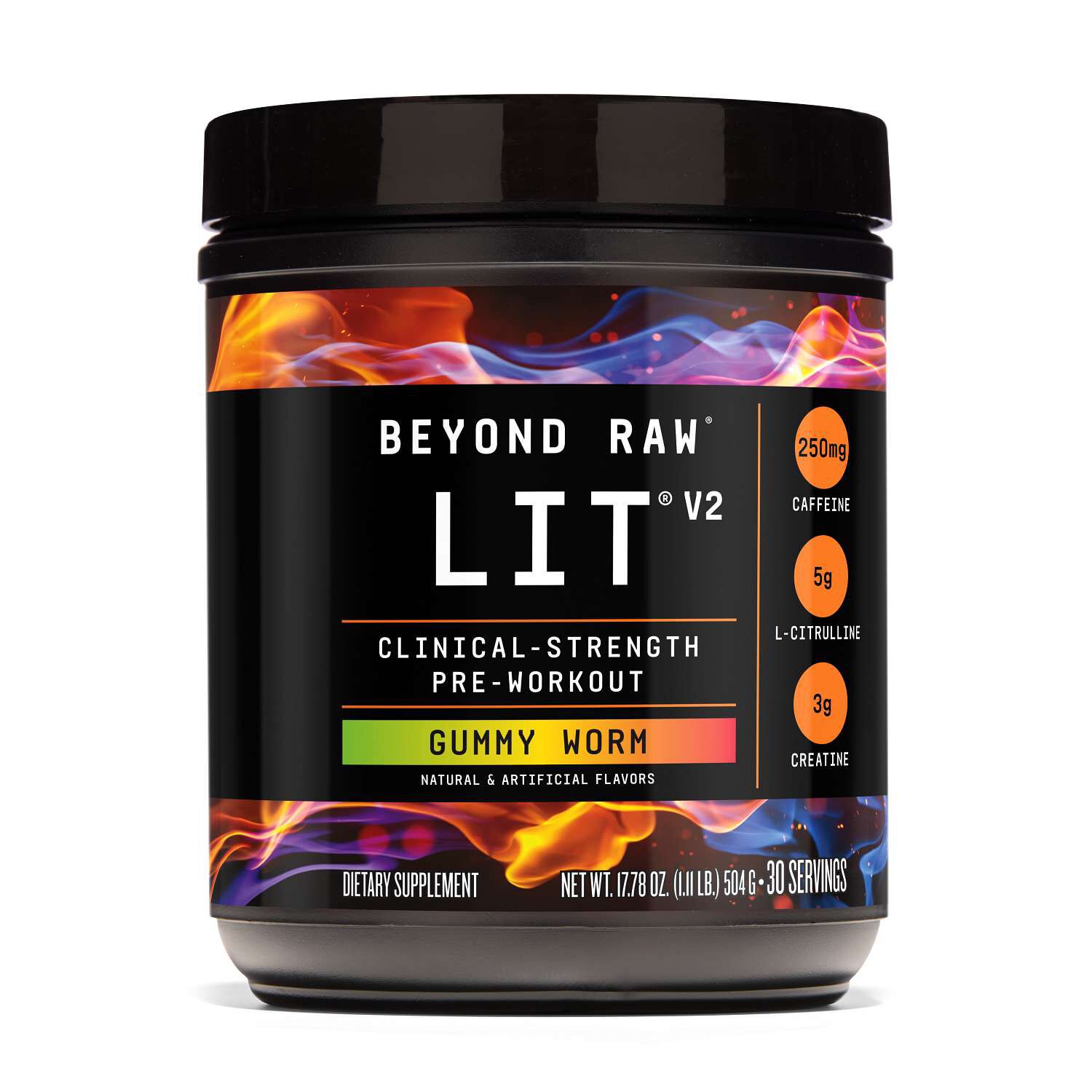
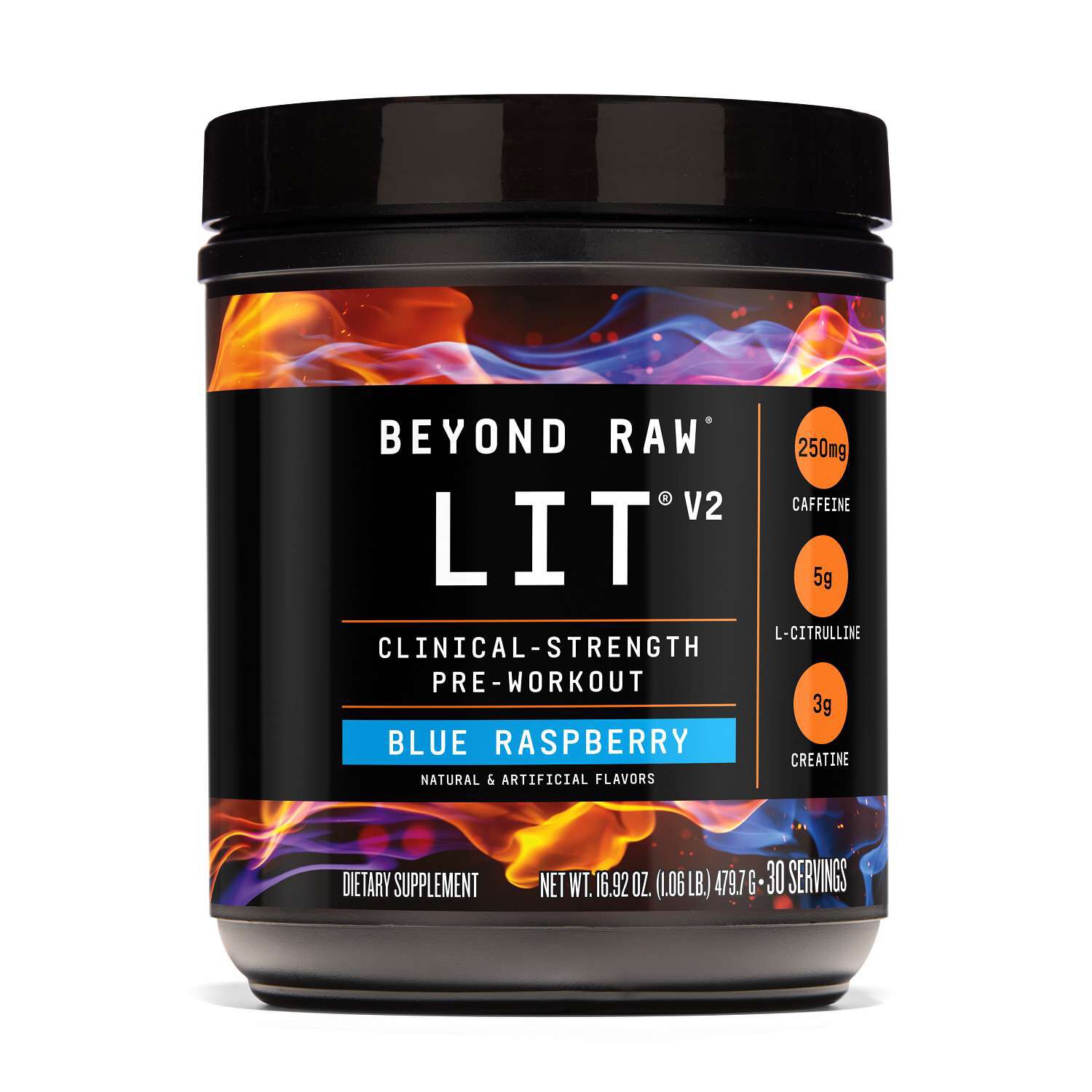

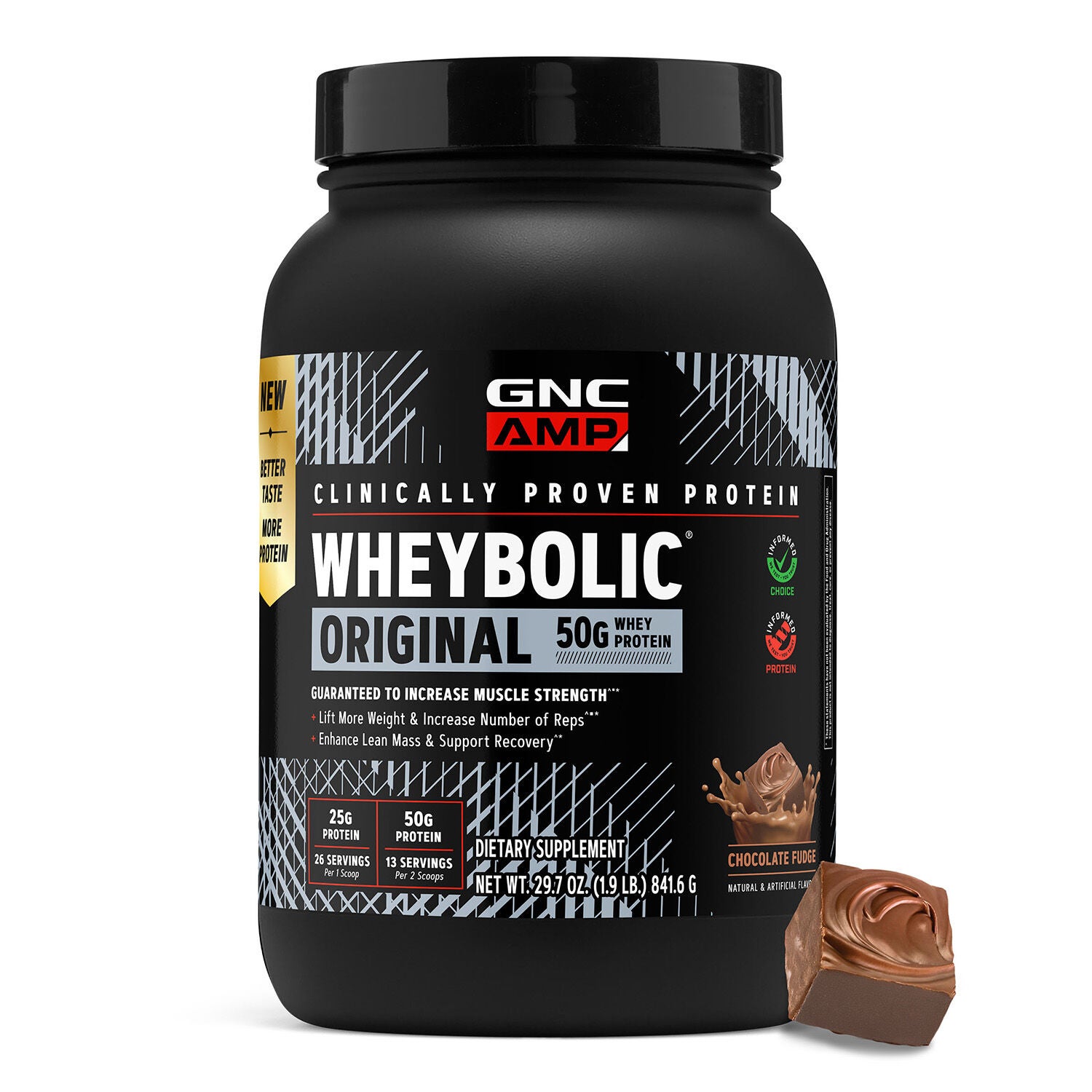


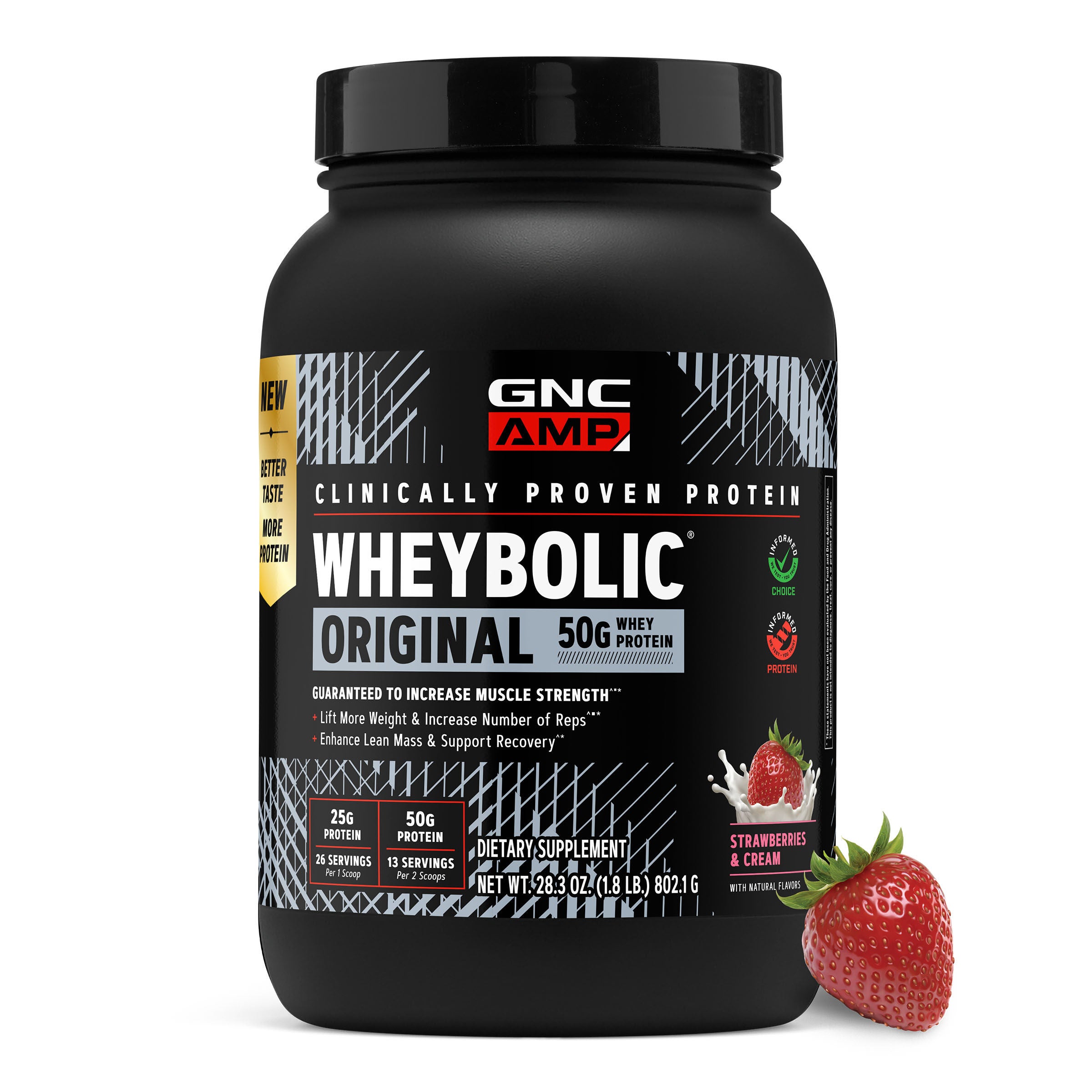
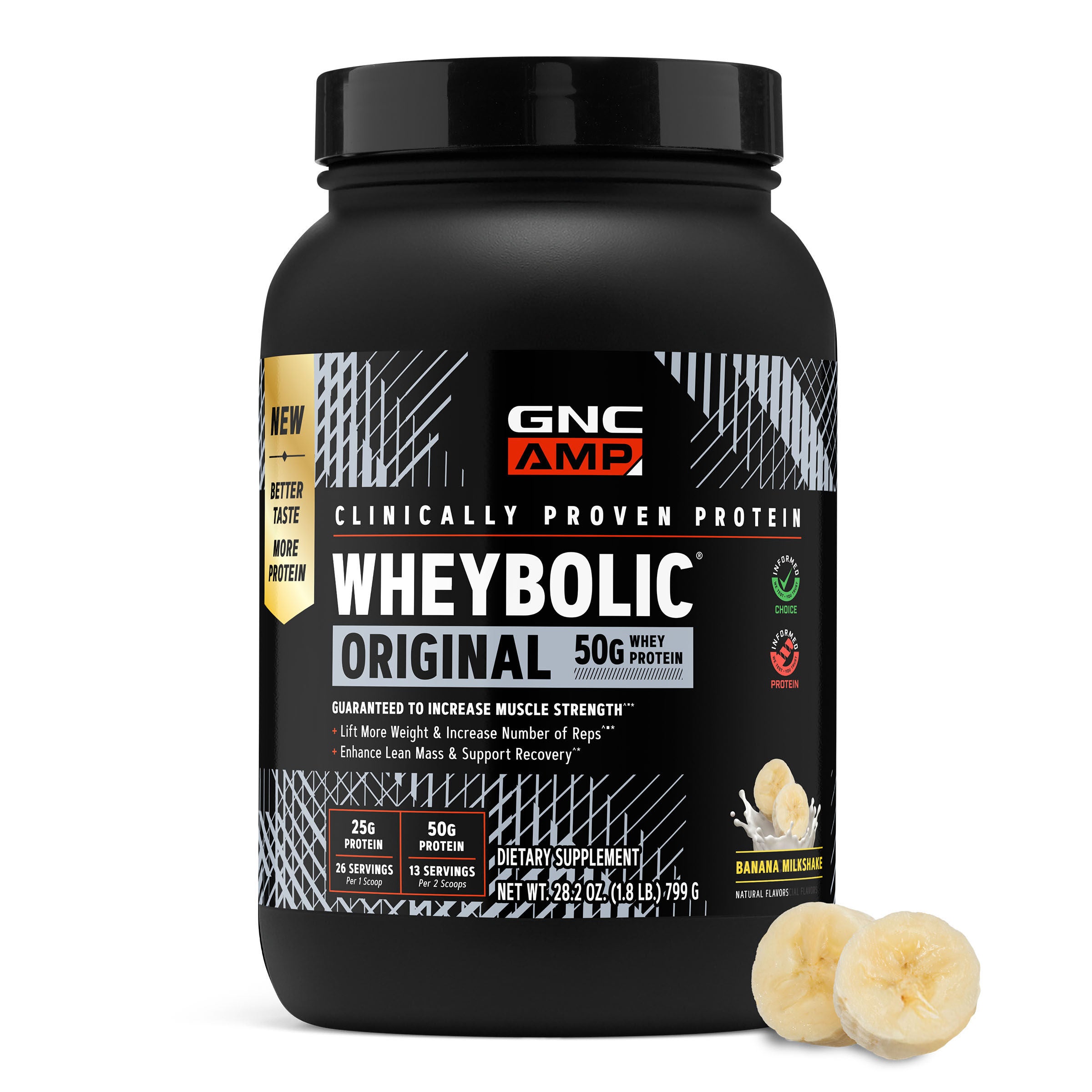

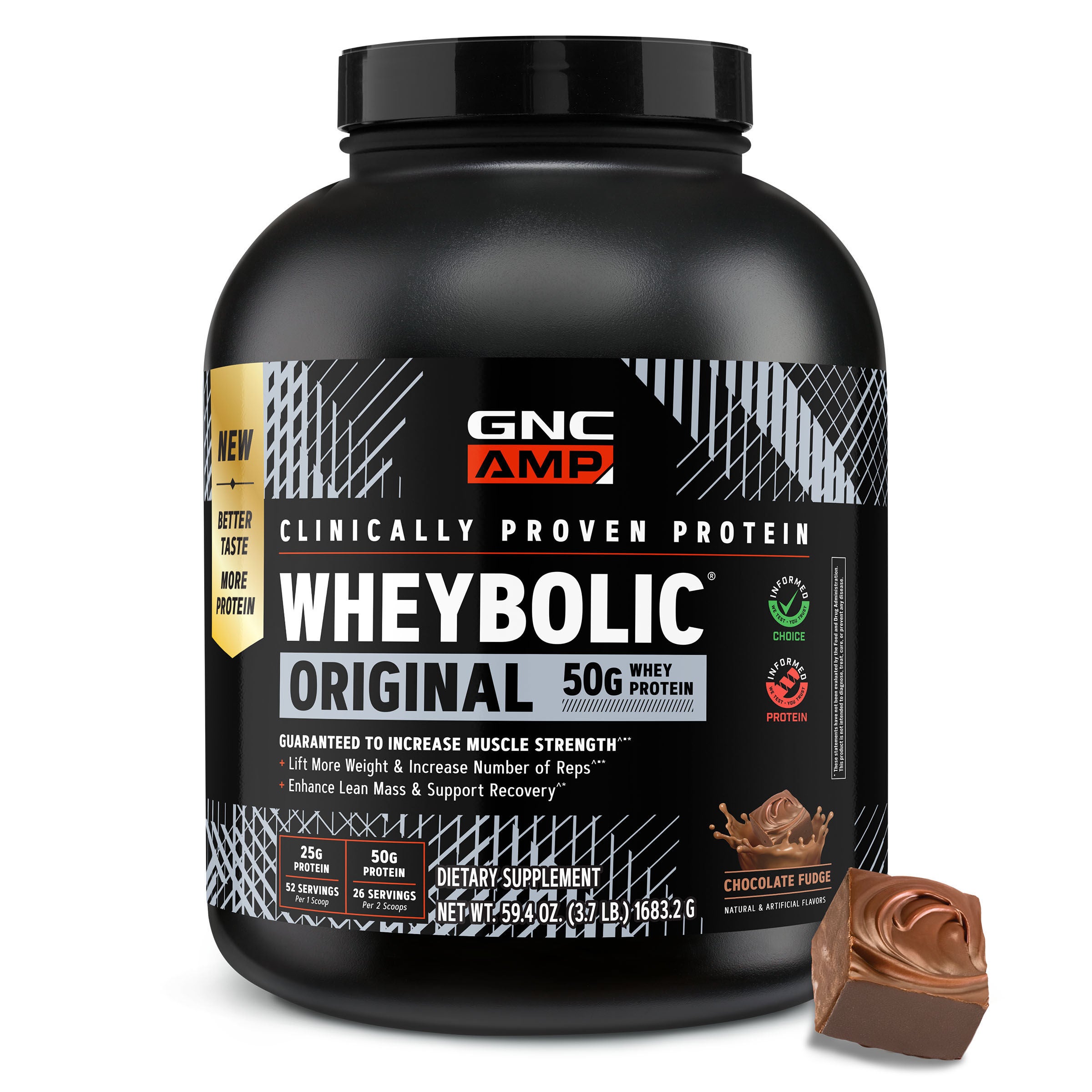
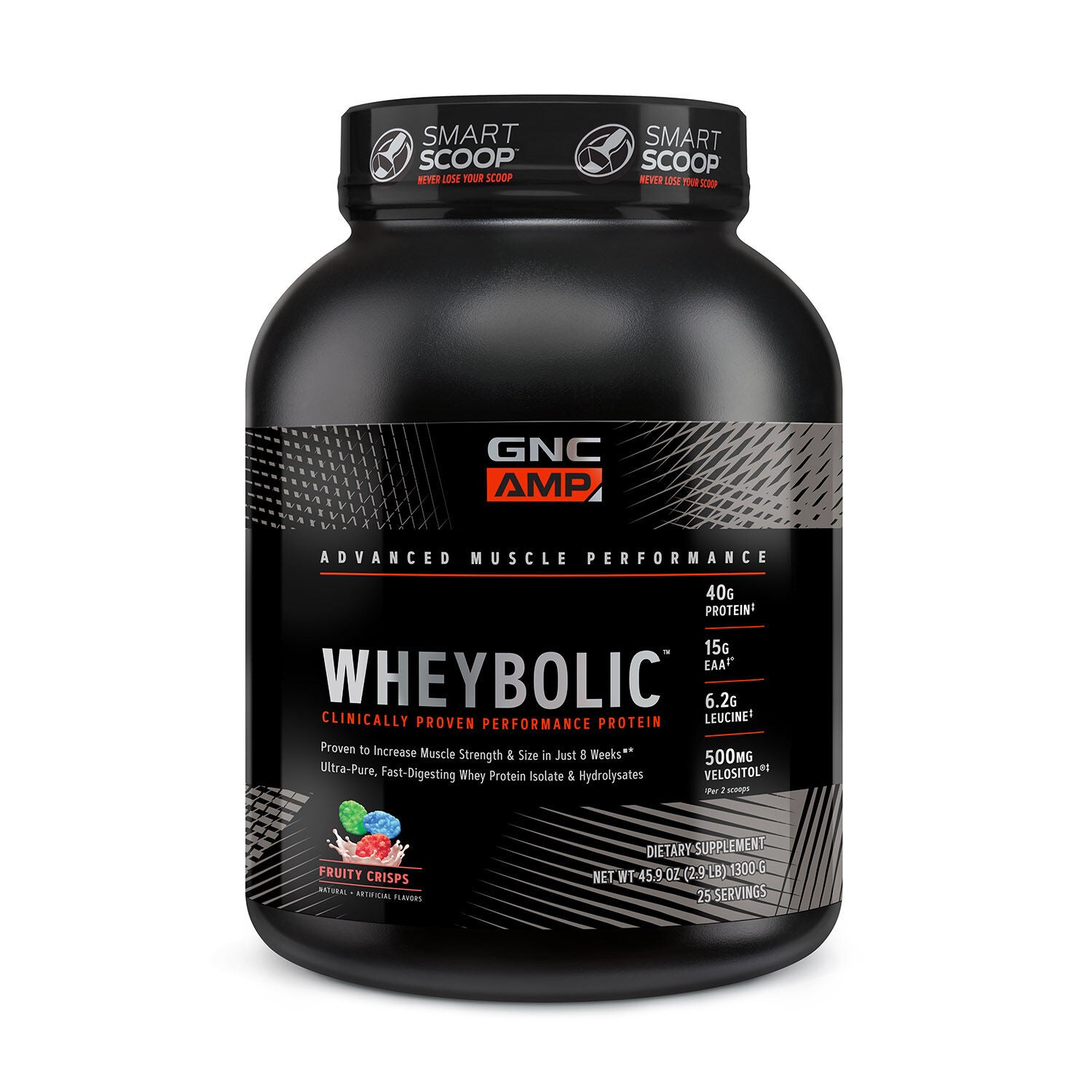


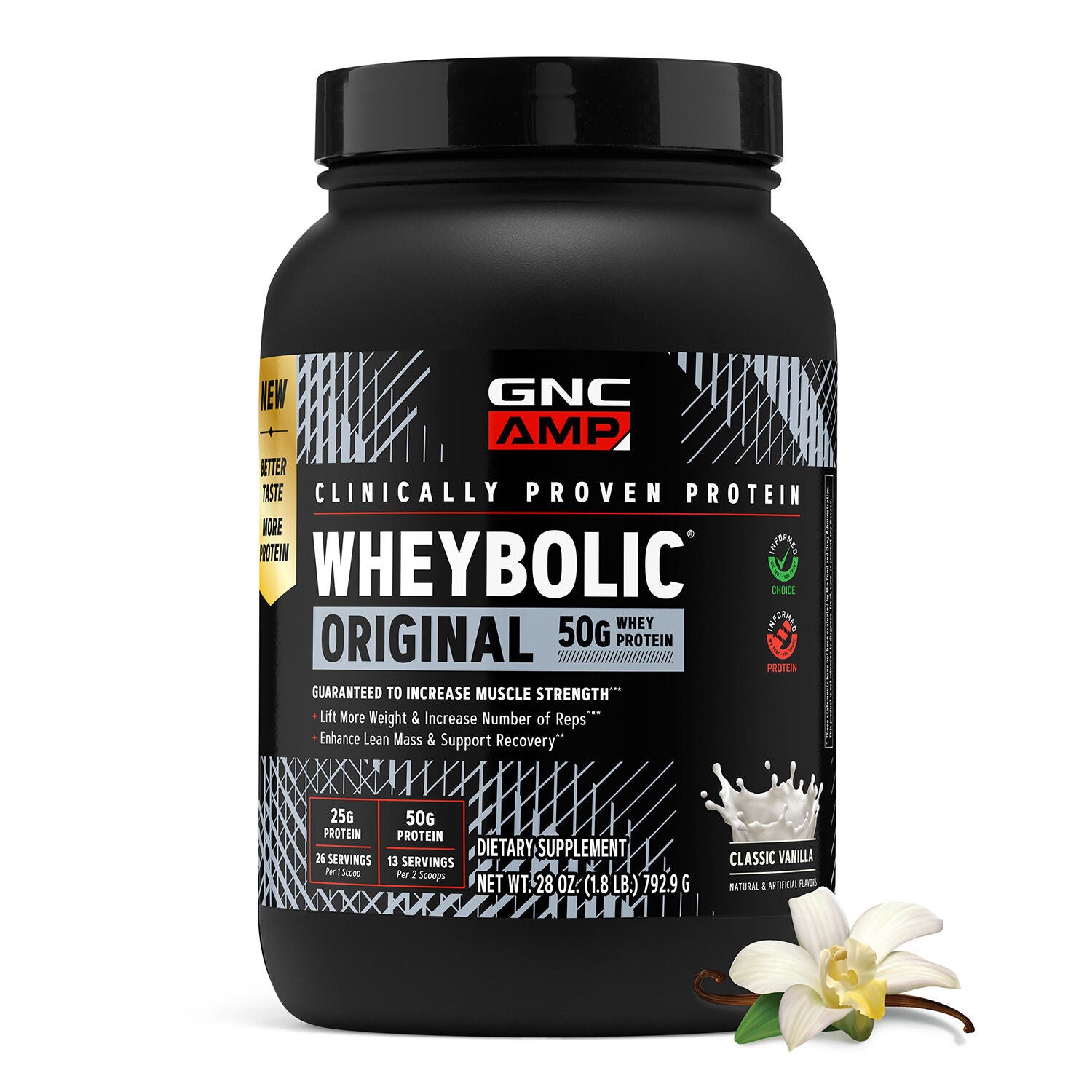
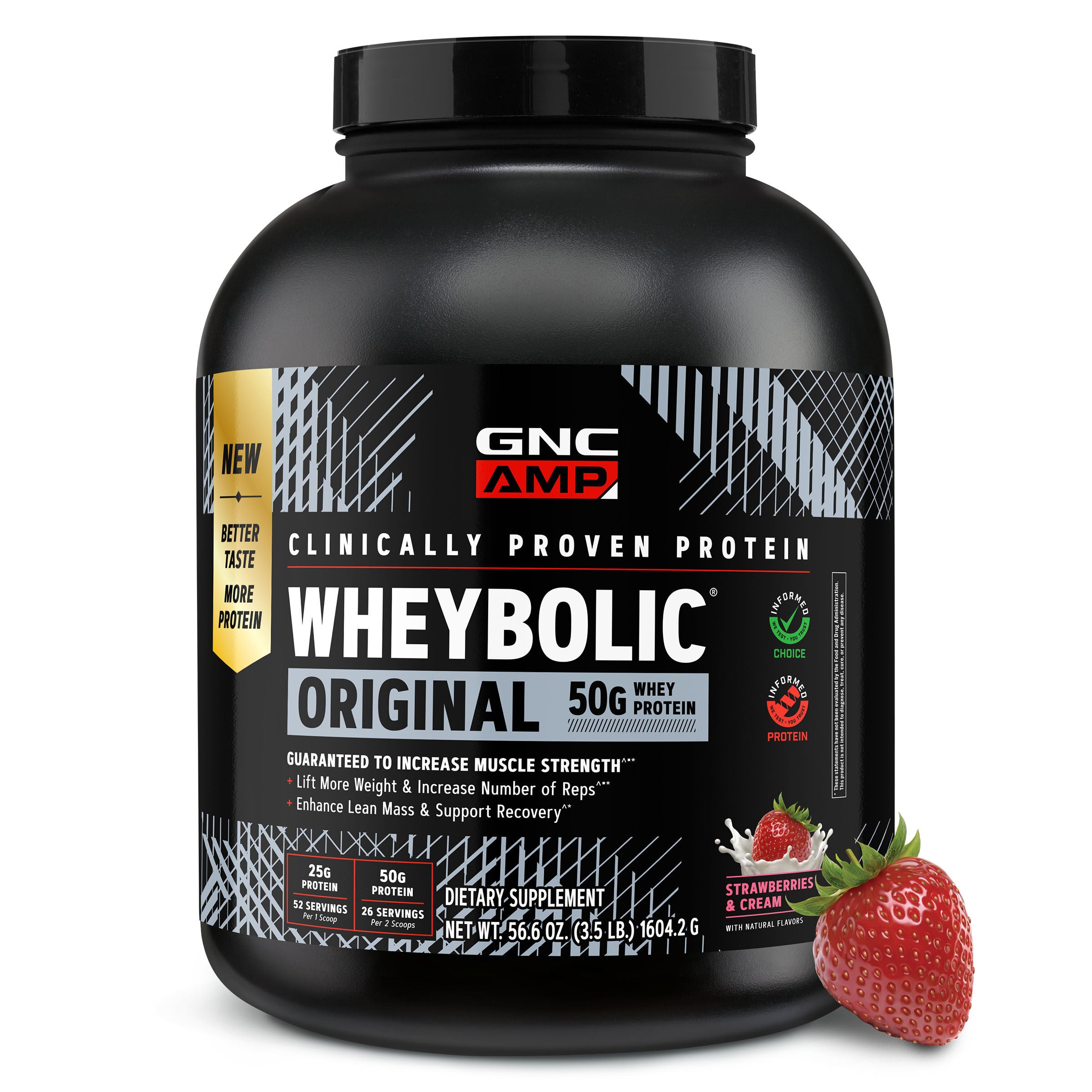
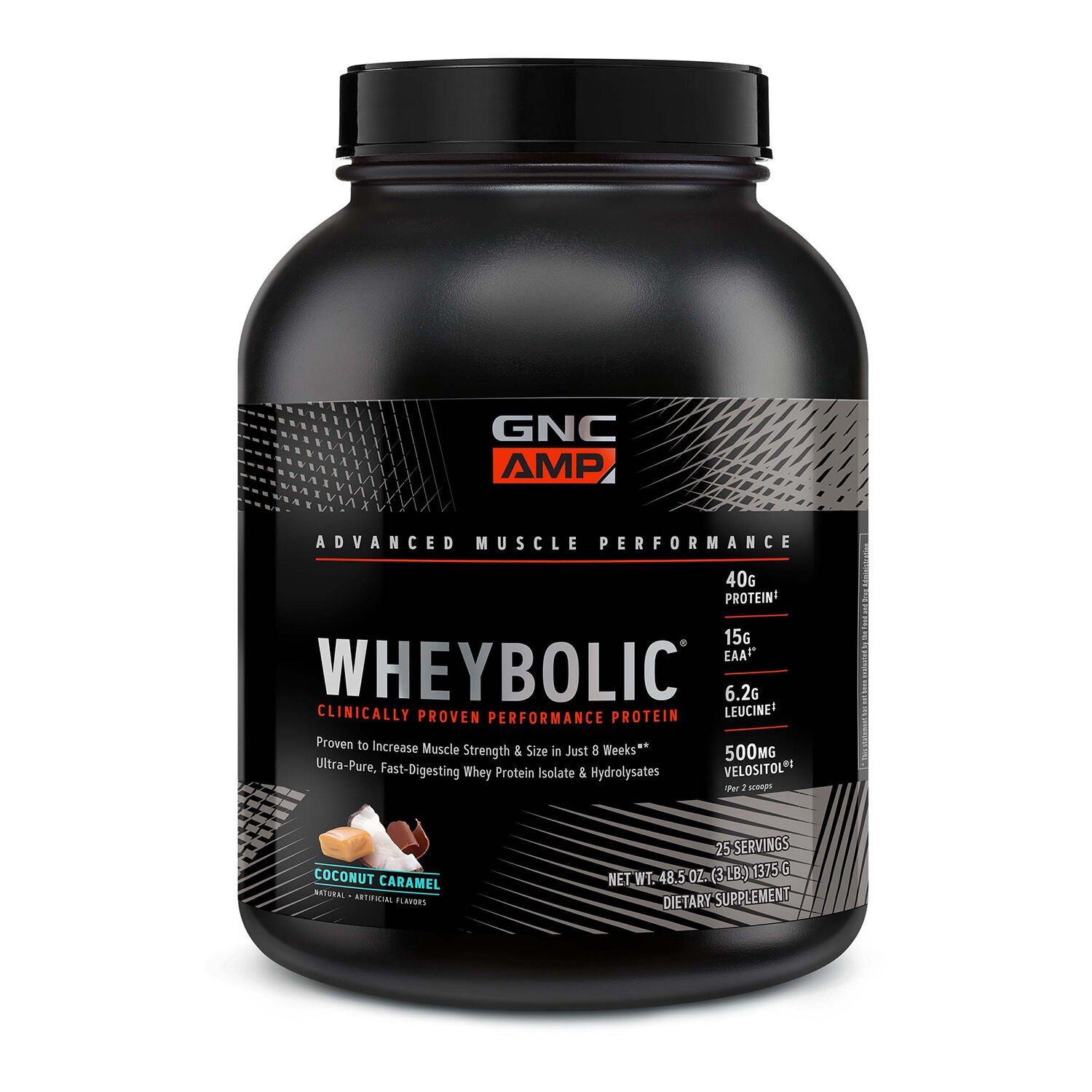


New sports supplements encompass recently introduced sports nutrition formulas and formats, including protein powders, creatine, pre-workout blends, amino acid supplements, and electrolyte drink mixes. The category brings together options for different parts of an active routine, from preparing a drink before a training session to packing a convenient source of protein for afterward. Differences between formulas often come down to ingredient sources, serving amounts, flavor, texture, and how the supplement fits into everyday life. Protein powders may support muscle recovery following exercise, while creatine may support performance during repeated, short periods of high-intensity activity. Electrolyte formulas may support hydration around workouts, and some pre-workout ingredients may support alertness or exercise performance. Those possibilities depend on the ingredients and intended use rather than simply on how recently a formula was introduced. A newer supplement is not automatically a better match than a familiar one; the more useful distinction is whether its composition and format suit the person using it. Someone who trains before work may value a straightforward powder that mixes easily in a shaker, while a recreational runner may prefer a drink mix that fits into a small pocket on a gym bag. An adult strength-training enthusiast might compare protein sources and creatine serving information, while someone attending indoor cycling classes may pay closer attention to beverage flavor and preparation instructions. Sports nutrition also has a practical side that goes beyond the workout itself: cupboard space, access to a refrigerator, and the time between leaving home and reaching the gym all influence what feels manageable. During the cooler months, when more exercise moves indoors, familiar routines can shift toward studio classes, home workouts, or evening gym visits. New sports supplements offer different ways to accommodate those schedules without requiring every active person to use the same ingredients or follow the same routine. They belong alongside regular meals, rest, and training habits, rather than standing in for those parts of an active lifestyle.
Ingredient lists and nutrition panels provide a clearer picture of sports supplements than a flavor name or a description on the front of a container. With protein powders, the source is one of the most useful distinctions. Whey and casein come from milk, while plant-based formulas can use sources such as peas, rice, or soy. Their textures and flavors vary, and the amount of protein per serving is a separate consideration from the size of the scoop. A powder mixed with water can taste and feel different from the same powder blended with a preferred beverage, so the preparation directions matter when comparing the intended drinking experience. Creatine supplements can appear as single-ingredient powders or as part of a blend, making the listed amount per serving more informative than the ingredient name alone. Pre-workout formulas vary in composition as well: some contain caffeine, while others are made without it. The caffeine amount and serving directions are relevant details for anyone comparing a morning training routine with an evening one. Amino acid formulas differ in their ingredient combinations, and electrolyte drink mixes can vary in sodium, potassium, carbohydrate content, and sweetness. Not every sports drink serves the same purpose, even when two powders have a similar color or fruit flavor. Clear labeling makes those distinctions easier to understand. For adults with dietary preferences, ingredient sources, allergen statements, and certification marks offer additional context. A short ingredient list may appeal to someone who wants one particular component, while a blend may appeal to someone who prefers several ingredients in a single preparation. Neither format says everything about suitability on its own. Published testing information and clearly identified independent certifications can provide another point of comparison where present, particularly for adults who participate in organized sports. These details keep attention on what a formula contains, how it is intended to be used, and which characteristics matter for a particular routine, rather than on novelty alone.
Format, packaging, and flavor shape the experience of using new sports supplements just as much as the ingredient panel does. Powders allow preparation in a shaker or blender, capsules offer a different format for certain ingredients, and ready-to-drink beverages remove the mixing step. A resealable container can suit a regular place on a kitchen shelf, while individually packaged servings can fit more neatly into a work tote or an overnight bag. Packaging that closes securely is a practical consideration for anything traveling beside clothing or exercise equipment. For powders, dry storage and a clean, dry scoop help keep moisture out of the container; the label provides the appropriate storage conditions and any instructions that apply after opening. Ready-to-drink beverages can have different refrigeration requirements, particularly once opened, so shelf storage and gym-bag storage are not interchangeable in every case. Reusable shakers also need regular washing and thorough drying, including the lid, mixing insert, and seal. These small details matter when a drink is part of a repeated routine rather than an occasional purchase. Flavor deserves similar attention because sweetness, tartness, and texture can feel different before a workout than afterward. Citrus and tropical profiles offer an alternative to dessert-inspired protein flavors, and Orange Mango Sports Supplements provide a focused way to browse that fruit-flavored combination. The flavor name describes the taste direction, not the underlying formula, so protein content, caffeine, electrolytes, and serving instructions remain separate points of comparison. A lighter drink may be more appealing during a busy afternoon, while a thicker shake may fit a quieter moment after training. For an adult fitness enthusiast receiving sports nutrition as a gift, known flavor preferences and familiar ingredient choices make more useful starting points than a dramatic departure from their usual routine. Across the category, the best fit is personal: a supplement that is easy to store, pleasant to prepare, and suited to its intended use may be easier to incorporate into everyday training habits.
Best Sellers


Related Pages


Top Collections
- Top Rated Collagen | Shop Customer Favorites | GNC
- Cortisol Supplements
- Vitamins For Hair Loss
- NAD+ Supplement Tablets
- Peptide Supplements
- Best Brand of Magnesium Glycinate
- Vitamins That Help Support Weight Gain
- Protein Powders For Muscle Growth Support
- Spirulina Tablets
- Peptide Supplements for Muscle Growth