

Nighttime Sleep Support Supplements
(0 Results)
Nighttime sleep support supplements are designed for those seeking to relax and unwind after a long day. With a variety of options available, these supplements may offer a gentle way to help you create a calming nighttime routine. Explore different formulas that could fit your lifestyle and preferences as you look for solutions that may support your evening wind-down. Discover how nighttime sleep support supplements might be a part of your journey toward better rest.
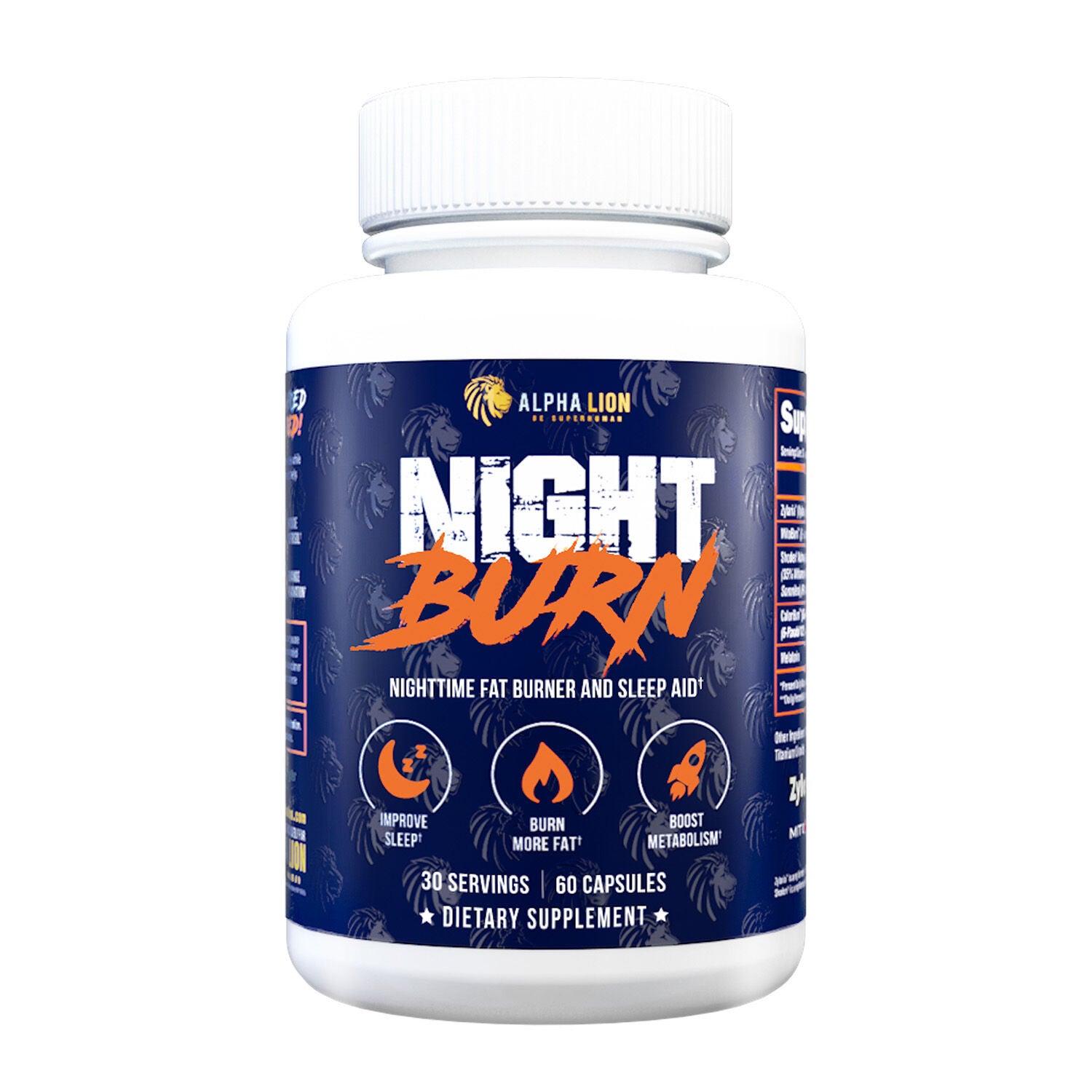
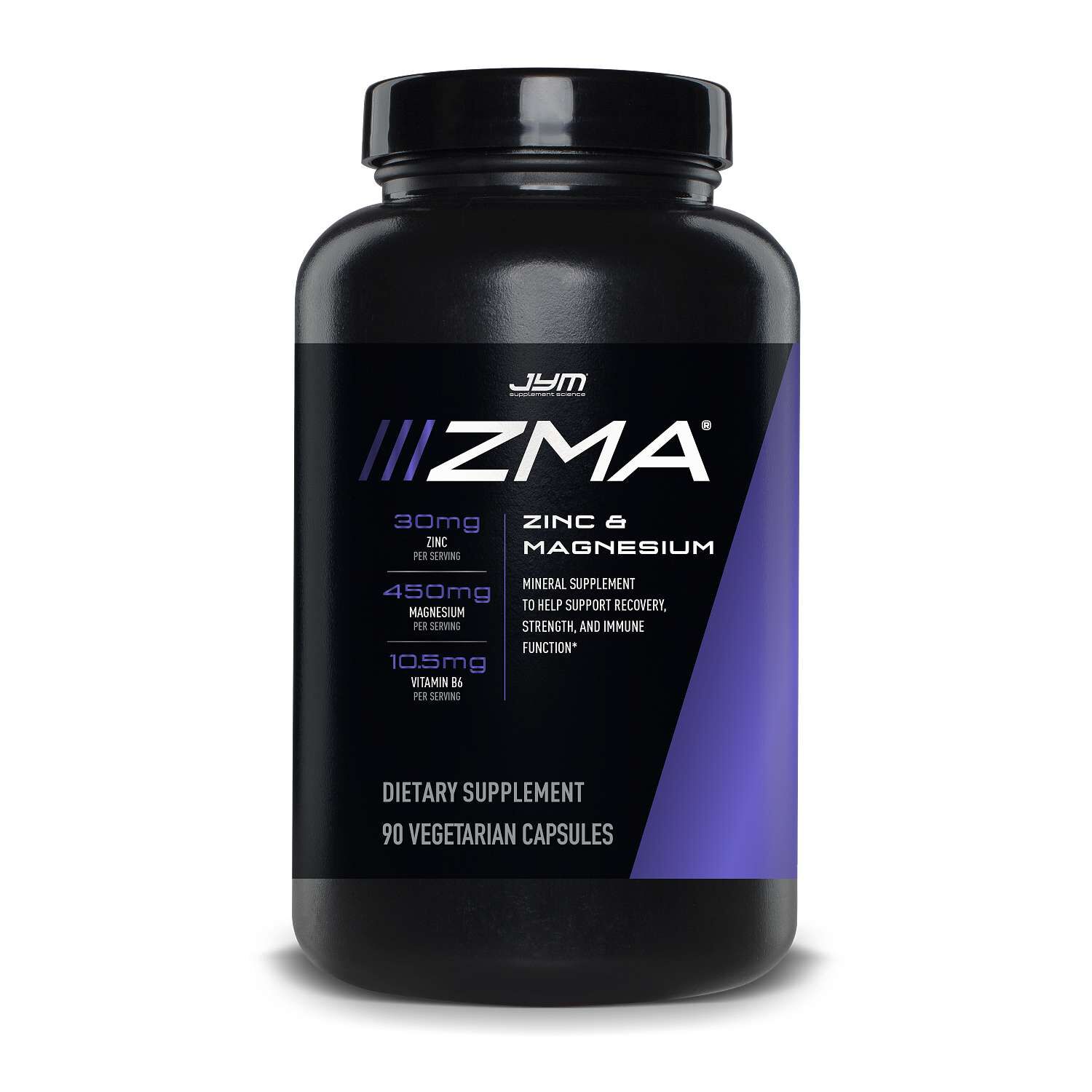

 _Front.jpg?sw=305&sh=305&sm=fit "Magnesium: Bioactive Magensium Citrate - 120 Capsules (120 Servings) | GNC")


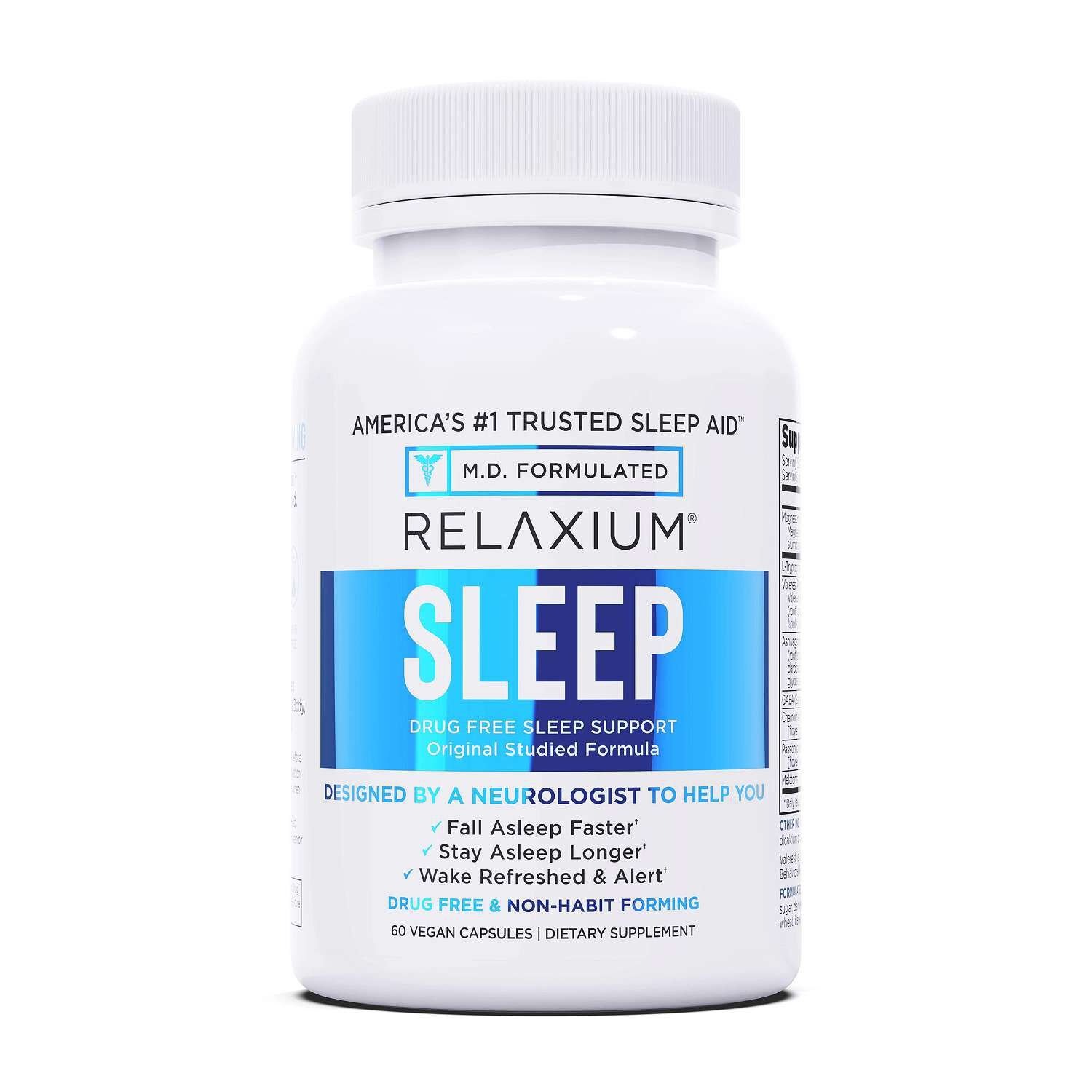
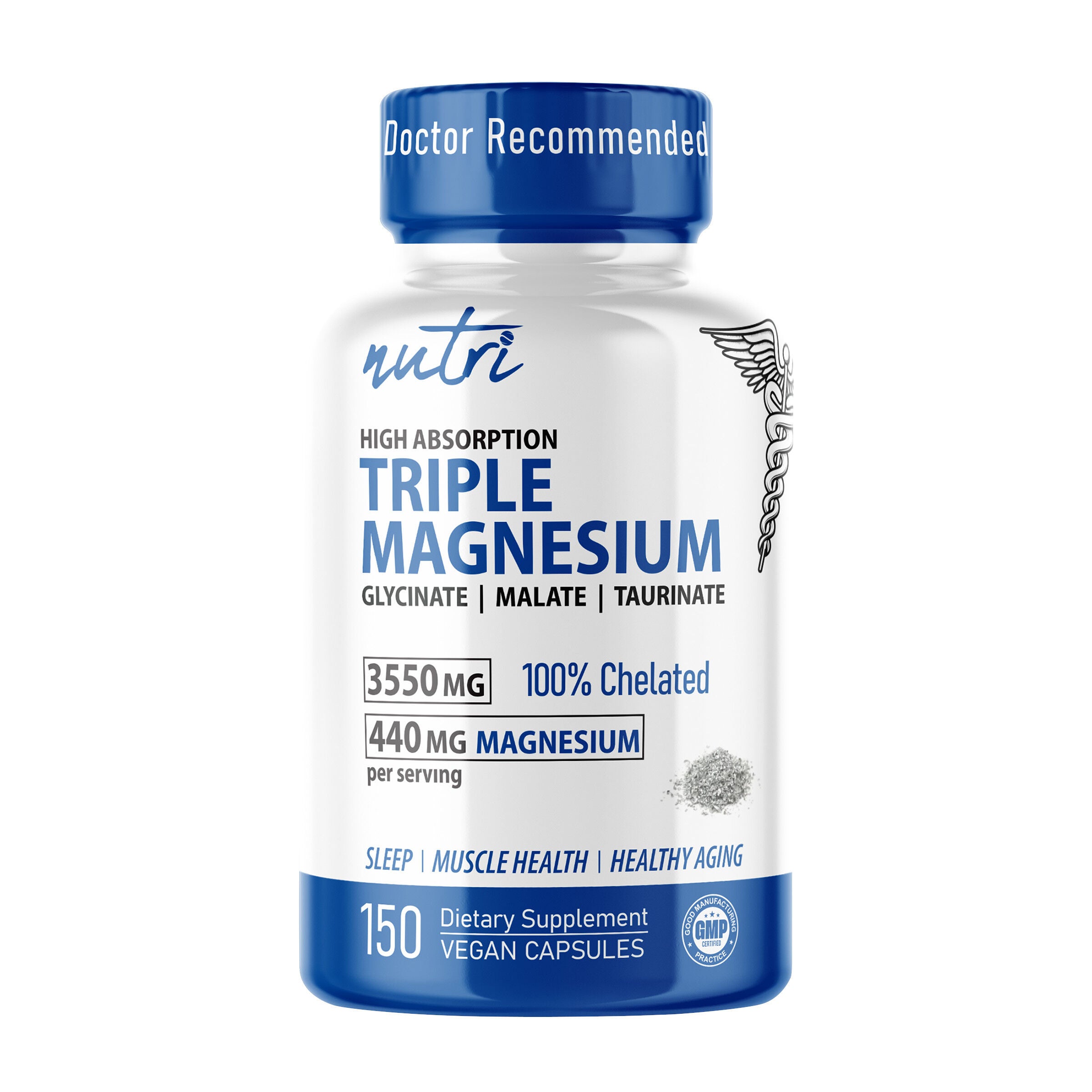





.jpg?sw=305&sh=305&sm=fit "Sleep Aid - 60 Capsules (30 Servings) | GNC")

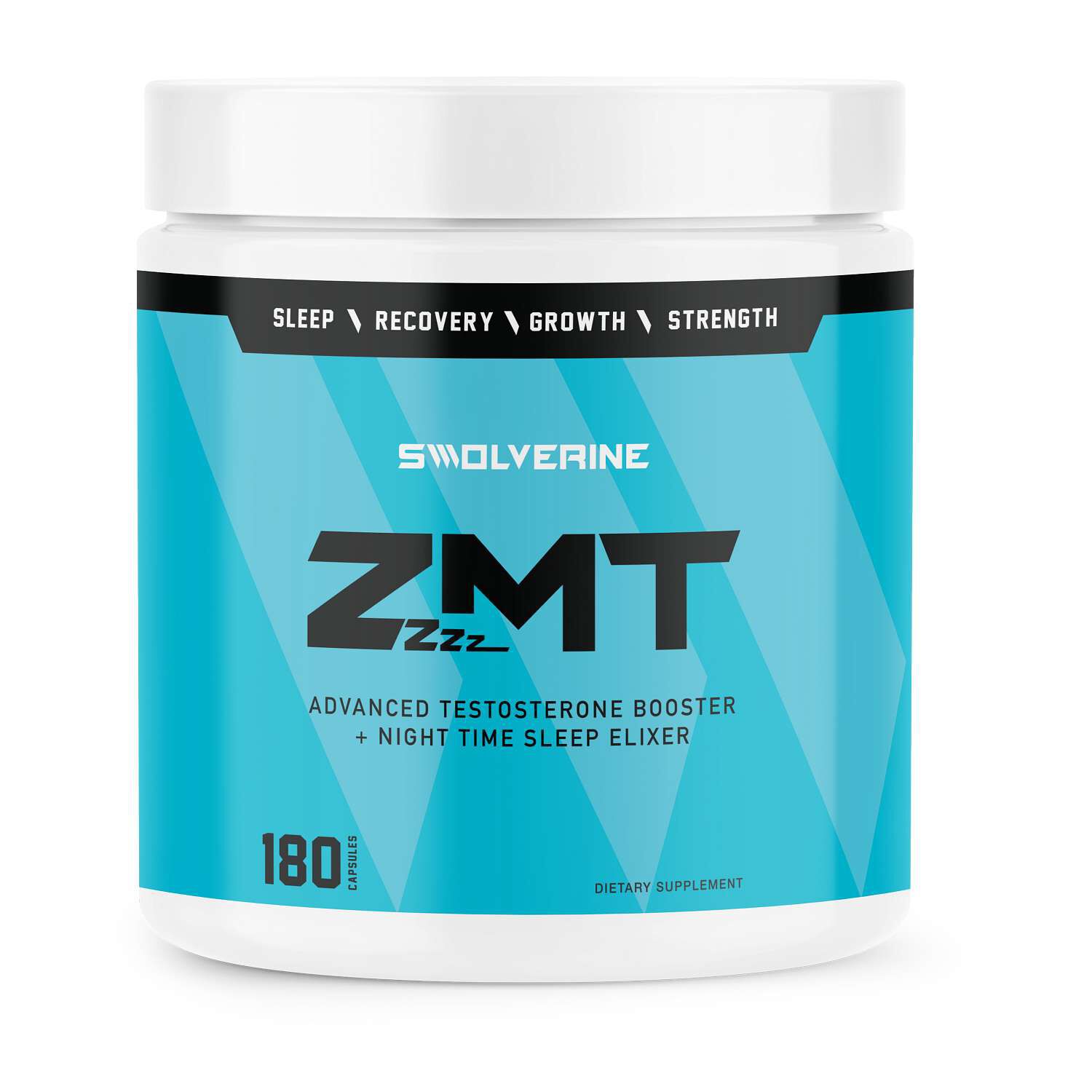
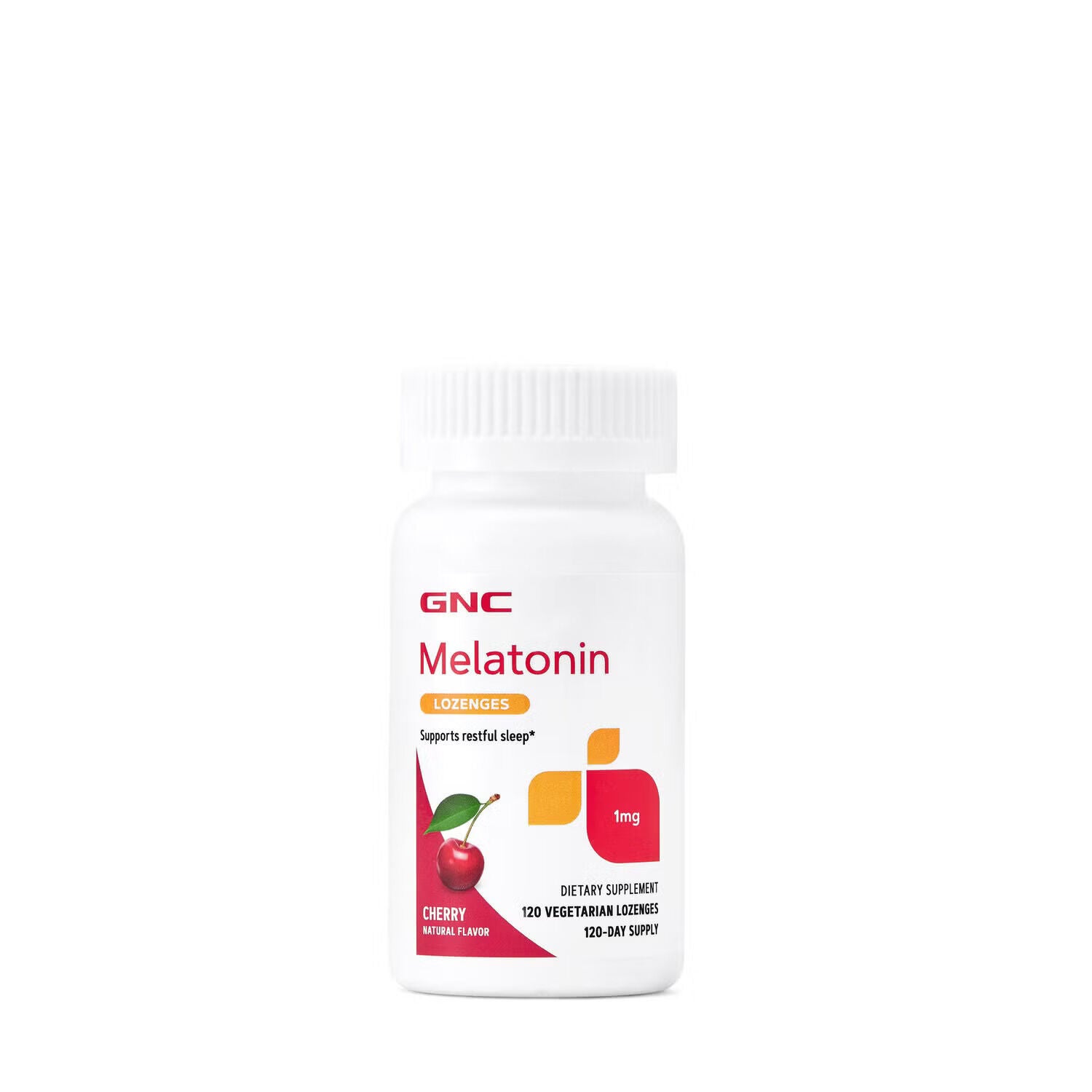
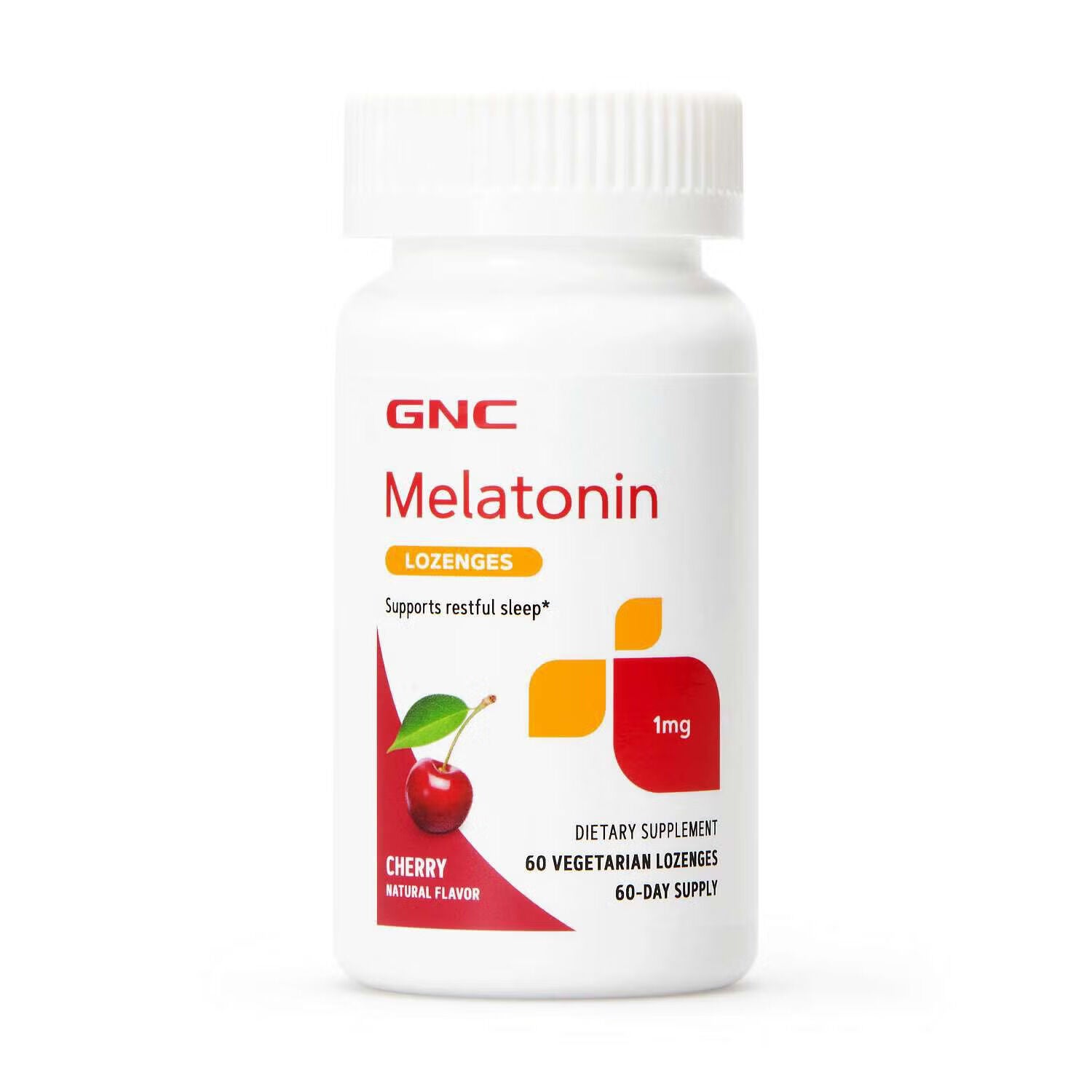
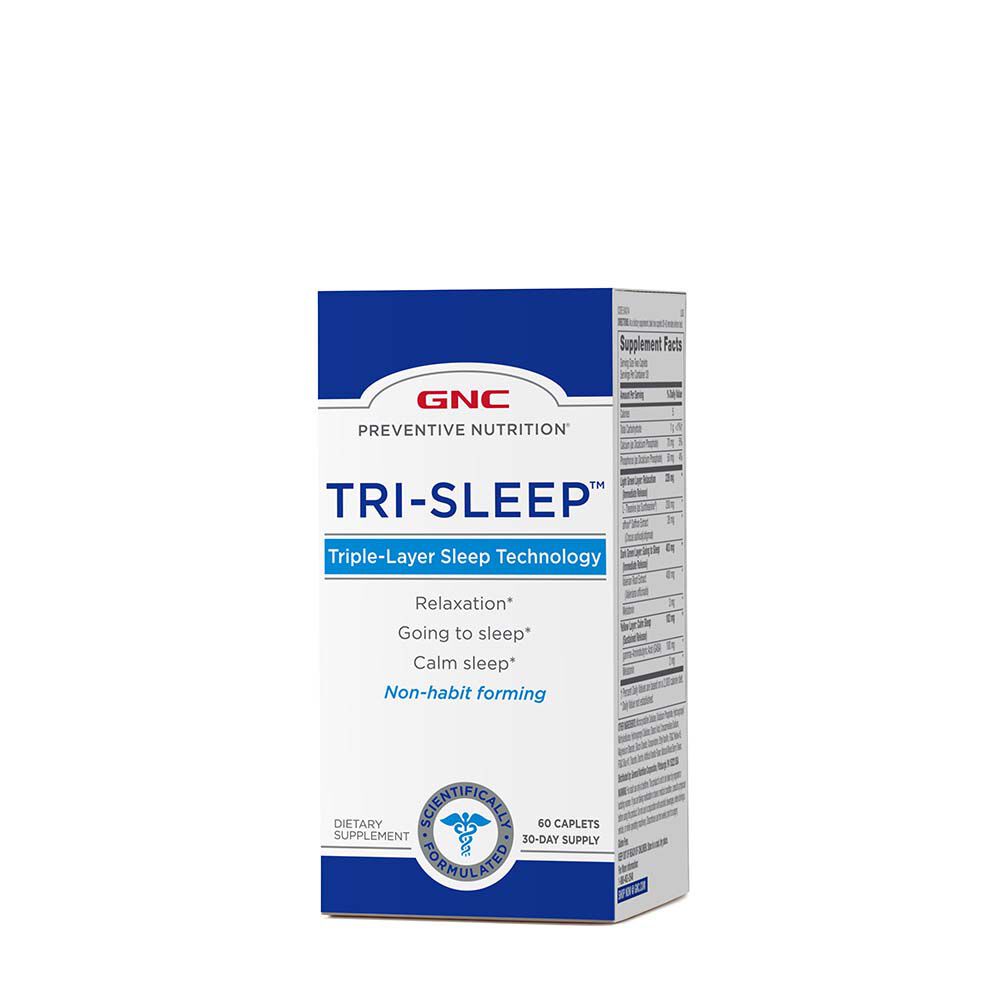
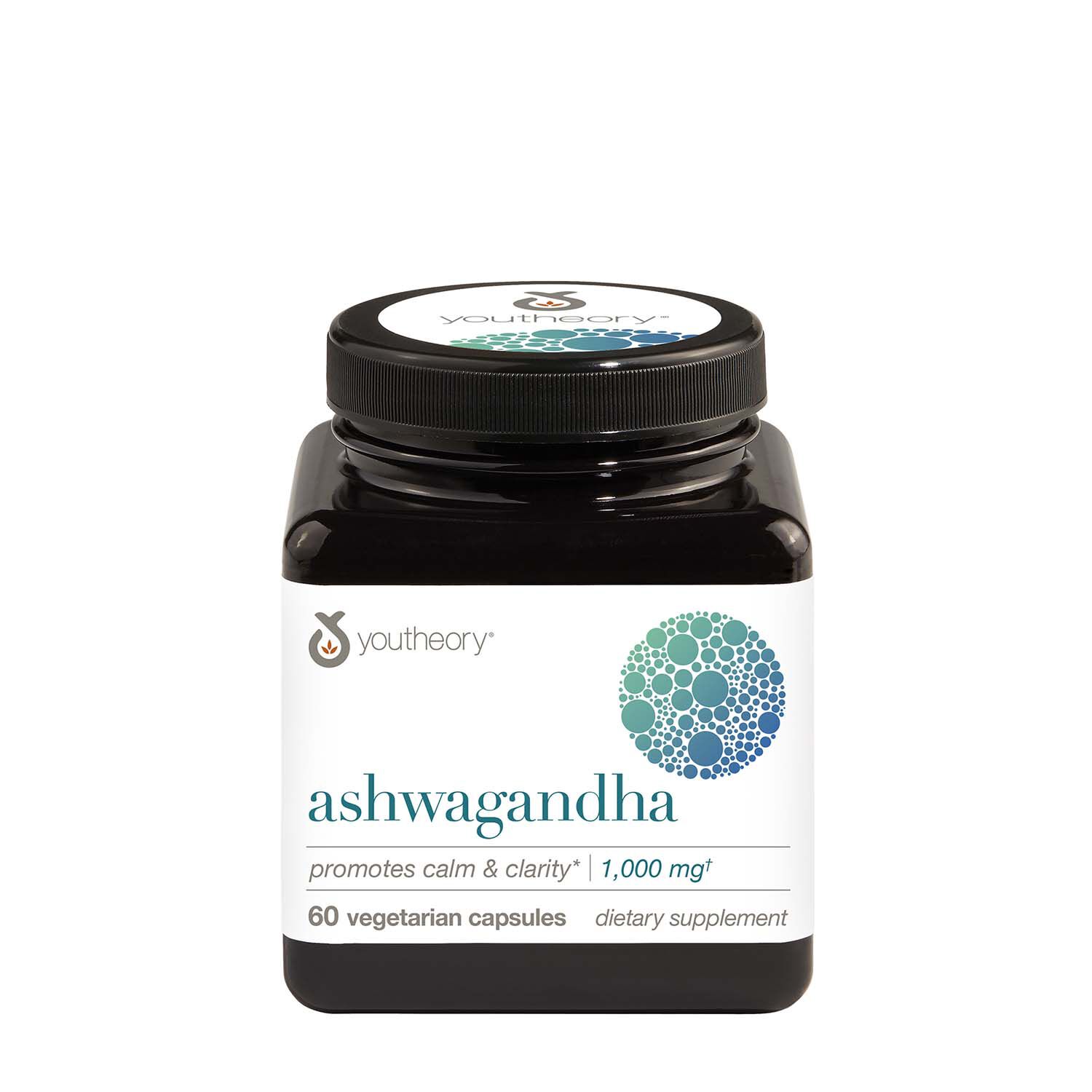
Nighttime sleep support supplements are dietary supplements intended for use as part of an evening routine. Common ingredients in this category include melatonin, magnesium, L-theanine, and botanicals such as valerian root, chamomile, and lemon balm. Depending on their ingredients and intended use, these formulas may support relaxation or help complement the transition from a busy day to a quieter evening. The category includes different approaches rather than one standard formula: some supplements center on a single ingredient, while others combine minerals, amino acids, or botanical extracts. Melatonin is a hormone naturally produced by the body and associated with the sleep-wake cycle. Magnesium is a mineral found in foods and supplements, and L-theanine is an amino acid found in tea. Valerian root, chamomile, and lemon balm are plant-derived ingredients with a long history of use in evening preparations. Those distinctions provide useful background when comparing labels, but an ingredient name alone does not describe everything about a formula. The amount per serving, the other ingredients, and the delivery format all contribute to how one option differs from another. A single-ingredient supplement presents a different comparison from a blend containing several named components, especially when the amounts are listed individually. Nighttime sleep support supplements are not interchangeable simply because their packaging uses similar language about rest. They also do not represent a substitute for sleep itself. For adults browsing this category, the most useful details are often practical ones: whether a formula contains melatonin, which botanical ingredients it includes, how a serving is measured, and whether the format suits an established evening routine. A quiet reading break, the last few pages of a paperback, or the moment the kitchen lights go down can provide a familiar setting for that routine. During the cooler months, when evenings often move indoors, these small rituals may feel especially welcome without needing to become elaborate.
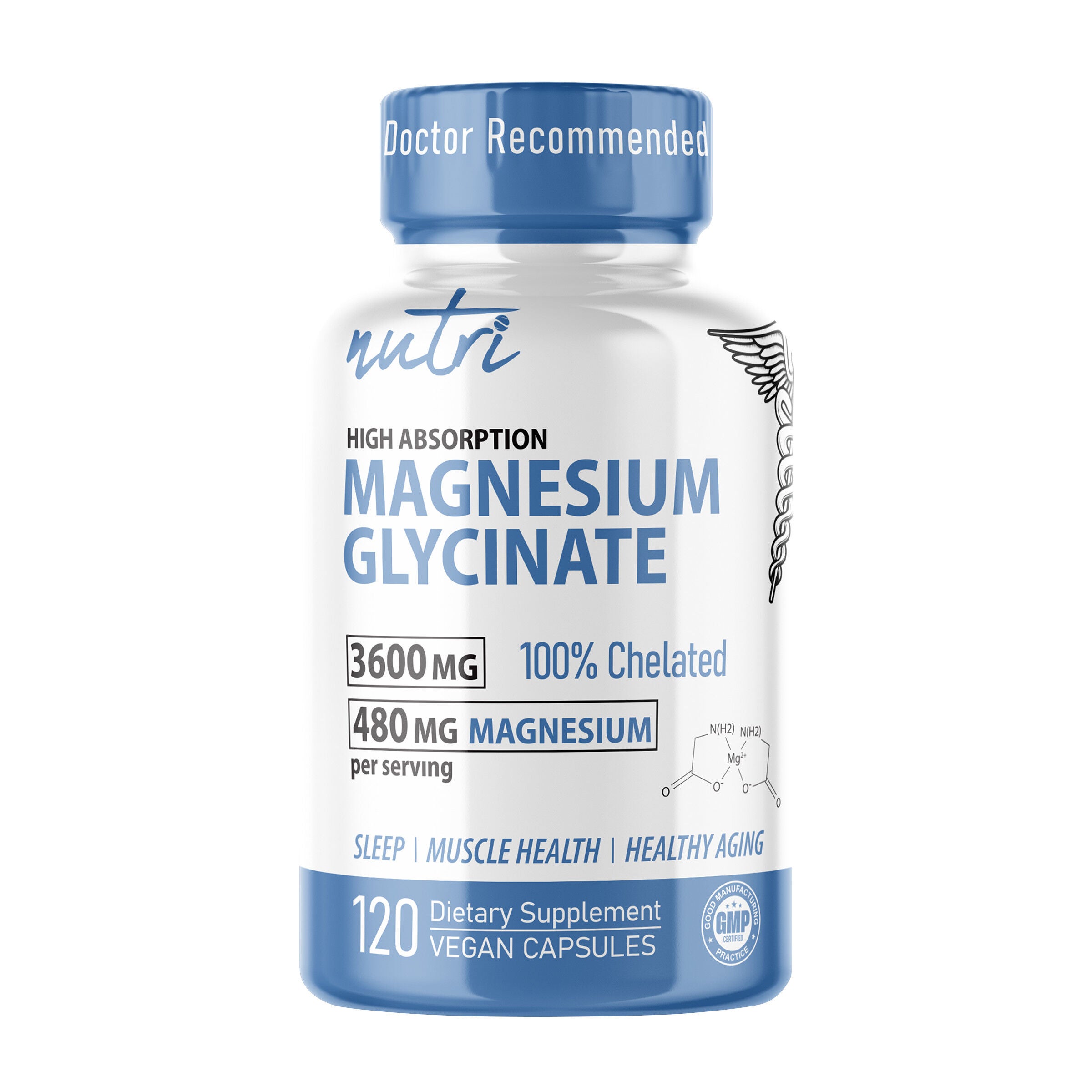
Format is one of the clearest differences among nighttime supplements, and personal preference matters when comparing capsules, tablets, gummies, powders, and liquids. Capsules and tablets have little preparation involved, although their dimensions and serving counts vary. A serving may consist of more than one capsule or tablet, so the number shown on the front of a package is not always the same as the amount in each individual piece. Gummies introduce considerations such as flavor, sweetness, texture, and added sugars. Their ingredient lists may include gelatin or pectin, which can matter to shoppers with particular dietary preferences. Powders involve mixing and measuring, with taste and texture becoming part of the experience. Liquids have their own serving measurements and packaging details, including the measuring device supplied with the formula. These differences are less about finding a universally preferred format and more about understanding what each format involves. Someone who enjoys a slow evening beverage may be drawn to a powder, while someone who prefers a shorter routine may favor a capsule or tablet. Neither preference establishes how well a supplement will work for an individual. Beyond format, the Supplement Facts panel identifies serving size and declared amounts, while the other ingredients list describes components such as capsule materials, flavorings, sweeteners, and binders. Magnesium formulas may identify forms such as magnesium glycinate or magnesium citrate; the named form and the declared magnesium amount are separate details worth distinguishing. Botanical labels may identify a plant part, an extract, or a blend, so two formulas naming the same plant can still differ in composition. Dietary statements and allergen information add another layer of comparison. Clear labeling makes it easier to understand these distinctions without relying on package imagery or a familiar ingredient name. For related browsing, Adult Sleep Aid Supplements offers another category focused on adult nighttime routines. Across either category, the full label provides more context than a short description on its own.
Intended use, packaging, and storage are also part of choosing nighttime sleep support supplements, particularly for a product that becomes part of a recurring household routine. Adult-labeled formulas are distinct from products labeled for other age groups, and the directions and caution statements belong to the individual formula rather than to the category as a whole. Serving amounts and timing instructions can differ, even between supplements with a shared ingredient. A larger amount on a label does not, by itself, establish a better match or a better experience. Sleep preferences and evening schedules are personal, which is one reason supplements are also a more individual purchase than a blanket, reading lamp, or other bedtime accessory. As a gift, a supplement calls for familiarity with the recipient’s stated preferences rather than assumptions about what they need. For everyday use at home, packaging deserves attention beyond appearance. A securely closing container, a readable label, and a clearly marked expiration date are useful details for something that may sit in a cabinet between uses. Storage directions vary, and heat, moisture, and direct sunlight can affect the condition of some formats. Gummies may change texture in warm conditions, while powder containers can be vulnerable to moisture after opening. Original packaging retains the ingredient information, directions, and identifying details that a decorative jar does not. Travel adds similar considerations: a compact container may fit neatly into a toiletry bag, but its label and closure still matter. At home, a supplement can occupy a small place within a broader evening setting—a dimmer room, comfortable bedding, and a pause between the day’s tasks and bedtime. It need not define that setting or turn rest into another complicated project. Thoughtful comparison comes back to straightforward details: the ingredient profile, the amount per serving, the format, the dietary information, and the labeled purpose. Together, those details describe what a nighttime supplement contains and how it is intended to fit into a routine, without assuming the same experience for every adult.
Best Sellers
-
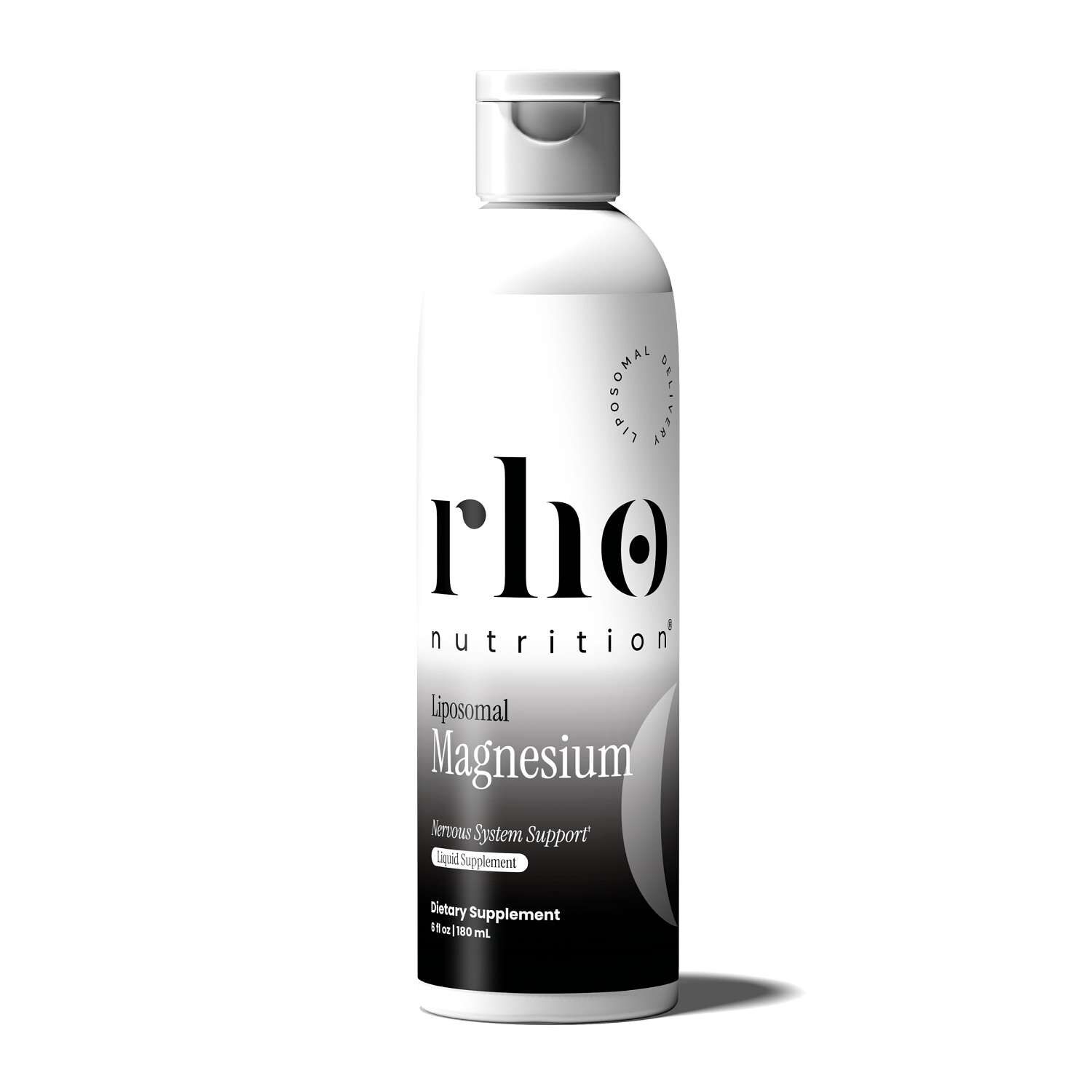 Rho Nutrition
 -
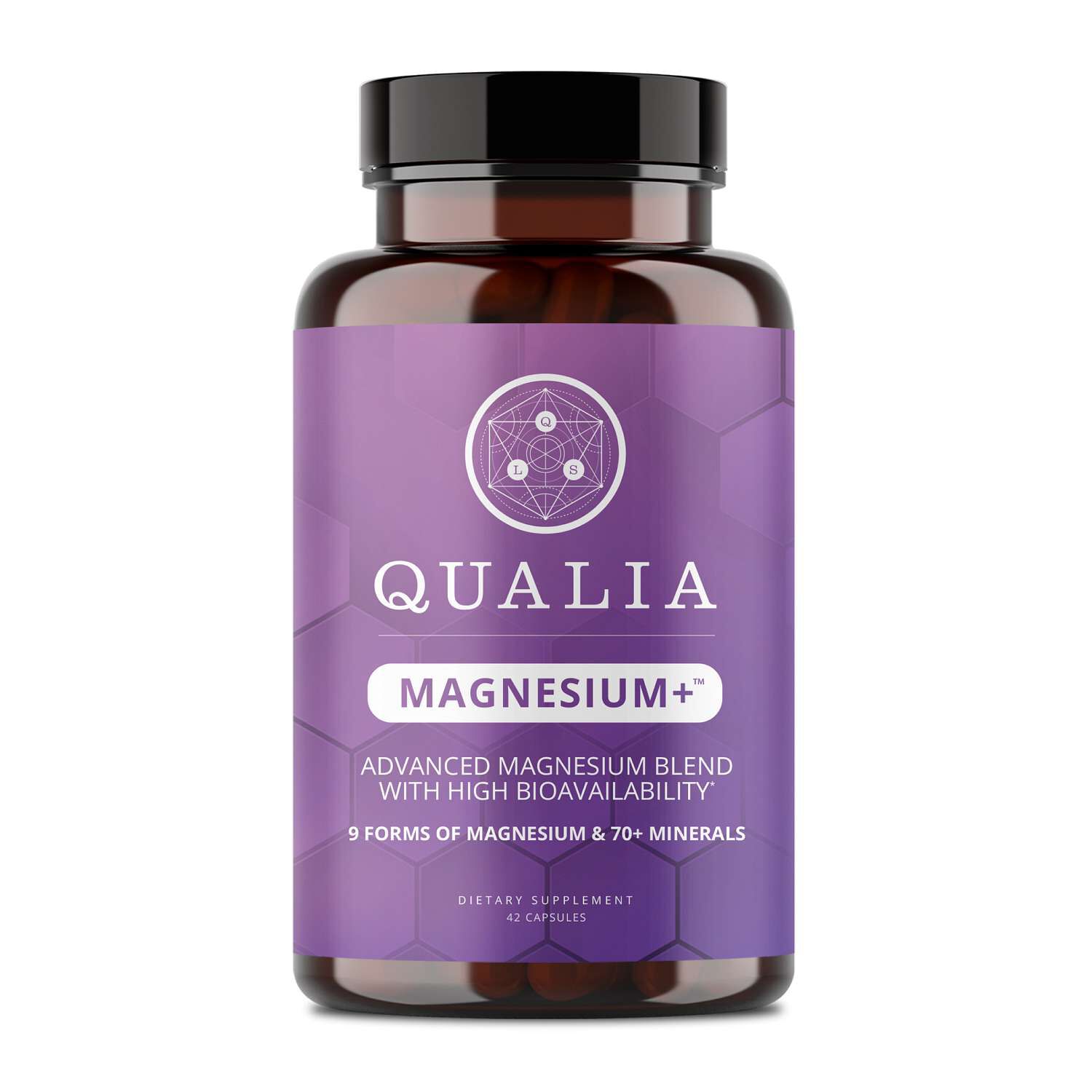 Qualia Life Sciences