Nitric Oxide Supplements For Summer Sports
(0 Results)
Nitric oxide supplements for summer sports could offer support for those looking to stay active during the warmer months. Whether gearing up for outdoor training sessions or participating in seasonal competitions, these supplements may play a role in helping athletes pursue their fitness goals. Explore options that might align with your summer workout routine and discover how nitric oxide supplements for summer sports could fit into your wellness plan.
-
-

-

-
-

-
-

-

-
-

-

-
-
-
-
-
-
-

-
-
-
-
 229$24.99
 -
-

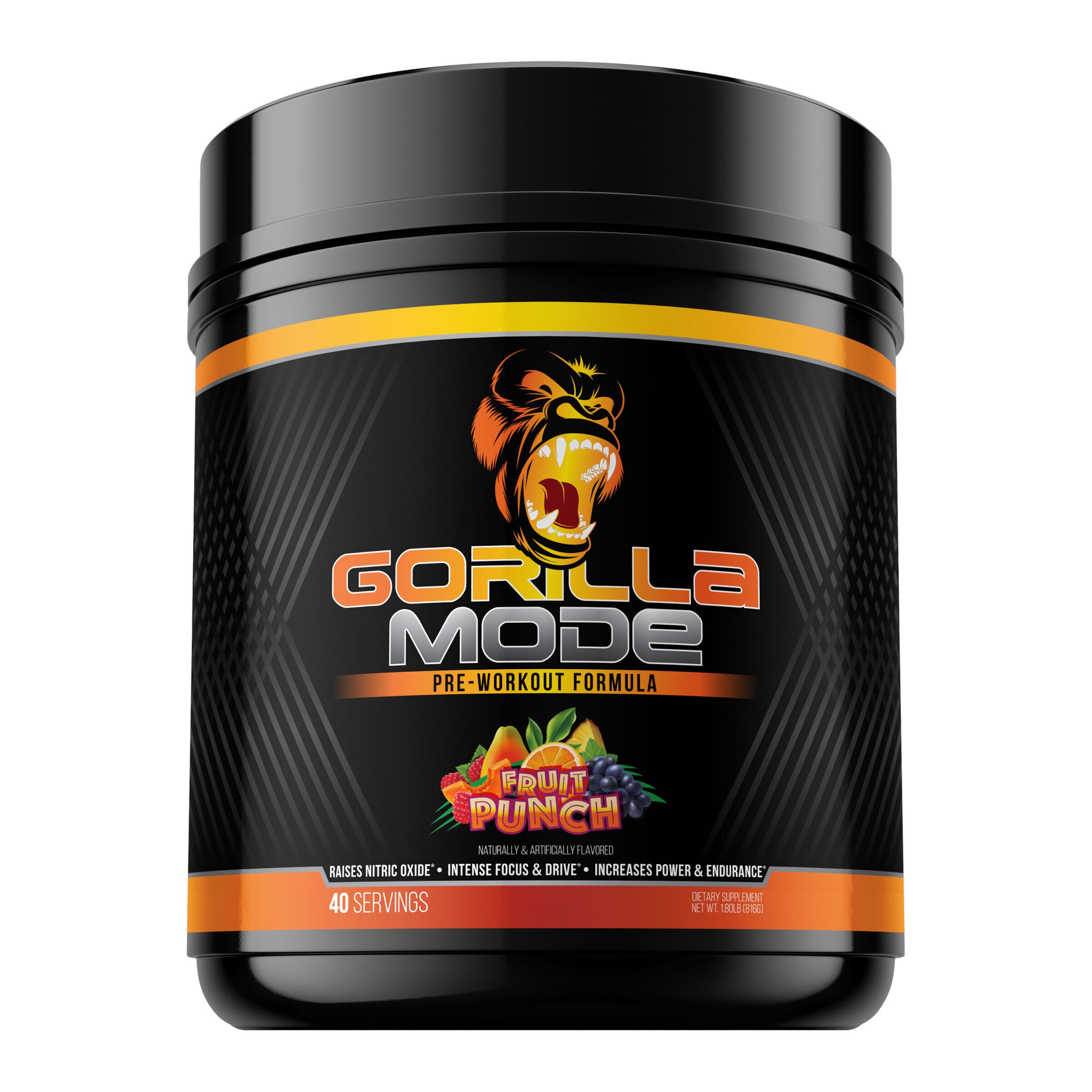
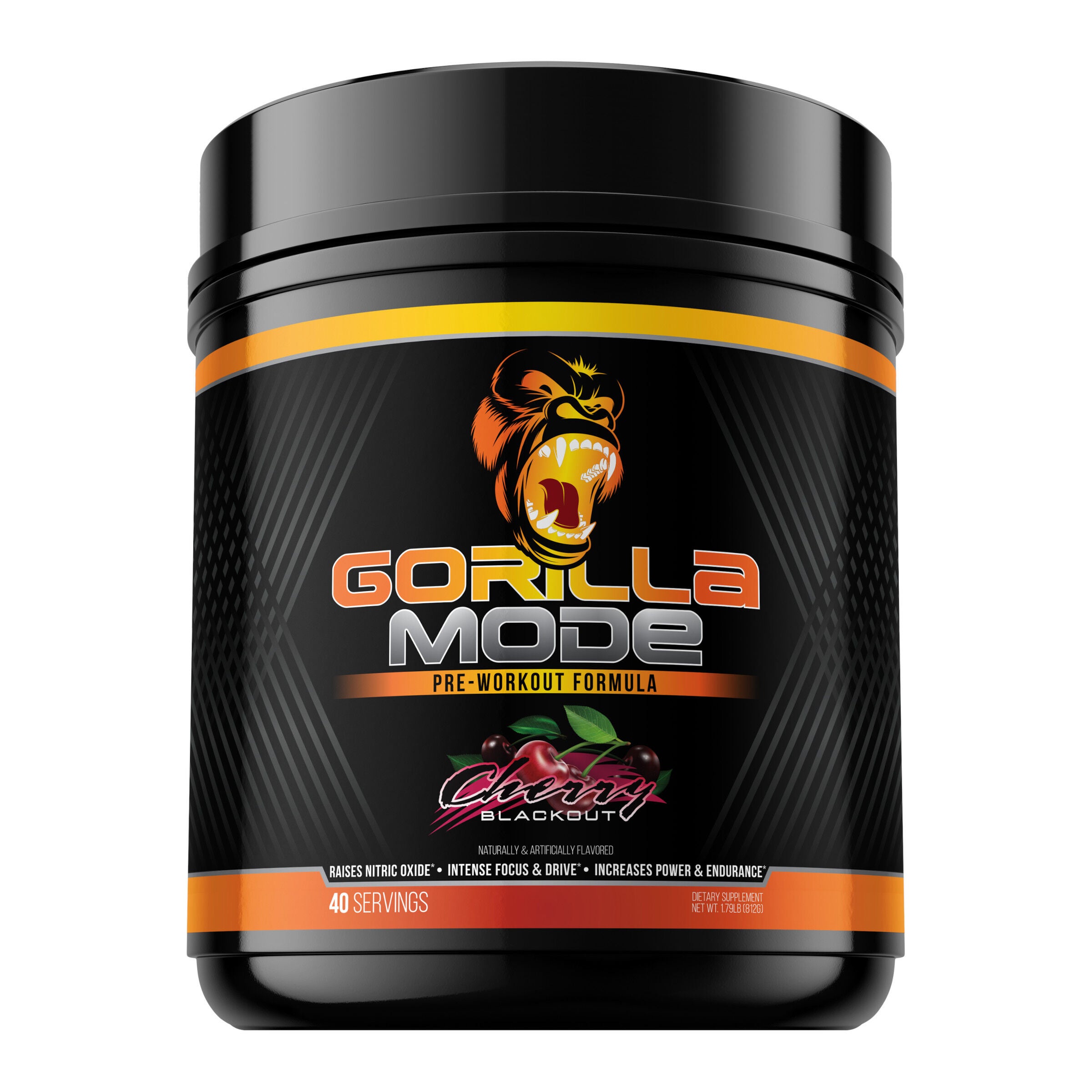
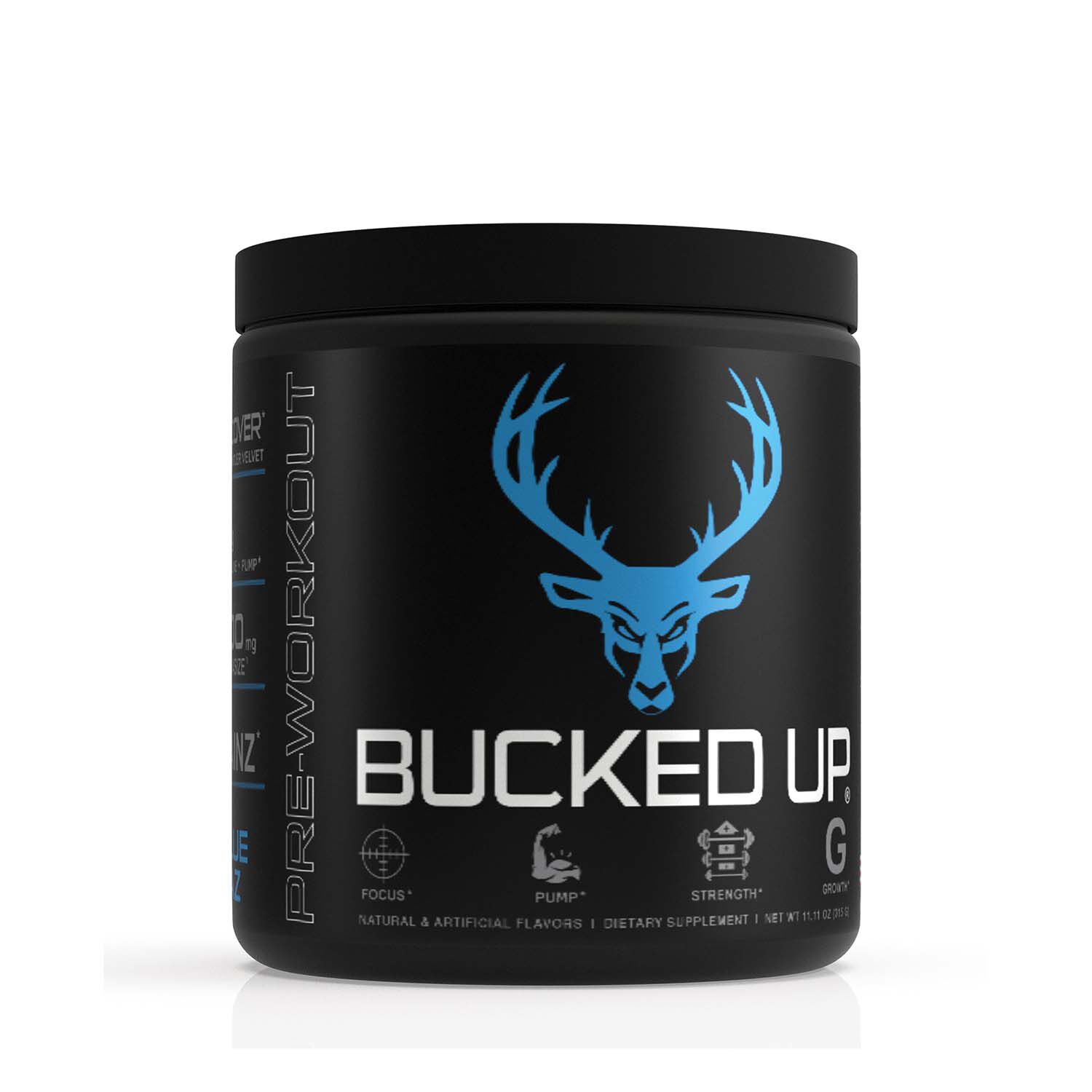
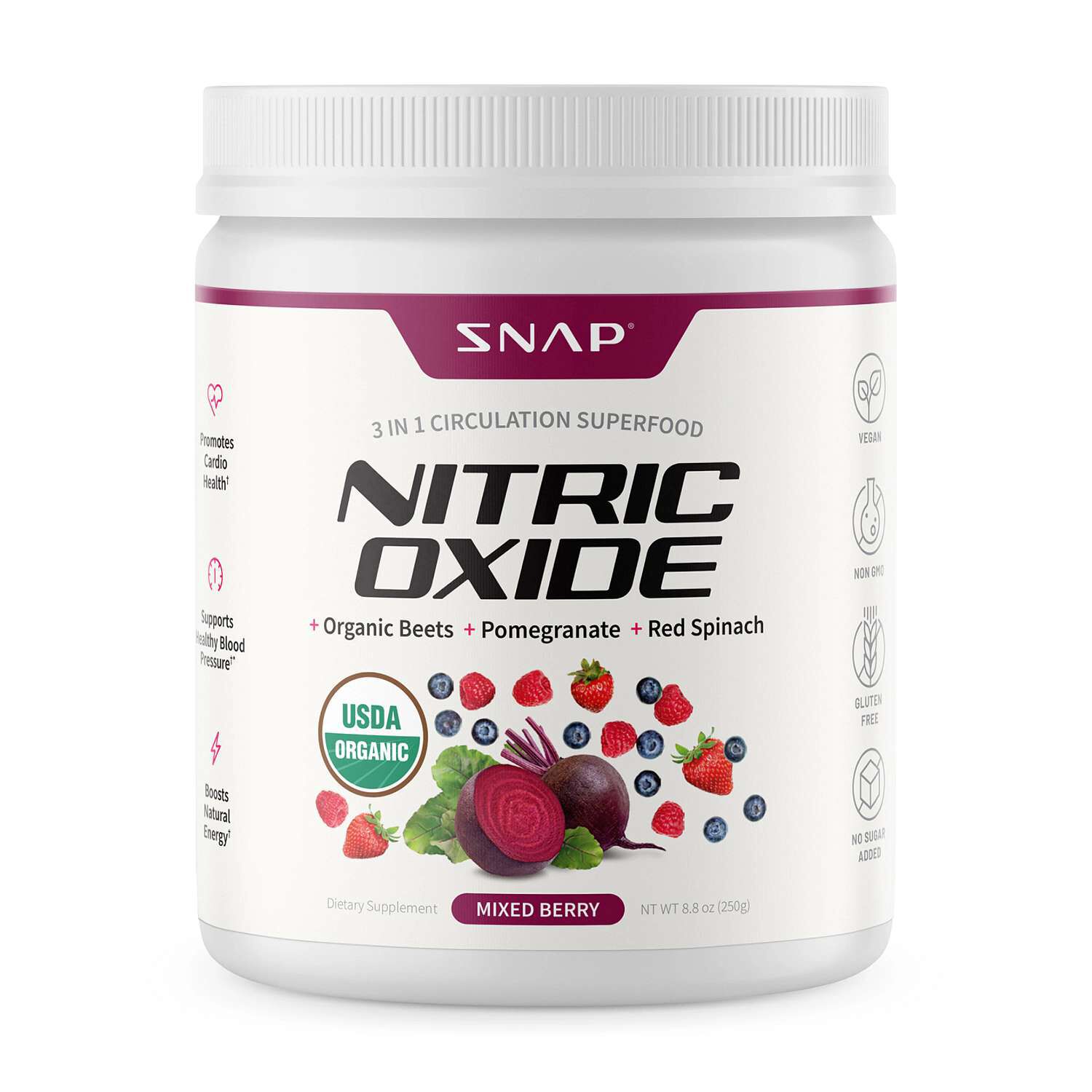
Nitric oxide supplements for summer sports are a category of sports nutrition products commonly associated with pre-workout routines and endurance-focused training. Nitric oxide is a signaling molecule made by the body; supplements in this category generally contain ingredients associated with its production rather than nitric oxide itself. Common ingredients include L-citrulline, L-arginine, and beetroot-derived nitrates, offered in formats such as powders, capsules, and tablets. These supplements may support exercise performance, although results can vary with the ingredient, formulation, activity, and individual. For adults who spend summer weekends cycling rolling roads, playing recreational soccer, or moving between the tennis court and the weight room, the category offers several ways to organize a supplement routine around training. A powder requires measuring and mixing, while capsules or tablets involve less preparation but may require multiple units per serving. Neither format alone establishes how a formula might perform. Ingredient amounts, serving directions, and the makeup of the full formula provide more useful points of comparison than a bold name on the front of a container. Summer sports also encompass very different demands: a short beach volleyball match, an extended trail outing, and repeated sprint drills do not share the same pace or schedule. Intended use matters when comparing formulas, particularly when a nitric oxide supplement also contains caffeine, amino acids, or other sports nutrition ingredients. The presence of beetroot does not automatically establish a particular nitrate amount, just as a large powder serving does not reveal how much L-citrulline it contains. Clear labeling makes those distinctions easier to understand. This category fits within the broader context of food, water, rest, and consistent practice, not in place of them. A useful starting point is a product format and ingredient profile that suit an established routine, with expectations grounded in the label rather than assumptions about dramatic changes on the field.
Ingredient transparency is especially relevant when comparing nitric oxide supplements for outdoor training. L-citrulline and L-arginine are amino acids, while beetroot contributes a different ingredient source commonly used in this category. Citrulline malate combines citrulline with malate, so the listed weight of that ingredient is not necessarily the amount of L-citrulline alone. Likewise, beetroot powder and a beetroot extract with a stated nitrate amount offer different kinds of label information. Where ingredient quantities appear individually, shoppers can make more direct comparisons between formulas; a blend listed only by its combined weight provides less detail about each component. For a closer look at one ingredient category, L Arginine Supplements For Summer Workouts offers a related area to explore. Beyond the featured ingredient, flavorings, sweeteners, colors, and capsule materials can influence whether a formula matches personal preferences. A plant-based capsule shell may matter to someone following a vegetarian eating pattern, while another shopper may prioritize an unflavored powder for a familiar mixing routine. Descriptions such as citrus or berry suggest a flavor direction, but sweetness, texture, and aftertaste can differ between formulations. Mixing directions are worth comparing, too: a serving intended for a larger volume of water creates a different preparation task from one mixed into a smaller drink. Caffeine content deserves separate attention because nitric oxide supplements and pre-workout supplements are not interchangeable categories, even when some formulas overlap. An evening tennis player may prefer a formula without caffeine, while another athlete may already have caffeine elsewhere in a workout routine. Reviewing the full ingredient lists across supplements makes overlapping ingredients easier to spot. Athletes participating in organized competition may also value independent sport certification; the exact certification and its scope matter more than a general quality statement. These practical distinctions often say more about a product’s suitability than whether its packaging features a runner, a cyclist, or a weightlifter.
Summer use adds practical considerations around carrying, preparing, and storing supplements, especially when a training day includes a long drive, a crowded equipment bag, or several hours away from home. Container construction matters: a secure closure, legible directions, and packaging that holds up to repeated handling are useful details for regular use. A large tub may suit a home preparation area, while a smaller container may be easier to pack alongside court shoes, a towel, and a change of clothes. Individually packaged servings can simplify portion organization, though the labeled serving may still differ from what a shopper expects. Product care should follow the storage directions on the package. A parked car, a sunlit bench, and a damp poolside bag present different conditions from a dry indoor cabinet, making storage part of the purchasing decision rather than an afterthought. Powder containers benefit from careful handling with dry utensils and a securely closed lid; capsules and tablets also need the conditions specified by their labels. Keeping the original packaging preserves access to ingredient details, serving instructions, and date information. For someone who prepares a drink before driving to an early practice, mixing requirements and any instructions about use after preparation are particularly relevant. For someone packing for a recreational tournament, preparation space and access to water may shape which format feels manageable. Serving instructions vary between formulas, so there is no single preparation schedule that applies to every nitric oxide supplement. Nor should a nitric oxide formula be assumed to function as an electrolyte drink, a carbohydrate source, or protection from summer heat simply because it appears in the sports nutrition aisle. Each serves a different intended purpose, and the label should make that purpose clear. Supplements are also a personal purchase rather than a casual team gift: an adult recipient’s established preferences, ingredient choices, and familiarity with a format matter. Whether the setting is a community track, a lakeside cycling route, or a neighborhood basketball court, a considered selection centers on transparent ingredients, manageable preparation, and realistic expectations for what a supplement may contribute to a broader sports routine.