L Arginine L Citrulline For Summer Sports
(0 Results)
L arginine l cittrulline for summer sports could be a popular choice for athletes and fitness enthusiasts looking to support their warm-weather training routines. These amino acids are often included in supplements designed to complement active lifestyles, especially during the summer months when outdoor activities are in full swing. Whether you're hitting the trails, heading to the court, or powering through your favorite workout, l arginine l cittrulline for summer sports may fit seamlessly into your seasonal wellness goals. Explore options that might align with your performance and recovery needs as you make the most of every sunny day.
-
-

-
-
-
-
-
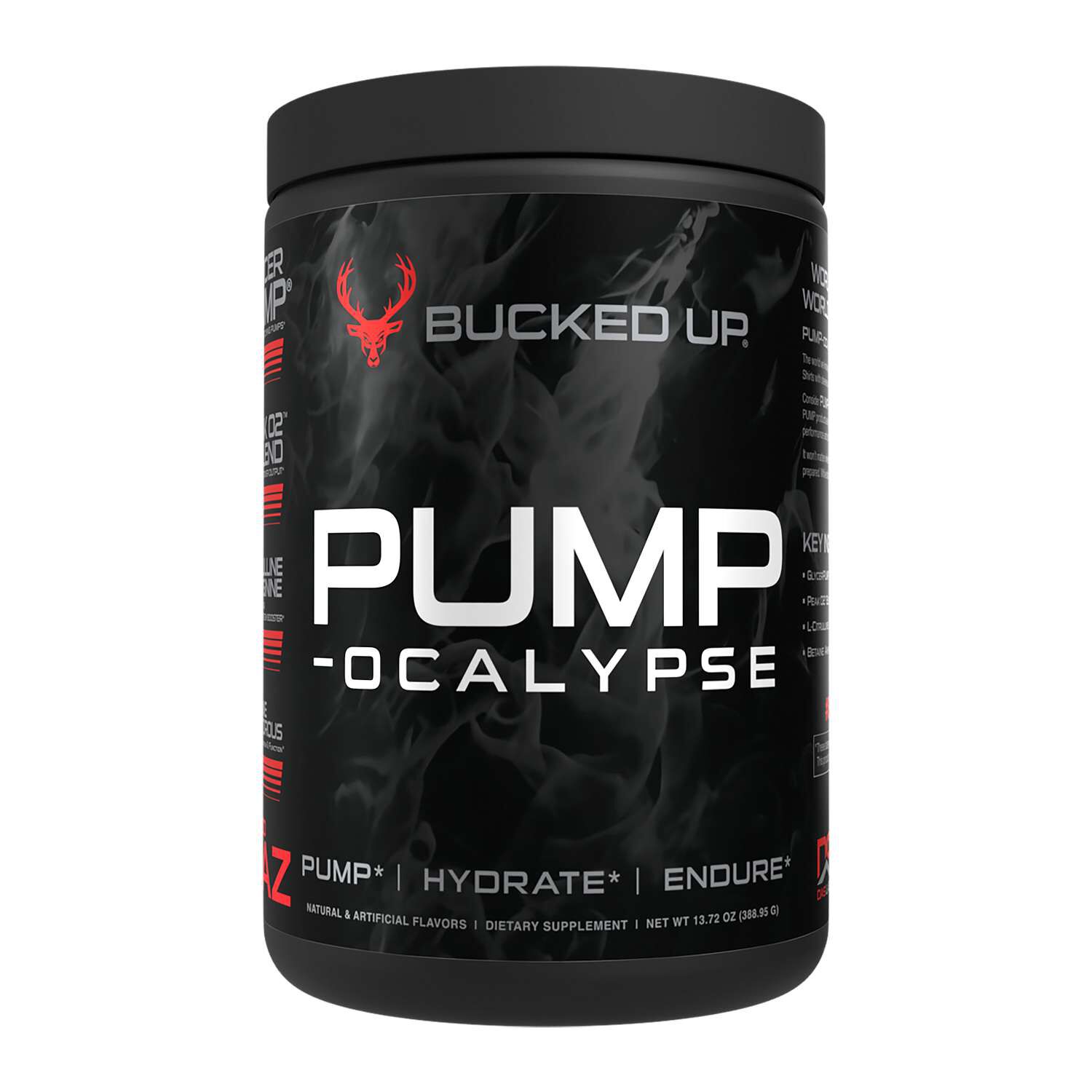
-
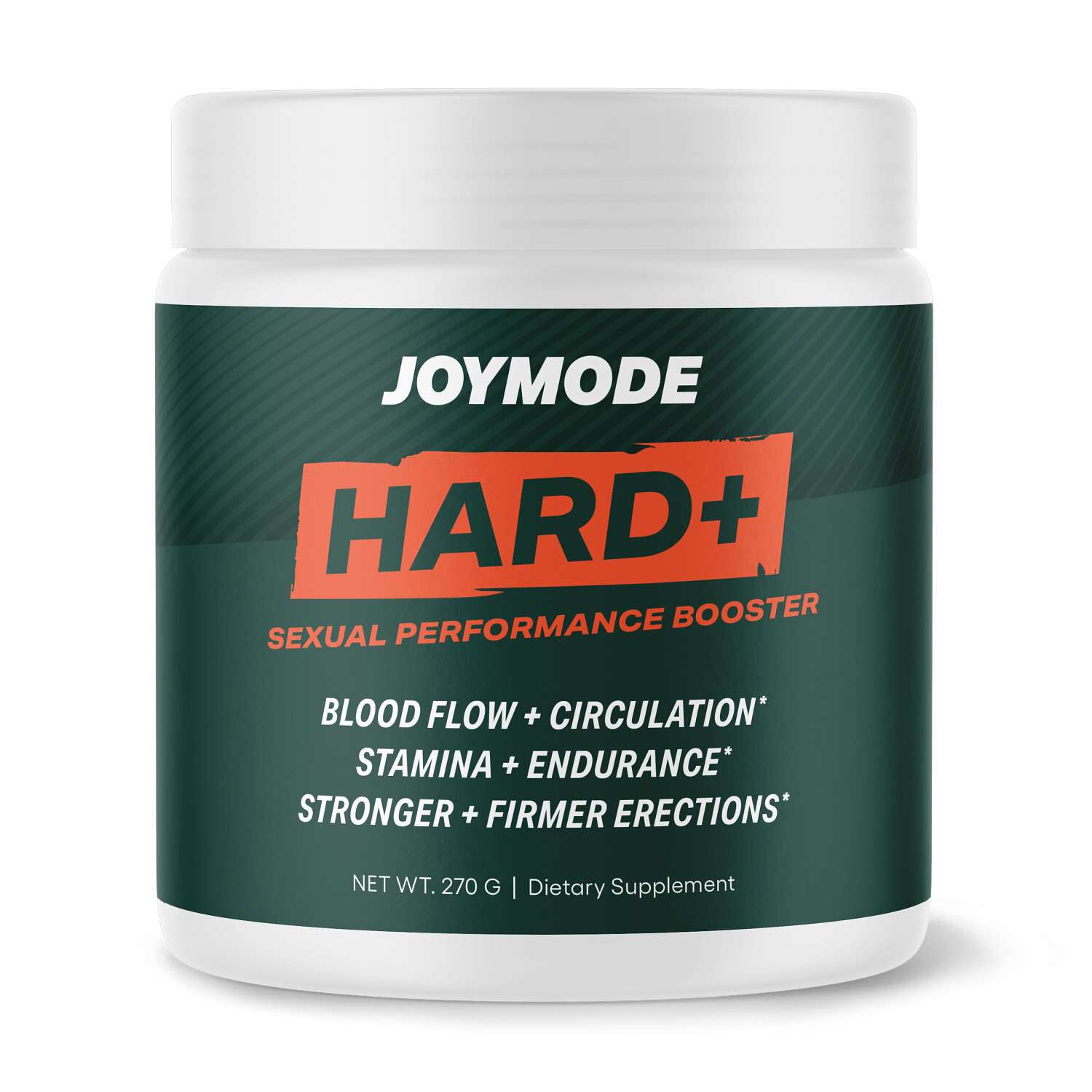
-
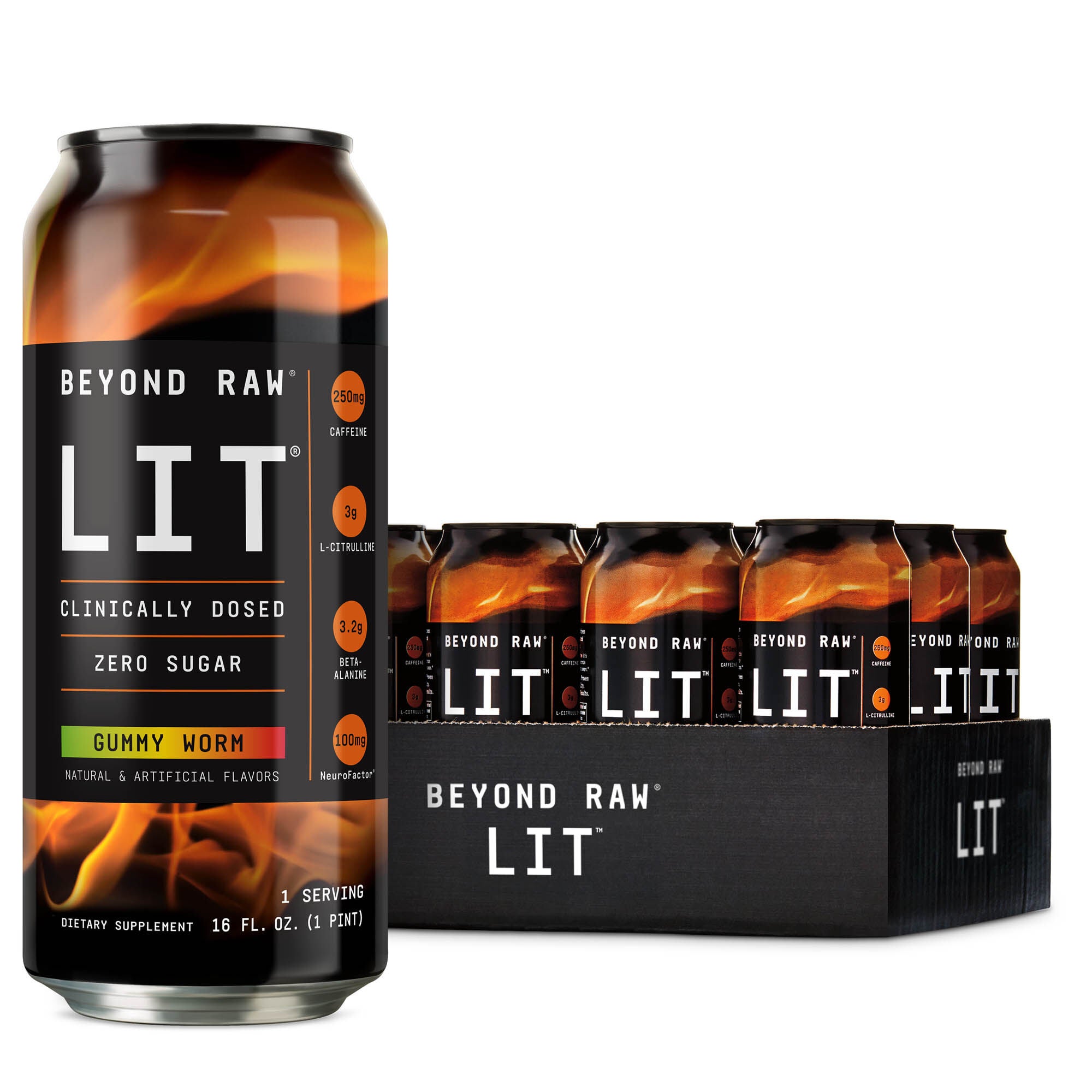
-
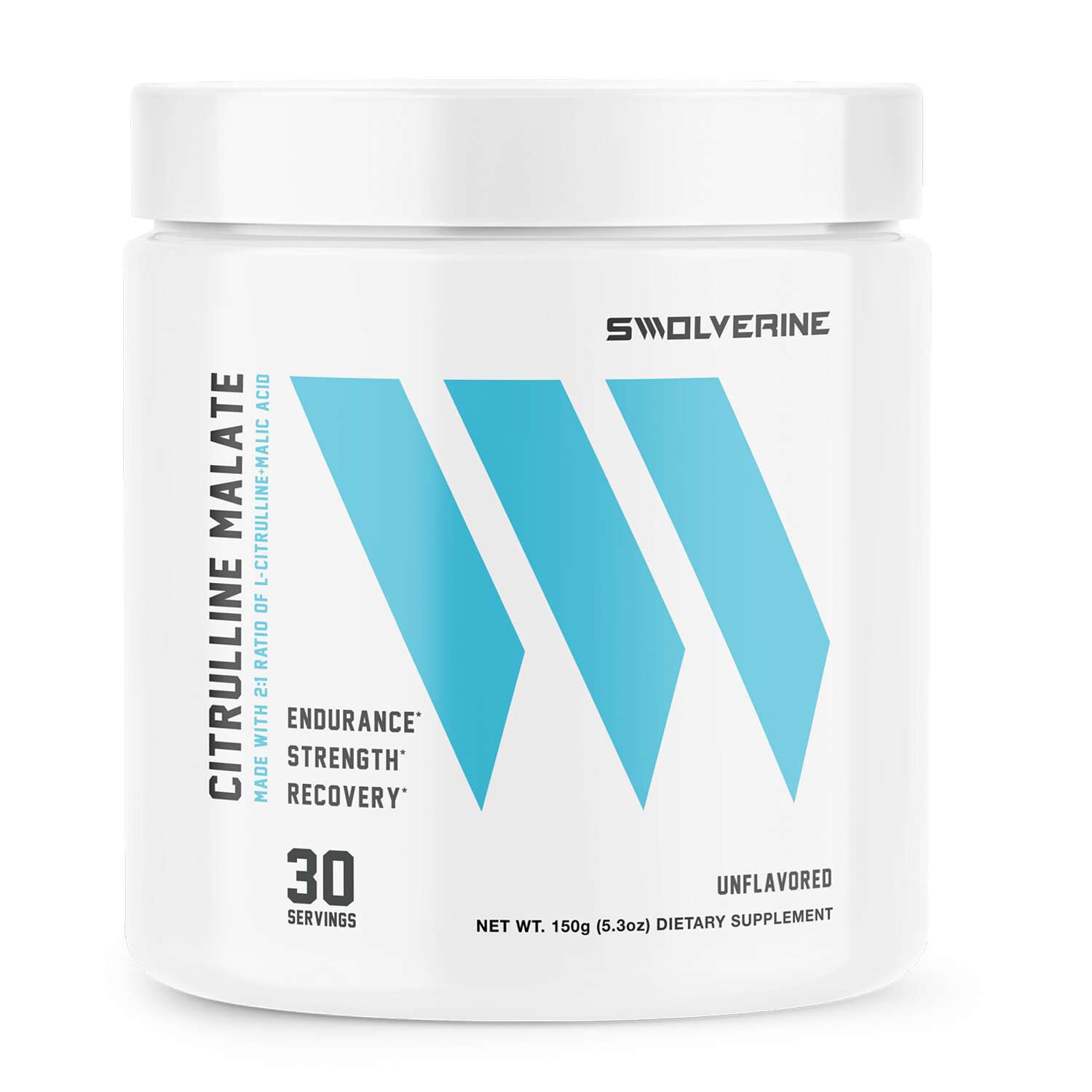 Swolverine$24.99
-

-
-

-

-

-

-
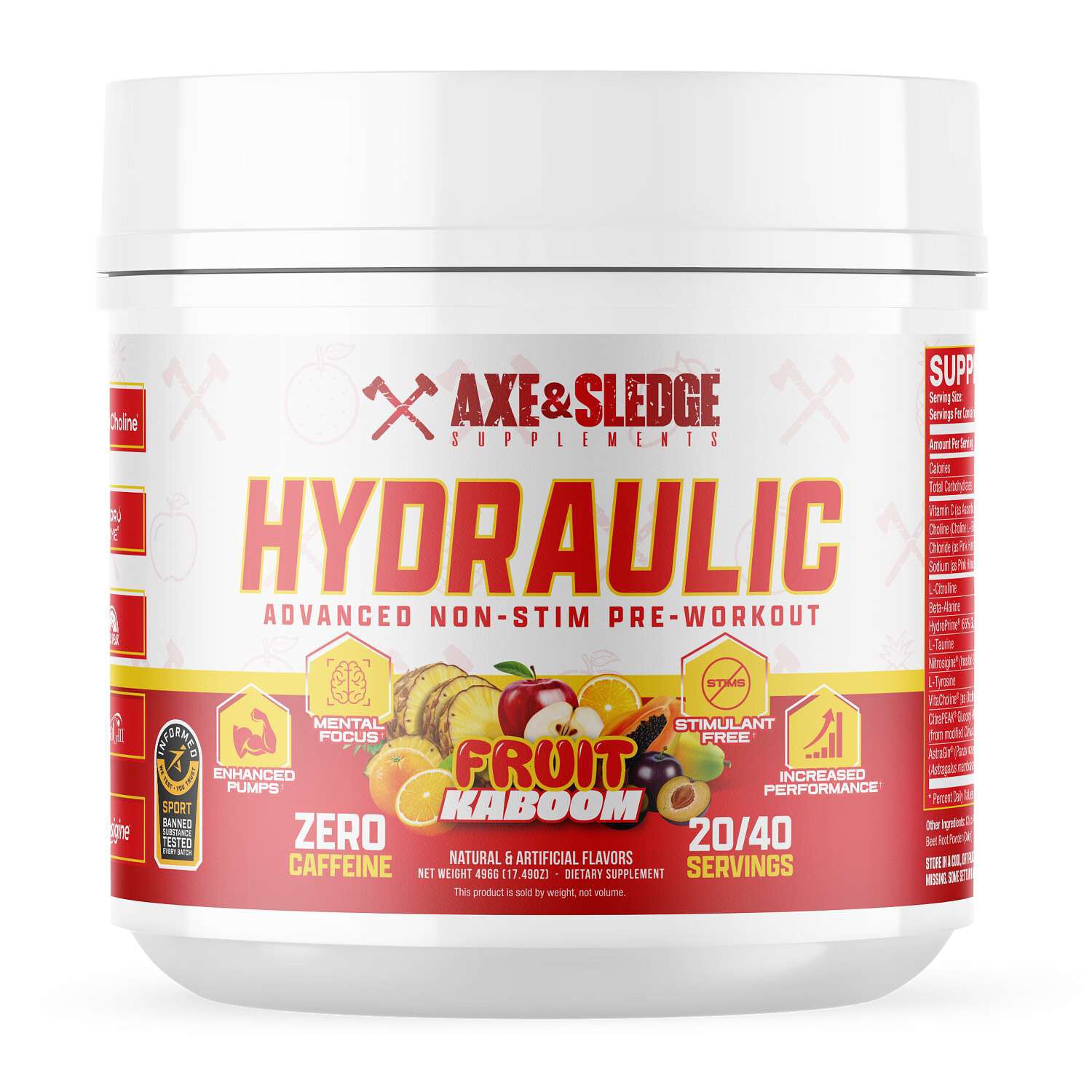
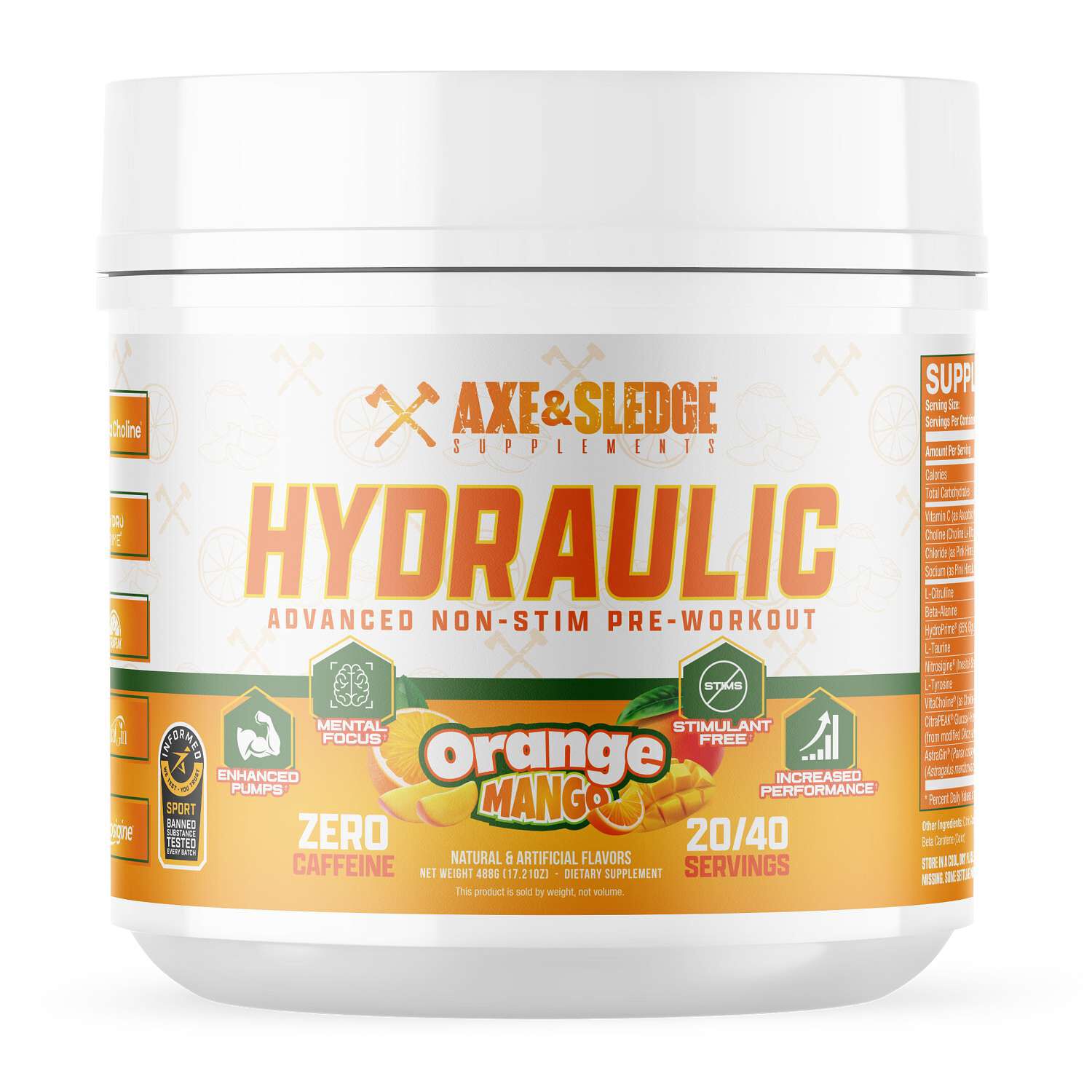
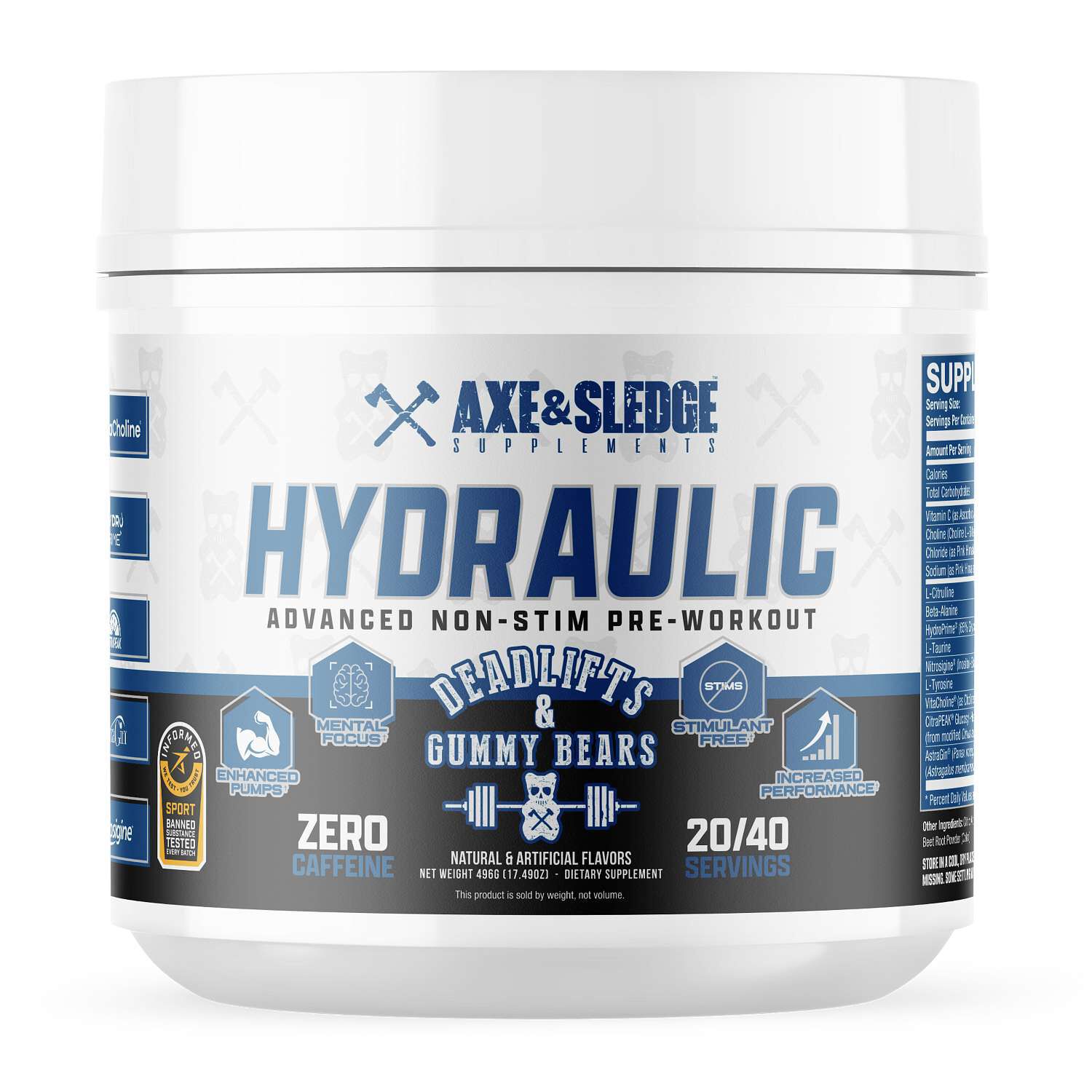 Axe & Sledge Supplements81$54.99
-
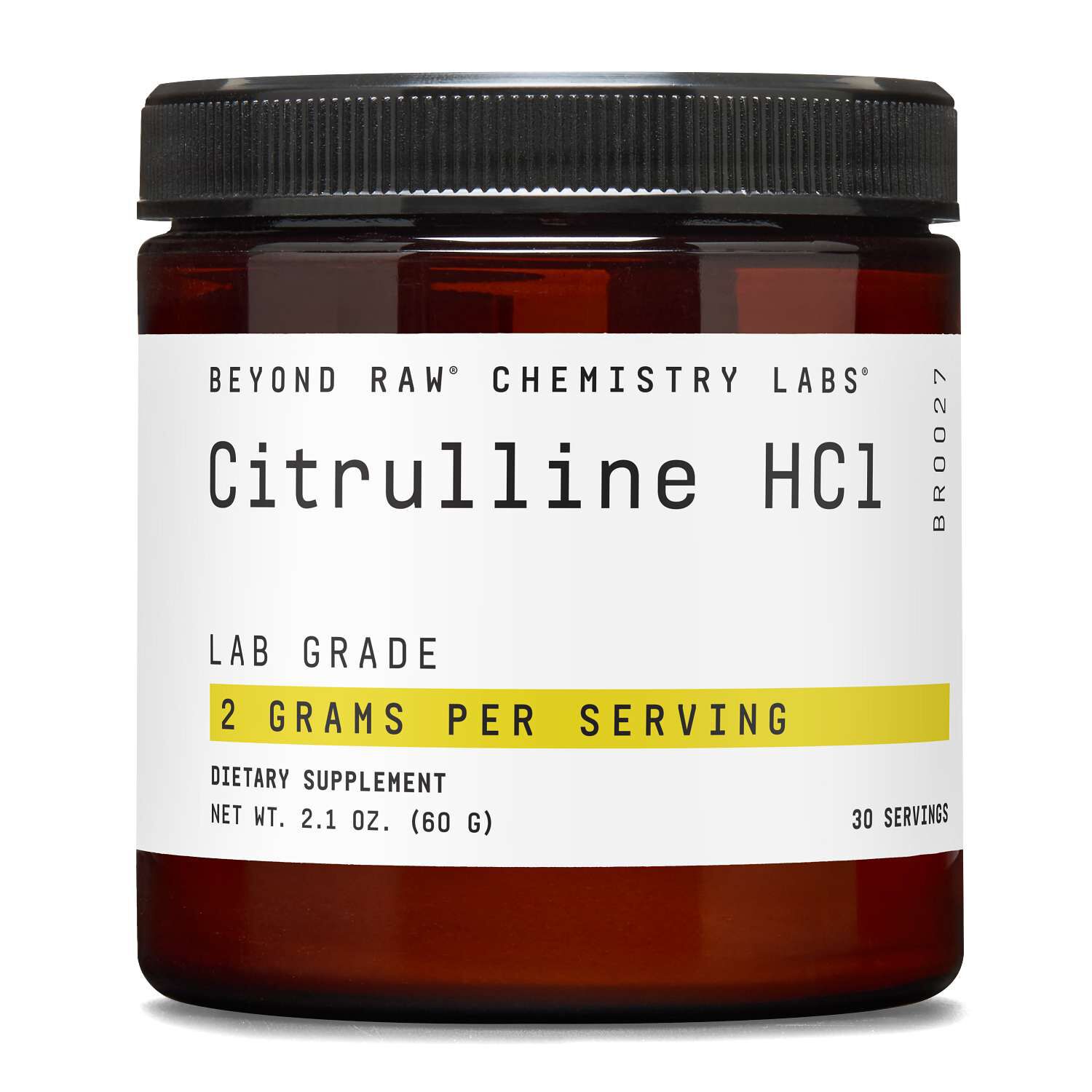 Beyond Raw$24.99
-
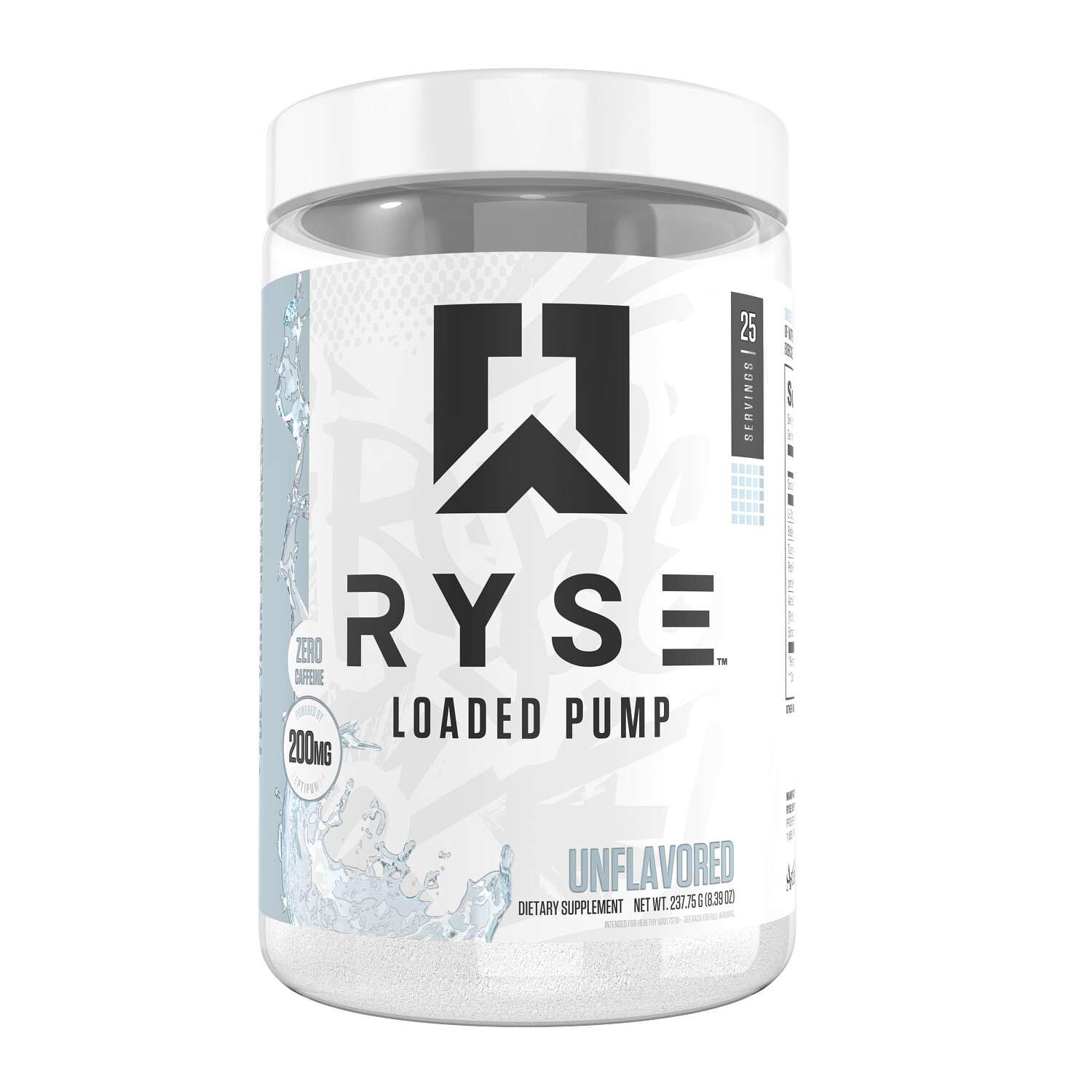 $36.99
-
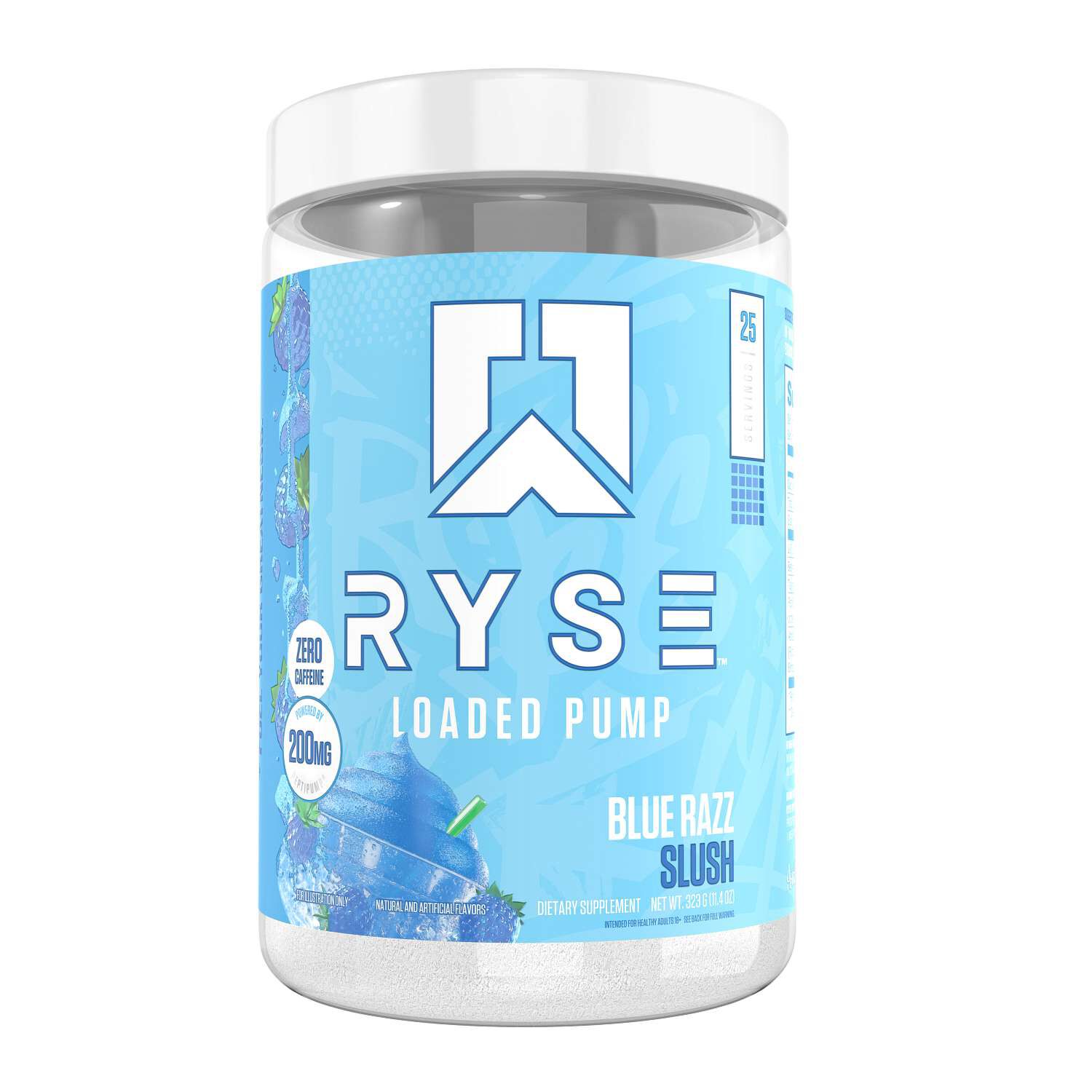 $36.99
-
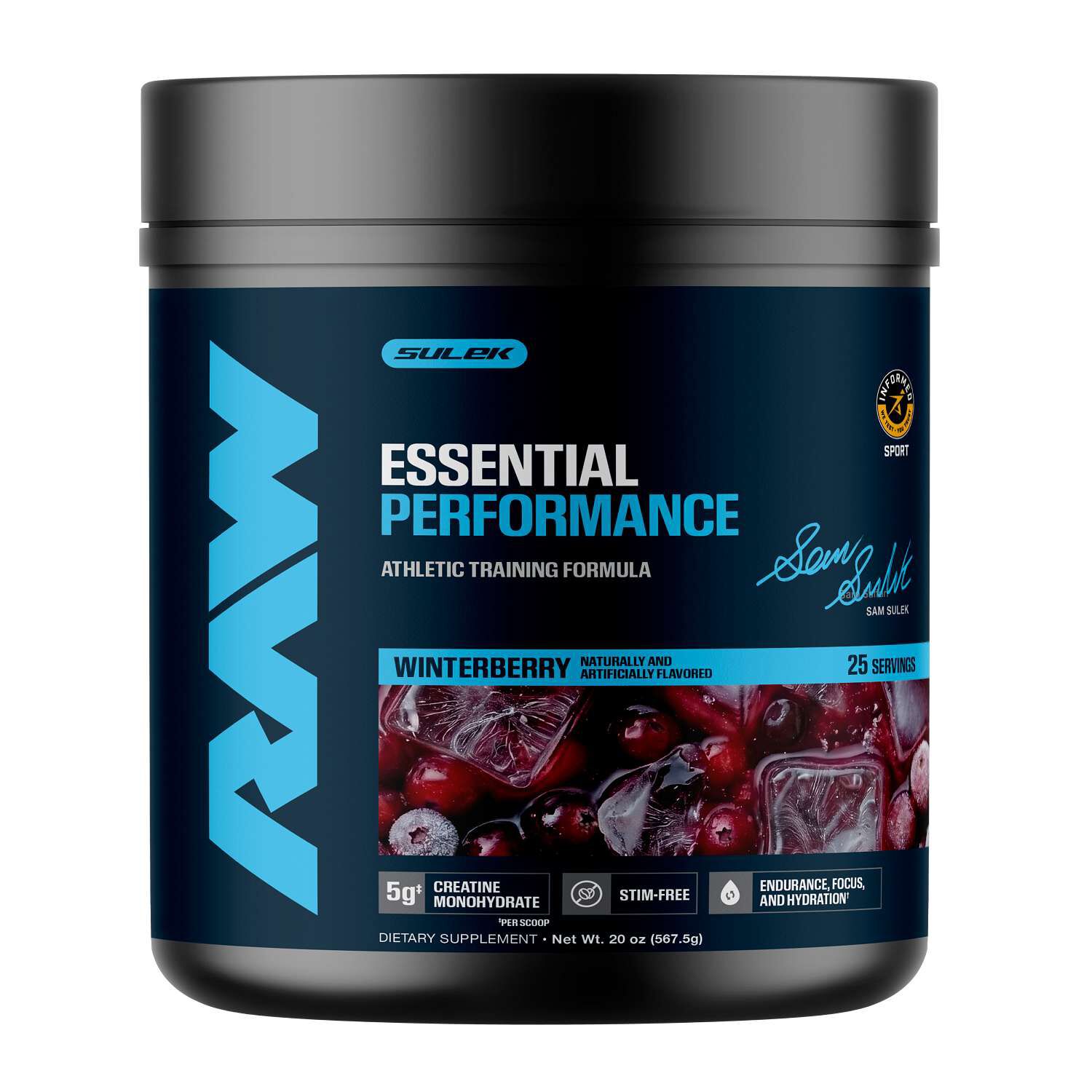
-
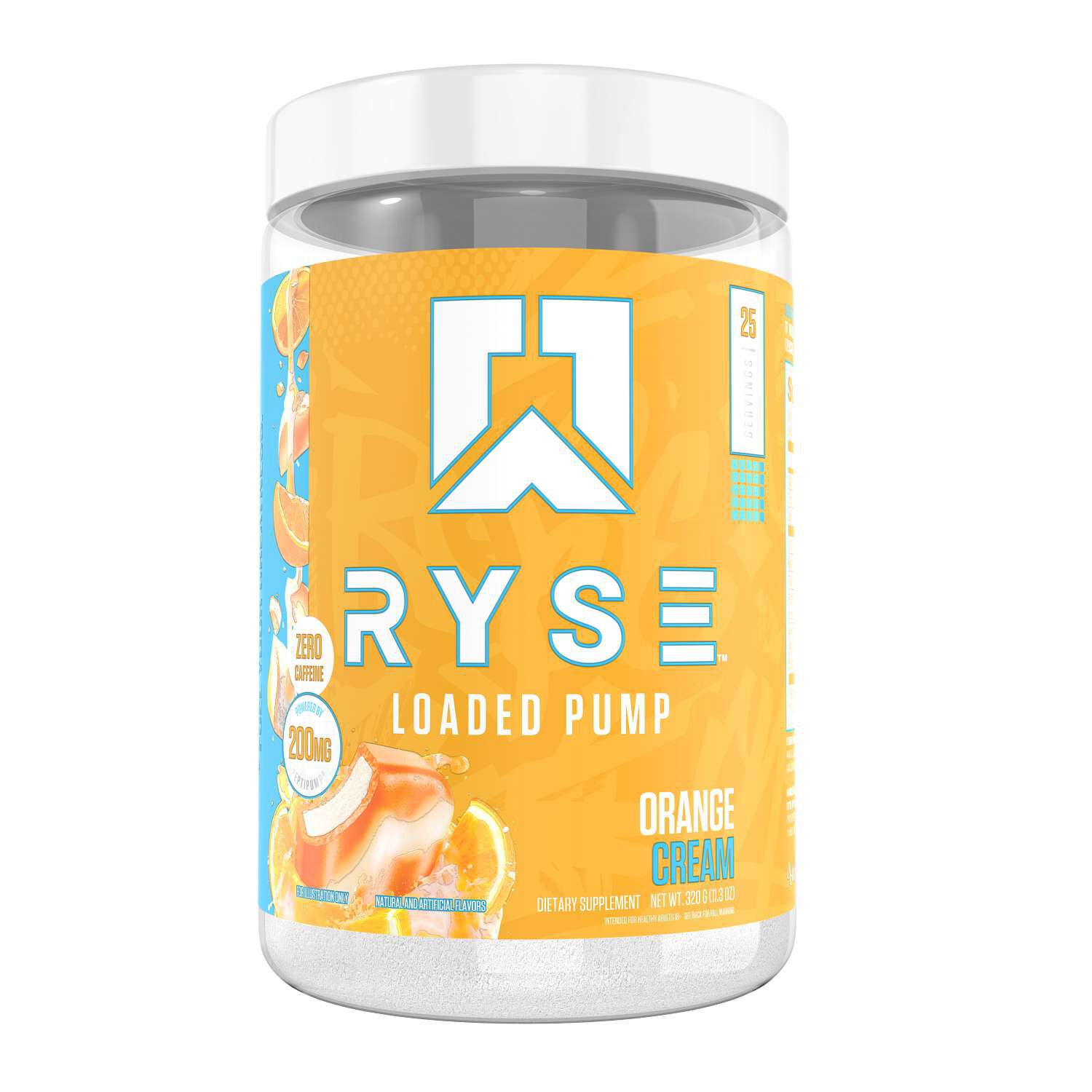 $36.99


L-arginine and L-citrulline supplements for summer sports bring two familiar amino acids into a category that spans powders, capsules, tablets, and combination formulas. These products are often considered by adults whose routines include running, cycling, soccer, tennis, beach volleyball, or strength training alongside outdoor activities. L-arginine is an amino acid found in dietary protein, while L-citrulline is a different amino acid that also occurs naturally in foods such as watermelon. Their relationship in the body explains why they frequently appear together in sports nutrition, but the names are not interchangeable, and neither are the formulas that contain them. A product featuring one amino acid can have a different ingredient profile and serving size from a blend containing both. Shopping within this category therefore starts with the Supplement Facts panel rather than a name on the front of the container. The amount of each ingredient per serving, the number of capsules or scoops in that serving, and the presence of other ingredients provide useful points of comparison. For someone packing a bag for an early tennis match, a capsule format may fit familiar habits; for someone who already mixes a drink before heading to the track, powder may feel more convenient. These are practical differences, not evidence that one format offers better athletic results. An adult recreational player and an experienced distance cyclist might look at the same category for different reasons, with different preferences for flavor, portability, and preparation. Summer sports also range from short games on a neighborhood court to long afternoons at an organized tournament, so intended use matters more than treating every outdoor activity as the same kind of workout. L-arginine and L-citrulline belong in a broader conversation about sports nutrition, without taking the place of meals, water, rest, or preparation appropriate to the activity. Product descriptions can introduce the category, but the individual label supplies the details needed to understand what is actually in a serving.
Powder, capsule, and tablet formats offer distinct experiences before the activity even begins. Powders involve measuring and mixing, with differences in flavor, texture, and suggested liquid volume that can matter to someone using the same bottle every training day. An unflavored powder is not necessarily tasteless; amino acids can contribute their own character to a drink. Flavored versions may include sweeteners, acids, or other ingredients, so the ingredient list is worth reading alongside the flavor name. Capsules and tablets avoid drink preparation, although a labeled serving may contain more than one unit. Comparing the amount per capsule with the amount per serving prevents an easy misunderstanding when browsing different formats. The capsule shell, tablet coating, and other ingredients may also matter to shoppers with particular dietary preferences. Likewise, a combination formula may include additional amino acids, caffeine, or other sports nutrition ingredients that make it meaningfully different from a formula containing only L-arginine and L-citrulline. More ingredients do not, by themselves, establish greater suitability for a particular sport. Clear disclosure of individual amounts makes a formula easier to evaluate than a blend listed only by its combined weight. Another distinction is the form of citrulline: L-citrulline and citrulline malate are related options, but citrulline malate pairs citrulline with malate, a form of malic acid. The stated weight of that combination is not necessarily the weight of citrulline alone. Shoppers exploring this neighboring category can also browse Citrulline Malate Powders For Summer Endurance while keeping those label differences in mind. Where a ratio is provided, it adds context to the ingredient description rather than making every powder directly equivalent. Serving directions, ingredient forms, and declared amounts remain more informative than simply comparing scoop sizes. A larger scoop can reflect a different formulation, flavor system, or serving weight, not just a larger amount of the amino acid being sought.
The practical fit of L-arginine and L-citrulline for summer sports also includes what happens between the kitchen counter and the playing field. A container that works neatly on a pantry shelf may be less convenient in a crowded duffel beside shoes, a towel, and a water bottle. Packaging size, closure design, and the need for a separate scoop or mixing vessel all influence everyday handling. For a runner heading out from home, preparation may happen in one place; for a recreational soccer player traveling to a weekend tournament, transport and storage deserve more attention. Follow the package’s storage directions, keep containers securely closed, and avoid leaving supplements in a hot vehicle or exposed to direct sunlight beside a court. Dry hands and a clean, dry measuring utensil help keep moisture out of powder containers. Packaging condition and any printed date markings are also useful checks, especially for products set aside between stretches of regular training. These details concern care and product handling rather than athletic outcomes, yet they often shape whether a format suits a real routine. Before purchase, it is also useful to distinguish plain ingredient information from broad performance language. A reference to endurance or workout support does not describe how every person will experience a product, and a supplement should not be treated as permission to extend an outing beyond sensible limits. Athletes participating in organized competition may also value clearly identified independent testing and information relevant to their sport’s rules, rather than assuming all sports nutrition products meet the same testing criteria. When shopping for another adult, knowing their preferred format and ingredient preferences matters more than matching a supplement to the sport printed on a gift bag. For personal use, the strongest comparisons remain straightforward: what the formula contains, how much is listed per serving, how it is prepared, and how it must be stored. Those concrete details give L-arginine and L-citrulline shopping a useful focus, whether the summer schedule centers on casual doubles matches, planned cycling routes, or regular sessions at the local field.