

Nutrition For Expectant Mothers
(0 Results)
Expectant mothers often seek optimal nutrition to support their well-being and that of their growing baby. A balanced diet, enriched with essential vitamins and minerals, might play a crucial role in promoting a healthy pregnancy journey. From prenatal vitamins that could help fill nutritional gaps to supplements that may support energy levels and overall wellness, exploring comprehensive nutritional options might be beneficial. Discover how incorporating specific nutrients into your daily routine could make a positive difference during this remarkable phase of life.


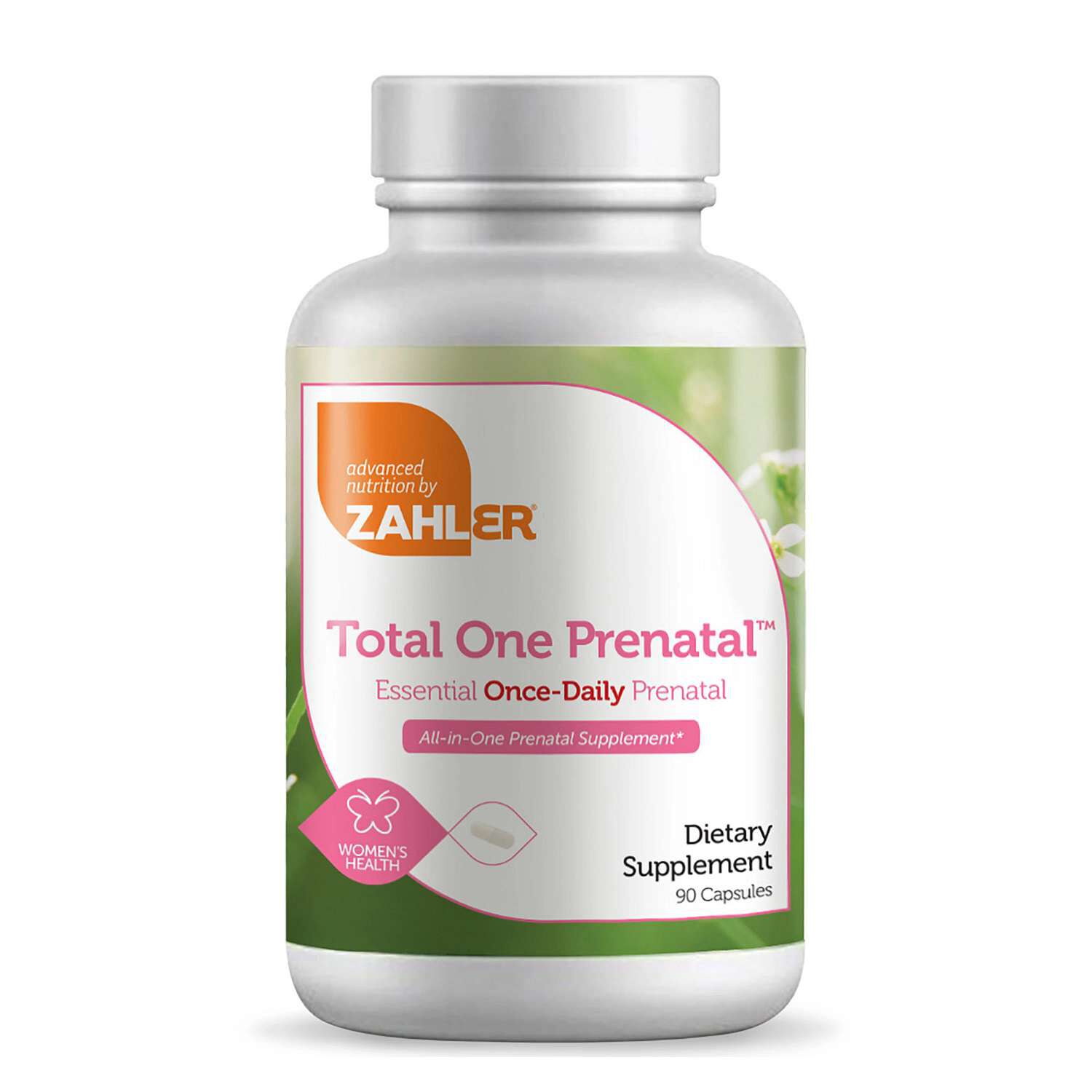


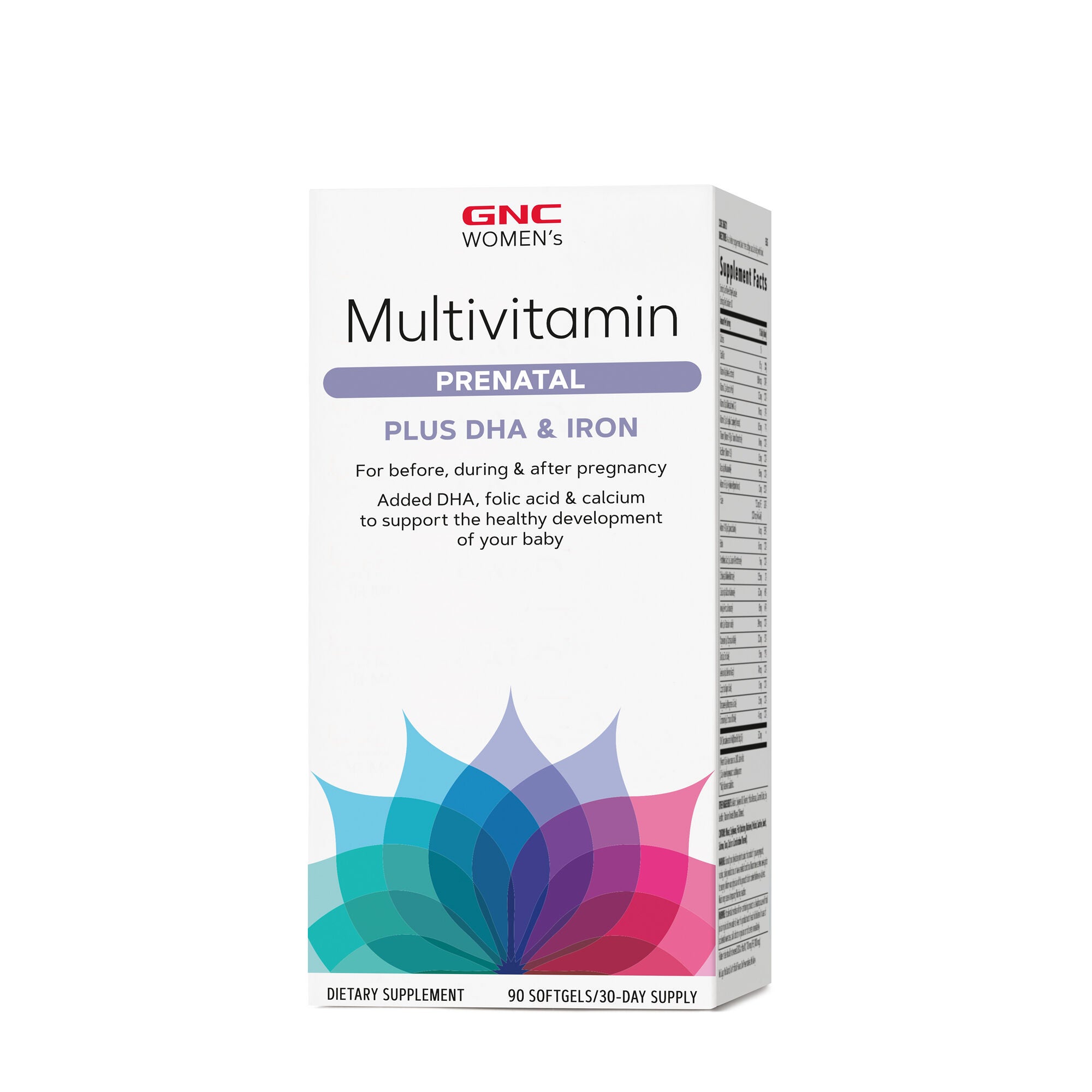


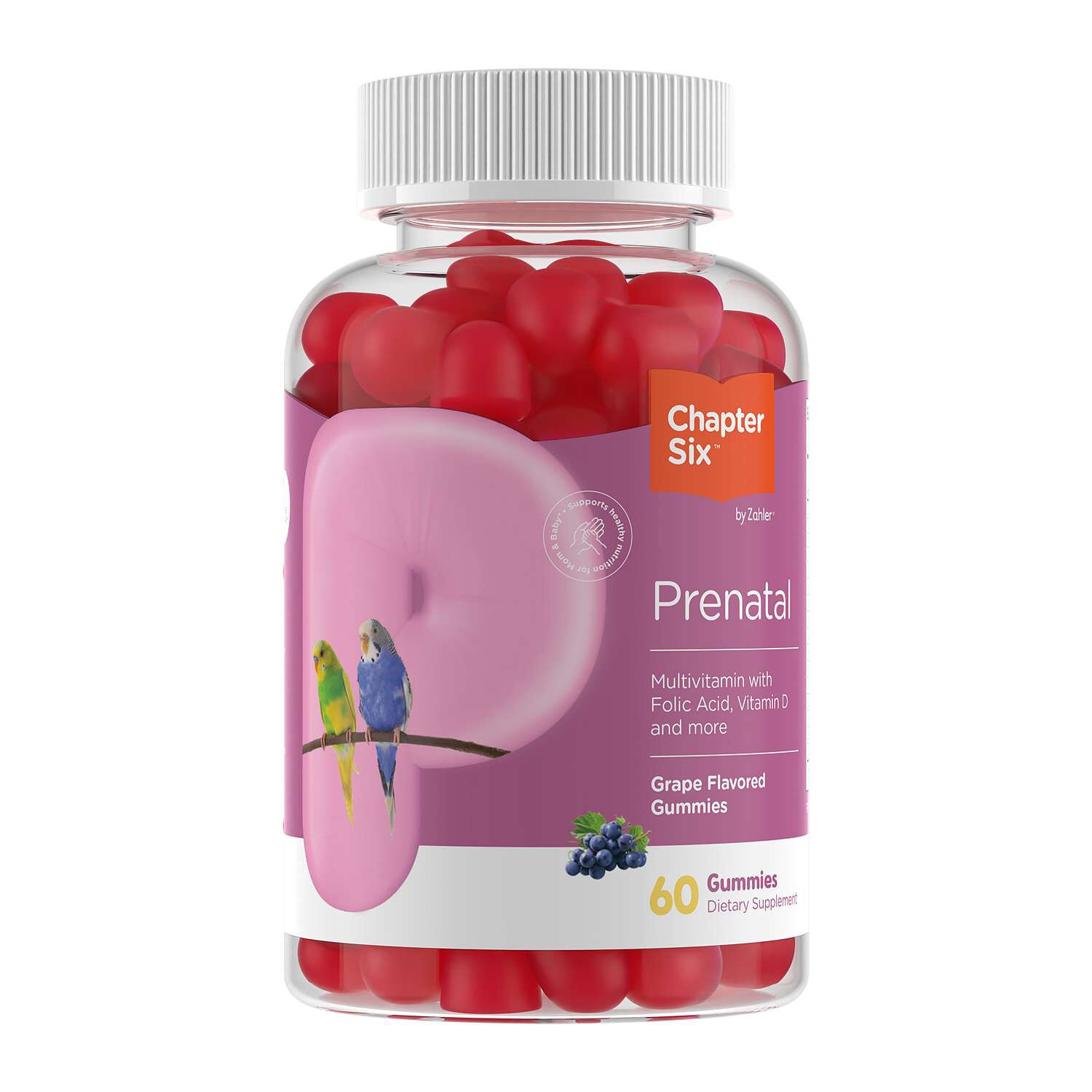

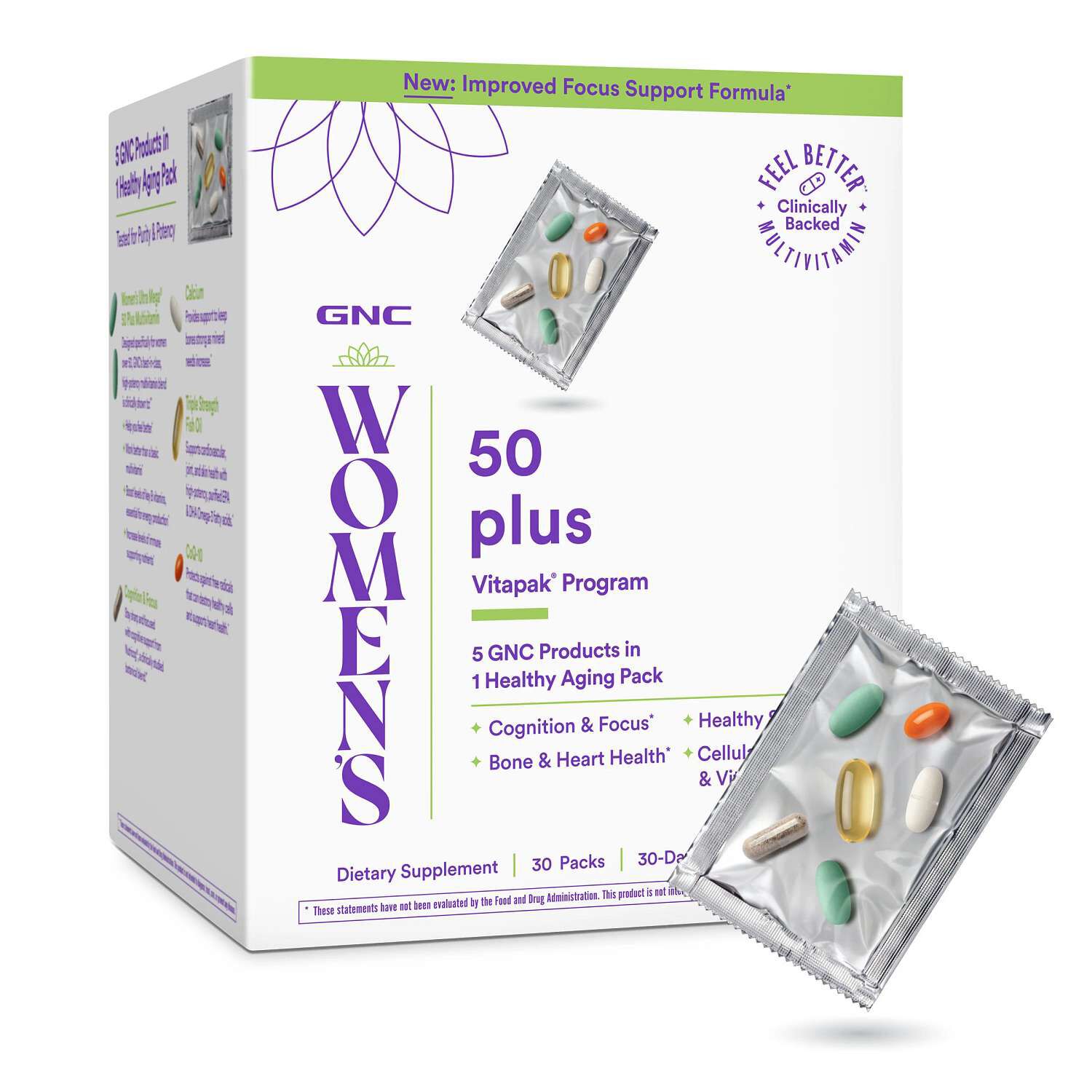
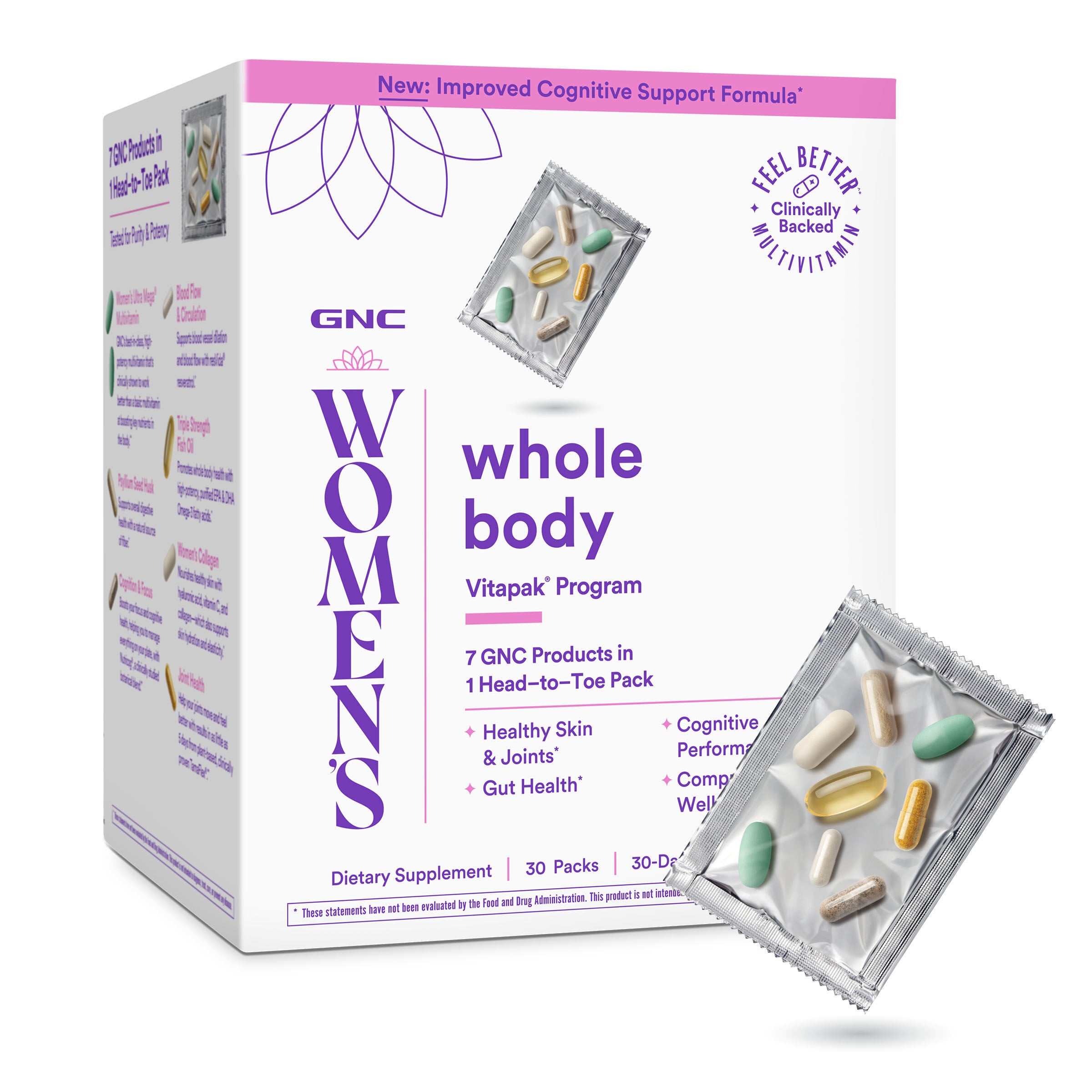
Nutrition during pregnancy may look different from one person to the next, and products selected for expectant mothers may offer a convenient way to complement meals, snacks, and a thoughtful daily routine. A varied eating pattern may include vegetables and fruit, whole grains, beans, lentils, eggs, poultry, cooked seafood, nuts, seeds, and pasteurized dairy foods, with choices adjusted for personal preferences and dietary needs. Products in this collection may be useful for people who are preparing for pregnancy, expecting a baby, or building a practical care package for a pregnant partner, friend, daughter, or family member. They may also suit busy mornings, travel days, or the cooler months when a warm breakfast and an easy-to-carry snack can make the day feel more manageable. When comparing options, shoppers may want to look at the Supplement Facts panel, serving size, nutrient amounts, ingredient list, allergen information, dietary labels, and directions for use. Folic acid is commonly discussed during pregnancy and may be found in foods such as lentils, dark leafy vegetables, fortified grains, and enriched breads. Iron may be available through lean meats, beans, spinach, and fortified foods, while calcium and vitamin D may be found in dairy foods, fortified beverages, eggs, and other foods selected as part of a varied diet. Protein from eggs, poultry, beans, yogurt, nuts, and seeds may help fit nourishing choices into meals and snacks. Omega-3 fatty acids, including DHA, may be found in cooked seafood such as salmon and may support a pregnancy nutrition plan when included according to personal guidance. Since nutritional needs and product suitability can vary with trimester, diet pattern, allergies, medications, and individual circumstances, a qualified healthcare professional may help review choices before use. The broader Support For Women's Daily Nutrition collection may also help shoppers compare everyday nutrition products for different stages of life, while pregnancy-specific choices may deserve an especially careful label review.
A thoughtful approach to pregnancy nutrition may begin with the foods already enjoyed at home and then add convenient options where they fit naturally. Someone who starts the morning with toast and fruit may appreciate a product that can be paired with breakfast, while another person may prefer something that fits beside a packed lunch or an afternoon snack. A gift basket for an expectant mother might include a reusable water bottle, shelf-stable snacks, pantry staples, and nutrition products selected with her preferences in mind; however, the most considerate gift may be one that leaves room for her own routine and guidance from her healthcare professional. Dietary restrictions can make label reading especially important, including vegetarian, vegan, gluten-free, dairy-free, kosher, halal, and allergy-aware preferences. During pregnancy, many food-safety recommendations call for avoiding unpasteurized dairy products, raw or undercooked meat and seafood, and fish known to contain higher amounts of mercury, such as swordfish, shark, king mackerel, and tilefish. Cooked seafood choices may be considered according to guidance from a healthcare professional, and caffeine intake may also be reviewed with that provider. A prenatal multivitamin or other pregnancy-focused nutrition product should be chosen with attention to its intended use rather than judged by a long ingredient list alone; more is not always a better fit, and combining several products may increase the amount of certain nutrients beyond what a person intends. Expectant mothers may also want to consider whether a product is easy to swallow, gentle enough for their personal preferences, simple to store, and convenient to use consistently. Packaging, expiration dates, flavor, texture, and serving instructions can matter just as much as the ingredient panel when a product is meant to become part of a daily rhythm. As the weather warms or during the cooler months, flexible options that travel well and pair with familiar meals may help support a steady routine. Above all, products in this category may serve as a practical complement to nourishing foods, hydration, rest, and individualized guidance, rather than as a substitute for meals or prenatal care.