





Prenatal Vitamin Programs For New Year Moms
(0 Results)
Prenatal vitamin programs for new year moms offer a thoughtful way to support your wellness journey as you prepare for the months ahead. With a range of options designed to fit different lifestyles and preferences, these programs may help you feel confident about your daily nutrition routine. Explore choices that could align with your goals as you look forward to a healthy and vibrant start to the new year.
-

-

-

-

-
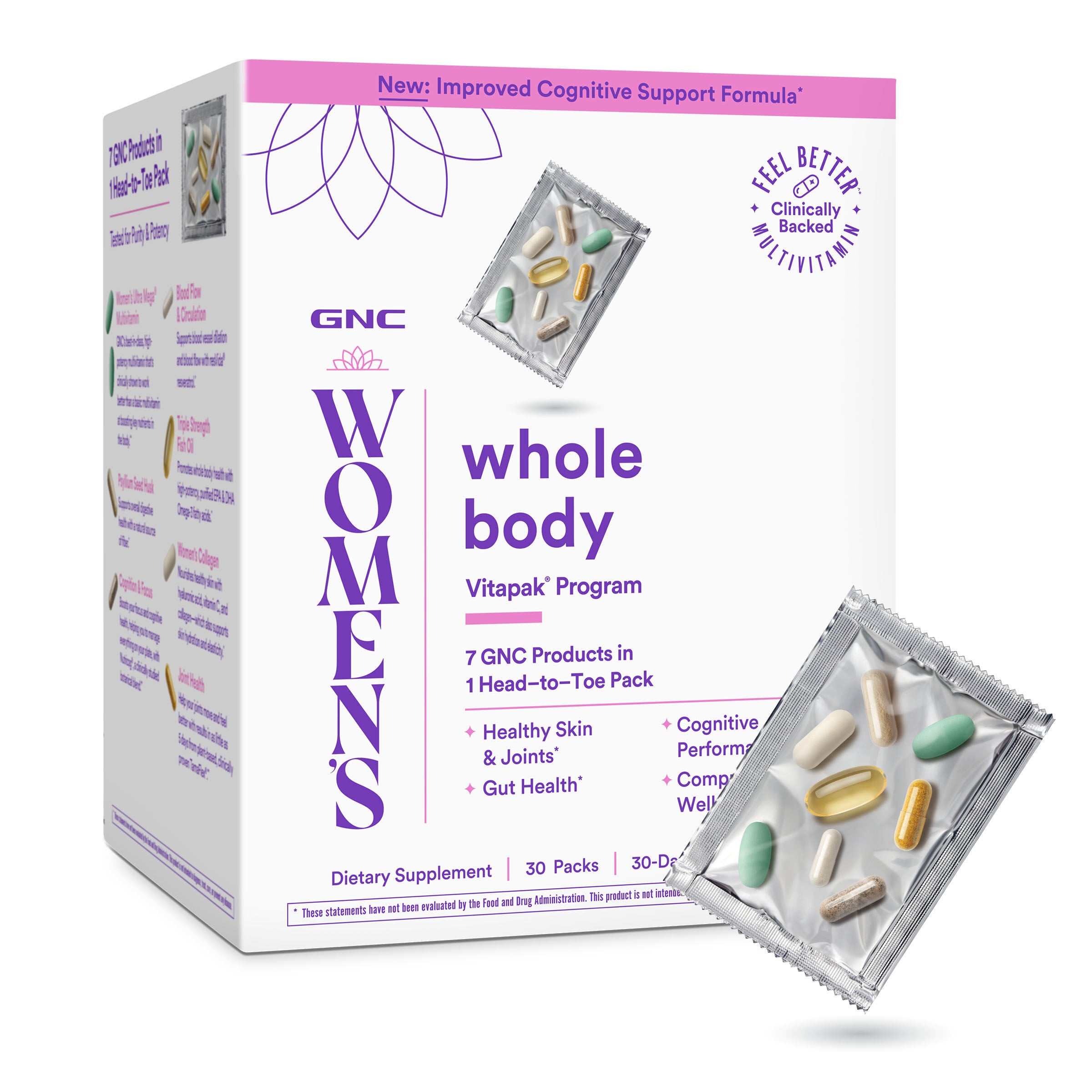
-
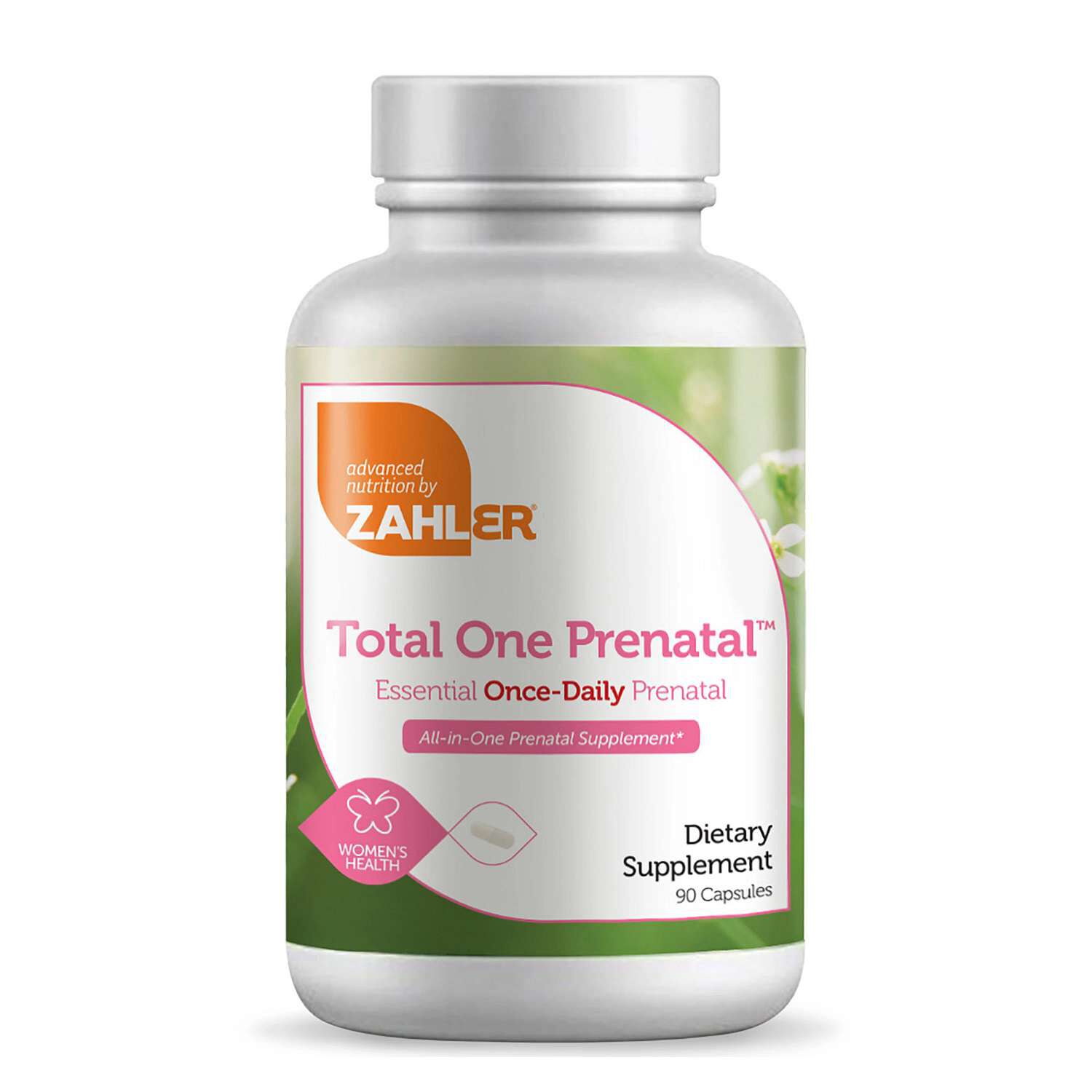
-

-
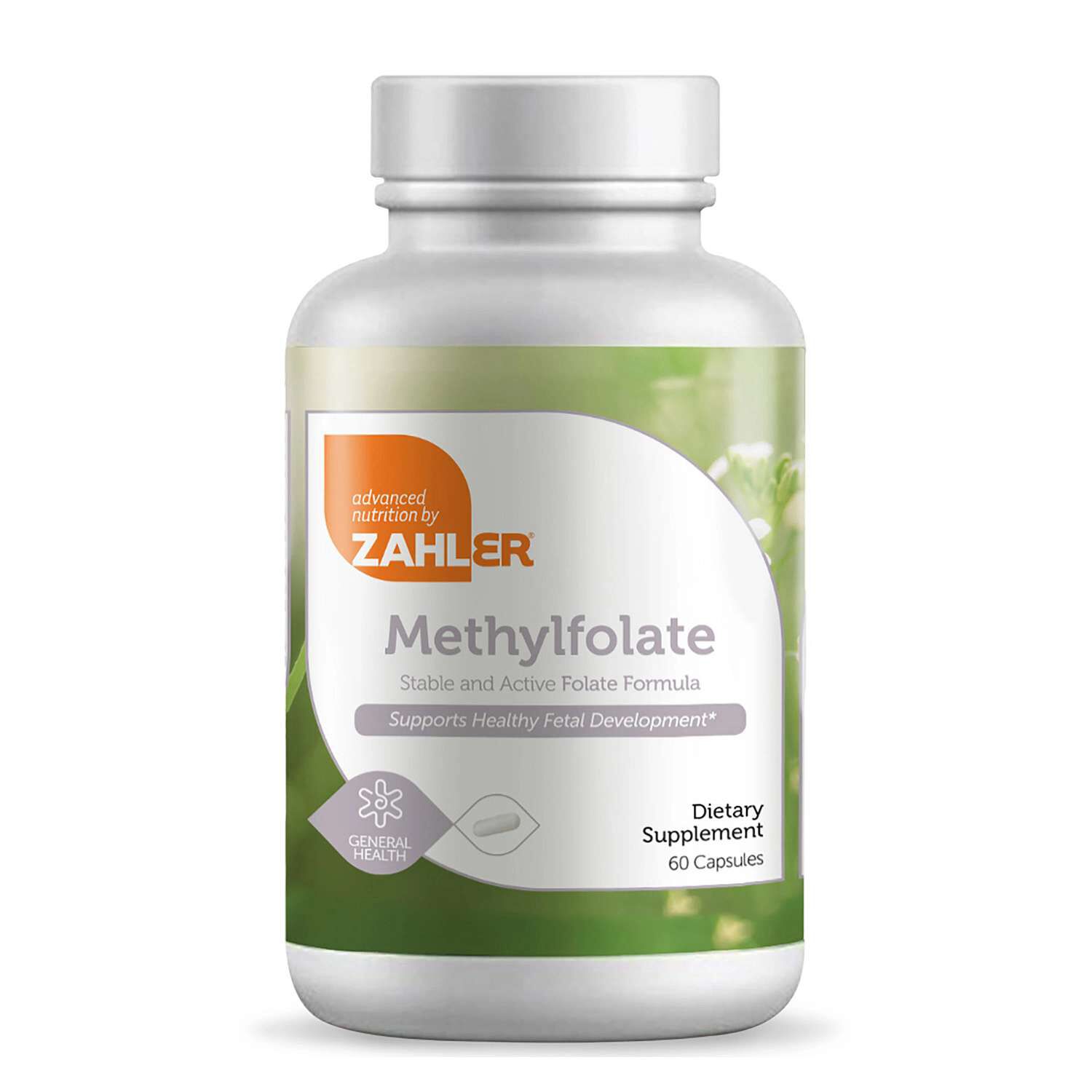
-
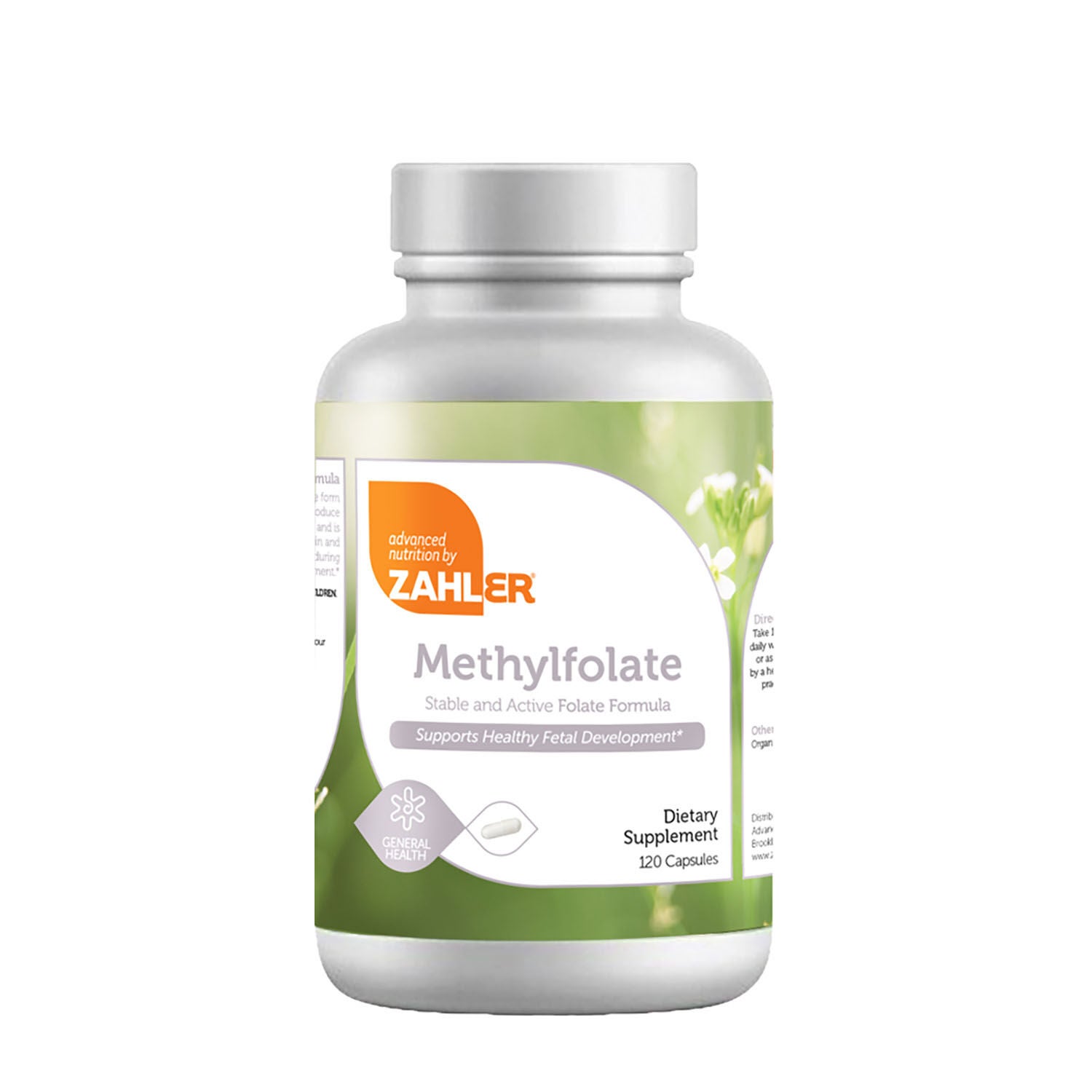
-
-

-

-

-

-
-
 Portions Master$24.99
 -
$29.99
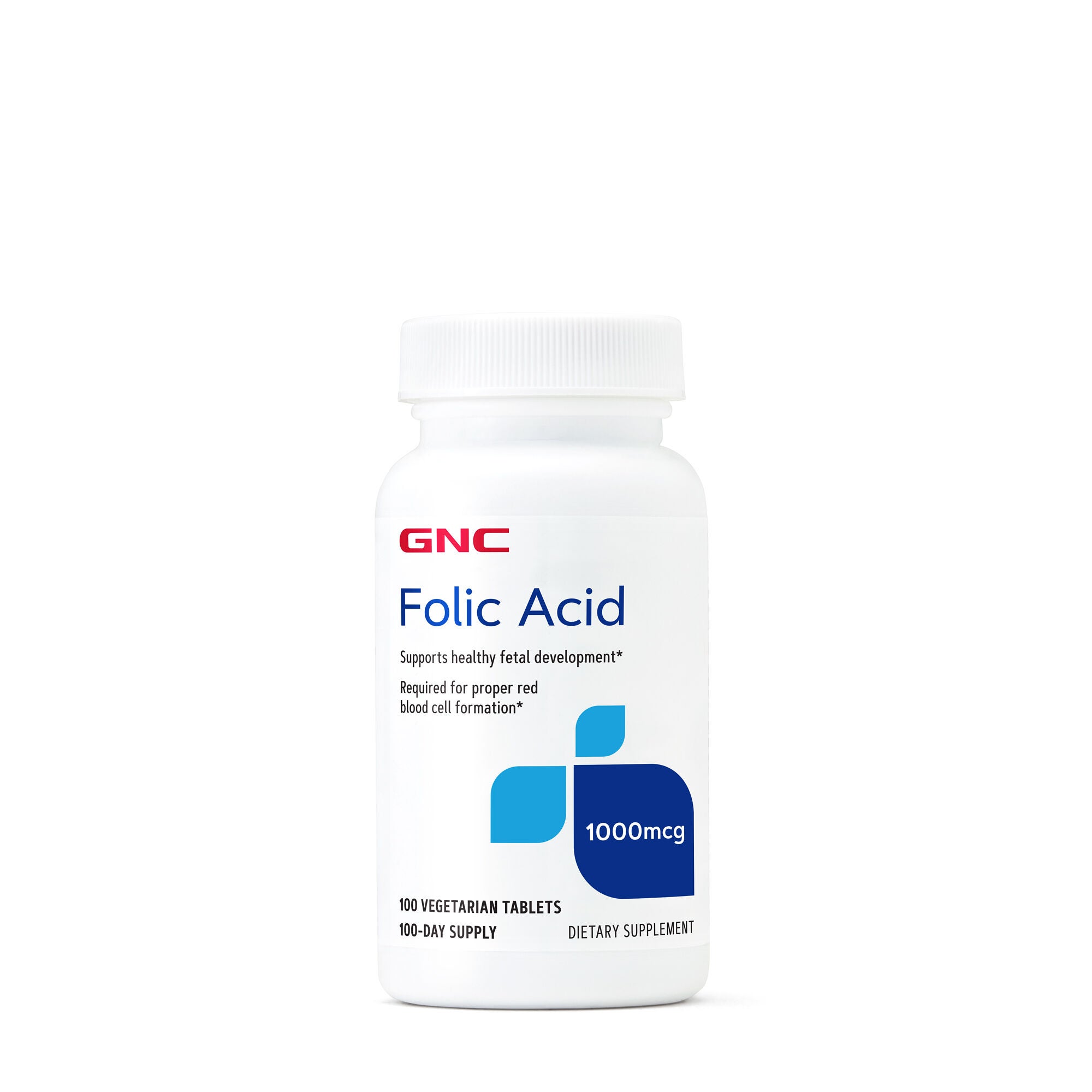
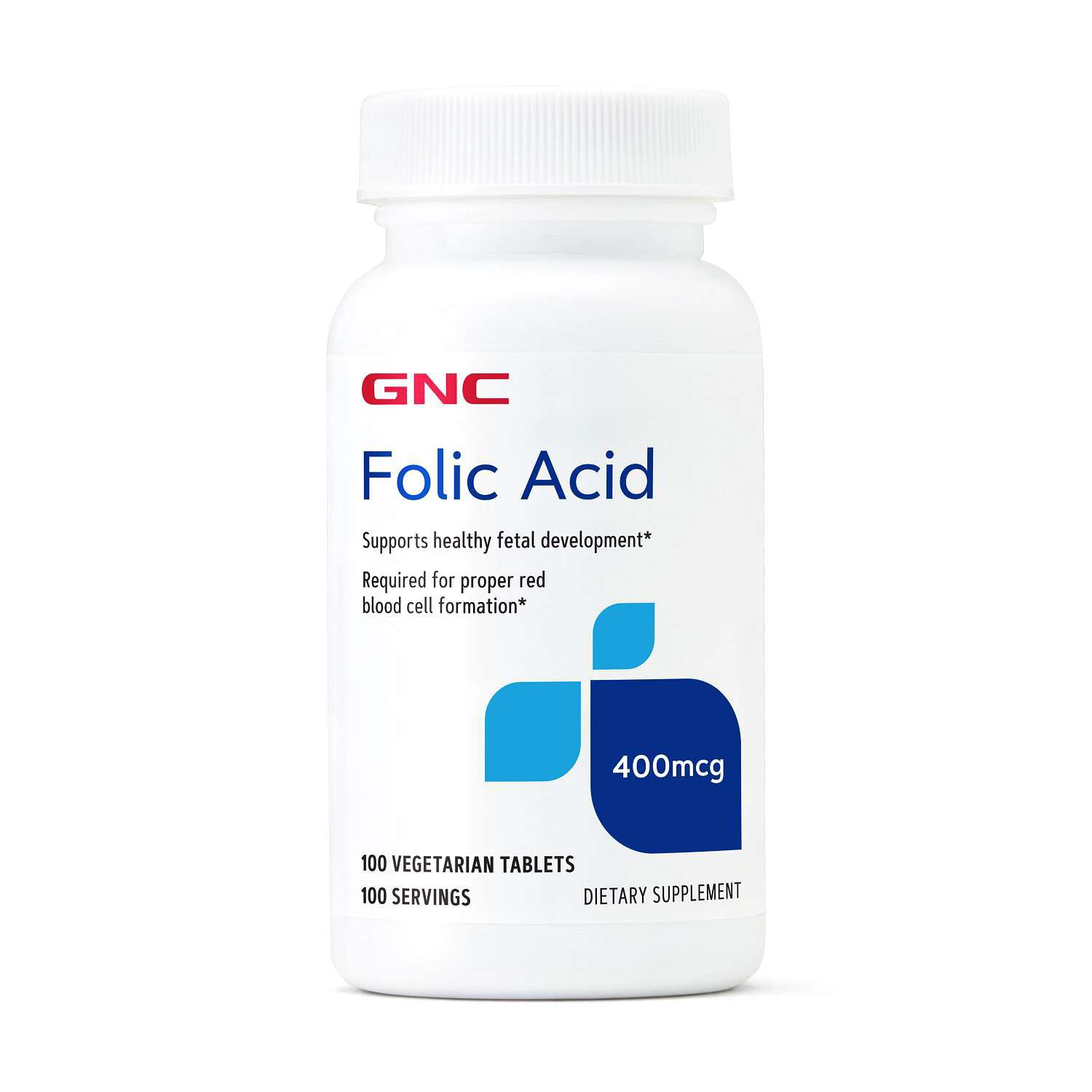


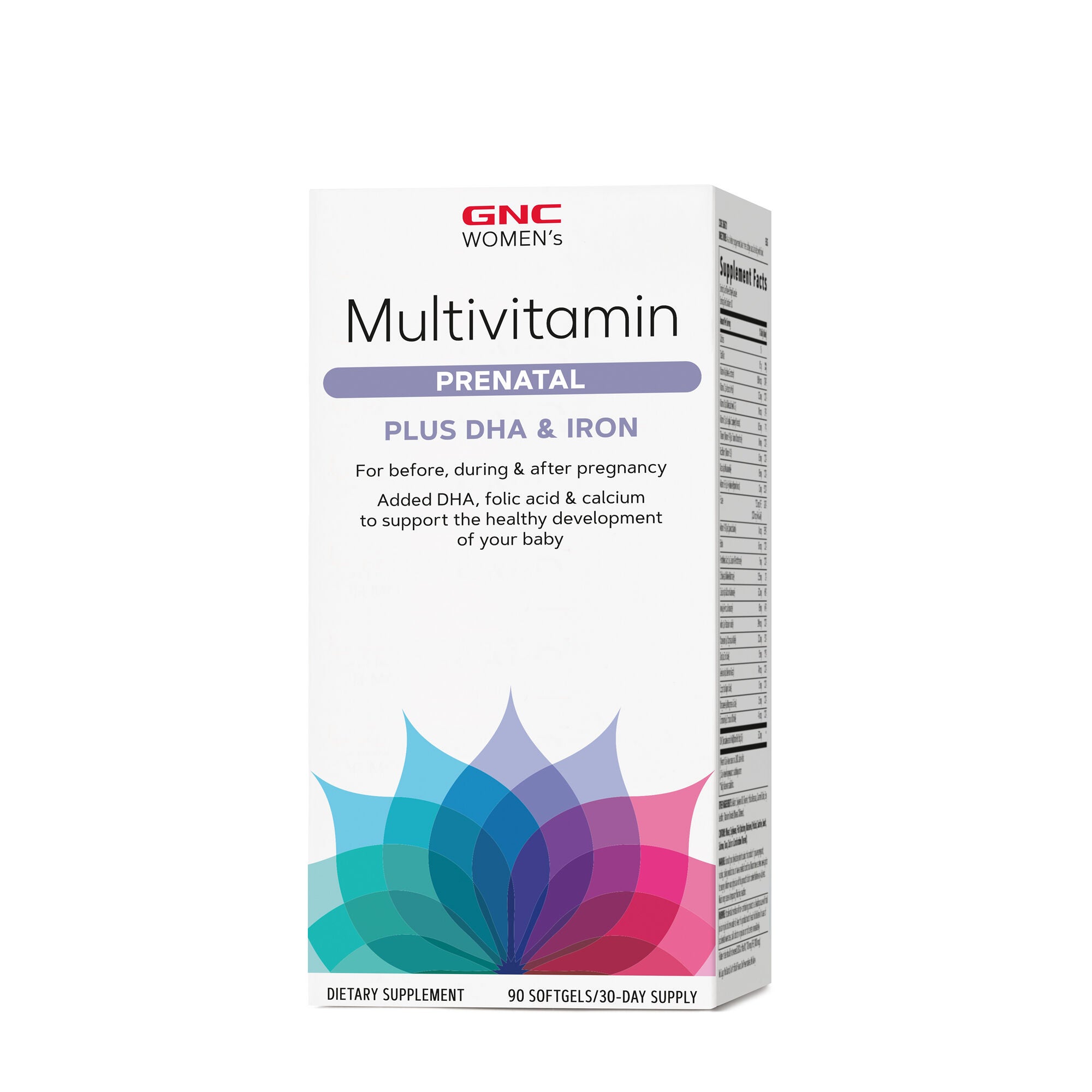
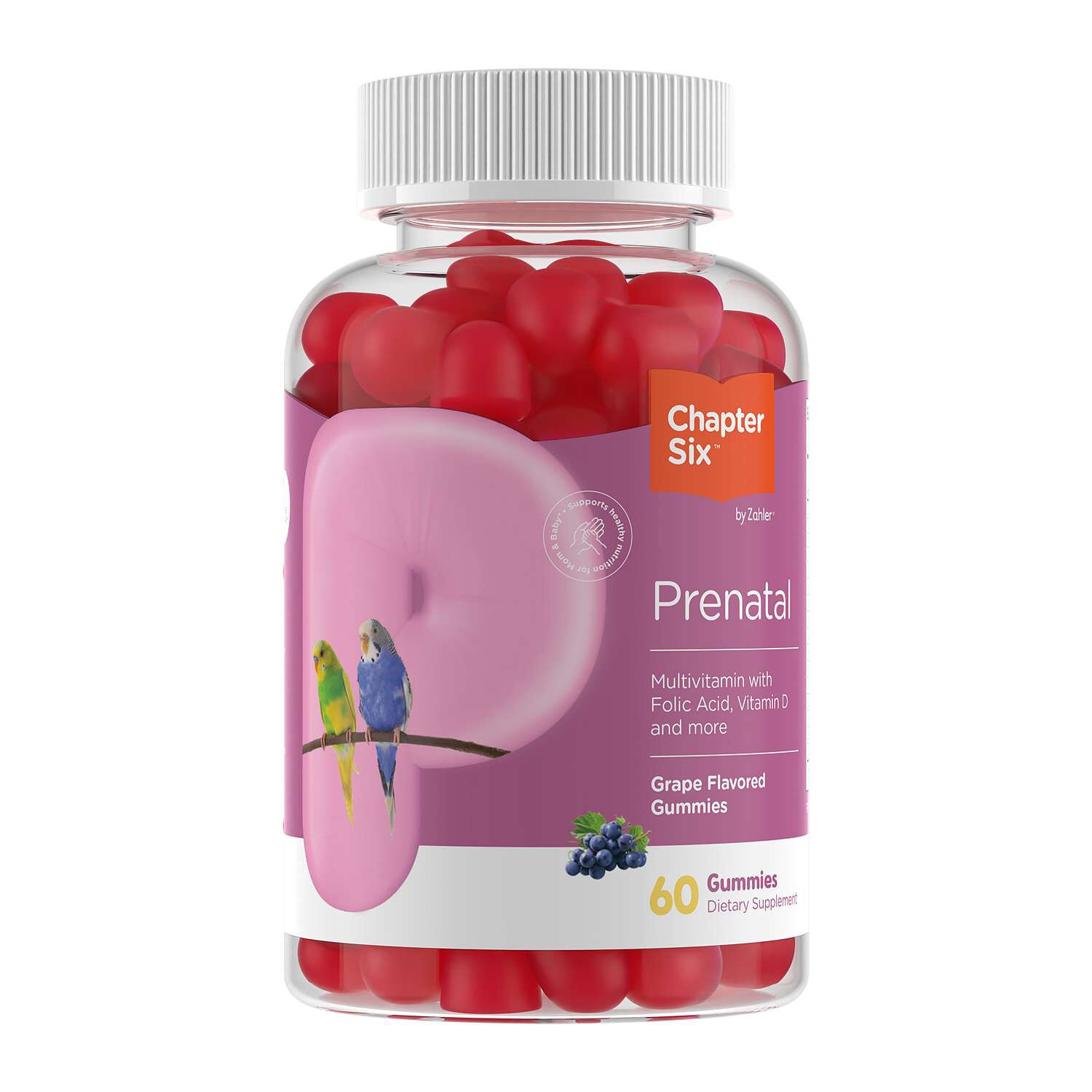
Prenatal vitamin programs for New Year moms bring a familiar category of pregnancy-focused supplements into the context of a fresh calendar and a changing household routine. In a retail setting, a prenatal program generally means a packaged supplement regimen, such as a prenatal multivitamin paired with a separate DHA supplement or several components organized into daily packets. The word “program” describes the product arrangement; it does not necessarily mean a subscription, an appointment-based service, or an educational course. Prenatal formulas are intended for people shopping for pregnancy-related nutrition, with some labels also addressing the periods before or after pregnancy. Their contents differ, so the category name alone does not tell the whole story. A formula may contain folate, iron, iodine, vitamin D, or other vitamins and minerals, while DHA may appear in the same formula or in a separate component. Not every prenatal includes every ingredient, and a larger ingredient list is not automatically a better match for an individual shopper. For a useful comparison, the Supplement Facts panel identifies the nutrients, amounts per serving, and serving size, while the other ingredients section describes components such as capsule materials, flavorings, and sweeteners. This distinction matters when two packages look similar on the shelf but contain very different formats inside. A bottle of capsules and a box of daily packets may represent different numbers of servings, even when their outer packaging is about the same size. For someone marking the New Year while preparing for a baby, those practical details may matter more than festive packaging. Prenatal vitamin programs are supplements rather than meal replacements, and the New Year occasion does not change their intended use. The most informative product descriptions make the format, contents, and labeled serving arrangement clear, allowing shoppers to compare pregnancy-focused supplements without treating the calendar as a reason to choose a more elaborate regimen.
The physical format deserves close attention because prenatal vitamin programs can involve different textures, tastes, and preparation steps. Tablets are compressed solid forms; capsules have an outer shell surrounding their contents; and softgels typically hold liquid ingredients within a sealed shell. Gummies are chewable and often flavored, while powders require the preparation described on their packaging. These are meaningful differences for someone who has a strong preference about texture or does not want another mixing step before leaving home. A powder packet placed beside a drinking glass creates a different setup from a bottle stored in a designated cabinet, and a multi-component packet may contain more than one type of supplement. Serving size is especially important here: one packet, one capsule, and one serving are not interchangeable terms. A package described as a month’s supply reflects its own labeled serving arrangement, not a universal quantity shared by all prenatal products. Ingredient sources also vary. Capsule shells may use gelatin or plant-derived materials, and DHA ingredients may come from fish or algae. Gummies and powders can include sugars, alternative sweeteners, colors, and flavor ingredients, each identified through the label. For shoppers with established dietary preferences, those details offer a more precise comparison than broad front-label language. Packaging adds another layer of distinction. Individually sealed portions may suit a preference for separated components, while a bottle keeps the contents together in one container. Neither arrangement, by itself, establishes the nutritional suitability of the formula. Care and storage information belongs in the comparison as well, particularly when a package will spend time in a travel bag or a household with limited cabinet space. The labeled storage conditions, expiration date, closure style, and condition of the seal provide concrete information about handling and package integrity. Unlike a reusable accessory, a prenatal supplement is a consumable product, so durability is primarily about keeping its container and contents in the condition described by the manufacturer.
The New Year connection is less about a dramatic reset and more about the small arrangements that accompany preparing for a new family member. A parent may be reorganizing a kitchen cabinet, setting up a shared household calendar, or deciding which everyday purchases belong on a recurring shopping list. Prenatal vitamin programs fit into that setting as a product category with specific contents and labeled directions, not as a resolution with a promised outcome. Someone who favors a minimal setup may prefer to compare the number of containers and components first; someone who regularly packs an overnight bag may focus on package dimensions and individually labeled portions. A shopper who dislikes flavored supplements may look closely at capsules or tablets, while another may be interested in the texture and preparation of chewable or powdered formats. These preferences do not determine which nutrients a person needs, but they do describe how different product designs relate to daily life. Comparisons are clearest when they separate format preferences from ingredient content rather than assuming that all prenatal supplements are interchangeable. That same attention to personal preference matters when the purchase is a gift. Prenatal vitamins are a personal choice, so a partner or family member purchasing an already-requested formula is in a different position from someone selecting an unfamiliar supplement as a surprise. The recipient’s chosen format, ingredient preferences, and exact product request are more relevant than decorative wrapping. For shoppers considering a pregnancy-related gift around the year-end holidays, Holiday Prenatal Vitamins offers a related seasonal browsing theme. Whether the purchase accompanies a holiday gathering or a New Year household refresh, the useful distinctions remain straightforward: what the formula contains, how its servings are arranged, what materials and ingredients make up its delivery format, and how the package is intended to be stored. Those details give prenatal vitamin programs a clear place among pregnancy-focused purchases while keeping the emphasis on thoughtful product selection rather than ambitious seasonal expectations.