Omega 3 Fish Oils With No Tree Nuts
(0 Results)
Omega-3 fish oils with no tree nuts offer a convenient way to support your wellness routine while avoiding common allergens. Explore a variety of options that fit your lifestyle and dietary preferences. Whether you're looking to add omega-3 fish oils with no tree nuts to your daily regimen or seeking alternatives that align with your needs, you may discover choices designed for peace of mind and quality.
-

-
-

-
-

-

-
-

-
-

-
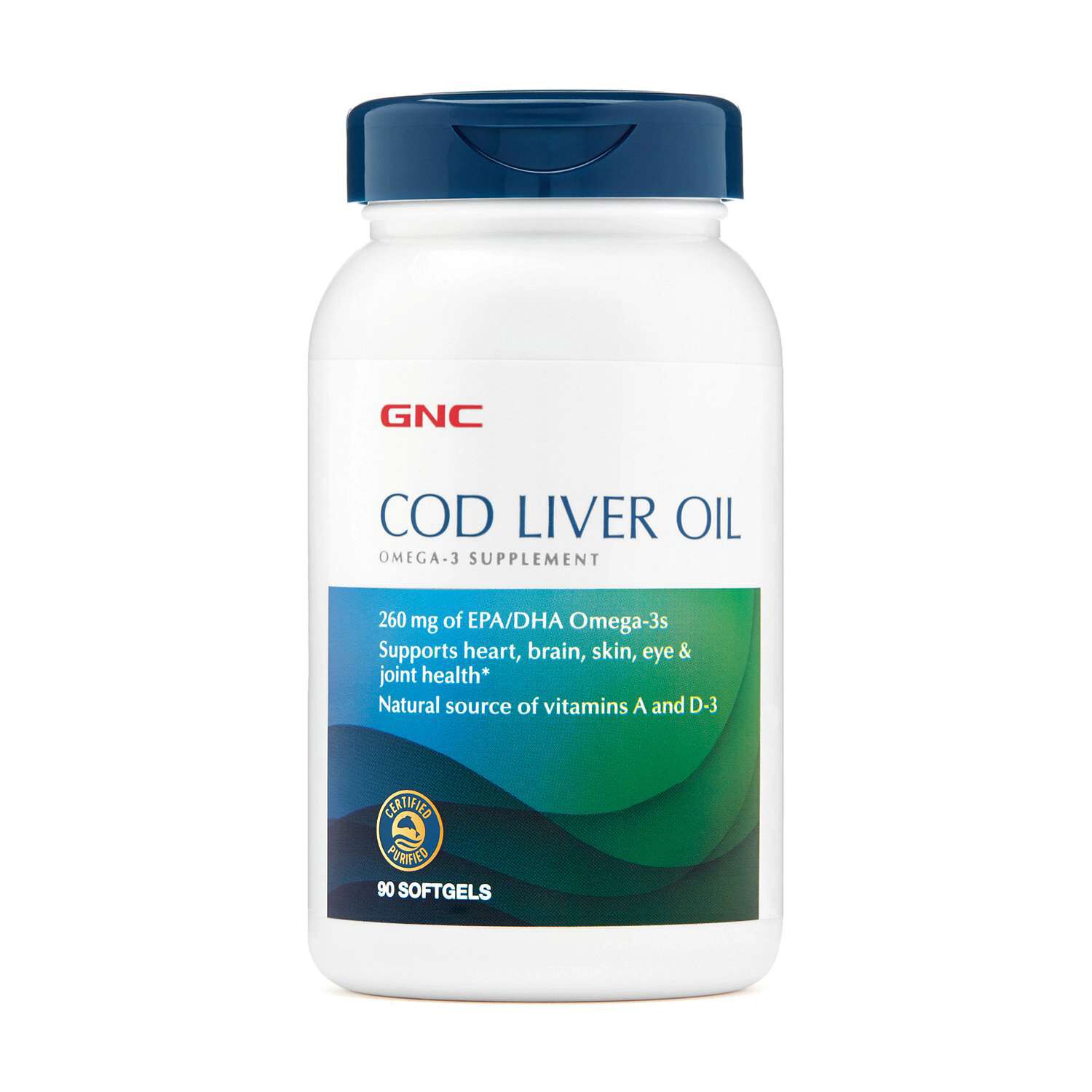
-

-
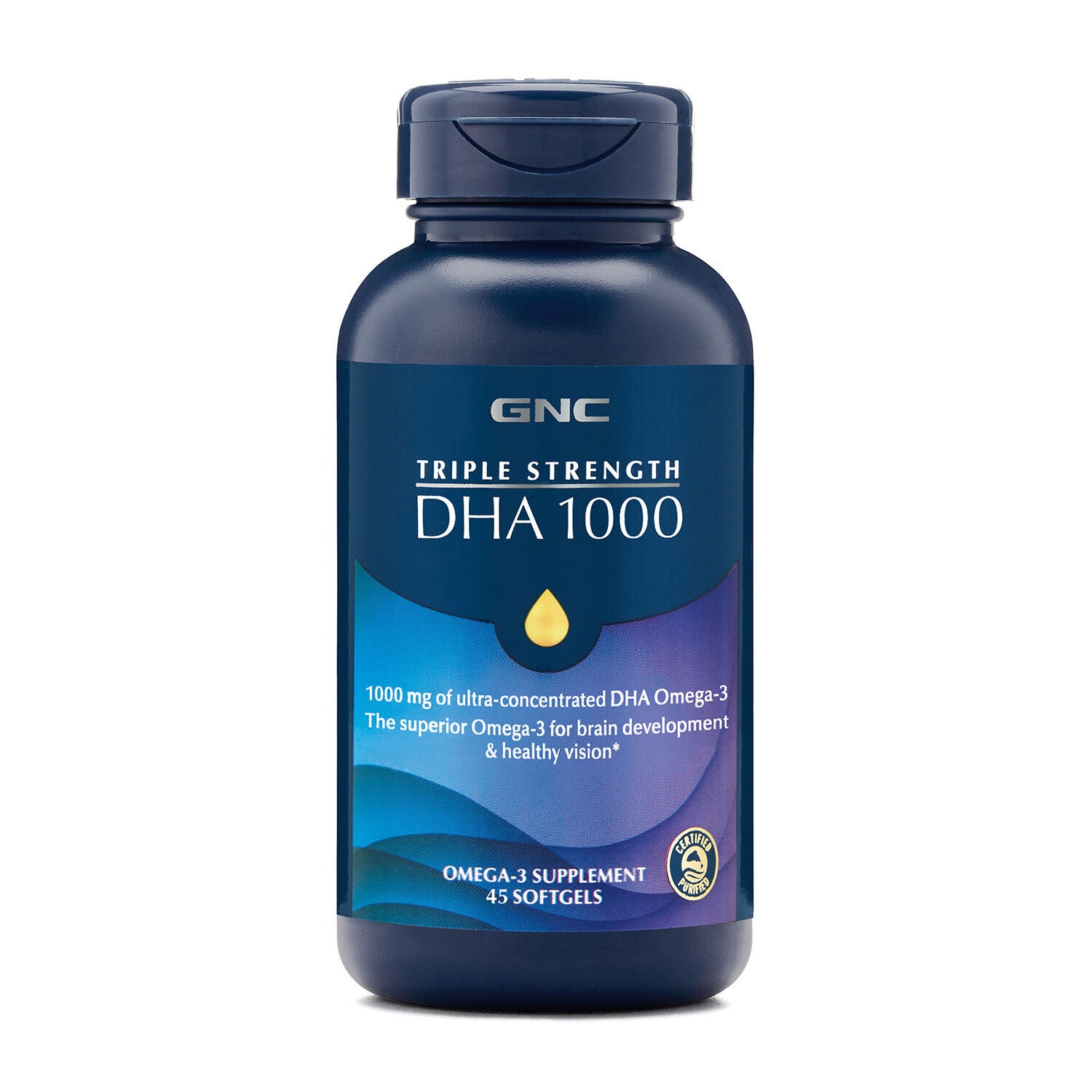
-
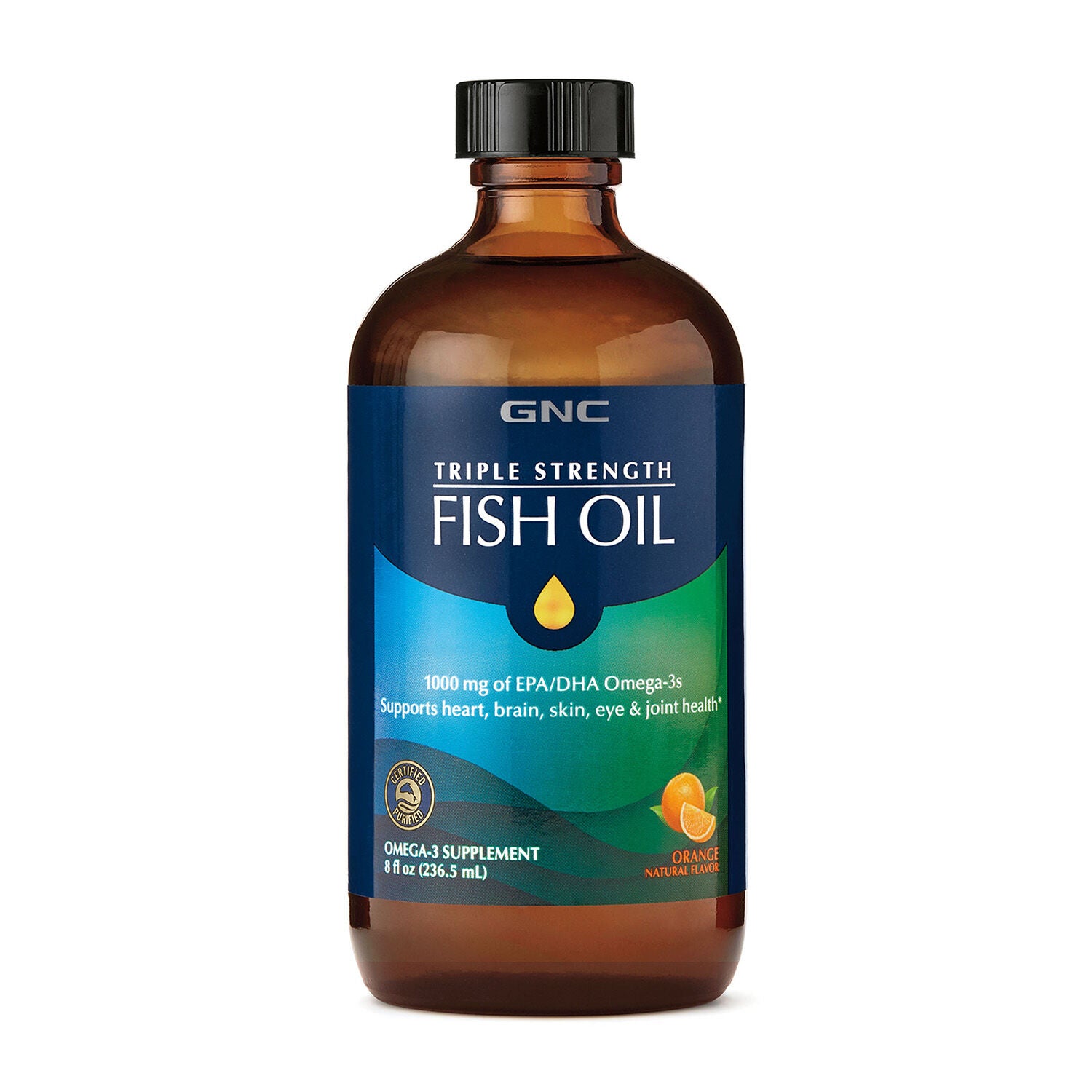
-
 $23.99
 -
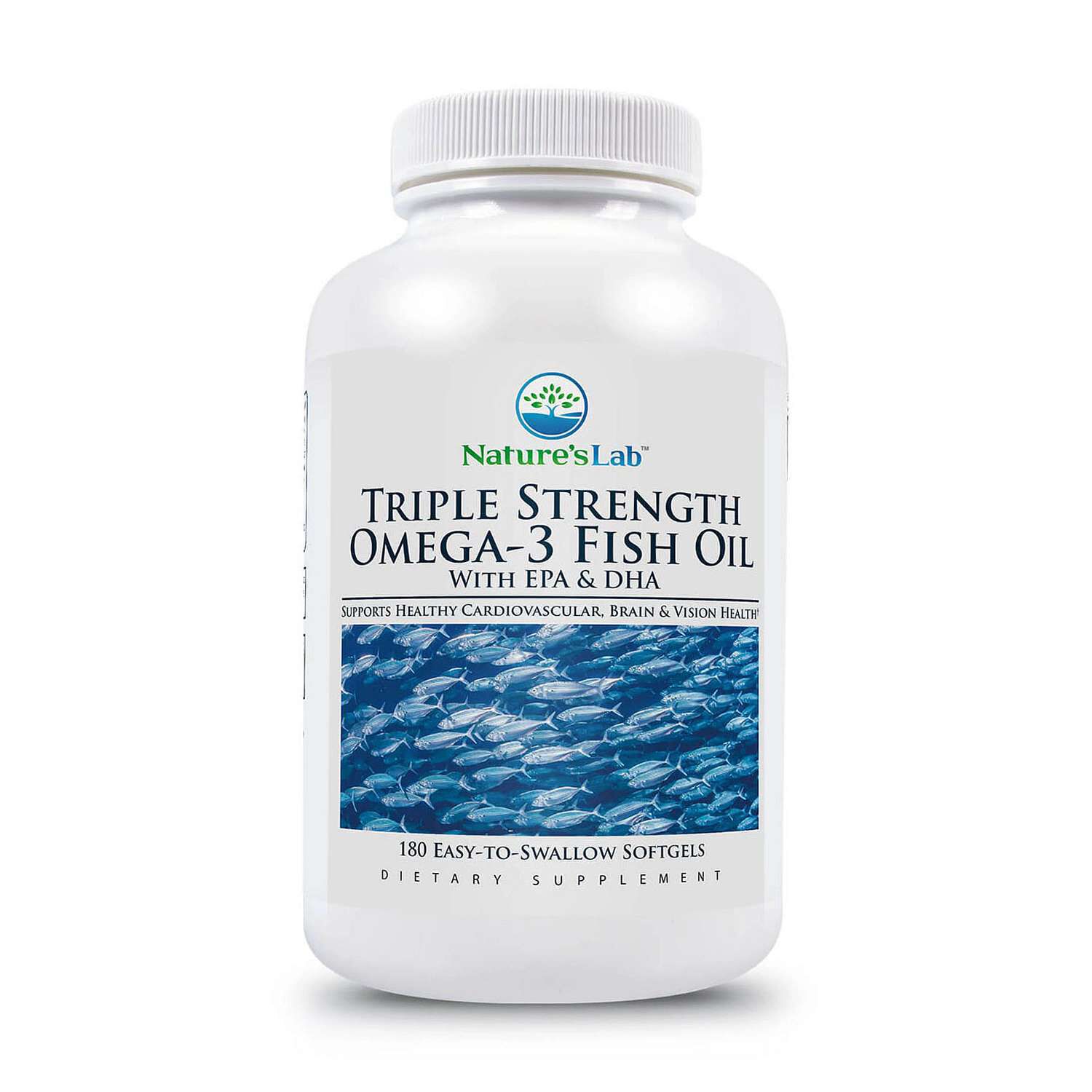 $24.99
 -
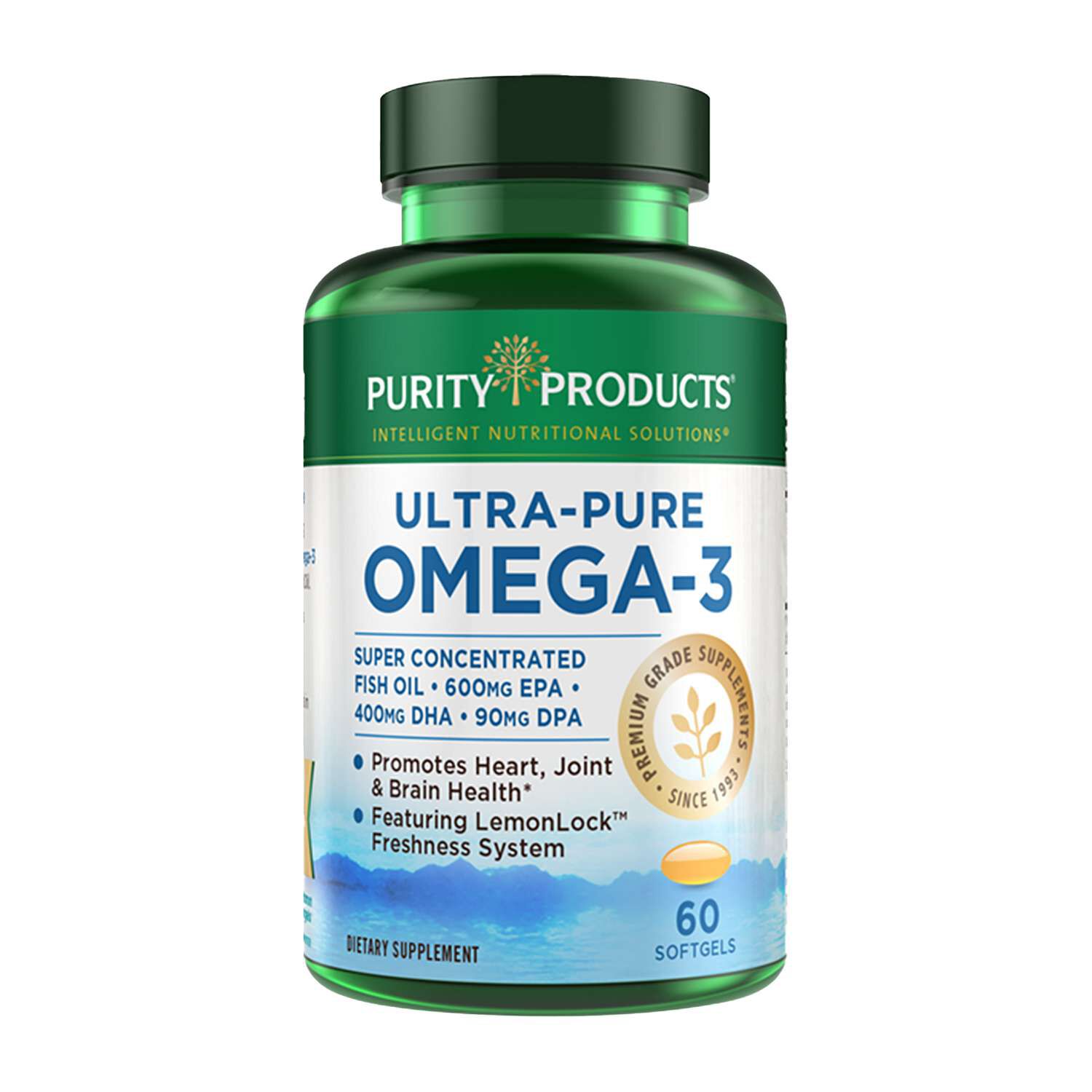 Purity Products$26.99
 -
 Divine Health$34.99
 -
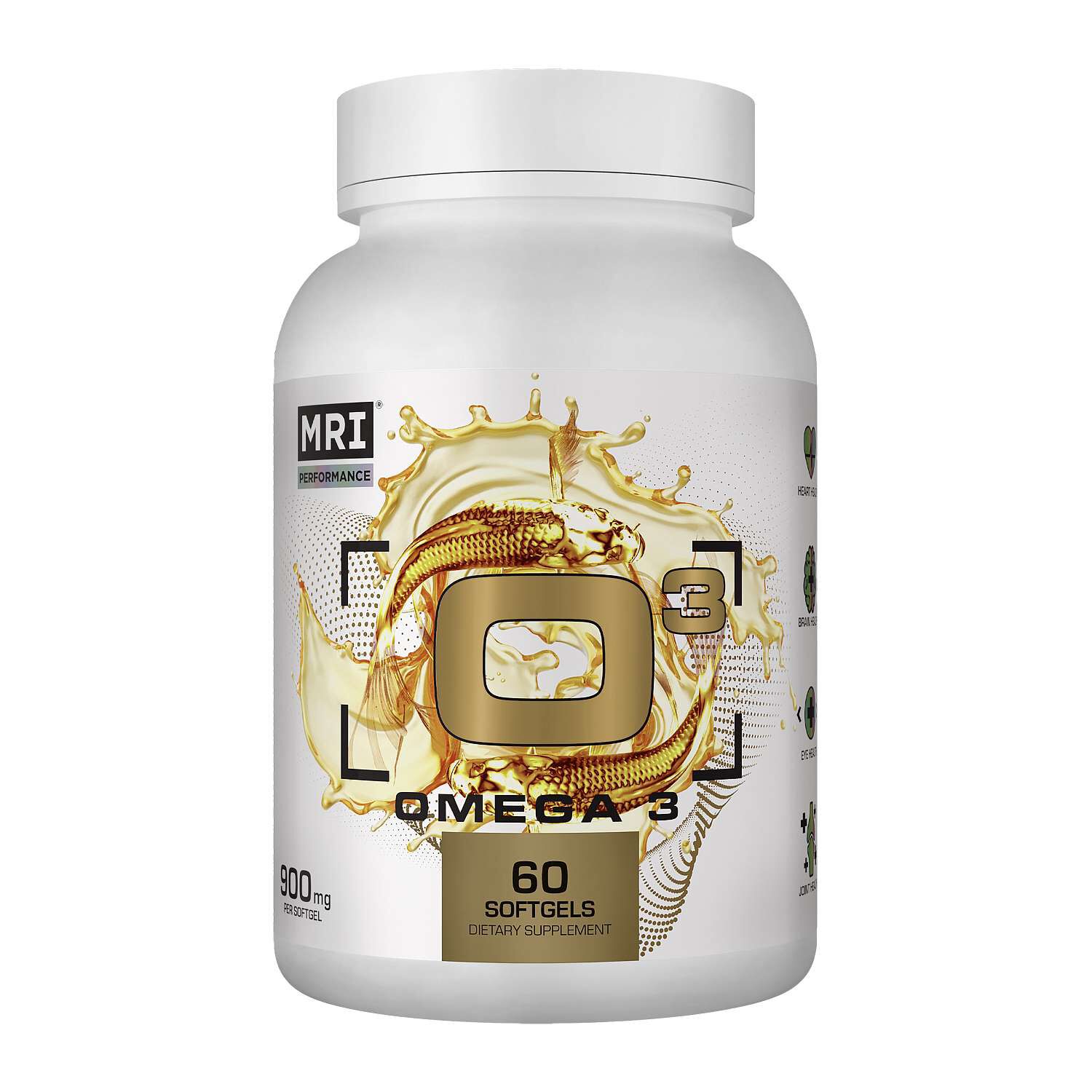 MRI Performance$29.99



Omega-3 fish oils with no tree nuts bring together two distinct shopping considerations: a marine source of omega-3 fatty acids and an ingredient profile that does not include tree nuts. Fish oil comes from fish rather than nuts, with sources such as anchovies, sardines, and mackerel commonly identified on supplement labels. That starting material, however, does not establish the tree nut status of a finished supplement. A softgel includes more than its oil filling, and a liquid formula can contain flavorings or other added ingredients. The most useful product information pairs a clearly stated fish source with an ingredient list, an allergen statement, and any available details about manufacturing conditions. Wording such as “contains no tree nuts” describes something different from a statement about shared equipment or a shared facility. A formula made without tree nut ingredients is not necessarily produced in a setting where tree nuts are absent. For shoppers managing a tree nut allergy, this distinction matters more than a broad category name or a picture of fish on the bottle. An absent tree nut warning alone does not establish whether the manufacturer has assessed shared-equipment exposure. Fish also has its own allergen designation, so a tree nut exclusion does not make fish oil suitable for someone avoiding fish. These are separate attributes worth keeping separate when comparing labels. Within that context, this category is relevant to adults who want a fish-derived omega-3 supplement while keeping tree nut ingredients out of their supplement routine. It can also interest shoppers who already pay close attention to ingredient sourcing across their pantry and personal nutrition products. The clearest match depends on the finished formula, not just the origin of its main ingredient, and on how specifically the manufacturer describes both ingredients and production practices.
EPA and DHA are two omega-3 fatty acids commonly listed on fish oil labels. Their full names are eicosapentaenoic acid and docosahexaenoic acid, and the amounts shown for each offer a more informative comparison than the fish oil weight on the front of the bottle alone. A stated quantity of fish oil is not interchangeable with the quantity of EPA and DHA it contains. Serving size adds another important detail: a listed amount may represent one softgel, several softgels, or a measured portion of liquid. Comparing the same serving basis makes differences between formulas easier to understand without relying on bottle size or prominent front-label numbers. Some labels identify EPA and DHA separately, while others also describe additional omega-3 fatty acids. Ingredient details help explain the rest of the formula, including the capsule shell, flavoring, and ingredients used to preserve the oil during storage. Softgel shells often contain gelatin, which may come from different animal sources; a fish-derived filling does not automatically mean that every part of the capsule comes from fish. Liquid fish oils omit the capsule shell but still require attention to their full ingredient lists. A citrus description, for example, speaks to flavor rather than tree nut status. Similarly, terms describing sourcing or processing do not replace a specific allergen statement. Shoppers exploring Natural Fish Oil Supplements can apply the same distinctions when comparing marine sources, formats, and ingredient disclosures. Fish oil and fish liver oil also differ: liver-derived oils may contain vitamins A and D alongside omega-3 fatty acids, depending on the formula. Those additional nutrients belong in the comparison rather than being assumed to be present in every fish oil supplement. For a shopper with an established supplement routine, a clearly organized Supplement Facts panel makes it easier to see what a serving contains and how it differs from other bottles already on the shelf. Intended use, serving instructions, and age-related labeling provide further context without making one format a universal choice.
Everyday fit often comes down to practical details that are easy to overlook in a category description. Someone packing a bag for an overnight stay may prefer the contained format of softgels, while someone who prefers a measured liquid may place greater importance on the bottle opening, measuring method, and storage directions after opening. Softgel dimensions vary, and serving size affects how many capsules are involved in the labeled routine. Liquid formats bring their own sensory considerations, including texture, aroma, and whether flavoring is present. Neither format has an automatic advantage when it comes to excluding tree nuts; the relevant evidence remains the specific formula and its manufacturing information. Packaging and care matter because fish oil quality depends in part on how the oil is handled over time. Exposure to air, heat, and light can contribute to oxidation, making the closure, container, and label-directed storage conditions meaningful parts of the purchase. A tightly closed bottle stored according to its directions is a different situation from one left beside a sunny window or in a warm vehicle. Some liquids call for refrigeration after opening, while other formats have different storage requirements. Package size also deserves attention: a larger bottle is not always the better practical fit for someone whose labeled serving uses only a small portion each day. The printed date, any after-opening instructions, and the number of servings help put bottle size into perspective. Quality documentation can add useful context when it identifies what was evaluated, such as fatty acid content, oxidation, or certain contaminants. Testing in one area does not establish tree nut status unless that attribute is specifically addressed. Likewise, information about fishing practices or traceable sourcing answers a different question from information about shared production lines. Clear documentation keeps these attributes distinct. For omega-3 fish oils with no tree nuts, a well-informed comparison brings together ingredient exclusions, manufacturing disclosures, EPA and DHA amounts, serving format, and storage needs. The result is a more grounded way to compare this category, centered on readable labels and the details that matter in an everyday supplement routine.
Best Sellers
-
Nordic Naturals
-
Nordic Naturals
-
Nordic Naturals