





Omega 3 Supplements For Women
(0 Results)
Omega-3 fatty acids are essential nutrients that offer a wide range of benefits for women's health. From supporting heart health to promoting healthy brain function, omega-3s play a crucial role in overall well-being. In addition, these fatty acids have been linked to reducing inflammation, improving skin health, and even supporting mood and mental clarity. Whether you're looking to boost your cardiovascular health, enhance cognitive function, or simply maintain overall wellness, incorporating omega-3 supplements into your daily routine can be a beneficial choice for women of all ages.
-

-

-
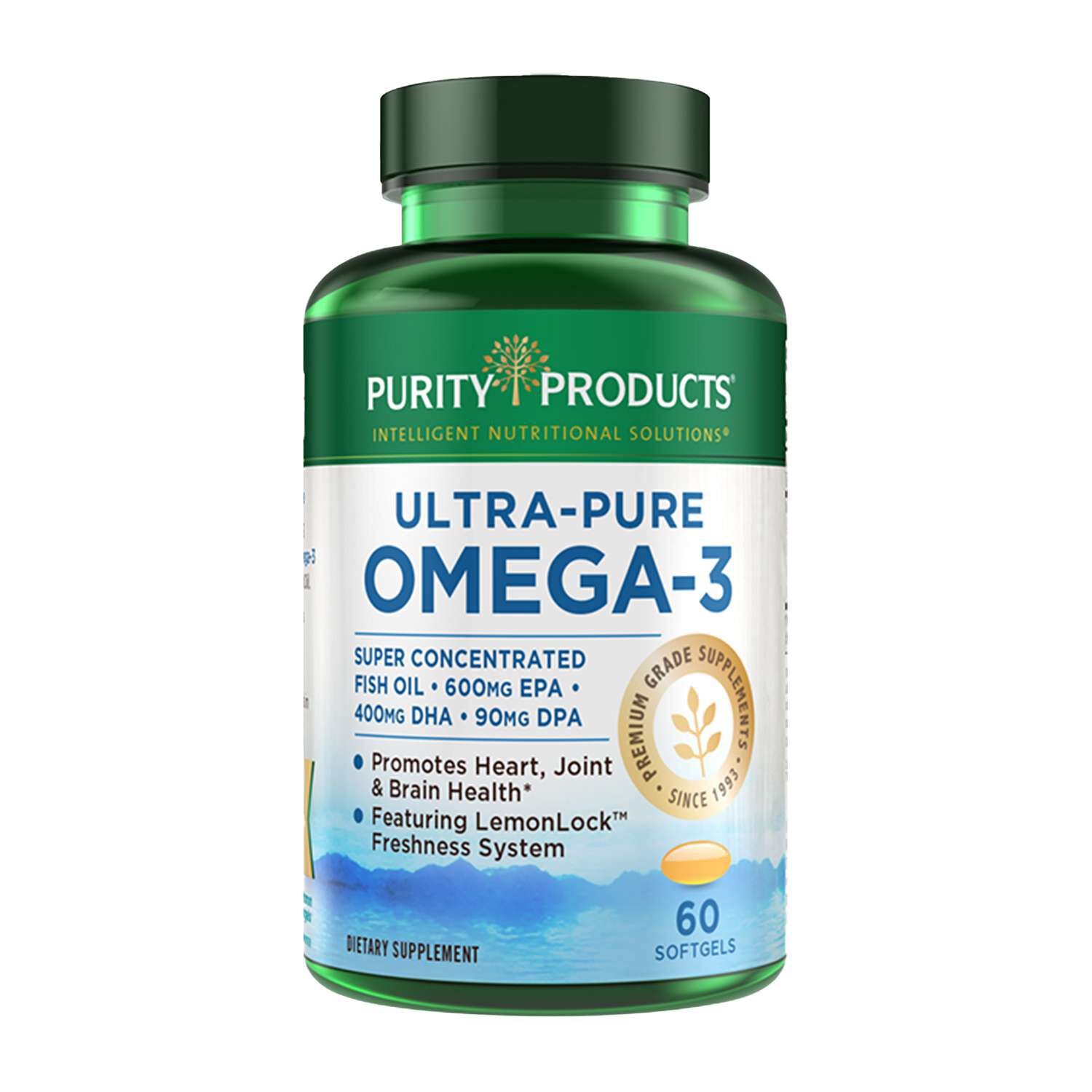 Purity Products$26.99
-
 Divine Health$34.99
-
 Portions Master$25.99
-

-

-
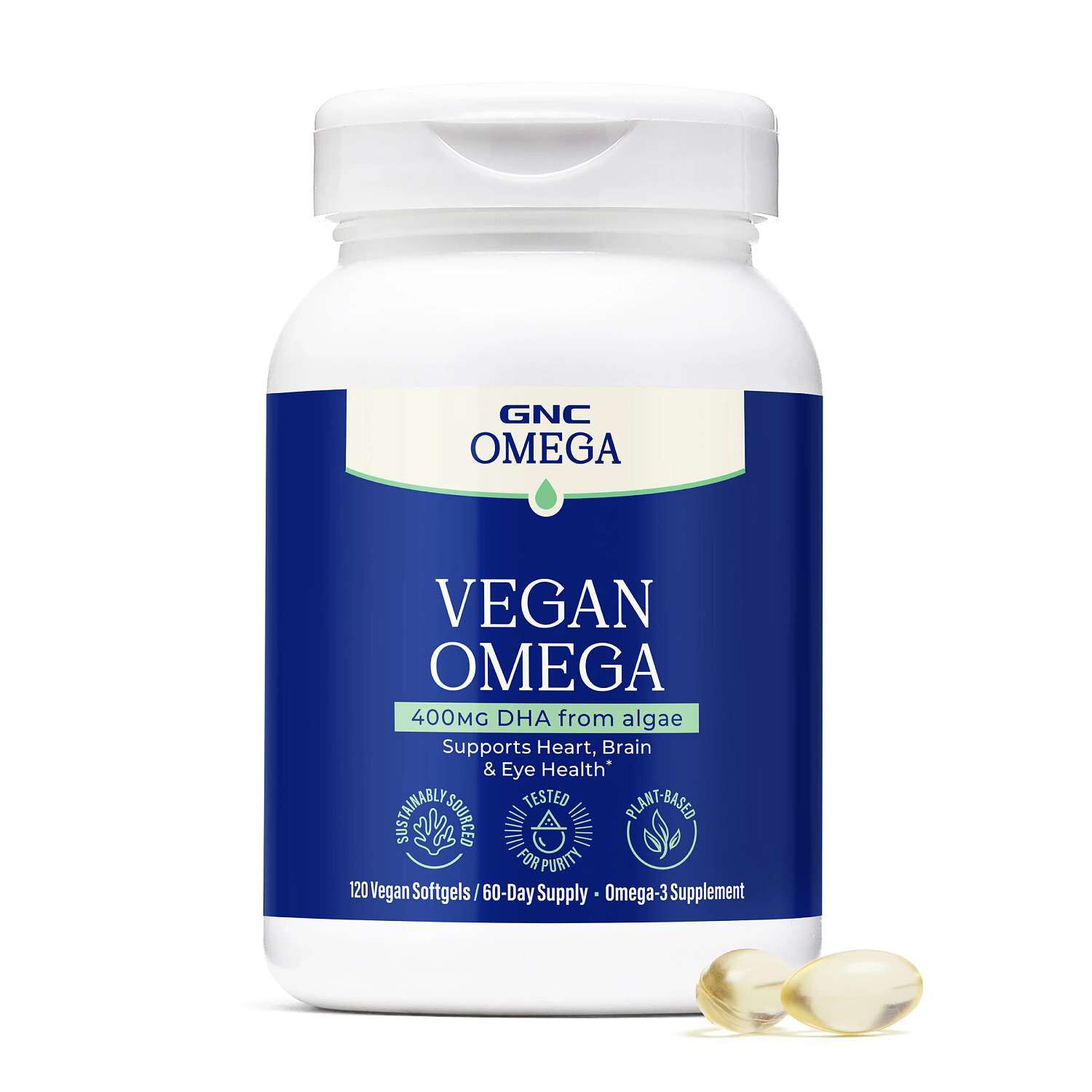 $44.99
-
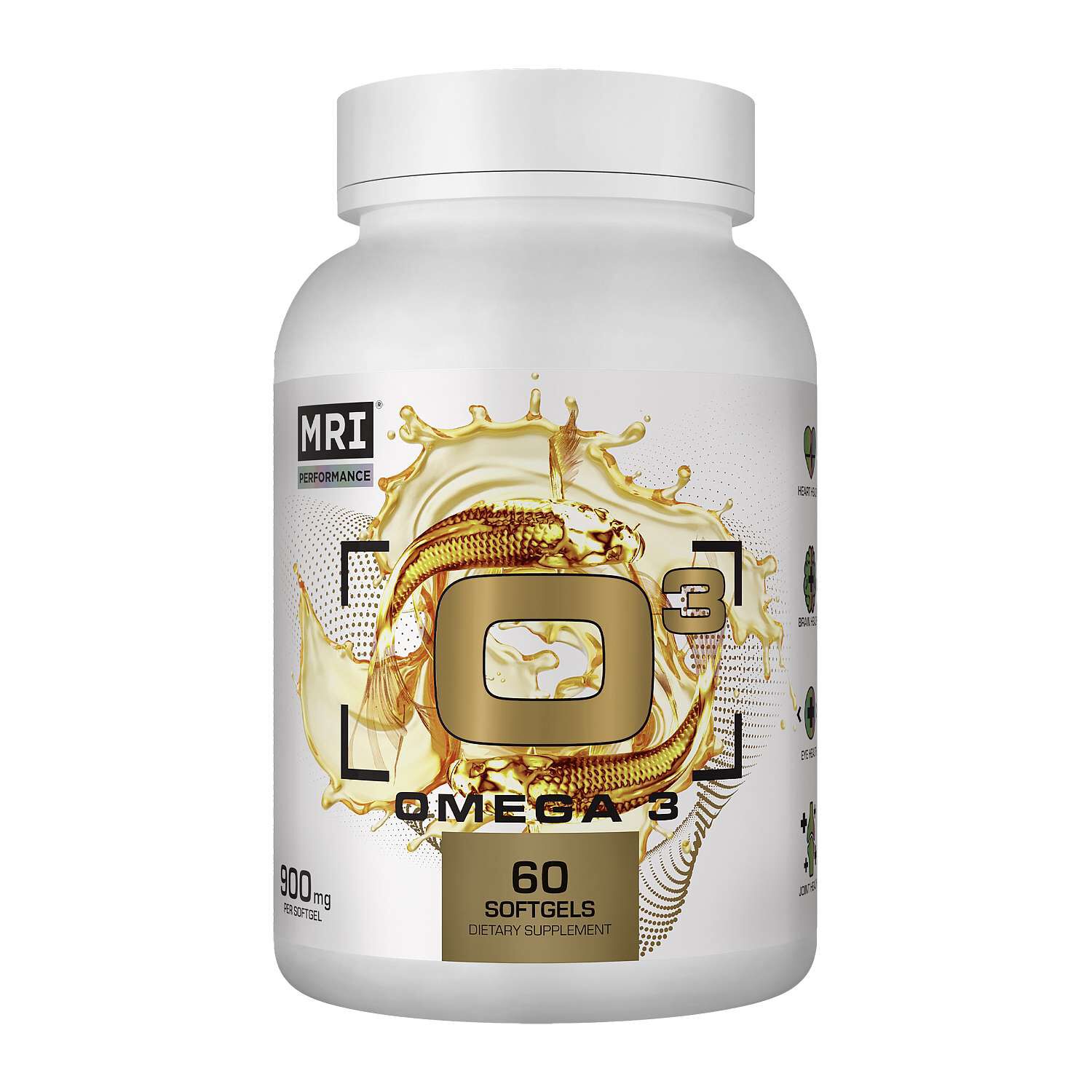 MRI Performance$29.99
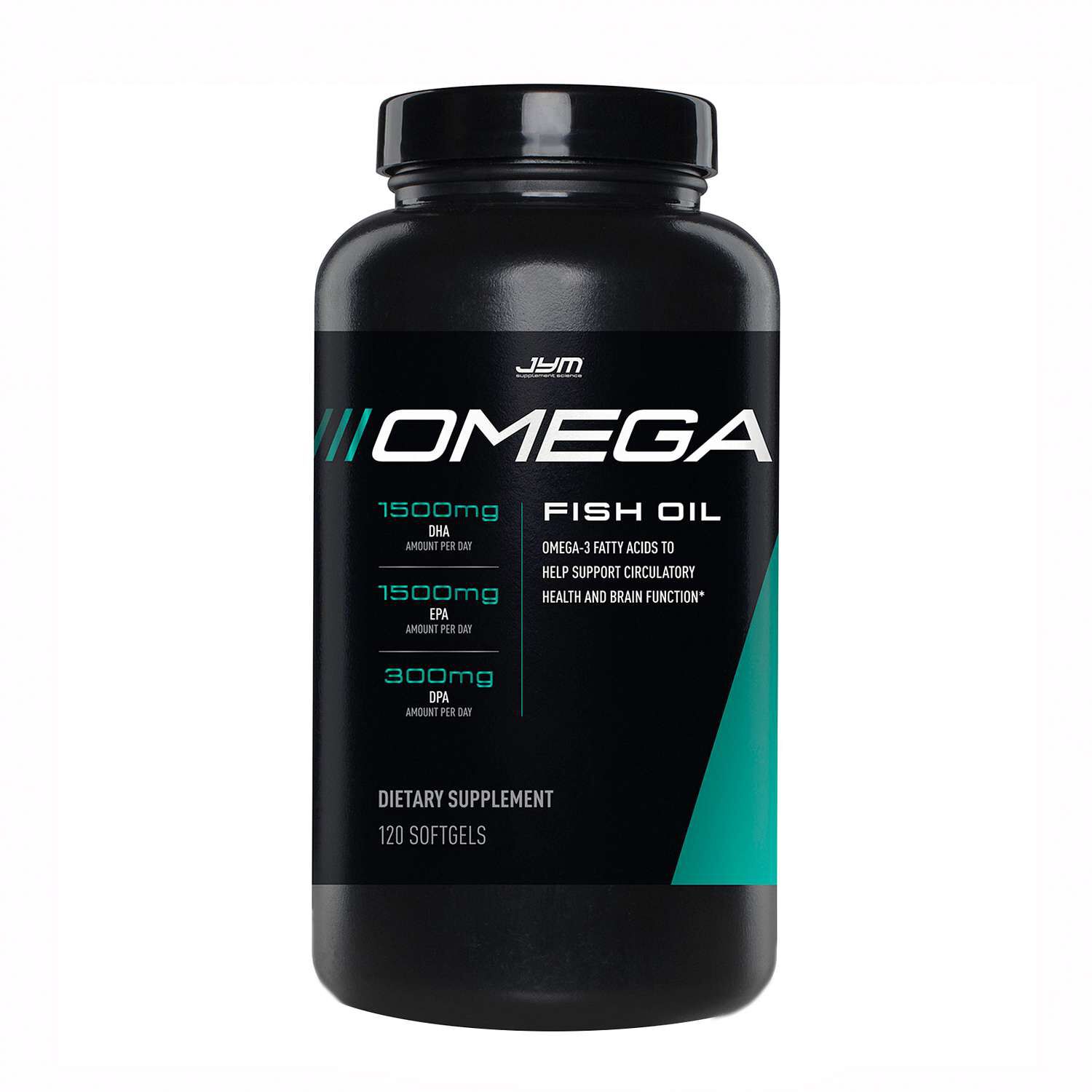
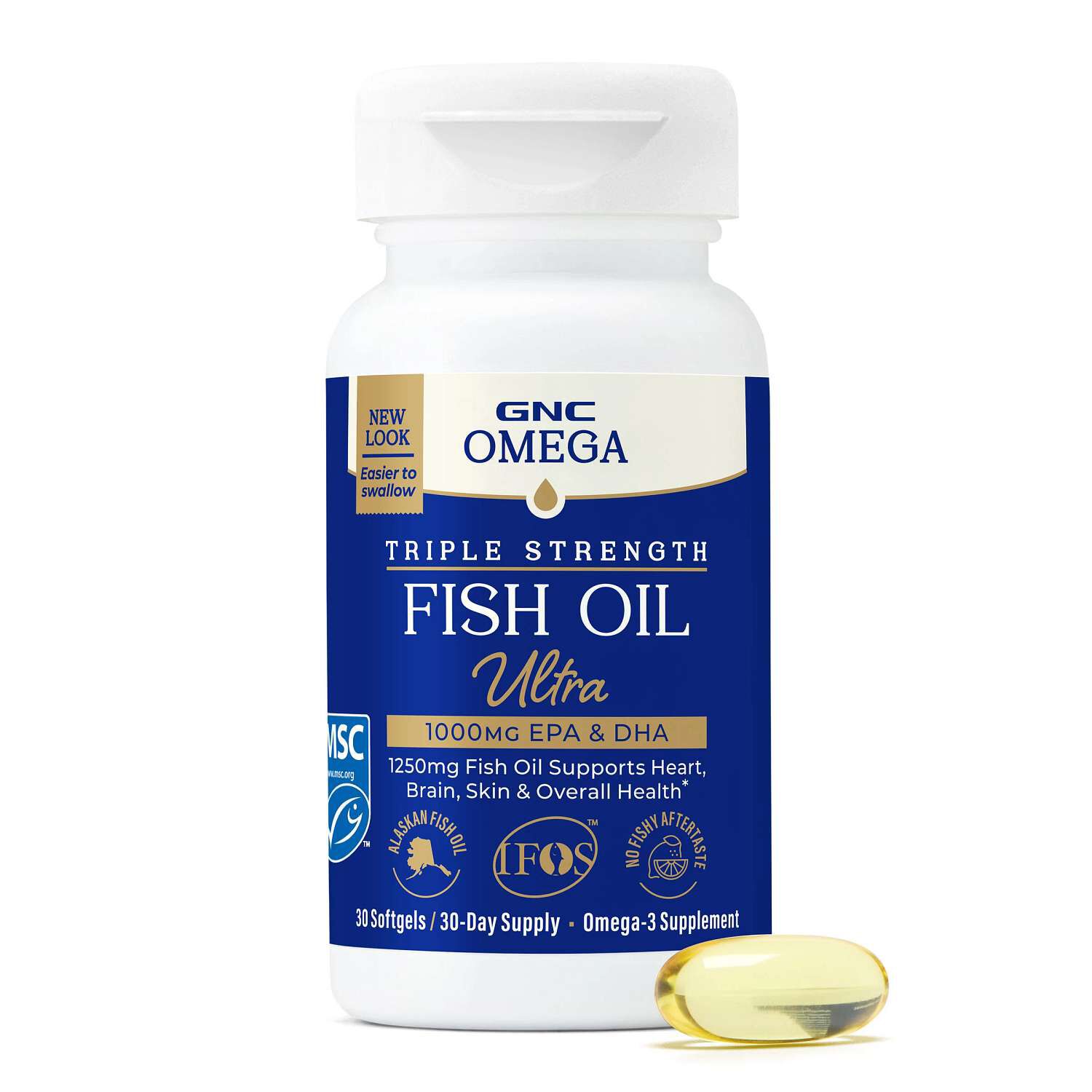
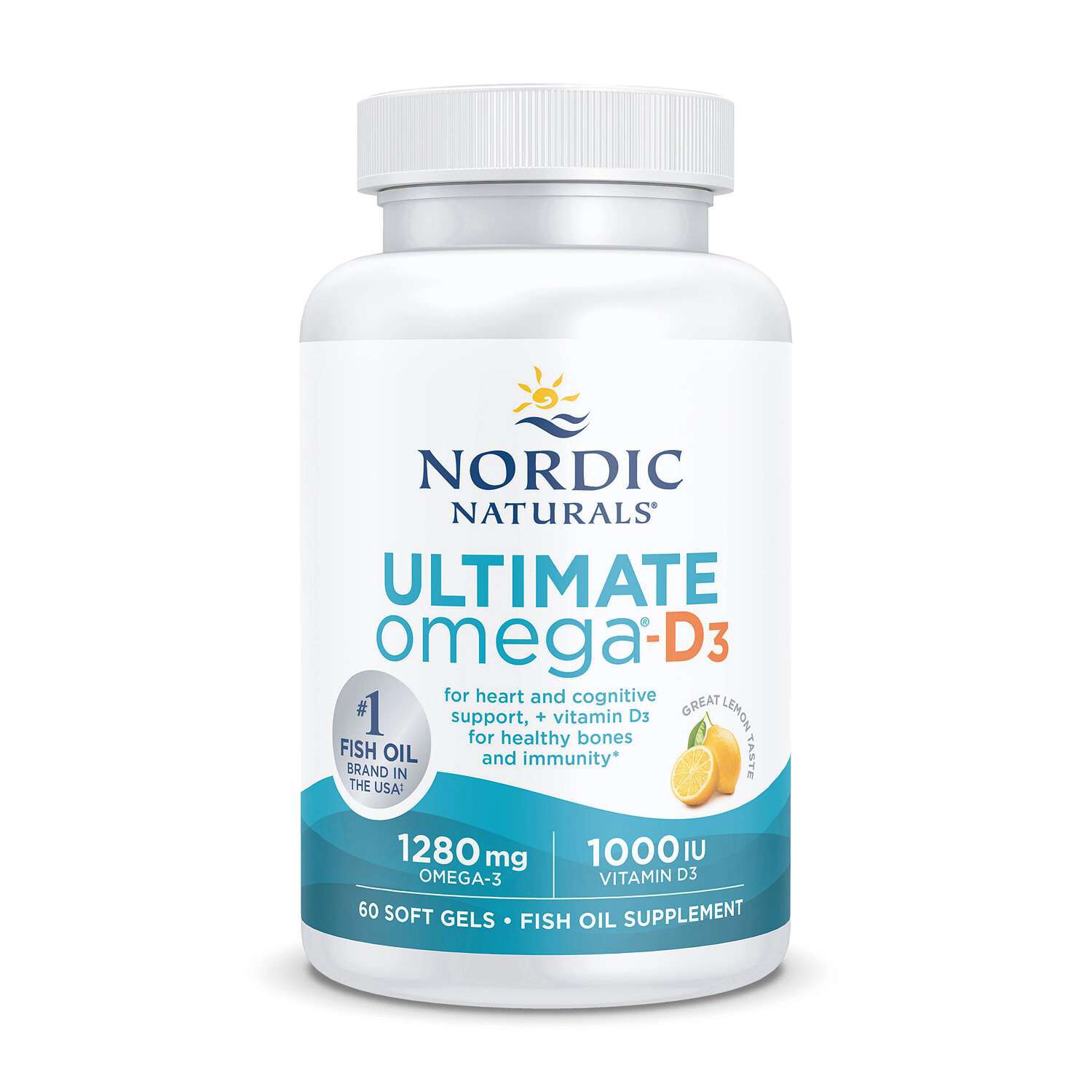
Omega-3 supplements for women may offer a convenient way to include certain dietary fats alongside everyday food choices. The main names on these labels are EPA, DHA, and ALA. EPA stands for eicosapentaenoic acid, DHA for docosahexaenoic acid, and ALA for alpha-linolenic acid. Fish oil commonly contains EPA and DHA, while algal oil contains DHA and, in some formulas, EPA. Flaxseed oil is a plant source of ALA, a different omega-3 fatty acid also found in foods such as chia seeds and walnuts. These distinctions matter when comparing formulas: a plant-based oil is not automatically an EPA-and-DHA formula, and two bottles described as omega-3 supplements may contain different fatty acids in different amounts. A woman who rarely eats fish may approach the category differently from someone who regularly includes salmon or sardines in meals. Someone following a vegetarian or vegan eating pattern may prefer algae-derived options, while another shopper may be looking specifically for a fish oil softgel. The words “for women” provide shopping context, but the ingredient list and Supplement Facts panel describe what is actually inside. Women’s formulas do not all share one source, serving size, or combination of ingredients. Some contain omega-3 oils alone; others pair them with vitamins or additional nutrients. A standalone formula may suit someone looking for a focused addition to an existing routine, while a combination formula may appeal to someone who prefers fewer separate containers. Neither format tells the whole story without a closer look at the label. The most meaningful comparison starts with the oil source, the named fatty acids, their amounts per serving, and the other ingredients included in the formula. Those details make it easier to distinguish similar-looking options without relying on bottle design or a broad description on the front.
When comparing omega-3 supplements for women, separate the amount of fish oil or algal oil from the amount of EPA and DHA. A prominently displayed oil quantity is not necessarily the quantity of those two fatty acids. The Supplement Facts panel typically gives the serving size and lists the amounts of the nutrients declared for that serving. A serving may consist of one softgel, several gummies, or a measured portion of liquid, so comparing one capsule from one bottle with an entire serving from another may create a misleading impression. EPA and DHA proportions also vary; two formulas with similar oil amounts may have different compositions. For a closer look at the fish-derived category, Fish Oils For Women offers a related collection to explore. Fish oils may come from sources such as anchovies, sardines, or mackerel, while krill oil comes from small marine crustaceans. Algal oil has a different origin and may appeal to shoppers who prefer an alternative to fish-derived ingredients. The surrounding materials deserve attention, too. A softgel shell may contain gelatin, glycerin, and water, and a plant-derived oil does not necessarily mean that every ingredient in the finished capsule is vegan. Look for clear labeling rather than making that assumption from the oil source alone. Gummies may contain sweeteners, colors, flavors, or gelling ingredients, while liquids may include flavoring ingredients that change the taste experience. Allergen statements are another useful part of the comparison, particularly when distinguishing fish-derived and shellfish-derived options. Quality information may include details about sourcing, manufacturing, or independent testing. A testing statement is most informative when it explains what was evaluated, such as ingredient identity, declared amounts, or specified contaminants. A familiar certification symbol may provide useful context, but its meaning depends on the organization and the criteria behind it. Clear, specific label information offers more substance than a general statement about quality.
Format and packaging bring the comparison into everyday life. Softgels are a familiar choice for shoppers who prefer a measured serving without pouring or chewing, but capsule dimensions vary. A smaller softgel may involve more capsules per serving, making both size and serving count worth considering together. Gummies may suit someone who prefers a chewable format, although their texture, flavor, and nutrient amounts deserve the same attention as any capsule label. Liquid omega-3 supplements involve measuring a portion and handling an open bottle; that format may appeal to someone comfortable with an extra step in a kitchen routine. Citrus or other flavoring may influence personal preference, but flavor does not establish the amount of EPA or DHA. For a woman managing a busy schedule, the practical distinction may be between a bottle kept with breakfast supplies and a larger liquid container that needs a designated place after opening. Packaging instructions determine the appropriate storage conditions. Some liquids call for refrigeration after opening, while other formats have different directions, so storage requirements should come from the individual label rather than assumptions about the category. Keeping the container closed and retaining its original label preserves access to the ingredient list, serving directions, expiration information, and lot number. Bottle count also needs context: the number of capsules or gummies is not necessarily the number of servings. A larger container may represent a similar period of use when its labeled serving includes several pieces. For anyone considering omega-3 supplements as a gift, known dietary preferences, preferred formats, and comfort with supplements matter more than decorative packaging. Personal nutrition choices are individual, and a clearly understood preference makes a more thoughtful starting point than an assumption based on age or gender. Across the category, a well-matched selection comes down to understandable ingredients, transparent amounts, suitable materials, and a format that may fit naturally into the recipient’s or shopper’s established routine.
Best Sellers
-
 Nordic Naturals
-
 Nordic Naturals
-
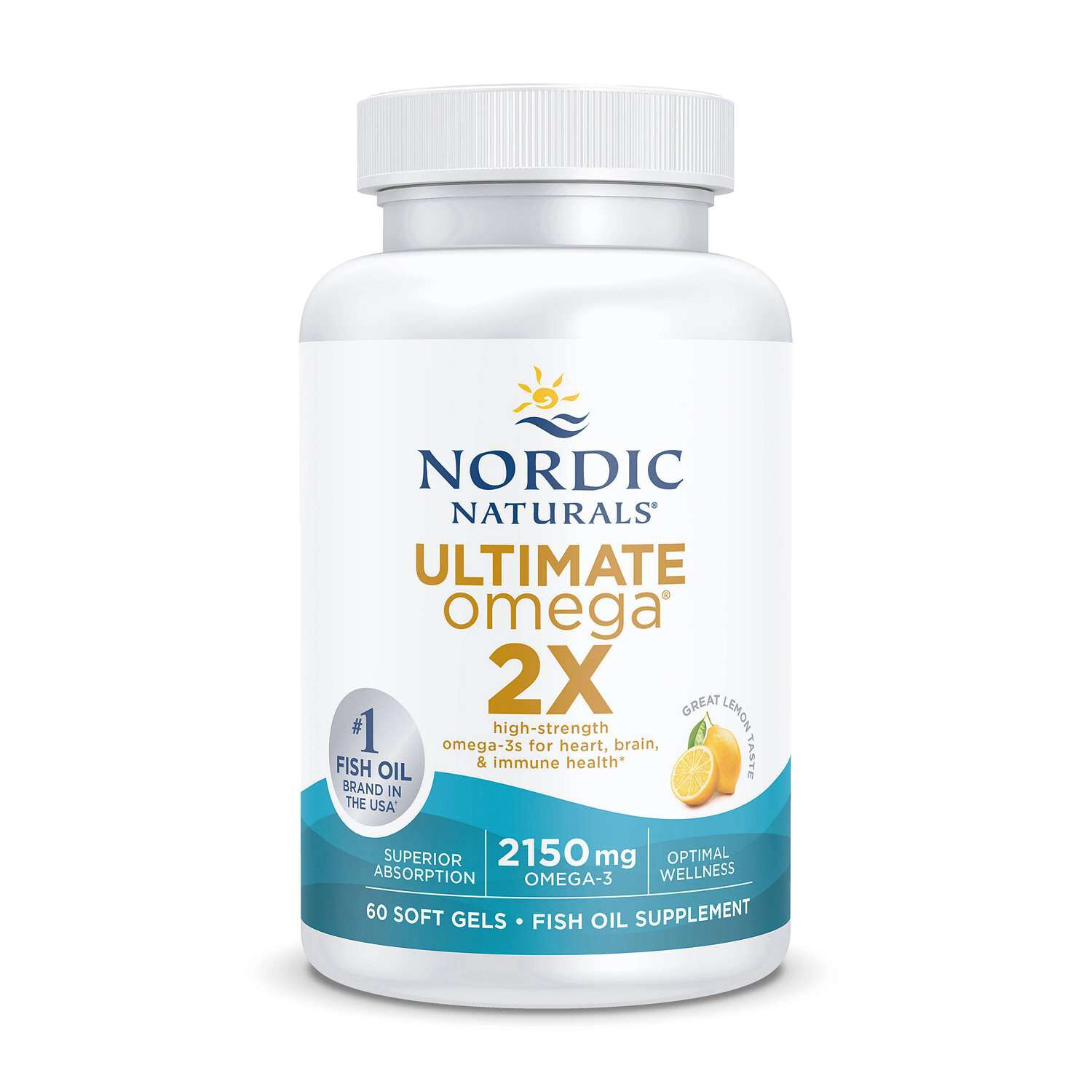 Nordic Naturals
Related Pages
Top Collections
- Zinc Supplements | Top Brands at Great Prices | GNC
- Cortisol Supplements
- NAD+ Supplement Tablets
- Top Rated Collagen | Shop Customer Favorites | GNC
- Best Brand of Magnesium Glycinate
- Peptide Supplements
- Vitamins That Help Support Weight Gain
- Protein Powders For Muscle Growth Support
- Vitamins For Hair Loss
- Peptide Supplements for Muscle Growth