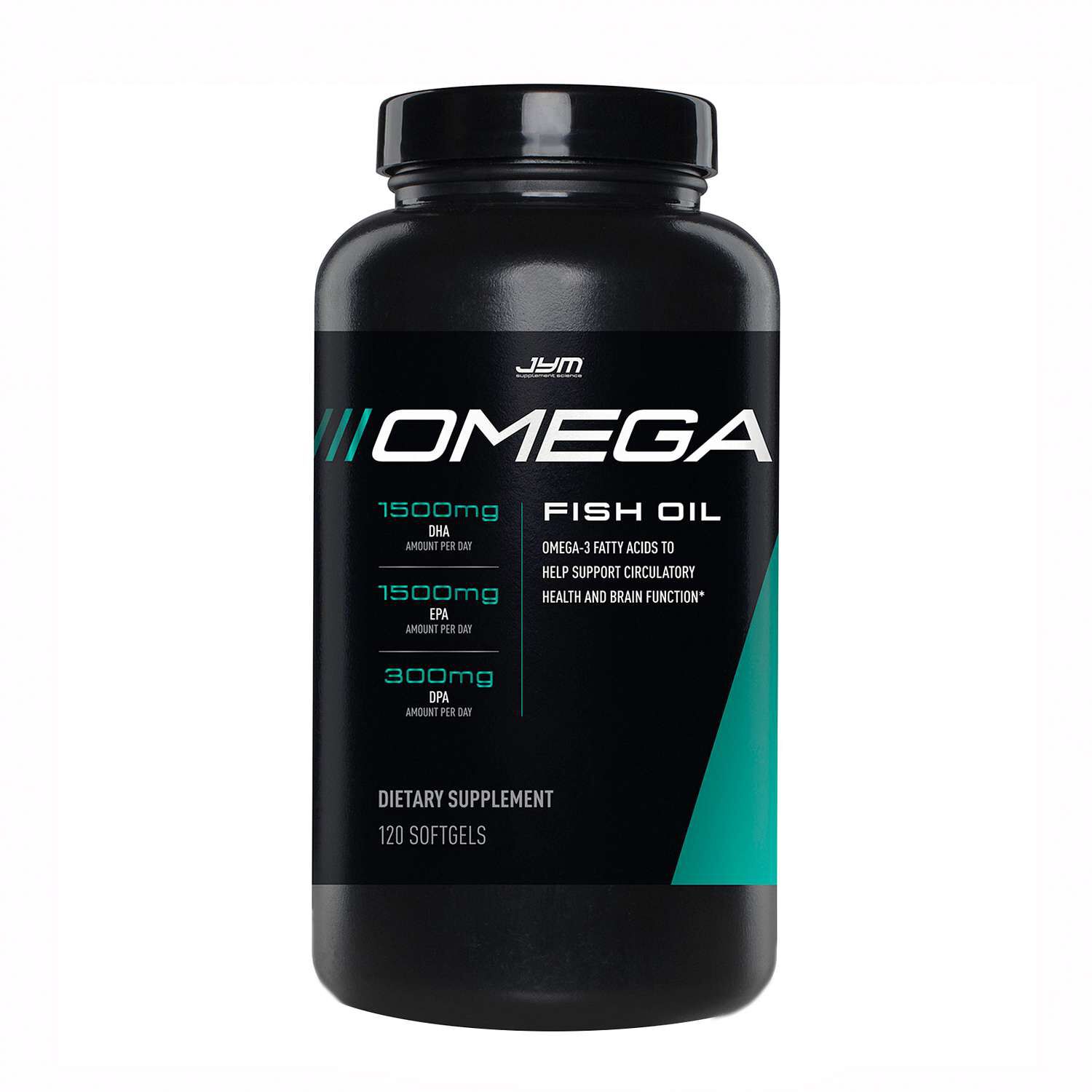
Omega 3 For Adults
(0 Results)
Boost your overall health and well-being with our selection of Omega-3 supplements for adults. Packed with essential fatty acids like EPA and DHA, these supplements offer a wide range of benefits, from supporting heart health to promoting brain function. Discover high-quality Omega-3 options that can help you meet your daily nutritional needs and enhance your vitality.
-

-

-

-

-
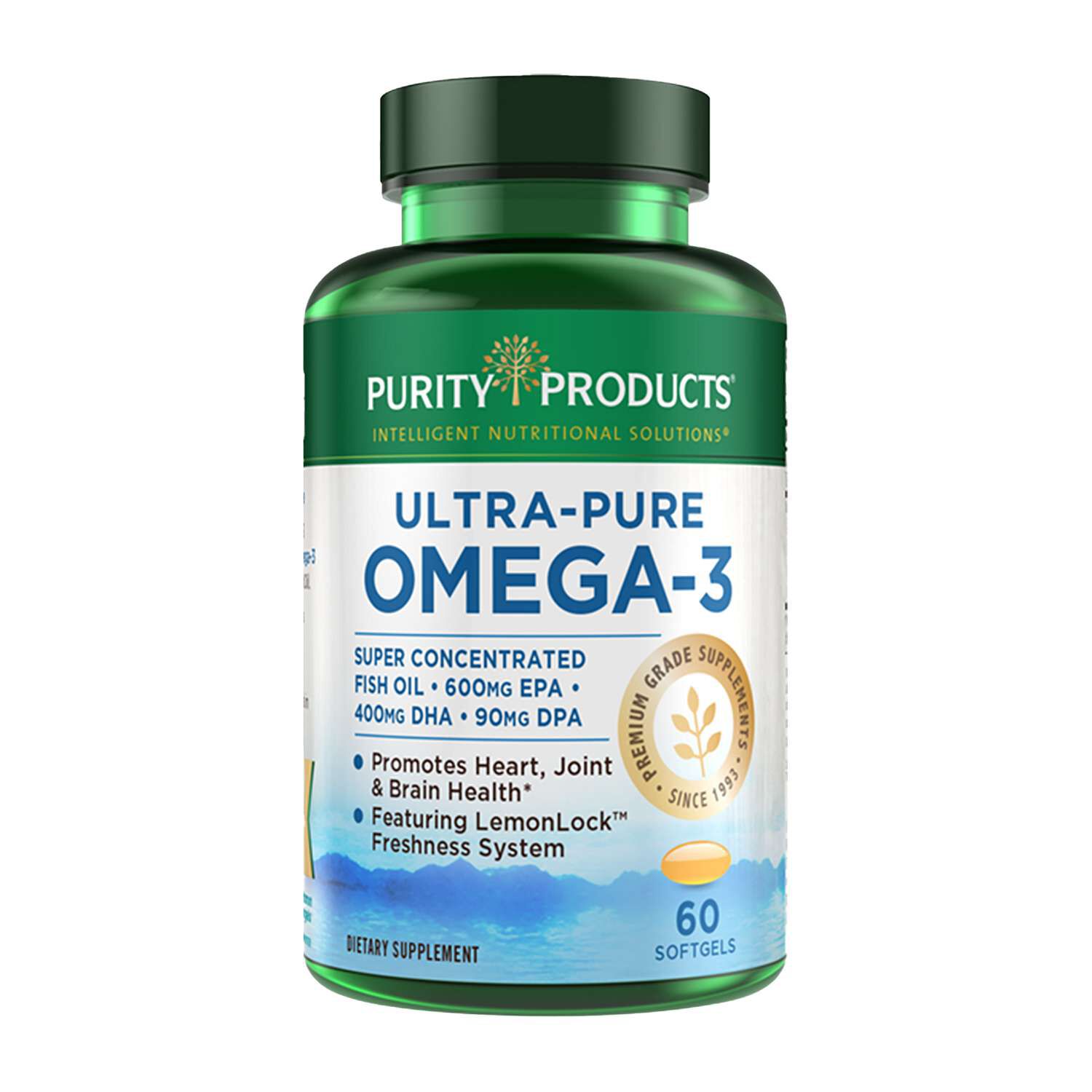 Purity Products$26.99
 -
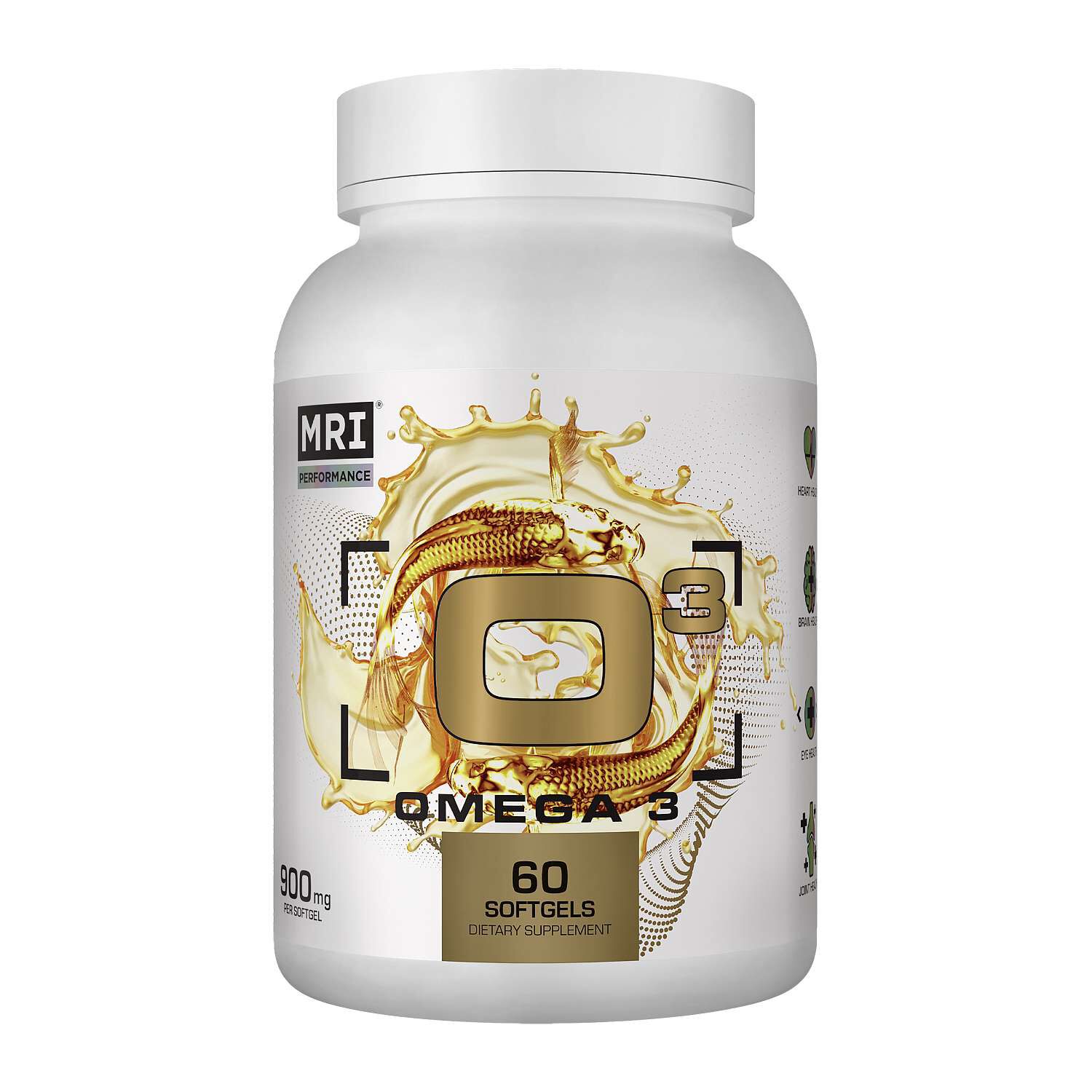 MRI Performance$29.99
 -
 Divine Health$34.99
 -
 Portions Master$25.99
 -
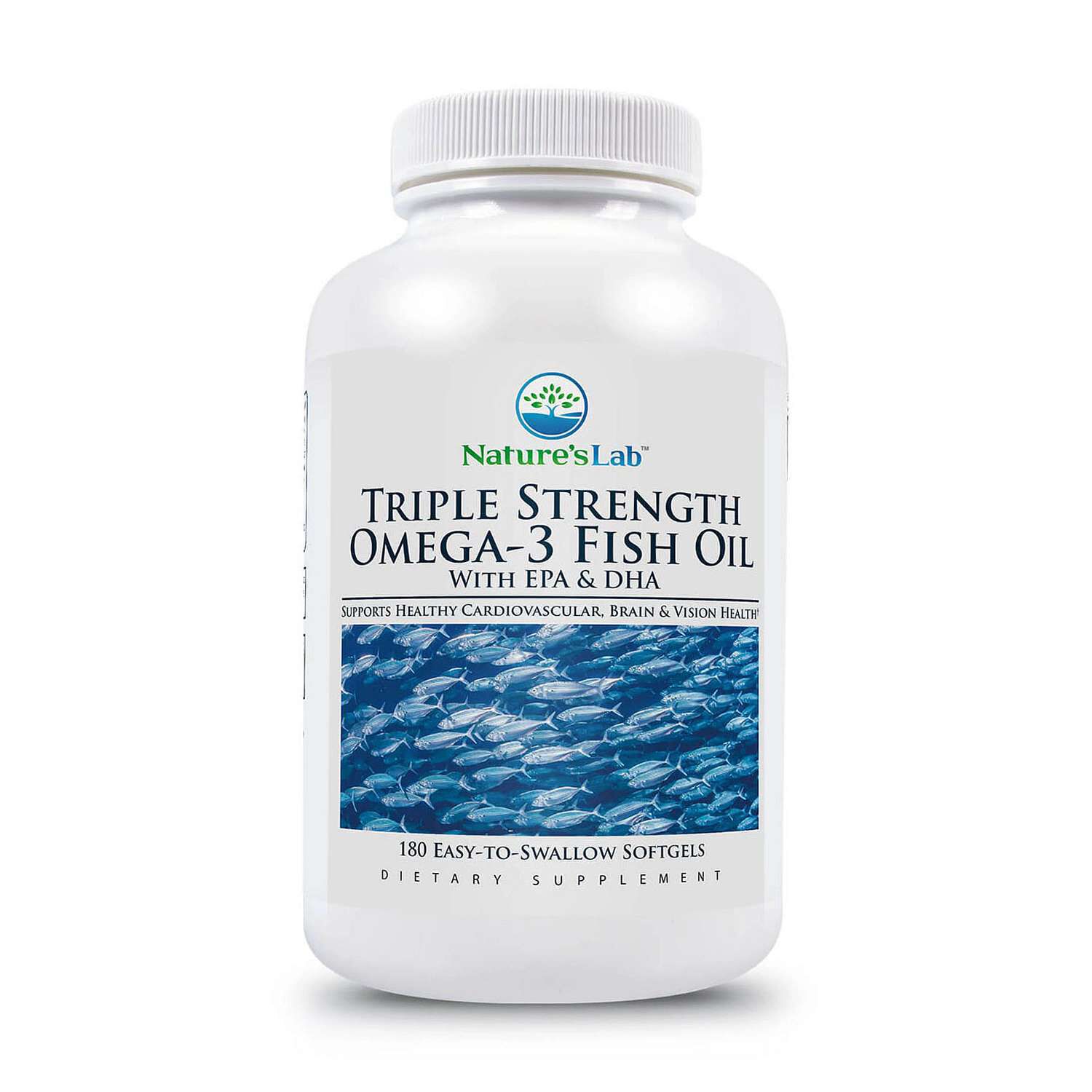 $24.99
 -
-

Omega-3 for adults includes supplements made with fish oil, krill oil, algal oil, and certain plant oils, with different sources supplying different types of fatty acids. The three main types are ALA, or alpha-linolenic acid; EPA, or eicosapentaenoic acid; and DHA, or docosahexaenoic acid. ALA occurs in foods such as flaxseeds, chia seeds, and walnuts, while fish and marine oils are common sources of EPA and DHA. Algal oil comes from algae and offers a non-fish source of DHA, with some formulas also containing EPA. These distinctions matter when comparing adult omega-3 supplements because two bottles with similar names may have quite different ingredient profiles. A plant-based flaxseed oil supplement, for example, is not the same as an algal oil formula that lists DHA and EPA. Likewise, fish oil and krill oil differ in their source ingredients, and the amounts of individual omega-3s vary by formula. For adults browsing this category, the most useful starting point is the Supplement Facts panel rather than the size of the bottle or a large number on the front label. The amount of oil in a serving is not necessarily the amount of EPA and DHA it contains. A label might list 1,000 milligrams of fish oil while separately identifying smaller amounts of EPA and DHA within that oil. Reading those entries together gives a clearer picture of the contents without treating all marine oils as interchangeable. Serving size provides another important point of comparison: the listed amounts may apply to one softgel, two softgels, or a measured portion of liquid. Adults who eat seafood regularly, those who rarely include it in meals, and those who follow a plant-based eating pattern may approach the category with different preferences. The relevant distinction is what each formula contains and how its source, format, and serving instructions align with the shopper’s intended use.
Format shapes the everyday experience of using an omega-3 supplement just as much as the source oil does. Softgels enclose the oil in a shell and offer a measured format without pouring, while liquids require attention to the serving measurement and storage directions. Chewable formats bring their own considerations, including texture, flavor, sweeteners, and the amount of omega-3 listed per serving. Someone who prefers a compact bottle beside a breakfast bowl may favor a different format than someone who would rather measure a liquid at home. Capsule dimensions also deserve a closer look, especially when product images do not provide an obvious sense of size. A smaller softgel may come with a serving that includes more than one piece, so comparing dimensions without checking serving size leaves out part of the picture. For a liquid, the label’s measurement units and any included measuring accessory are practical details worth reviewing before choosing. Flavor is another distinguishing feature: citrus and other flavorings can change the taste of a formula, but a flavored oil still has its own texture and aroma. The other ingredients list identifies flavoring components, shell materials, and additional ingredients that do not appear as individual nutrients in the Supplement Facts panel. Shoppers avoiding animal-derived ingredients should look beyond the oil source, since an algae-based formula can still have a shell made with animal-derived gelatin. Vegan labeling and the full ingredient list offer more context than the word “algae” alone. Fish and krill ingredients also make allergen statements particularly relevant to the comparison. When preferences involve particular fish species, harvesting practices, or sourcing standards, look for explicit details rather than drawing conclusions from ocean imagery or packaging colors. Statements about independent testing are most informative when they identify what was tested and which organization performed the review. For a closer look at formats intended for routine use, Omega 3 Daily Supplements provides a related category to explore. Across formats, the clearest comparisons bring together the source oil, EPA and DHA amounts, serving size, shell or liquid ingredients, and labeled directions rather than relying on any single feature.
Storage and packaging are especially relevant for omega-3 oils because light, heat, and exposure to air can affect their quality over time. Care requirements vary, so the container’s directions are the reference for whether a liquid needs refrigeration after opening or a softgel bottle belongs in a cool, dry location. A shelf away from a sunny window, oven, or steamy bathroom has different conditions from a spot that stays relatively cool throughout the day. Keeping the original container also preserves access to the ingredient list, serving directions, date information, and any instructions that apply after opening. Bottle size is therefore more than a matter of shelf space. The number of servings, expected pattern of use, and storage requirements all contribute to whether a package suits an adult’s routine. For someone dividing time between home and overnight travel, a securely closing container and straightforward storage instructions may be particularly convenient; a liquid with refrigeration requirements calls for different planning. During the cooler months, indoor heating and travel can still expose supplements to warm conditions, so outside temperatures alone do not describe the storage environment. Packaging condition matters as well, including an intact seal before the first use and a closure that fastens properly afterward. Beyond these practical details, omega-3 supplements are intended to supplement an eating pattern, not stand in for varied meals. Salmon, sardines, walnuts, and chia seeds bring different nutrients and culinary uses to the table, while a supplement presents selected fatty acids in a labeled serving. A person who enjoys fish dinners may prioritize different label details than a person seeking an algae-derived option, but neither preference makes every formula within a source category identical. Clear ingredient information makes those differences easier to recognize. Whether comparing a simple softgel, a flavored liquid, or a plant-based capsule, attention to source, composition, portion measurement, and care instructions creates a more useful basis for selection than broad wording on the front of a package.
Best Sellers
-
 Nordic Naturals
 -
 Nordic Naturals
 -
 Nordic Naturals