





Omega Supplements For Adults
(0 Results)
Omega supplements for adults offer a convenient way to support daily wellness routines. With options that may fit a variety of lifestyles and preferences, these supplements could be an easy addition to a balanced diet. Whether looking to complement nutrition goals or seeking new ways to prioritize well-being, omega supplements for adults might provide the versatility and flexibility needed for everyday health support.
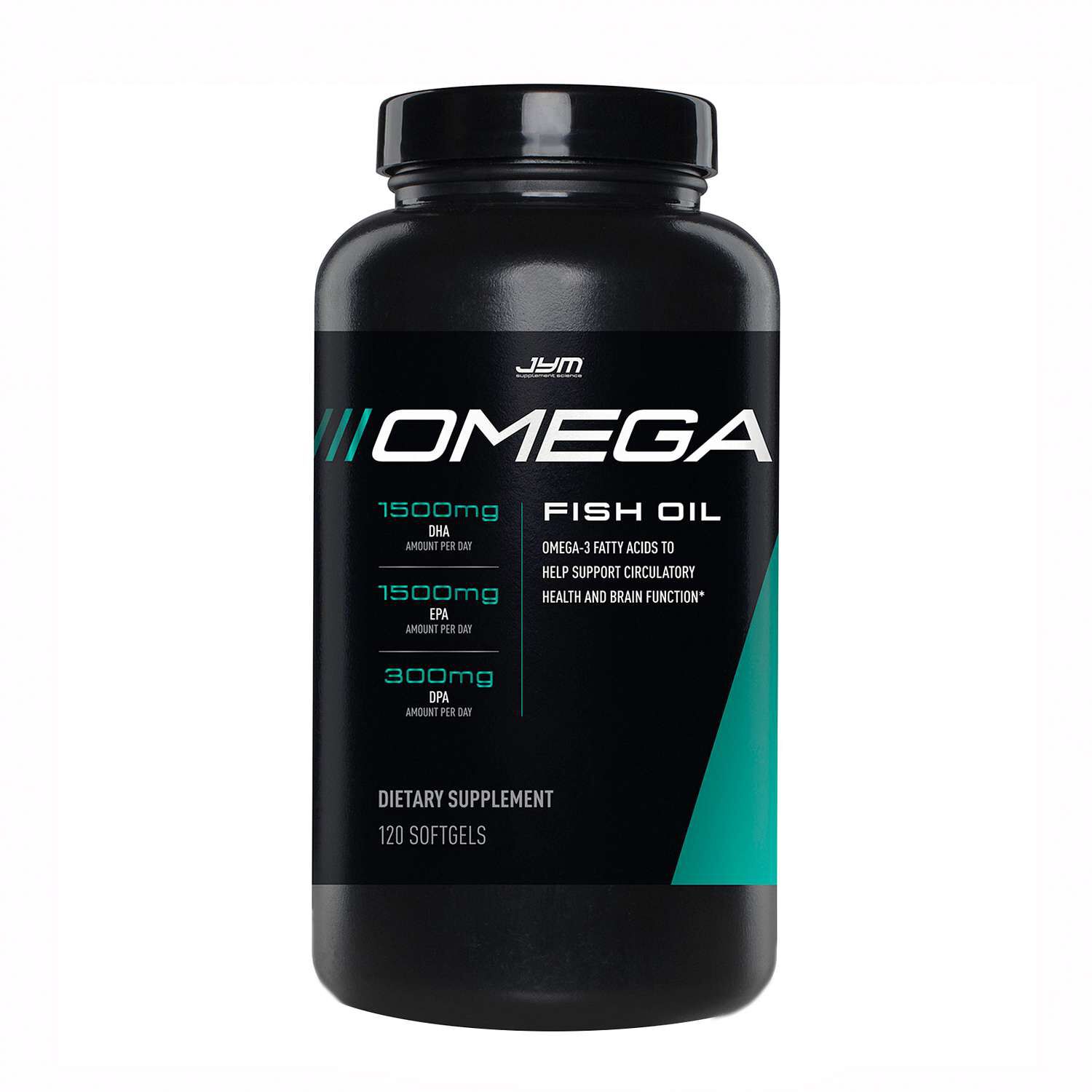




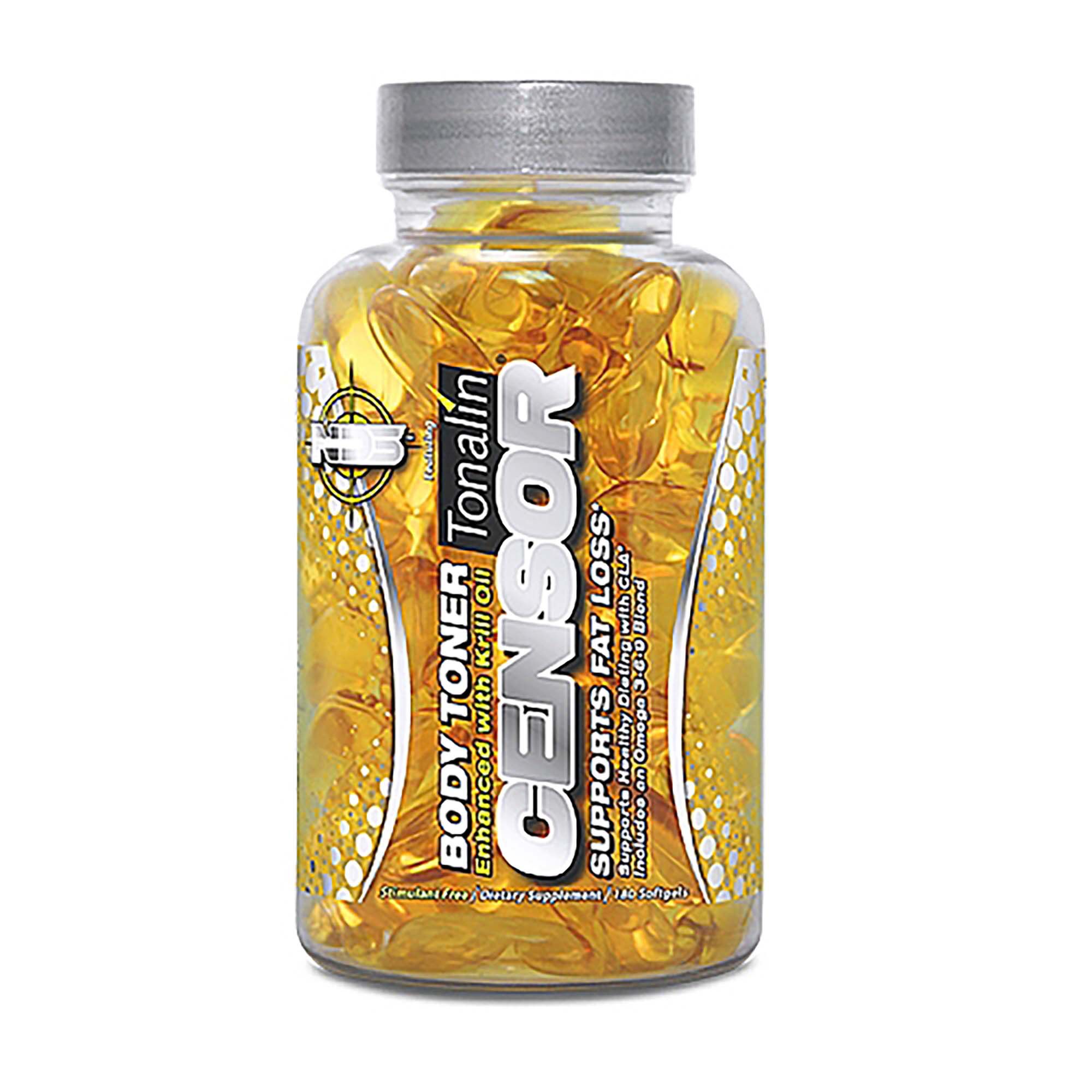





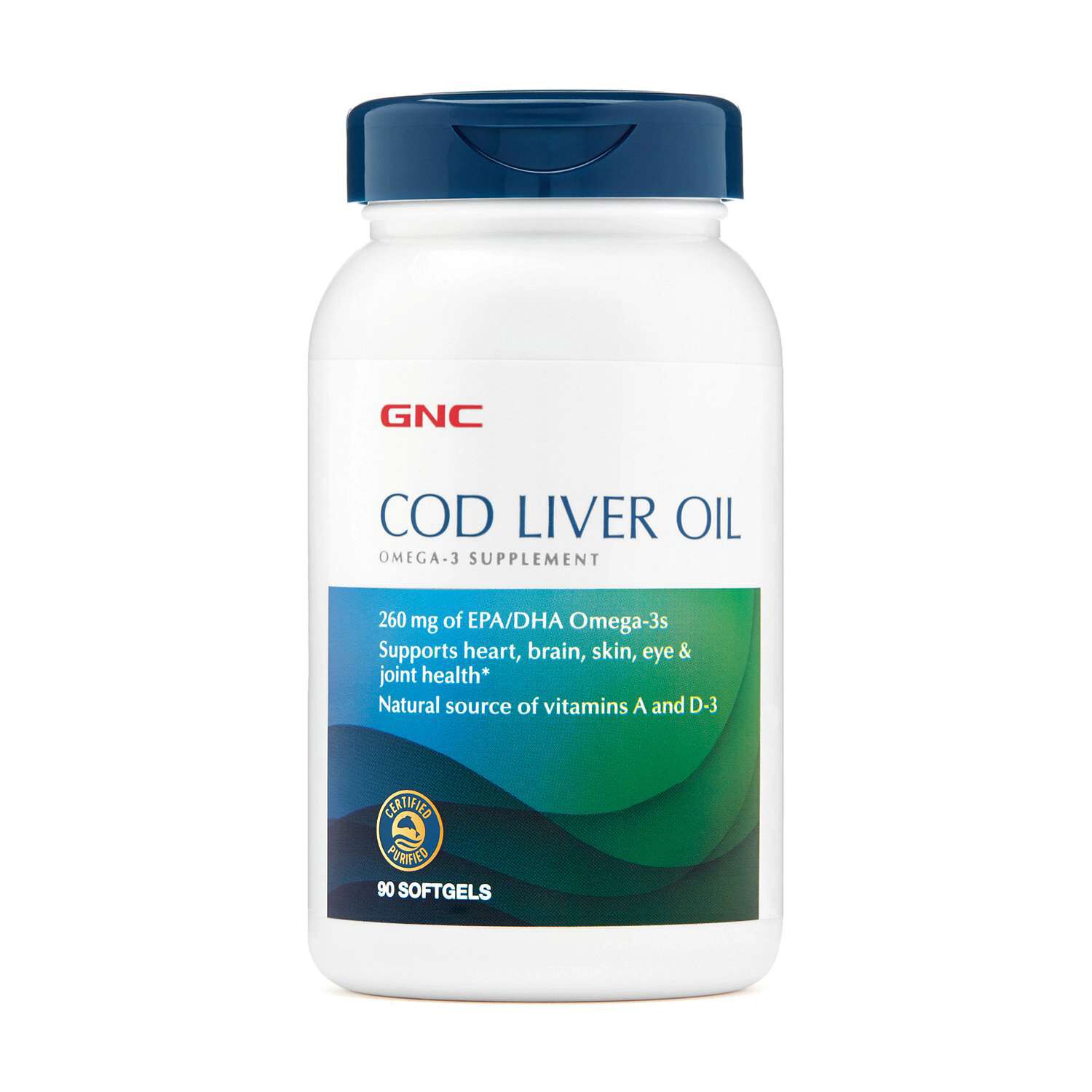


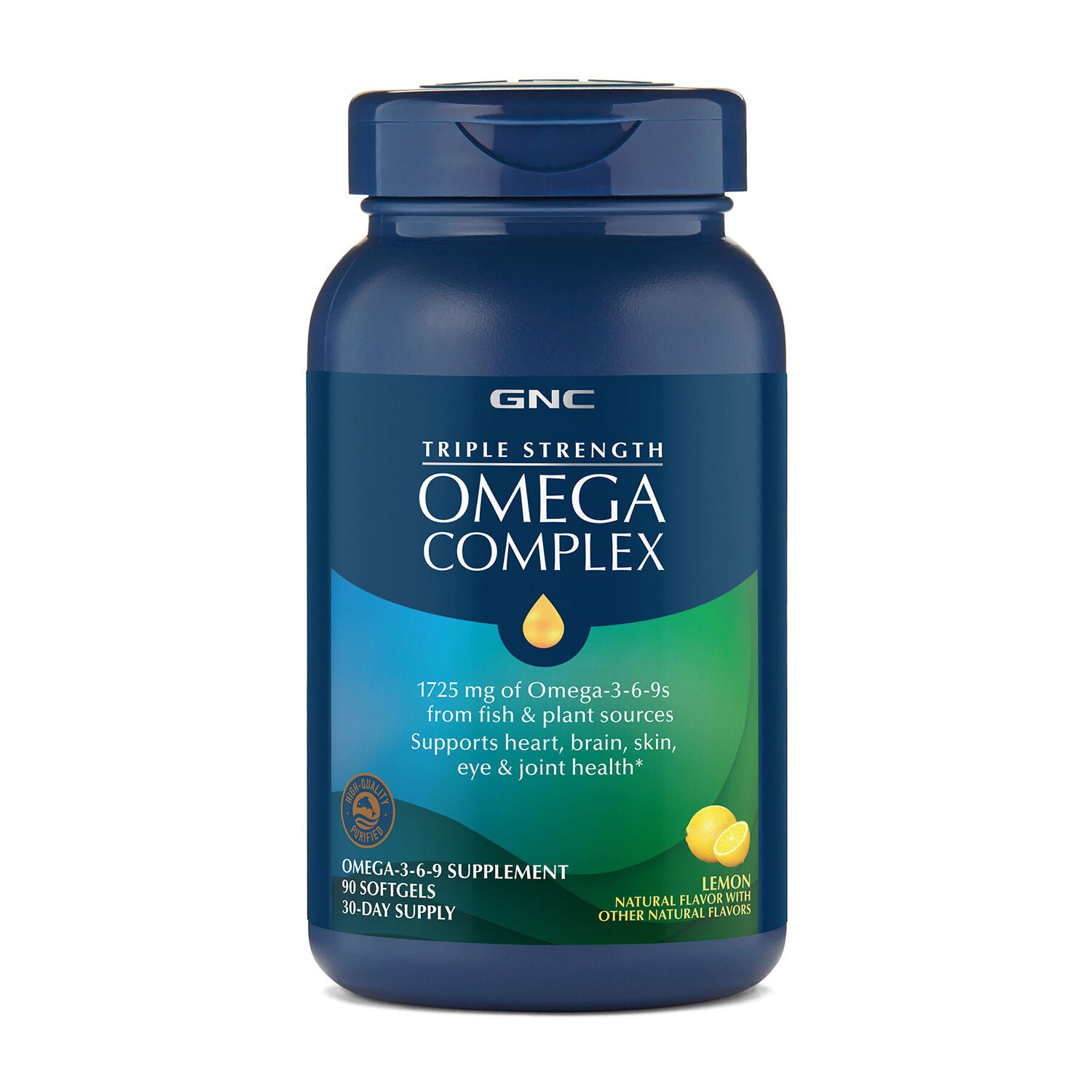


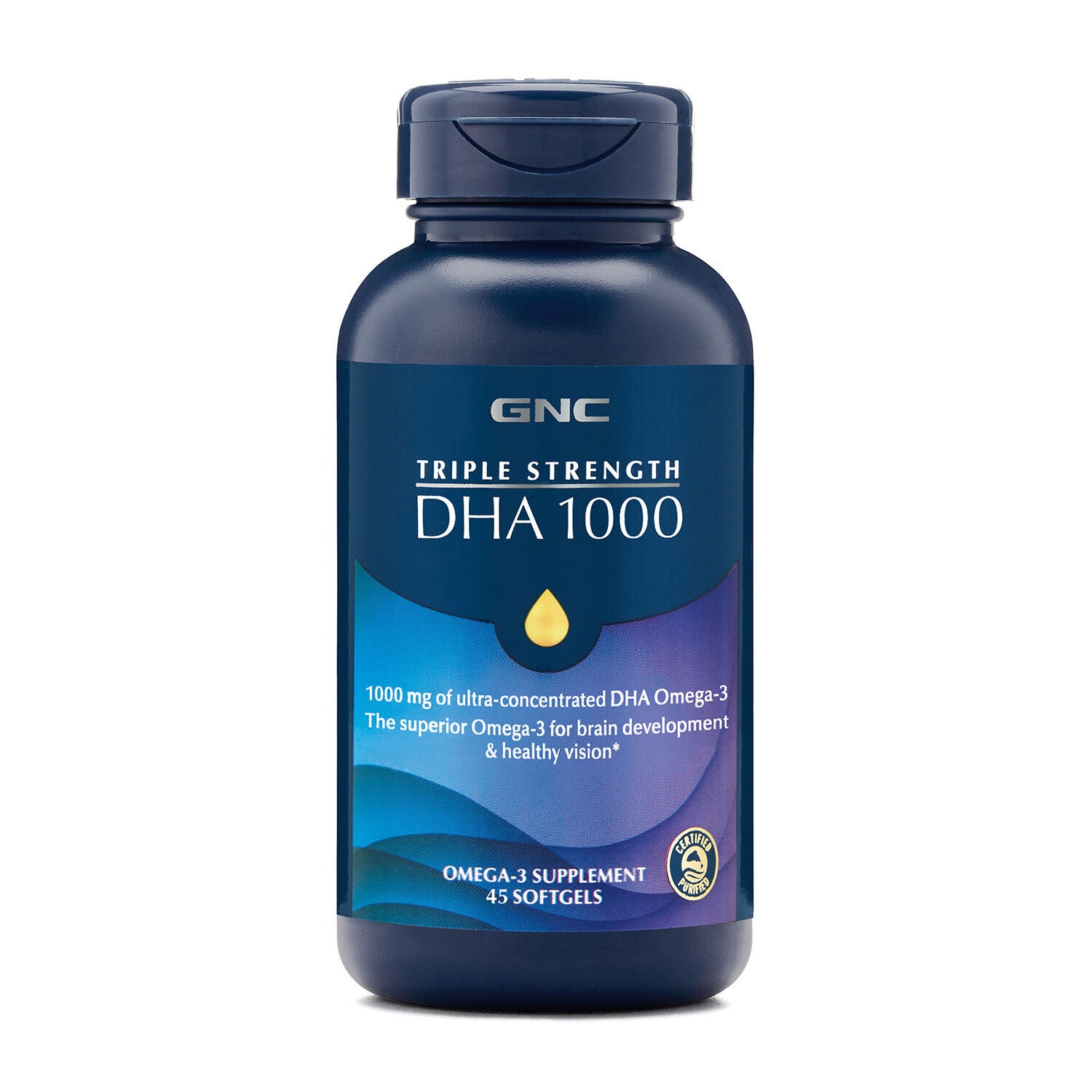

Omega supplements for adults bring several types of dietary fats into convenient formats, with differences that begin at the source. Fish oil, algal oil, krill oil, and flaxseed oil are not interchangeable names for the same ingredient. Each has a distinct fatty acid profile, making the source and the amounts listed on the label useful points of comparison. Omega-3s include EPA, or eicosapentaenoic acid; DHA, or docosahexaenoic acid; and ALA, or alpha-linolenic acid. Fish oils generally contain EPA and DHA, while oils derived from algae contain DHA and, in some formulations, EPA. Flaxseed oil supplies ALA rather than the same EPA and DHA combination found in many marine oils. The body can convert ALA into EPA and DHA, but that conversion is limited, so equal amounts of these different oils do not represent equivalent fatty acid profiles. Krill oil comes from small marine crustaceans and contains omega-3s associated with phospholipids. Those distinctions help explain why two bottles with similar serving sizes can have quite different ingredient panels. Beyond omega-3 formulas, omega-3-6-9 blends combine multiple fatty acid families, sometimes using several oil sources within one serving. Omega-6 and omega-9 fats also occur in familiar foods, including nuts, seeds, and vegetable oils; their inclusion makes a blend different in composition, not automatically a better match for every adult. These categories appeal to shoppers with varied food preferences, from adults who eat seafood to those who prefer ingredients derived from algae or seeds. An adult comparing fish oil with an algae-based option may be focused on ingredient origin, while another may care most about the balance of EPA and DHA. The most meaningful comparison is therefore between the named fatty acids and their stated amounts, rather than between broad front-label descriptions. Omega supplements are a category of dietary supplements, not a substitute for the variety of foods that make up everyday meals.
The Supplement Facts panel gives omega supplements much of their individual character. A milligram amount for fish oil describes the oil quantity, which is not necessarily the amount of EPA and DHA in that serving. For example, a serving listed as 1,000 milligrams of fish oil can contain a smaller combined amount of those two omega-3s. Some labels state EPA and DHA separately, while others also identify additional omega-3 fatty acids. Serving size matters just as much: a listed amount may refer to two softgels rather than one, or to a measured portion of liquid rather than the entire bottle. Comparing the same serving basis makes differences easier to understand without relying on capsule count alone. Oil form is another label detail. Fish oil can appear in triglyceride, re-esterified triglyceride, or ethyl ester form, while krill oil contains a mixture that includes phospholipids. These terms describe chemical structures; they do not, by themselves, establish which formula is the right choice for an individual. The other ingredients list adds practical information about the softgel shell, flavorings, color ingredients, and components used to maintain the formula. A softgel made with gelatin does not meet the same dietary preferences as a capsule made with plant-derived materials, even when both contain algae-based oil. Similarly, an oil’s source and a finished supplement’s dietary designation are separate details worth checking together. Fish and shellfish allergen statements are particularly relevant when comparing marine sources. Quality information may include independent testing or certification addressing specified characteristics, such as ingredient identity, measured amounts, selected contaminants, or oxidation. The scope of that assessment matters more than a broad quality phrase on the front of the package. A named testing organization, an explanation of what was assessed, and batch-specific documentation offer more concrete context than an unexplained seal. Labels can also distinguish added flavor from the oil itself, an important detail for someone who prefers an unflavored liquid or a citrus-flavored format. Taken together, these details make comparisons more precise without assuming that the largest printed number tells the whole story.
Format, packaging, and everyday handling shape how an adult omega supplement fits into a routine. Softgels provide premeasured portions and keep the oil enclosed until use, while liquids involve measuring the labeled serving and paying attention to instructions after opening. Chewable formats have their own texture, flavor, and serving requirements, and their fatty acid amounts can differ substantially from those of oils or softgels. For someone who carries a supplement bottle between home and an overnight bag, a securely closing container and readable label are practical considerations. For someone who keeps supplements beside a breakfast place setting, bottle size, cap design, and the number of softgels per serving may matter more than an elaborate front label. Softgel dimensions also vary, and product descriptions sometimes provide size information that a photograph cannot convey accurately. Liquid formats bring different considerations, including the measuring device, the bottle opening, and whether the label specifies a period for use after opening. Care centers on preserving the contents and keeping the directions accessible, rather than on durability in the usual sense of a reusable household item. Original packaging retains the ingredient panel, lot information, and expiration date, while a firmly closed cap and storage according to the label help limit unnecessary exposure to air and light. Any provided measuring tool needs the handling described on the package, and storage directions can differ between unopened and opened containers. Adults choosing for a shared household may also want clearly distinguishable bottles, particularly when formulas have different serving sizes or oil sources. Ingredient preferences remain individual, which makes omega supplements a personal purchase rather than an easy surprise gift. Someone purchasing for a partner or family member has more useful context when that person’s preferred source, format, and dietary requirements are already known. Shoppers comparing options for a particular recipient can also explore Omega Supplement For Men, while keeping the same attention on composition and labeling. Across adult omega supplements, the clearest distinctions remain straightforward: where the oil comes from, which fatty acids it contains, how much a labeled serving provides, and how the format fits the intended user’s preferences.
Best Sellers
-
 Nordic Naturals
 -
 Nordic Naturals
 -
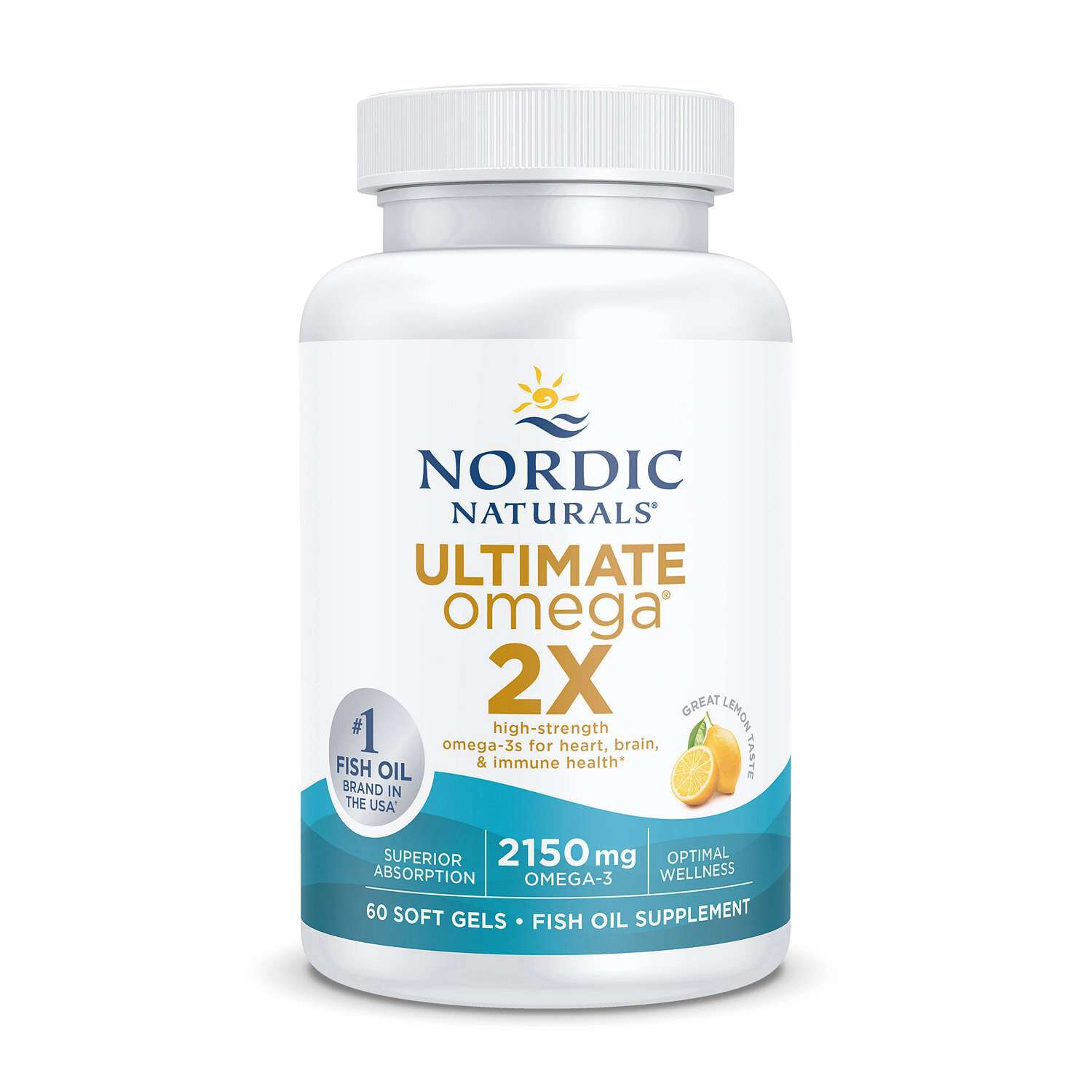 Nordic Naturals