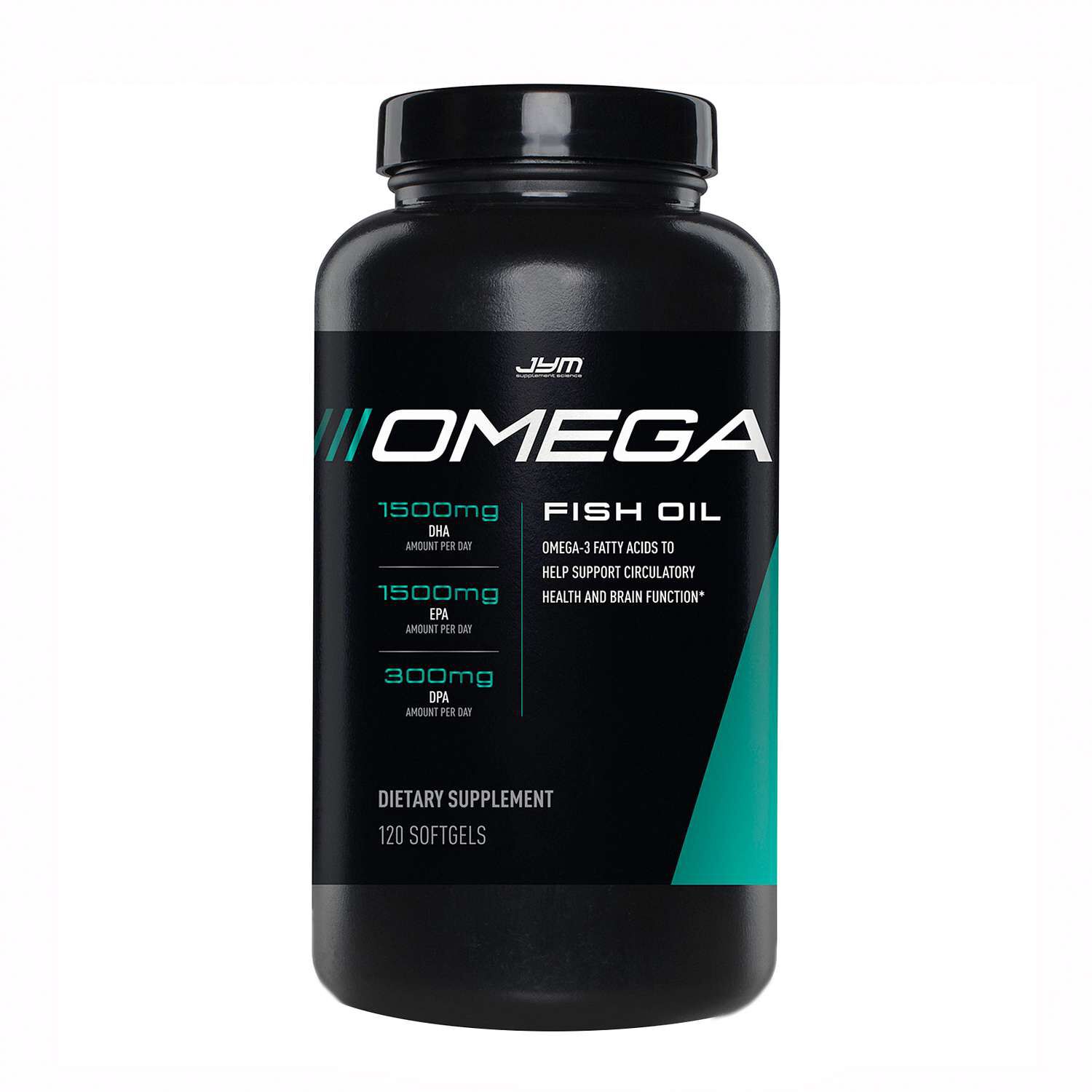
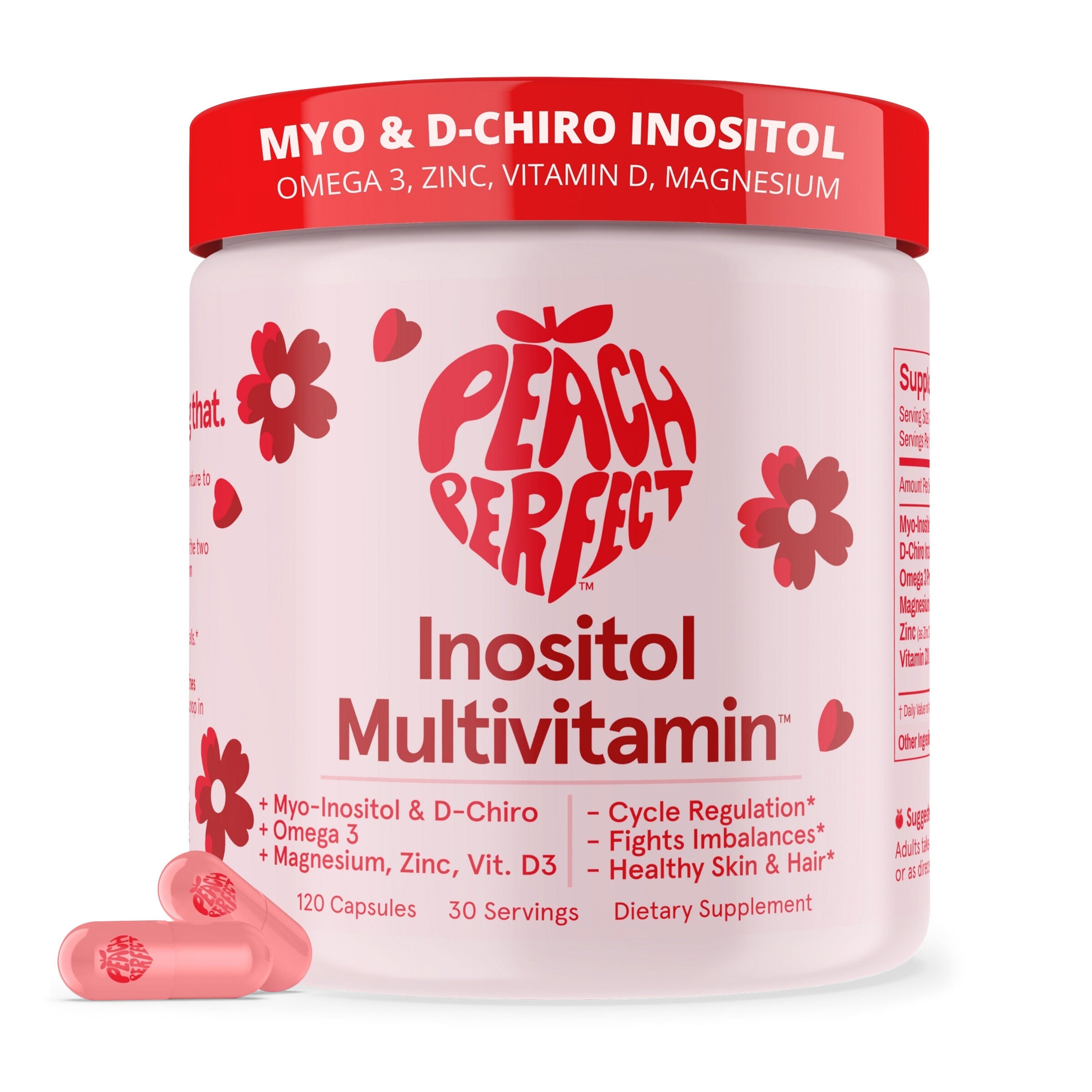
Omega Blends Supplement
(0 Results)
Omega blends supplements are a powerhouse of essential fatty acids that are vital for overall health and well-being. Packed with a combination of omega-3, omega-6, and omega-9 fatty acids, these supplements offer a convenient way to support heart health, brain function, joint mobility, and skin health. Whether you're looking to boost your daily intake of these crucial nutrients or seeking additional support for specific health concerns, our selection of omega blends supplements has you covered. Discover high-quality formulations designed to help you achieve your wellness goals and optimize your overall vitality.
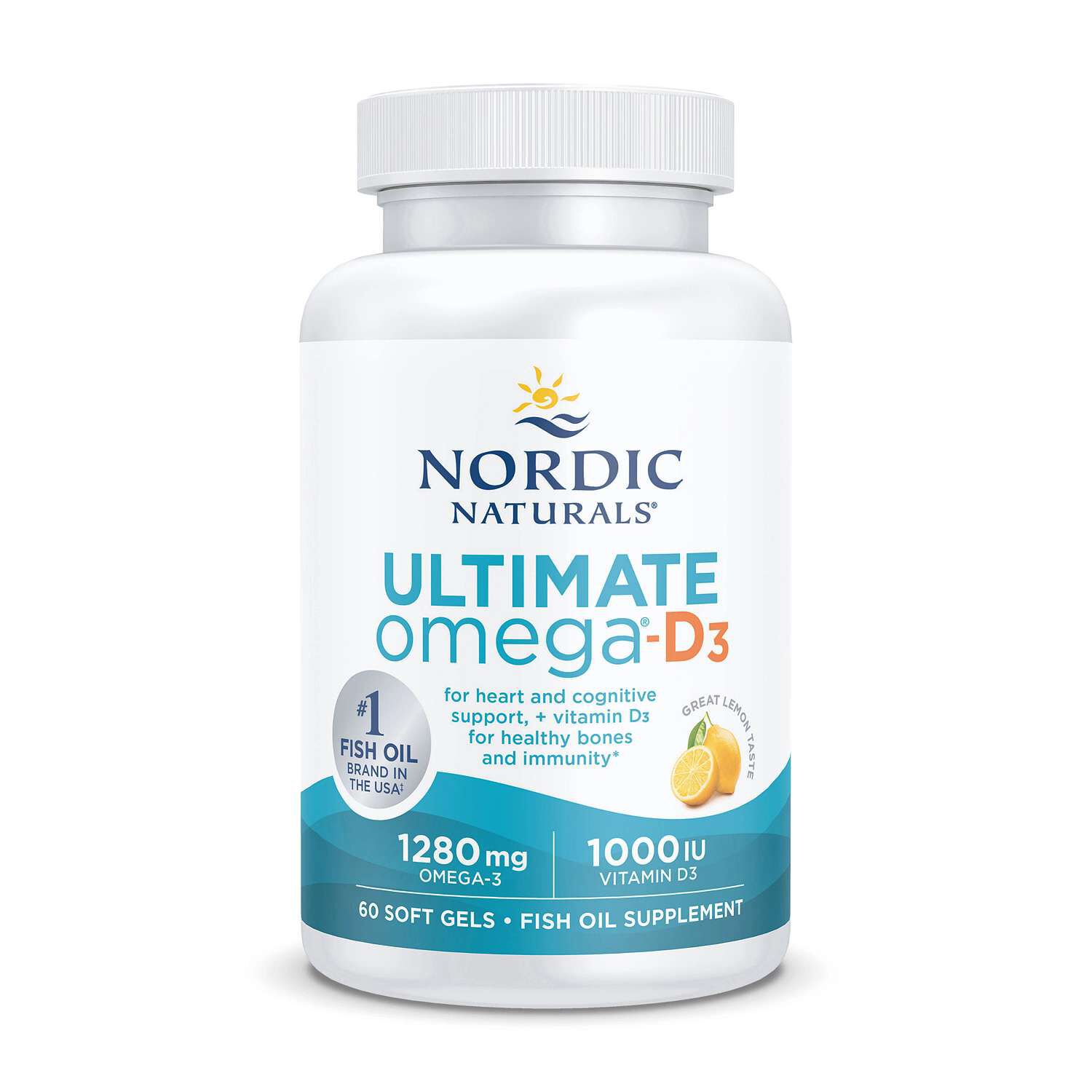
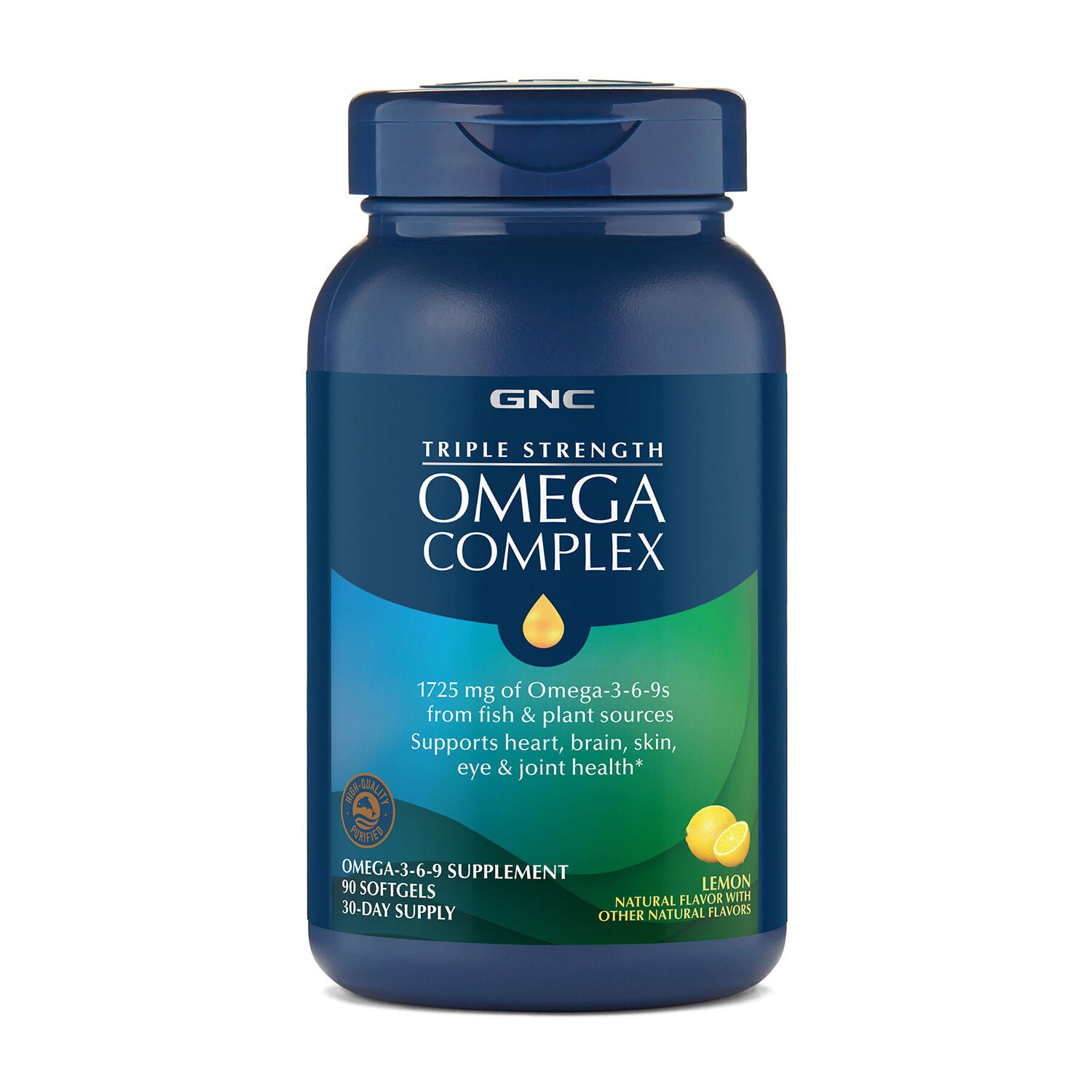


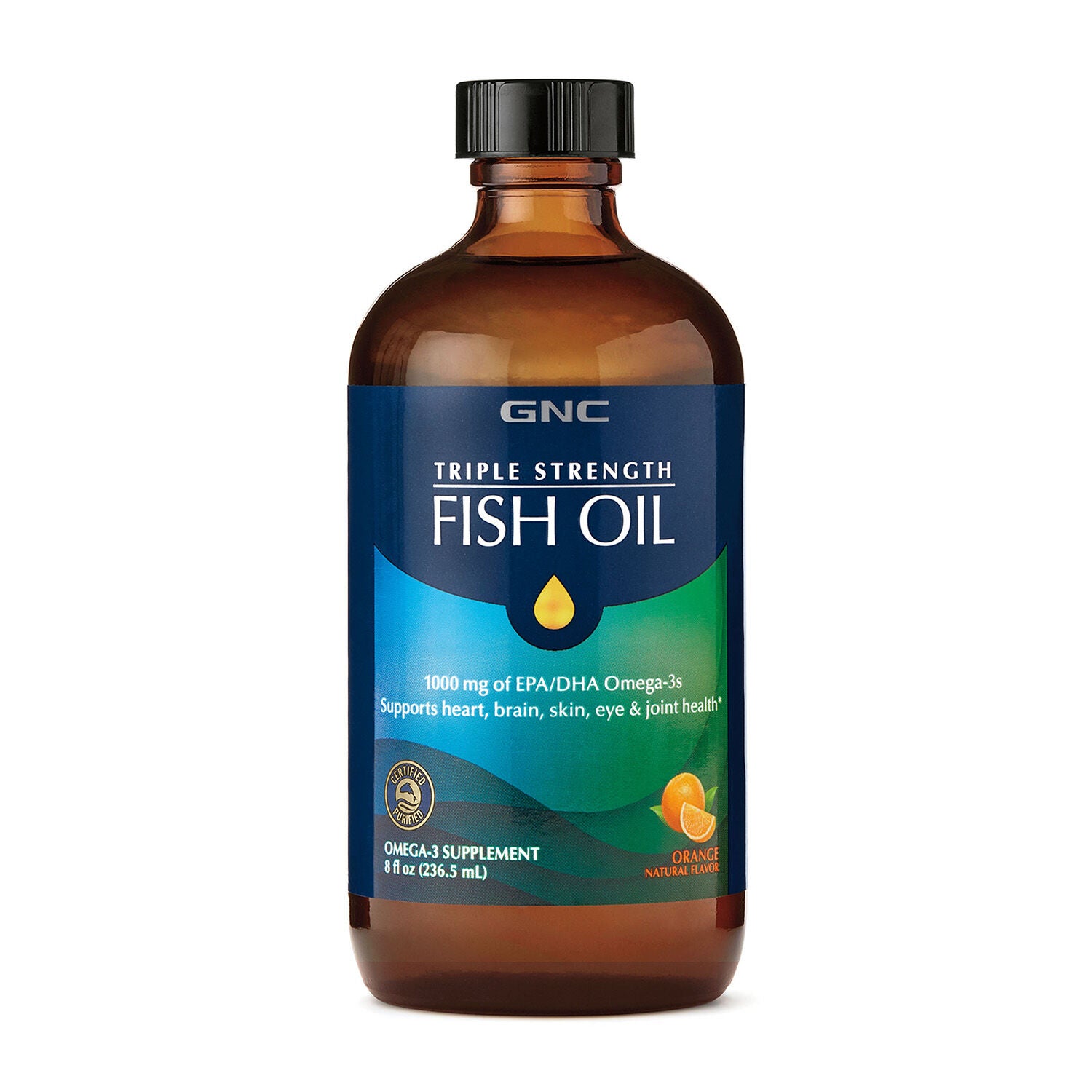
Omega blend supplements bring together more than one type or source of dietary fatty acid in a single formula. Some combine omega-3, omega-6, and omega-9 fatty acids, while others pair different oils to provide a particular mix of omega-3s. That distinction matters: a blend of fish and algae oils is not necessarily the same kind of formula as an omega-3-6-9 supplement made with fish, flaxseed, and borage oils. The name on the front of the bottle offers a starting point, but the Supplement Facts panel and ingredient list reveal what the blend contains. Common omega-3 ingredients include eicosapentaenoic acid, known as EPA, and docosahexaenoic acid, known as DHA, which occur in marine sources. Flaxseed oil supplies alpha-linolenic acid, or ALA, another omega-3 fatty acid. These names describe different fatty acids, rather than interchangeable terms for the same ingredient. Omega-6 ingredients can include linoleic acid and gamma-linolenic acid, or GLA, with borage and evening primrose oils serving as familiar sources of GLA. Omega-9 formulas often feature oleic acid, a fatty acid also found in olive oil. The numbers in the omega names refer to chemical structure, not a ranking of quality or strength. For shoppers comparing a broad blend with a formula centered on one fatty acid family, Omega 9 Supplements offer a more focused category to explore. An omega blend is intended to supplement dietary intake, not replace meals or the variety of fats found in foods such as fish, nuts, seeds, and vegetable oils. Someone who prefers a single formula containing several oil sources might consider this category, as might someone comparing marine and plant ingredients. The most useful comparison starts with the specific fatty acids listed, their amounts per serving, and the source of each oil—not simply the number of omegas named on the package.
The amount of oil in an omega blend and the amount of a named fatty acid are different measurements. A label might list a larger quantity of fish oil alongside smaller quantities of EPA and DHA because the oil contains other components as well. Likewise, a stated amount of flaxseed oil is not automatically the amount of ALA in that serving. When comparing omega blend supplements, keeping these measurements separate makes differences between formulas easier to recognize. Serving size deserves the same attention. A quantity listed for two softgels cannot be compared directly with a quantity listed for one softgel without accounting for that difference. Some labels identify individual fatty acids, while others provide more detail about the oils themselves; an oil blend name alone does not establish the exact amount of every fatty acid it contains. Ingredient sourcing is another practical consideration, especially for shoppers who follow vegetarian or vegan eating patterns. Algae oil provides a non-fish source of certain omega-3s, but the fatty acid profile varies by ingredient and formula. A product containing algae oil is not automatically vegan if it also contains fish oil or uses a gelatin softgel shell. Gelatin can come from different animal sources, so checking the capsule ingredients and any stated dietary designation is worthwhile. Plant-derived oils also vary in composition: flaxseed, borage, and evening primrose oils each bring a different fatty acid profile to a blend. For someone who avoids fish ingredients, both the oil sources and the rest of the ingredient list matter. Allergen statements provide additional information beyond the front label. Flavorings, colors, and capsule materials may also influence personal preference. A clearly described blend makes it easier to distinguish ingredient origin from serving amount and dietary suitability. Specific testing information can add context, too. A statement about sourcing is different from documentation addressing ingredient identity or purity, and one does not establish the other. When a manufacturer provides testing details, the most informative descriptions identify what was evaluated rather than relying on broad quality language.
Format is often where a promising label meets the realities of an everyday routine. Softgels contain a measured amount of oil within a shell, while liquid omega blends require measuring the serving described on the label. A serving involving several softgels may feel different in practice from a measured spoonful of liquid, even when the listed oil amounts are similar. Softgel dimensions, the number per serving, and personal preferences around texture all deserve consideration. Liquids bring their own sensory characteristics: some are flavored, while others retain more of the taste and aroma associated with their source oils. Citrus flavoring does not change whether a formula contains fish ingredients, and a flavored oil still warrants the same attention to its fatty acid amounts. For someone who packs a work bag each morning, bottle closure and package size may matter alongside serving format. For someone who keeps supplements in a kitchen cabinet, a clearly readable label and straightforward measuring instructions may be more useful than elaborate packaging. Storage and handling also matter because oils can deteriorate with exposure to oxygen, light, and heat. Dark or opaque packaging may help limit light exposure, but it does not replace the storage directions on the bottle. Keep the original container securely closed, observe any refrigeration instructions, and check whether the label specifies a period for use after opening. A liquid blend may have different storage requirements from a softgel formula, so instructions should not be assumed to carry over from one format to another. The printed expiration date, package condition, and intact seal are additional details worth checking. Retaining the original packaging keeps the ingredient list, serving directions, and lot information together. Across the category, the clearest distinctions come down to fatty acid composition, ingredient sources, amounts per serving, and format. Comparing those details side by side gives shoppers a grounded way to evaluate omega blends without treating every combination of oils as equivalent.
Best Sellers
-
 Nordic Naturals
 -
 Nordic Naturals
 -
 Nordic Naturals