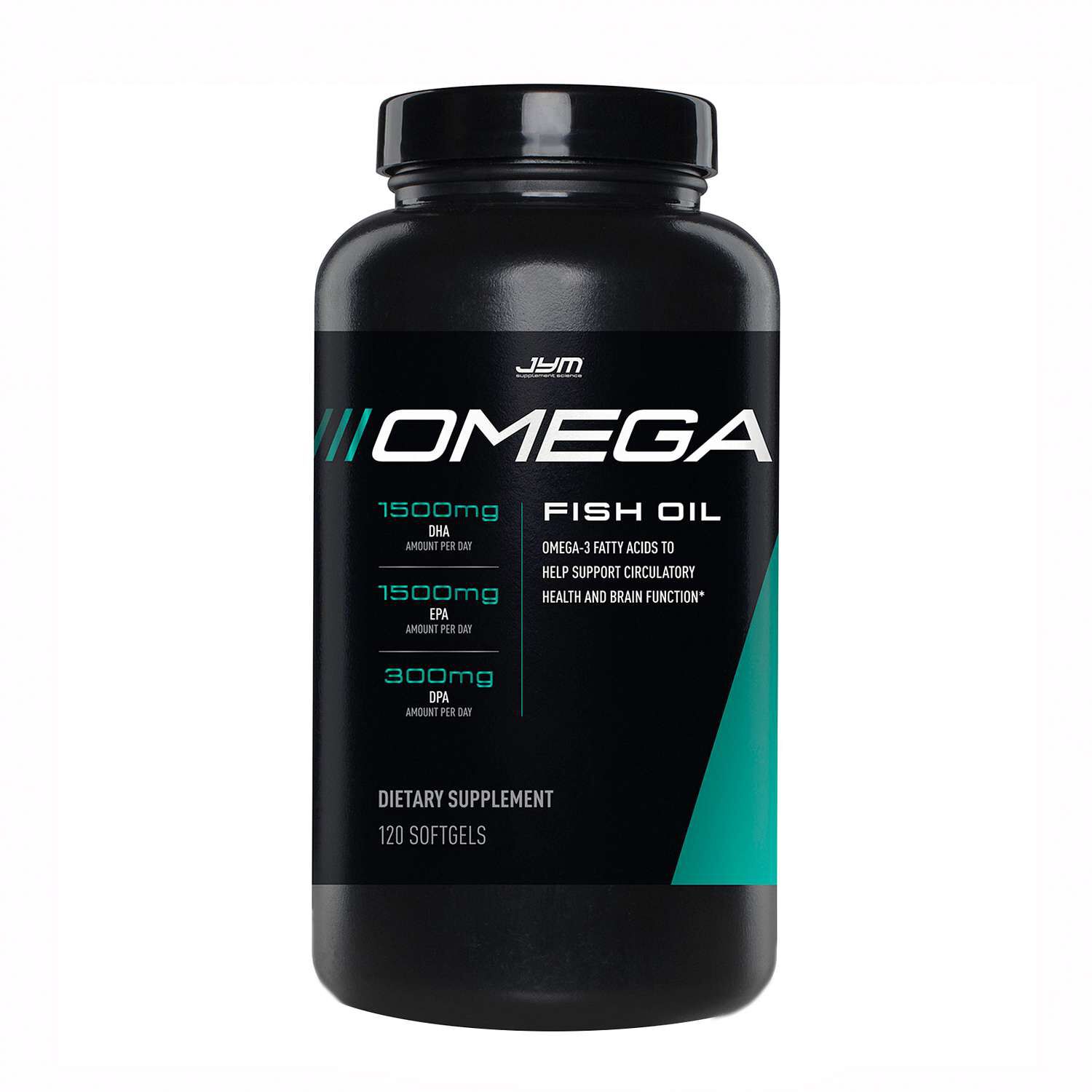
Omega Supplement For Men
(0 Results)
Omega supplements are essential for men looking to support their overall health and well-being. Packed with powerful omega-3 fatty acids, these supplements offer a range of benefits, from promoting heart health to supporting brain function. Whether you're an active individual looking to enhance your workout recovery or simply aiming to boost your daily nutrient intake, incorporating omega supplements into your routine can help you achieve your health goals. Explore our selection of high-quality omega supplements designed specifically for men to find a product that meets your needs and supports your journey to optimal health.
-

-

-

-
-
-
-

-
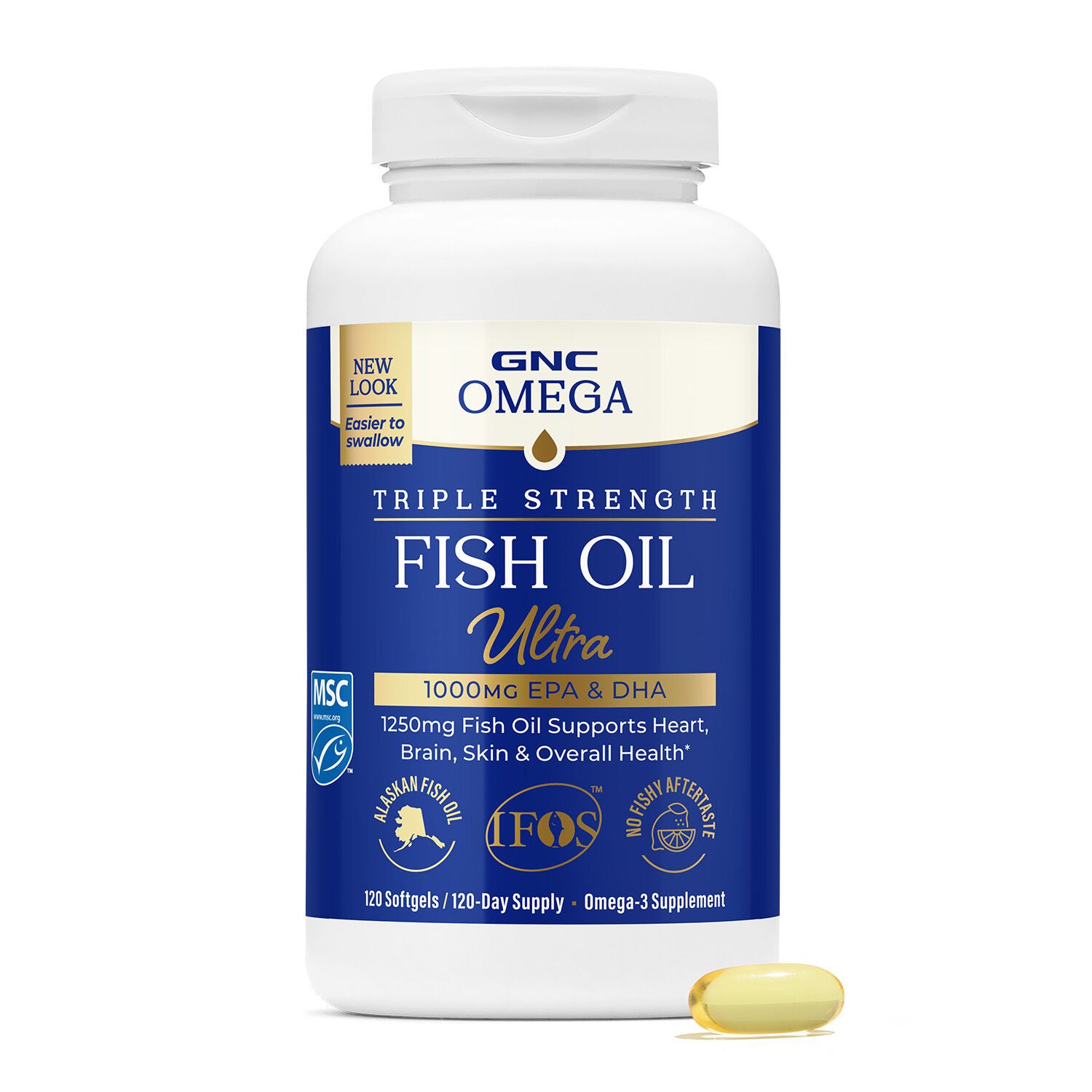
-
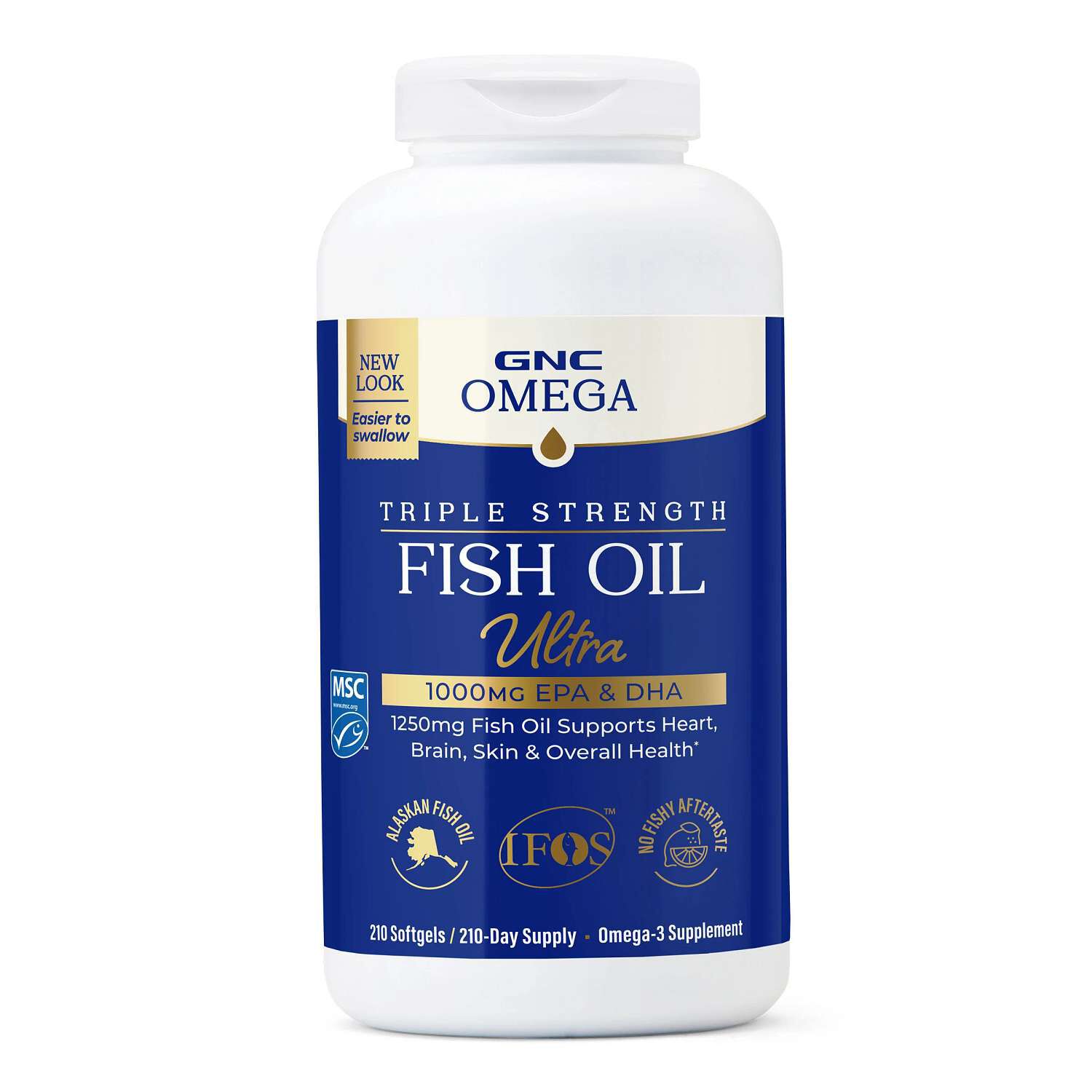
-

-
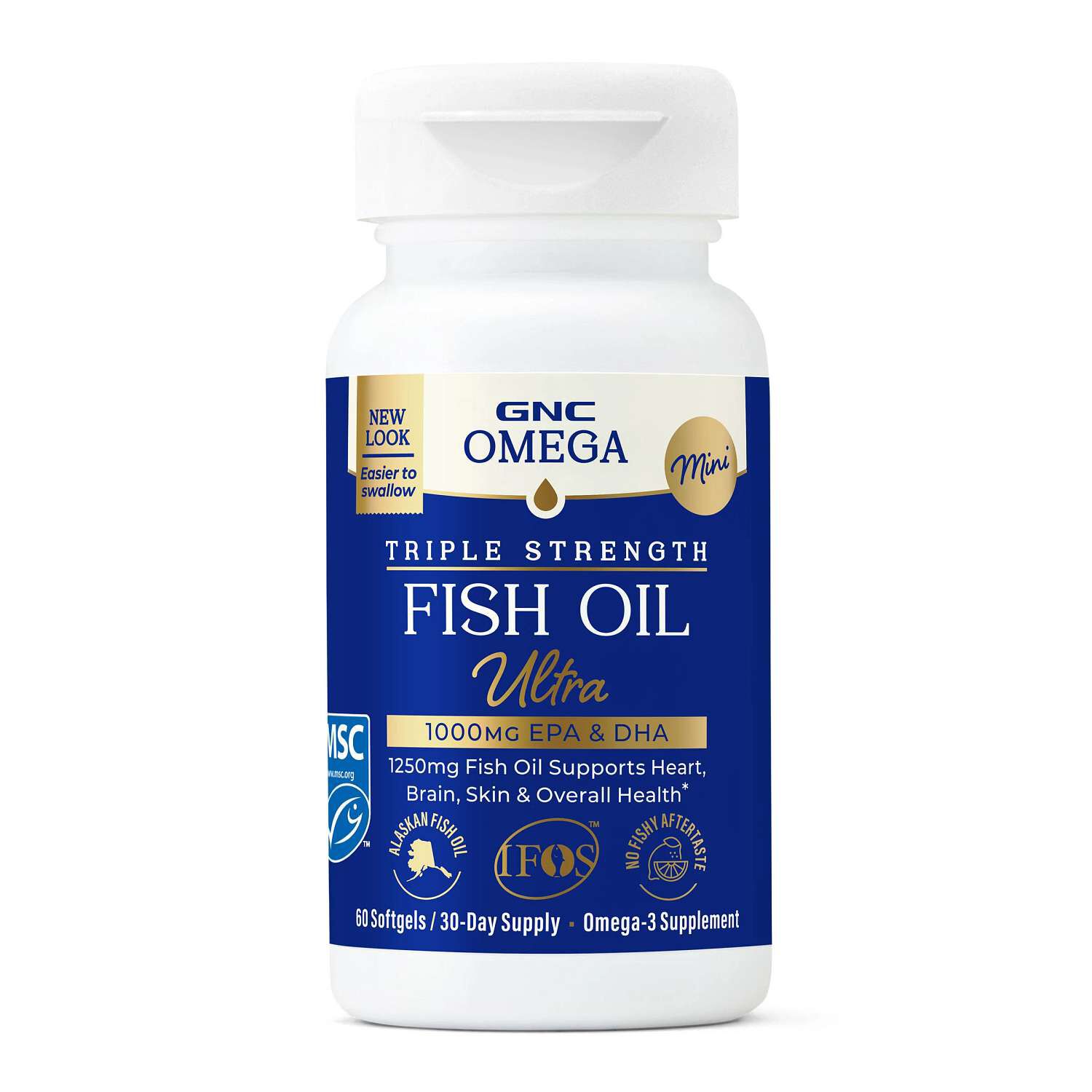
-

-
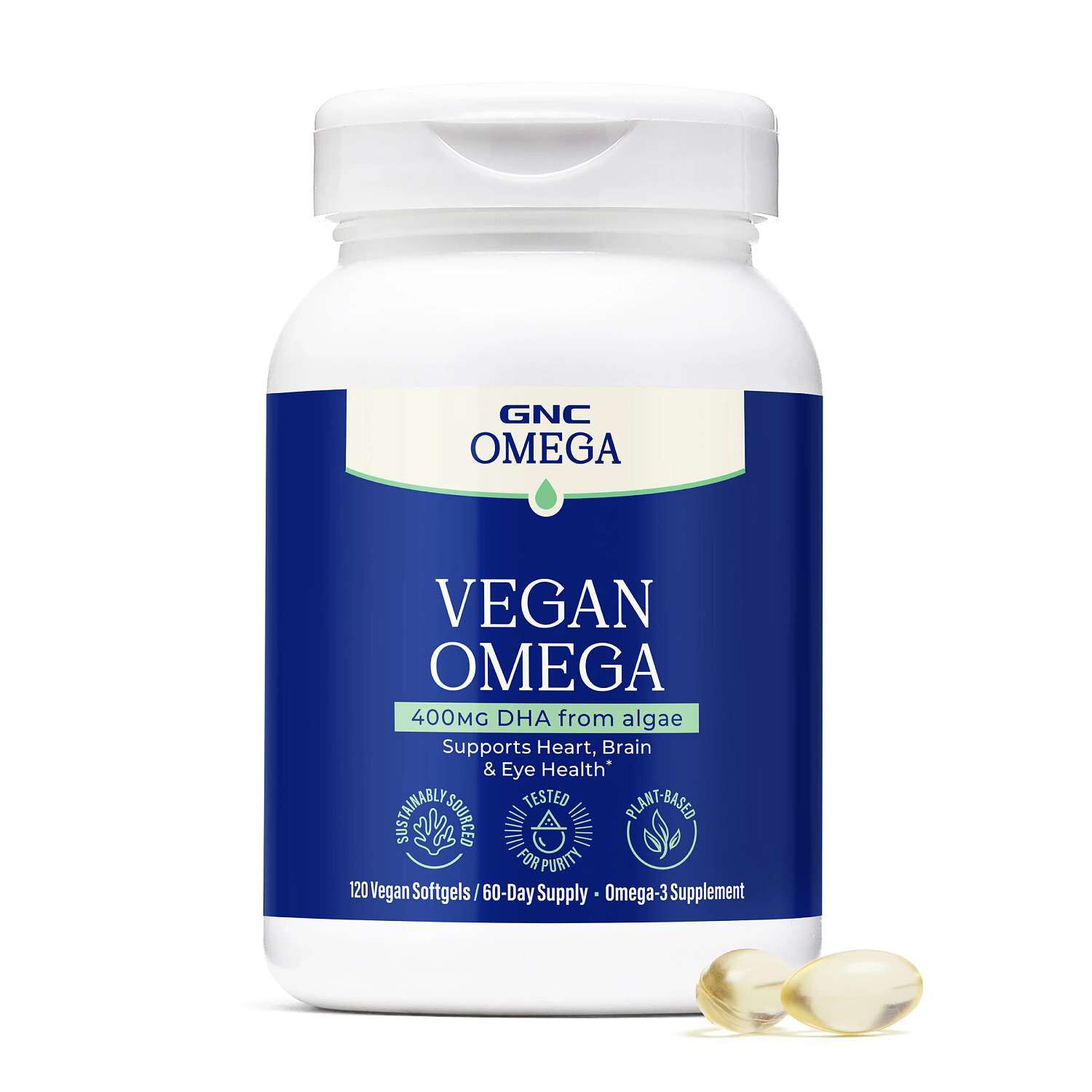 $44.99
-
-
 $23.99
-
 $24.99
-
-
-
-
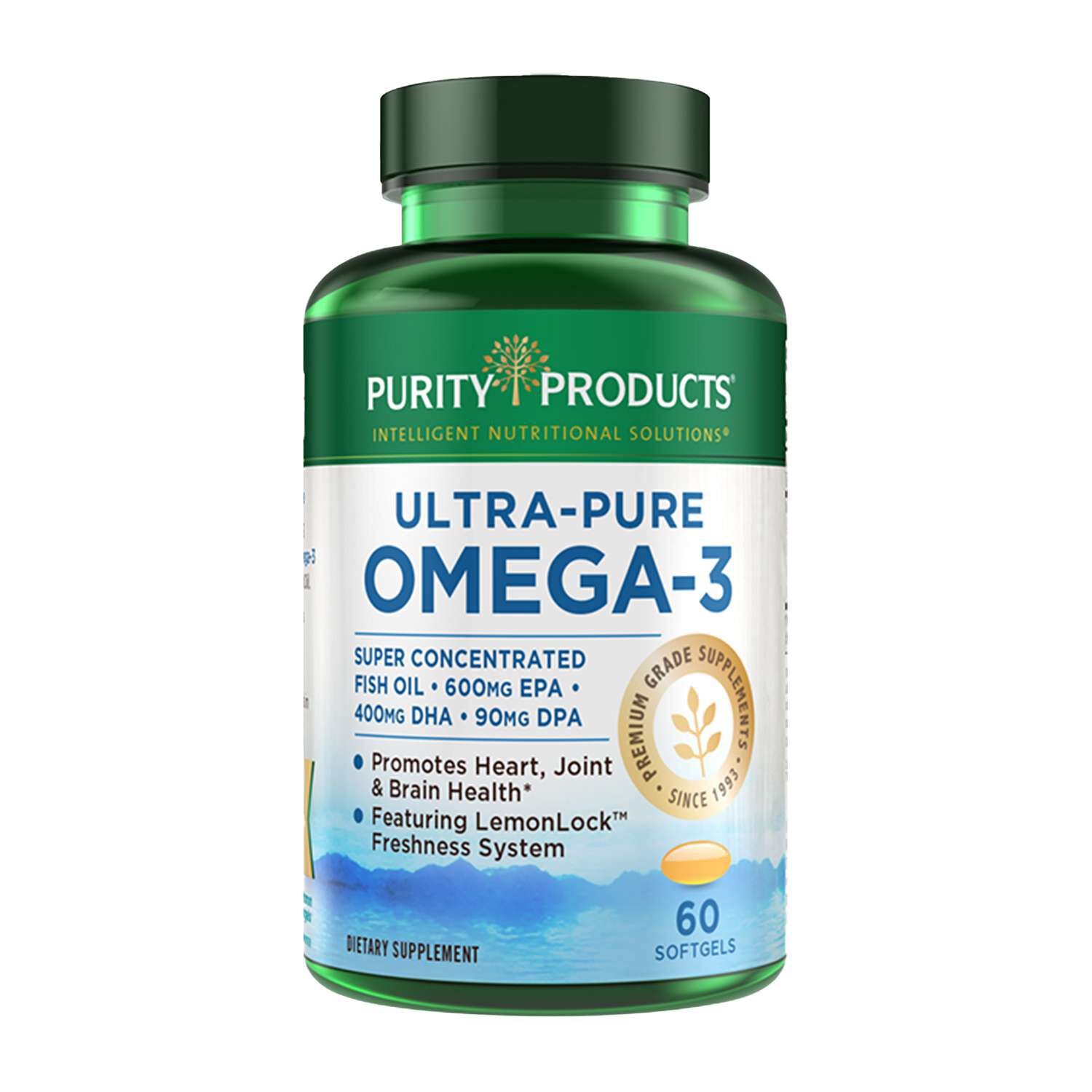 Purity Products$26.99
-
-
 Divine Health$34.99
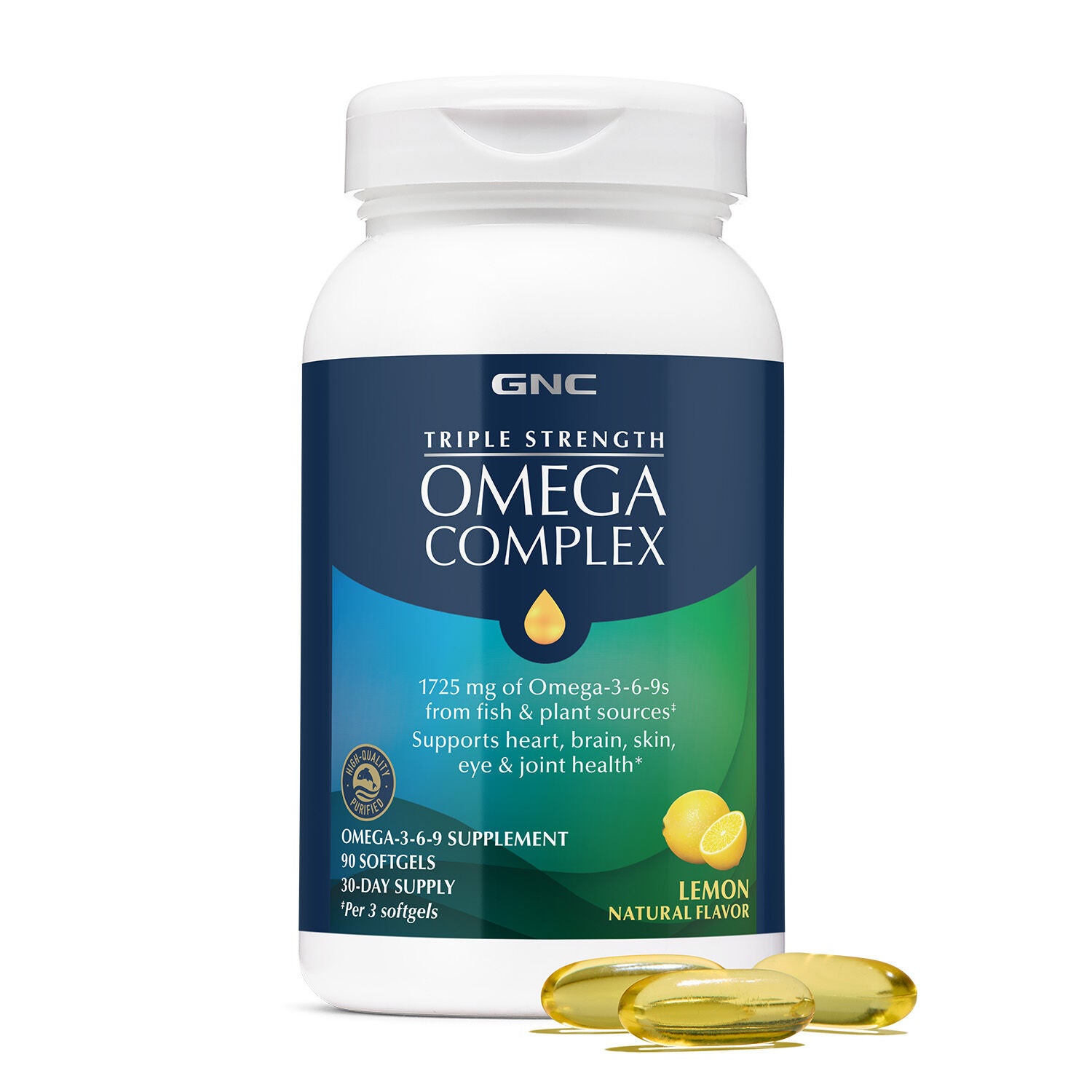

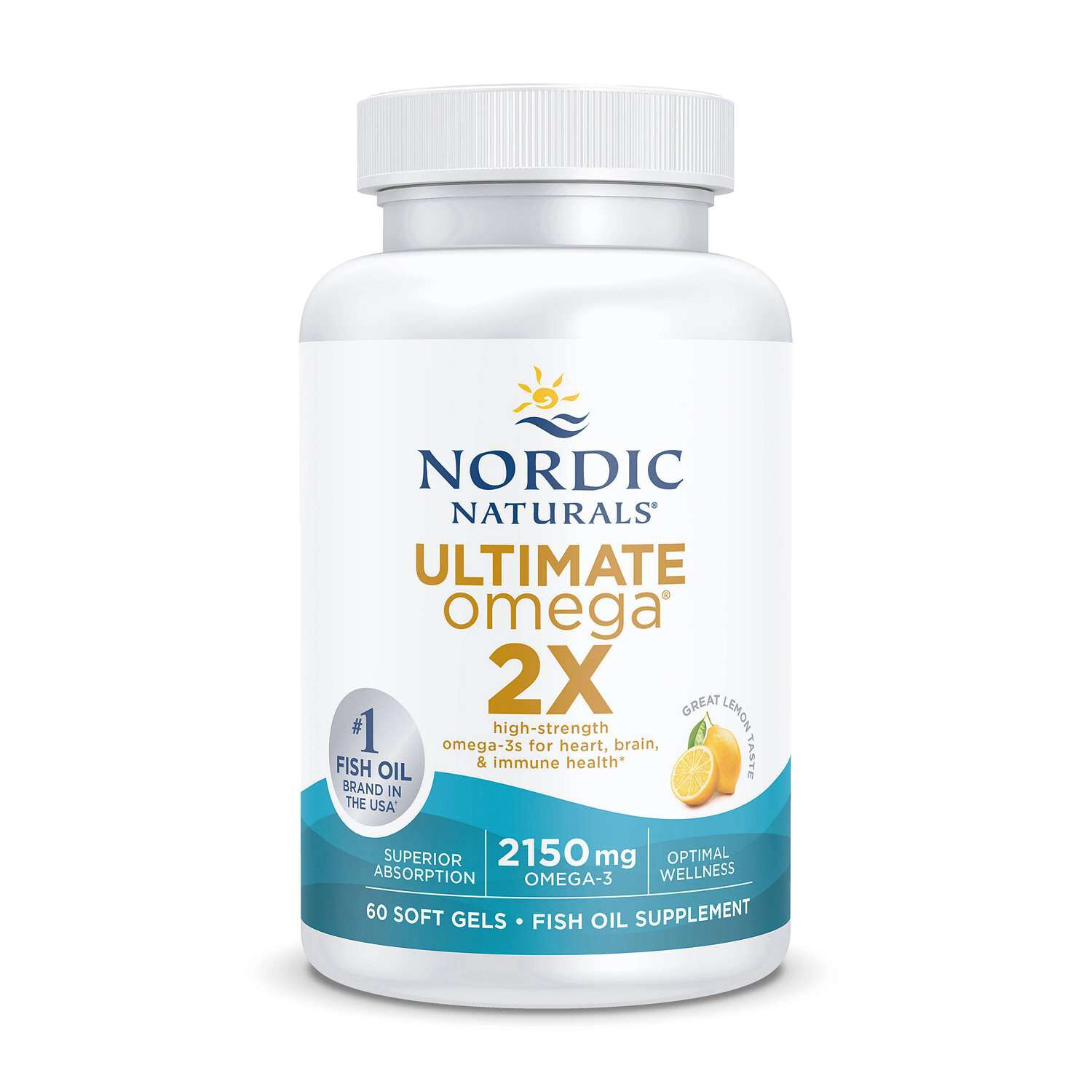
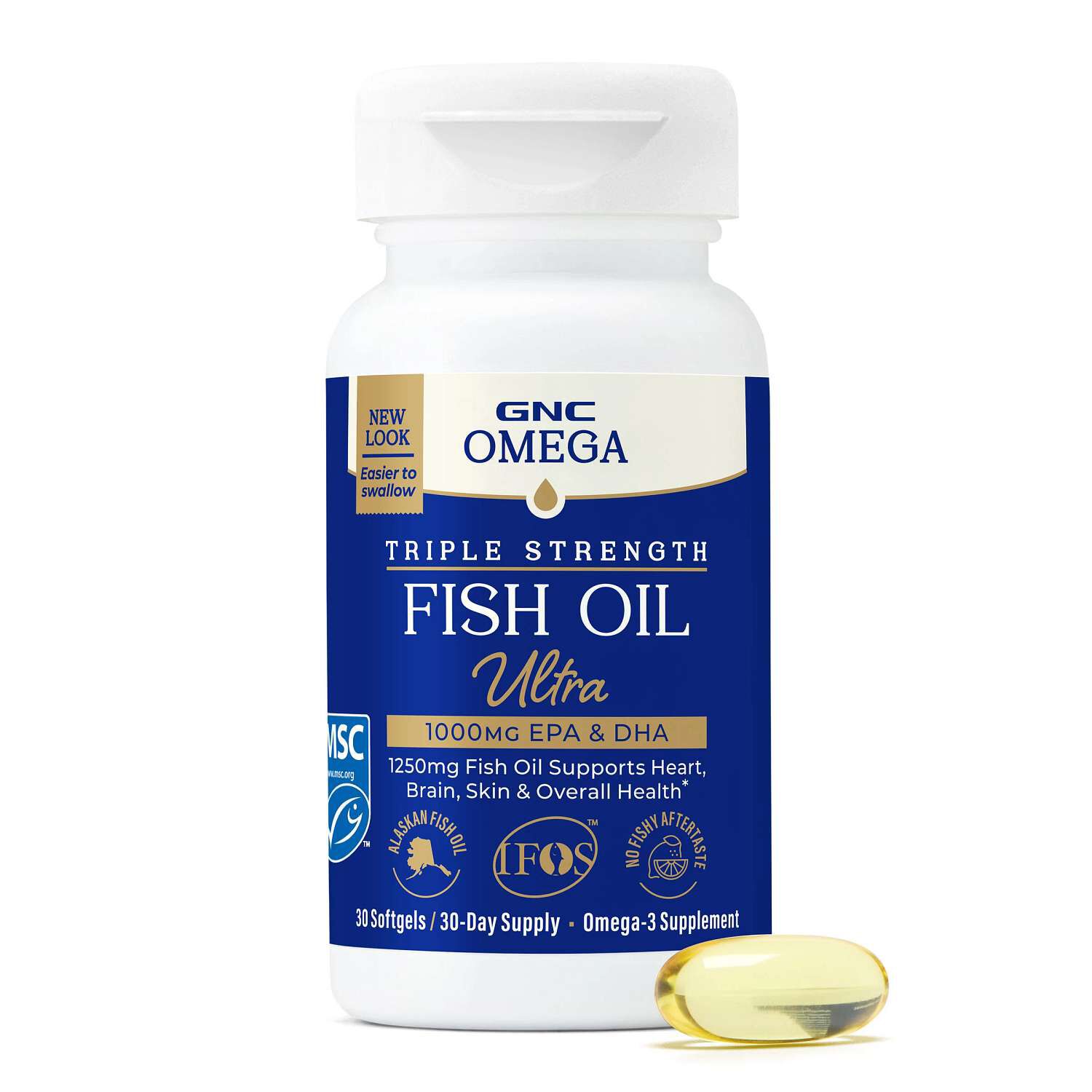
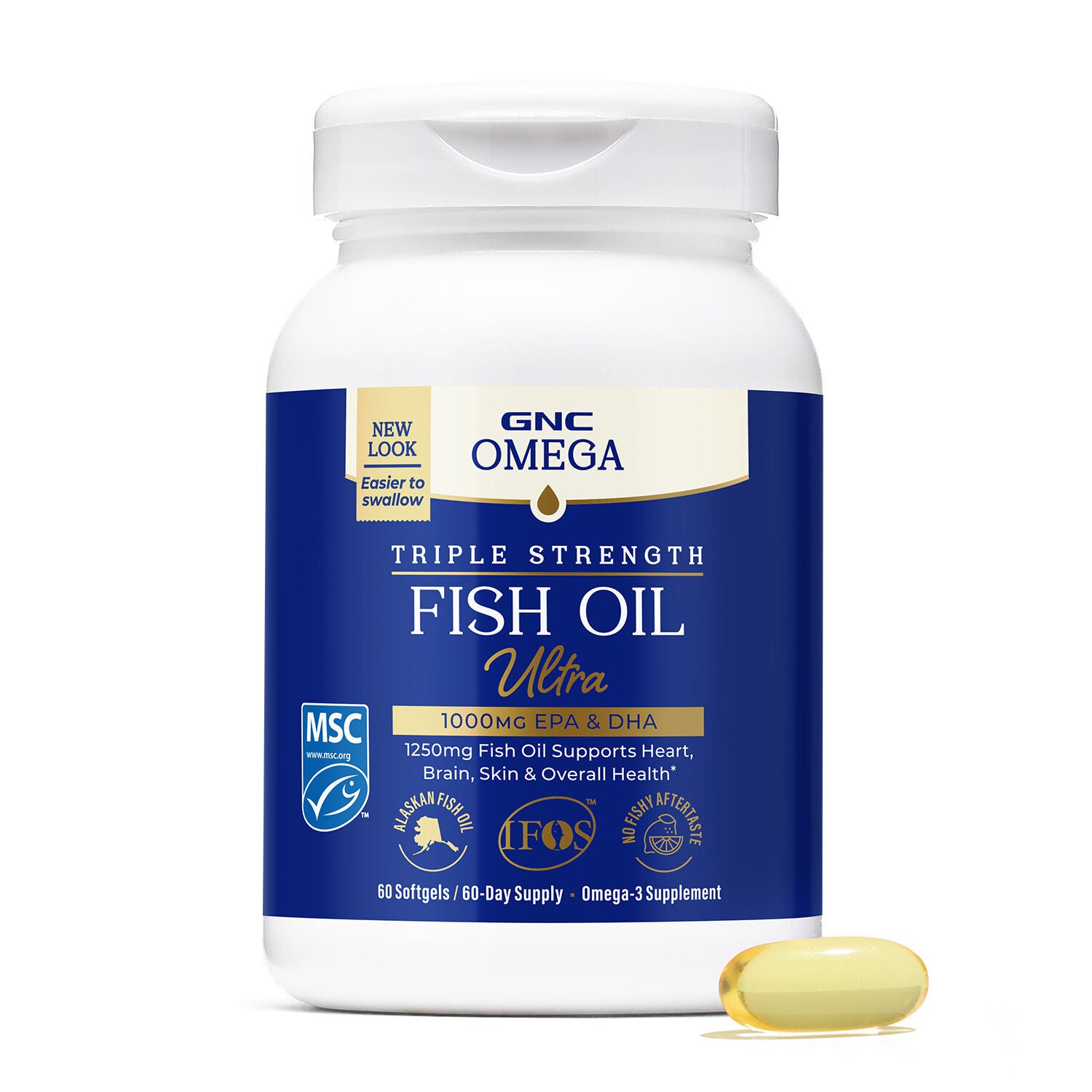
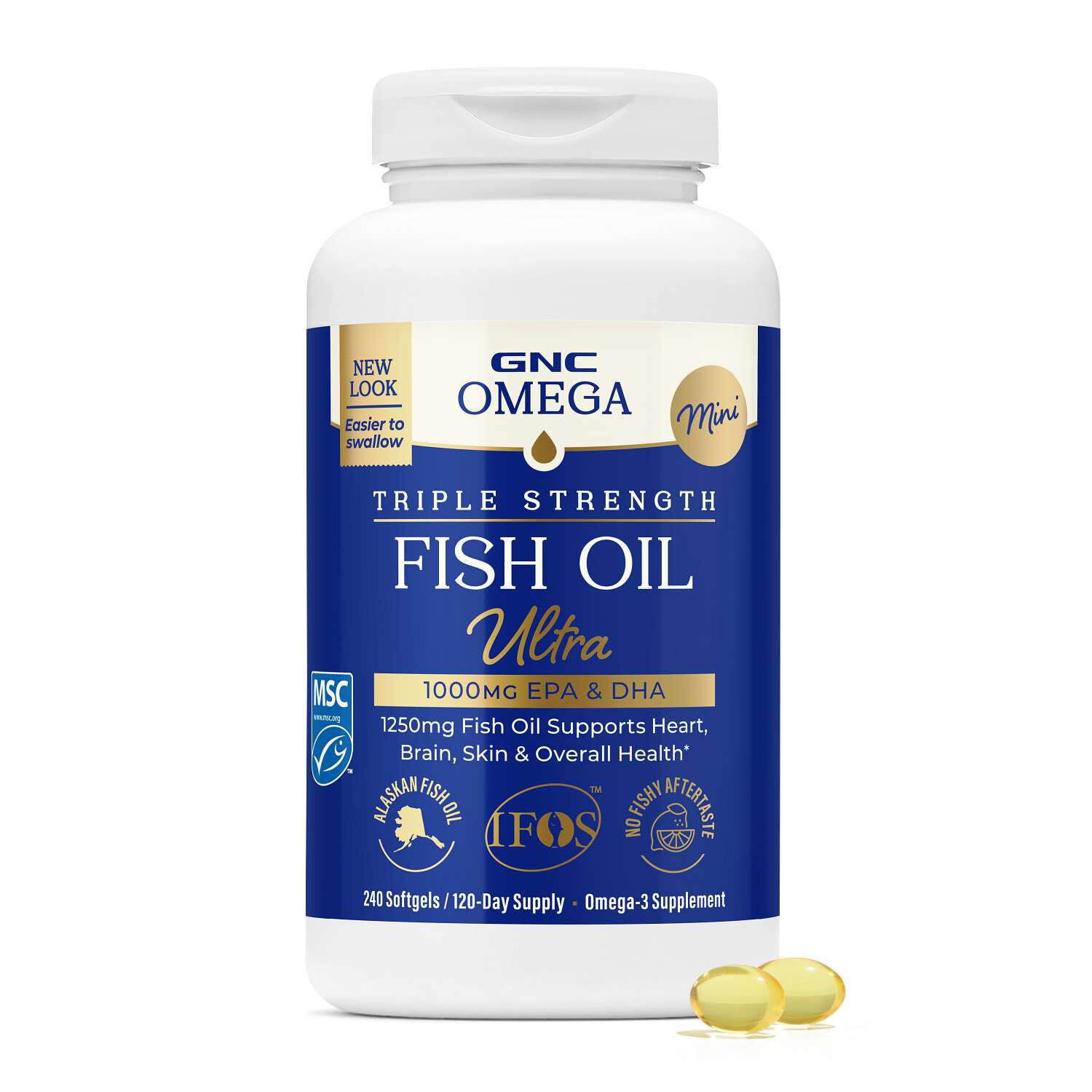
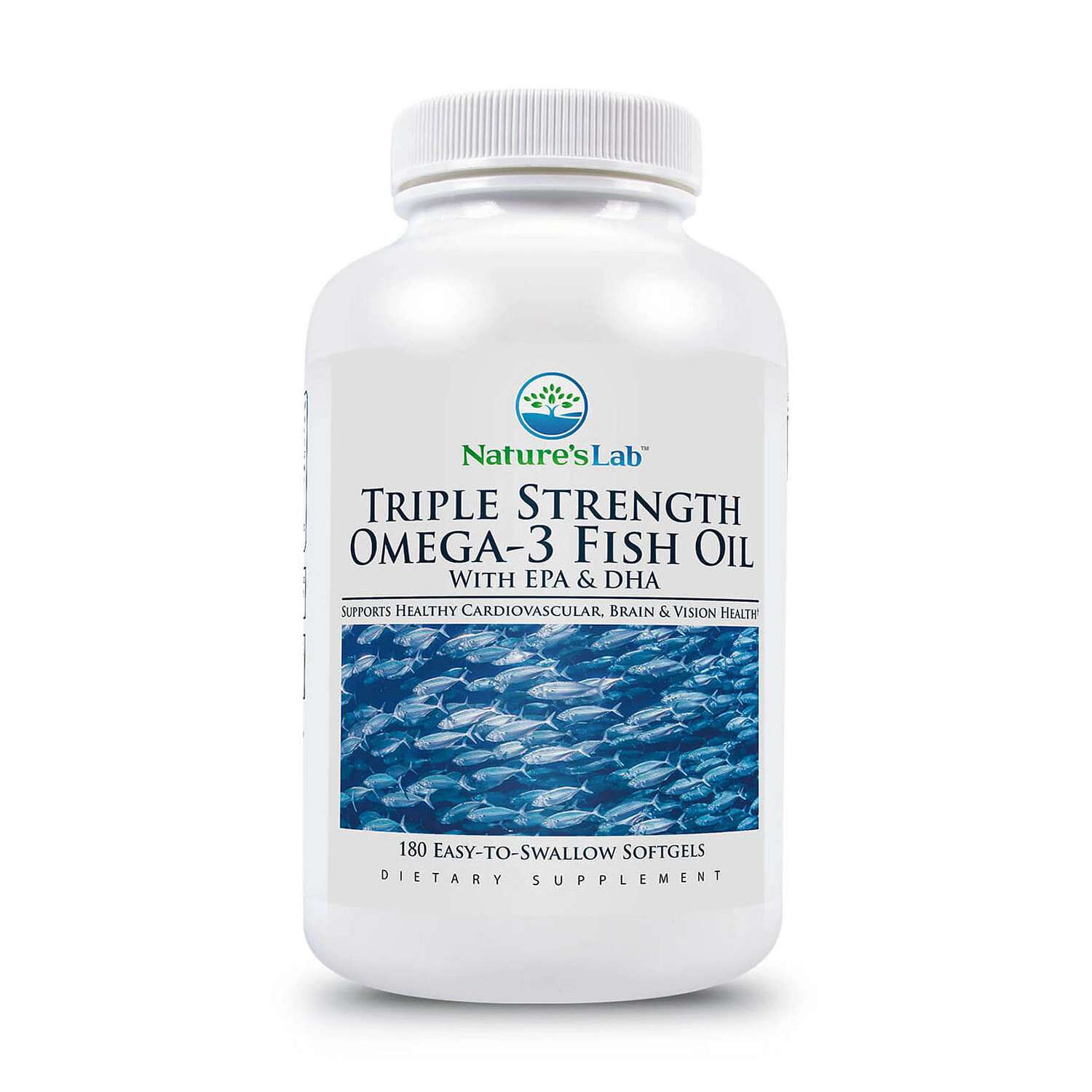
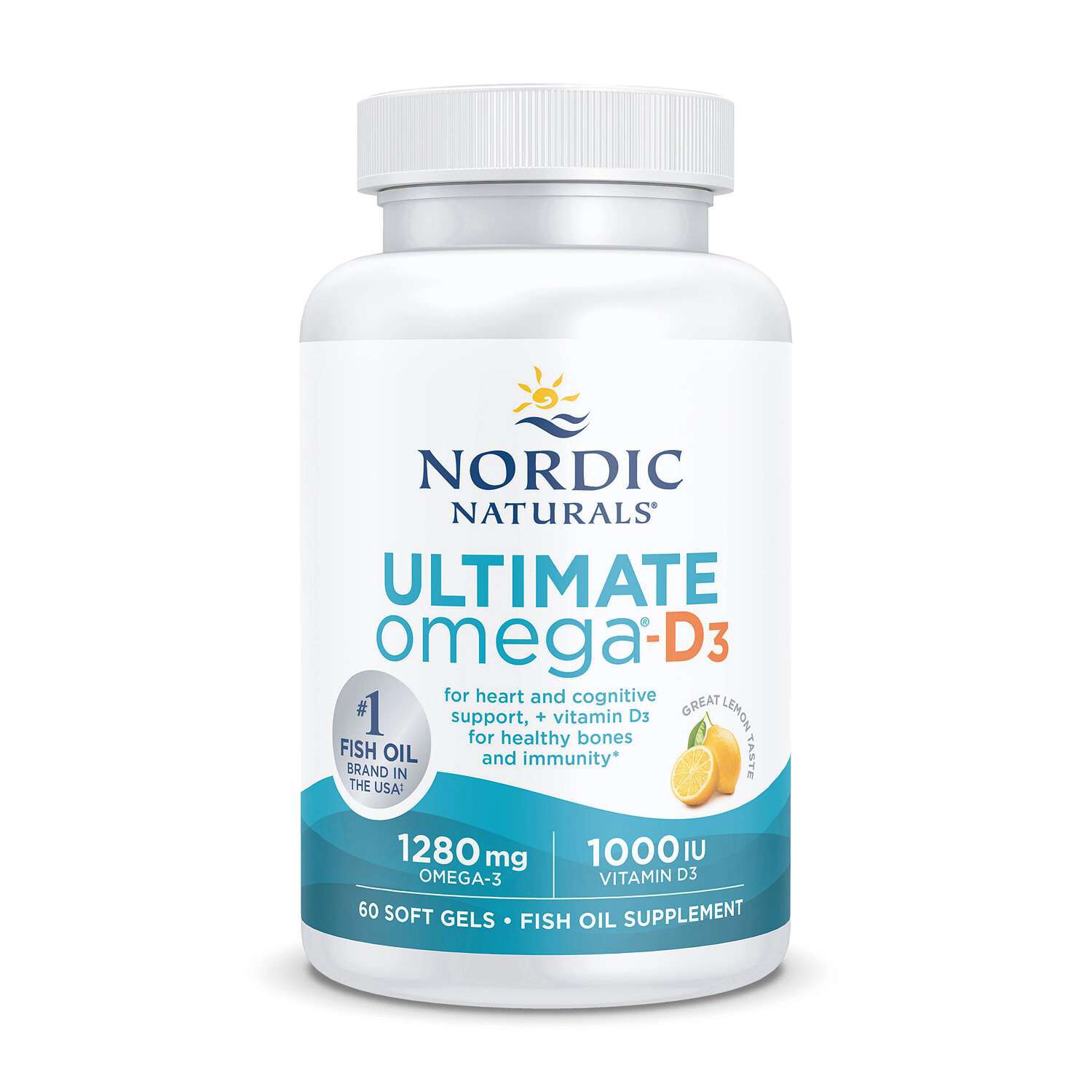
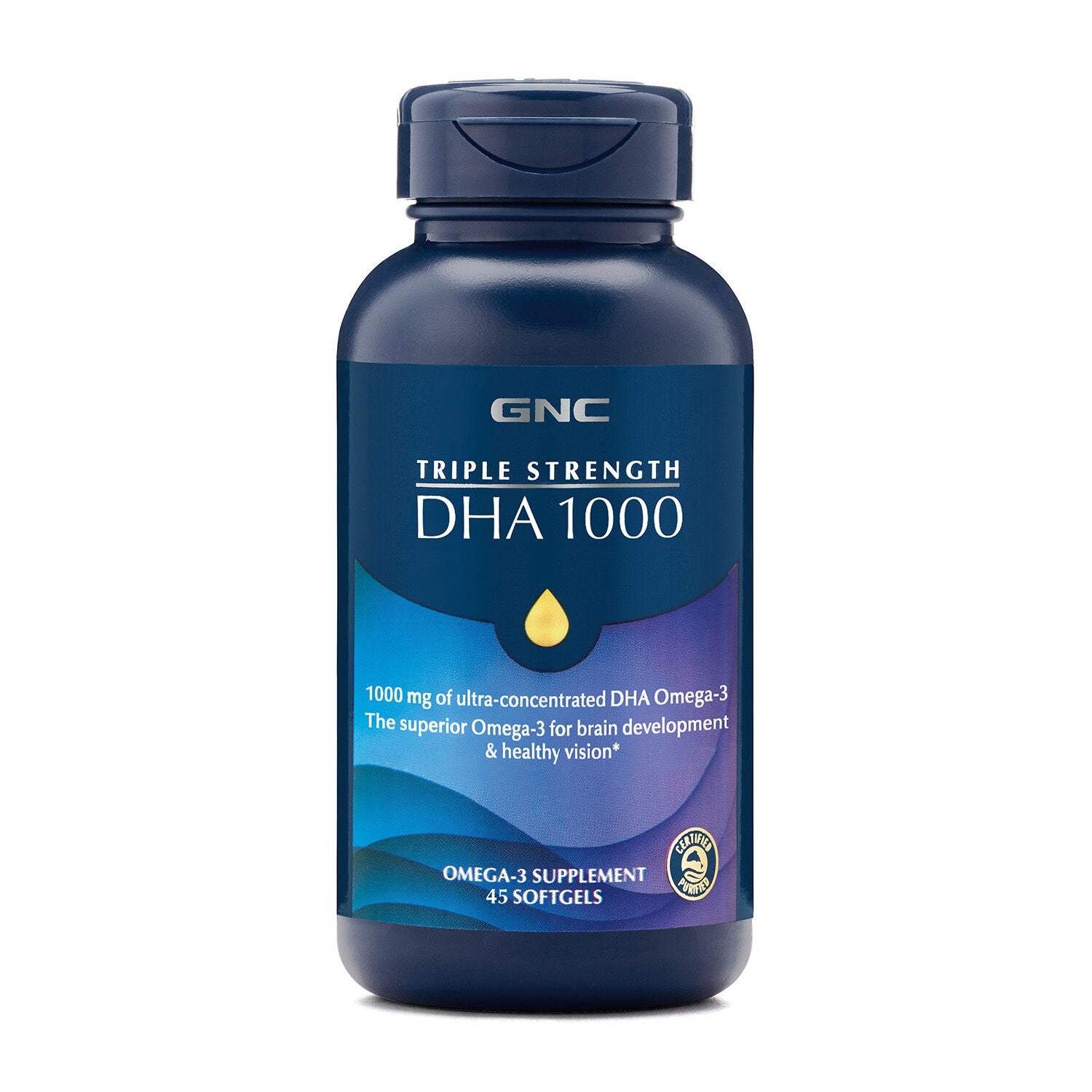
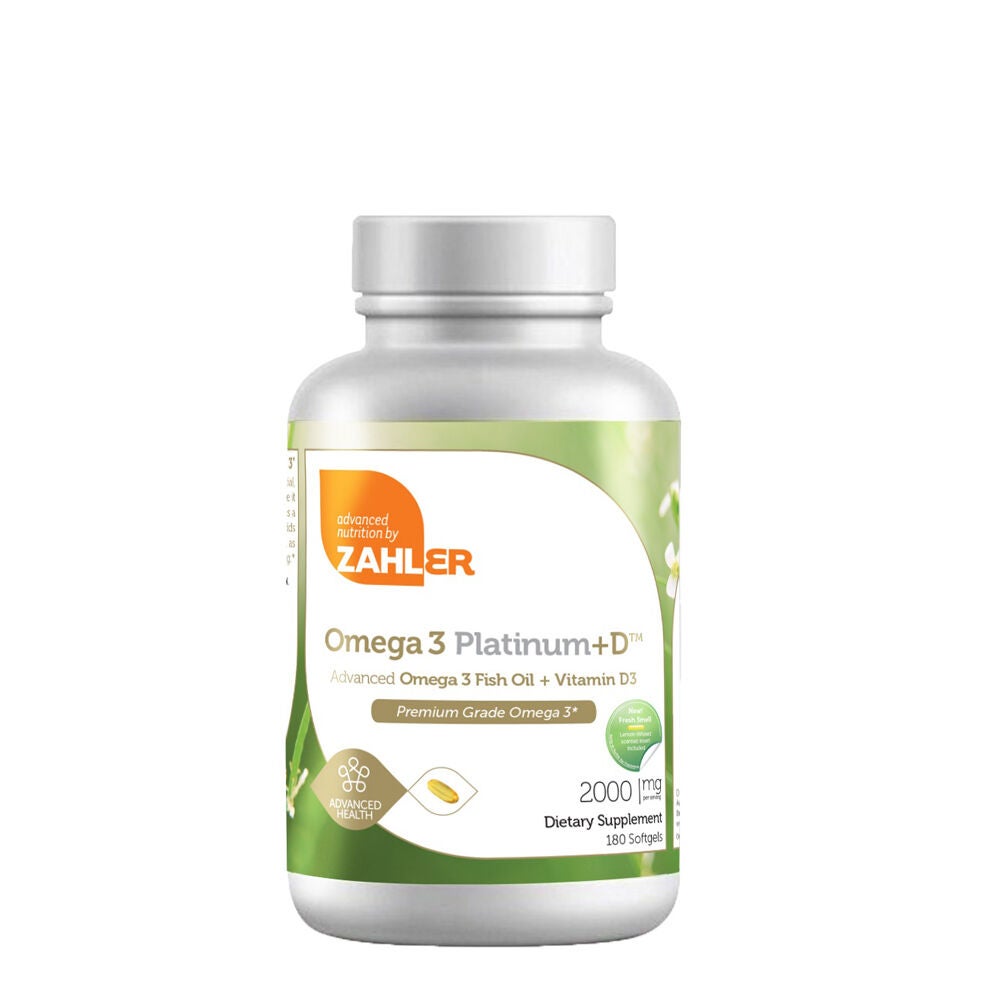
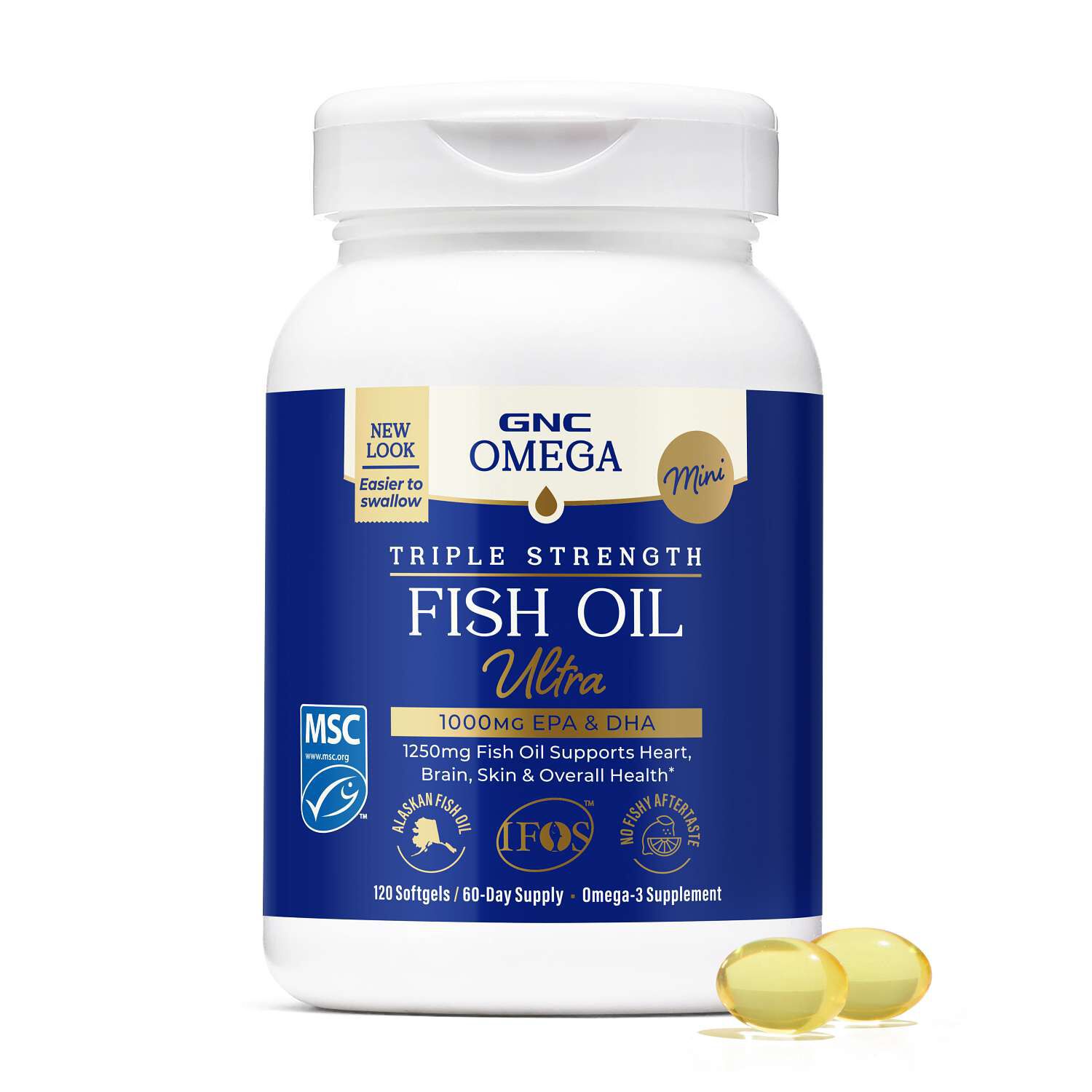
An omega supplement for men may offer a convenient way to include omega fatty acids in an everyday nutrition routine. The category includes fish oil, algae oil, and blends made with several oil sources, so the name on the front of a bottle is only part of the story. Omega-3, omega-6, and omega-9 describe different families of fatty acids, not interchangeable ingredients. Among omega-3s, eicosapentaenoic acid, usually listed as EPA, and docosahexaenoic acid, usually listed as DHA, are two names worth recognizing when comparing labels. Fish oil commonly supplies both, although their proportions vary by formula. Anchovies, sardines, and other fish may appear in sourcing descriptions, with the species and origin providing context about the oil inside. Algae oil offers a plant-derived source of DHA, and some algae-based formulas also contain EPA. Flaxseed oil typically supplies alpha-linolenic acid, or ALA, another omega-3 that is different from EPA and DHA. These distinctions matter when comparing a fish oil formula with a plant-derived alternative: two bottles described as omega supplements may have different fatty acid profiles. A man who rarely includes seafood in his meals might be interested in the fish-derived options, while someone following a vegetarian or vegan eating pattern might be looking more closely at algae-based formulas. The oil source and the capsule ingredients deserve separate attention, since a plant-derived oil does not automatically mean the surrounding softgel is made without animal-derived ingredients. Gelatin, glycerin, flavorings, and other ingredients appear outside the main oil description and contribute to the character of the formula. Products positioned for men also vary in serving size, concentration, and format; that positioning alone does not identify a particular amount of EPA or DHA. A clear comparison begins with the fatty acids named on the label, their amounts per serving, and the source from which they come.
Label details bring an omega supplement comparison into sharper focus, especially when the front panel emphasizes the weight of the oil. The milligrams of fish oil in a serving are not necessarily the same as the milligrams of EPA and DHA in that serving. Oil contains a mixture of components, so the separately listed EPA and DHA amounts provide a more specific picture of its omega-3 composition. Serving size is equally important: amounts listed for two softgels should not be read as amounts for one. A concentrated formula may place a given quantity of EPA and DHA into fewer capsules, but the label is the place to establish that distinction rather than capsule size or bottle appearance. Ratios also differ. Some formulas list more EPA than DHA, others list more DHA than EPA, and some describe a combination of omega families rather than emphasizing those two ingredients. The Omega Blends Supplement collection offers another way to explore formulas built around combined oil sources. Blends may include fish, flaxseed, or other oils, with their ingredient lists showing which sources contribute to the formula. Omega-6 and omega-9 are different fatty acid families from omega-3, and a larger number of oil sources does not by itself describe the amount of EPA or DHA. Beyond composition, useful product details include sourcing information, manufacturing descriptions, and documented testing. Third-party testing programs differ in scope; some evaluate ingredient identity and labeled amounts, while others also examine specified contaminants. A named testing organization, an explanation of what was assessed, or documentation connected to a particular batch provides more context than a broad quality statement alone. Sourcing descriptions may identify fish species, harvest regions, or independently assessed fishing practices. Those details address different questions from testing the finished oil. Neither the origin of the fish nor a particular capsule format, on its own, establishes every aspect of a formula’s quality. Clear labeling makes it easier to compare composition, sourcing, and testing as separate considerations.
The most practical format is often the one that fits an established routine without adding unnecessary fuss. Softgels are a familiar option, but their dimensions, shell ingredients, and number per serving vary. A smaller softgel may suit someone who prefers a more compact capsule, while a liquid may appeal to someone who would rather measure a serving than use capsules. Liquids also bring flavor, texture, and measuring instructions into the comparison. Flavored oils may have a citrus note, and chewable formats may include sweeteners or other ingredients that deserve the same attention as the oil itself. For someone who organizes supplements alongside breakfast, the serving directions and container design may matter more than a long list of front-label descriptions. For someone who travels regularly, packaging and storage requirements become practical considerations, particularly with liquid formulas that require refrigeration after opening. Care matters because oils are sensitive to their storage environment. The package directions specify whether a formula belongs in a cool, dry cabinet or needs a different arrangement after the seal is opened. Keeping the original label with the container preserves the ingredient information, serving directions, and expiration date for later reference. A tightly closed cap, storage away from direct sunlight, and attention to the stated conditions are straightforward parts of caring for the purchase. Capsule shells and liquid oils have different handling needs, so instructions for one format should not be assumed to apply to another. An omega supplement for men is best understood through these concrete details rather than a broad category name: the source of the oil, the fatty acids it contains, the amount in the labeled serving, the supporting quality information, and the experience of using the format. Those details may help distinguish an option suited to a familiar daily routine from one that asks for different storage, measuring, or ingredient preferences.
Best Sellers
-
Nordic Naturals
-
Nordic Naturals
-
Nordic Naturals