





Omega 3 For Heart Health
(0 Results)
Omega-3 fatty acids are essential nutrients known for their remarkable benefits in supporting heart health. Rich in EPA and DHA, Omega-3 supplements have been widely studied for their positive impact on cardiovascular function, helping to maintain healthy cholesterol levels and supporting overall heart function. Whether you're looking to promote a healthy heart or seeking to supplement your diet with these vital nutrients, explore our selection of Omega-3 supplements designed to support your heart health goals effectively.
-
-

-

-

-
-
-

-

-

-

-

-

-
 $23.99
 -
 $24.99
 -
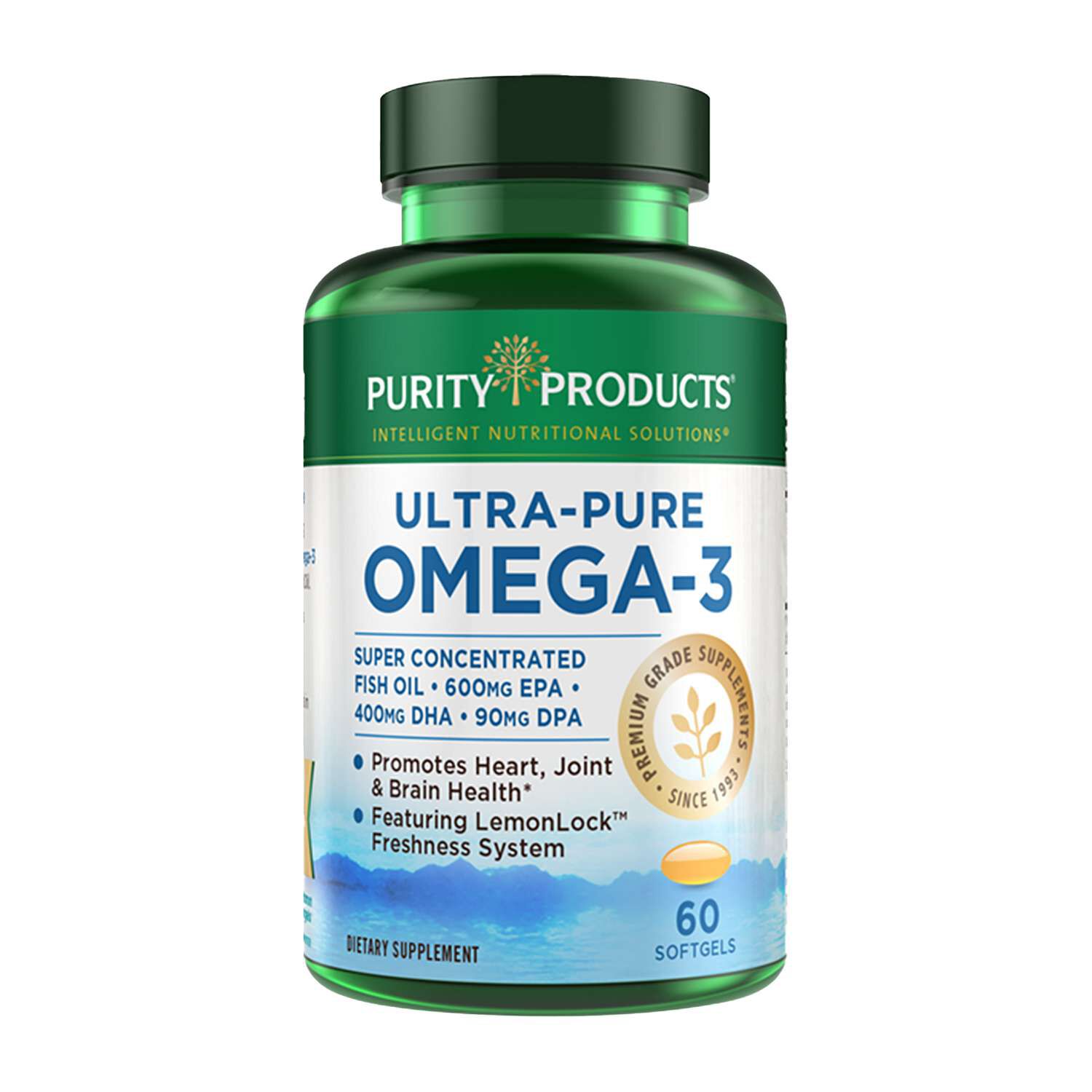 Purity Products$26.99
 -
 Portions Master$25.99
 -
 Divine Health$34.99
 -
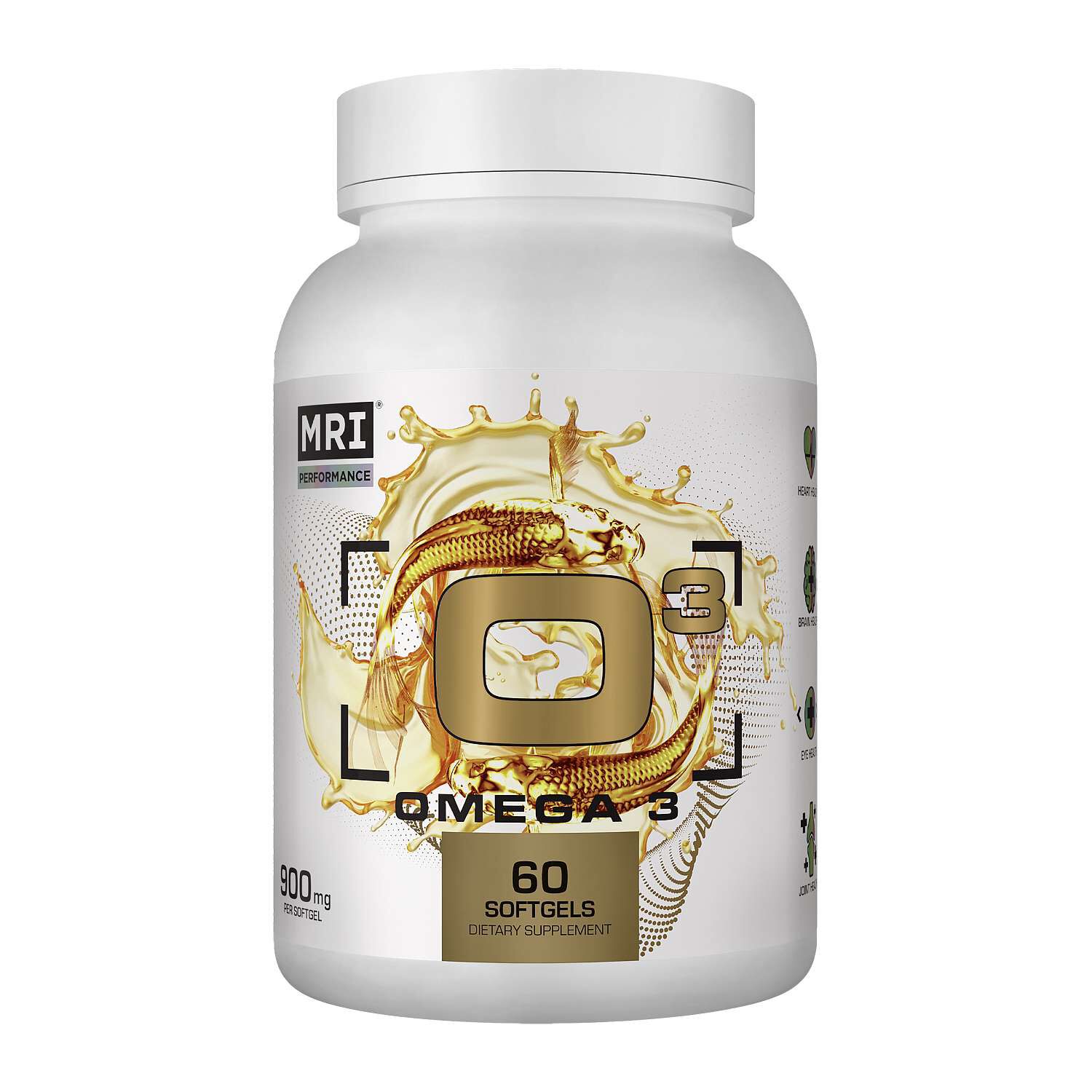 MRI Performance$29.99
 -
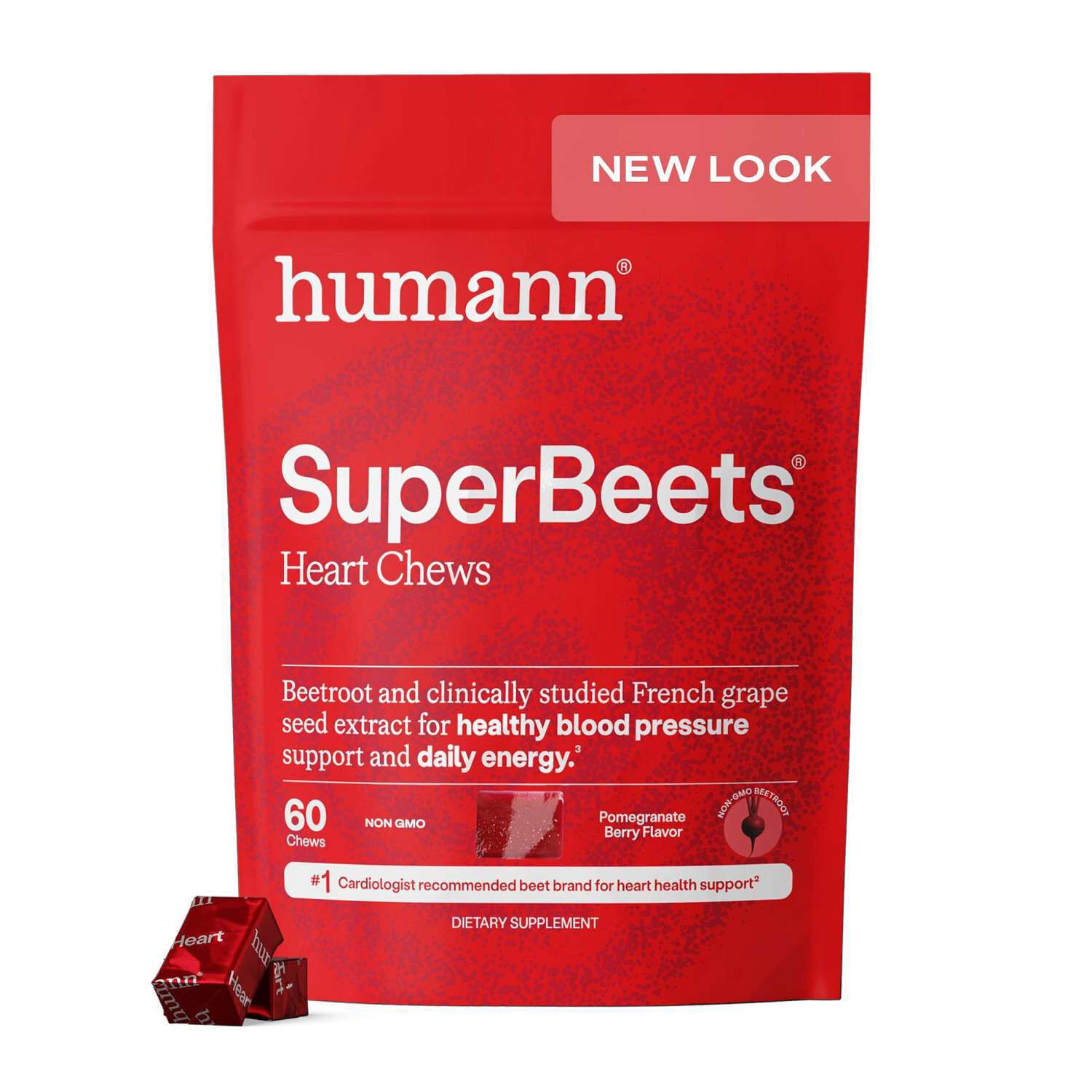
-

-
 1$19.99
 -
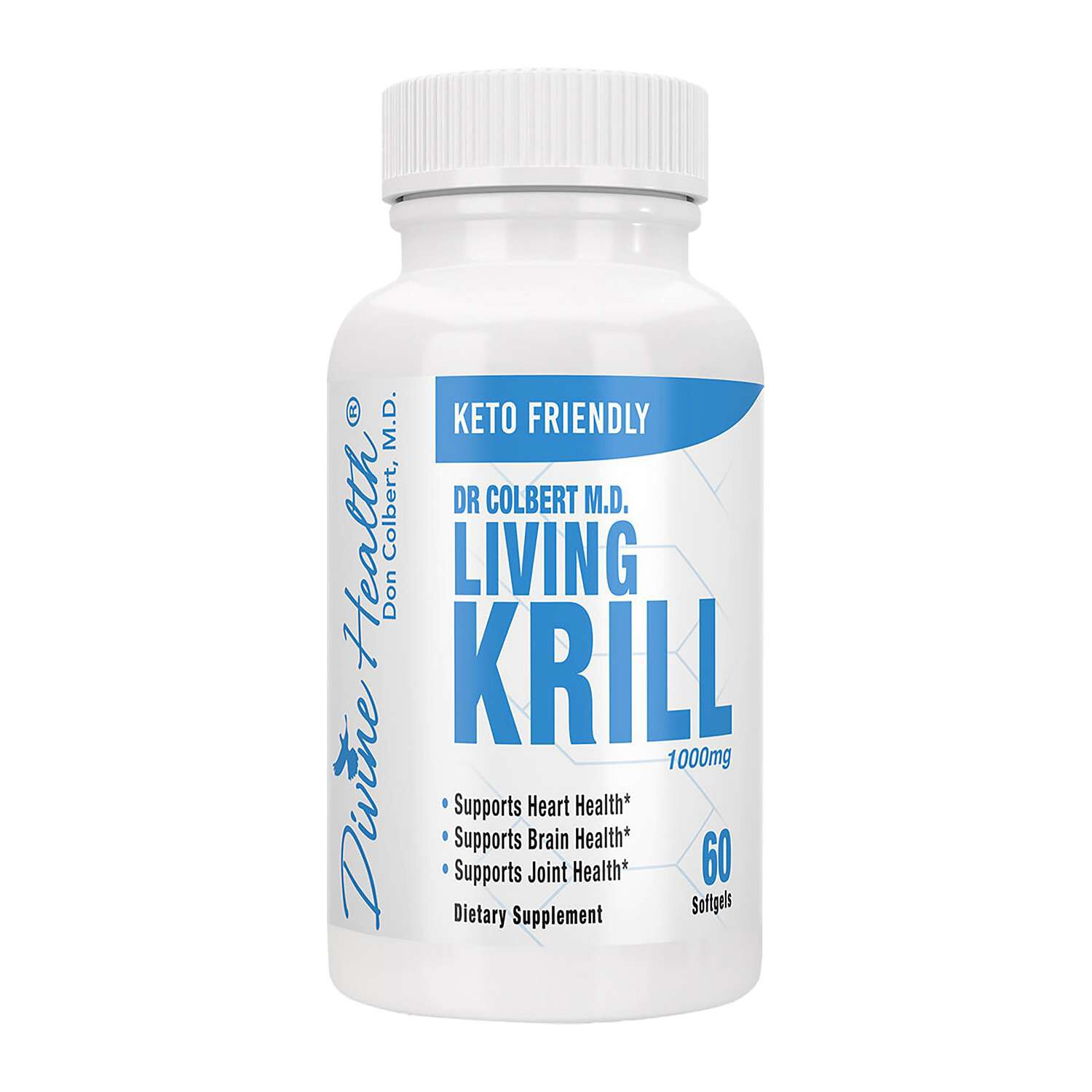 Divine Health$34.99

Shopping for omega 3 for heart health often begins with a closer look at the source, format, and contents of a supplement. Omega-3s are a family of fatty acids found in certain foods and dietary supplements, rather than a single ingredient with one standard composition. Fish oil commonly contains EPA, or eicosapentaenoic acid, and DHA, or docosahexaenoic acid. Algal oil comes from algae and can provide DHA, EPA, or a combination, depending on the formula. Plant foods such as walnuts, flaxseeds, and chia seeds contain another omega-3 called ALA, or alpha-linolenic acid. These names matter when comparing bottles because the amount of oil on the front label is not necessarily the amount of EPA and DHA in a serving. A softgel labeled with a particular quantity of fish oil may contain smaller amounts of those individual omega-3s, alongside other components of the oil. The Supplement Facts panel provides a more useful basis for comparison than capsule count or a large number on the packaging alone. Serving size also deserves attention: one bottle may list its nutrient amounts for a single softgel, while another lists them for two or more. Reading those details together creates a clearer picture of what each serving contains without treating unlike formulas as interchangeable. For shoppers whose interests include heart-conscious eating and everyday nutrition, this collection brings the focus to those practical distinctions. Supplements sit alongside a broader food routine; a bottle of oil does not offer the same mix of nutrients, texture, and variety as a meal. A salmon dinner, a spoonful of ground flaxseed stirred into oatmeal, and an omega-3 softgel are different experiences with different nutritional profiles. Keeping that distinction in mind makes the category easier to understand and leaves room for preferences around food, ingredient sources, and the kind of supplement routine that feels manageable.
The best format for a shopping list is often the one that matches the details of everyday use. Softgels enclose oil in a smooth outer shell, but their dimensions, shell ingredients, and serving counts vary. Someone who prefers a smaller capsule may place more importance on the size of each softgel, while someone with a tightly organized morning routine may compare how many are included in a labeled serving. Liquid omega-3 supplements offer a different experience, with a measured portion rather than an individual capsule. They also introduce considerations such as flavor, measuring tools, and storage after opening. A citrus-flavored liquid and an unflavored softgel have noticeably different sensory characteristics, even when their labels show similar EPA and DHA amounts. Flavor descriptions are worth reading alongside the ingredient list, since a flavored formula may contain sweeteners or other ingredients that do not appear in a simpler oil capsule. Source preferences matter just as much. Fish-derived formulas may identify the fish used, while algae-derived options may appeal to shoppers seeking an alternative to fish oil. The source of the oil and the material of the capsule shell are separate details: an algae-based oil does not, by itself, establish that every ingredient in the finished supplement is suitable for a vegan diet. Gelatin, plant-based shell materials, and other ingredients belong in the comparison, along with any dietary statements and allergen information on the packaging. For households where one person prefers fish-derived ingredients and another chooses plant-based options, those distinctions can explain why separate formulas make more sense than a shared bottle. Shoppers exploring a related collection can also browse Omega 3 Supplements For Women, while continuing to compare the actual serving size, omega-3 composition, and ingredient details of each formula. A collection name provides context; the label supplies the specifics needed to understand what is inside.
Packaging, storage, and label transparency round out an omega-3 comparison, particularly for a supplement intended to become part of an ongoing routine. Oils require attention to their storage conditions, and the directions can differ between a sealed bottle of softgels and a liquid that has already been opened. Some liquids call for refrigeration after opening, while other formats have different instructions. A place beside a sunny kitchen window, above a warm appliance, or inside a car is a different environment from a cabinet that meets the package directions. Bottle design has practical consequences, too: a secure cap, a legible label, and packaging that remains easy to close matter over repeated use. For someone packing an overnight bag or moving between home and a second residence, the original container keeps the ingredient list, serving directions, and date information together. Bottle count is another detail that becomes more meaningful when paired with serving size. A container holding sixty softgels represents thirty labeled servings if the serving size is two softgels, not sixty. Comparing servings rather than counting capsules alone can make the intended pattern of use easier to picture. Quality statements deserve the same careful reading. If a package describes independent testing, the useful details are what was tested and whether supporting information is provided; a broad statement without that context says less about the finished formula. Source information, clearly identified EPA and DHA amounts, and straightforward storage directions give shoppers concrete details to evaluate. Omega 3 for heart health is a shopping theme, not a uniform specification or evidence of a particular outcome. Two formulas within the category can differ substantially in concentration, source, flavor, and presentation. A thoughtful selection therefore comes back to observable features: what the supplement contains, how its serving is defined, which dietary preferences it matches, and how it fits into the household routine. Those details remain useful whether the bottle lives beside a breakfast setting or in a neatly organized pantry during the cooler months.
Best Sellers
-
 Nordic Naturals
 -
 Nordic Naturals
 -
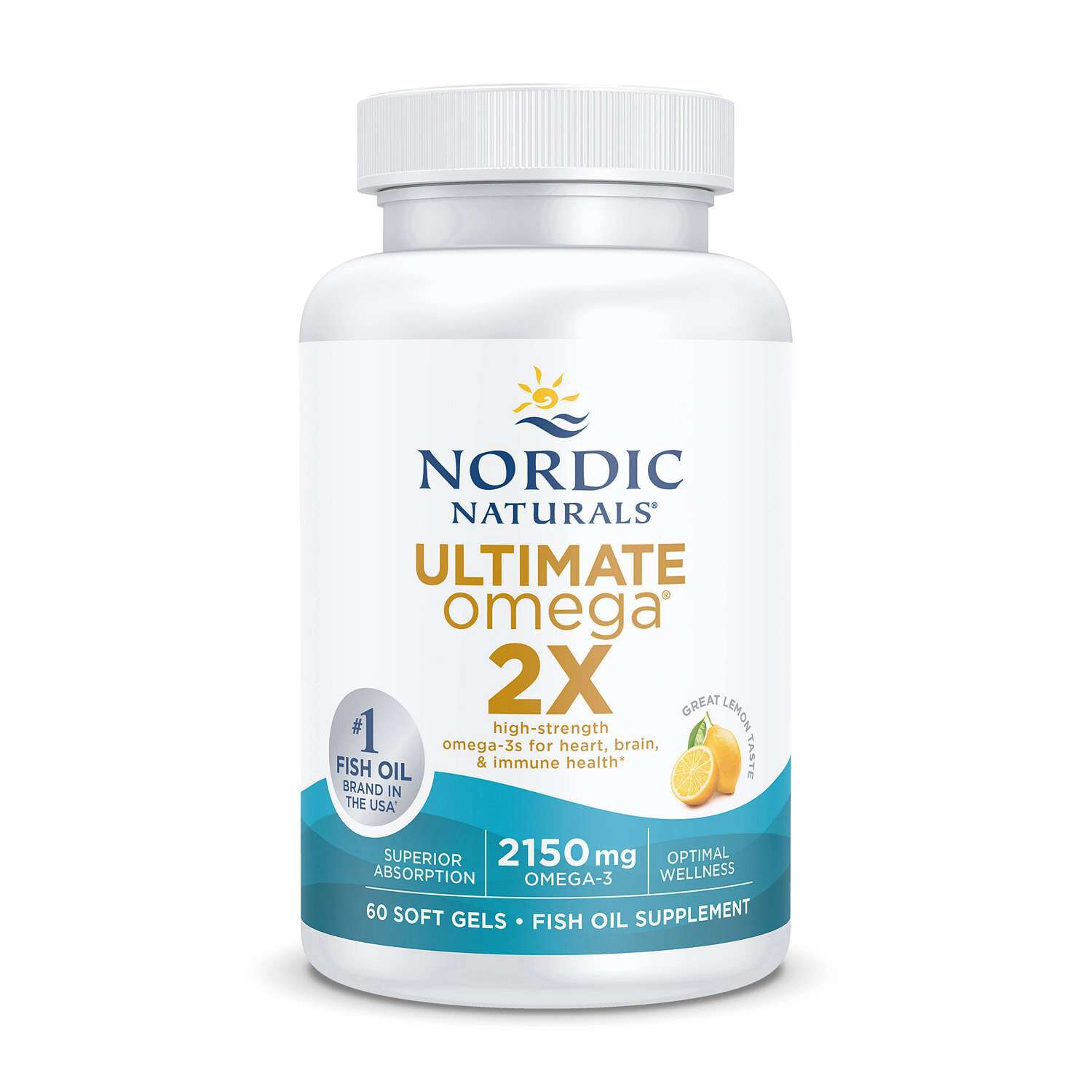 Nordic Naturals
