





Omega 3 Salmon Oil Capsules
(0 Results)
Shop omega-3 salmon oil capsules and compare salmon-derived fish oil supplements for your daily routine. Review product labels for serving size, capsule count, and listed EPA and DHA amounts to choose an option that fits your preferences.
-
 Divine Health$34.99
-
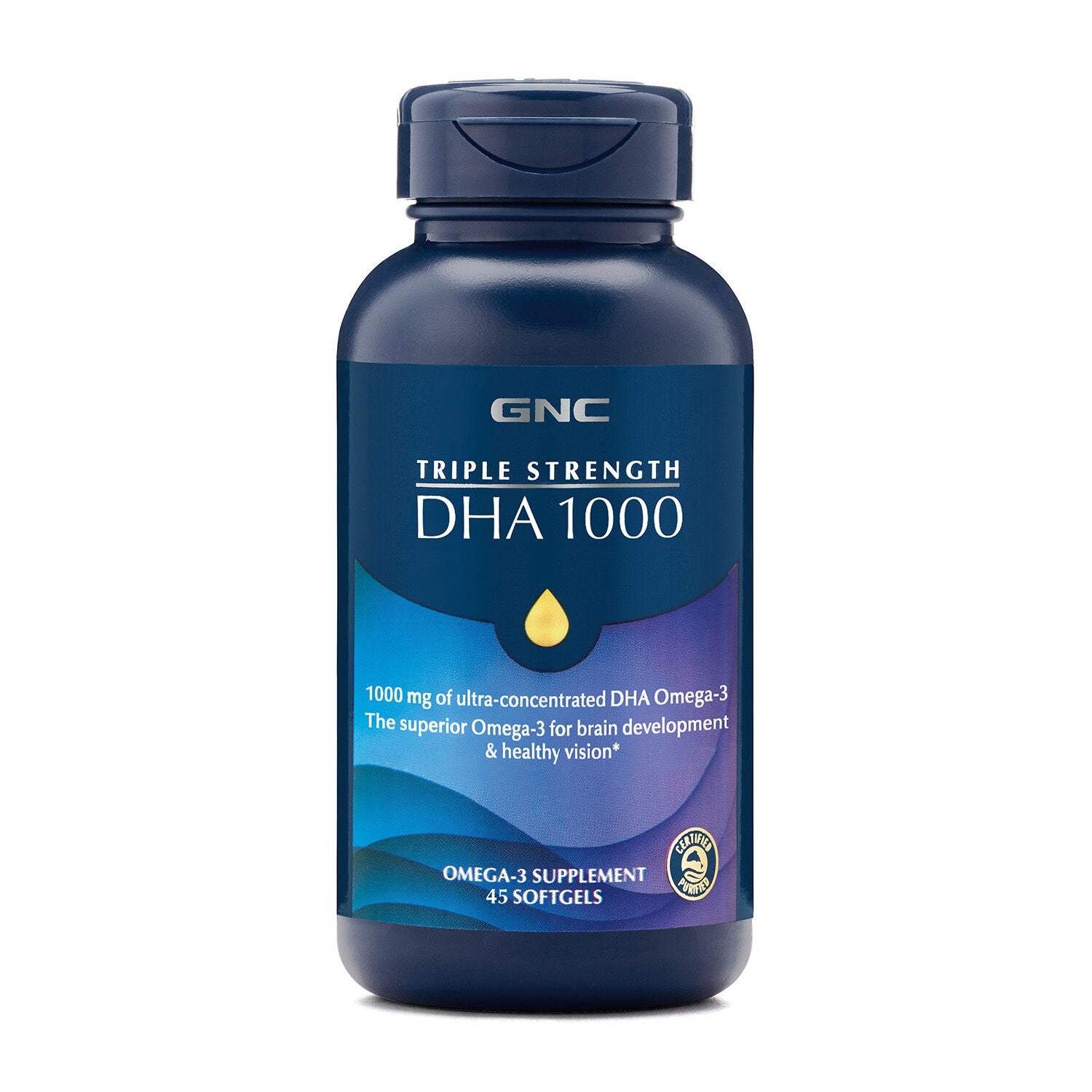

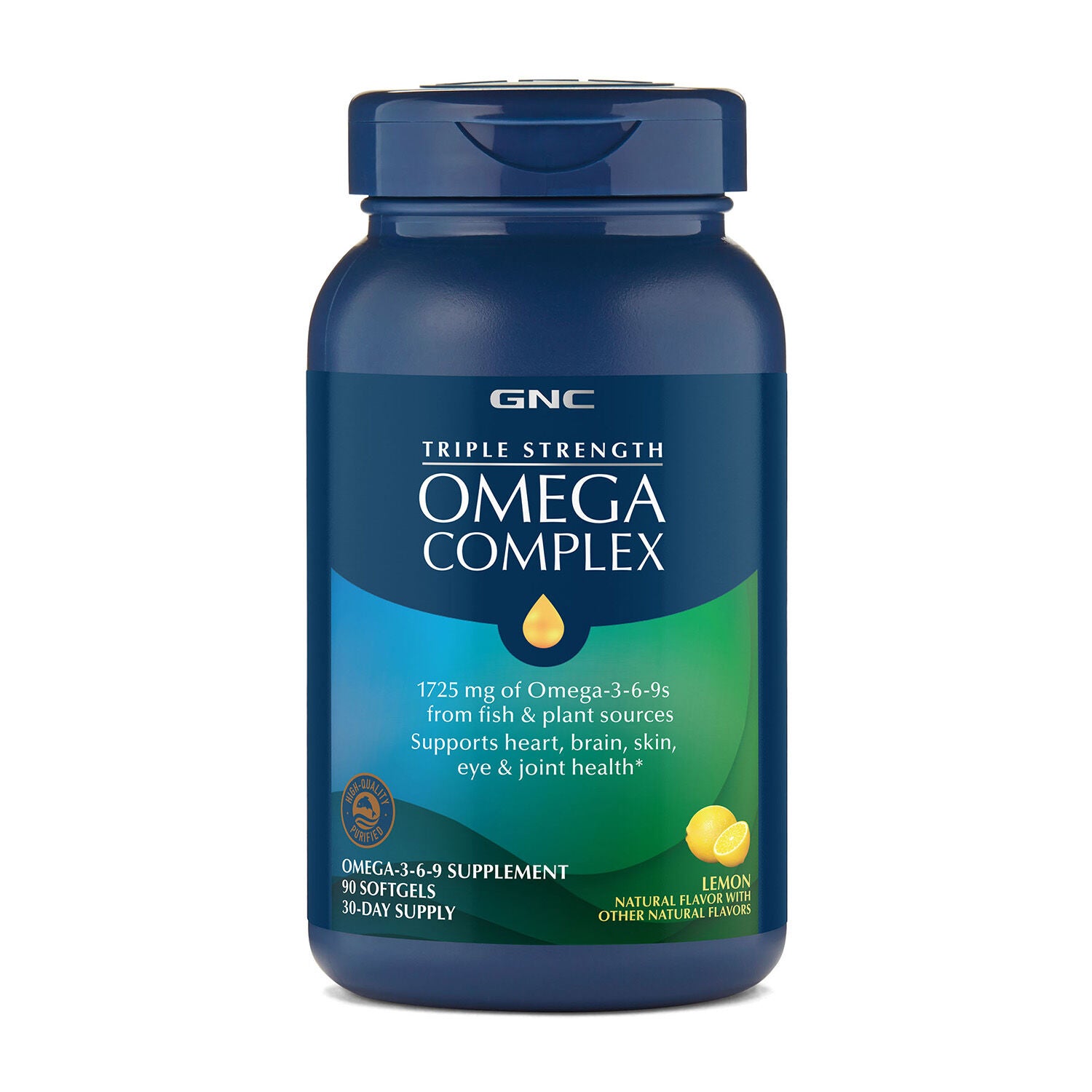


Omega-3 salmon oil capsules are dietary supplements made with oil sourced from salmon, a fish that naturally contains the omega-3 fatty acids EPA and DHA. EPA stands for eicosapentaenoic acid, and DHA stands for docosahexaenoic acid; both names may appear on the Supplement Facts panel. These supplements are commonly offered as softgels, which enclose liquid oil in a capsule shell rather than requiring a measuring spoon. For shoppers interested in marine-derived omega-3s, salmon oil is a source-specific category within the broader fish oil selection. That distinction makes the ingredient list particularly useful: a formula may contain salmon oil alone or combine it with oils from other fish. The amount of salmon oil listed on a package is also different from the amount of omega-3 fatty acids it contains. A larger oil quantity does not necessarily mean a larger amount of EPA or DHA. Comparing the stated amounts of those fatty acids, along with the serving size, gives a clearer picture of the formula than looking at the front label alone. Check whether the listed quantities apply to one capsule or a serving of several capsules, since that changes how the numbers should be read. Where a label lists other omega-3 fatty acids separately, those details offer another point of comparison without making them interchangeable with EPA and DHA. The capsule shell deserves attention, too. Softgels often use gelatin, glycerin, and water, while other ingredients may include flavoring or substances used to help preserve the oil during storage. The fish source and the gelatin source are separate details, so a salmon oil description does not identify every ingredient in the capsule. Shoppers with dietary preferences or ingredient exclusions can use the full ingredient list and allergen statement to assess whether a formula fits their requirements. Salmon oil capsules remain fish-derived supplements regardless of how the shell is described.
Comparing omega-3 salmon oil capsules also involves looking beyond the amount printed in large type. Sourcing information may identify a salmon species, a harvest region, or whether the fish were wild caught or farm raised. Those details describe origin, but they do not replace the EPA and DHA amounts on the label. Likewise, a reference to processing or concentration should be considered alongside the actual ingredient information rather than treated as a shortcut for comparing formulas. If a package mentions independent testing, useful supporting details include what was tested, which organization conducted the assessment, and whether the statement applies to the finished supplement. Testing for ingredient identity, unwanted substances, and oil oxidation addresses different questions, so a broad testing statement is more informative when its scope is explained. Sourcing certifications have their own scope as well; a certification related to fishing practices is not the same as a measurement of omega-3 content. Physical format adds another practical consideration. Two bottles with similar front-label descriptions may contain softgels with different dimensions, shapes, or serving sizes. A narrow, elongated softgel and a rounder capsule may feel quite different to someone who takes supplements regularly. When dimensions or capsule images are provided, they offer a more useful reference than bottle size alone. The shell may also have a coating, and the formula may include a flavor, so the product description and ingredient list should be read together. A flavored capsule is still a capsule, not necessarily a chewable supplement; the labeled format and directions determine its intended use. For someone who prefers taking fewer capsules at a time, the relationship between capsule count and the stated serving is especially relevant. For someone organizing several supplements, clearly printed directions and an easy-to-read facts panel may matter just as much as the shape of the softgel.
Intended use and everyday handling help round out the comparison. Omega-3 salmon oil capsules are a way to include fish-derived oil in a supplement routine, but they are not nutritionally identical to a serving of salmon. Fish as food contains protein and other nutrients, while an oil capsule focuses on the oil and the ingredients used to package it. Keeping that distinction in mind makes the category easier to evaluate on its own terms. A shopper who eats salmon occasionally may be interested in the source and fatty acid amounts, while someone who already uses several supplements may focus more closely on serving directions and overlapping ingredients. Products labeled for particular audiences should still be assessed by their contents rather than the audience wording alone. For a related category, Omega 3 Fish Oil Capsules for Women offers another way to browse fish-derived omega-3 supplements while keeping the same label comparisons in view. Once a bottle becomes part of a routine, the package directions remain the reference for suggested use, including any instructions about taking the capsules with food. Storage instructions matter because the oil and capsule shell both need appropriate handling. Keep the original container securely closed, follow its storage directions, and protect it from direct sunlight and moisture. A damp bathroom counter or a bottle left open beside a kitchen sink is less suitable than a dry storage spot consistent with the label. Preserve the lot information and expiration date rather than discarding them when organizing supplements, and check package integrity before use. If capsules leak, stick together unusually, or otherwise change in appearance, consult the manufacturer’s handling information rather than assuming the change is harmless. The most useful comparison brings these details together: the salmon source, EPA and DHA amounts per serving, capsule ingredients, physical format, and clearly stated use and storage directions. Those are concrete distinctions that help shoppers evaluate omega-3 salmon oil capsules without relying on a prominent front-label number alone.
- Q: What are omega-3 salmon oil capsules?
A: Omega-3 salmon oil capsules are dietary supplements containing oil derived from salmon, commonly packaged as softgels. Salmon oil contains omega-3 fatty acids, including EPA and DHA. - Q: What do EPA and DHA mean on salmon oil labels?
A: EPA stands for eicosapentaenoic acid, and DHA stands for docosahexaenoic acid. These are two types of omega-3 fatty acids found in salmon oil and other marine oils. - Q: How is salmon oil different from other fish oils?
A: Salmon oil comes from salmon, while other fish oils may come from anchovies, sardines, mackerel, or a blend of fish species. The fatty acid composition varies depending on the source and processing method. - Q: What ingredients are commonly used in omega-3 salmon oil capsules?
A: Along with salmon oil, softgels often contain gelatin, glycerin, and water as components of the capsule shell. Other ingredients vary by formula and are listed on the product label. - Q: What does sourcing information tell you about salmon oil?
A: Sourcing information may identify whether the salmon are wild-caught or farm-raised and where they were harvested. Packaging or the manufacturer's website may also describe fishing practices and sourcing certifications.
Best Sellers
-
 Nordic Naturals
-
 Nordic Naturals
-
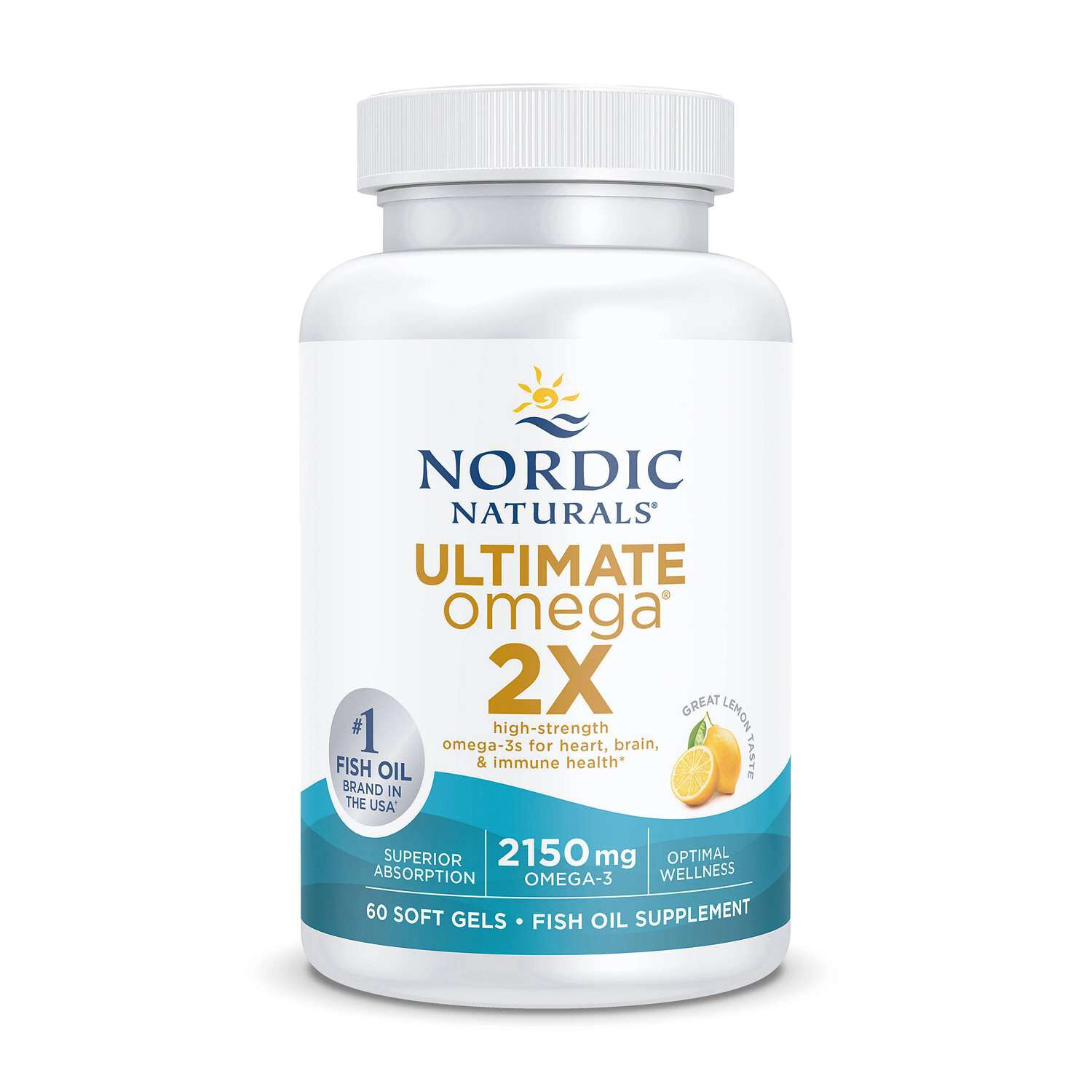 Nordic Naturals
Related Pages
Top Collections
- Chronic Fatigue Supplements
- Active Supplements
- Zinc Supplements For Men
- Supplements For Yoga Joint Flexibility
- Zinc Supplements | Top Brands at Great Prices | GNC
- Vitamins For Hair Loss
- Joint Mobility Supplement Packs
- Capsule Supplements For Energy And Stamina
- Supplements For Anxiety Relief Support
- Adult Vitamins