





Wild Salmon Oils
(0 Results)
Dive into a world of wellness potential and explore how wild salmon oils may be a beneficial addition to your daily routine. Rich in omega-3 fatty acids, these oils might support cardiovascular health, promote brain function, and contribute to overall vitality. Whether you're looking to complement your diet or seeking ways to maintain your active lifestyle, wild salmon oils could offer a natural solution. Discover a range of options that may help you harness nature's bounty for a healthier you.
-
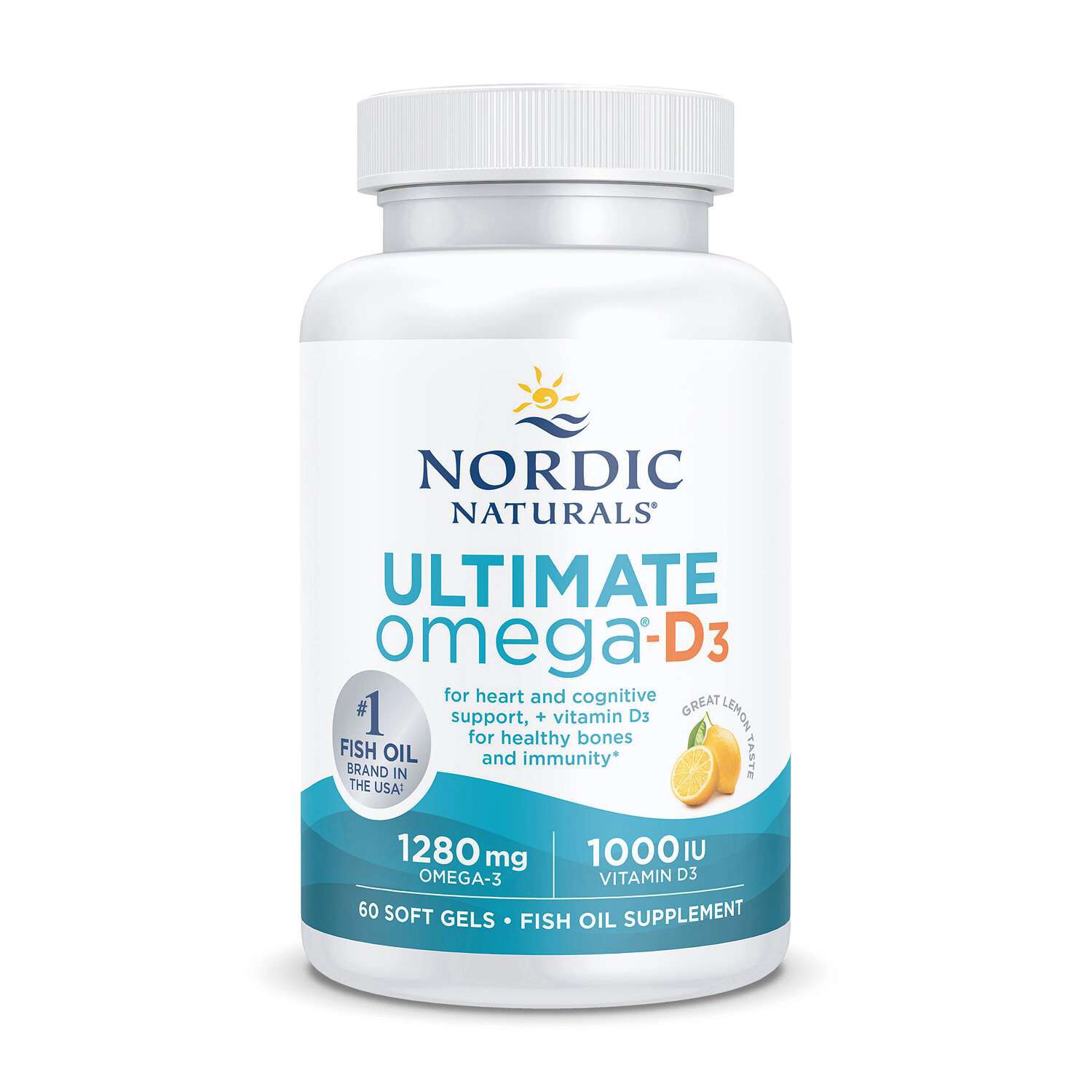
-
 Divine Health$34.99
-
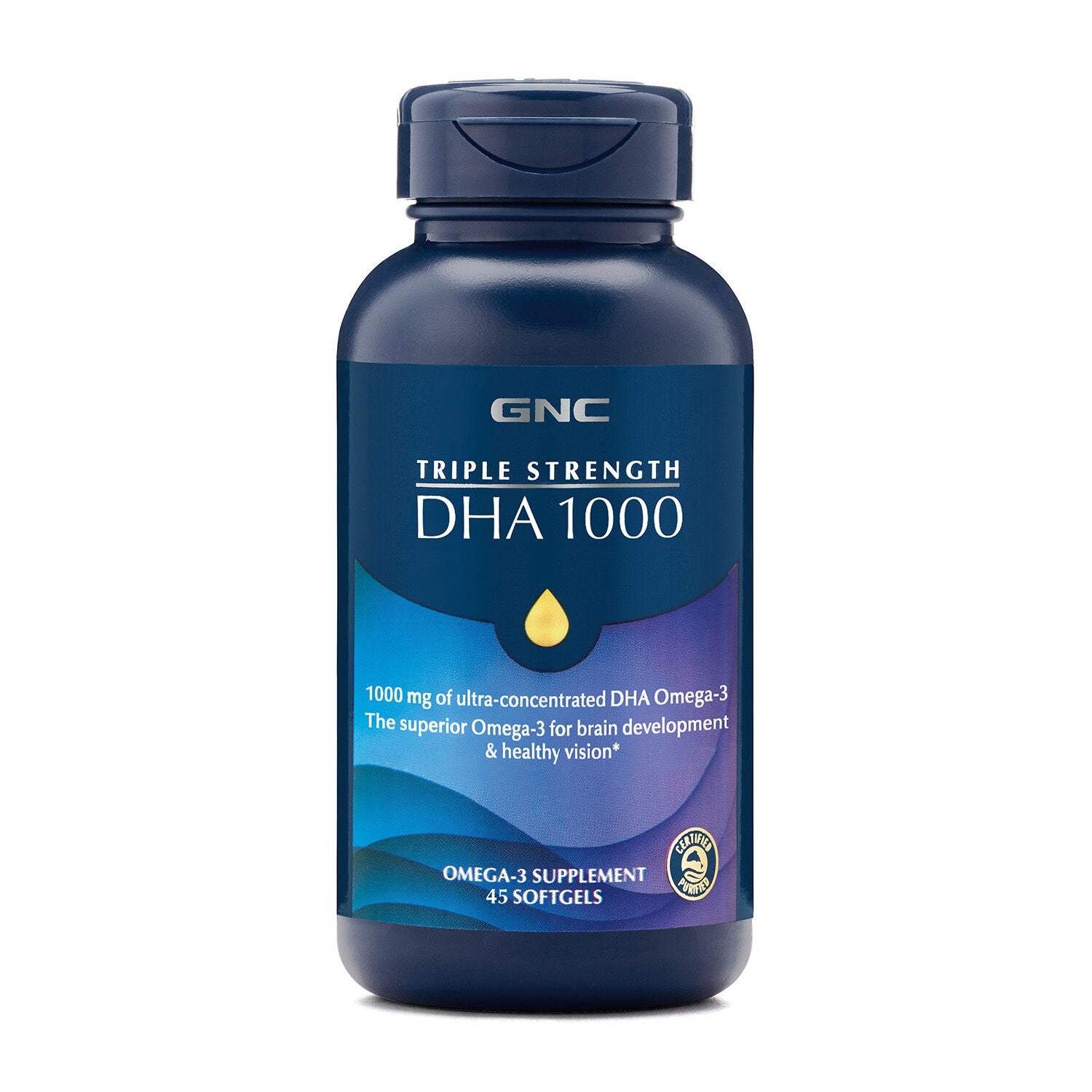
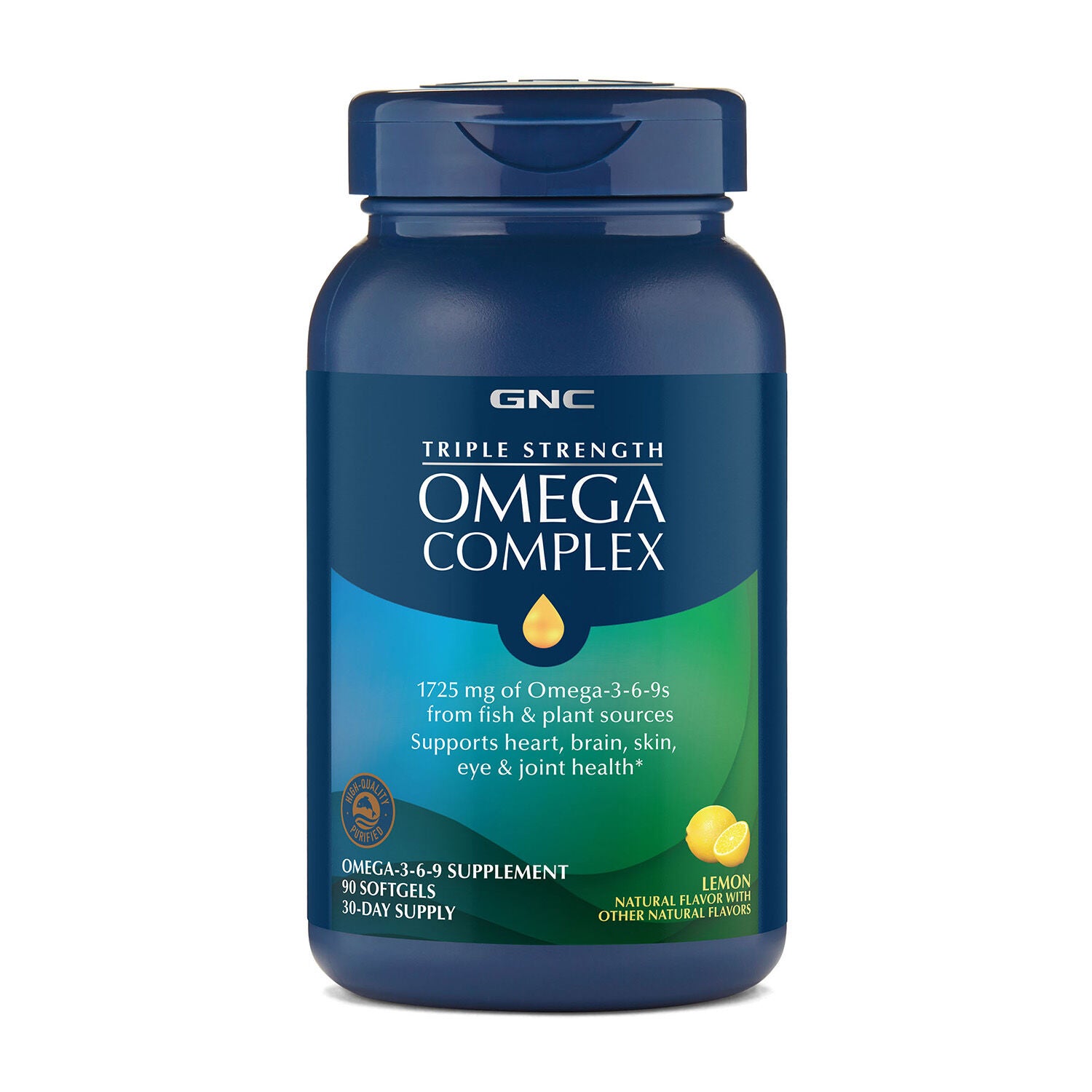
Wild salmon oils are marine dietary supplements made from oil obtained from wild-caught salmon. They provide omega-3 fatty acids, including EPA, or eicosapentaenoic acid, and DHA, or docosahexaenoic acid. These names appear on supplement labels because they identify particular fatty acids within the oil, rather than the amount of salmon oil as a whole. Alaska is a familiar source of wild-caught salmon, although the catch location and species depend on the formulation. The word “wild” describes the salmon’s origin; it does not, by itself, describe the concentration of omega-3s, the processing method, or every ingredient inside the bottle. Some salmon oils may also contain naturally occurring astaxanthin, a pigment associated with salmon’s characteristic color, and varying amounts of vitamins A and D. Their presence and quantities depend on the source and processing, so the label is a better reference than assumptions about salmon oil in general. The distinction between oil weight and omega-3 content is particularly useful when comparing labels. A stated amount of fish oil includes more than EPA and DHA, and the combined amount of those two fatty acids can differ between servings of similar-looking supplements. Serving size matters just as much: the amounts shown may refer to several softgels rather than one. Salmon-only oils also differ from marine oil blends that combine salmon with other fish sources. Both belong to the broader fish oil category, but they do not have identical ingredient profiles. For adults who enjoy knowing where their supplements come from, details such as the named fish species, harvest region, and clearly listed fatty acid amounts offer a more meaningful comparison than a large number on the front of a bottle. Wild salmon oil fits within a broader conversation about dietary fats and supplement preferences, without replacing the variety of foods that make up an everyday eating pattern.
Format shapes the experience of using wild salmon oil almost as much as its composition. Softgels contain a measured portion of oil inside a capsule shell, with the serving directions specifying how many capsules make up a serving. Their shape and dimensions vary, so capsule size can be an important consideration for someone who already has strong preferences about supplements. The shell may contain gelatin, glycerin, and water, while other ingredients depend on the formulation. A fish-derived oil does not necessarily mean the capsule shell comes from fish; the ingredient list provides that distinction. Liquid salmon oil has a different presentation, with servings measured according to the bottle’s directions rather than counted as capsules. Bottle openings, measuring accessories, and closures are practical details for someone picturing a bottle beside the breakfast dishes or tucked into a kitchen cabinet. Flavored and unflavored liquids also have different ingredient lists, and added flavoring does not change the importance of checking the stated EPA and DHA amounts. Human dietary supplements and pet formulations have different labeling and serving directions, so intended use matters even when both feature salmon oil. Within supplements intended for people, suitability for a particular age group should come from the package rather than the general category name. Fish ingredients, the gelatin source, flavorings, and other components are relevant to dietary preferences and ingredient restrictions. A short ingredient list and a longer one simply describe different formulations; neither tells the whole story without serving information and sourcing details. Softgels may appeal to someone who prefers a counted serving and a closed capsule, while a liquid may suit someone who prefers measuring a portion. Neither format automatically contains more omega-3s. The useful comparison remains the amount per labeled serving, considered alongside the number of capsules or volume of liquid involved. Those everyday details give the category a practical context beyond the appearance of the bottle.
Sourcing and packaging add another layer of context to wild salmon oils. A label that names salmon as the source offers a different degree of detail from one that lists only fish oil, while a stated catch region adds geographic information. Harvesting practices, processing descriptions, and certification statements each address different aspects of a supplement’s background. A sustainability statement concerns sourcing practices, for example, whereas a testing statement may address identity, fatty acid content, or particular quality measurements. The scope of any such statement matters more than an emblem alone. Processing methods also vary, and descriptions such as concentrated or refined should be read alongside the actual nutrient amounts rather than treated as interchangeable terms. For a broader look at a related format, Wild Fish Oil Omega 3 Softgels provides a connection to the wider marine oil category, where the named fish sources remain an important distinction. Once a bottle becomes part of a household routine, storage directions deserve the same attention as serving information. Oil-containing supplements can be sensitive to light, air, and heat, and package instructions specify the conditions intended for that formulation. Some liquids call for refrigeration after opening; others have different requirements. Softgels likewise have labeled storage conditions, and an original container retains the ingredient list, lot information, and date markings together. Closures and seals are worth examining as part of the package’s condition. Color alone is not a reliable measure of omega-3 content or overall quality, since pigments, processing, and capsule materials can influence appearance. The same principle applies to a large capsule or a richly colored liquid: visual impressions do not substitute for the label. For a shared household cabinet or a personal supplement shelf, the most relevant details are concrete ones—what fish the oil comes from, what each serving contains, which ingredients accompany it, and how the package directs it to be stored and used.
Best Sellers
-
 Nordic Naturals
-
 Nordic Naturals
-
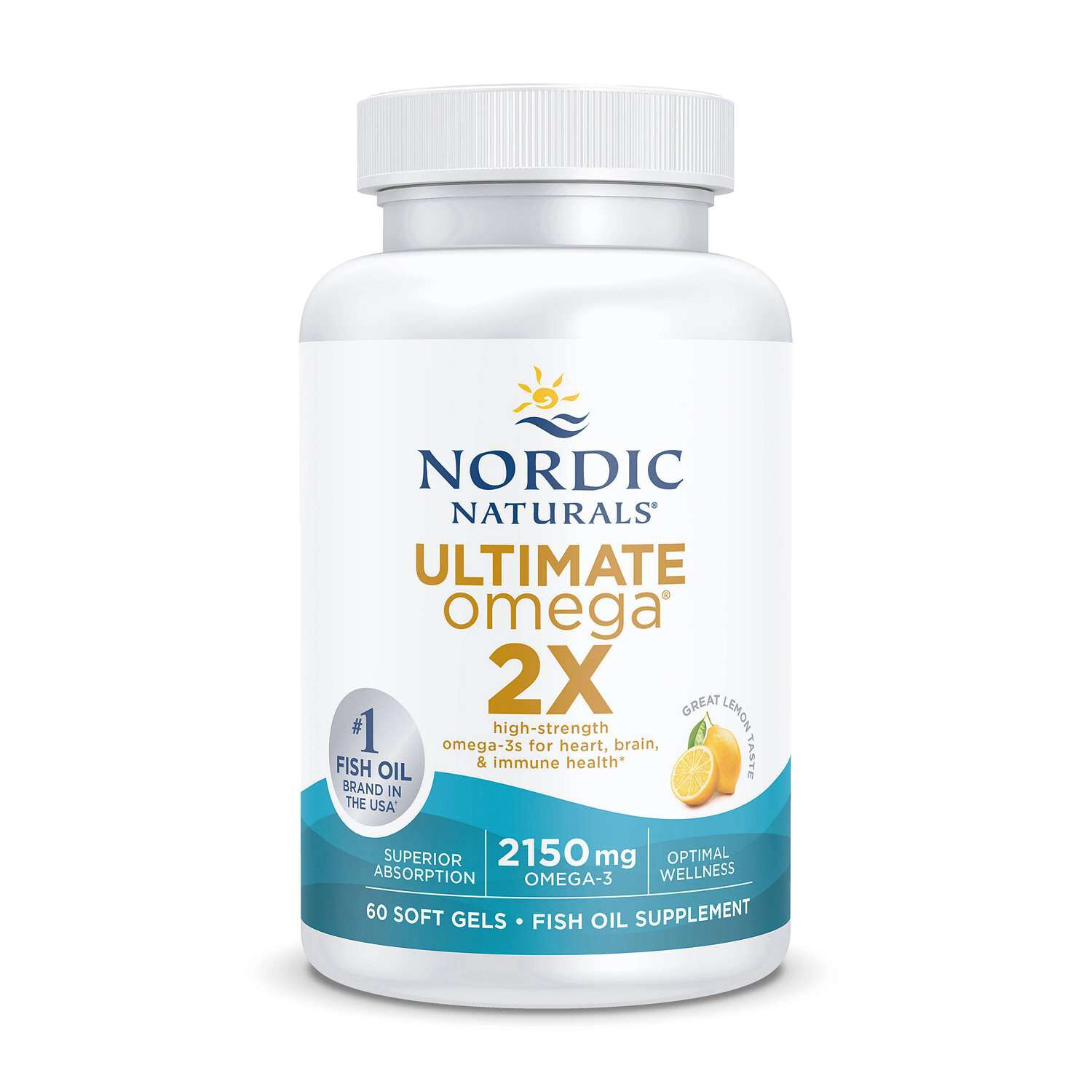 Nordic Naturals
Related Pages
Top Collections
- Chronic Fatigue Supplements
- Active Supplements
- Zinc Supplements For Men
- Supplements For Yoga Joint Flexibility
- Zinc Supplements | Top Brands at Great Prices | GNC
- Vitamins For Hair Loss
- Joint Mobility Supplement Packs
- Capsule Supplements For Energy And Stamina
- Supplements For Anxiety Relief Support
- Adult Vitamins