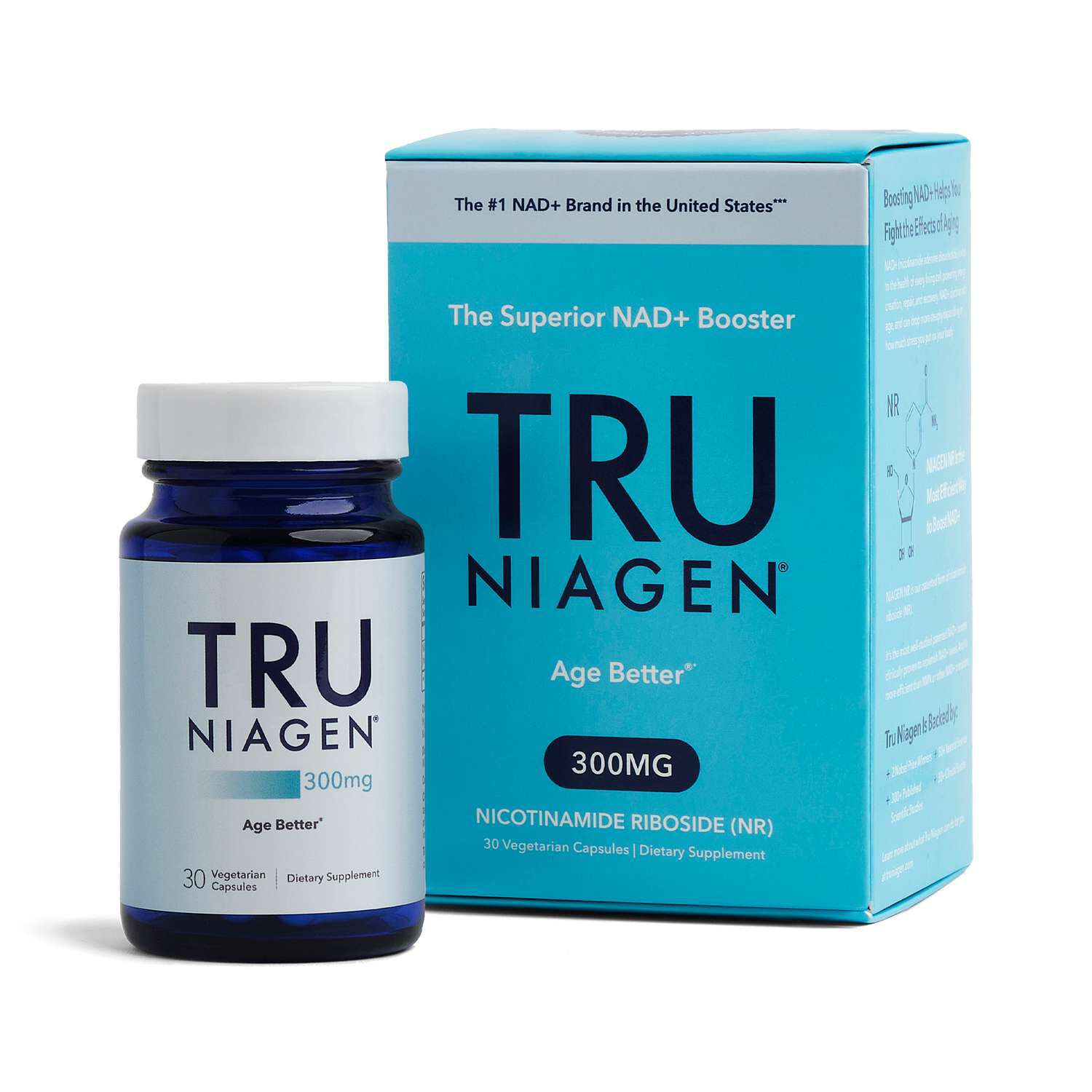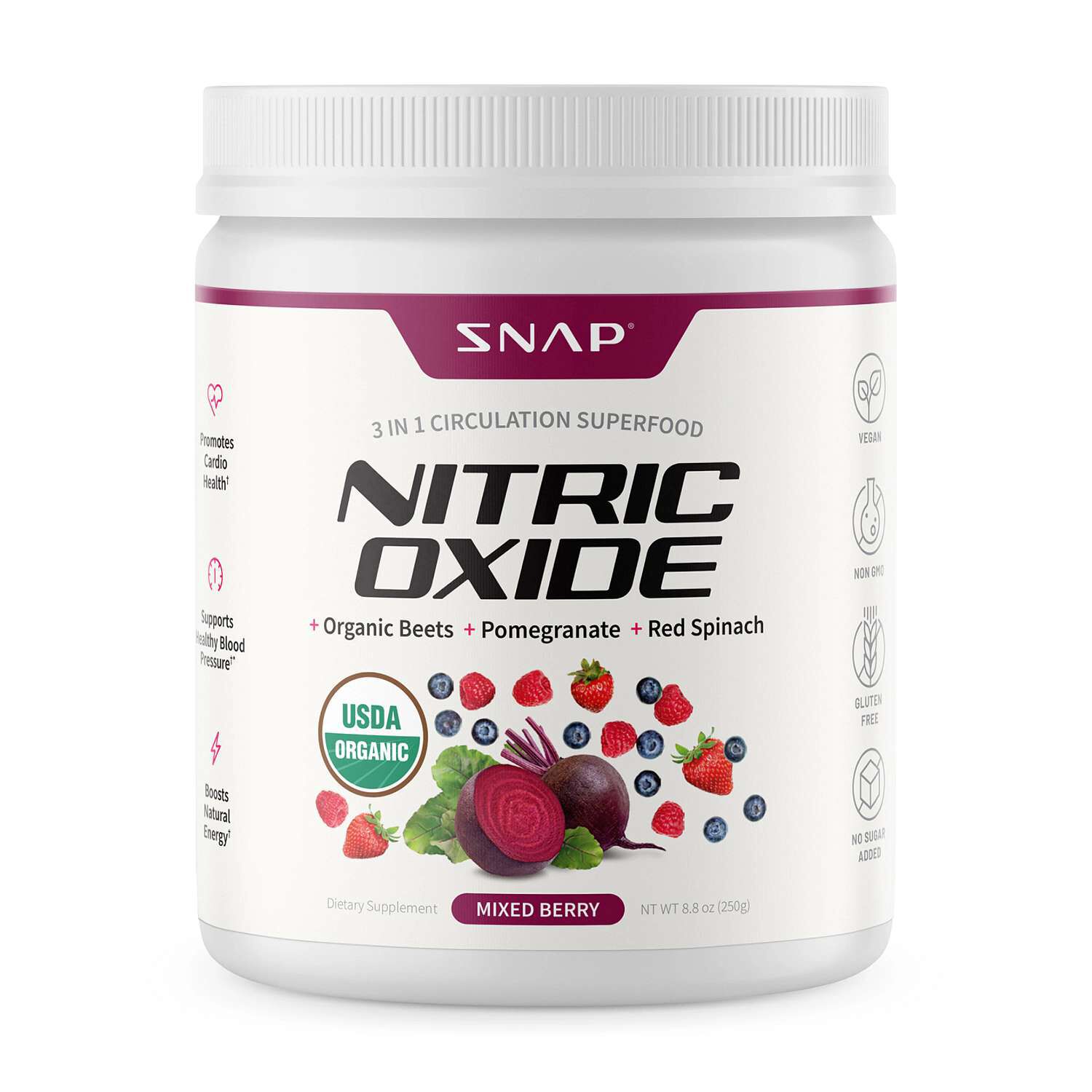


Organic Antioxidant Supplements
(0 Results)
Explore the potential benefits of organic antioxidant supplements, which might help support overall health and wellness. These supplements could play a role in neutralizing harmful molecules known as radicals, potentially aiding in the maintenance of healthy cells. Incorporating organic antioxidant supplements into your daily routine may contribute to a balanced lifestyle, offering a natural approach to enhancing your body's defenses. Discover a variety of options that might suit your needs and preferences, all designed with quality and purity in mind.
-

-

-

-

-

-
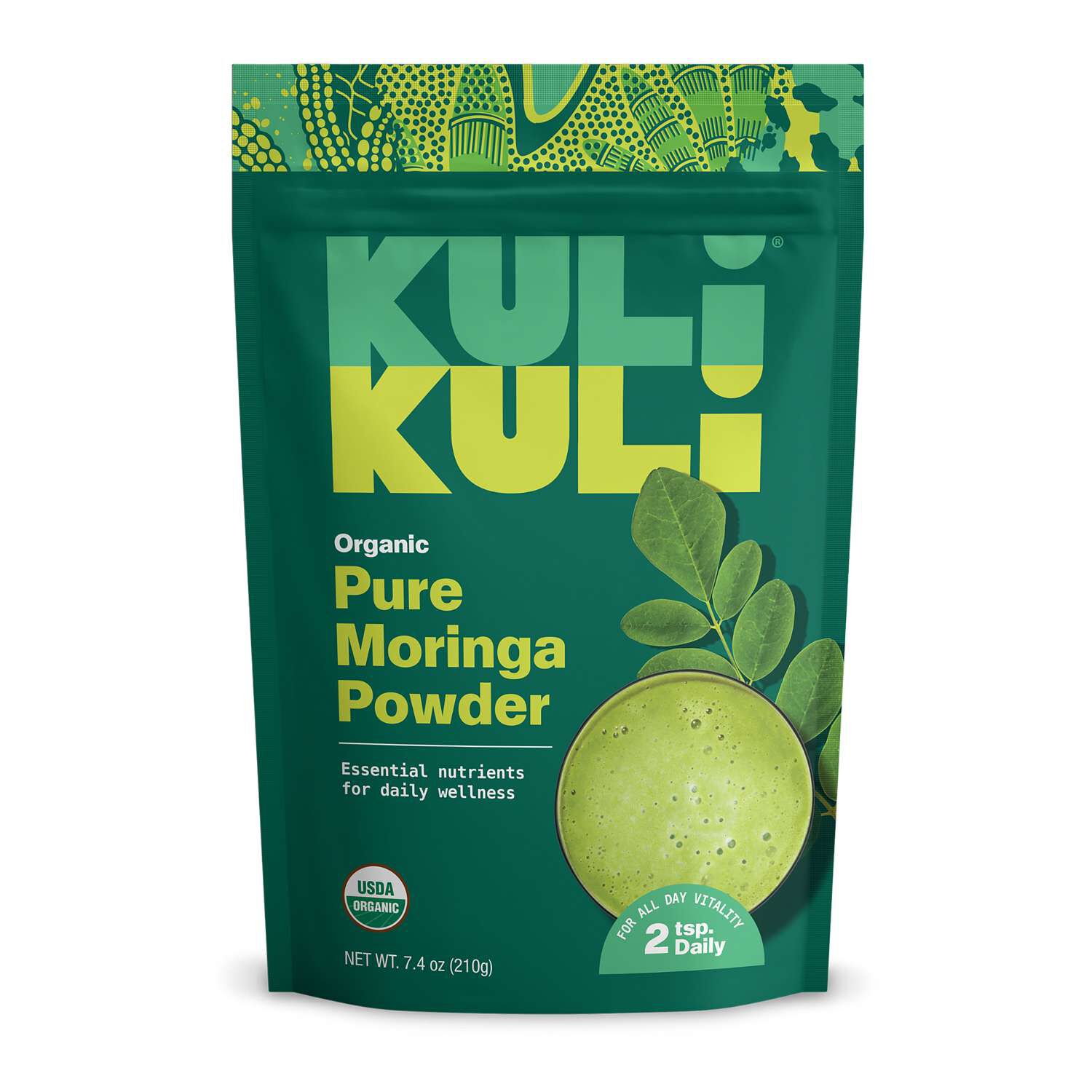
-

-
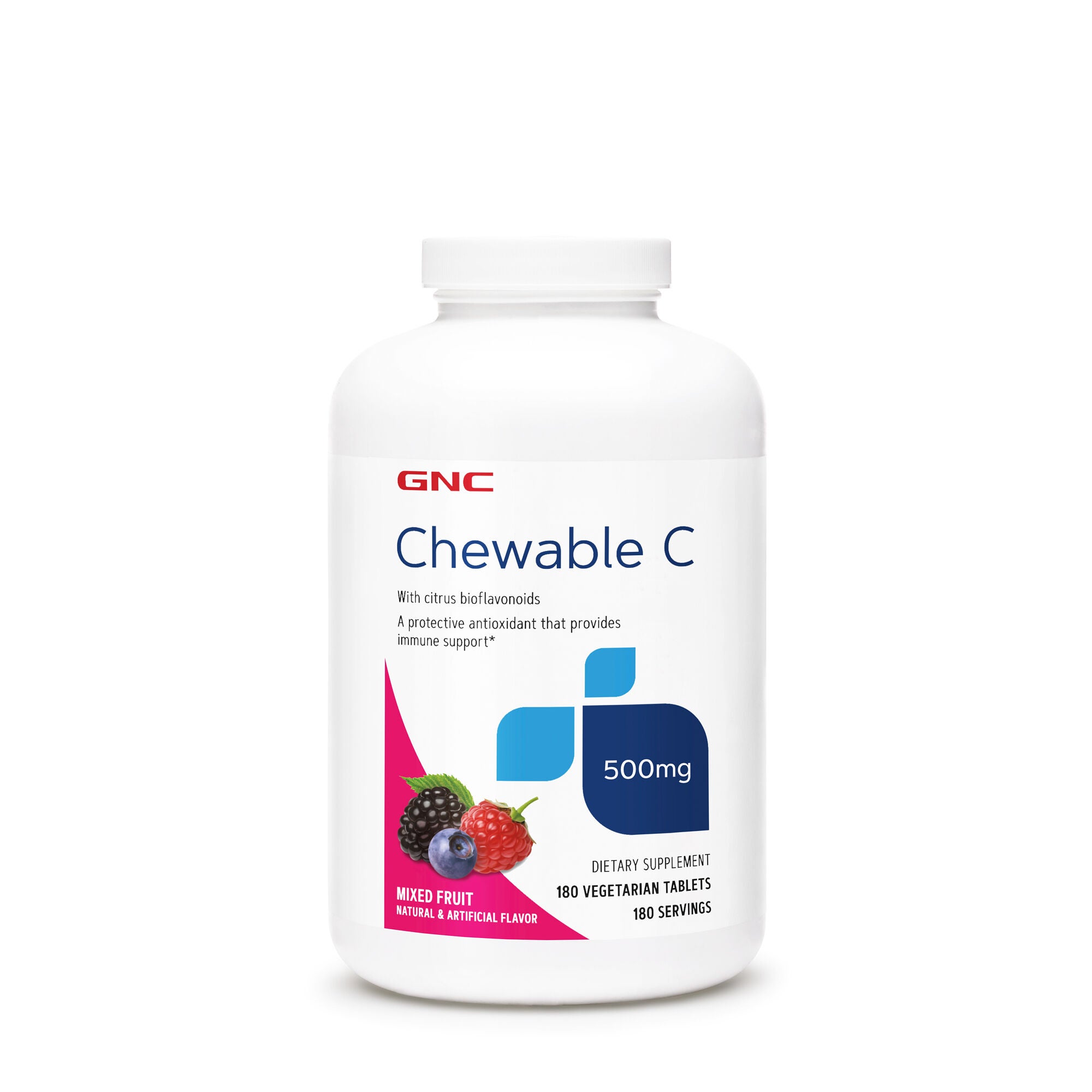
-
-

-
-
-

-

-

-
-
-

-
 57$54.99
 -

-

-


Organic antioxidant supplements bring together ingredients such as fruit powders, leafy greens, botanical extracts, and plant-derived nutrients in formats intended to complement everyday eating habits. The category takes its name from naturally occurring antioxidant compounds found in many plant foods, including vitamin C, carotenoids, and polyphenols. Acerola cherries, camu camu, berries, and green tea are examples of plant sources associated with these compounds, although the ingredients and amounts differ from one formula to another. Some blends feature a short ingredient list centered on a single fruit or botanical; others combine several fruits, vegetables, grasses, or herbs. That distinction matters for shoppers who prefer to know exactly which ingredients they are adding to a routine. A berry-based powder and a concentrated botanical extract can have very different compositions, even when both sit within the same broad category. Organic labeling adds another point of comparison. In the United States, the USDA organic seal reflects certification to federal standards governing agricultural production and handling. It does not, by itself, describe the amount of an antioxidant in a serving or establish how a supplement will perform. Certification for a finished formula also differs from a label that identifies only certain ingredients as organic. The ingredient statement and Supplement Facts panel provide the detail behind the front label, including serving size, listed nutrient amounts, and other components used to make the finished supplement. For shoppers drawn to organic foods, these details offer a familiar way to compare supplements: look at the source, the form, and the composition rather than relying on imagery of leaves or fruit. Organic antioxidant supplements are a category of dietary supplements, not a substitute for varied meals. Their intended use is supplemental, and choosing among them often comes down to ingredient preferences, format, flavor, and how naturally a serving fits into an established daily routine.
Format makes a noticeable difference in the experience of using organic antioxidant supplements. Capsules offer a measured format without the mixing step associated with powders, while tablets have their own size, coating, and serving-count considerations. A serving is not always one capsule or tablet, so the number listed on the label deserves attention alongside the container count. Capsule shells may be made from plant-derived cellulose or gelatin; an organic ingredient list alone does not establish that the finished supplement is vegan. Powders offer another approach for people who already prepare smoothies or keep a shaker cup beside their breakfast dishes. Within this category, Organic Antioxidant Superfood Powders bring the focus to powdered blends and their ingredient combinations. Fruit-forward formulas may taste tart or mildly sweet, while greens and botanical ingredients may contribute earthy, grassy, or bitter notes. The flavor description, sweeteners, and suggested preparation method give a more useful picture of the drinking experience than the color of the powder alone. A deep purple blend does not necessarily have the same composition as another berry-colored blend. Texture also varies with the ingredients and processing: finely milled powders may disperse differently from blends containing more fibrous plant material. Following the stated mixing directions helps set expectations for the amount of liquid and the serving utensil. Liquid formats call for a close look at the measurement instructions and whether a serving uses a marked dropper or another measure. Chewable formats bring flavor and texture into the decision, along with the ingredients used for sweetness and consistency. For an adult who heads out early, a compact format may suit the morning better than a powder that requires preparation. Someone who enjoys a leisurely breakfast might prefer the small ritual of measuring and mixing. These are practical differences rather than signs that one format is universally better; the useful comparison is between the label directions and the routine in which the supplement would actually be used.
A closer comparison of organic antioxidant formulas starts with the amount per serving, not just the length of the ingredient list. A formula with many plant sources is not automatically more concentrated than one with fewer ingredients. When a blend lists a combined weight without separate amounts for each component, that figure describes the blend rather than the quantity of every individual ingredient. Likewise, the weight of a fruit powder is not the same as its vitamin C content, and an extract ratio is not interchangeable with a listed nutrient amount. Reading those details together creates a clearer picture of what each serving contains. Other ingredients deserve the same attention, particularly for shoppers with dietary preferences: capsule materials, flavorings, sweeteners, and preparation aids can differ even among formulas with similar main ingredients. Allergen statements and any separate dietary certifications offer additional context; organic certification does not stand in for them. Once a supplement becomes part of a routine, storage and handling matter to its condition over time. Follow the container’s storage directions, close the lid securely, and use a clean, dry measuring utensil for powders. A cupboard away from steam and direct sunlight is a more sensible location than the counter beside a simmering kettle, unless the label specifies different conditions. Some liquids have refrigeration instructions after opening, making the bottle directions especially relevant before choosing a place to keep them. Container size also has a practical side: compare the listed servings with the use-by date and the space available in a pantry or cabinet. For travel, retaining the labeled packaging keeps the serving directions and ingredient information close at hand. The same attention to detail applies during busy stretches at home, when breakfast might shift from a blended drink to something eaten on the way out. A well-considered choice reflects the actual serving instructions, the ingredients a shopper prefers, and a preparation method that suits everyday life. Those concrete details make organic antioxidant supplements easier to compare without treating every botanical blend, fruit powder, or capsule as interchangeable.
Best Sellers
-
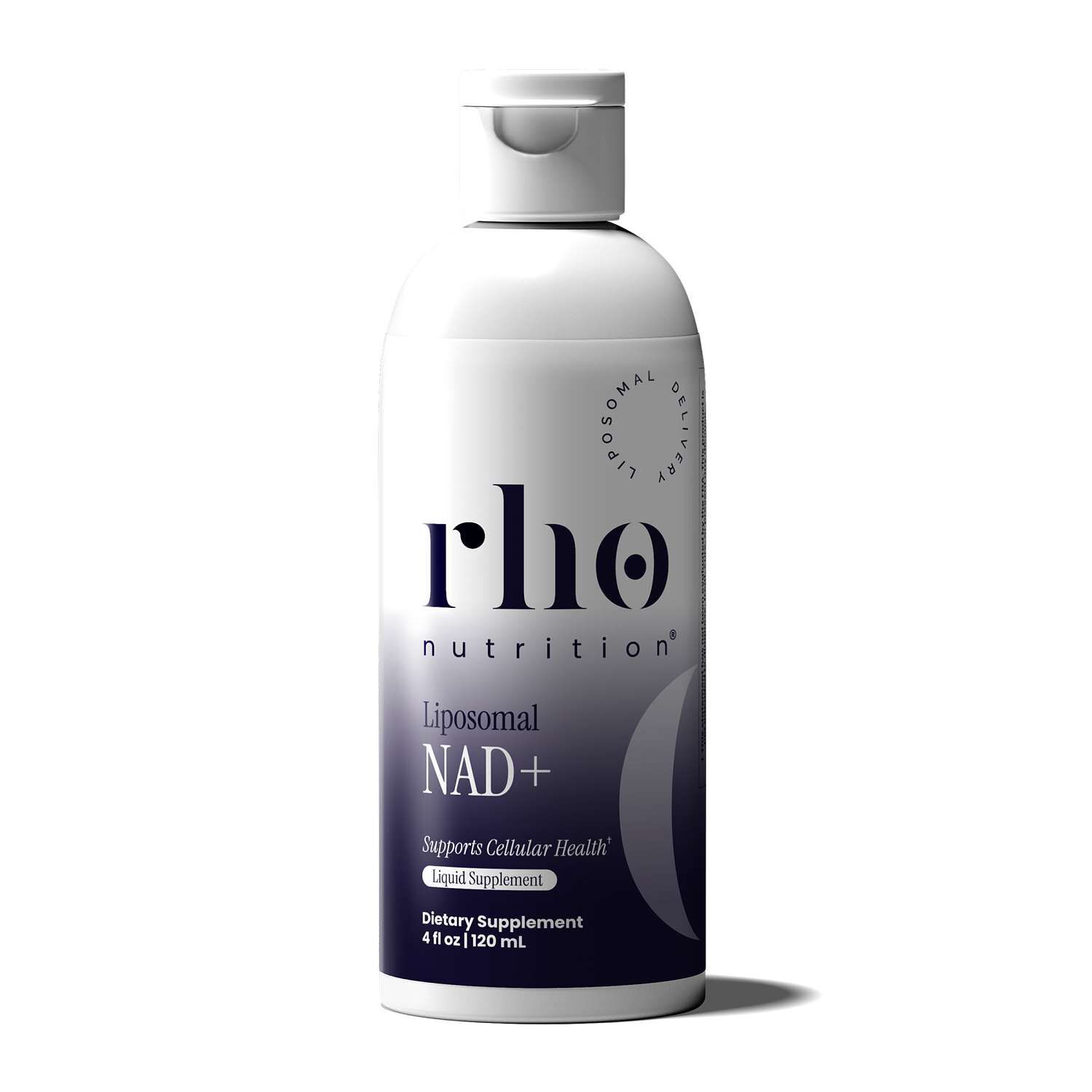 Rho Nutrition
 -
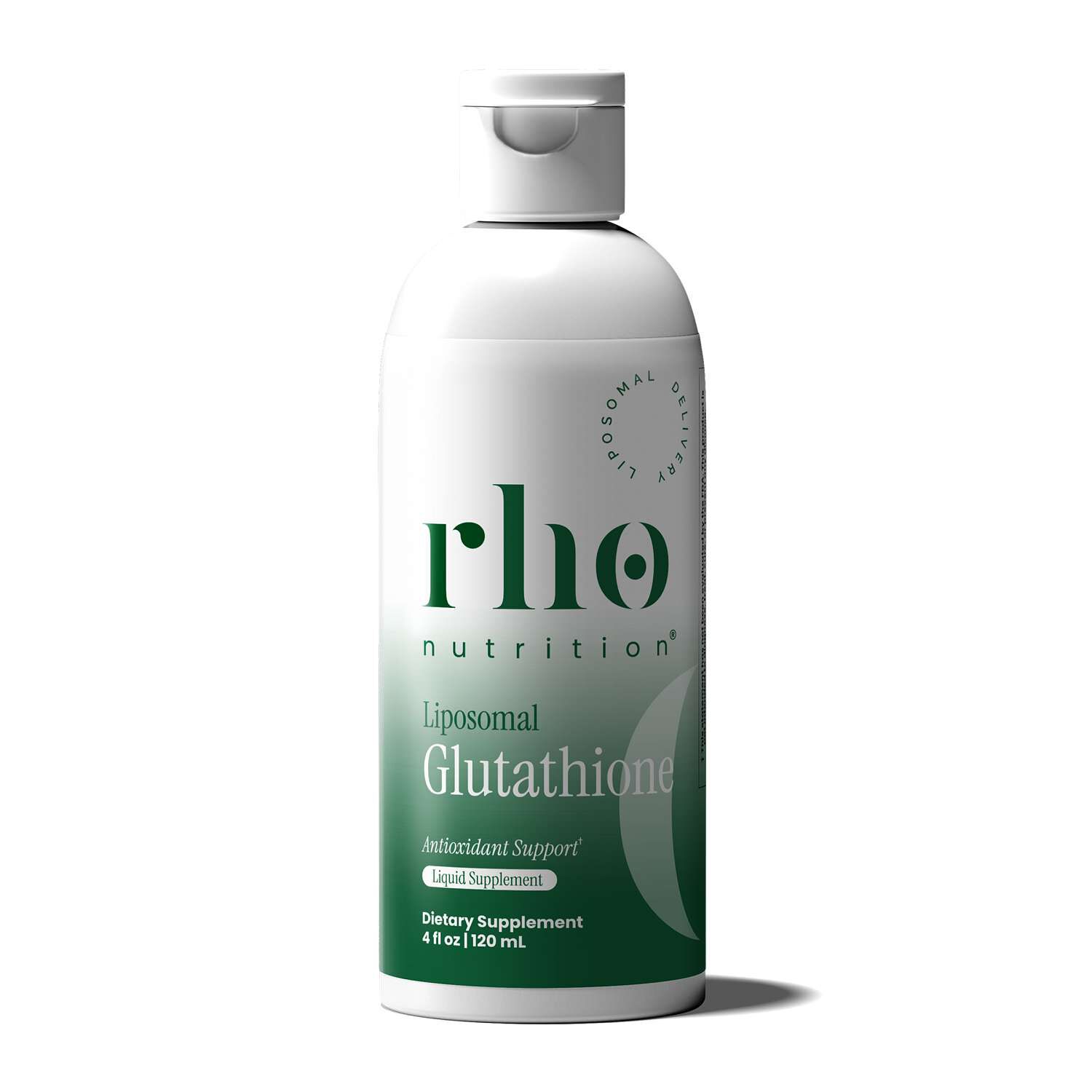 Rho Nutrition
 -
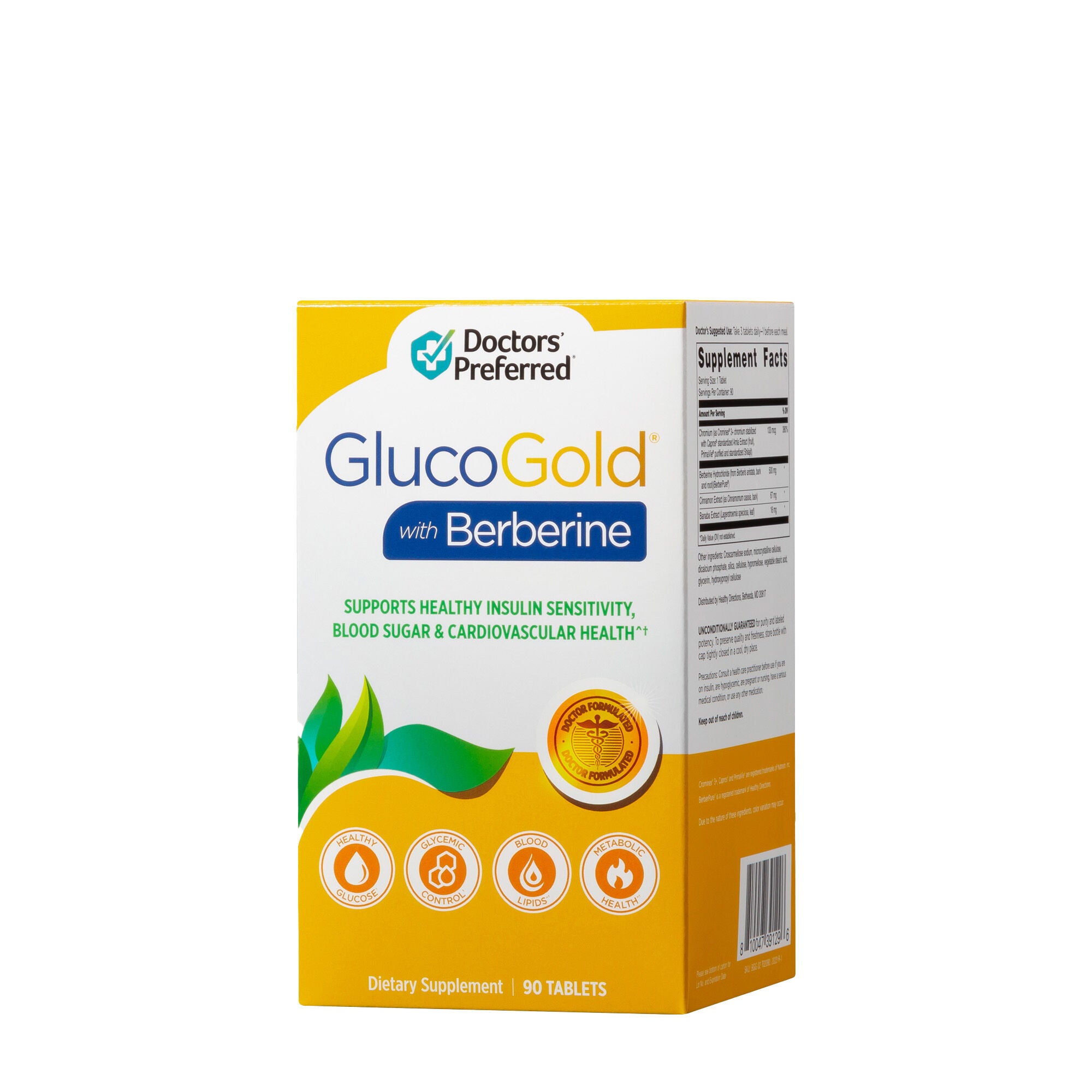 Doctors' Preferred