Organic Antioxidant Superfood Powders
(0 Results)
Organic antioxidant superfood powders could offer a convenient way to support your wellness journey with nutrient-rich ingredients sourced from nature. These versatile blends may be easily added to smoothies, shakes, or recipes, making it simple to incorporate more plant-based nutrition into your daily routine. Explore a wide selection of organic antioxidant superfood powders that might help you elevate your healthy lifestyle goals.


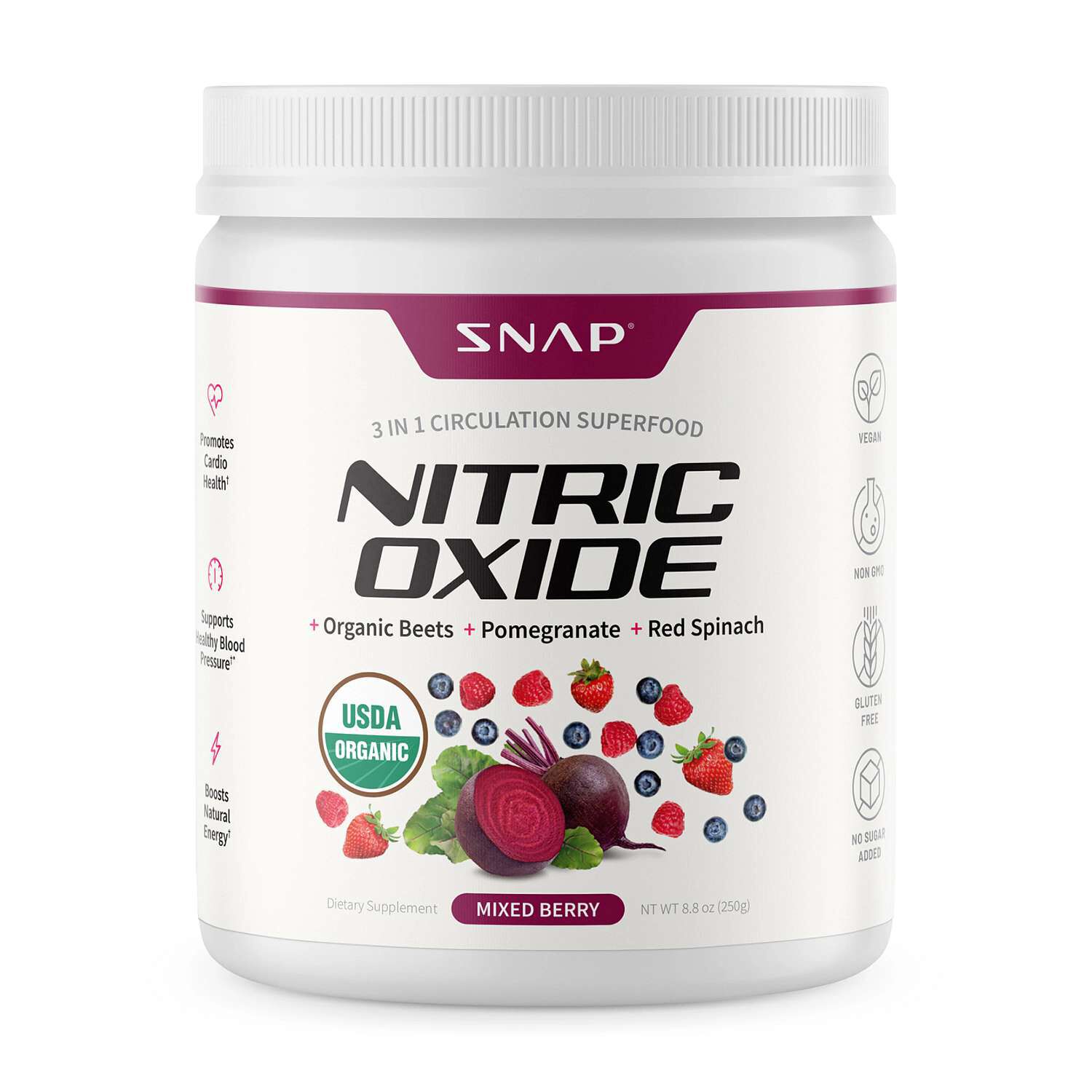
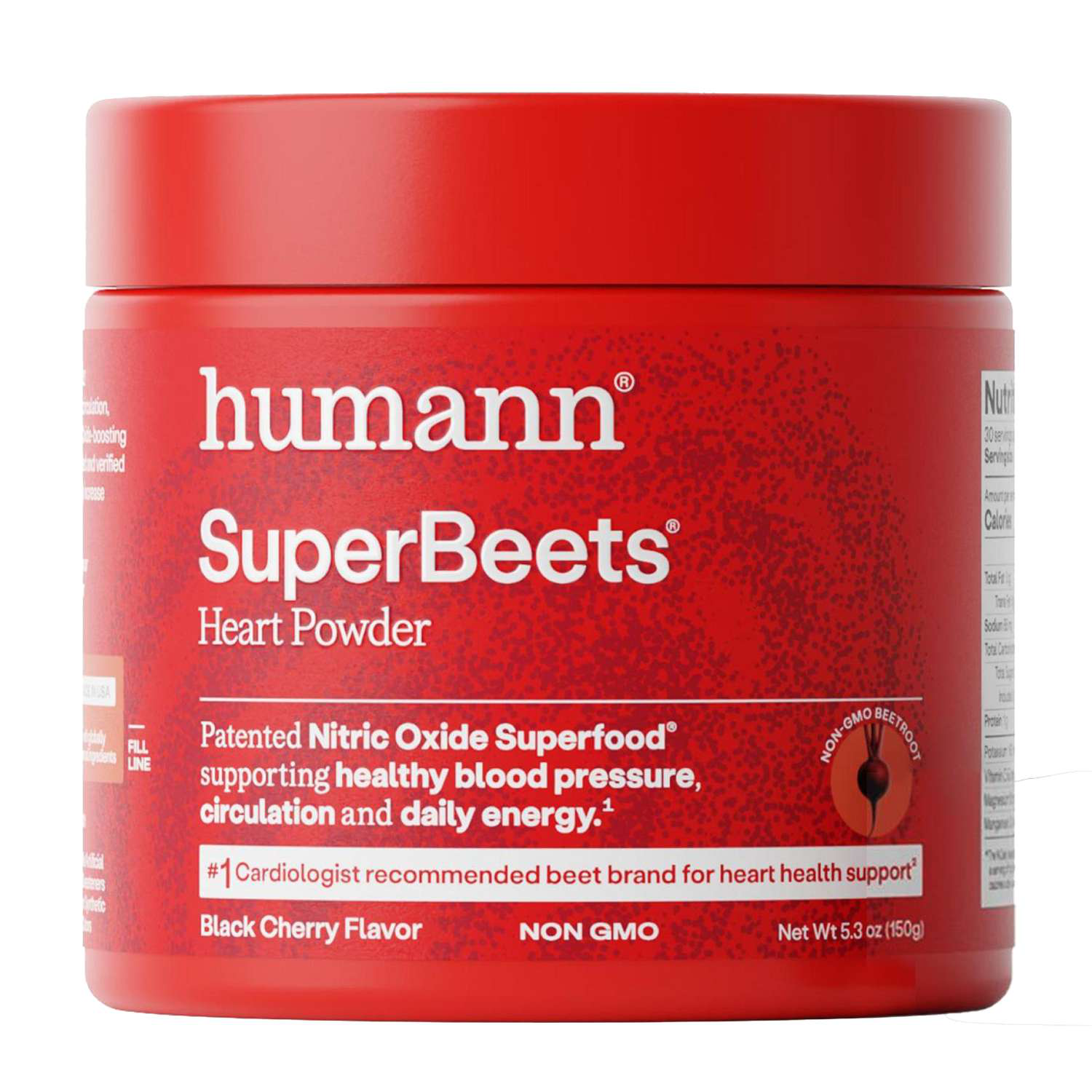
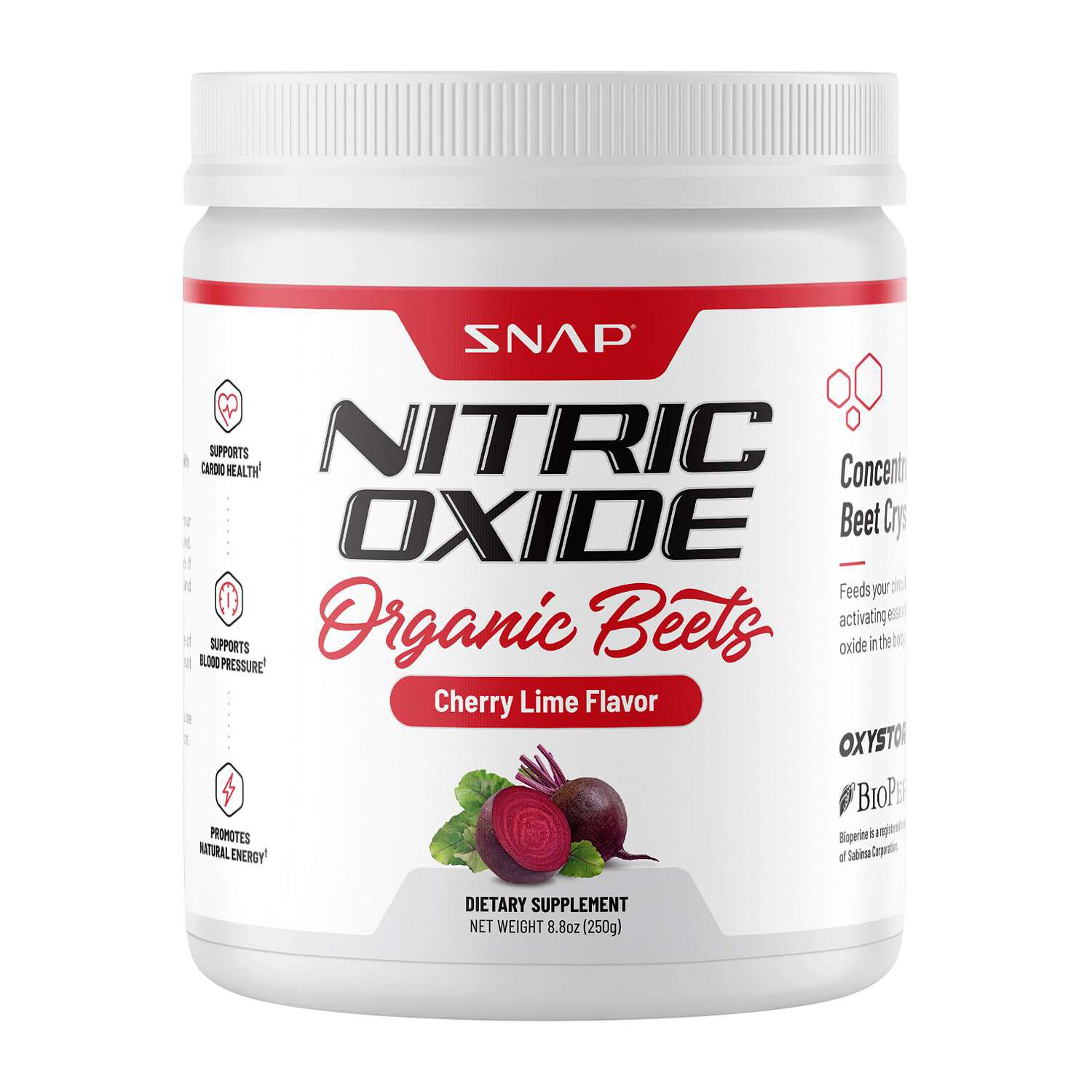
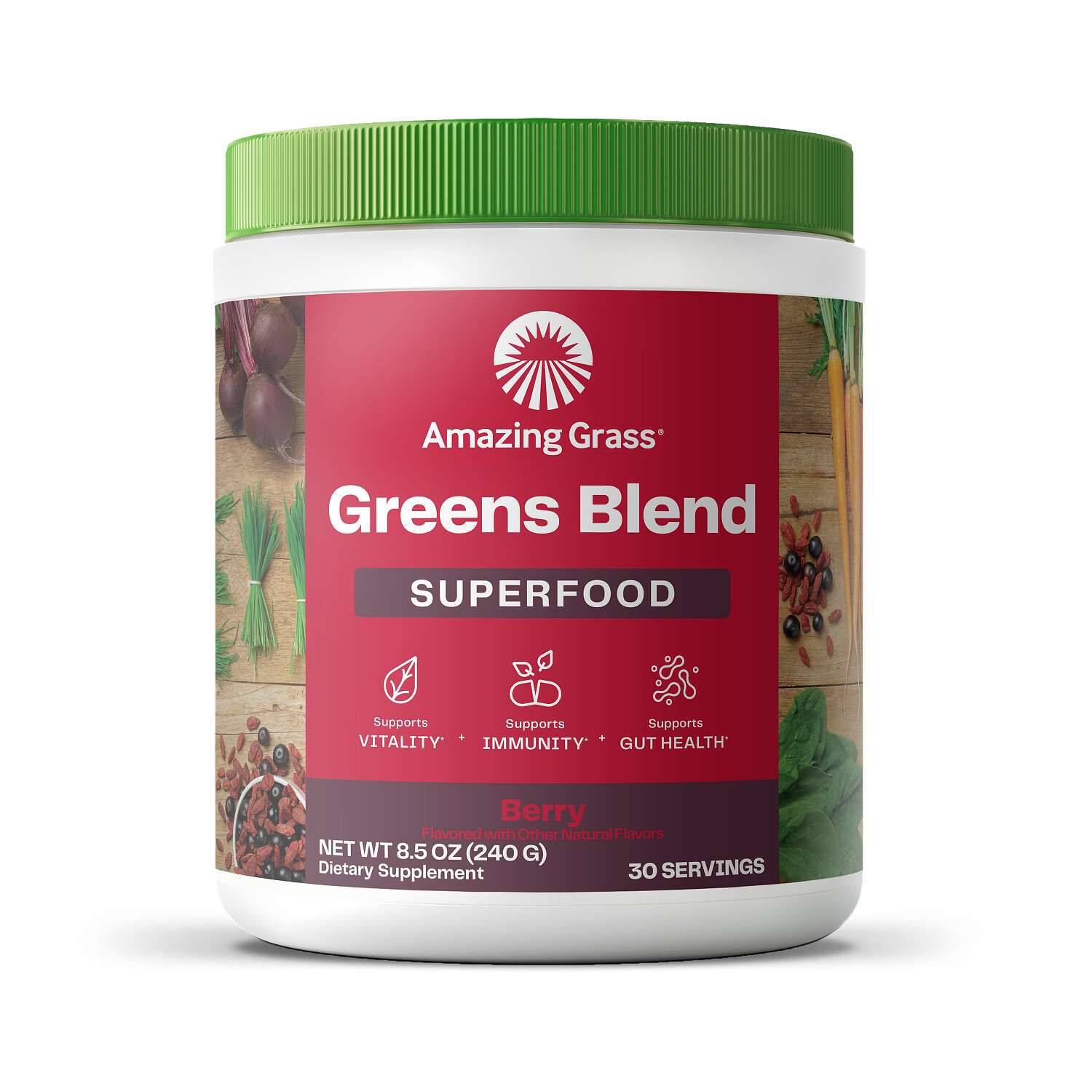

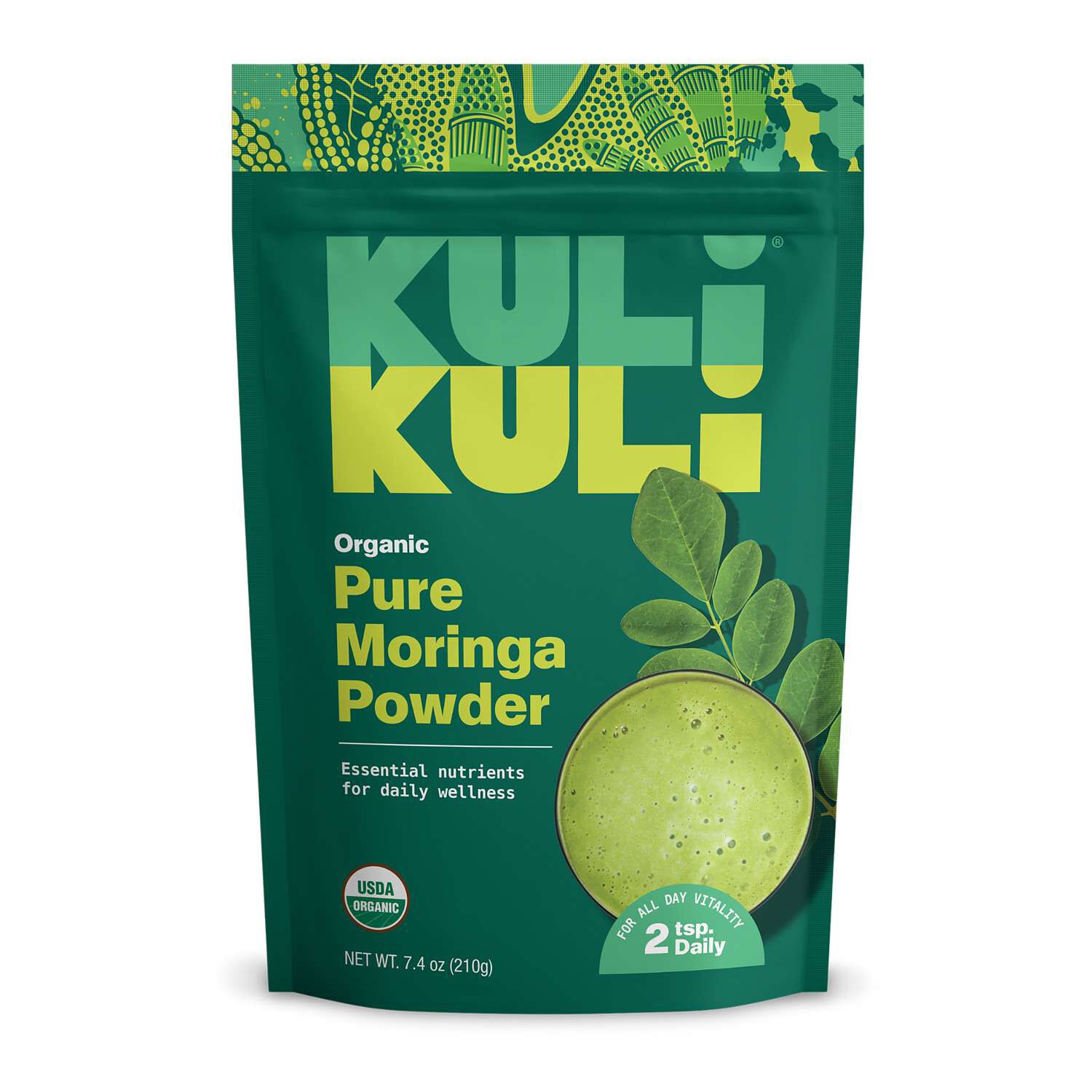

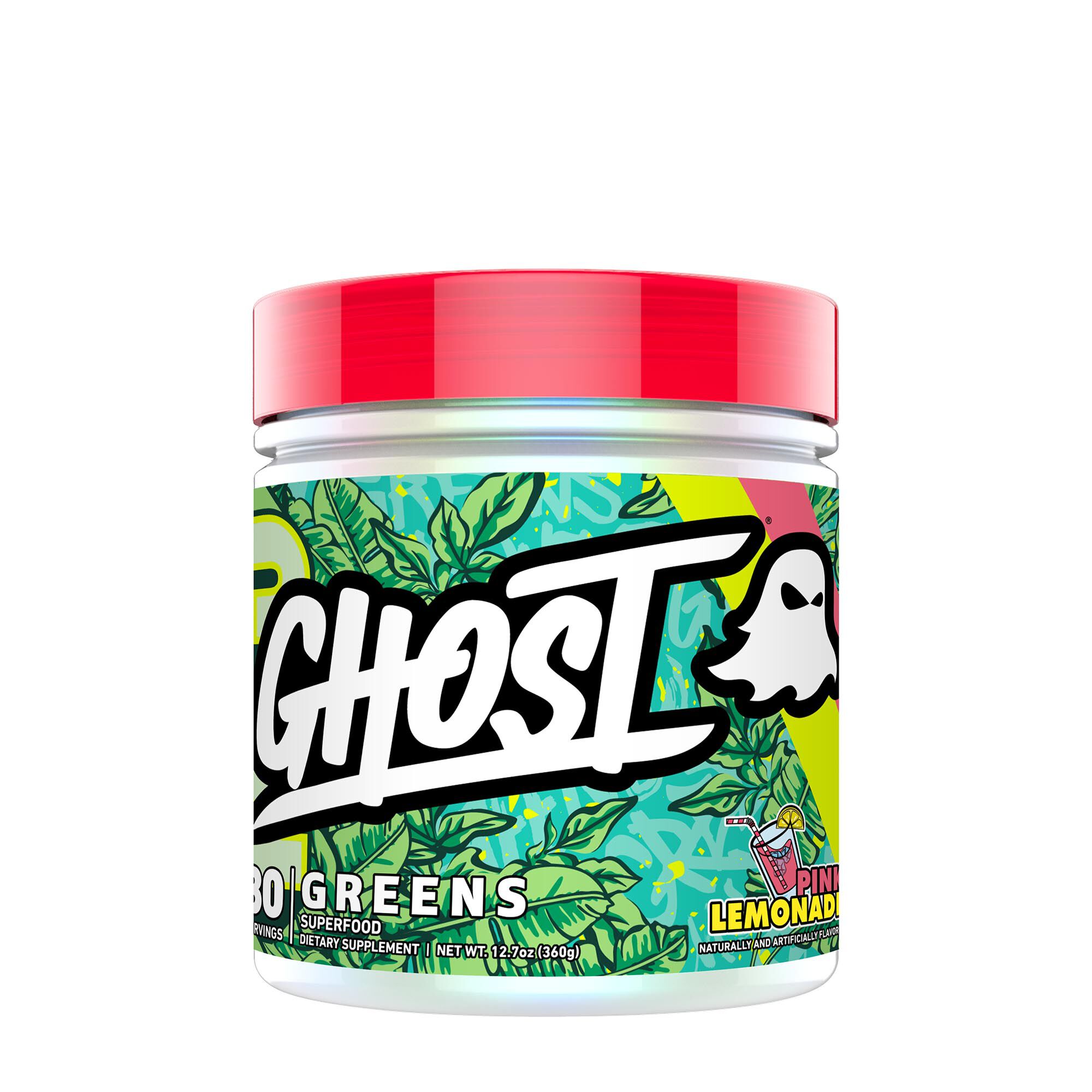
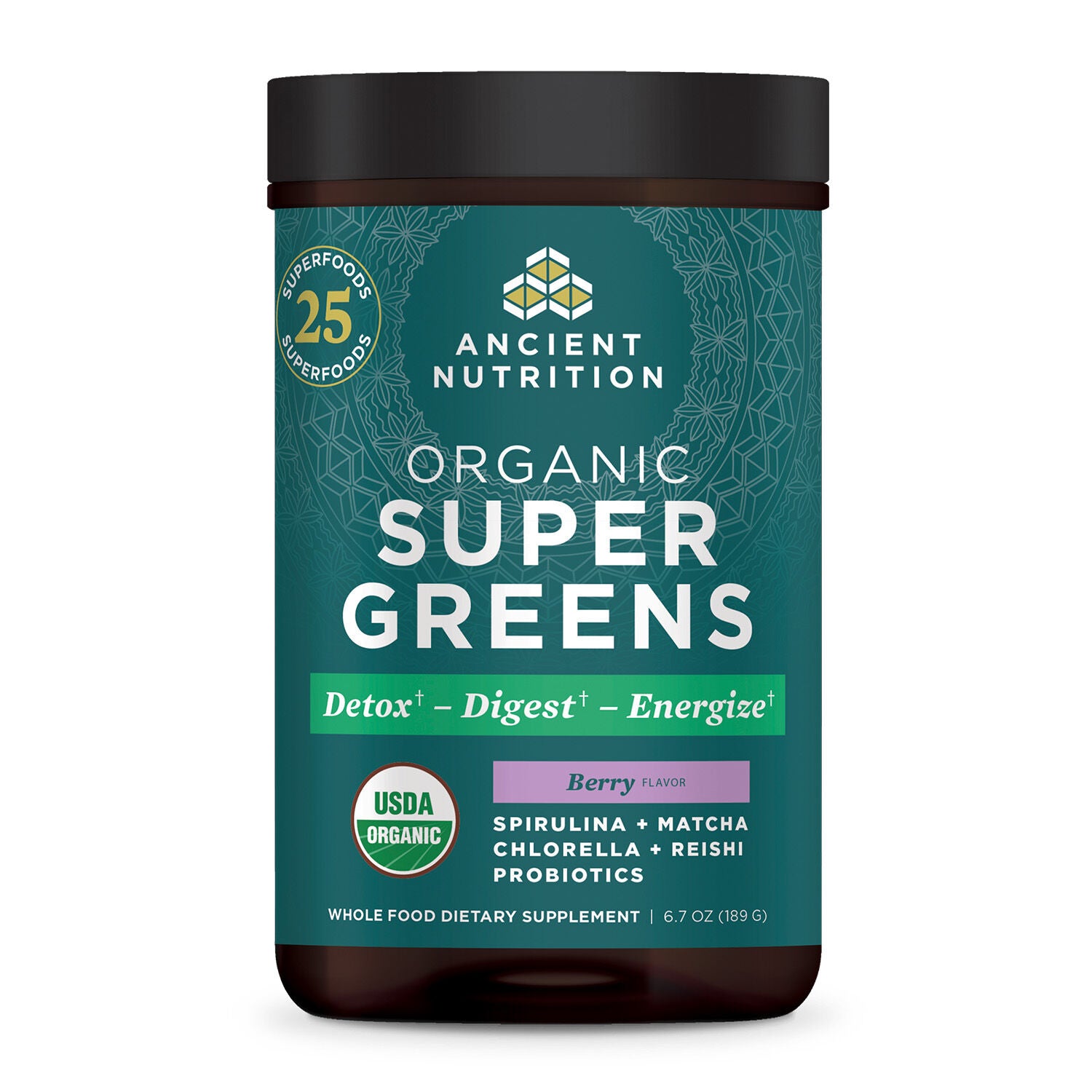
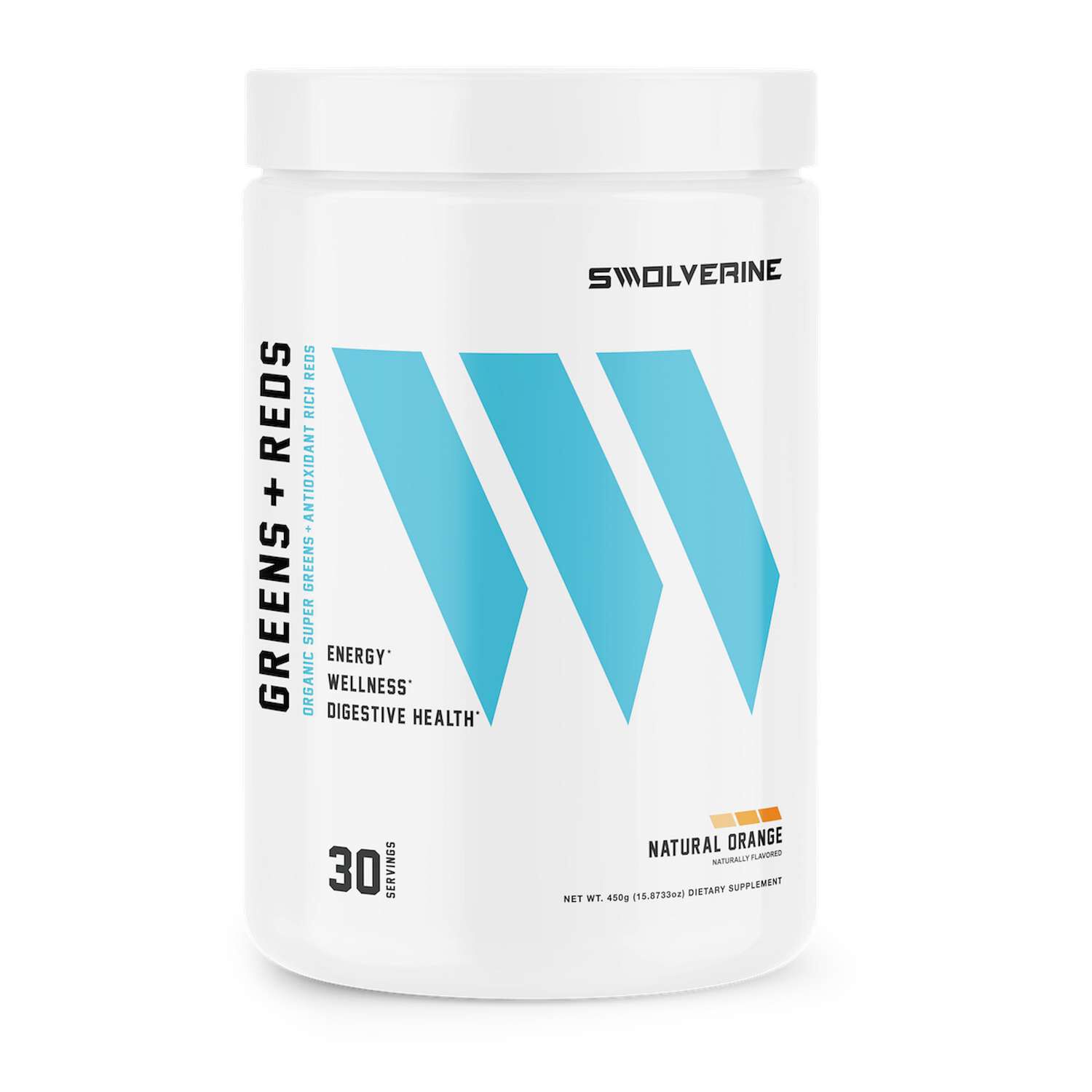


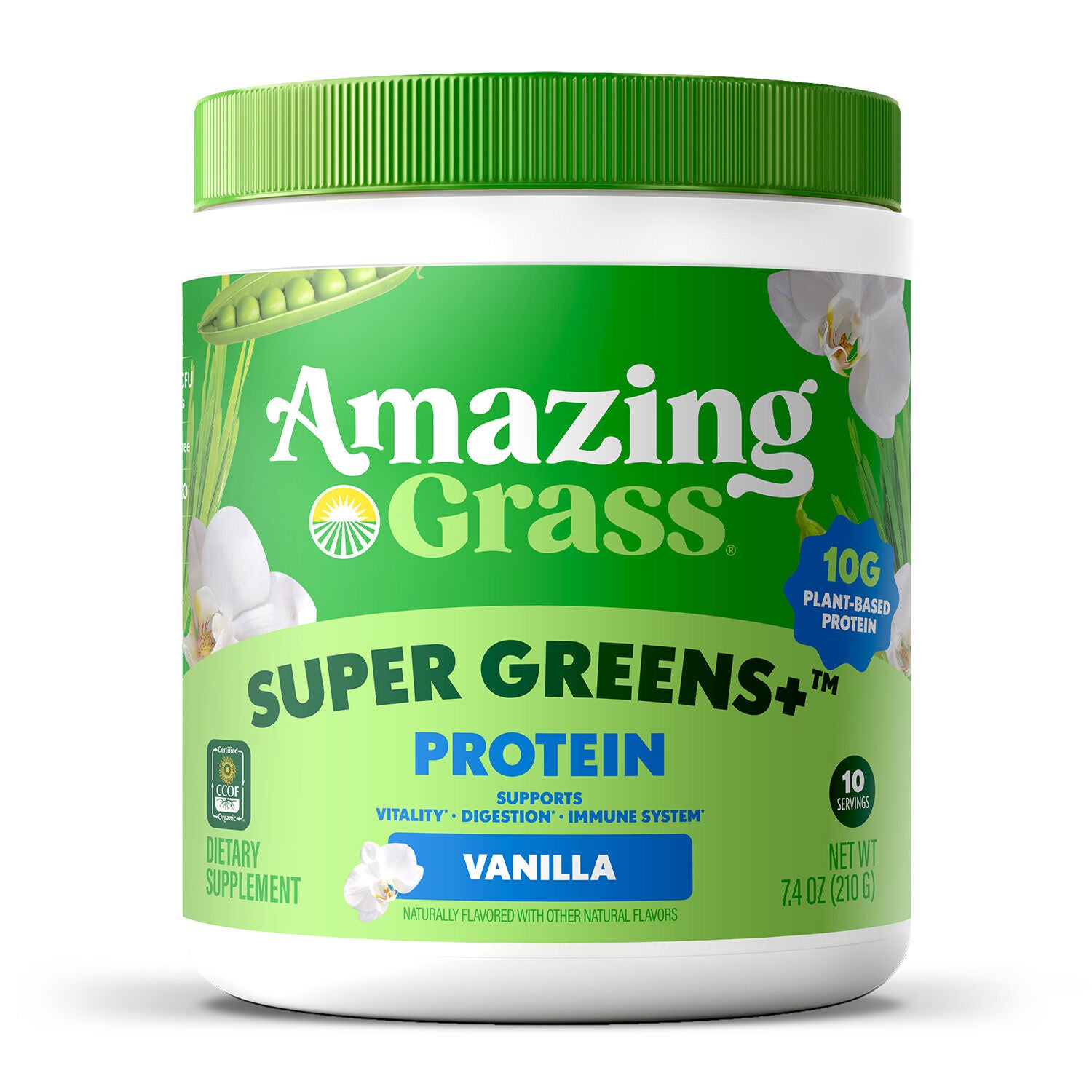


Organic antioxidant superfood powders are powdered blends made with ingredients such as dried berries, leafy greens, grasses, fruits, and roots. Their appeal lies in a compact format that fits into familiar foods and drinks, with recipes ranging from greens-forward combinations to fruit-focused blends. Spinach, kale, wheatgrass, and barley grass are common examples of green ingredients, while blueberry, cranberry, tart cherry, beetroot, and pomegranate can appear in red or berry blends. These ingredients are not interchangeable: each contributes its own flavor, color, and nutritional composition. Antioxidants include certain vitamins and plant compounds, such as vitamin C, vitamin E, carotenoids, and polyphenols, although the ingredients and amounts in a particular powder depend on its recipe and processing. A colorful blend or a long ingredient list does not, by itself, establish how much of any nutrient a serving contains. The nutrition panel and ingredient list offer a more useful picture of what is inside. The word “superfood” is a descriptive food term, not a standardized nutritional rating, and organic refers to production and handling standards rather than a particular nutrient profile. USDA Organic certification identifies products made according to those standards; other dietary attributes need their own label information. Drying and milling turn plant ingredients into a powder, but the resulting composition can differ from that of fresh produce. Some formulas use whole-food powders, others include extracts or juice powders, and many combine several ingredient types. Those distinctions matter when comparing fiber, serving size, and preparation directions. Organic antioxidant superfood powders belong alongside a varied eating pattern rather than serving as a substitute for fruits and vegetables. For shoppers comparing this category, the most meaningful differences are often straightforward: which plants are included, how much powder makes up a serving, whether nutrients are listed in specific amounts, and whether the flavor suits the foods already part of a daily routine. A short, clearly described recipe may suit one household, while a blend with a broader mix of ingredients may suit another.
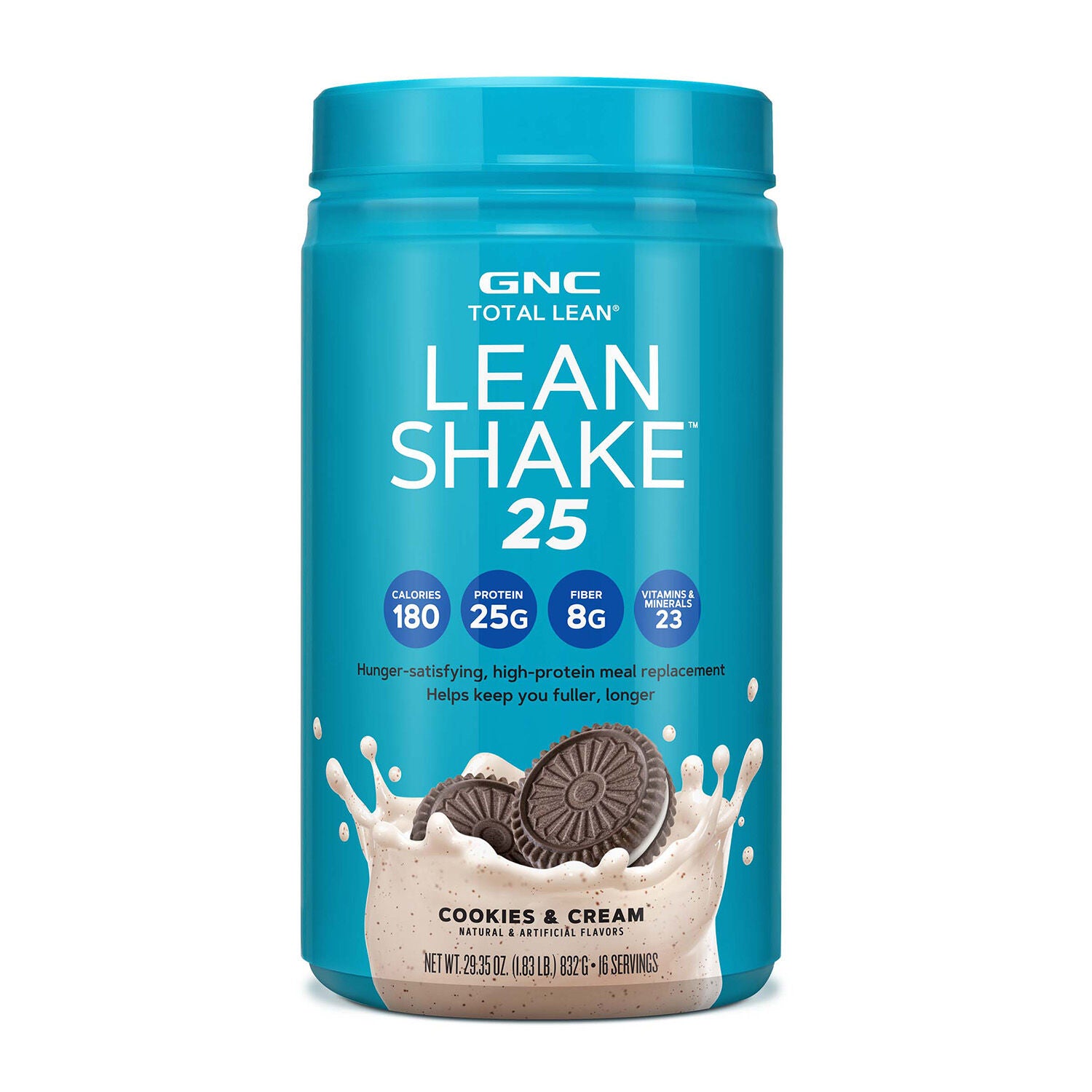
Taste and texture are central to choosing a powder that fits an everyday kitchen. A greens-forward formula may have grassy, earthy, or mildly savory notes, while a berry blend could lean tart, fruity, or lightly sweet, depending on the recipe. Beetroot may contribute an earthy character, and ingredients such as cocoa, vanilla, or cinnamon may give a blend a different flavor direction. Added sweeteners and flavorings deserve a look when comparing formulas, especially for someone who prefers a less-sweet drink or wants a powder that works in several recipes. An unflavored blend is not necessarily flavorless; its plant ingredients may still be noticeable. In a breakfast smoothie with banana, oats, and a preferred milk, a fruit-focused powder could complement the existing flavors. A green blend may fit a smoothie made with pineapple or mango, while a tart berry formula could suit plain yogurt. Oatmeal is another possible pairing when the preparation directions allow it, although a powder may change both the color and consistency of the bowl. Mixing behavior varies, too. Some formulas disperse with a shaker bottle, while others may work better in a blender, and powders made from finely milled plants can leave a little sediment. Package directions identify the suggested serving and preparation method, making them more useful than assuming every scoop is the same size. For a busy morning, a container kept near the blender may fit an established breakfast habit; individual packets may suit someone who prepares drinks away from home. Neither format needs an elaborate recipe. The practical match is the one that works with the preferred beverage, available mixing equipment, and usual portion size. Someone who enjoys fruit smoothies may favor a berry-based blend, while a person who prefers less-sweet flavors may gravitate toward a greens formula. When a powder is intended for a protein shake, its own protein content still belongs in the nutrition-panel comparison rather than being inferred from the drink it accompanies.
Comparing organic antioxidant superfood powders also involves looking beyond the front label to ingredient details, packaging, and storage needs. Some blends consist mainly of plant powders, while others include added vitamins, minerals, enzymes, cultures, or additional ingredients. A formula with more components is not automatically a better fit; the relevant consideration is whether its contents match the intended use and dietary preferences. Vegan labeling, allergen statements, and the ingredients used for sweetening or flavoring are separate considerations from organic certification. Wheatgrass and barley grass names also make the full ingredient and allergen information particularly relevant for shoppers who avoid certain grains. When a label uses a proprietary blend, it may list the combined weight without specifying the amount of each ingredient, which can make direct comparisons less straightforward. Serving count and serving weight provide useful context for container size: a larger tub does not necessarily contain more servings if its suggested portion is larger. Packaging matters for everyday handling as well. A resealable pouch may fit a shallow cupboard, while a tub with a wide opening may be easier to use with its designated scoop. Following the storage directions, closing the package securely, and using a clean, dry utensil help keep handling consistent with the product’s intended use. Moisture can cause powders to clump, so a scoop should stay out of a wet blender cup before returning to the container. The printed date and any instructions for use after opening are also worth keeping visible. For a broader look at this ingredient-focused category, Organic Superfood Powders For Daily Nutrition offers a related selection to explore. These powders may suit adults who enjoy experimenting with smoothie ingredients, prefer shelf-stable pantry additions, or want a measured plant-based blend for familiar recipes. The strongest match comes from clear labeling, a flavor that fits the routine, and preparation requirements that feel practical, whether the powder is stirred into yogurt at the kitchen counter or blended into a drink before heading out for the day.
Best Sellers
-
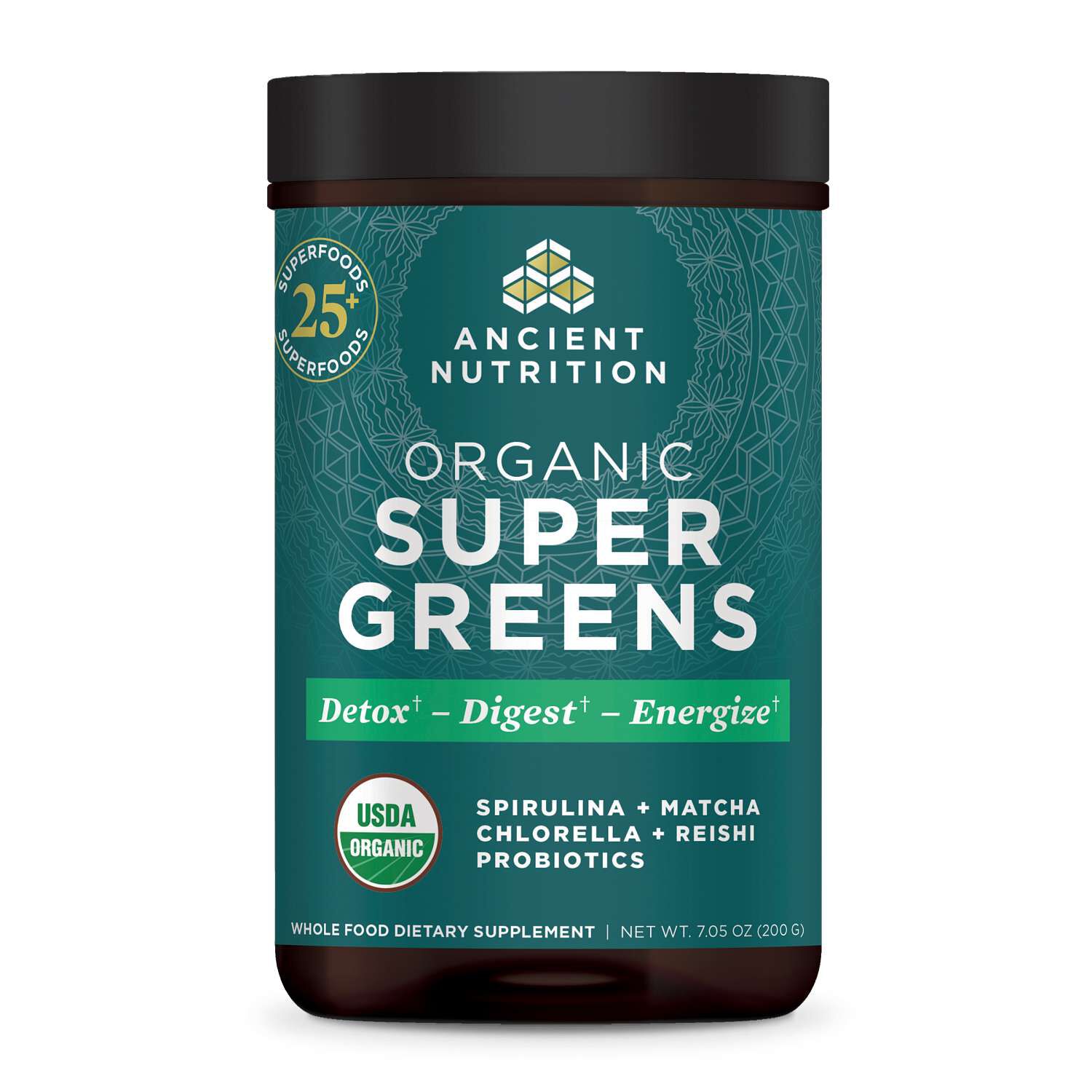 Ancient Nutrition
-
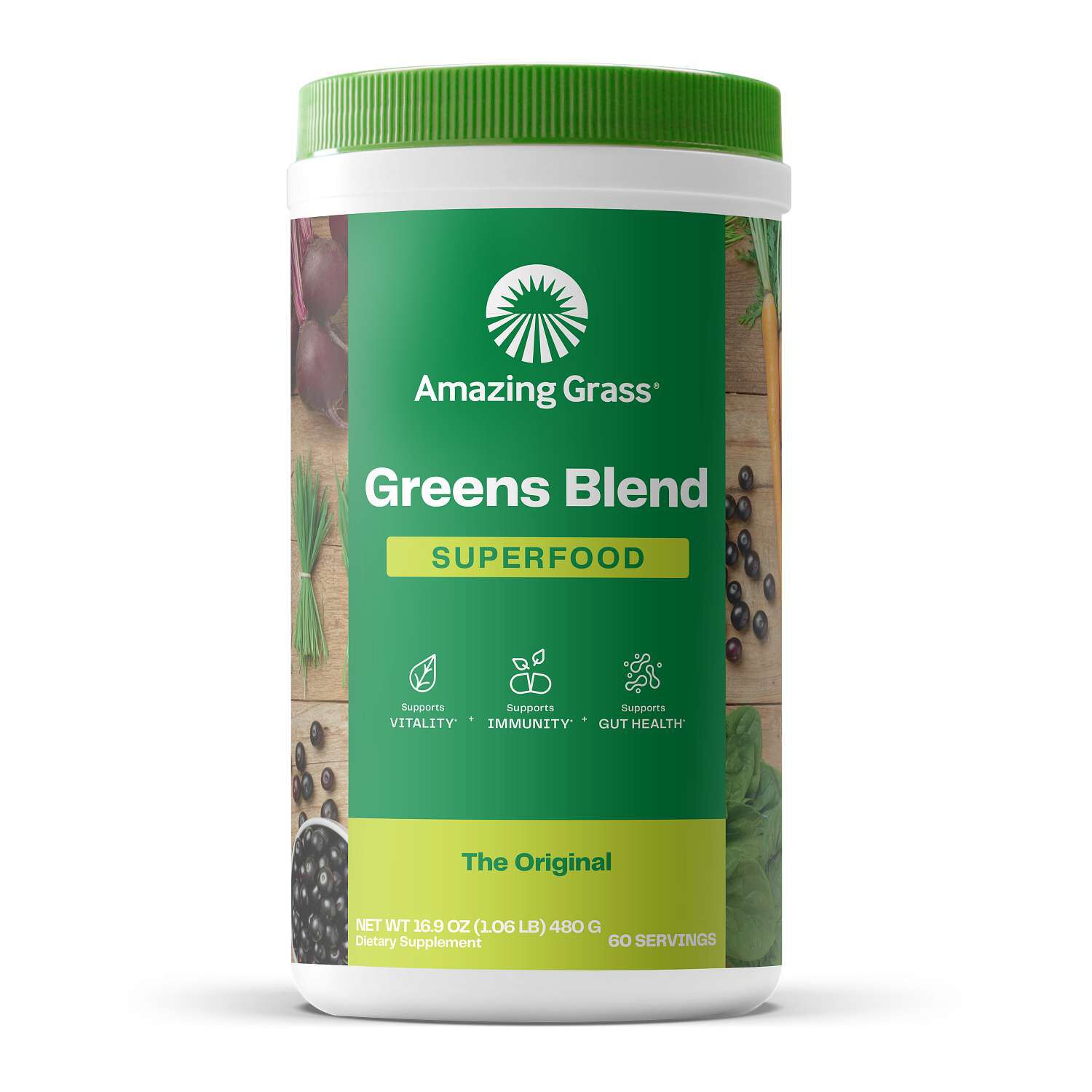 Amazing Grass