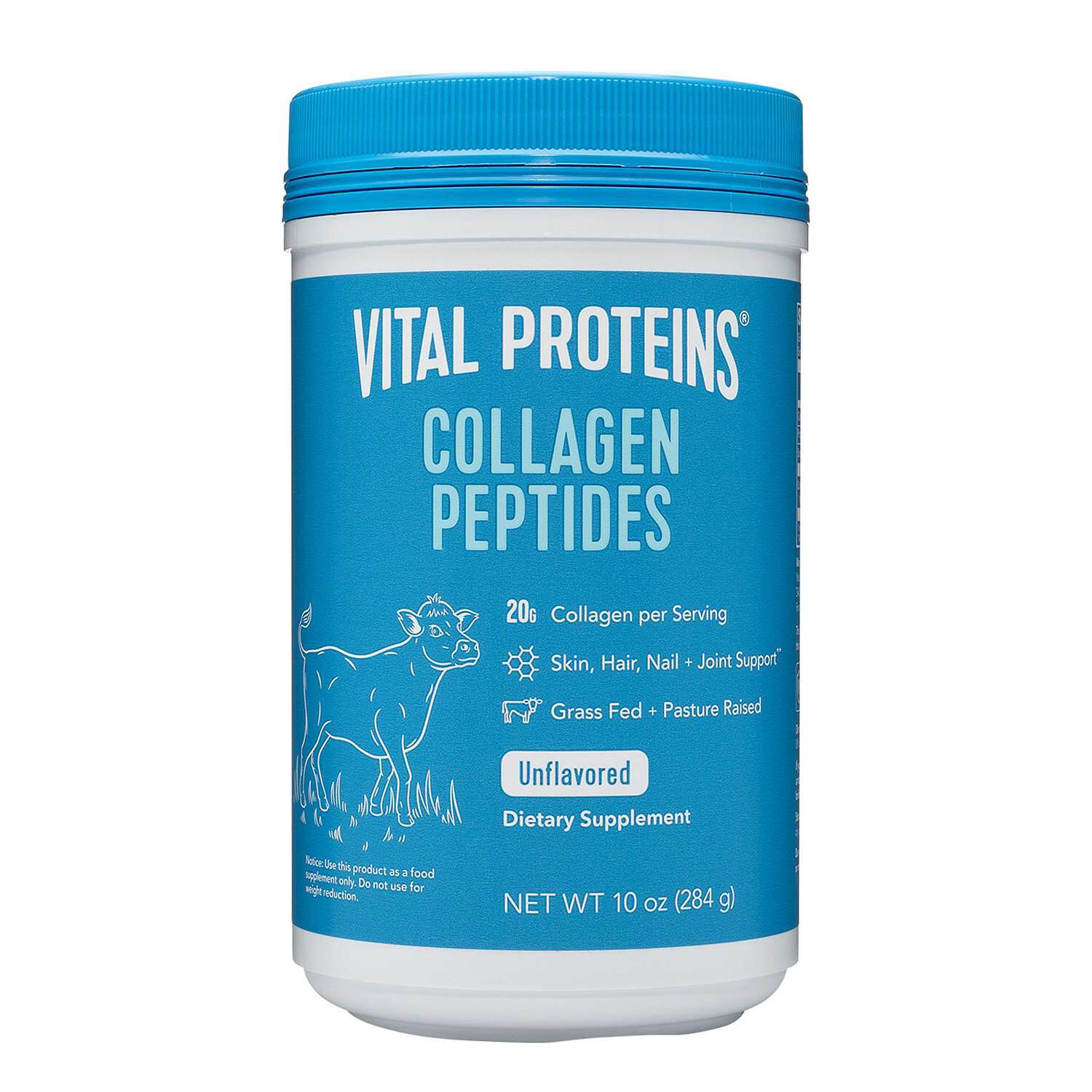
Organic Superfood Powders For Daily Nutrition
(0 Results)
Organic superfood powders for daily nutrition offer a convenient way to support your wellness goals with nutrient-dense ingredients sourced from nature. These versatile powders may be added to smoothies, shakes, or recipes, making it easy to incorporate a variety of fruits, vegetables, and greens into your routine. Whether you’re looking to add more plant-based options to your day or seeking a simple way to enhance your favorite meals, organic superfood powders for daily nutrition could be a great addition to your pantry. Explore options that fit your lifestyle and preferences as you work toward balanced nutrition.
-
-
-
-
-
-
-
-

-

-
 Divine Health$44.99
-
-

-

-

-

-

-

-
-

-
-

-
 4$59.99
-
 SNAP Supplements$49.99
-
 $32.99
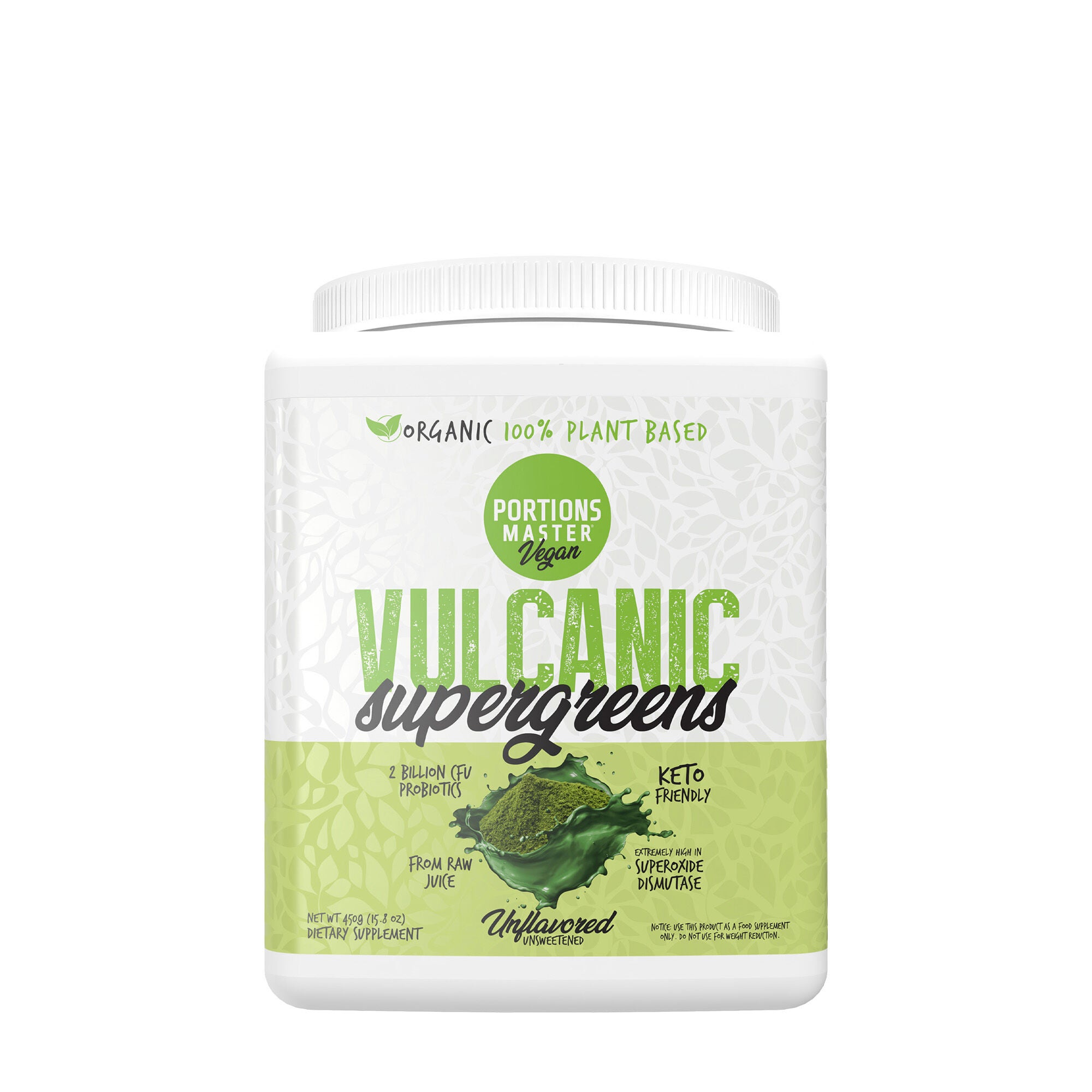
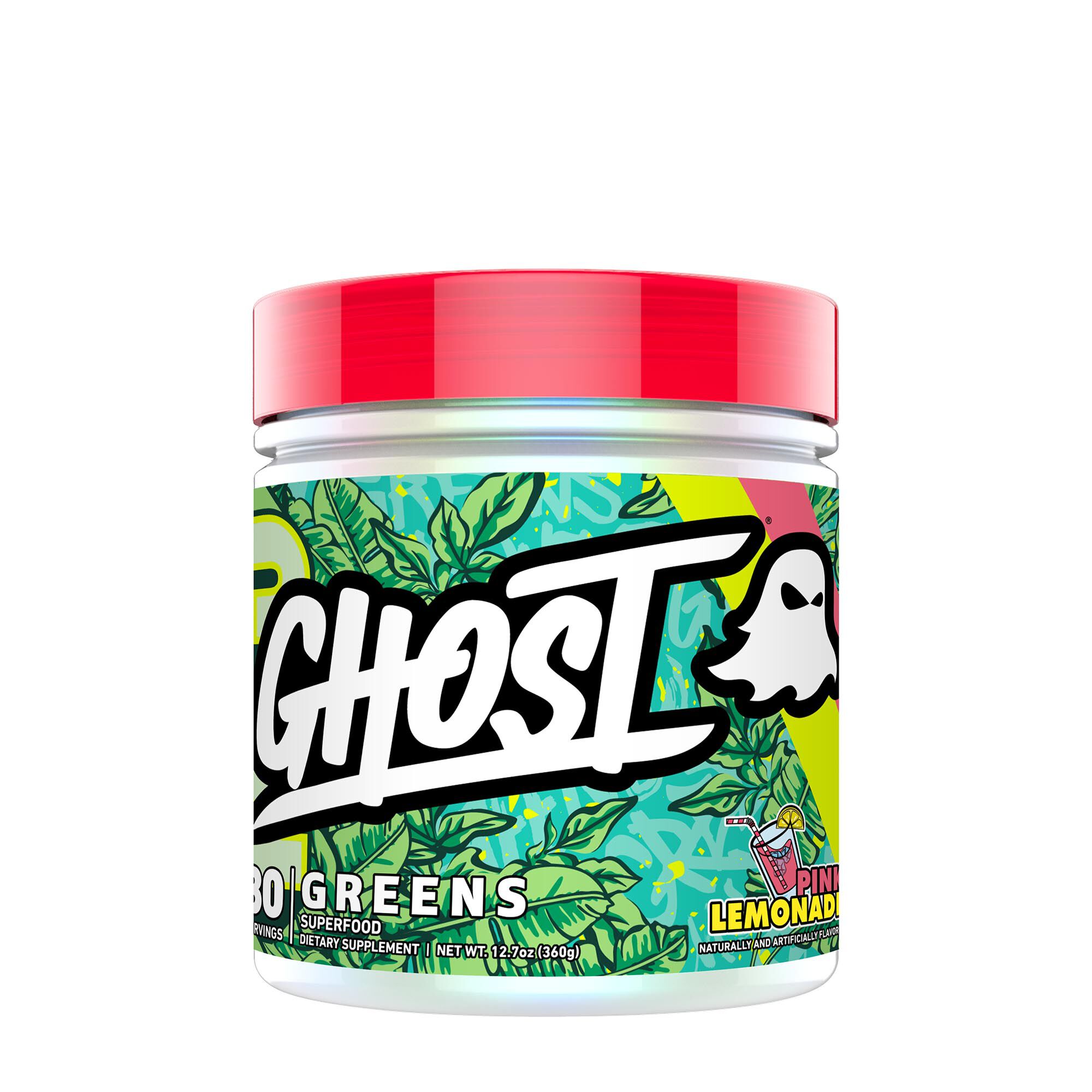
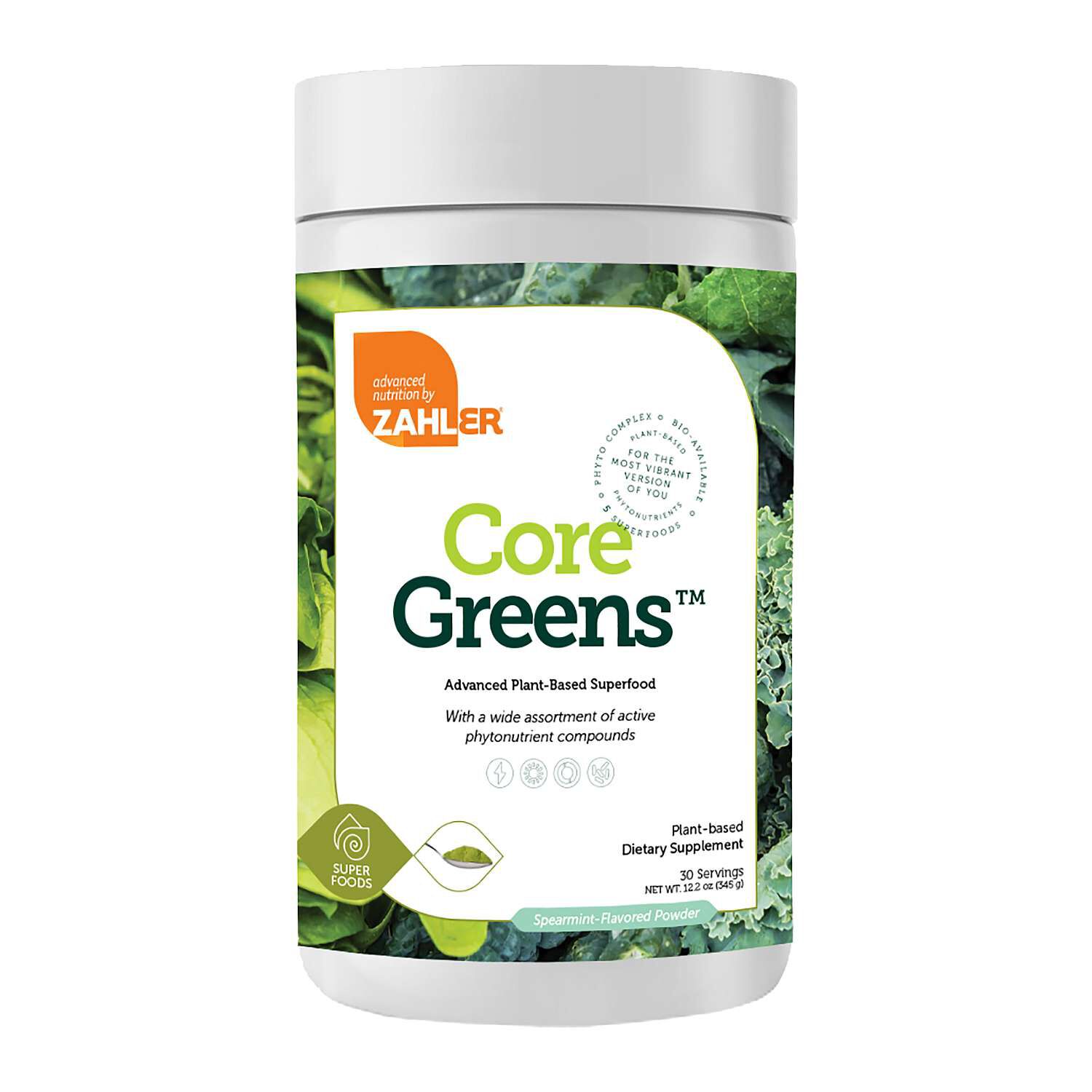
Organic superfood powders bring ingredients such as leafy greens, berries, grasses, and cacao into a scoopable format for everyday meals and drinks. The category ranges from single-ingredient powders to blends containing several fruits, vegetables, and other plant ingredients, with distinct flavors, textures, and serving sizes. “Superfood” is a broad descriptive term rather than a standardized nutritional designation, so the ingredient list and nutrition information offer a clearer picture than the name alone. Green powders often feature spinach, kale, wheatgrass, barley grass, spirulina, or chlorella, while fruit-forward blends may include acai, blueberry, or other berry ingredients. Cacao has a recognizable cocoa flavor, and root-based powders bring their own earthy character. These differences matter when choosing something for a familiar breakfast or afternoon smoothie: a grassy blend creates a different drinking experience from a tart berry powder or an unsweetened cacao option. Organic refers to production and handling standards, not a particular nutrient profile. A USDA Organic seal identifies certification under federal organic standards, which address agricultural practices, permitted substances, and handling requirements. Organic certification does not, by itself, establish how much fiber, protein, or any particular vitamin a serving contains. Depending on the ingredients and serving size, an organic superfood powder may contribute nutrients alongside those already present in a varied eating pattern. The amount matters as much as the ingredient name, especially when a blend contains many components in one small scoop. Whole fruits and vegetables remain distinct foods with their own water content, texture, and nutritional composition; a powdered blend is not an interchangeable substitute. For shoppers interested in berry, cacao, and other plant-based blends, Organic Antioxidant Superfood Powders offer a related category to explore. The word “antioxidant” describes certain compounds, but it does not establish a uniform amount or nutritional profile across powders. Specific ingredients and declared nutrient amounts provide the more useful basis for comparison.
The best fit for a daily routine often comes down to what is actually in the container and how it pairs with foods already on the menu. A single-ingredient organic powder keeps the ingredient list straightforward and gives a smoothie or bowl one main flavor direction. A multi-ingredient blend brings several components together, though the label may not disclose the individual quantity of every ingredient within a grouped blend. Some formulas also contain probiotics, digestive enzymes, added vitamins, or minerals; those additions distinguish one formula from another without making every blend appropriate for every shopper. Comparing the Nutrition Facts or Supplement Facts panel, as applicable, makes differences in serving size, declared nutrients, sugars, and fiber easier to see. A long ingredient list does not necessarily mean larger amounts of the nutrients a shopper wants. Likewise, a powder made from fruits and vegetables should not automatically be treated as a protein powder or meal replacement. Protein content varies, and the label is the place to check it. Flavoring and sweetening ingredients deserve attention, too. An unflavored powder can still taste distinctly grassy, earthy, bitter, or tart, while a flavored blend may contain stevia, monk fruit, or other sweetening ingredients that shape the finish. Allergen statements and any relevant dietary certifications are particularly important for households with ingredient restrictions. Organic certification and other certifications address different characteristics, so one symbol should not be assumed to cover every preference. Texture is another practical distinction: finely milled powders, fibrous plant material, and fruit powders do not all behave the same way in liquid. Some disperse readily, while others leave visible particles or settle after mixing. A blender may suit a thicker fruit smoothie, whereas a spoon-stirred drink calls for attention to the package’s mixing directions. Serving measurements also vary between formulas. The scoop supplied with one container is not a reliable measurement for another, and the stated gram weight provides a useful reference when comparing portions.
Organic superfood powders for daily nutrition fit most naturally into routines built around familiar foods rather than elaborate preparation. A banana-and-oat smoothie gives an earthy greens powder a different backdrop than a glass of juice, while yogurt offers a thicker base for a fruit powder with a tart finish. Cacao pairs naturally with oats, nut butter, and banana; berry powders can bring color and fruit character to a breakfast bowl. These are culinary pairings rather than a reason to assume any particular nutritional outcome. The powder’s serving directions, ingredients, and intended use remain relevant whether it is blended into a drink or stirred into food. Measuring the directed portion before mixing keeps preparation consistent, and working a powder into a small amount of liquid first may help distribute it more evenly through a thicker mixture. Some formulas are intended primarily for beverages, so package instructions take priority over a recipe substitution. For someone who makes breakfast at home, a resealable container near the usual smoothie ingredients can be a practical format. Individually portioned packets may suit a desk drawer or travel bag, although the liquid and mixing method still need to match the directions. Packaging matters beyond convenience: a secure closure helps limit exposure to moisture, and an intact container keeps the powder separate from surrounding food spills. Storage instructions and the printed date are useful considerations when selecting a container size for the frequency of use. A dry scoop and a firmly closed lid after each serving are sensible handling habits, particularly around a sink or blender. Powders differ in density, aroma, and natural color, so appearance alone is not a dependable way to compare ingredient quality. For adults who enjoy smoothies, yogurt bowls, or simple blended breakfasts, the most practical choice is often the one with a readable label, a compatible flavor, and preparation requirements that fit the day. Thoughtful selection centers on the actual formula and the foods it will accompany, with organic certification serving as one meaningful attribute among several.
Best Sellers
-
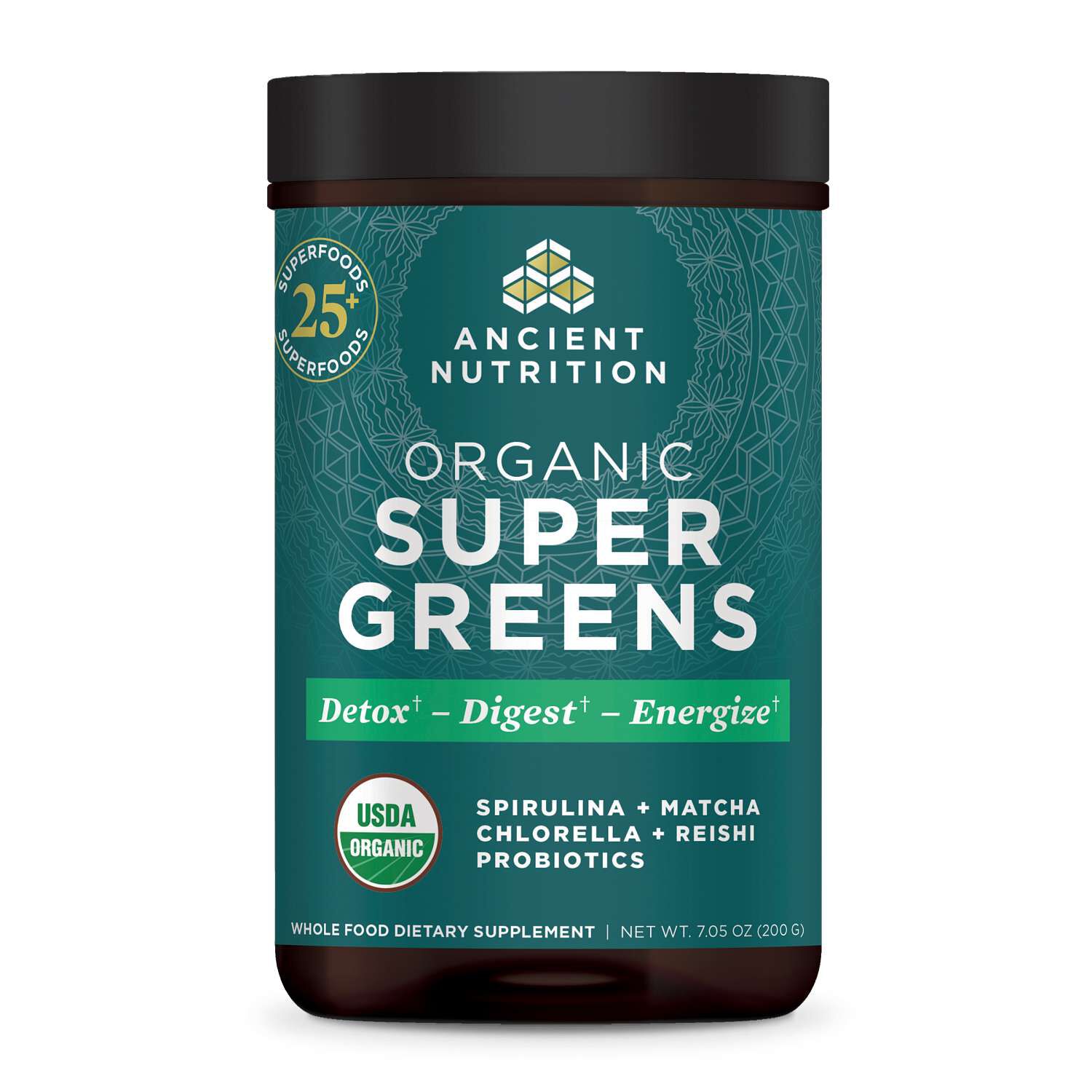
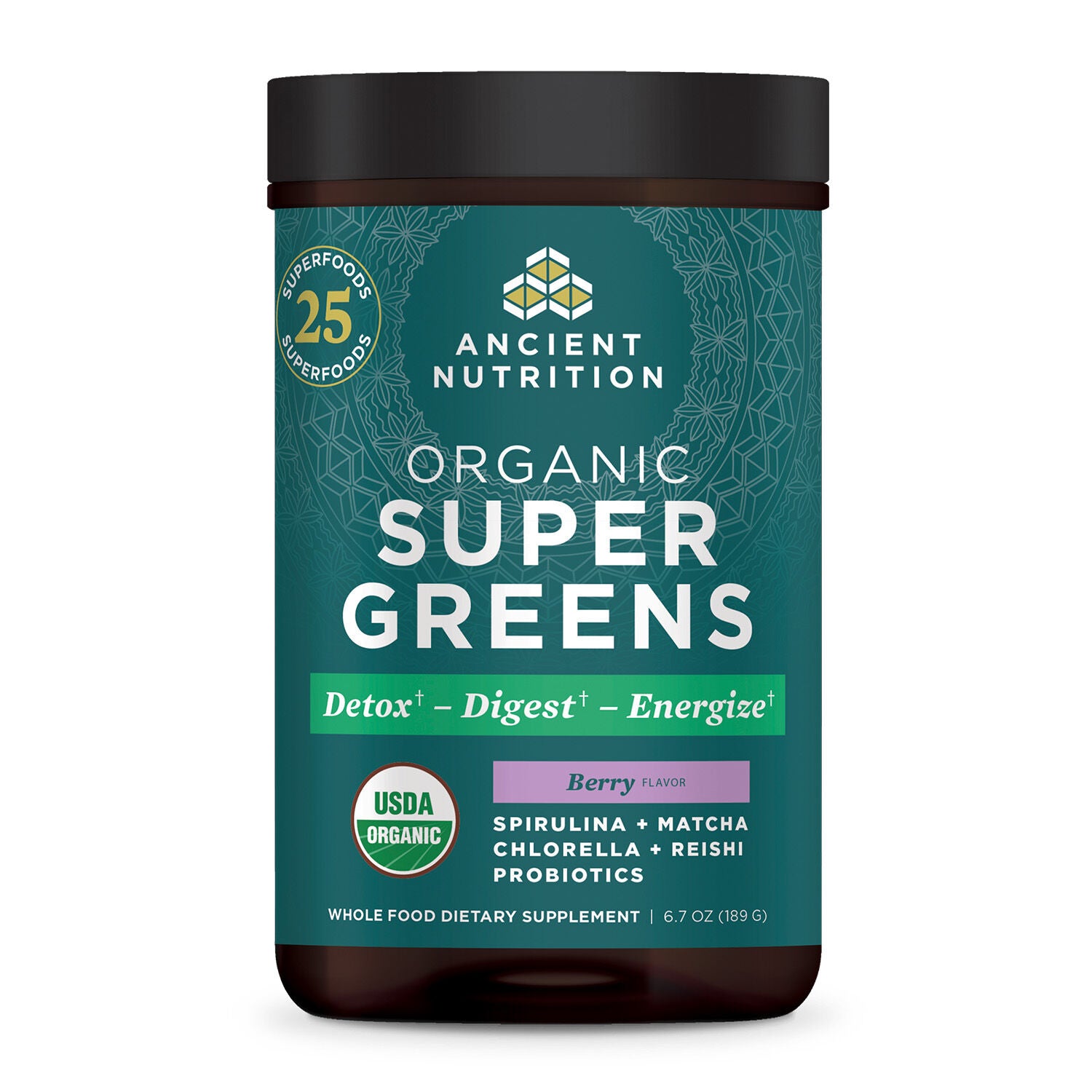
Ancient Nutrition
-
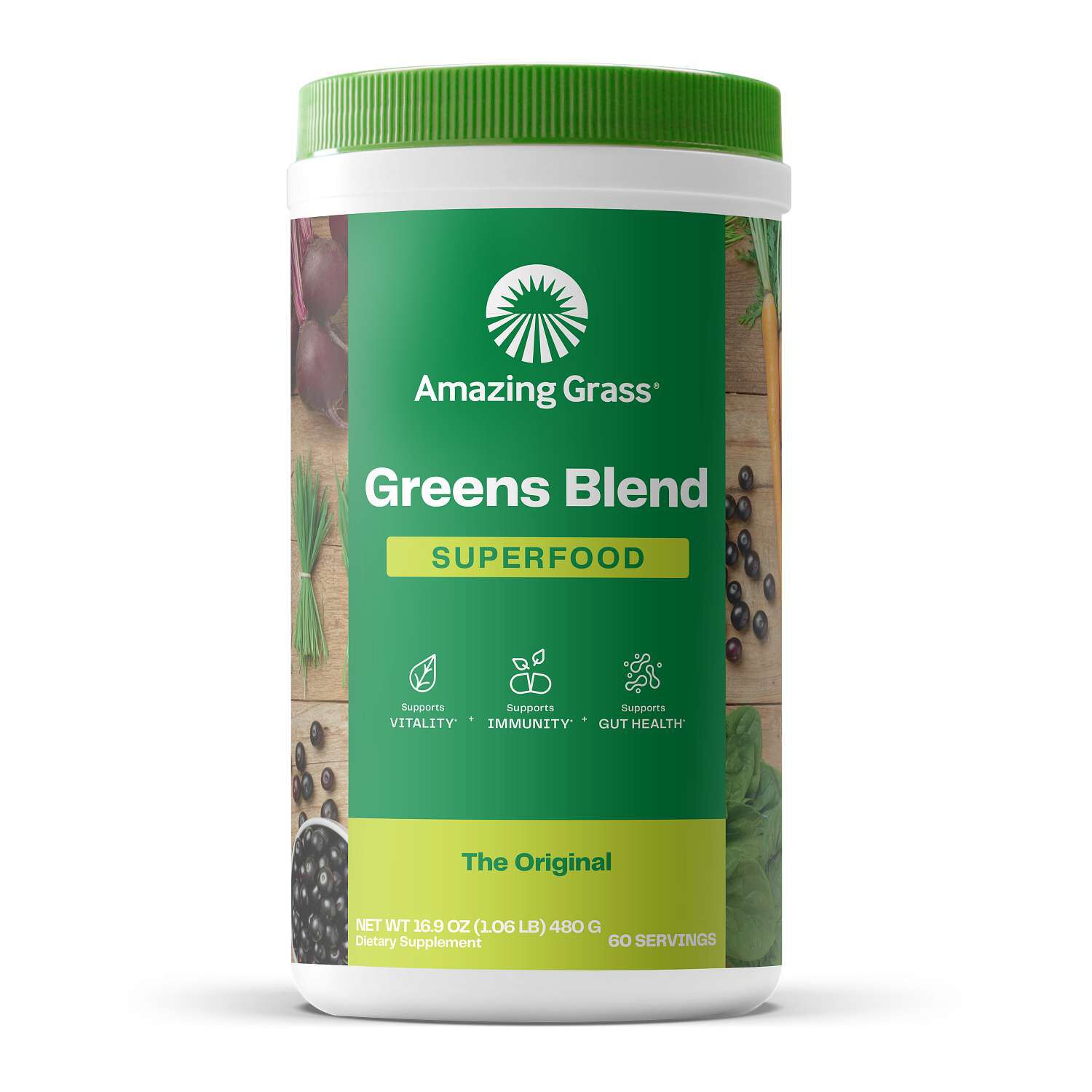
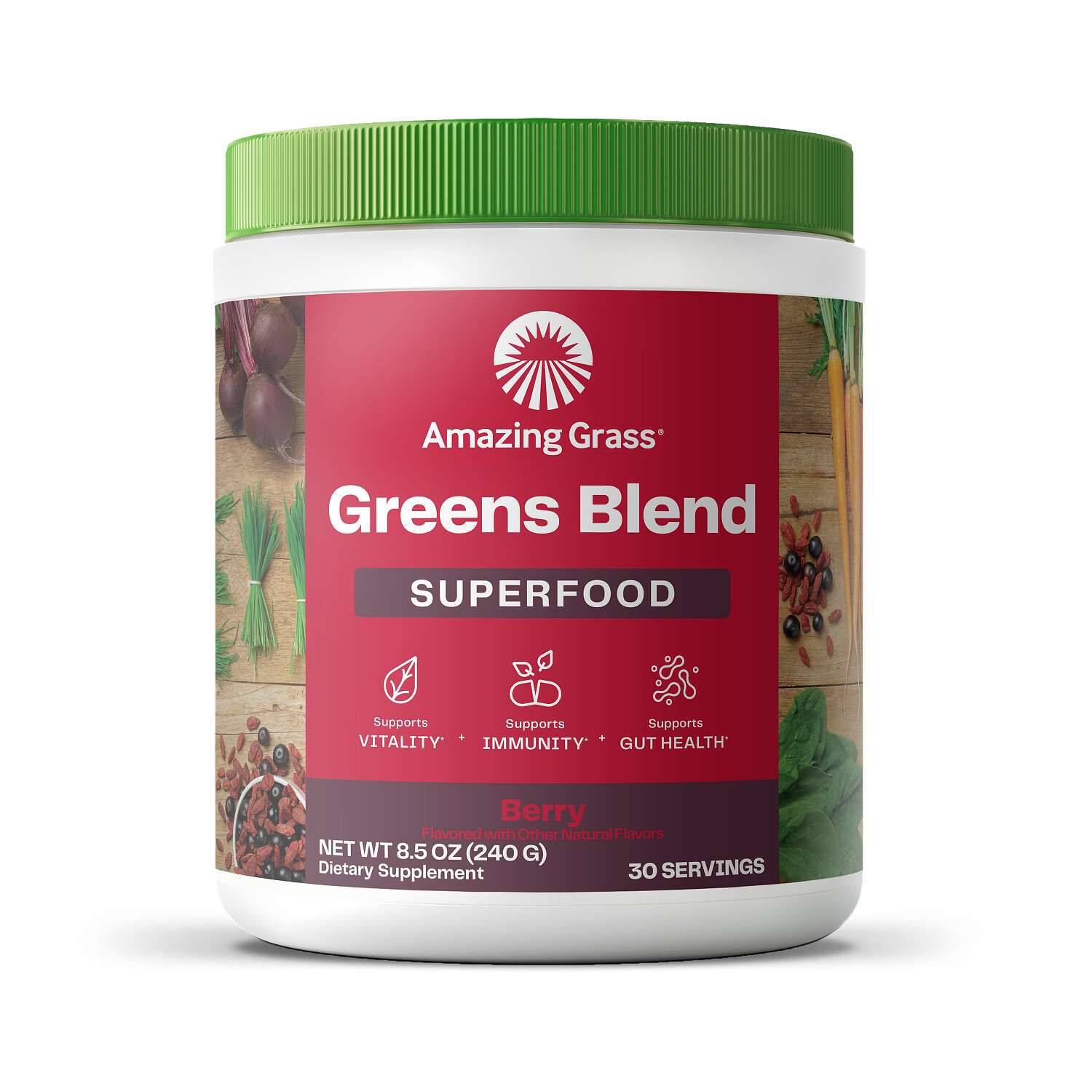
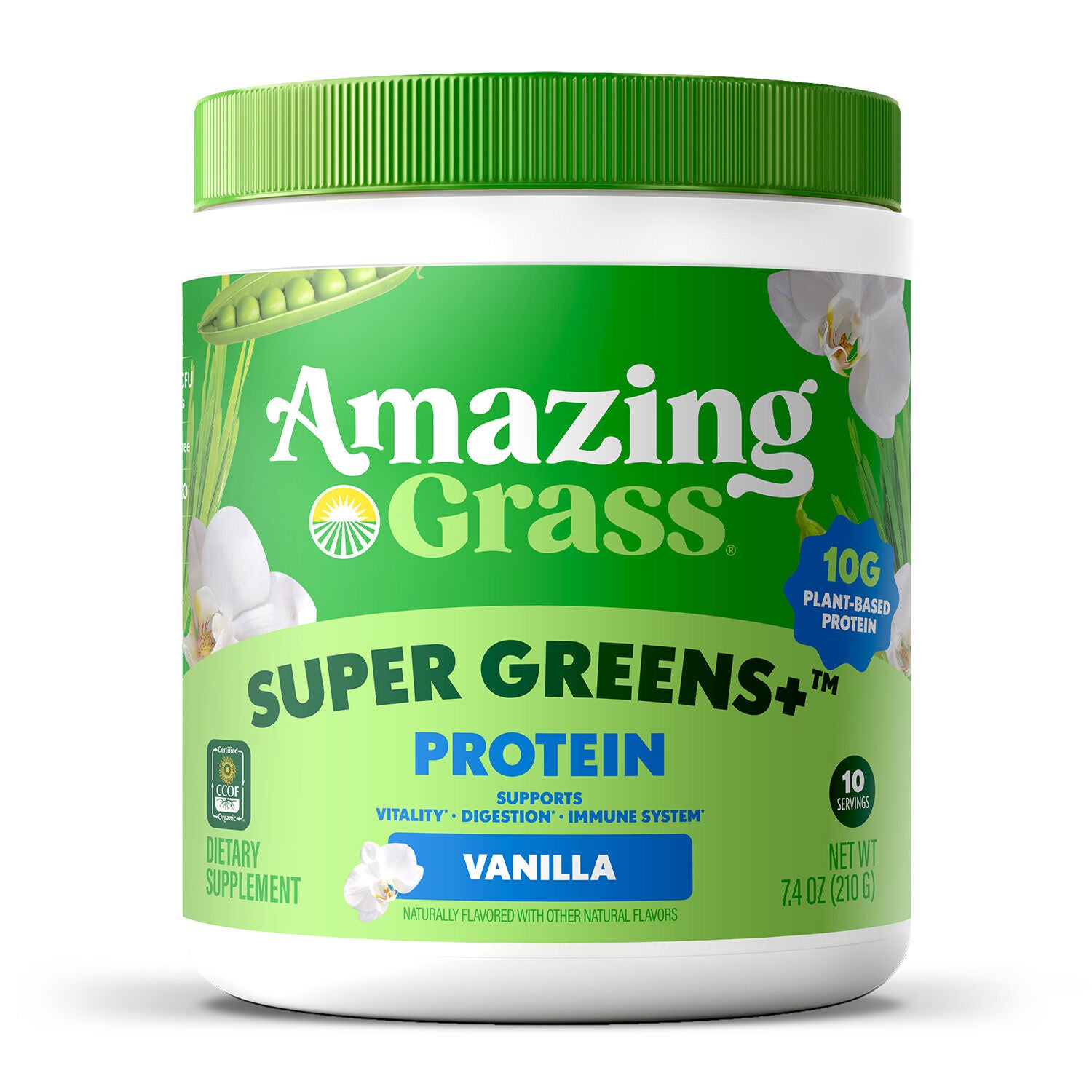
Amazing Grass