Plant Fusion Protein Powder
(0 Results)
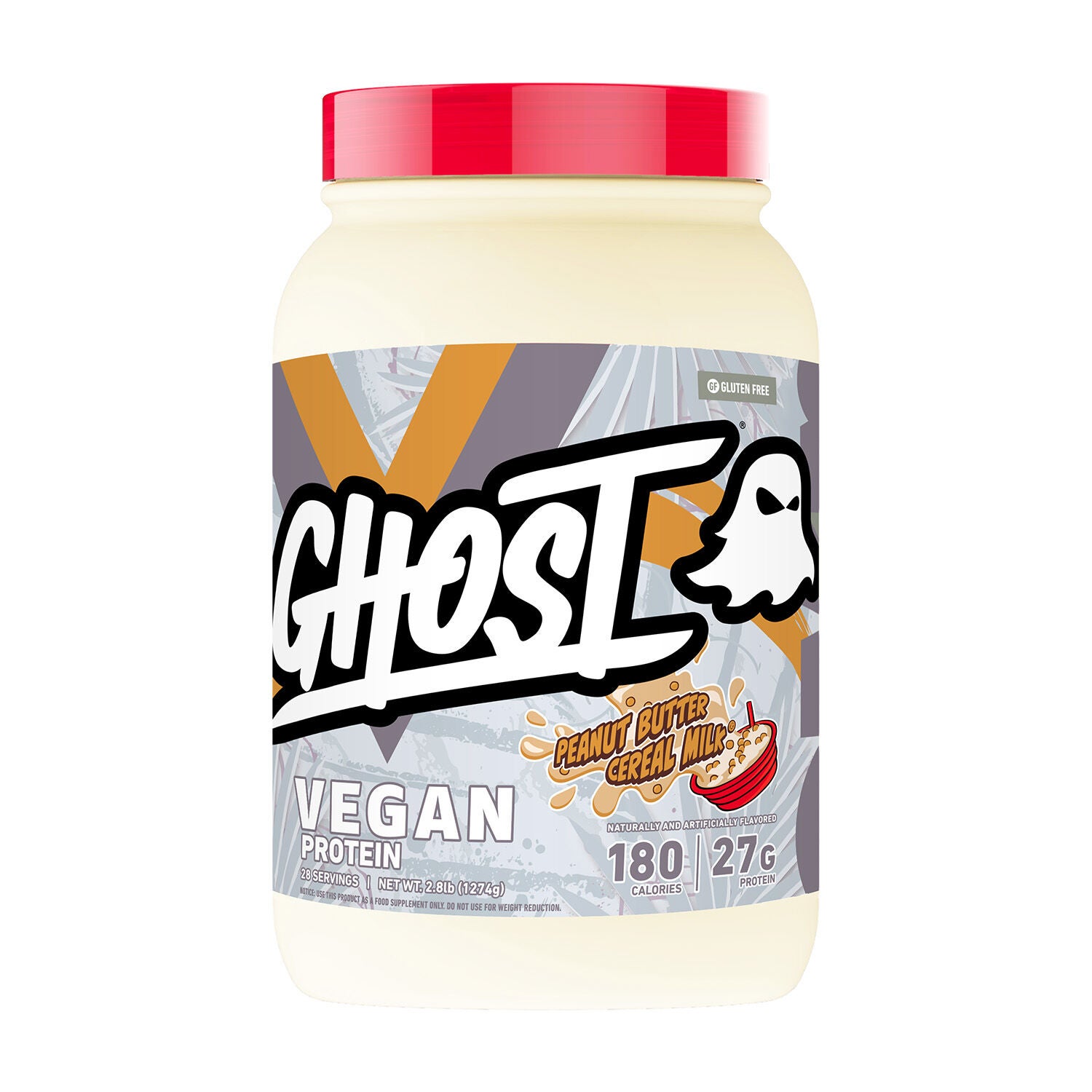
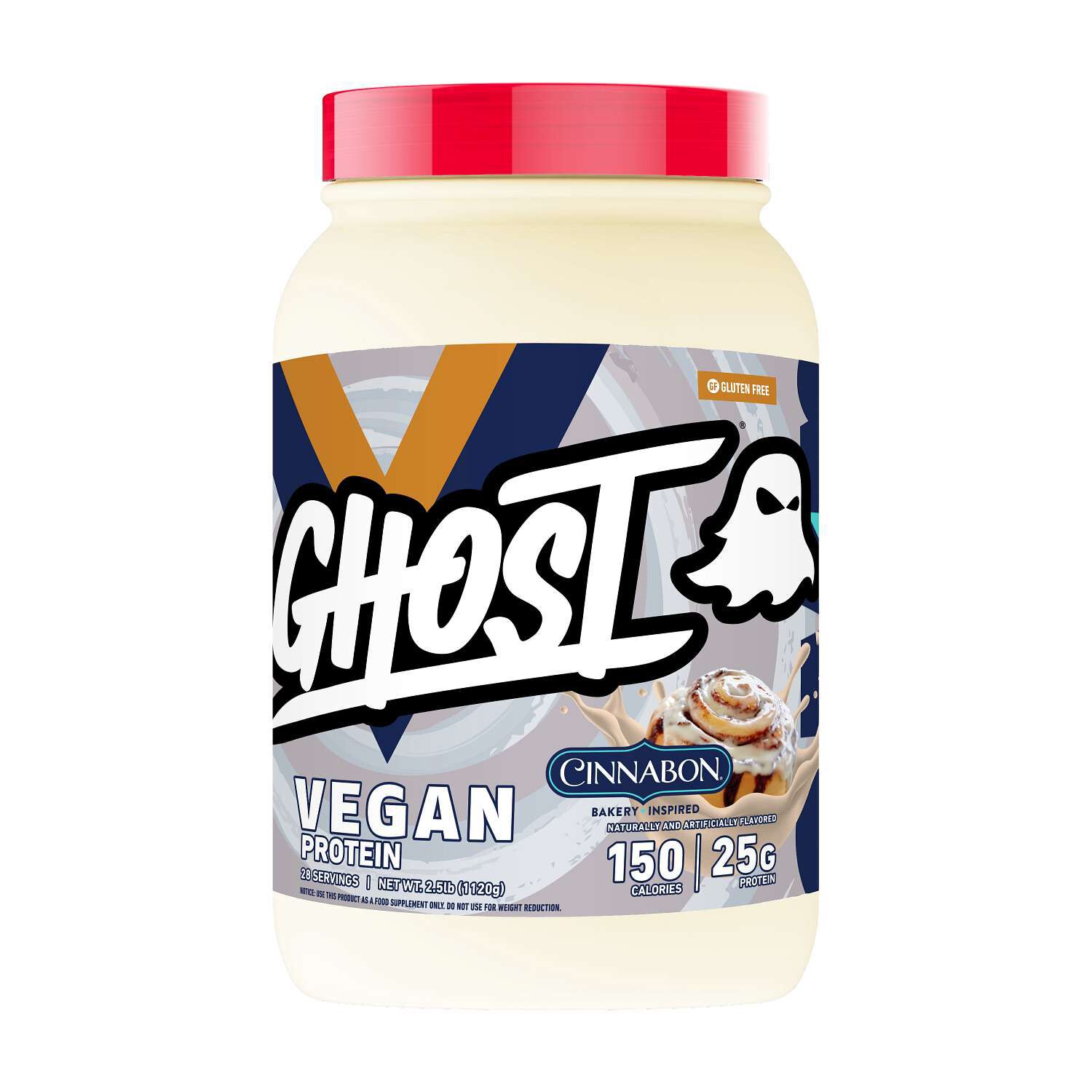
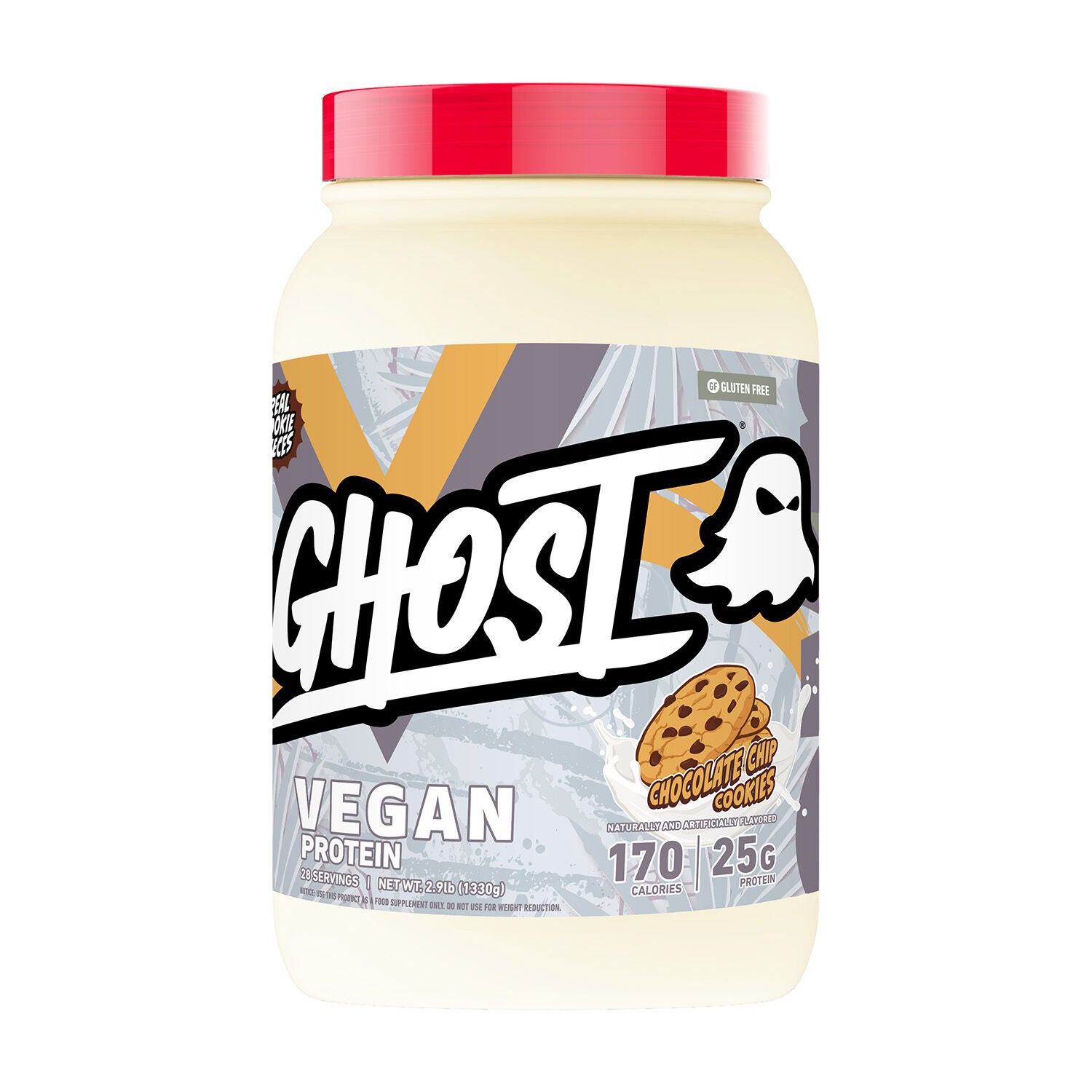
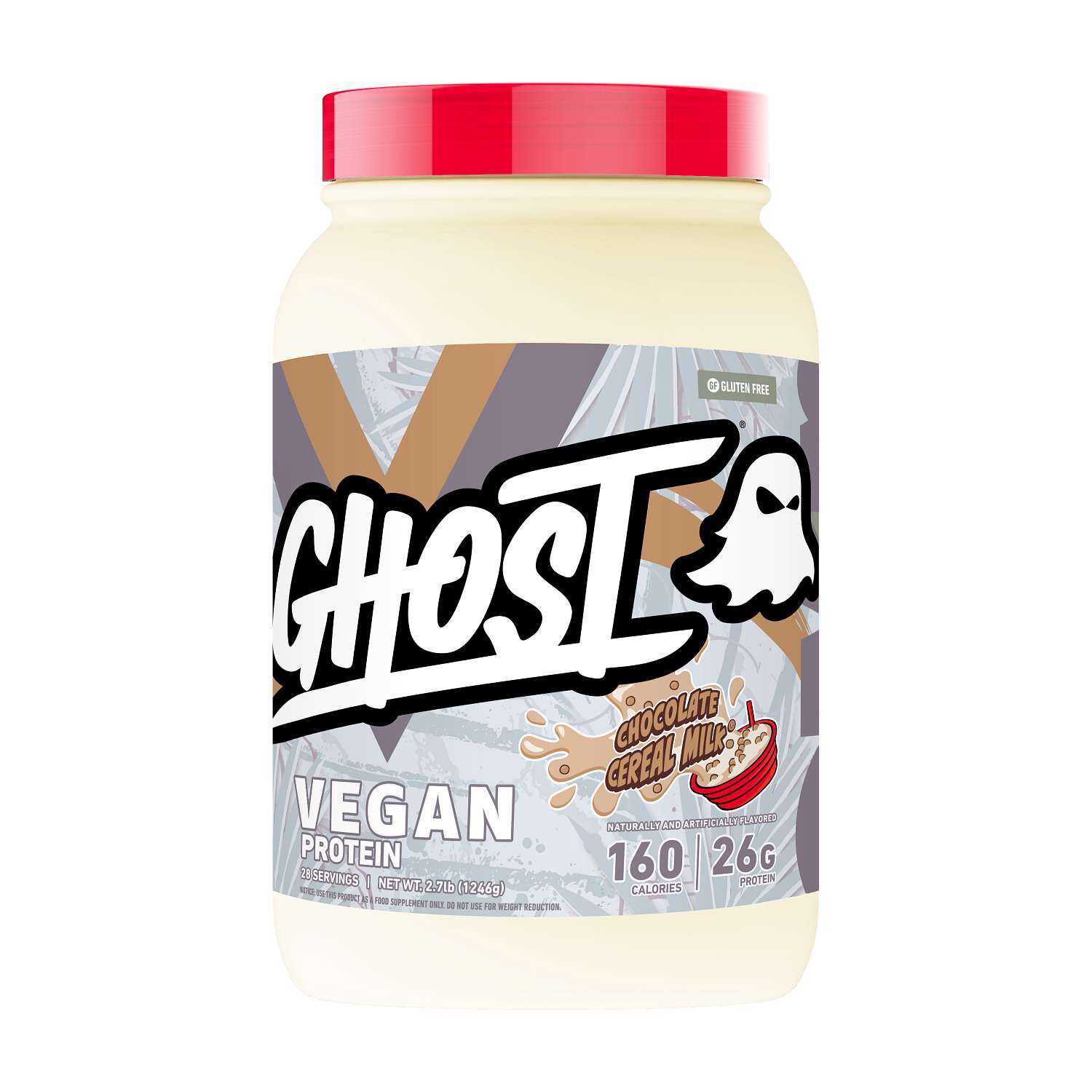
Plant fusion protein powder offers a convenient option for those seeking a plant-based approach to their nutrition routine. With a variety of flavors and blends available, plant fusion protein powder may fit seamlessly into smoothies, shakes, or recipes. Whether you’re looking to support your active lifestyle or simply add more plant-based options to your day, explore the selection of plant fusion protein powders that could align with your wellness goals.

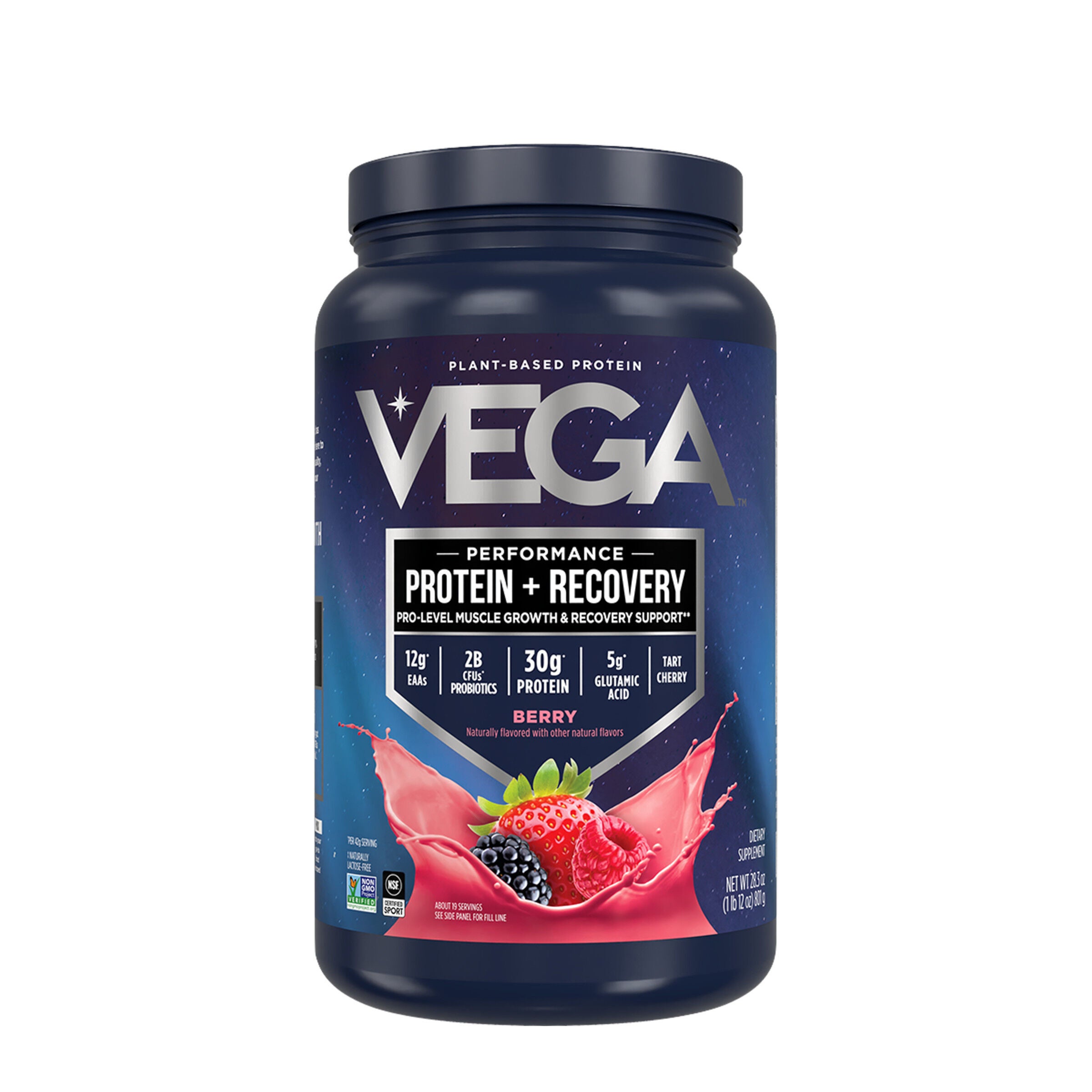
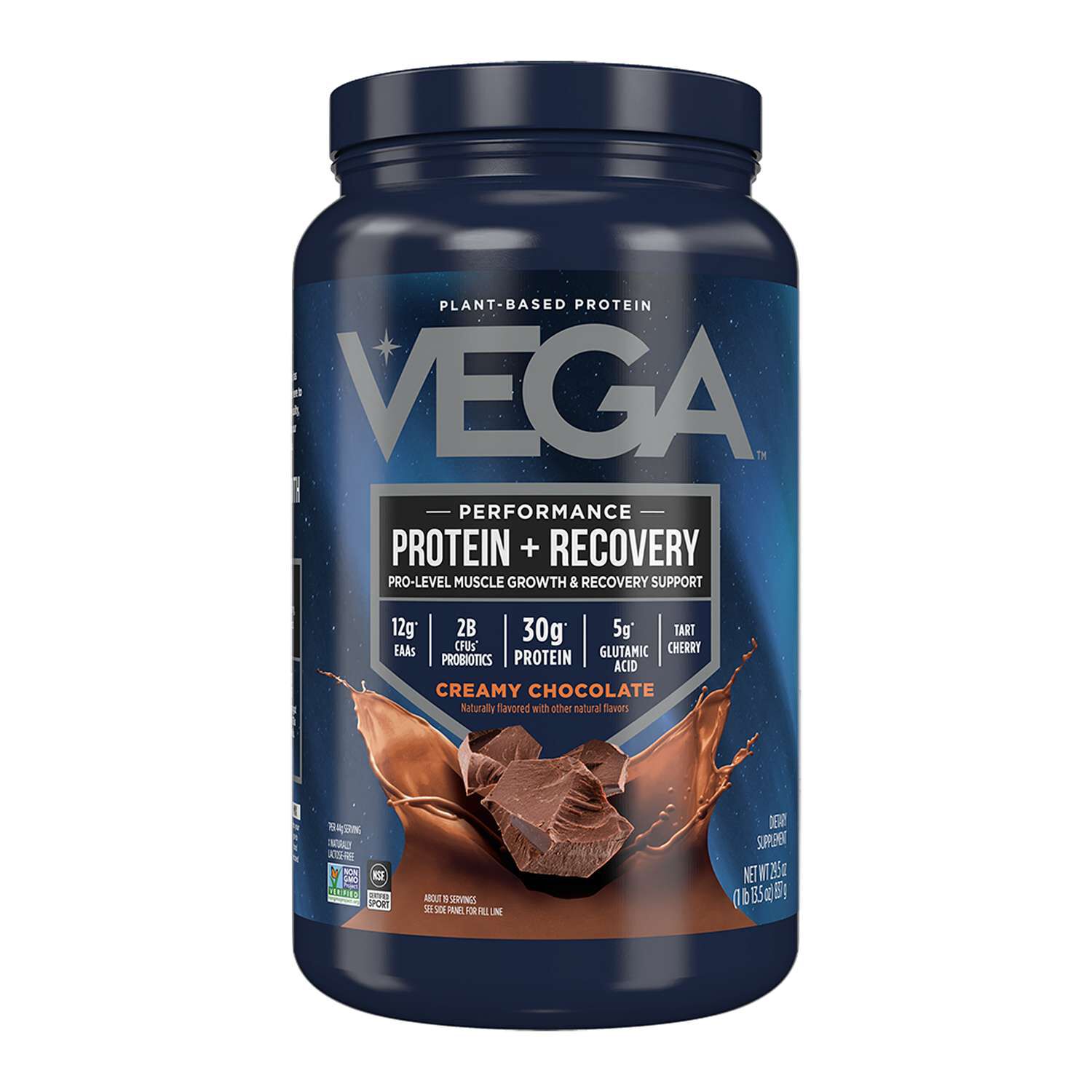

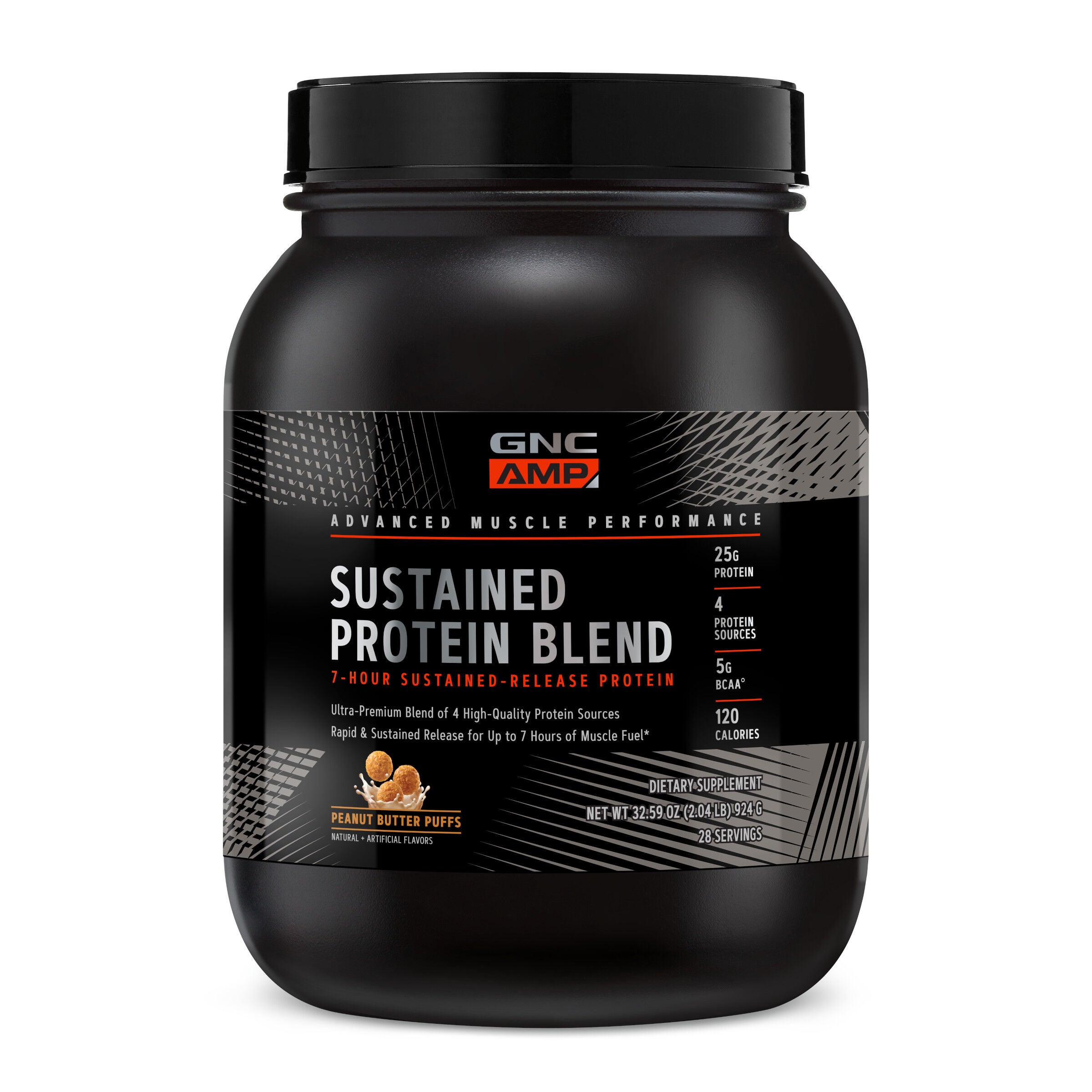
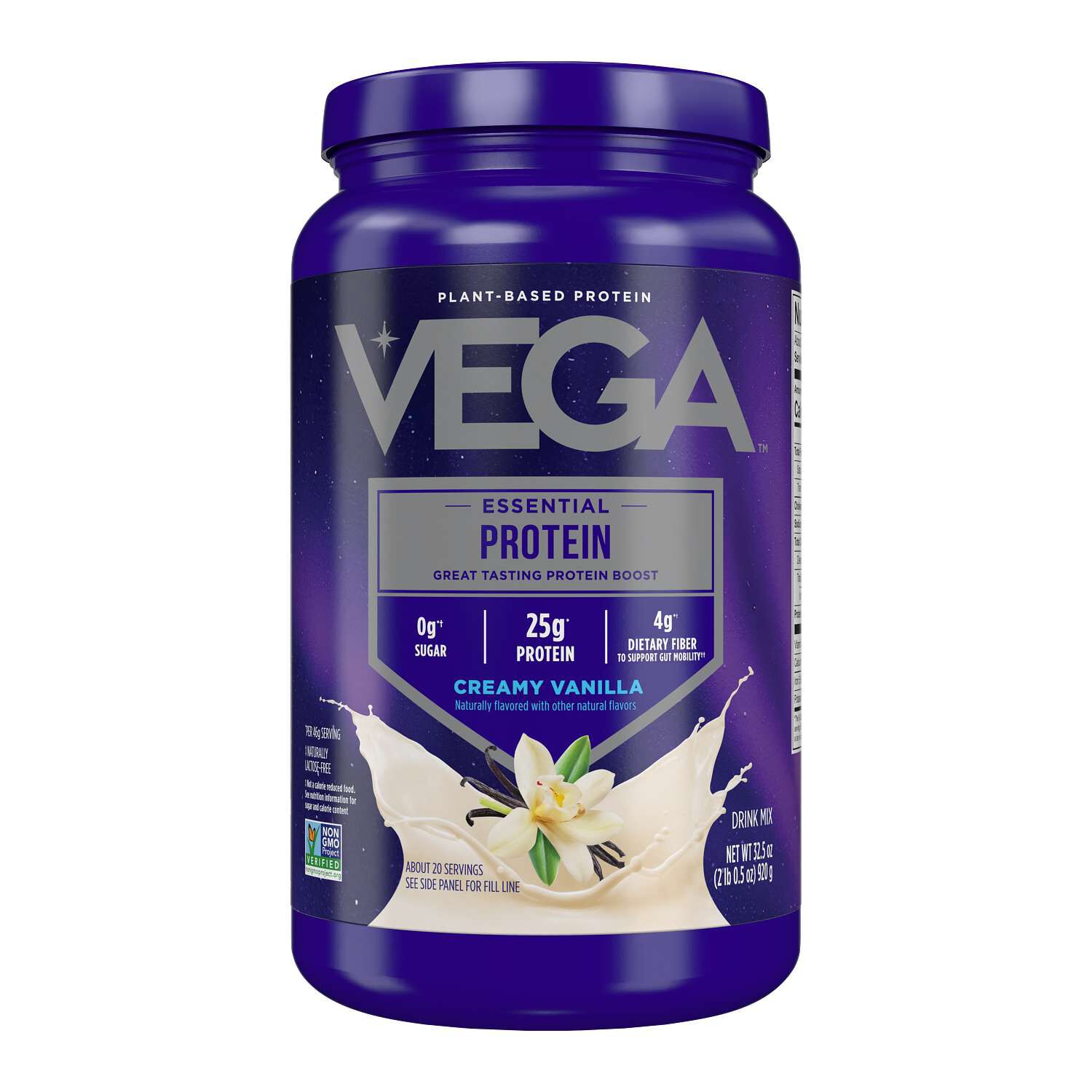


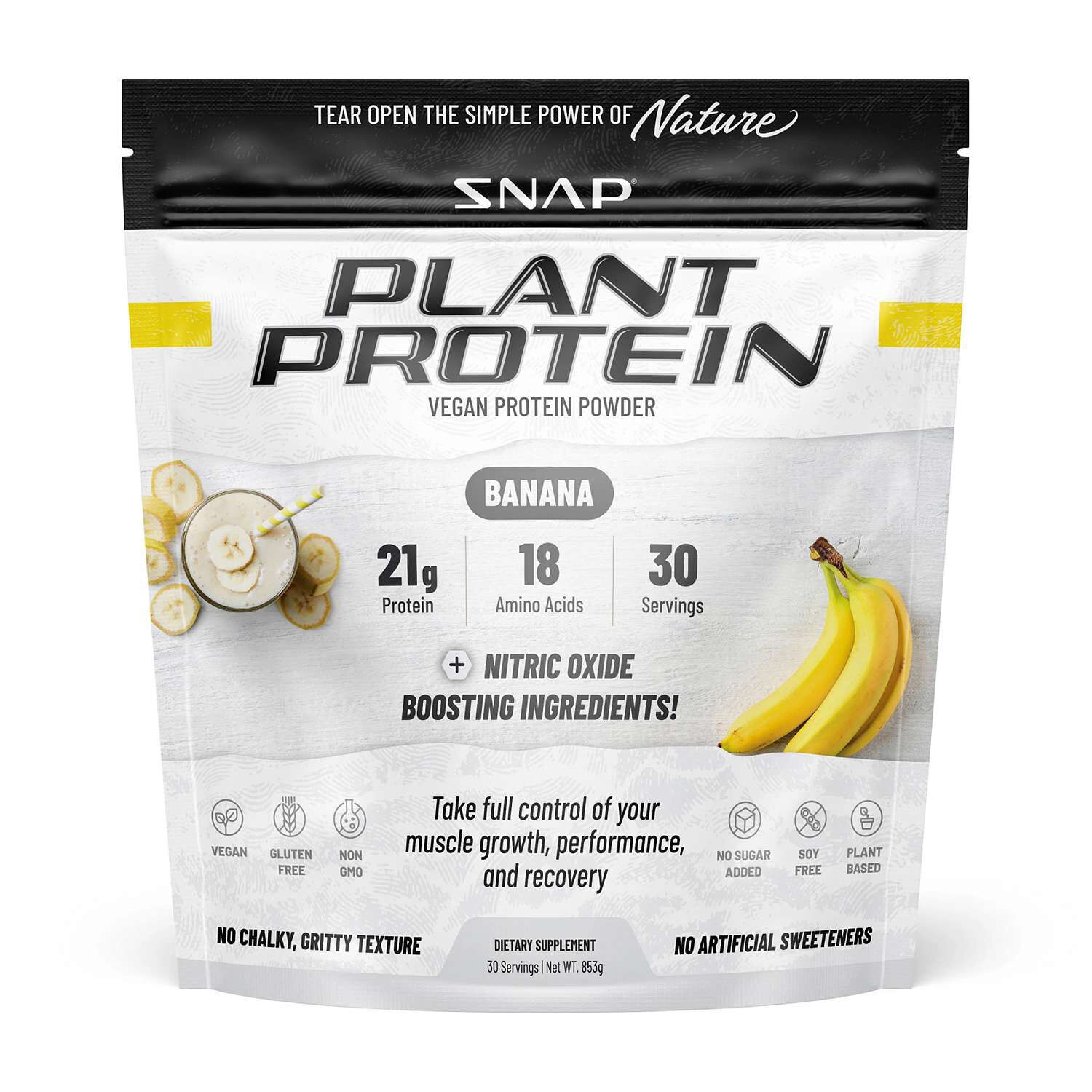
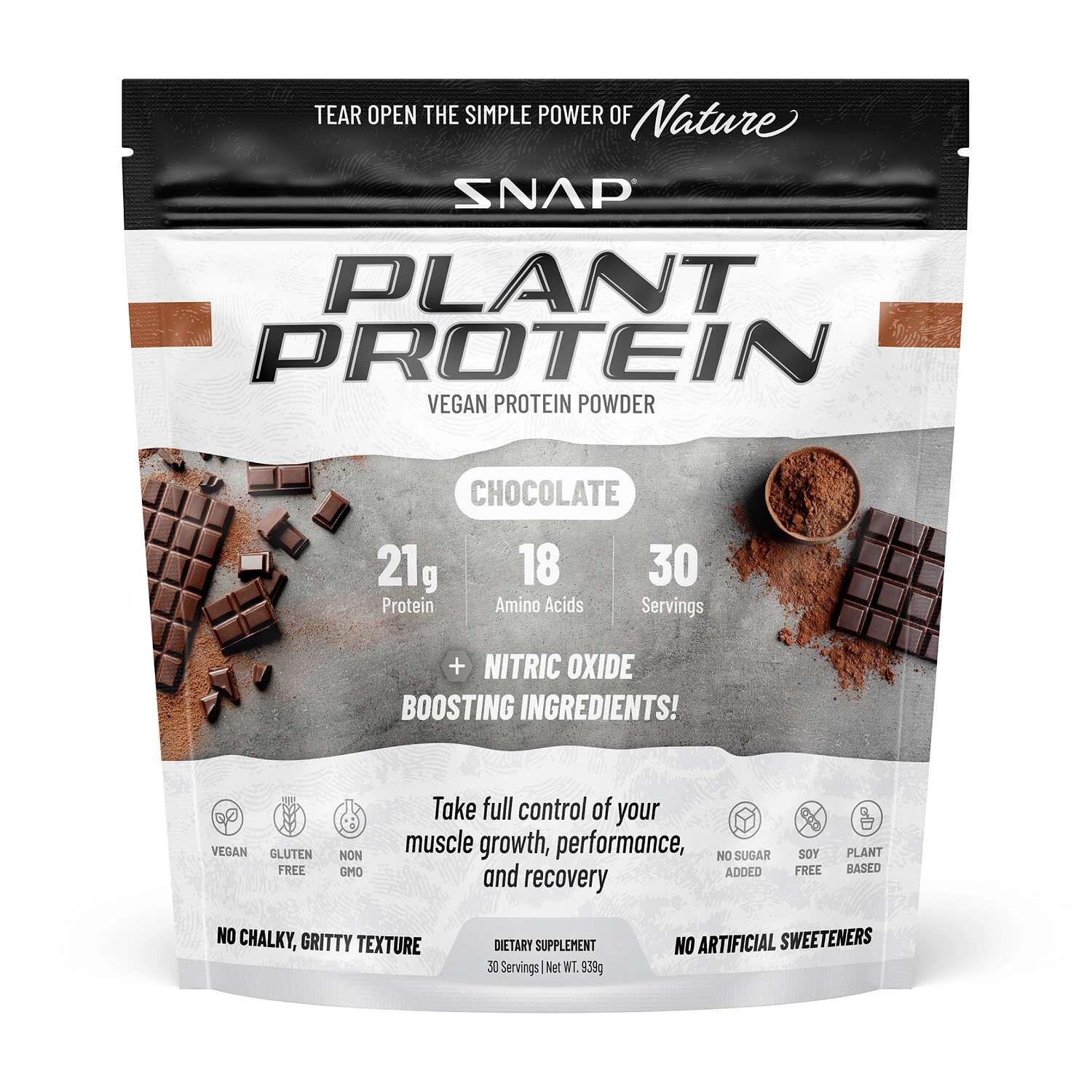
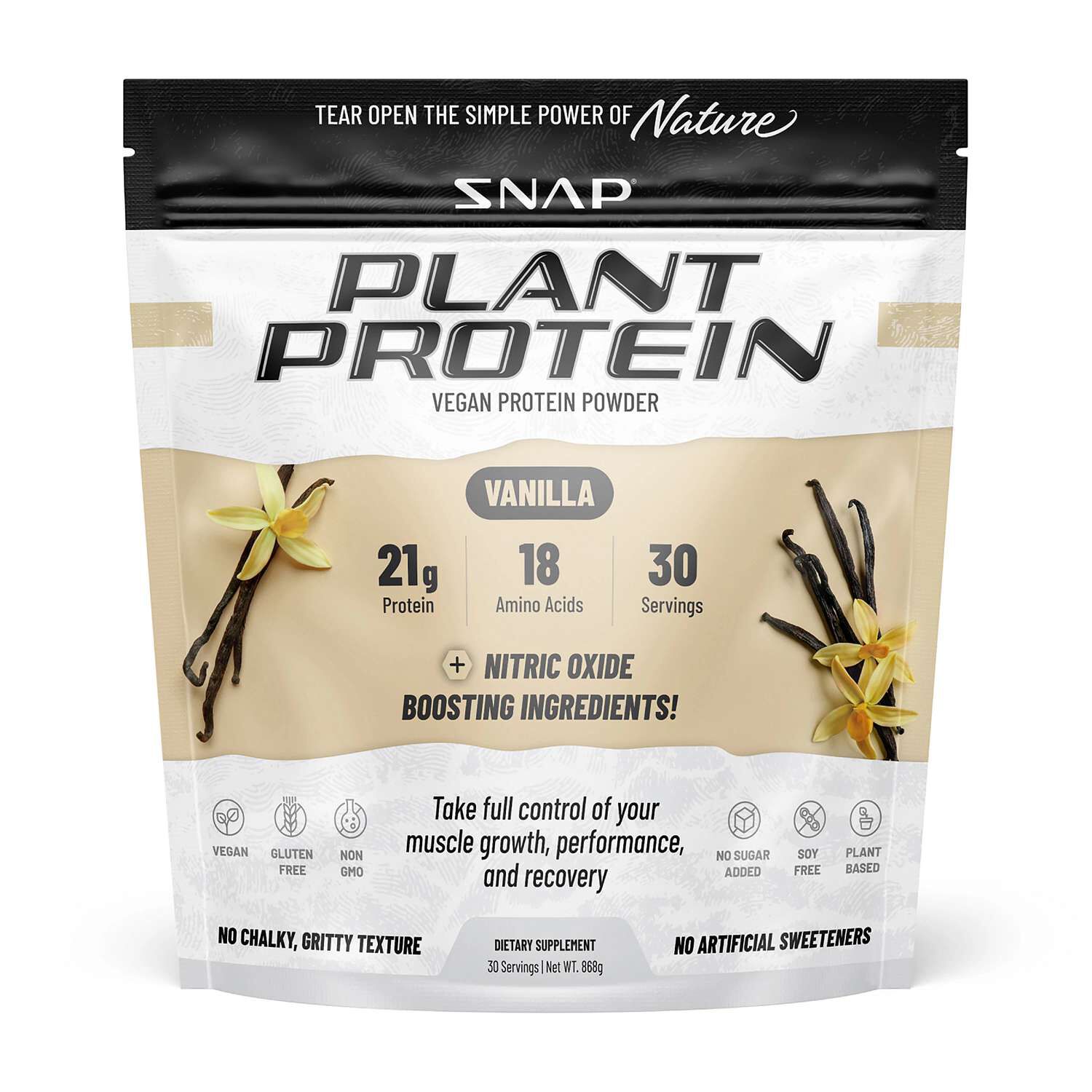


Plant-based protein powder brings protein from ingredients such as peas, seeds, and grains into a scoopable format for shakes, smoothies, and everyday recipes. Some powders rely on a single plant source, while others combine several sources in one blend. Pea protein is a common foundation, and blends may also include ingredients derived from quinoa, amaranth, or other plants. The ingredient list distinguishes the protein sources from ingredients added for flavor, sweetness, texture, or other nutritional characteristics. That distinction matters when comparing a straightforward protein powder with a blend that also contains fiber, greens, or additional ingredients. A longer ingredient list is not automatically a better match; the most useful comparison starts with the intended use and the information on the package. Someone who wants a simple shake after a workout may prefer a different formula from someone stirring protein powder into breakfast oats. Plant-based options may appeal to people following vegan or vegetarian eating patterns, as well as those who prefer a protein source other than milk. However, a plant-based description alone does not establish whether a powder meets every dietary preference. Label statements about ingredients, certification, and shared manufacturing equipment deserve separate attention. The Nutrition Facts or Supplement Facts panel, as applicable, provides a clearer basis for comparison than flavor names or package design. Protein grams per serving, serving size, carbohydrates, sugars, fat, and sodium all contribute to the nutritional profile. Comparing the amount of powder used for each serving is especially useful because scoop sizes differ. A larger scoop does not necessarily represent a more concentrated protein formula. For a practical comparison, consider the labeled serving alongside the amount of liquid suggested for preparation. Those details describe both what goes into the glass and how a powder might fit into an established eating routine, whether that routine includes a quick breakfast at home or an afternoon shake packed separately from lunch.
Flavor and texture often determine how naturally a protein powder fits into everyday use. Vanilla-style flavors can pair with berries, bananas, cinnamon, or oats, while chocolate-style flavors offer a different starting point for combinations with cocoa or nut butter. Less strongly flavored options may suit recipes where fruit or another ingredient should remain the main flavor. Sweeteners also deserve a close look. Depending on the formula, sweetness may come from sugar, stevia, monk fruit, or a combination of ingredients, and each can leave a different impression after a sip. Descriptions such as creamy, light, or rich are useful starting points, but the finished drink also depends on the liquid and preparation method. Water keeps the recipe simple, while oat, almond, or another plant-based beverage adds its own flavor and nutritional profile. Any beverage used in place of water changes the nutrition of the prepared shake, so its label belongs in the comparison, too. A shaker bottle is suited to a straightforward powder-and-liquid mixture; a blender is a more practical choice when adding fruit, oats, or nut butter. Following the package directions for liquid quantity and mixing provides a consistent starting point before adjusting a recipe to personal taste. Too little liquid can leave a mixture thicker than intended, while a generous pour may make the flavor seem less pronounced. Powder stirred into oatmeal or yogurt creates a different texture from powder shaken with water, so a small test portion is useful before preparing a larger batch. Baking calls for additional consideration because protein powder behaves differently from flour and should not automatically replace it in equal amounts. Recipes developed with protein powder account for that difference more reliably than an improvised substitution. For shoppers comparing another related category, Fit Protein Powder offers another place to consider how serving format, flavor, and preparation preferences align. Across categories, the most meaningful details remain the formula on the label and the way the powder will actually be prepared.
Intended use also helps separate useful features from details that may not matter to a particular shopper. A person taking a shaker to the gym may value a powder with straightforward mixing directions, while someone making blended breakfasts may care more about how a flavor pairs with fruit and oats. Plant protein may support muscle maintenance and recovery after exercise as part of an eating pattern that includes adequate protein, but a powder is only one possible source of that nutrient. Beans, lentils, tofu, and other foods can also contribute protein throughout the day. A shake need not be tied to exercise, either; some people choose the format because it may make adding protein to a familiar snack more convenient. Protein powder alone should not be assumed to have the same nutritional range as a varied meal. Added fiber, enzymes, fermented ingredients, or botanical blends are separate formulation choices rather than features shared by every plant-based powder. Their presence does not establish how a particular person will experience the finished drink, and ingredient descriptions should not replace careful label review. Packaging and care matter for a product used a little at a time. A securely closed lid or resealable pouch, a dry scoop, and storage according to package directions may help limit unwanted moisture exposure. Keeping the scoop away from a wet blender rim is a small but practical habit, particularly when preparing a shake beside the sink. The package date and storage instructions remain relevant after opening, and any prepared drink requires the handling appropriate to its ingredients. For travel or a commute, a clean, tightly closing container separates the dry powder from the liquid until preparation. When buying protein powder as a gift for a regular smoothie maker or workout partner, familiarity with that person’s flavor preferences and ingredient requirements is more useful than choosing by packaging alone. A thoughtful match comes from the ordinary details: what they like to drink, how they prepare it, and which labeled ingredients suit their routine.