Post Exercise Recovery Capsules
(0 Results)
Post exercise recovery capsules could be a convenient way to support your fitness routine after a tough workout. Whether you’re looking to refuel, recharge, or simply help your body unwind, these capsules may offer targeted nutrients that fit seamlessly into your active lifestyle. Explore options designed for athletes and fitness enthusiasts who want to make the most of their post-workout moments with post exercise recovery capsules.

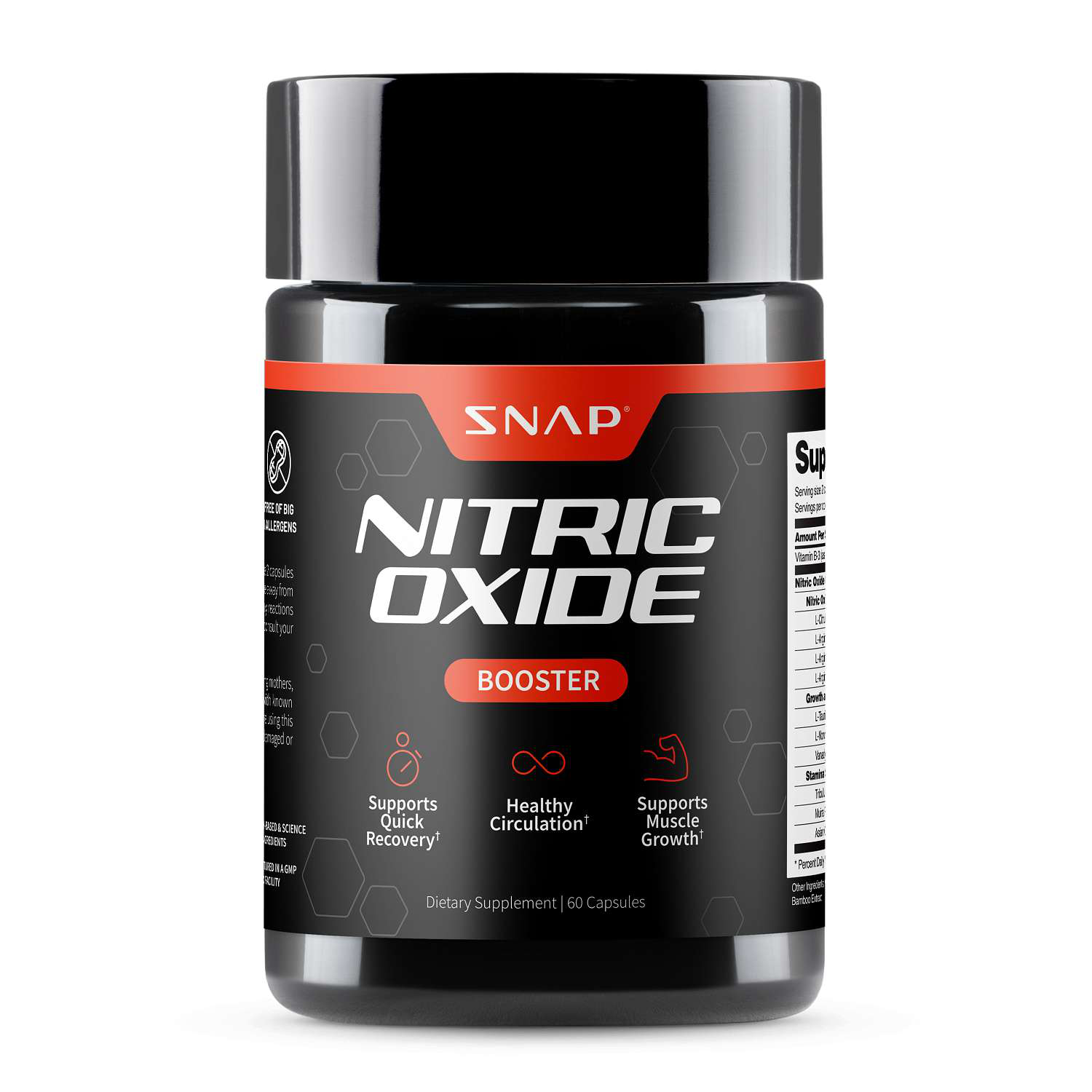
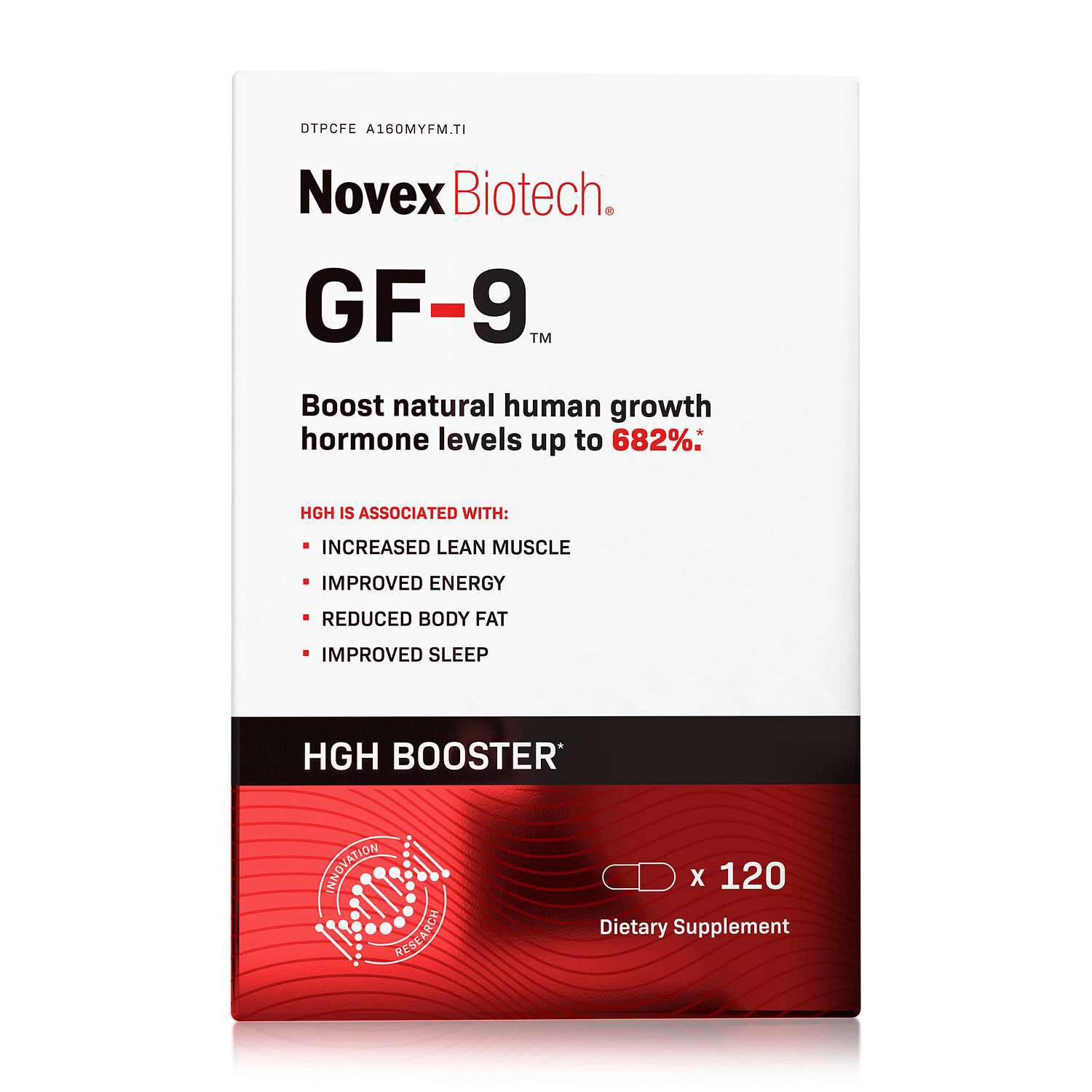
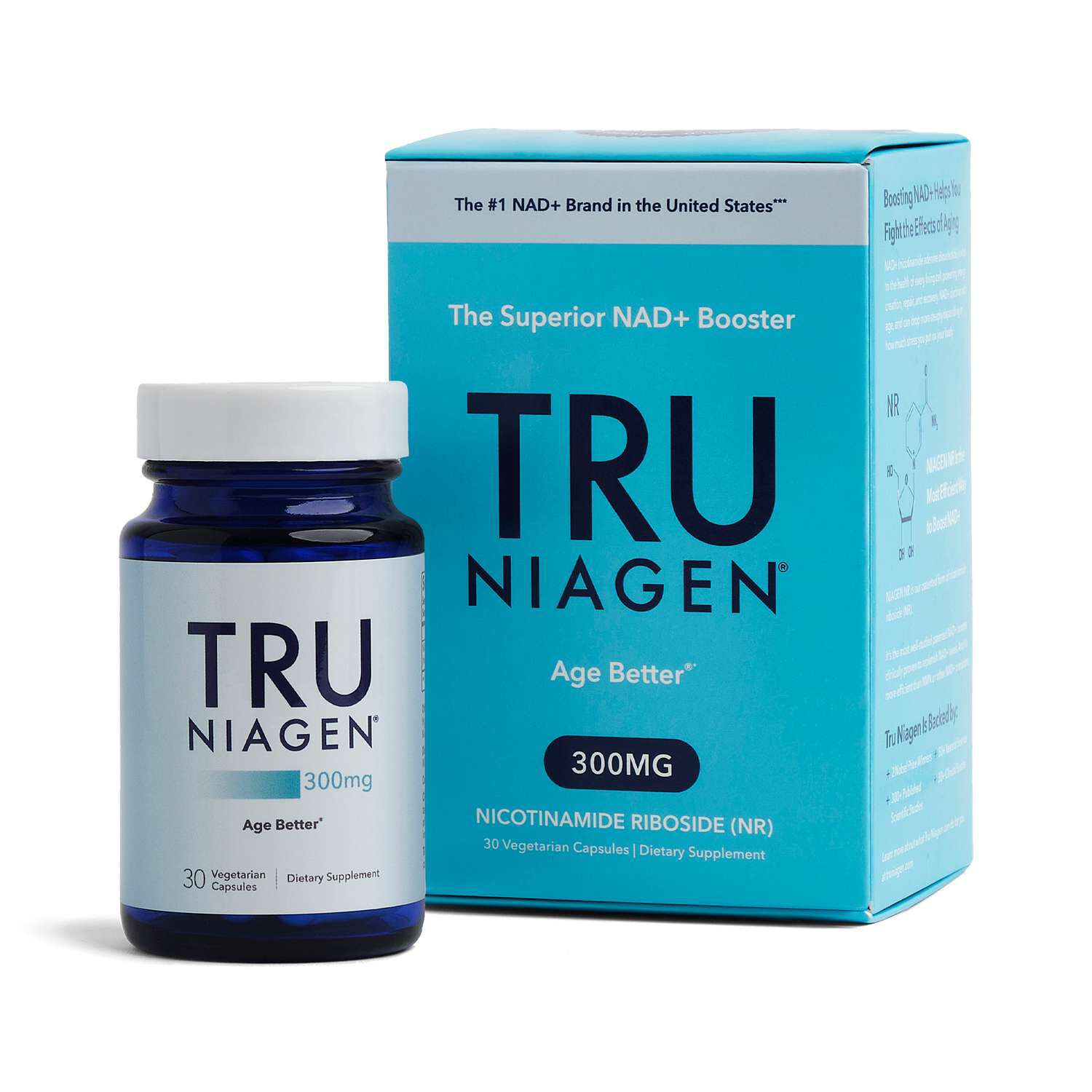
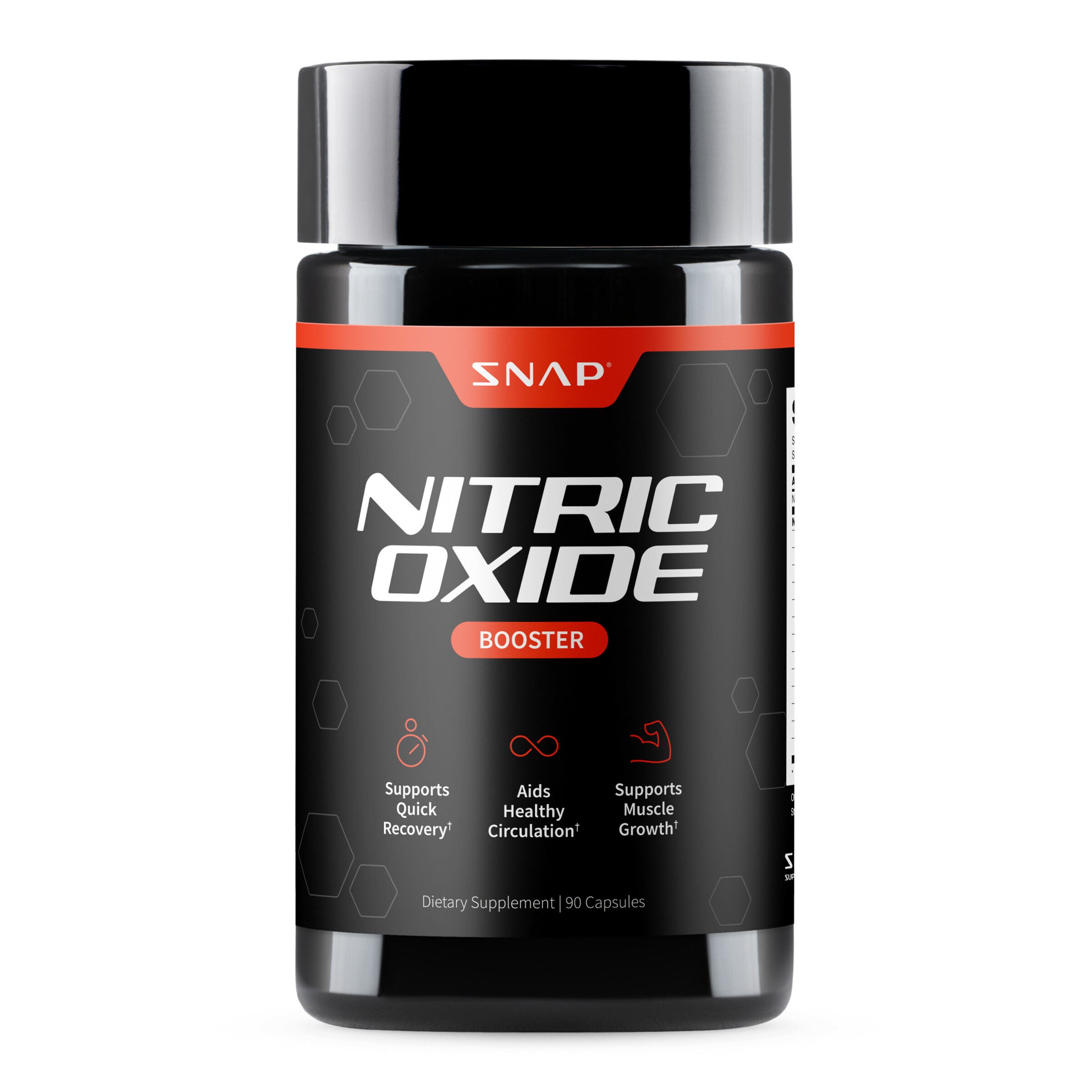

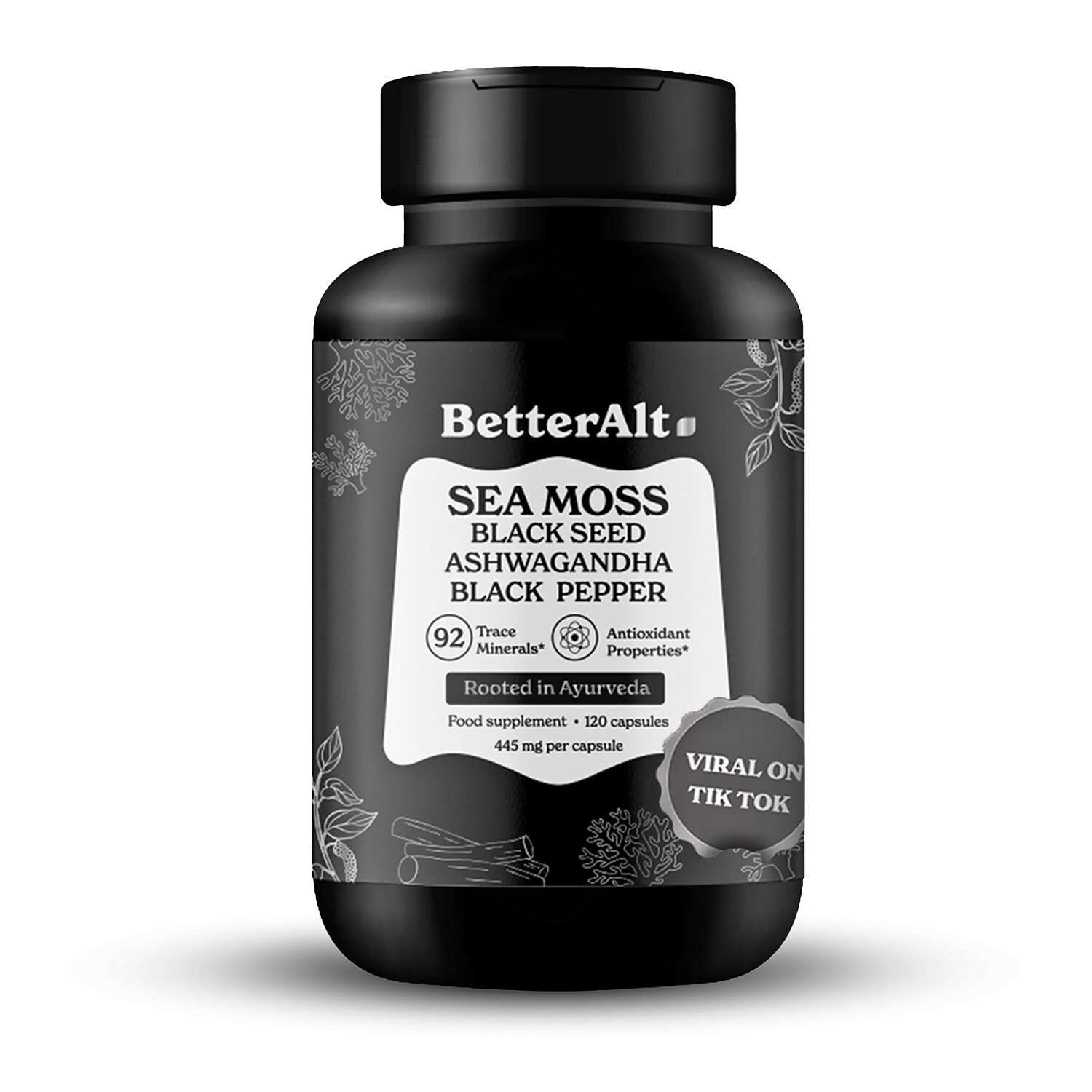
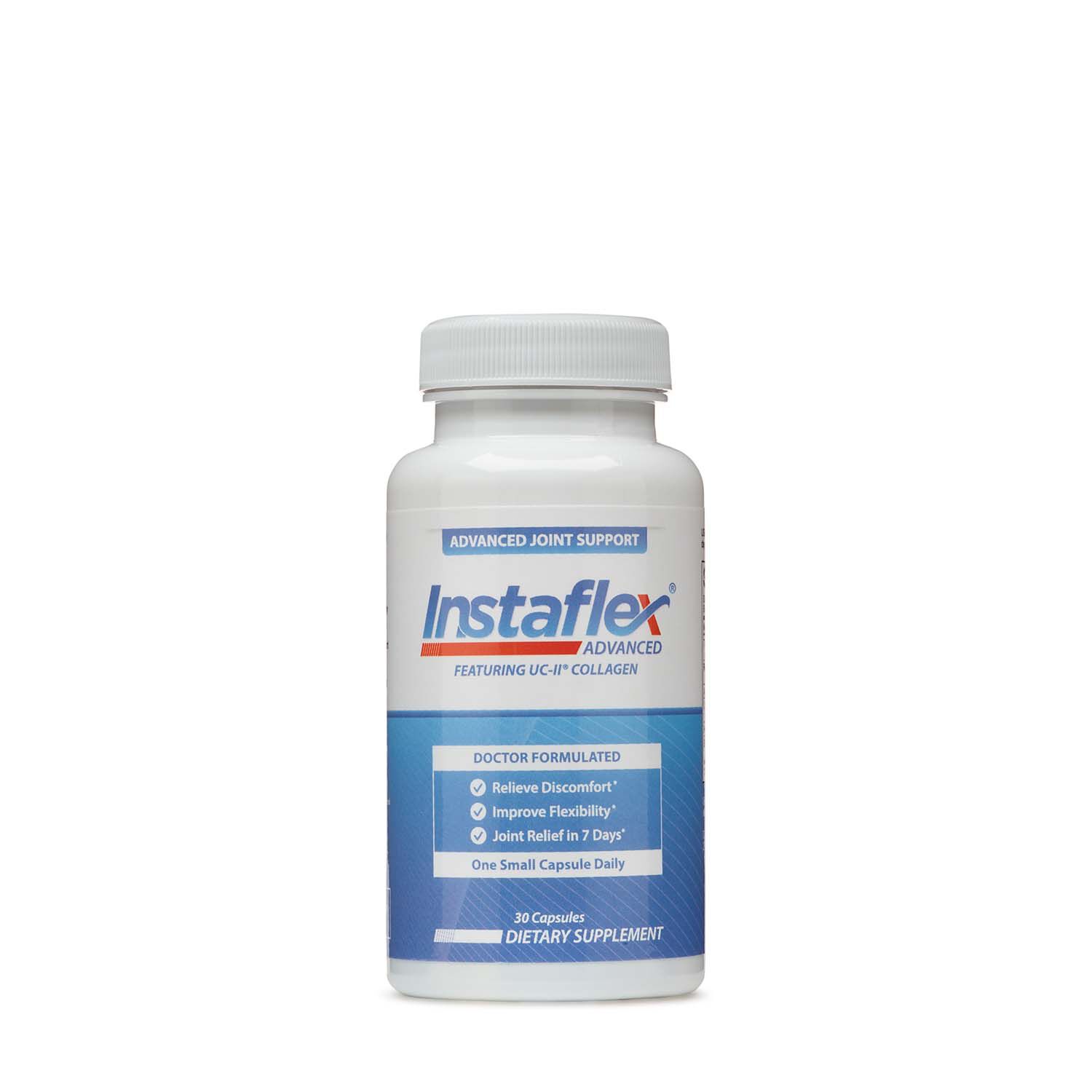
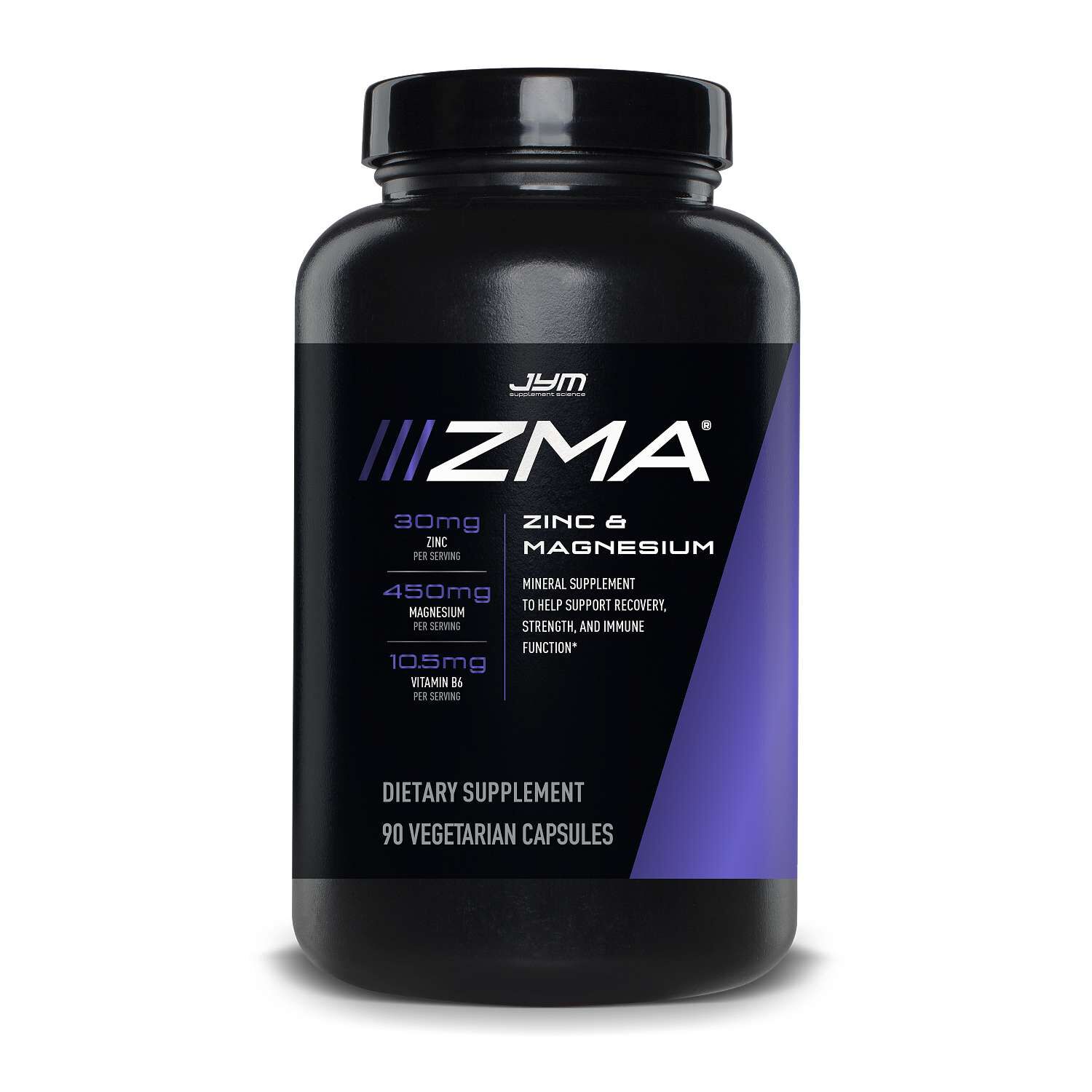


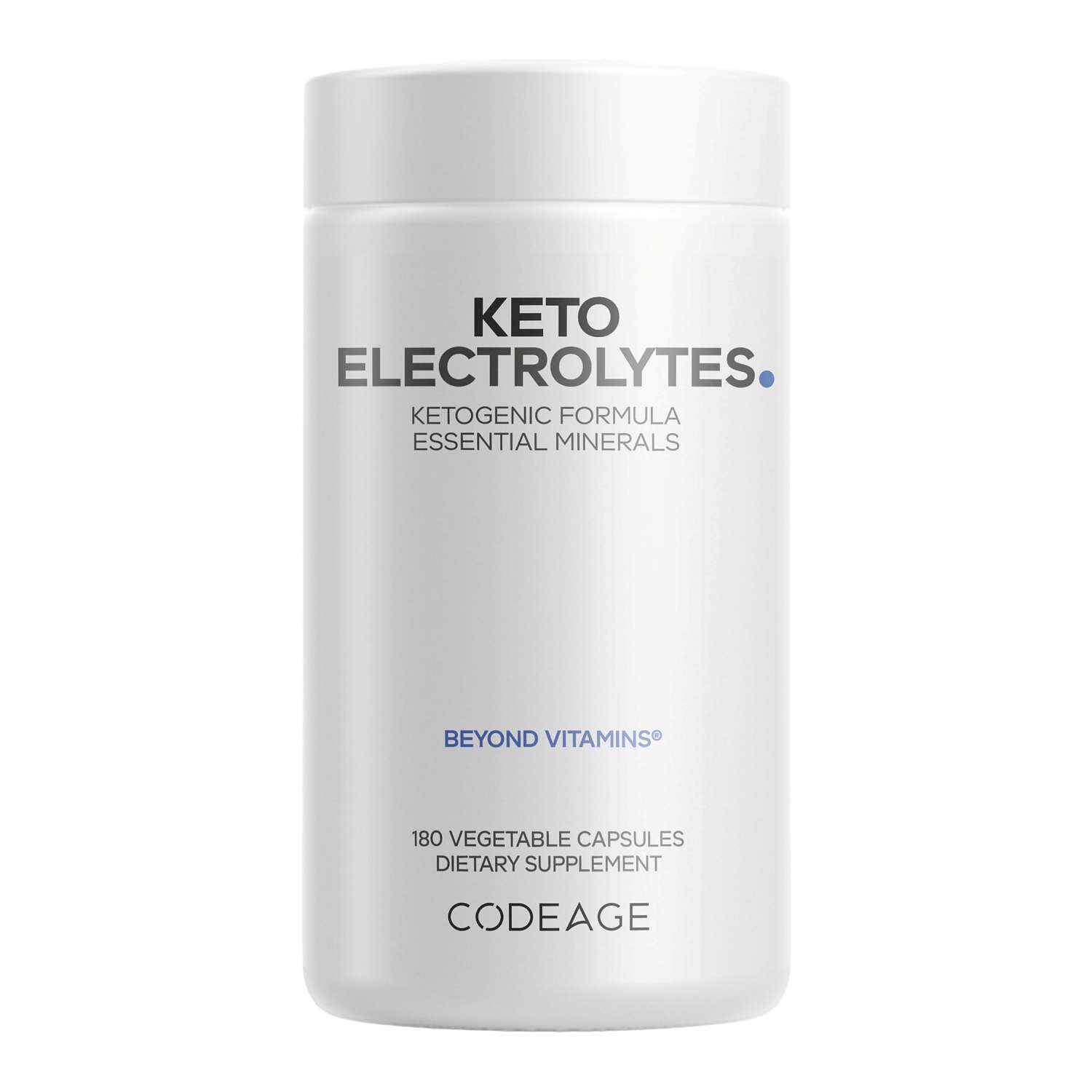
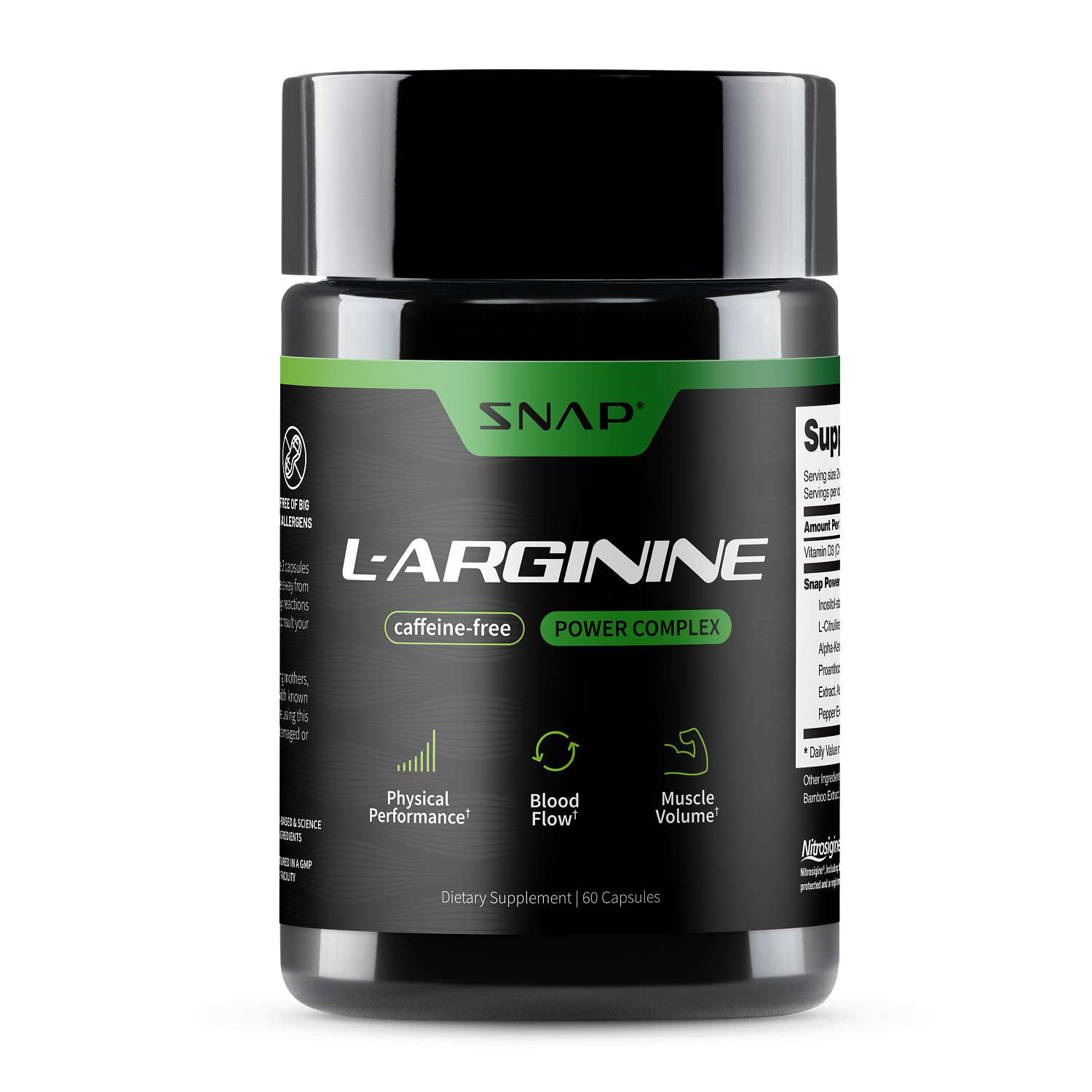
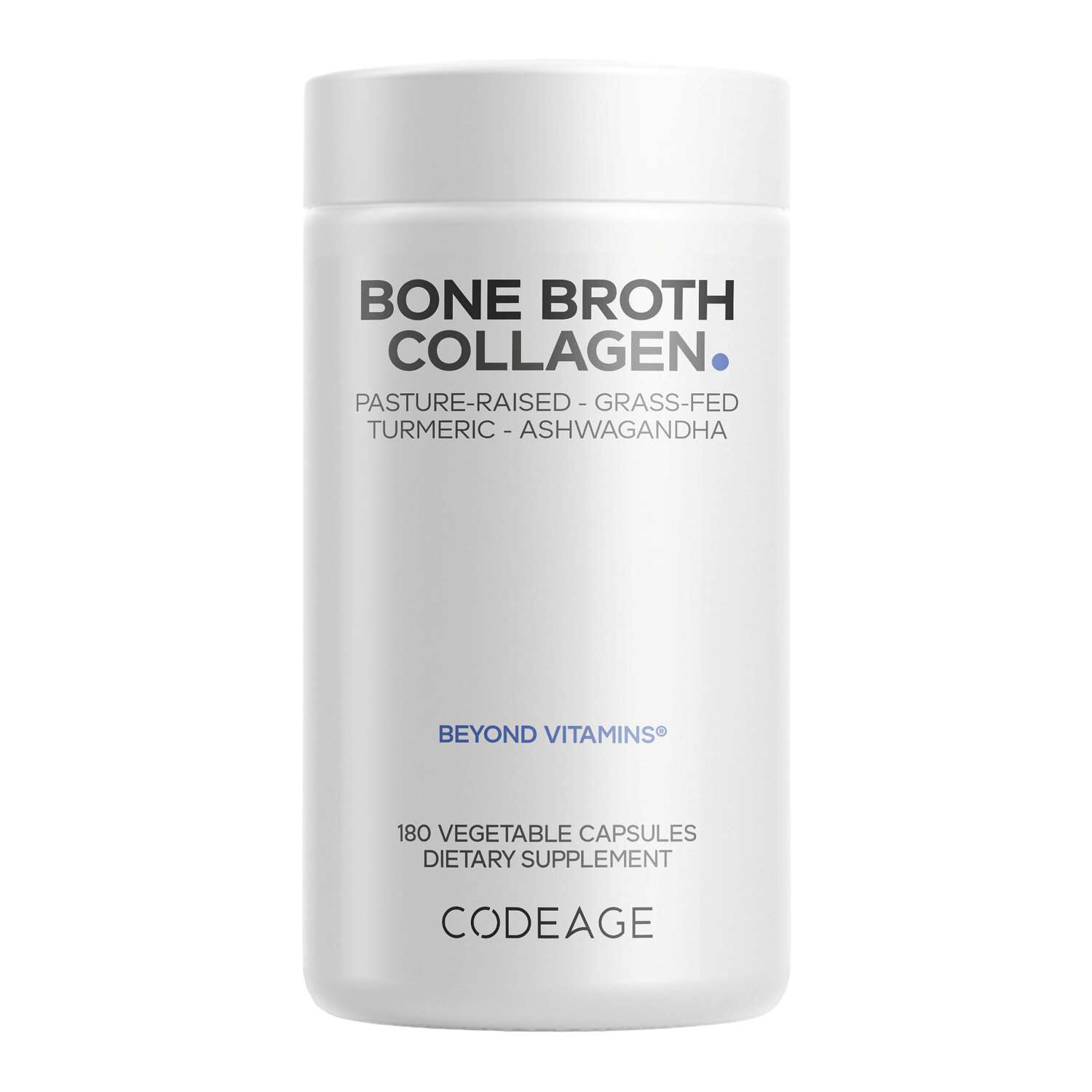

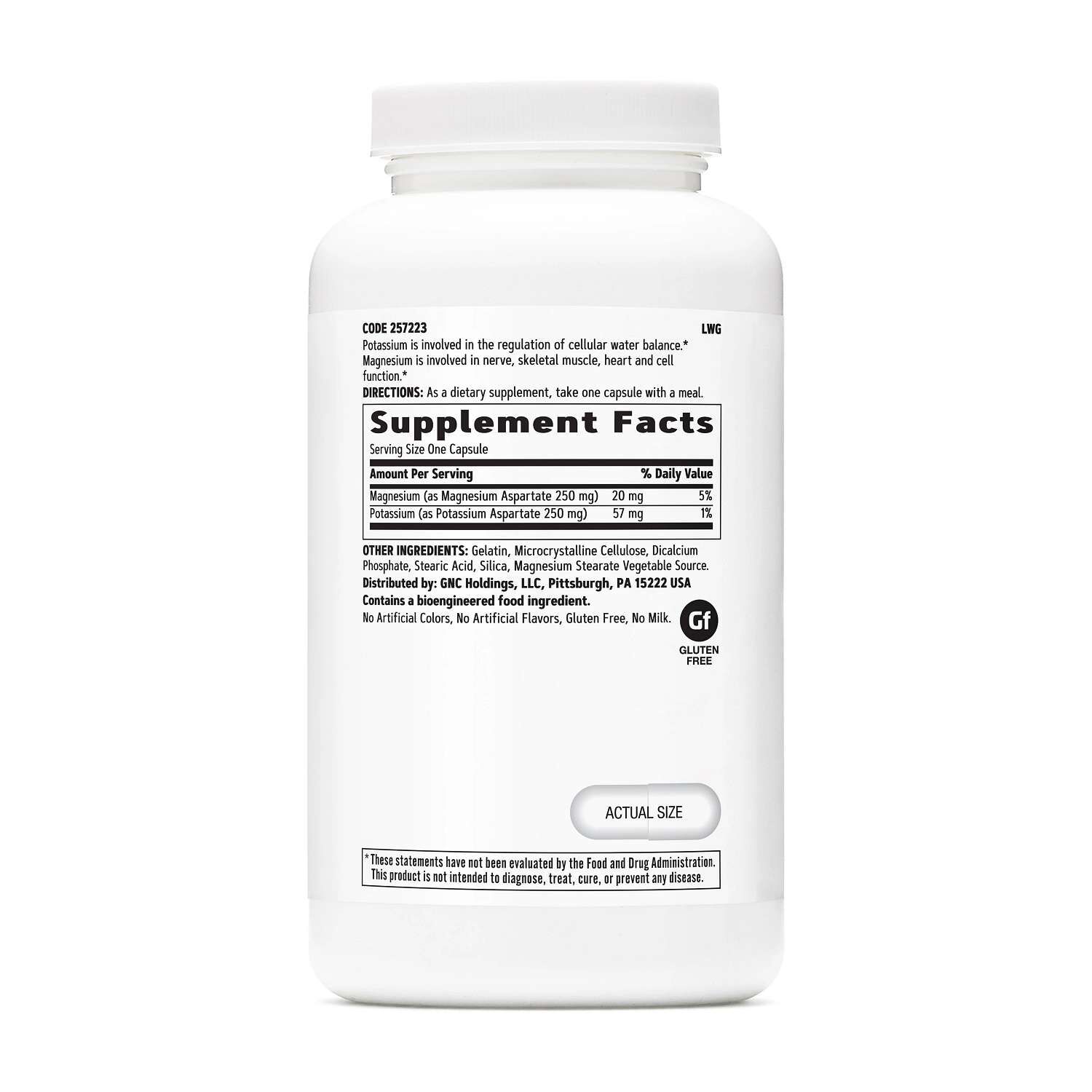


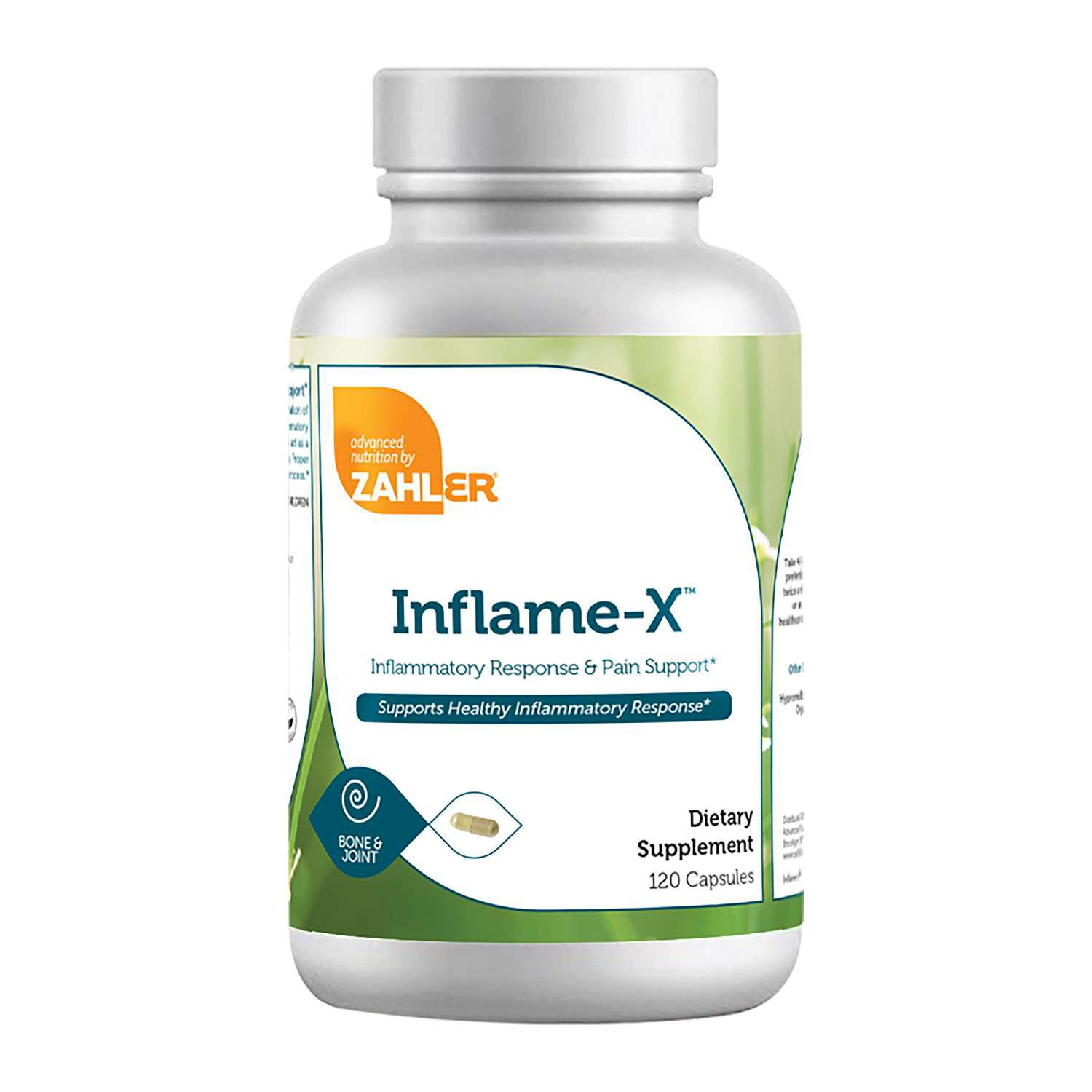


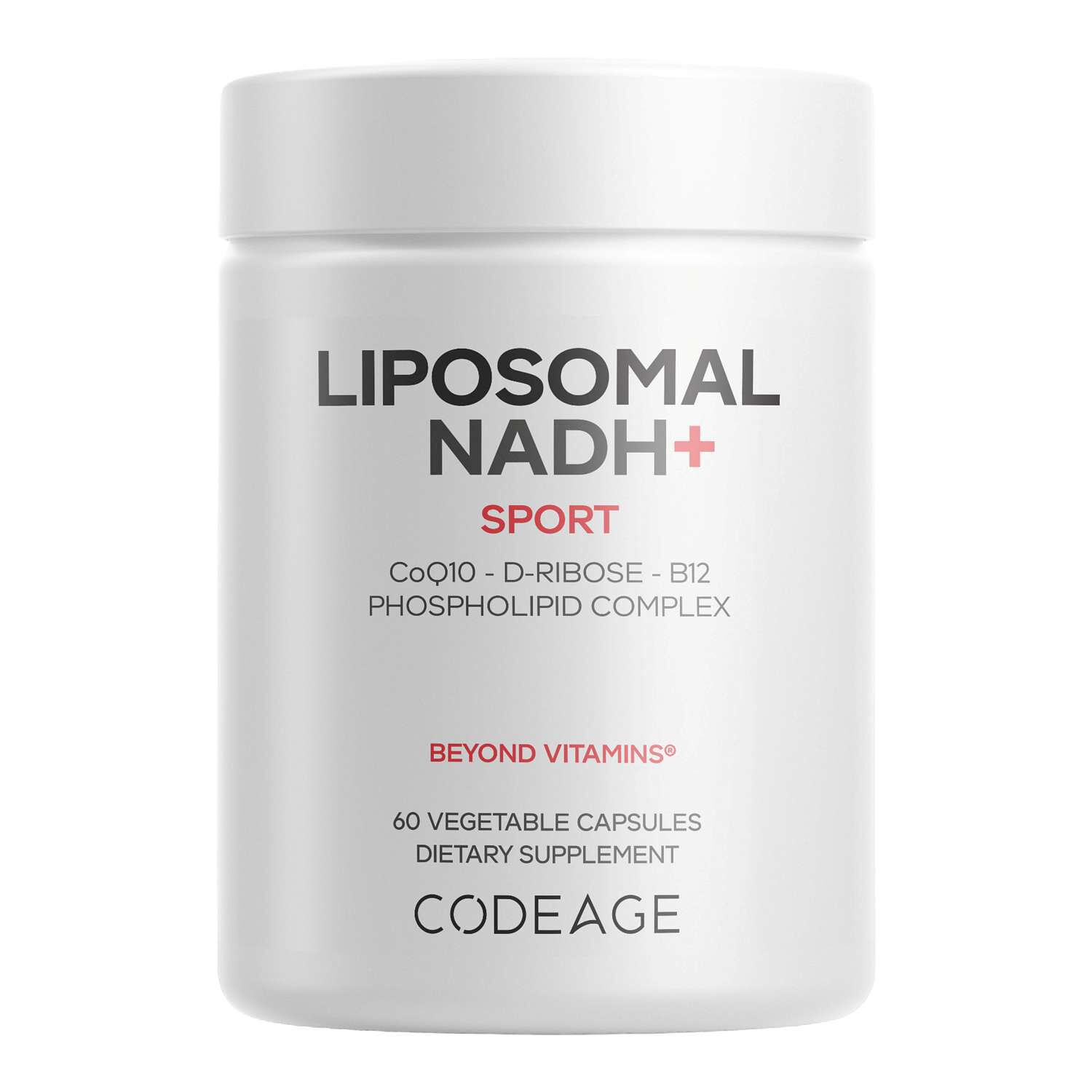
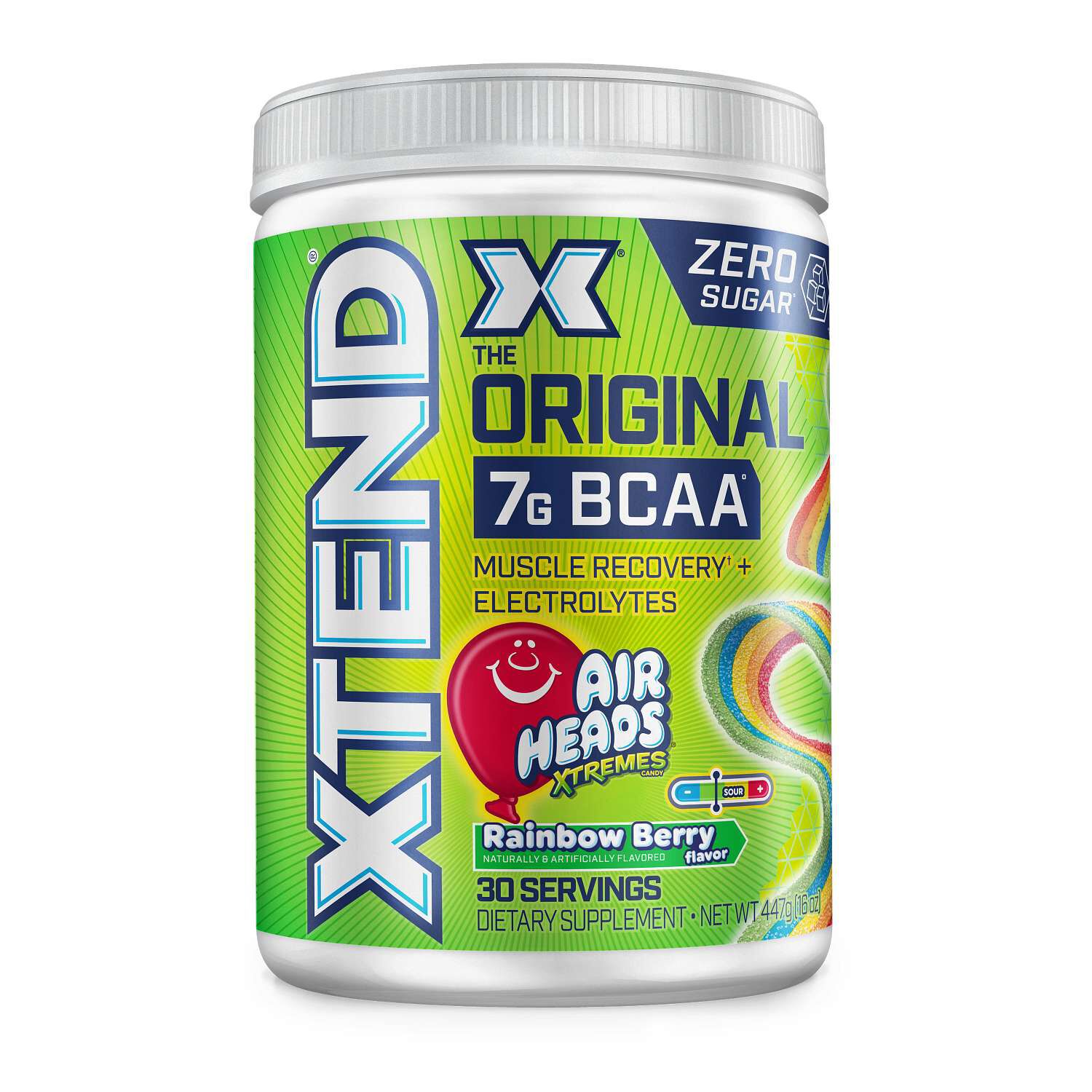
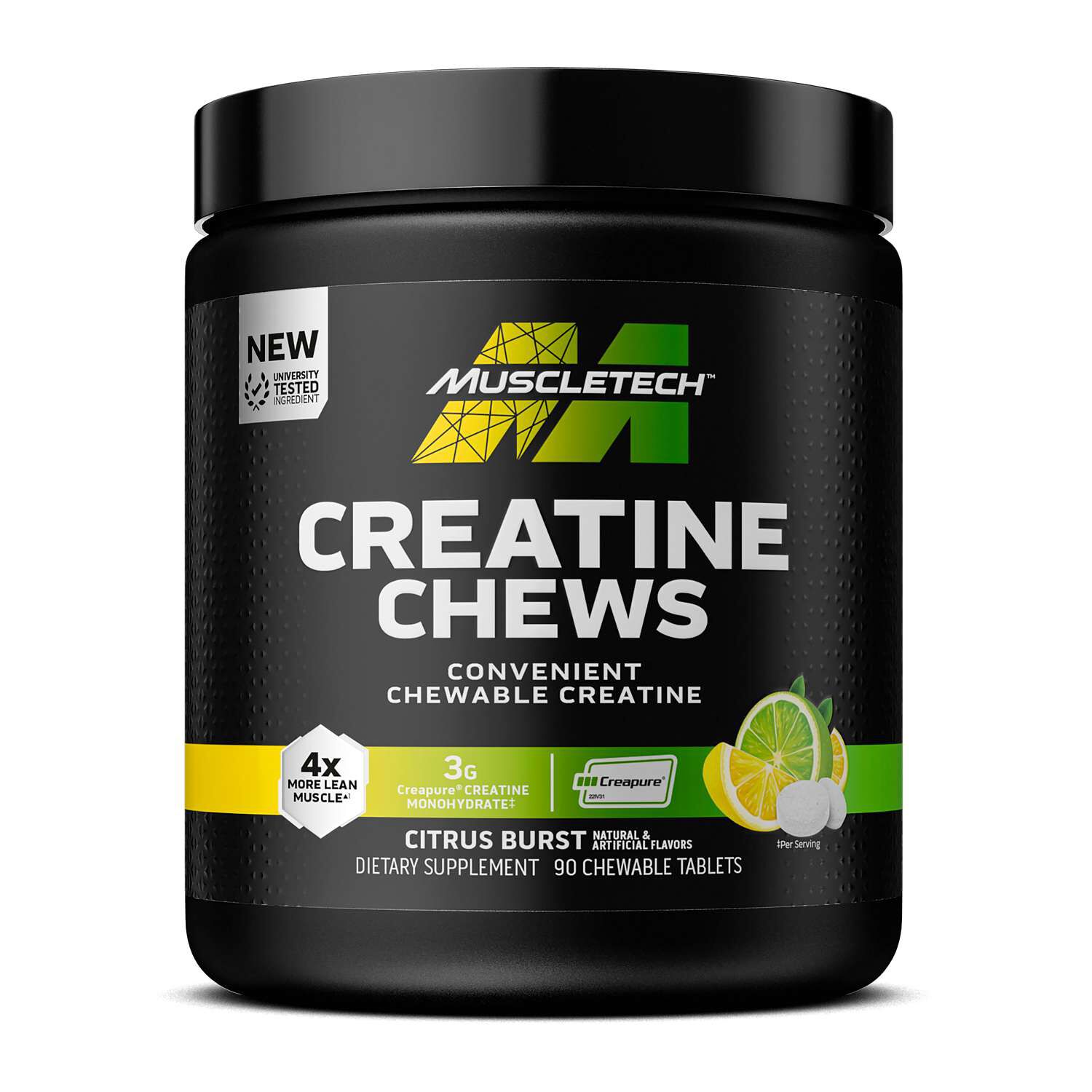
Post exercise recovery capsules are dietary supplements intended for use alongside an exercise routine, with formulas that may support muscle recovery and everyday nutritional needs. Depending on the formula, they may contain amino acids, minerals, botanical extracts, or a combination of ingredients. The capsule format packages those ingredients into measured servings without requiring a shaker bottle, a scoop, or a flavored drink. For someone heading from a weight room to the office, or packing a small bag for a lap swim, that format may fit neatly into an established routine. Common ingredients in this category include branched-chain amino acids, often called BCAAs, as well as HMB, magnesium, zinc, tart cherry extract, and turmeric-derived curcumin. These ingredients represent different approaches to sports nutrition rather than interchangeable versions of the same formula. BCAAs are leucine, isoleucine, and valine, three amino acids found in dietary protein. HMB, short for beta-hydroxy beta-methylbutyrate, is a compound the body produces from leucine. Magnesium and zinc are minerals, while tart cherry and curcumin formulas feature plant-derived ingredients. Amino acid formulas may support muscle recovery after exercise, while mineral formulas may help supplement dietary intake. The presence of a familiar ingredient alone does not establish how a finished formula will fit a particular person’s needs. Ingredient amounts, serving directions, dietary preferences, and the rest of a nutrition routine all contribute to that comparison. Recovery capsules also differ from protein powders: a capsule serving should not be assumed to provide the same quantity of protein as a shake or a meal. They are a distinct supplement format, not a replacement for food, hydration, sleep, or time between demanding workouts. That distinction matters whether the routine involves barbell sessions, long walks, cycling, recreational sports, or a mix of activities. The most useful comparison starts with what is actually inside each serving, rather than the size of the bottle or the language on its front label.
The Supplement Facts panel offers a practical starting point when comparing post workout recovery capsules. A serving may consist of one capsule or several, and the listed ingredient amounts generally refer to that serving rather than to each individual capsule. Capsule count and serving count therefore describe different things. A larger bottle does not necessarily represent more servings, and two formulas with similar ingredient lists may contain quite different amounts. Some labels list each ingredient separately, while others present blends with a combined amount; that difference affects how precisely the formulas can be compared. Botanical names and extract descriptions deserve attention as well. Tart cherry powder and tart cherry extract are not automatically equivalent, and an extract’s listed concentration provides information that its name alone does not. Likewise, magnesium may appear in different ingredient forms, so comparisons are clearer when both the form and the amount listed on the nutrition panel are considered. Beyond the featured ingredients, capsule shell materials and other ingredients matter for dietary fit. Shells may be made from gelatin or plant-derived materials such as cellulose. A plant-derived shell, however, does not by itself establish that every ingredient in the formula meets a vegetarian or vegan preference. Allergen statements, ingredient sources, and clearly described dietary attributes offer more useful detail than assumptions based on appearance. Capsule dimensions and the number required per serving are also everyday considerations, especially for someone who prefers fewer steps in a routine. Some capsules have little noticeable flavor during normal use, but flavor, aroma, and shell characteristics vary by formula. Packaging details can add context, including a readable lot code, a date marking, and a clearly described closure. Where a label includes an independent certification, the certification’s stated scope matters more than the presence of a seal alone. Athletes participating in organized competition may place particular importance on testing that addresses substances restricted by their sport. These details distinguish formulas beyond broad recovery language.
Intended use is another meaningful way to narrow a collection of exercise recovery capsules. A recreational lifter training several evenings a week may be looking for a straightforward amino acid formula, while an endurance enthusiast may be comparing mineral ingredients already present elsewhere in a daily nutrition routine. Neither training style automatically calls for a particular supplement. Food preferences, existing supplements, serving size, and the product’s stated purpose create a more informative picture than workout intensity alone. A formula containing multiple ingredients may seem convenient, but separate formulas can be easier to compare when the goal is to understand each listed amount. Ingredient overlap matters, too: minerals or amino acids may also appear in multivitamins, sports drinks, protein blends, or other supplements. Label directions provide the intended serving information, including whether a formula is positioned for use with food or at a particular point in the day. The phrase “post exercise” does not mean every capsule formula has identical timing instructions, nor does it establish a universal window for use. For a broader view of supplement formats and related nutrition options, Recovery Products for Athletes offers another way to explore the category. Practical ownership details deserve consideration alongside ingredients. Capsules do not involve the same preparation or cleanup as powders, although their condition still depends on appropriate storage and handling. The original container keeps the ingredient panel, directions, lot information, and date marking together. A securely closed lid and storage consistent with the label may help protect the contents from moisture and unnecessary exposure. A bottle left uncapped beside a damp gym towel is a different storage situation from one kept in its designated place at home. For travel or busy training days, package dimensions, closure design, and legible directions can matter as much as capsule count. A well-matched choice brings those practical details together with transparent labeling and an ingredient profile suited to the shopper’s preferences, without treating a supplement as the centerpiece of recovery.