





Powders For Fatigue Relief
(0 Results)
Powders for fatigue relief could offer a convenient way to support your daily wellness routine. With a variety of blends designed to fit different lifestyles, these powders may provide nutrients and botanicals that help you feel your best throughout the day. Whether mixed into smoothies or simply added to water, powders for fatigue relief might be an easy addition to your busy schedule. Explore options that could help you take on whatever comes your way.

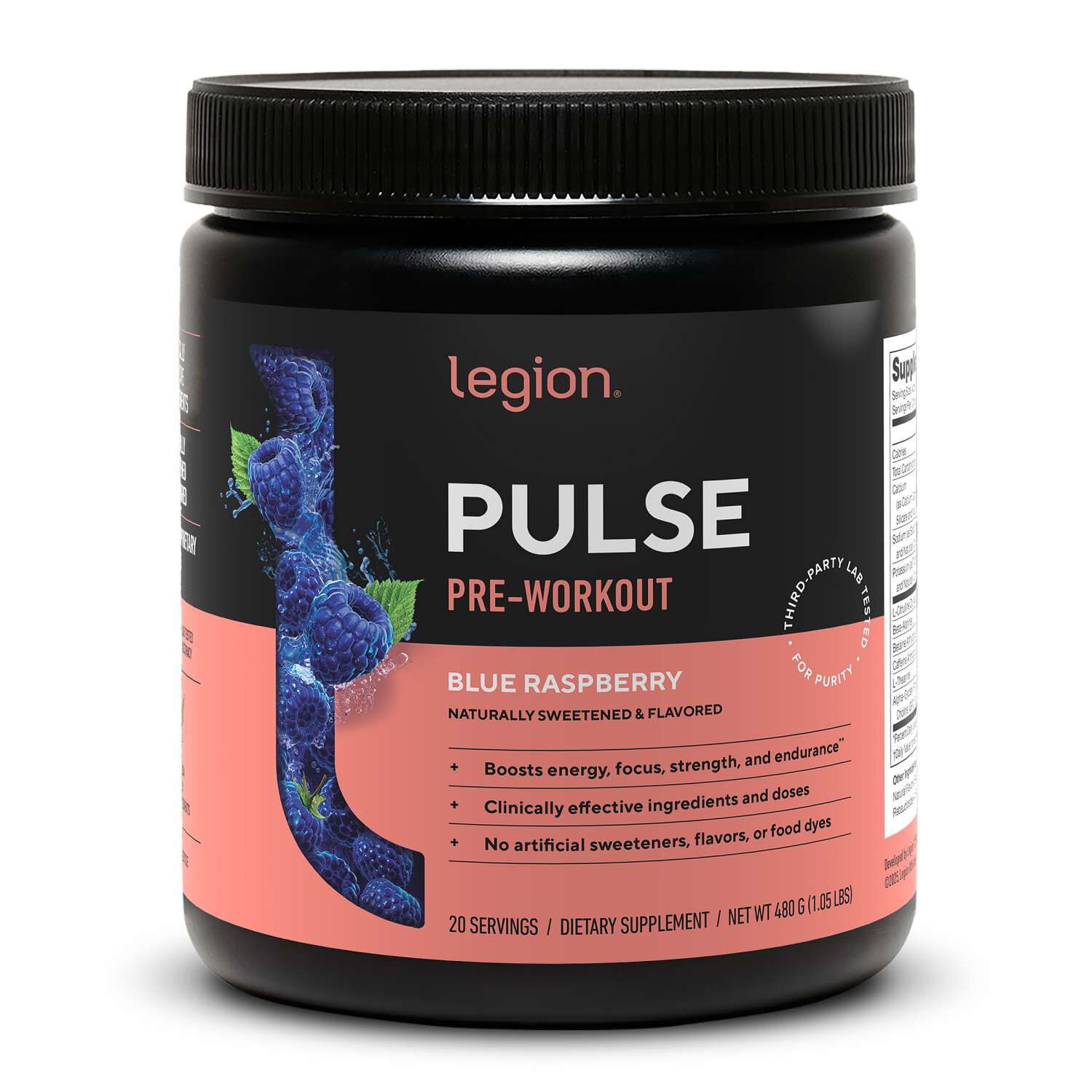
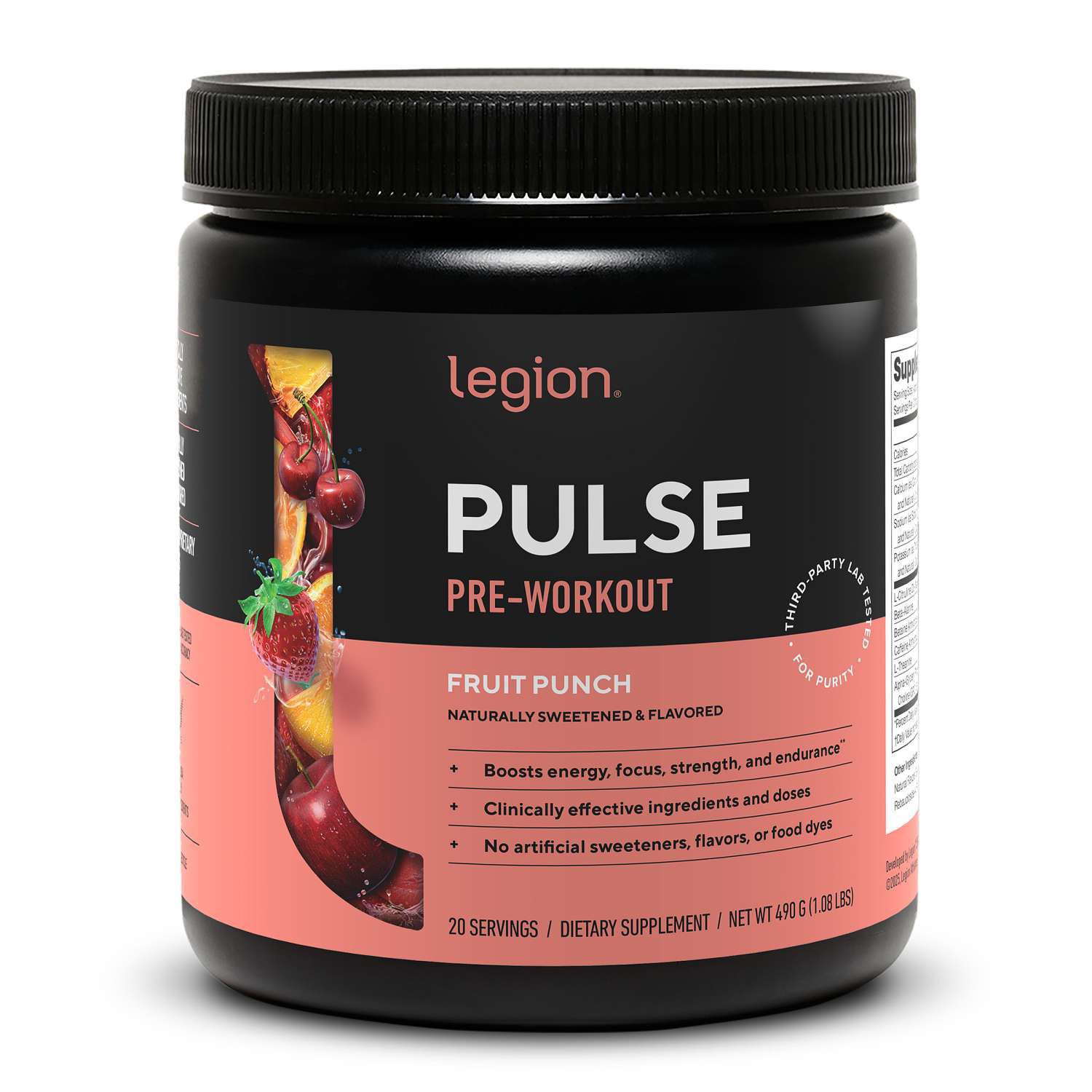
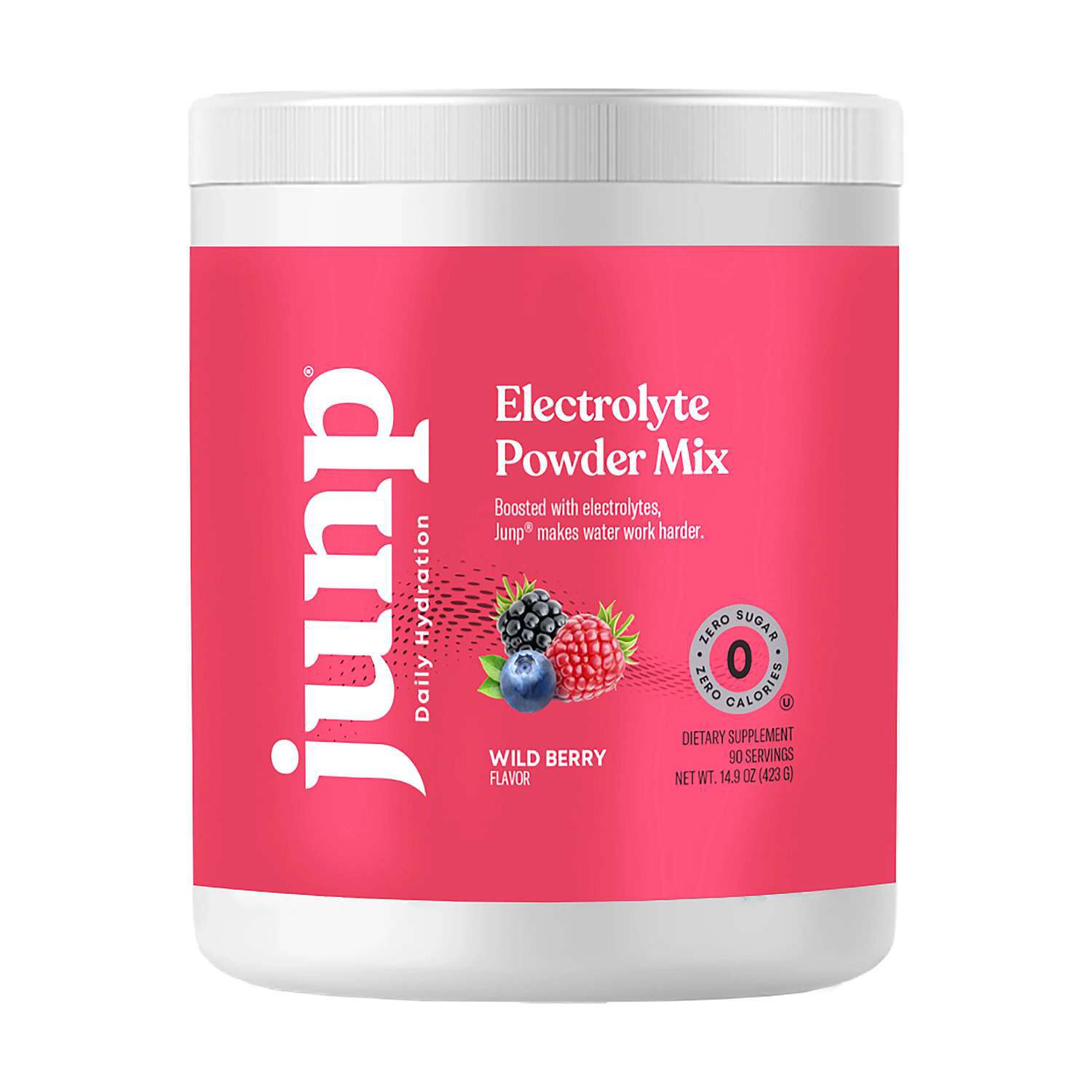

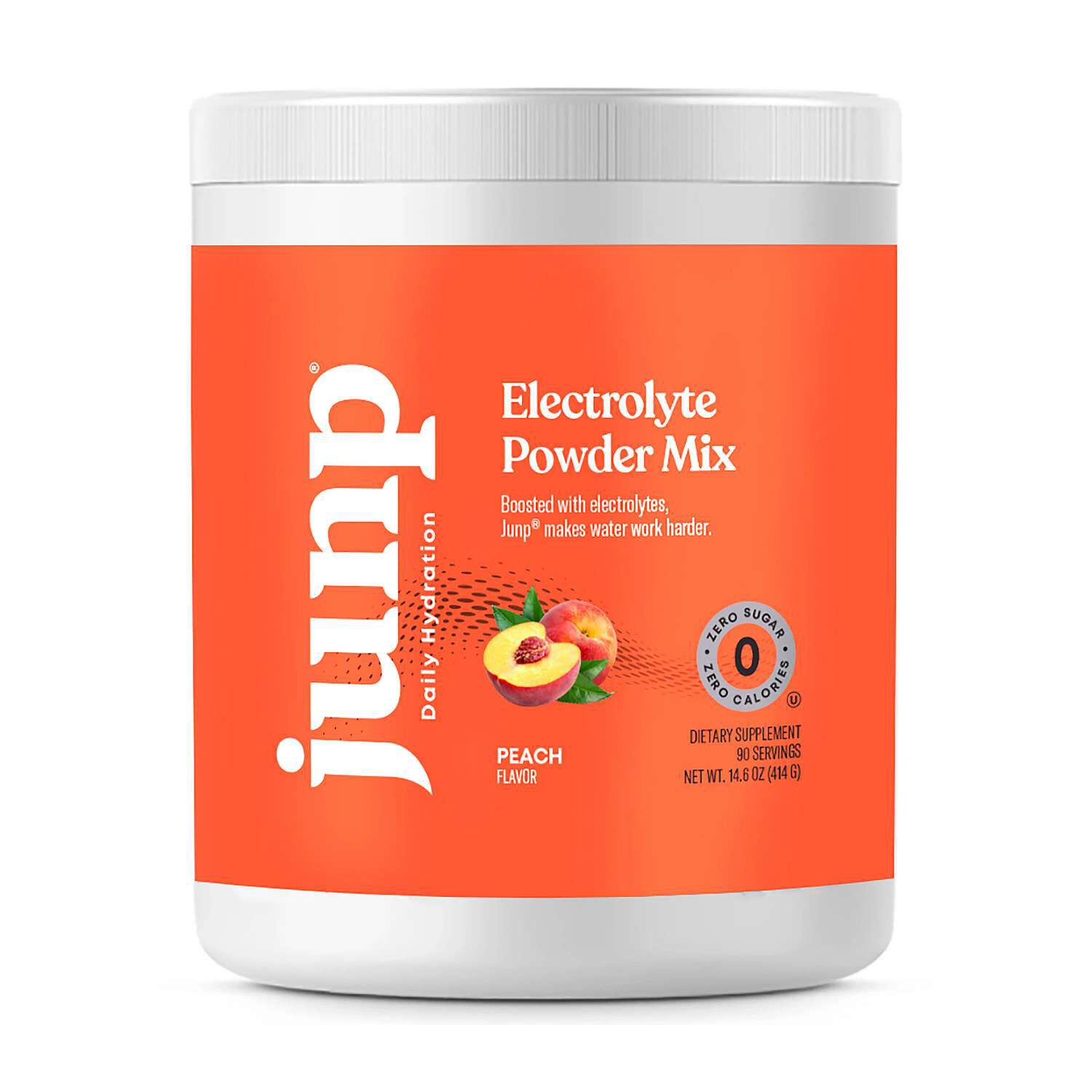


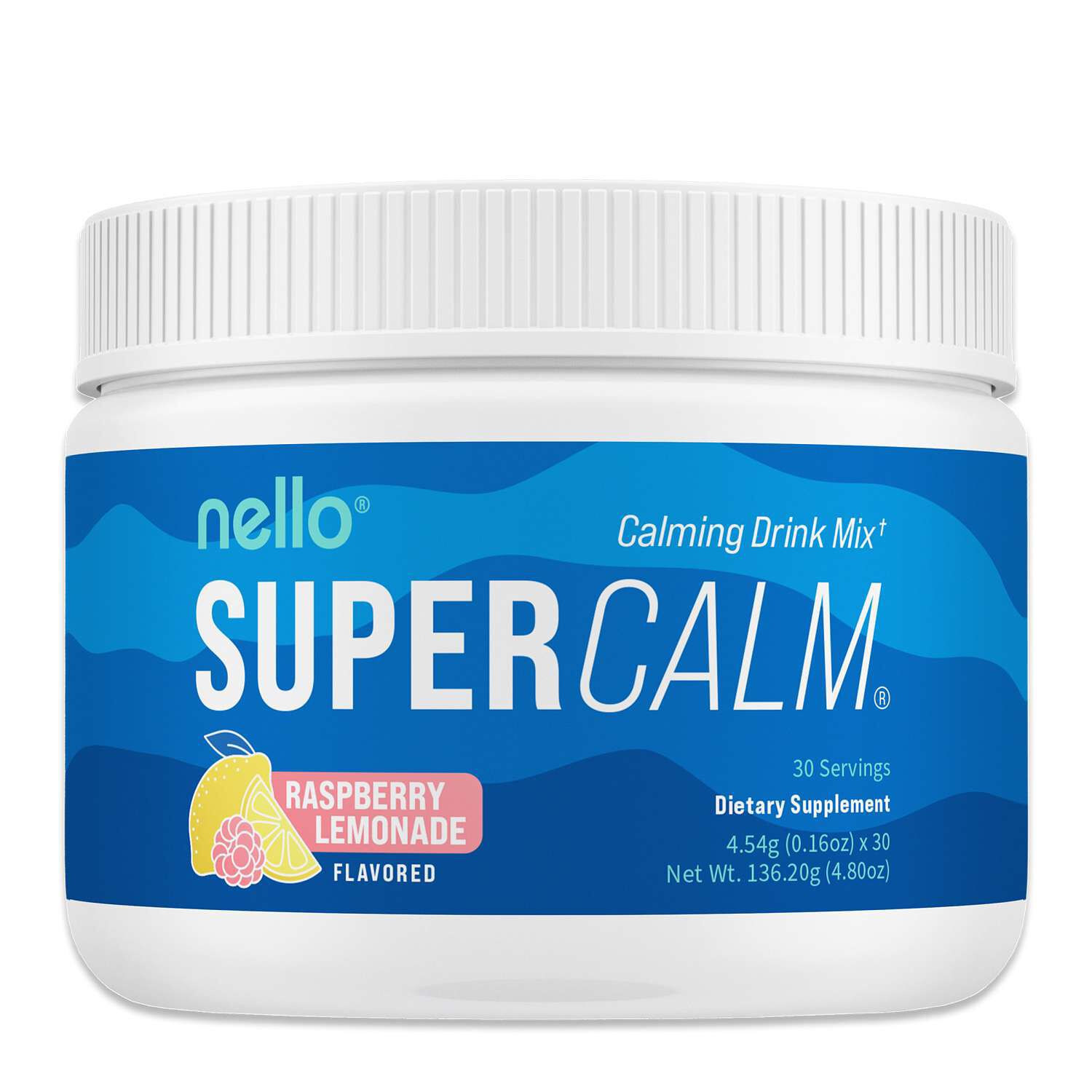
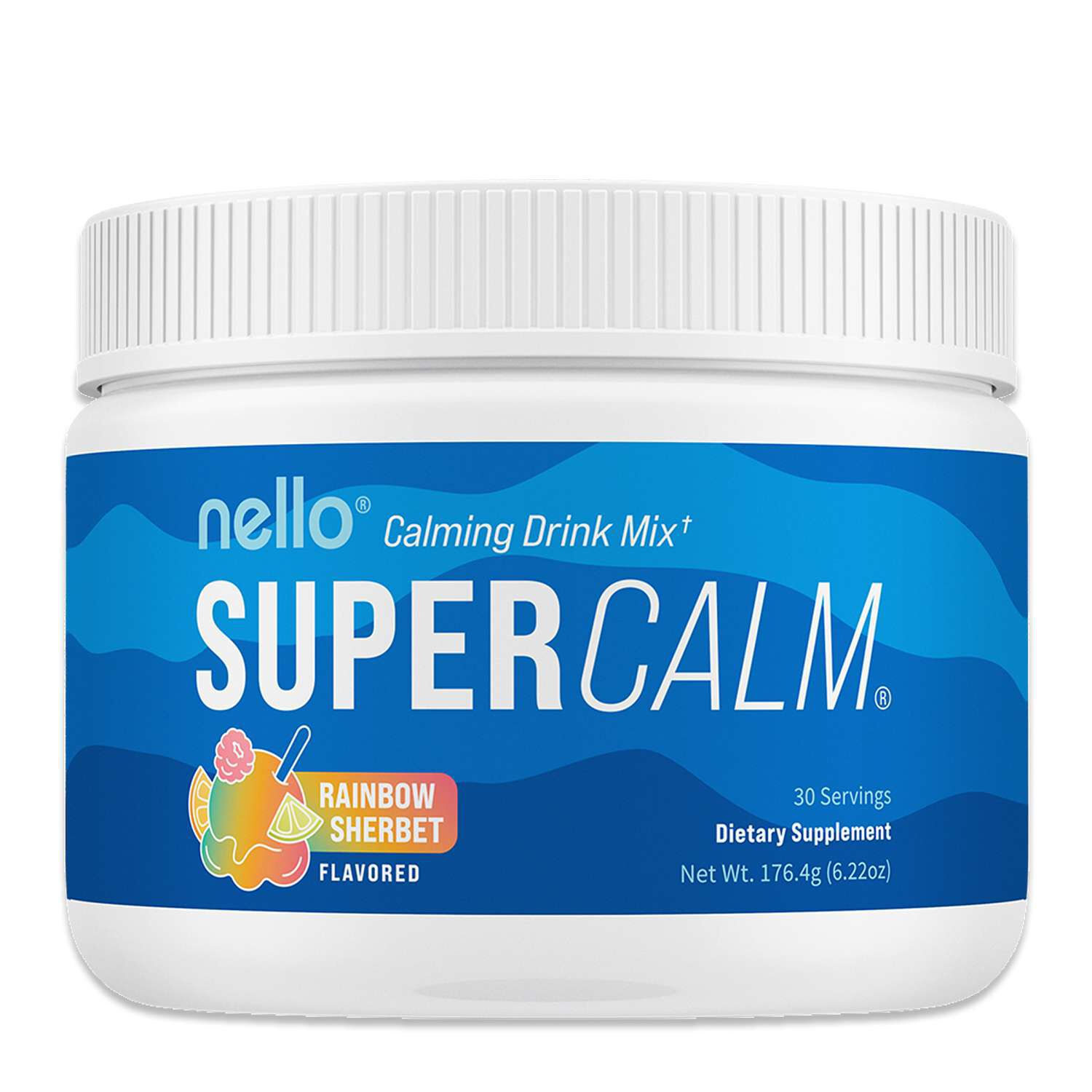

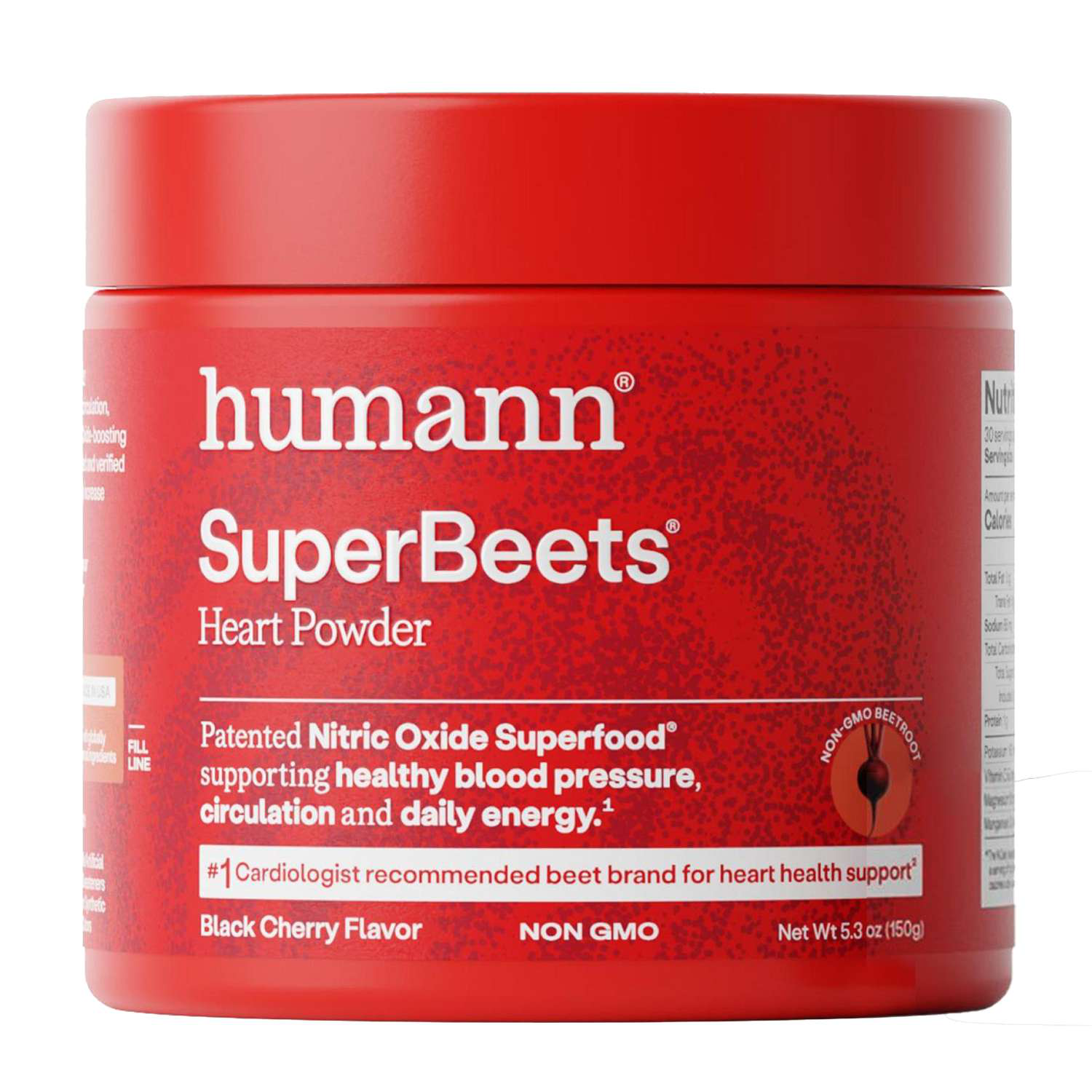
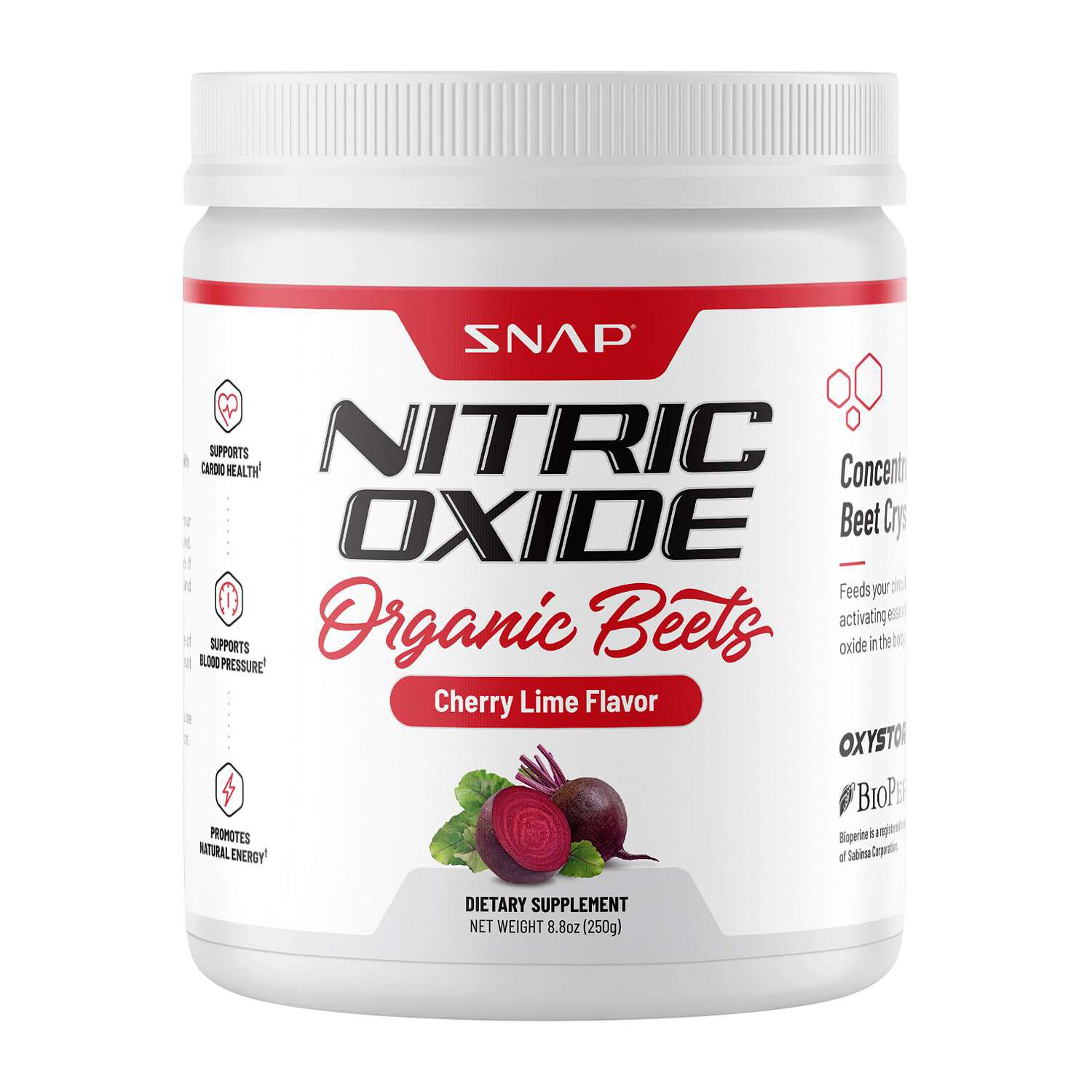


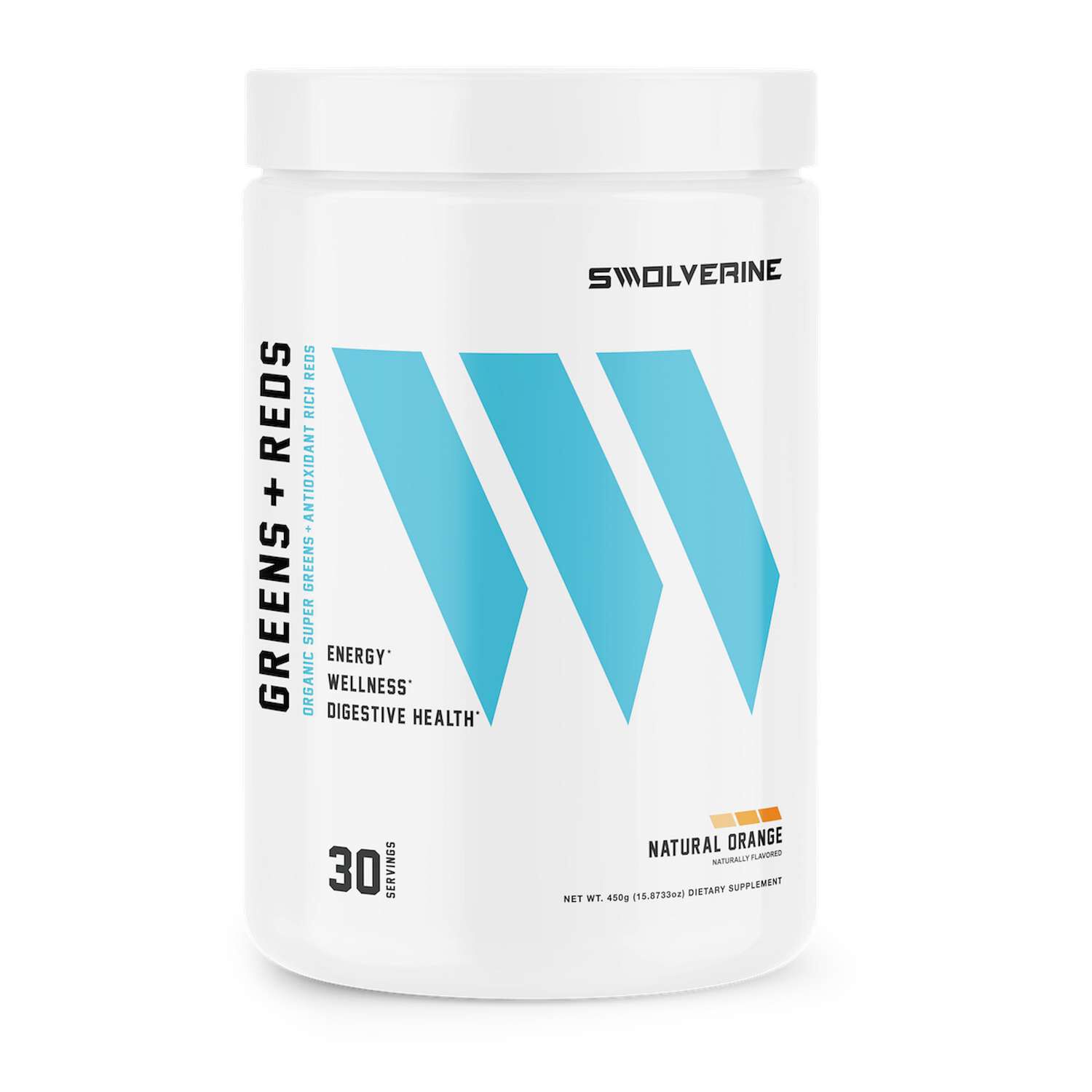

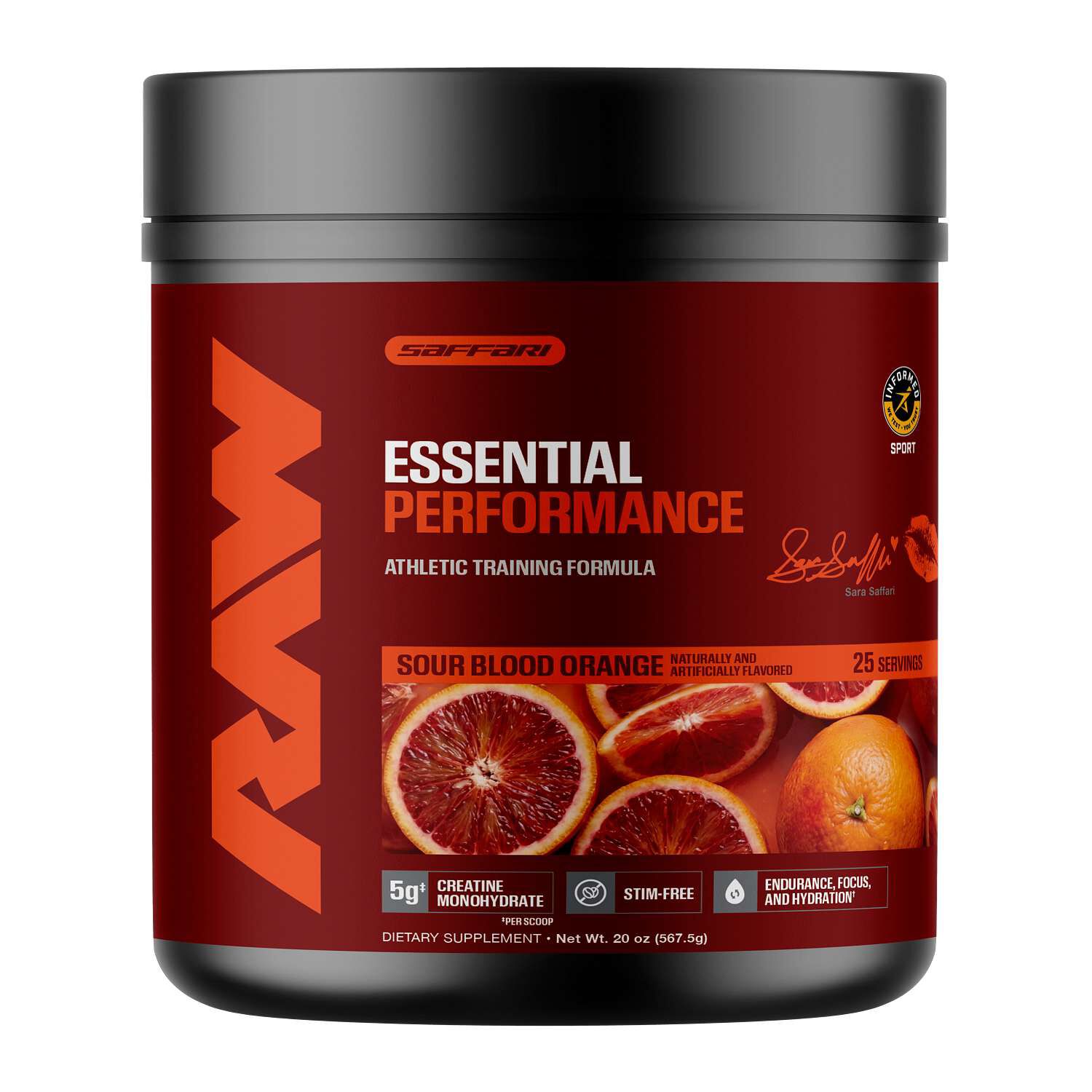
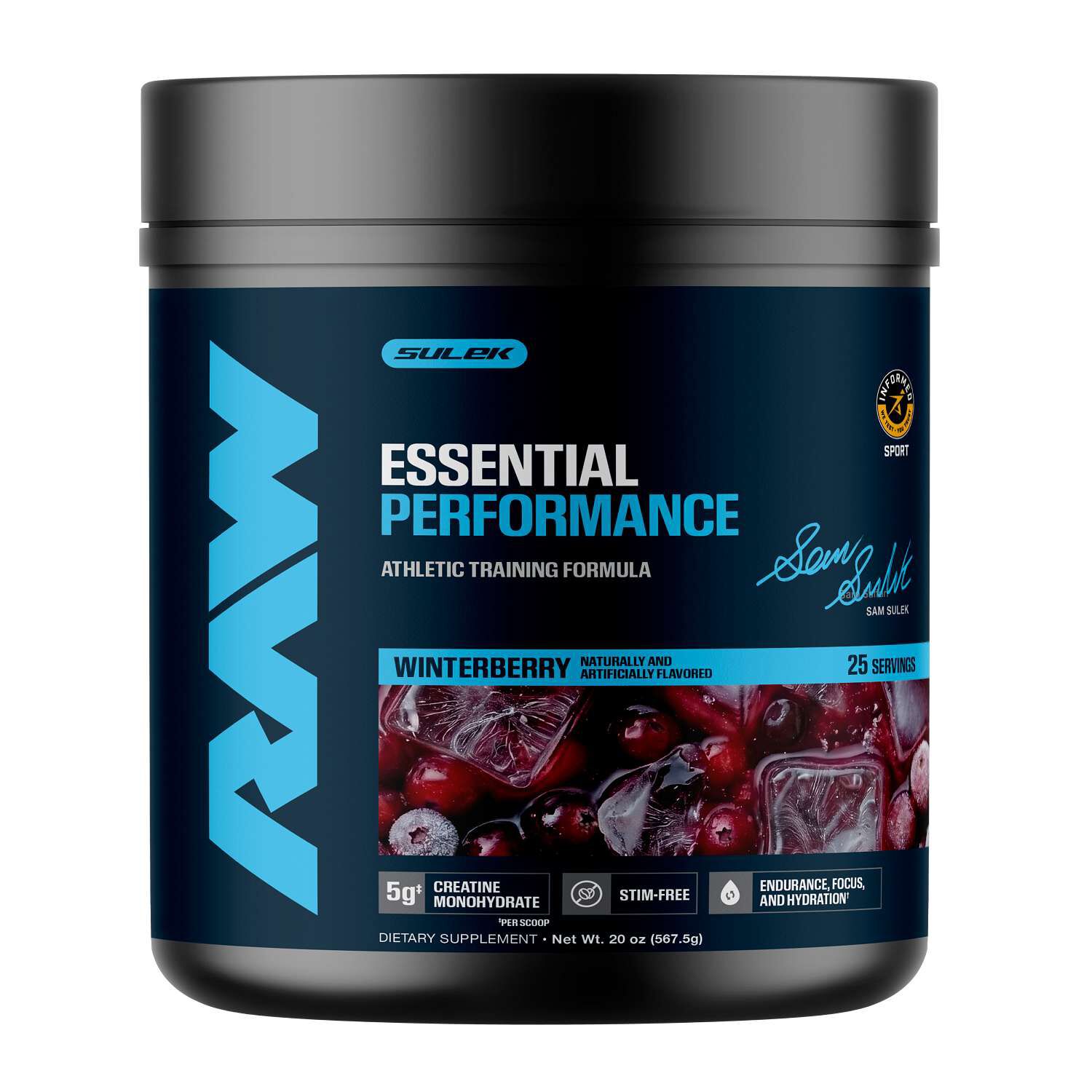
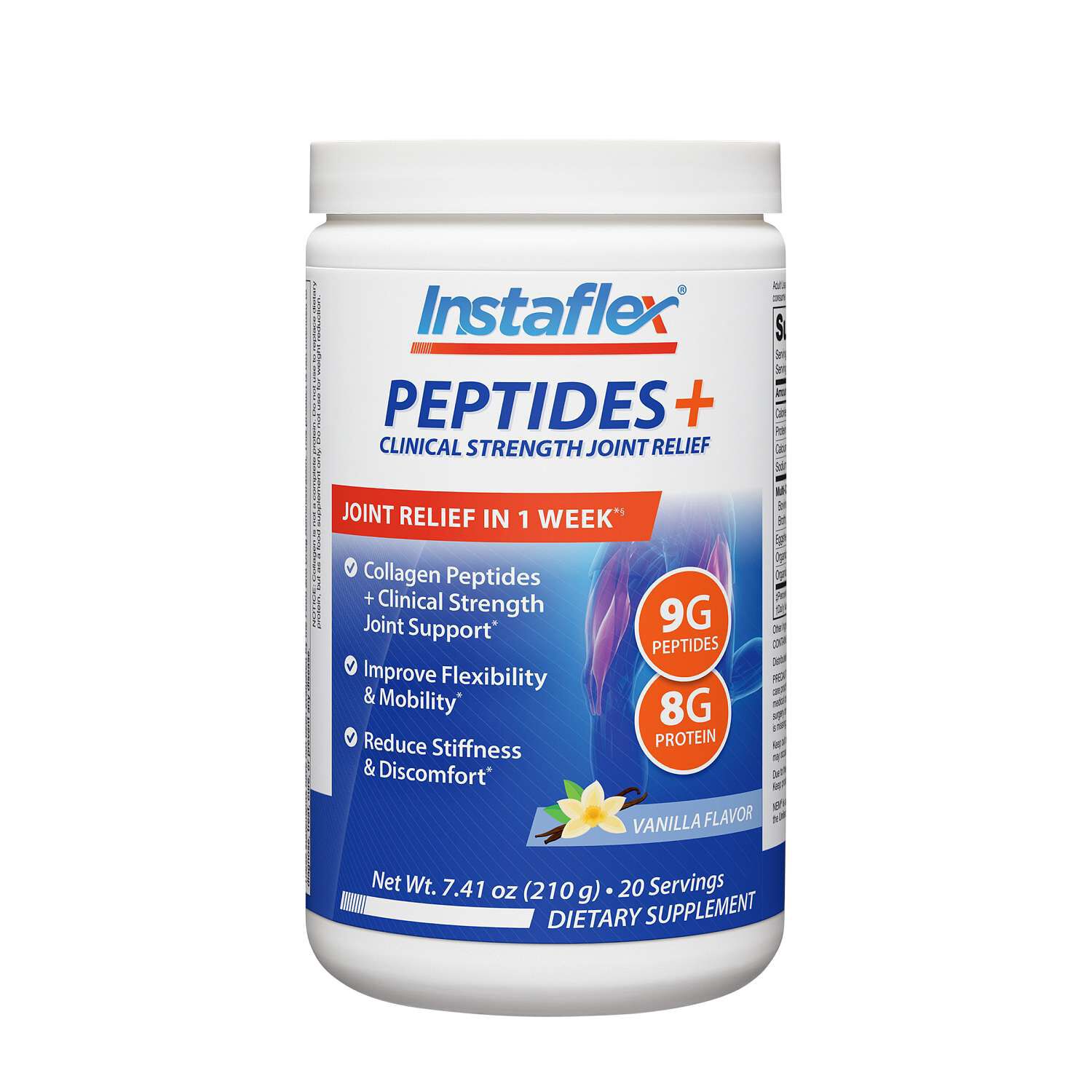

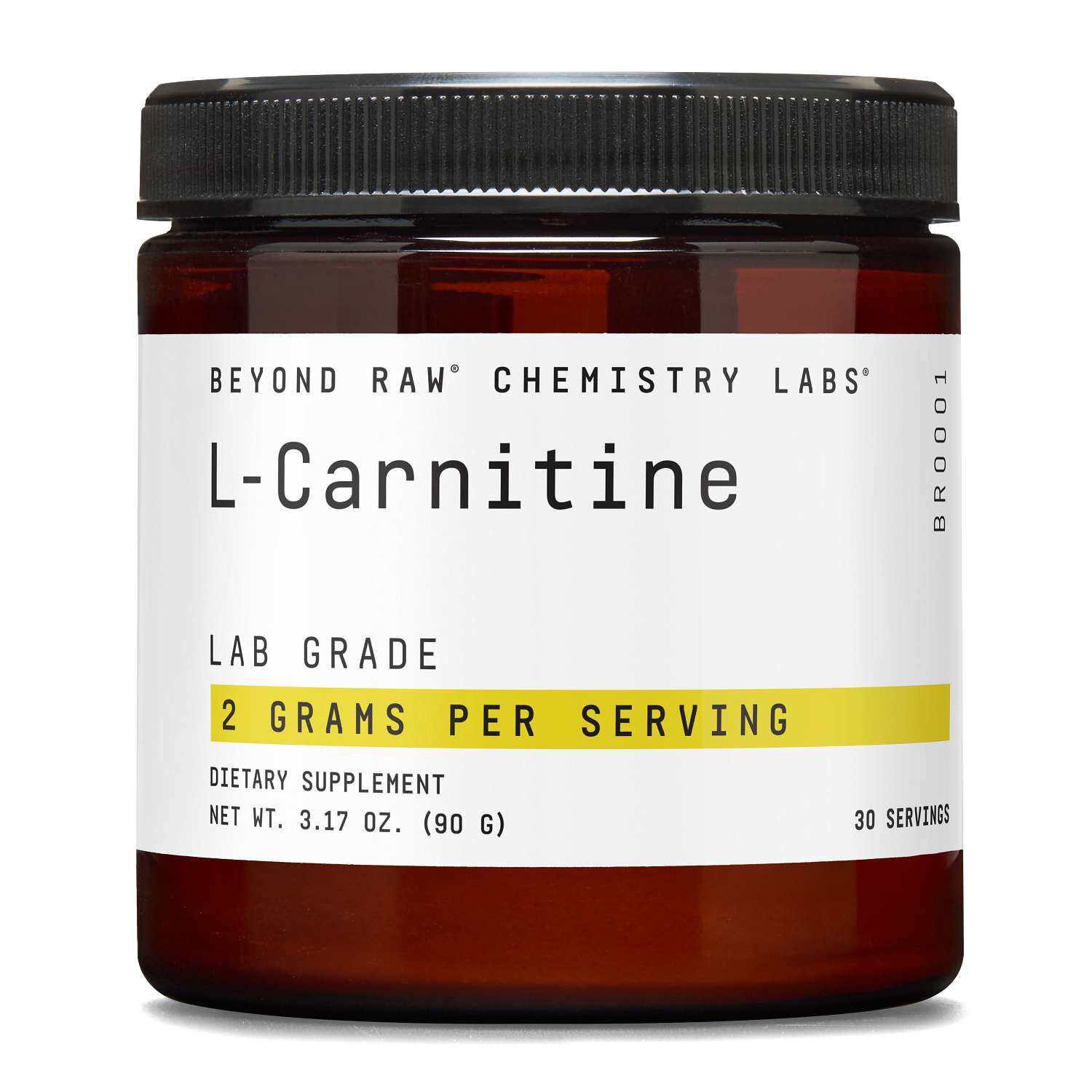
Powders for fatigue relief span several types of drink mixes, including magnesium powders, B vitamin blends, electrolyte formulas, amino acid powders, and greens blends. These categories have different ingredient profiles and intended uses, making the label a useful starting point for comparison. B vitamins may support normal energy metabolism, while magnesium may support normal muscle function. Electrolyte formulas may support hydration during routines that include exercise and sweating, and amino acid powders may complement workout nutrition. Greens blends may contribute nutrients from their listed ingredients, although their contents vary considerably from one formula to another. Some powders contain caffeine, which may support alertness; others focus on vitamins, minerals, or other nutrients without added caffeine. These distinctions matter when comparing a drink for a workout with a powder intended for an everyday nutrition routine. A person packing a gym bag before work may prefer a measured packet that fits beside a water bottle, while someone preparing breakfast at home may prefer a tub with a scoop and an unflavored formula that mixes into a familiar beverage. The powder format offers flexibility in preparation, but serving directions still determine the amount of powder and liquid to use. Ingredient panels also help distinguish a concentrated mineral supplement from a flavored hydration mix or a blend containing several kinds of nutrients. The presence of a familiar ingredient does not make two formulas interchangeable: the amount per serving, accompanying ingredients, and recommended preparation can all differ. For shoppers interested in everyday energy support, the clearest comparison begins with what each serving actually contains rather than how many ingredients appear on the front of the package. A short ingredient list can be easy to understand, while a broader blend calls for a closer look at each component. Neither format is automatically a better match for every routine, and the category name alone does not establish what a particular powder may offer.
Flavor, texture, and preparation are practical considerations because they shape how a powder fits into daily use. Citrus, berry, and tropical fruit profiles are common in drink mixes, while unflavored powders may suit shoppers who prefer to keep the taste of their usual beverage. Unflavored does not necessarily mean tasteless; minerals and other ingredients can contribute their own character. Sweetened formulas can differ in sweetness, aftertaste, and the type of sweetener used, so the ingredient list is worth comparing alongside the flavor description. Added sugars, sodium, caffeine content, and the amounts of individual vitamins or minerals provide more useful detail than a flavor name alone. When comparing labels, note whether the listed serving is one scoop, more than one scoop, or an individually portioned packet. A scoop is a preparation tool, and its size can vary between formulas. Directions may specify water or another beverage, a particular liquid volume, and stirring or shaking. Following those directions provides a consistent basis for comparing taste and texture without making assumptions about concentration. Some powders disperse readily, while others may leave a little sediment or need another shake before drinking. A shaker bottle can be convenient at the gym or during a commute, and a glass with a spoon may suit preparation at a kitchen counter. Packaging deserves attention as well: resealable tubs work differently from packets tucked into a lunch bag, and both benefit from storage according to the label. Keeping the closure secure and the scoop dry may help protect the powder from moisture during normal handling. Dietary preferences are another part of the comparison. Ingredient and allergen statements identify components such as milk, soy, or wheat when present, while labeled dietary attributes can clarify whether a formula fits a particular eating pattern. These details make it easier to select a powder that suits both the intended occasion and the way it will be prepared.
Intended use is often the most helpful way to narrow a varied collection of powders. For an adult heading to a workout after a desk-based day, a compact drink mix may fit neatly into the transition between work and the gym. For someone with an active job, a portable packet may be convenient alongside a refillable bottle and a packed meal. A shopper building a breakfast routine may instead value a straightforward formula, a familiar flavor, and preparation that takes only a few moments. In each case, convenience is a feature of the format, not evidence that every powder serves the same purpose. A caffeinated formula and a vitamin-focused powder can look similar once mixed in water, yet their ingredient panels tell different stories. Looking at caffeine from all listed sources, including coffee or tea ingredients when present, gives a clearer picture than relying on a product’s flavor or color. Likewise, a greens blend should be evaluated by its stated ingredients and nutrient amounts rather than treated as equivalent to a varied meal. Powdered supplements belong alongside ordinary eating, drinking, and rest routines, not in place of them. Shoppers considering a separate evening ritual can also explore Relaxation Powders, comparing ingredients and preparation directions with the same care used for daytime options. Similar ingredients can appear across different categories, so the label remains important even when the shopping focus changes. For shared households, clear packaging and a designated storage spot can keep each person’s chosen formula organized. For travel or days spent away from home, consider whether preparation requires a shaker, a spoon, or simply the container already being carried. The most practical comparison brings together ingredient transparency, serving size, taste preferences, packaging, and intended use. Those details provide a grounded way to browse powders for fatigue relief while keeping the focus on the individual formula rather than broad expectations about the category.
Best Sellers
Related Pages

Top Collections
- Zinc Supplements | Top Brands at Great Prices | GNC
- Cortisol Supplements
- Joint Mobility Supplement Packs
- NAD+ Supplement Tablets
- Best Brand of Magnesium Glycinate
- Top Rated Collagen | Shop Customer Favorites | GNC
- Iron Supplements
- Peptide Supplements
- Protein Powders For Muscle Growth Support
- Vitamins That Help Support Weight Gain