





Relaxation Powders
(0 Results)
Relaxation powders could offer a convenient way to unwind after a busy day. With a variety of blends designed to be mixed into your favorite beverage, relaxation powders may fit seamlessly into your daily routine. Explore options that might help you create a calming ritual, whether you’re looking for something to enjoy before bedtime or simply seeking a moment of tranquility during your day. Discover how relaxation powders might support your journey toward peace of mind and overall well-being.

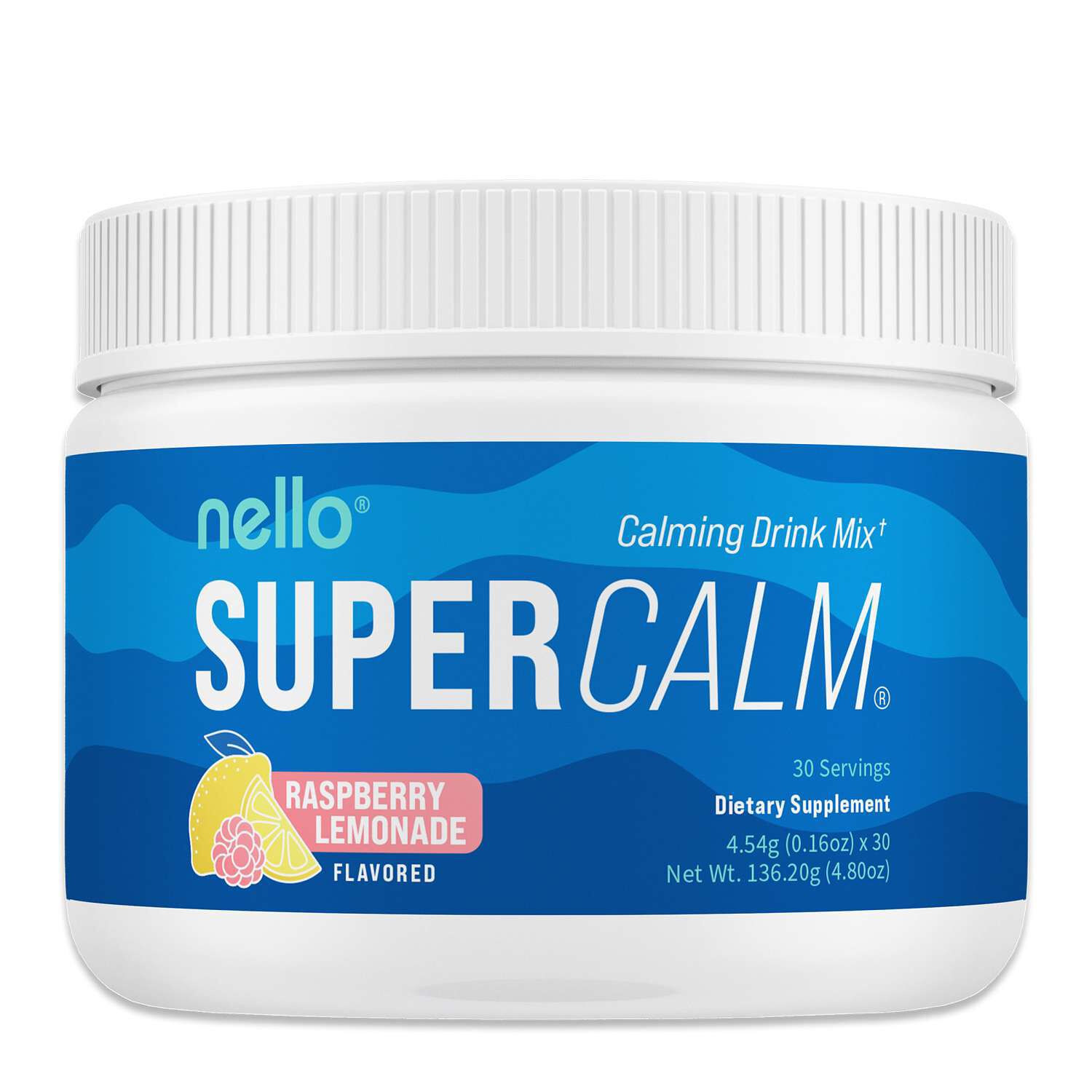
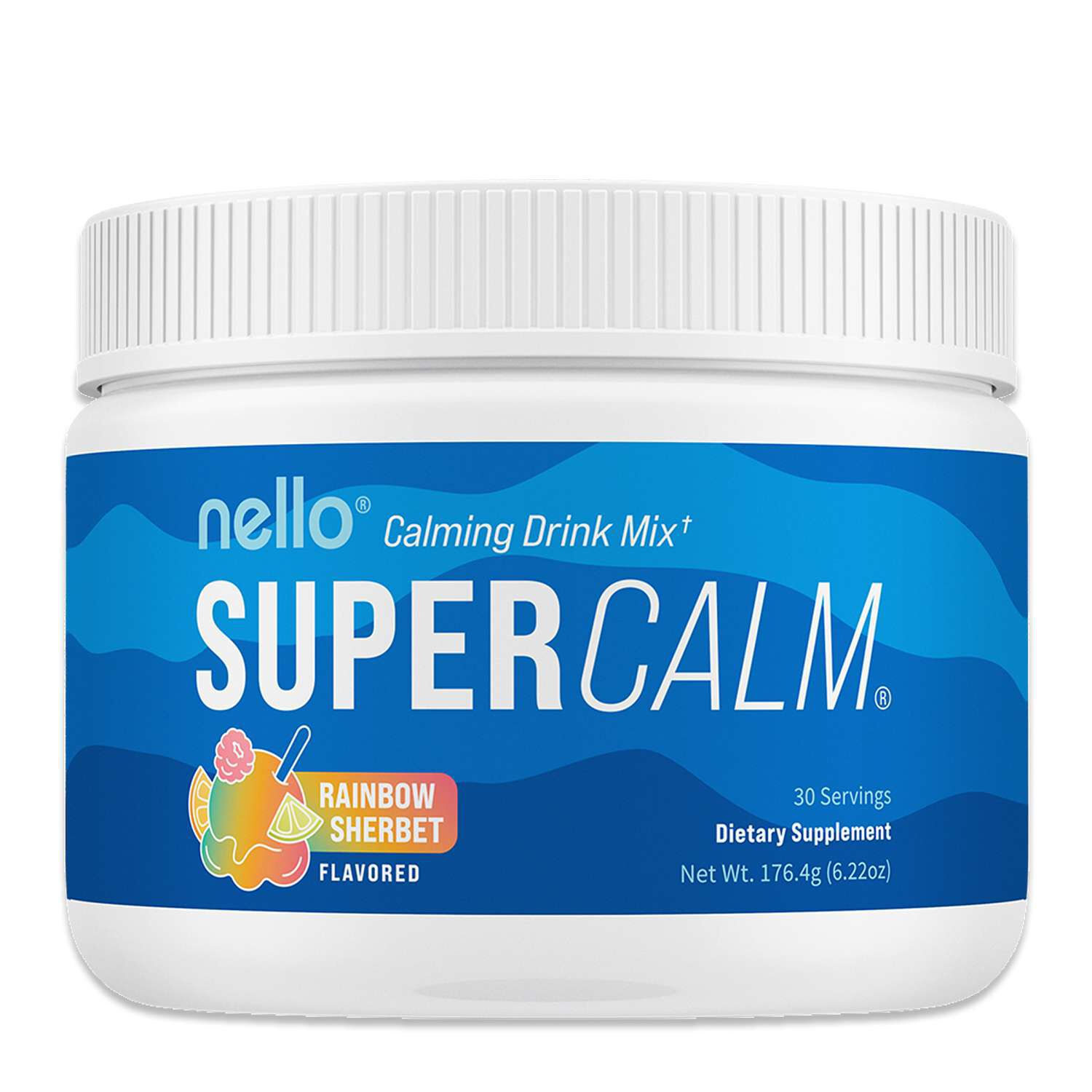
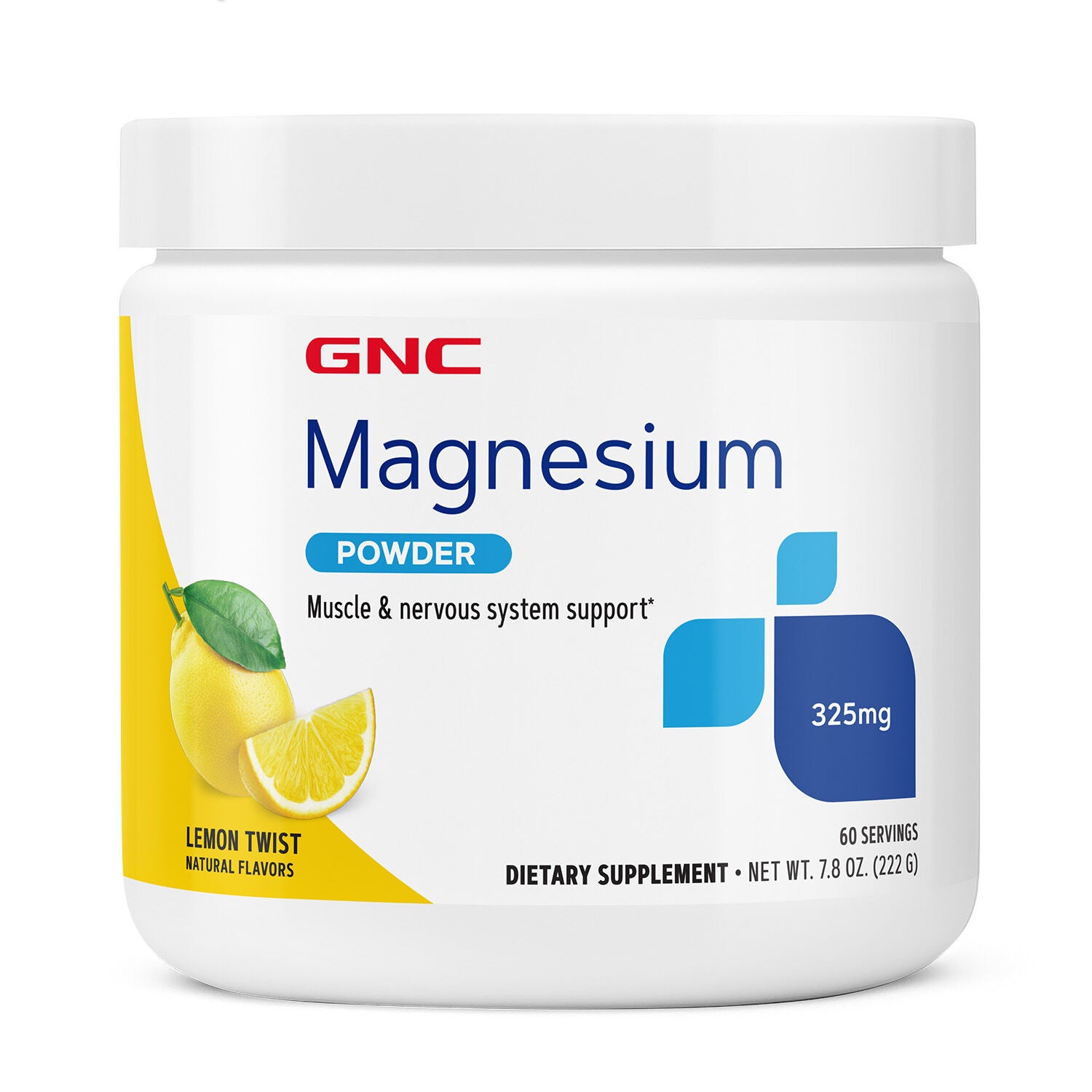
Relaxation powders are powdered dietary supplements designed for mixing into a beverage as part of a wind-down routine. They offer a drinkable format for shoppers who prefer a flavored mix to capsules or tablets, with formulas that may support a sense of calm during everyday downtime. The category includes mineral-based blends, amino acid formulas, and combinations featuring botanical ingredients. Magnesium is a common ingredient, and labels may identify forms such as magnesium citrate or magnesium glycinate. Other formulas may contain L-theanine, glycine, GABA, or botanicals such as lemon balm, chamomile, and ashwagandha. These ingredients are not interchangeable, and a familiar flavor or similar package design does not mean two powders have the same composition. An ingredient panel gives a clearer picture of what each serving contains, while the product directions explain its intended use. Some blends have a short ingredient list centered on one featured ingredient; others bring together several components in a flavored drink mix. For shoppers comparing relaxation powders, that distinction can matter as much as the choice between citrus, berry, or an unflavored formula. A simple blend may appeal to someone who wants an uncomplicated addition to an established routine, while a combination formula may suit someone seeking several preferred ingredients in one format. Sweeteners, added sugars, flavorings, and dietary attributes also contribute to the choice. A fruit-flavored powder can taste quite different depending on whether it uses sugar, stevia, monk fruit, or another sweetening ingredient, and botanical blends may have noticeable herbal notes. Shoppers who prefer a subtle beverage may gravitate toward milder flavors, while those who enjoy a more pronounced taste may favor a richer fruit profile. The amount of water specified on the package is another part of that experience. When a powder becomes part of a quiet pause after work, a reading session, or an evening away from screens, its taste and preparation are practical details that may help it fit comfortably into the routine.
The appeal of a relaxation drink mix often comes down to how naturally it fits into ordinary habits. Preparing a glass at the kitchen counter, carrying an individual packet in a work bag, or keeping a tub beside other pantry supplements are different ways the format can fit into everyday life. Preparation varies by formula, so package directions matter more than assumptions based on appearance. Some powders are intended to be stirred into water, while others may allow mixing into a different beverage. The stated liquid amount, serving size, and mixing method provide the most useful starting point for understanding the finished drink. A small glass and a large tumbler can produce noticeably different flavor intensity, even when they contain the same measured serving. Texture also deserves attention: certain ingredients dissolve readily, while others can leave light sediment or a slightly cloudy appearance. A spoon or shaker can be useful when the directions call for it, but not every blend is suitable for the same preparation method. Measuring is another meaningful difference between formats. A tub usually requires a scoop or another measure specified on the label, whereas individual packets contain a premeasured quantity; the package still determines how that quantity relates to a serving. The scoop’s appearance alone does not establish the amount of a featured ingredient. Supplement Facts and serving information make comparisons more informative than container size or the weight printed on the front. Calories, sugars, sodium, and other listed nutrients may also matter to shoppers who have particular dietary preferences. Ingredient and allergen statements offer further context, especially when a powder includes flavor blends or other added components. For someone who enjoys a lightly flavored drink while listening to music or settling into a book, a modest preparation routine may feel more appealing than a complicated recipe. Others may prefer the portability of packets for overnight visits or travel. Neither format is inherently the better choice; the useful distinction is how the packaging, taste, and mixing requirements align with the way the powder will actually be used.
Relaxation powders and sleep-oriented powders can overlap in ingredients, but their intended uses are not necessarily the same. A product positioned around everyday relaxation may differ from one labeled specifically for a bedtime routine, even when both feature magnesium or familiar botanical ingredients. Some sleep-focused formulas include melatonin, while other blends center on minerals, amino acids, or botanicals without that ingredient. The product label, rather than the flavor name or an evening-themed package, is the clearest reference for those distinctions. Shoppers comparing adjacent categories can also browse Stress Relief Sleep Powders for formulas presented with a sleep-focused intended use. For either category, the powder itself is only one part of the experience: the glass used for mixing, the flavor preference, and the preparation steps all influence how convenient the format feels. A sealed tub may suit a consistent at-home routine, while individually wrapped portions may be easier to tuck into a toiletry bag or carry between locations. Packaging care matters because powders can absorb moisture, and a damp scoop or loosely closed container can contribute to clumping. Storage directions on the label account for the particular formula, and keeping the original packaging preserves access to the ingredient list, serving directions, and date information. Container size also deserves practical consideration. A larger tub takes up more cabinet space, while a smaller package may be a better physical fit for a compact kitchen or shared pantry. For gifting, this category is most appropriate when the recipient has already expressed an interest in powdered supplements and their ingredient and flavor preferences are known. An appealing flavor alone is not enough to establish a good match, particularly when dietary requirements or preferred ingredients differ. Whether chosen for personal use or for someone familiar with the category, relaxation powders are best understood through their specific composition and everyday practicality. A readable label, a suitable format, an enjoyable flavor, and preparation that fits the intended routine provide useful points of comparison without assuming that every blend offers the same experience.
Best Sellers
-
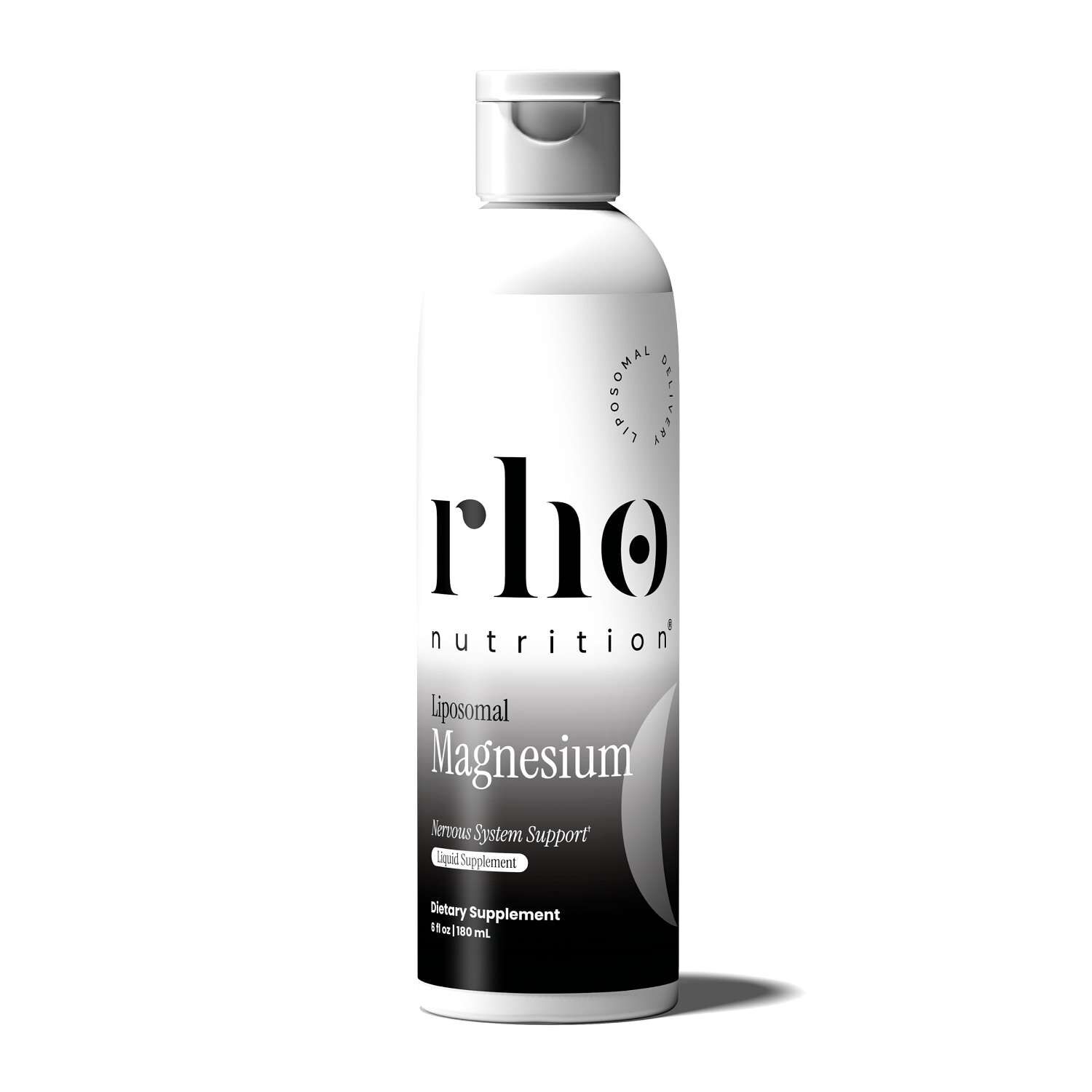 Rho Nutrition
-
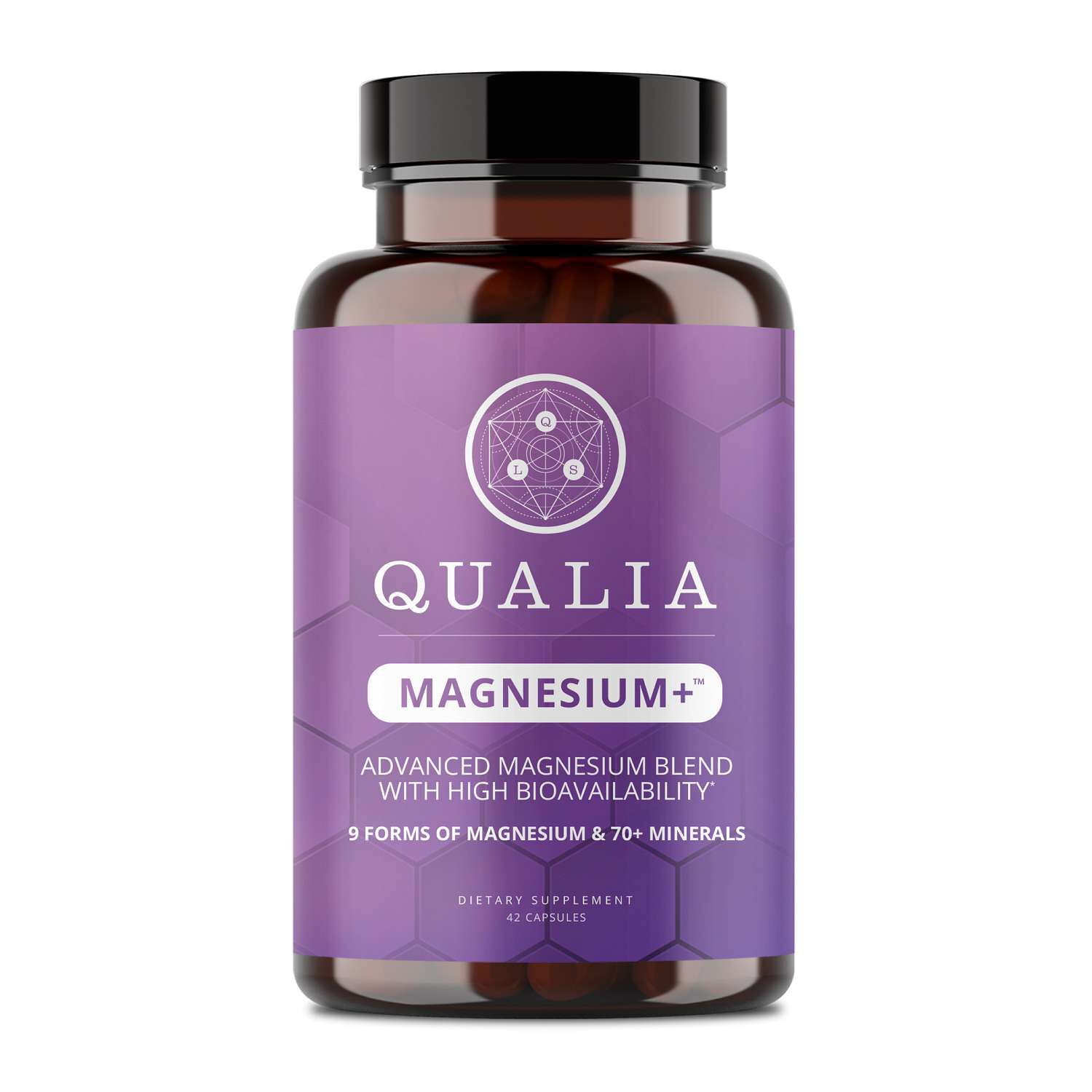 Qualia Life Sciences