Stress Relief Sleep Powders
(0 Results)
Stress relief sleep powders could offer a convenient way to support your evening routine and help you unwind after a long day. Blending seamlessly into your favorite nighttime beverage, these powders may be an easy addition to your wellness regimen. Explore a variety of stress relief sleep powders that might help you relax, so you can prioritize rest and wake up feeling refreshed.
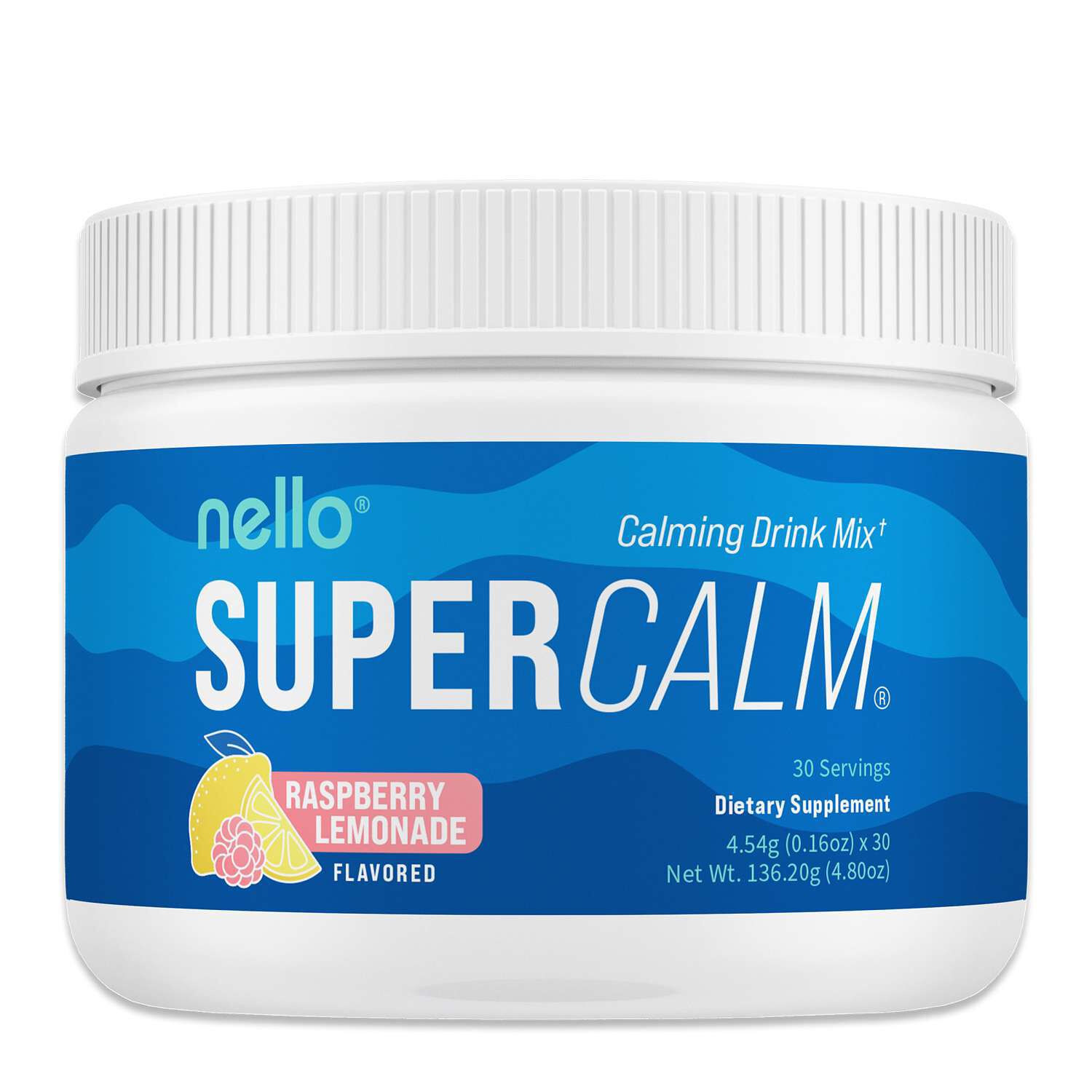
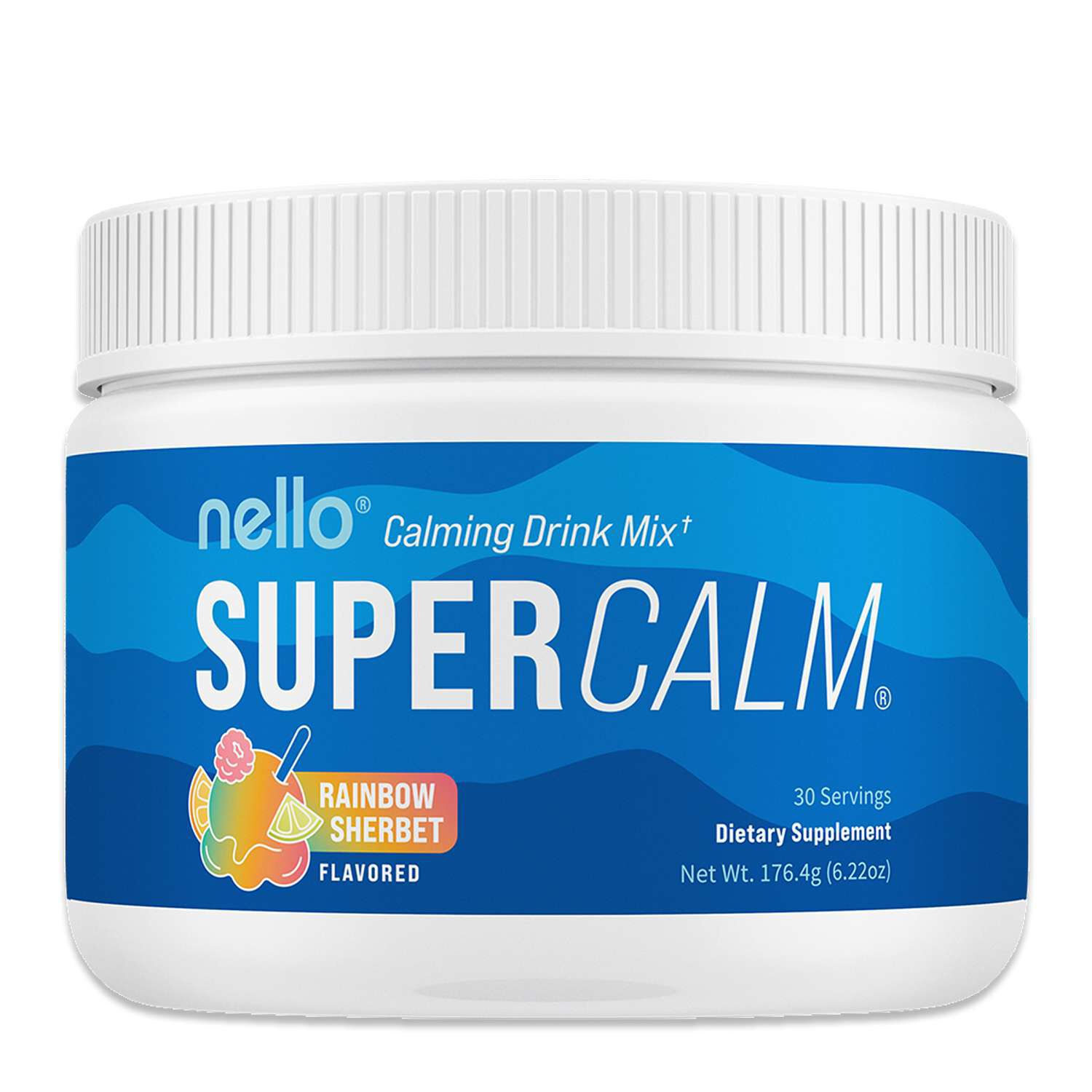

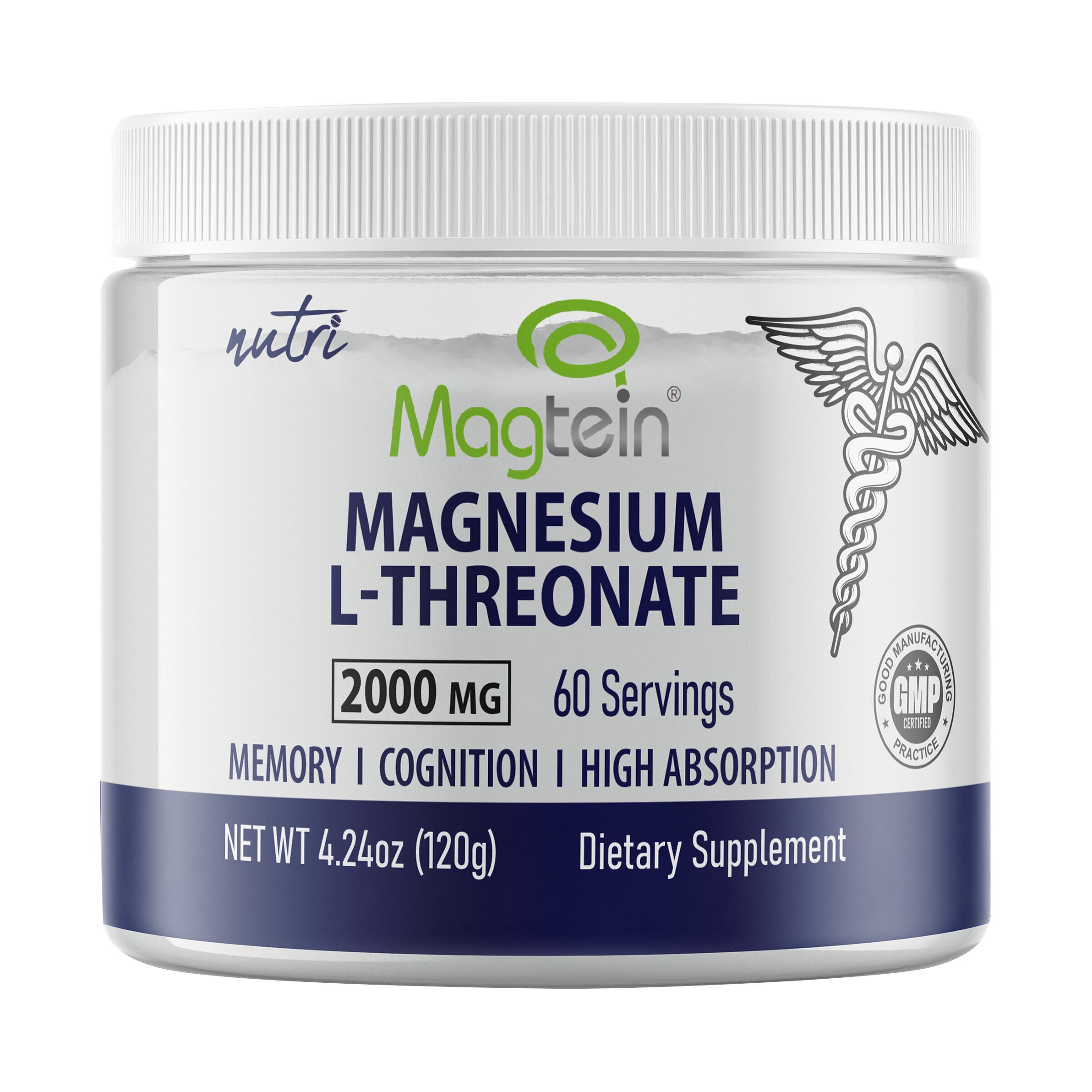
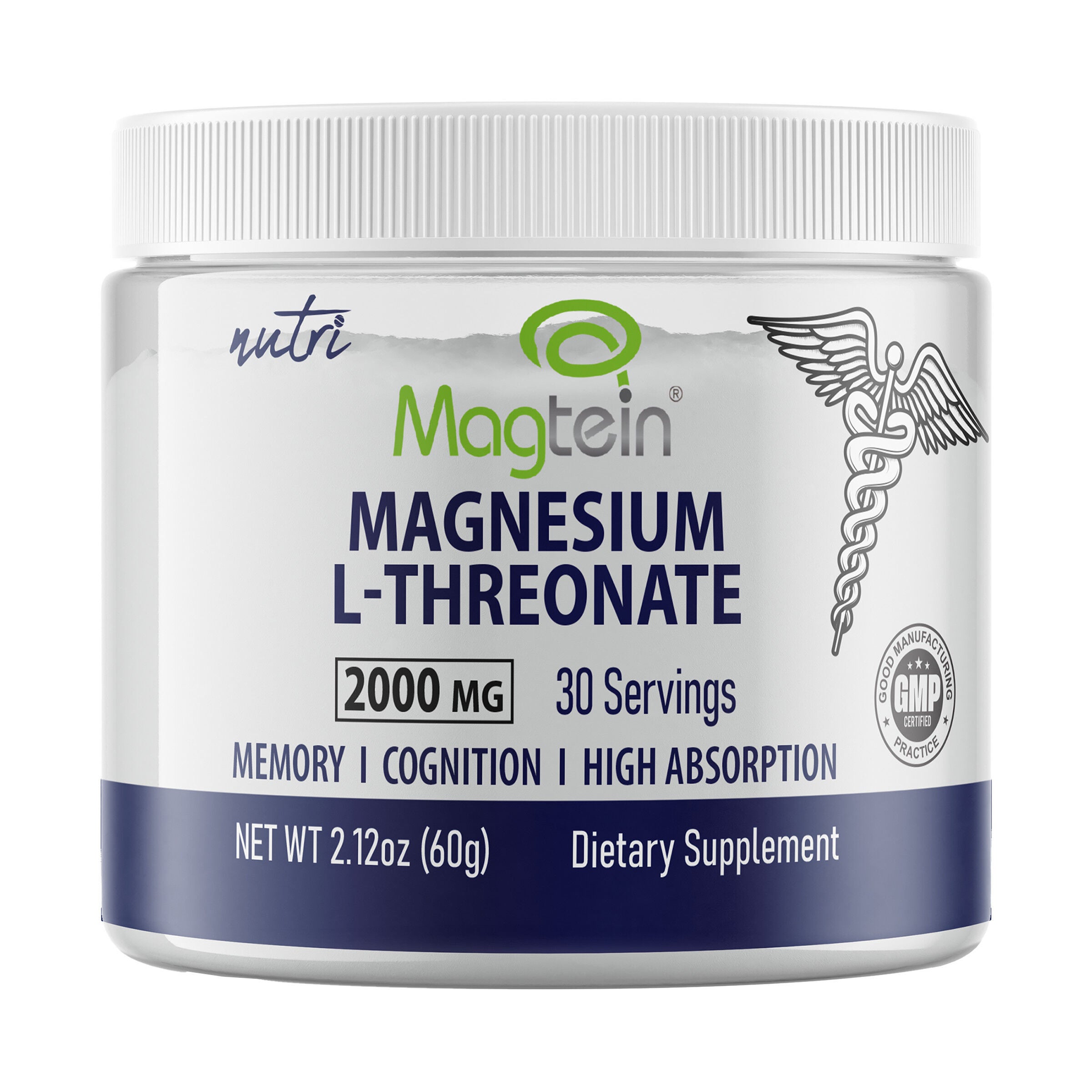
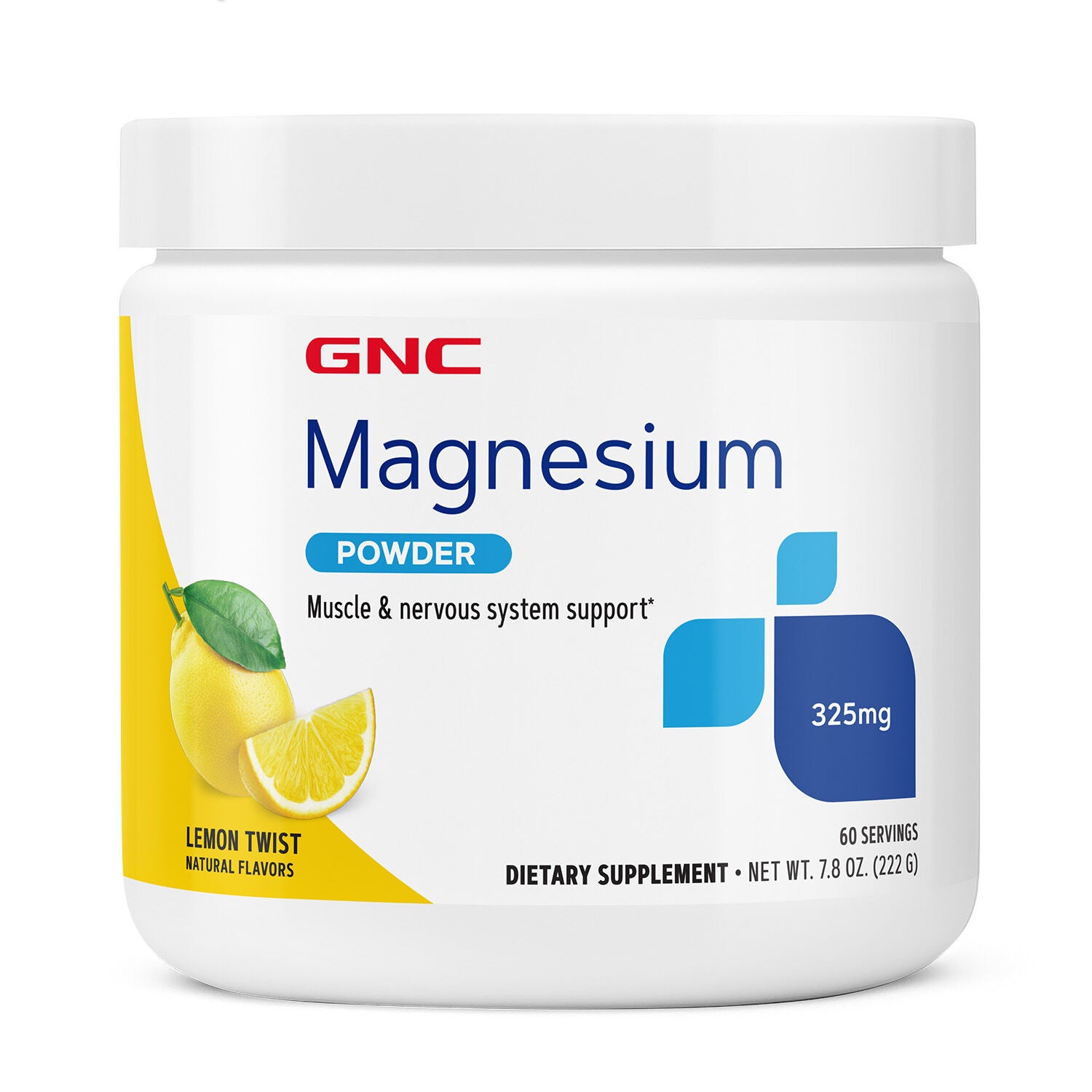
Stress relief sleep powders are drink mixes intended for an evening routine, with formulas that may support relaxation and restful sleep. The category brings together several kinds of supplements in a scoopable format, from mineral-focused blends to combinations of amino acids and botanical ingredients. Unlike a capsule or tablet, a powder becomes part of a beverage, making flavor, texture, serving size, and preparation meaningful parts of the choice. For adults who prefer a drink mix, the appeal may be as much about the format as the formula: a measured serving, a favorite cup, and a deliberate pause between the last task of the day and bedtime. Common ingredients in this category include magnesium, L-theanine, glycine, gamma-aminobutyric acid, often called GABA, and ashwagandha. Some formulas also contain melatonin, while others leave it out. These ingredients are not interchangeable, and a long ingredient list does not automatically make one blend a better match than another. A useful comparison begins with the Supplement Facts panel, which identifies serving size and the amounts of listed dietary ingredients. Magnesium powders, for example, can use different forms of the mineral, such as magnesium citrate or magnesium glycinate; the amount of magnesium listed per serving is a separate detail from the name of its source. Botanical labels may identify a plant part or describe an extract, details that distinguish formulas sharing the same familiar ingredient name. A blend listing individual amounts offers a different degree of detail from one that groups several ingredients under a shared blend amount. Melatonin content is another clear point of comparison, especially for shoppers specifically looking for a powder with or without that ingredient. Formulas intended for bedtime can also differ from broader relaxation blends in their ingredients and directions. The most useful distinction is what each label actually says, rather than what a flavor name or package design suggests.
Taste and preparation deserve close attention because a powdered supplement has to work as a beverage, not just look appealing on a label. Stress relief sleep powders can have fruit-inspired, citrus, berry, vanilla, or cocoa-style flavor profiles, depending on the formula. A bright fruit flavor offers a different drinking experience from a richer, dessert-inspired blend, and neither tells the whole story about sweetness or mouthfeel. The ingredient list can identify sweeteners such as stevia, monk fruit, sugar, or sugar alcohols, along with flavors and other components that shape the finished drink. Shoppers with dietary preferences can also look for clearly stated suitability information and allergen declarations rather than assuming that a powder fits a particular eating pattern. Directions matter when comparing texture: one formula may call for stirring into water, while another may permit a different beverage base or preparation method. The specified liquid amount gives context to the serving, since a small cup and a large tumbler create different concentrations of flavor. Some powders dissolve readily with a spoon; others require more mixing or may leave sediment, depending on their composition. Package directions are the appropriate reference for the intended method, including whether a blend is suitable for a warm drink. A familiar mug at the kitchen counter and a lidded mixing cup packed for an overnight stay call for different practical features, even when the intended use is similar. Wide container openings, clearly marked scoops, and readable preparation instructions can make those differences easier to assess. Flavor descriptions are useful starting points, but serving volume, ingredient composition, and the recommended mixing method provide a fuller picture of what the drink will be like. A powder suited to a small evening beverage may feel quite different from one prepared with a larger amount of liquid, particularly for someone who prefers a brief, uncomplicated bedtime routine.
The right format also depends on where and how a powder will be stored and prepared. A resealable tub may suit an established place on a kitchen shelf, while individually portioned packets may be convenient for adults who spend nights away from home. Packets can simplify packing, but their serving directions still deserve the same attention as those on a larger container. Container size alone is not a reliable way to compare use: serving weight, the number of servings, and the amount of liquid needed per serving all contribute to the practical picture. A scoop is a measuring tool for its own formula, not a standard measure that transfers from one powder to another. Storage instructions and the date printed on the package are also worth checking. Moisture can affect a powder’s texture, so a securely closed container and a clean, dry measuring utensil are sensible considerations alongside the label’s storage requirements. Packaging that closes neatly and fits an accessible cupboard may be more useful for an everyday routine than a container chosen only for its appearance. Intended users matter just as much as packaging. These supplements are generally aimed at adults, and the age information, cautions, and directions on each label help define their intended use. For someone assembling a personal evening ritual, a sleep-focused powder may complement quieter activities such as reading a few pages, setting aside a phone, or preparing the next day’s clothes; it does not need to turn bedtime into an elaborate project. Adults exploring drink mixes beyond a bedtime-specific formula can also compare Relaxation Powders, with attention to the intended use stated on each label. Across either category, the most meaningful shopping details remain concrete: named ingredients, disclosed amounts, melatonin content, dietary information, flavor, mixing directions, and packaging. Looking at those details together makes it easier to distinguish similar-looking powders and choose a format that fits personal preferences without relying on sweeping descriptions of what an evening supplement might do.
Best Sellers
-
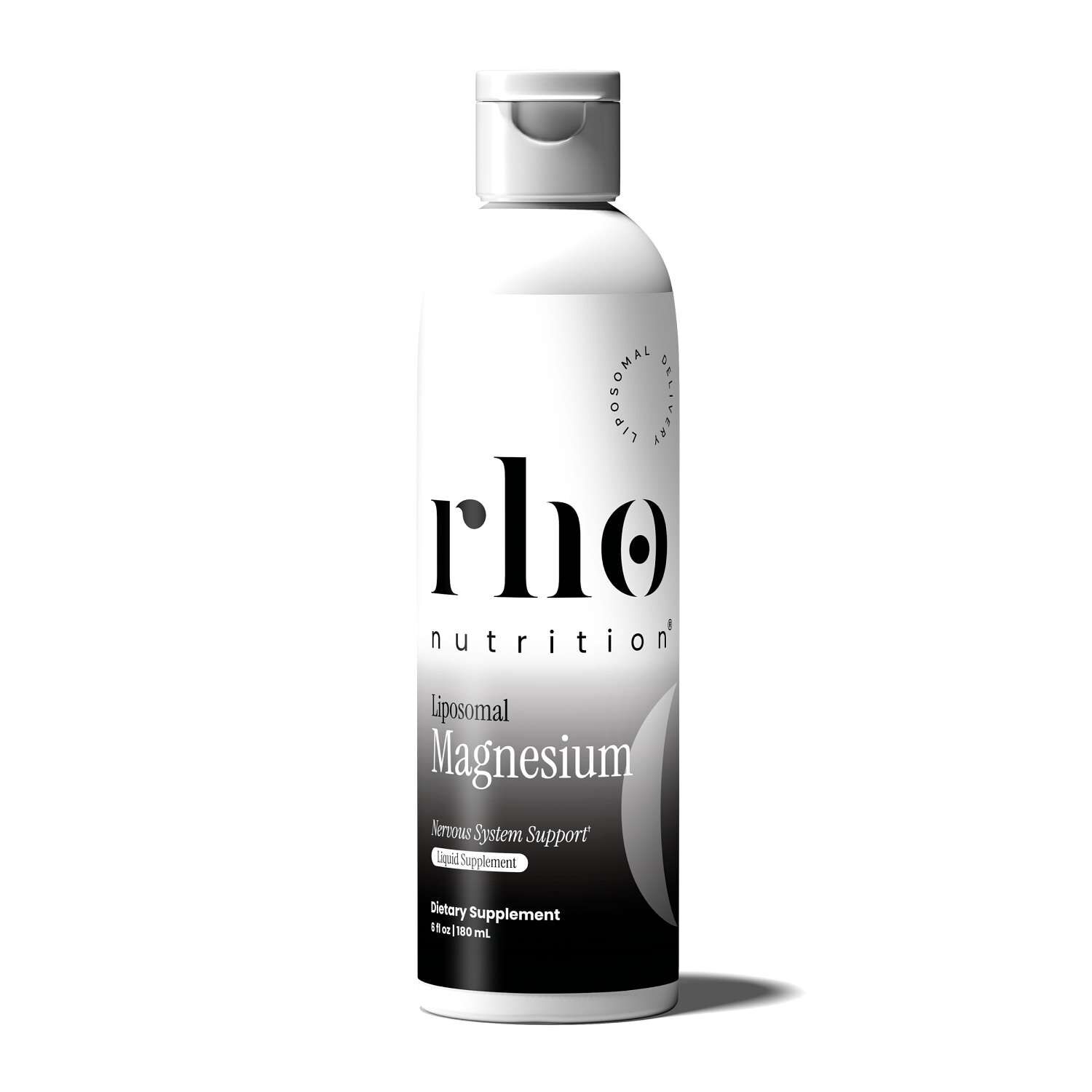 Rho Nutrition
-
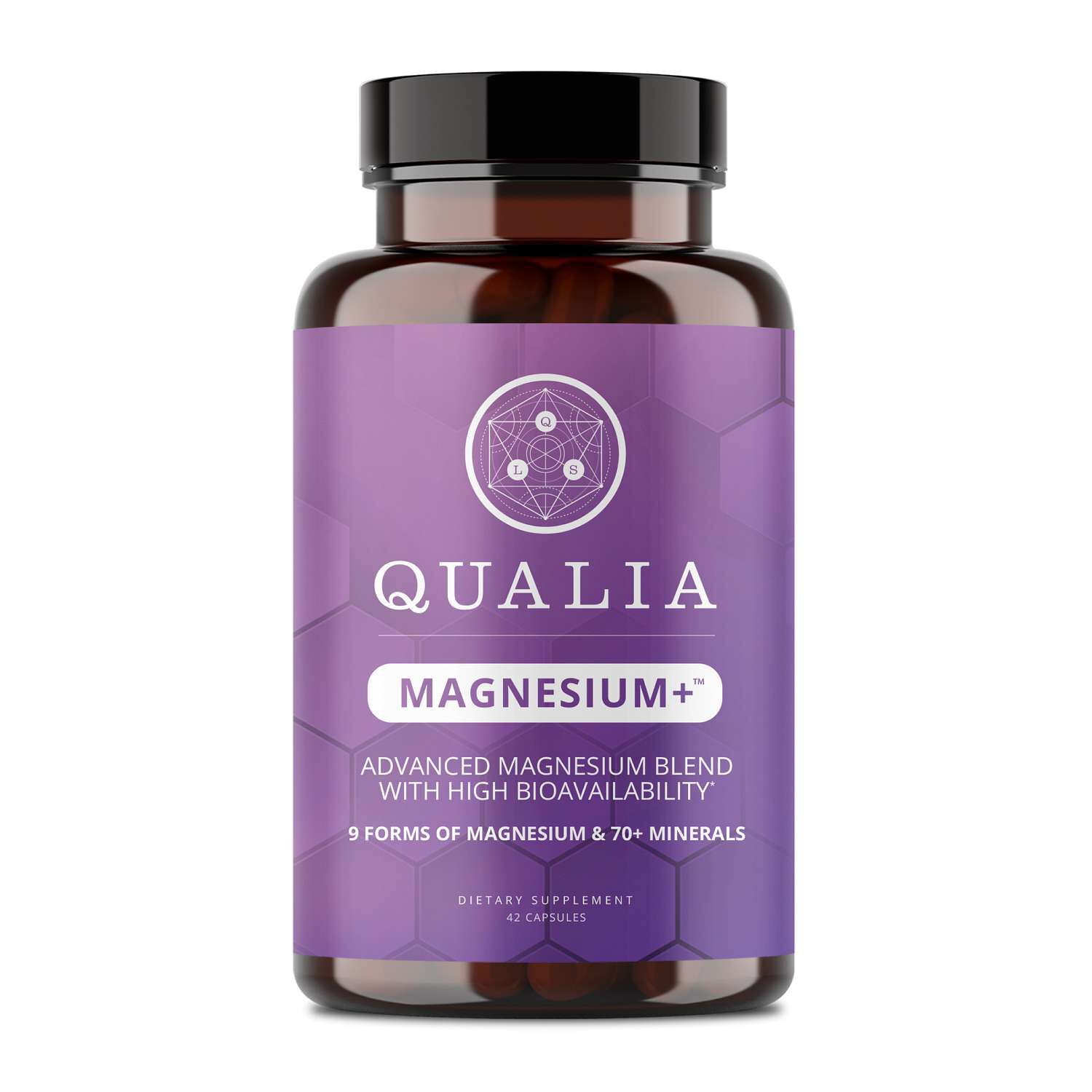 Qualia Life Sciences