





Pre-Workout Supplements For Teens
(0 Results)
Pre workout supplements for teens are designed to support active lifestyles and help fuel workouts before hitting the gym, field, or court. Whether you're looking to kickstart your exercise routine or simply want to enhance your focus and motivation, these options may be a great addition to your fitness journey. Explore a variety of choices that could fit seamlessly into your daily regimen and help you make the most out of every workout session.

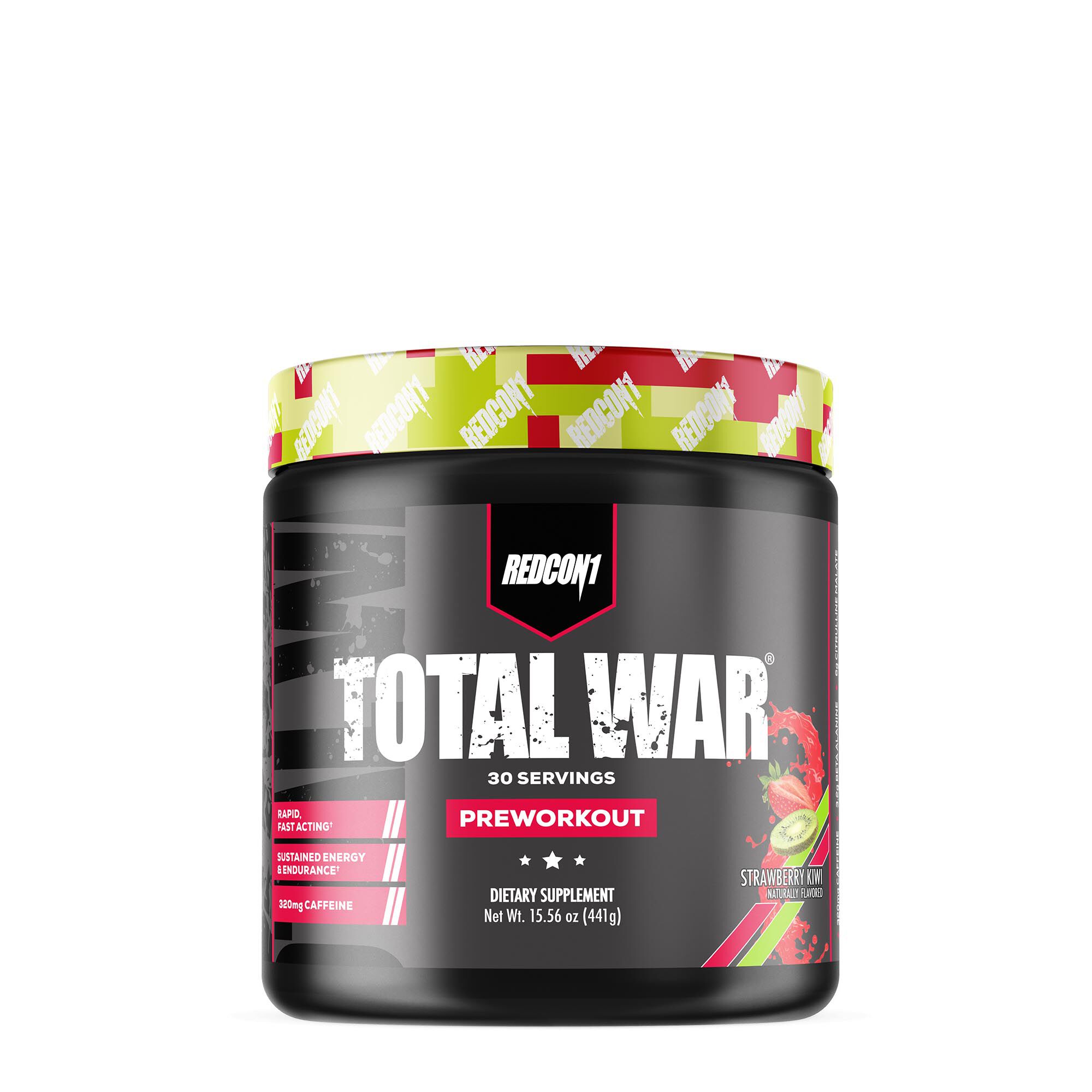

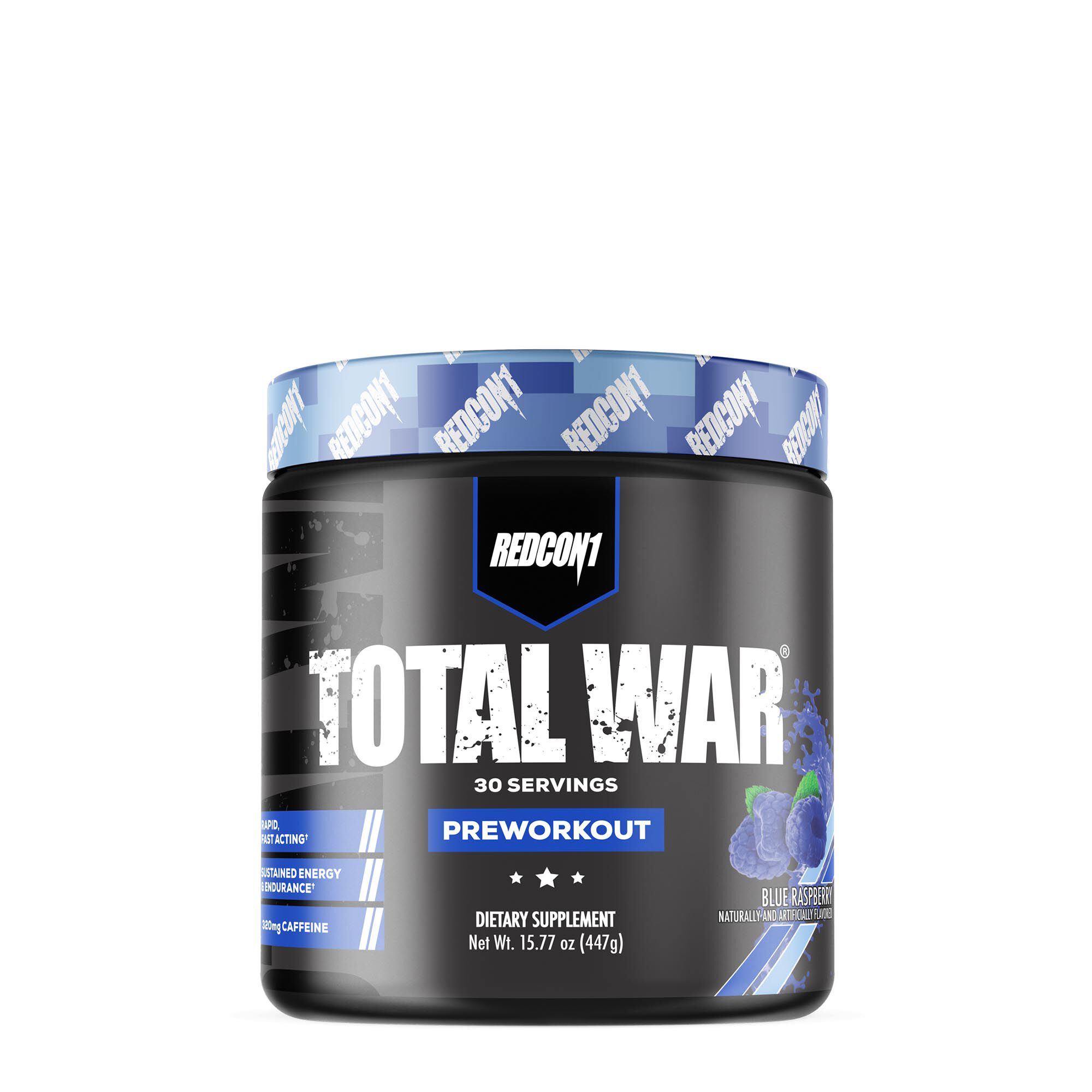

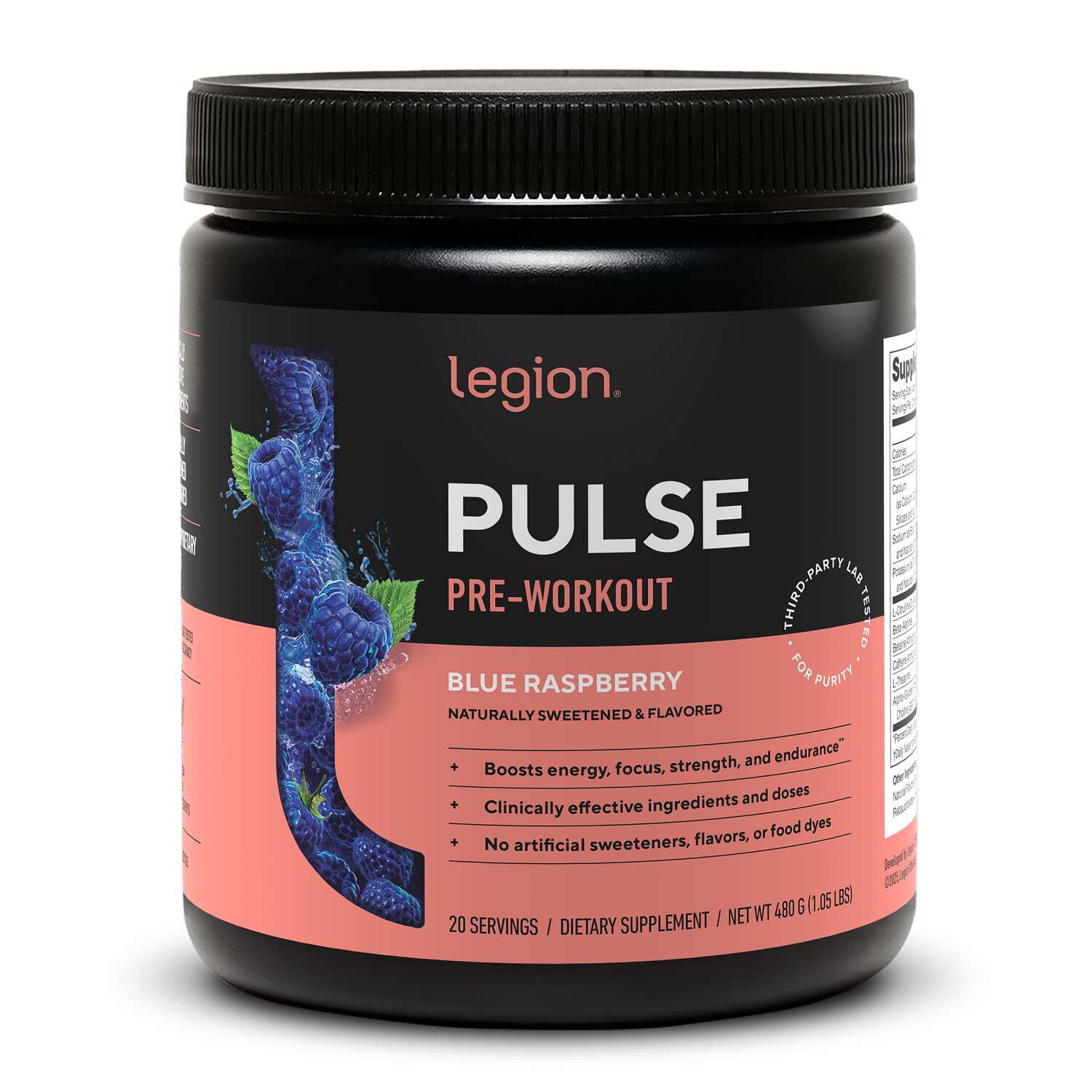
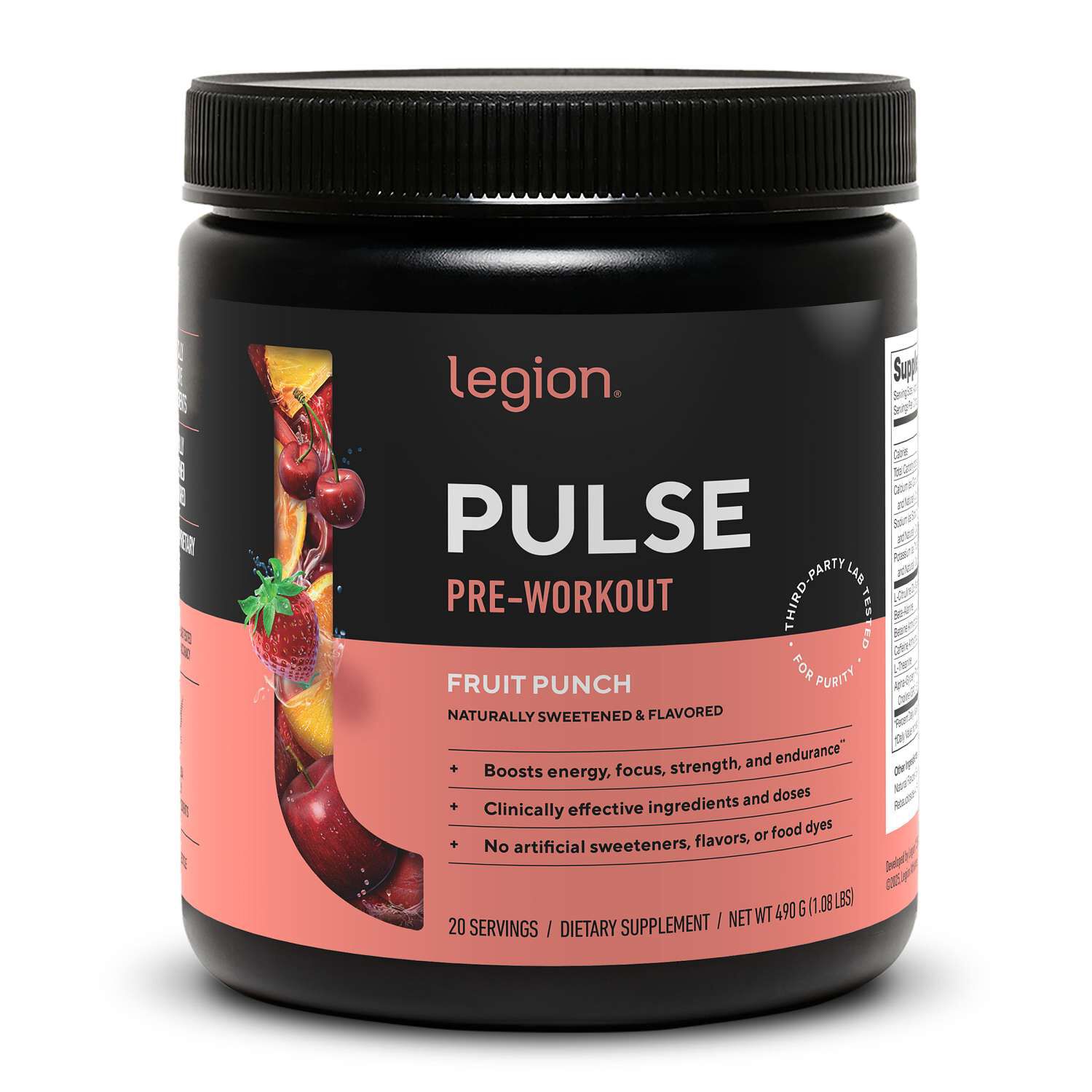
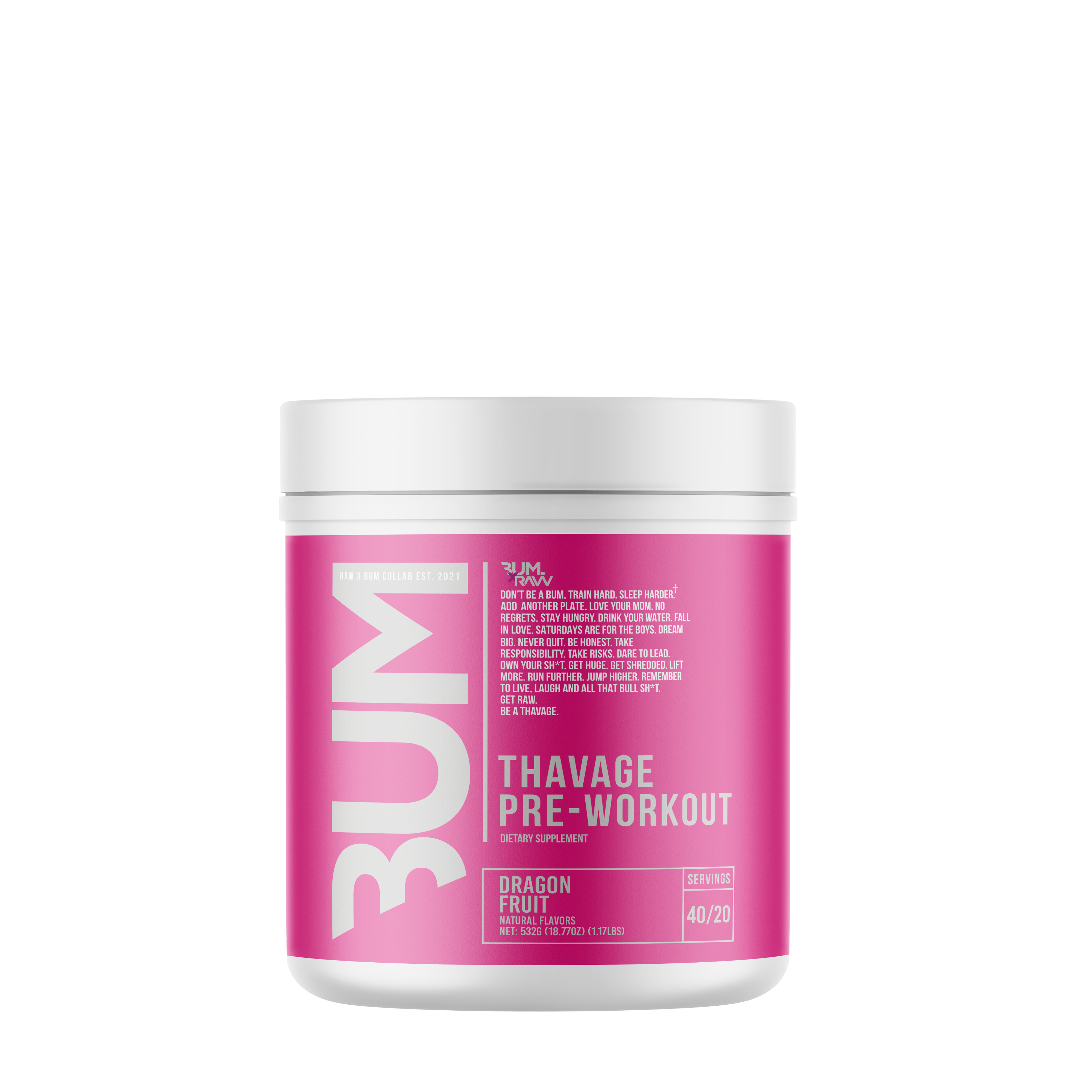


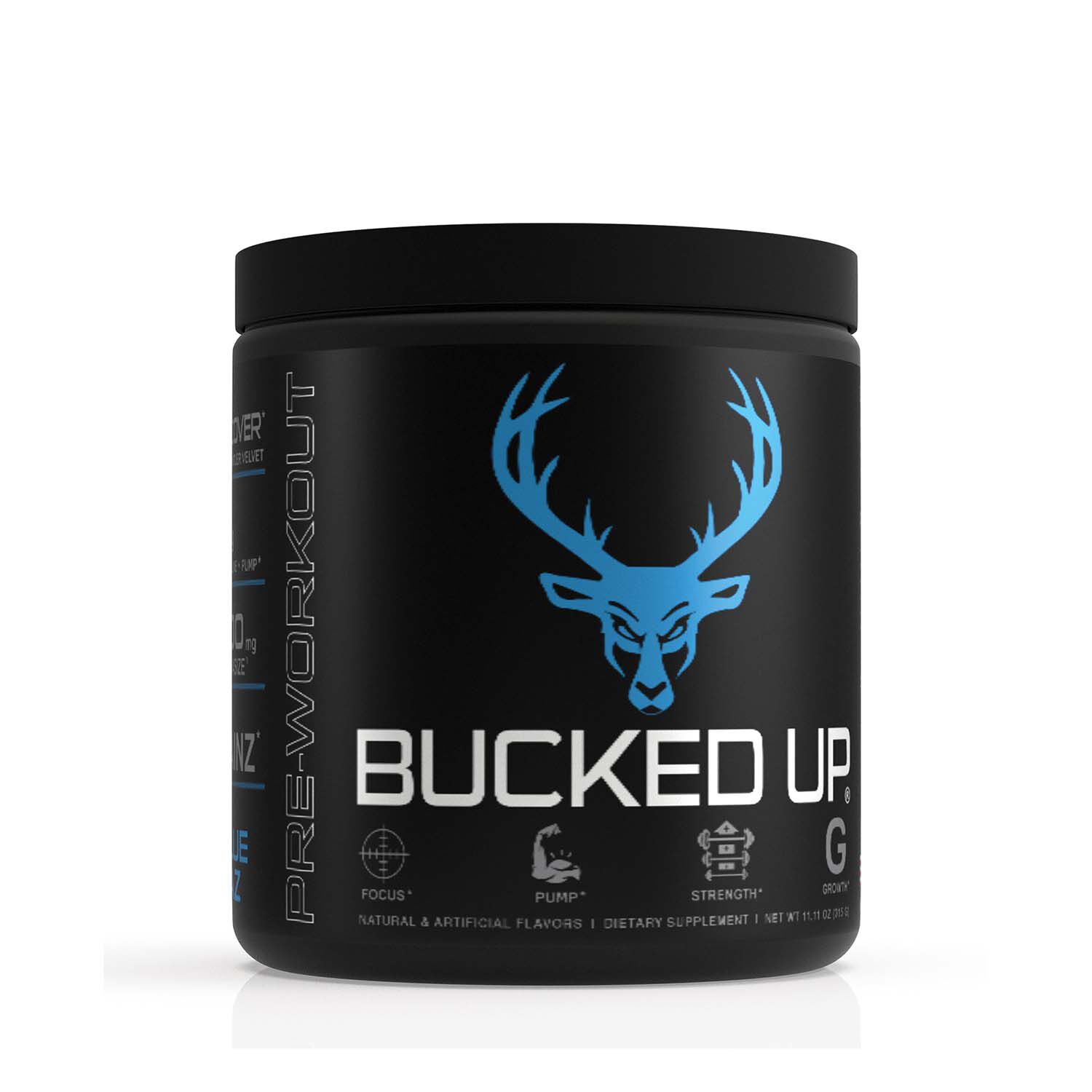


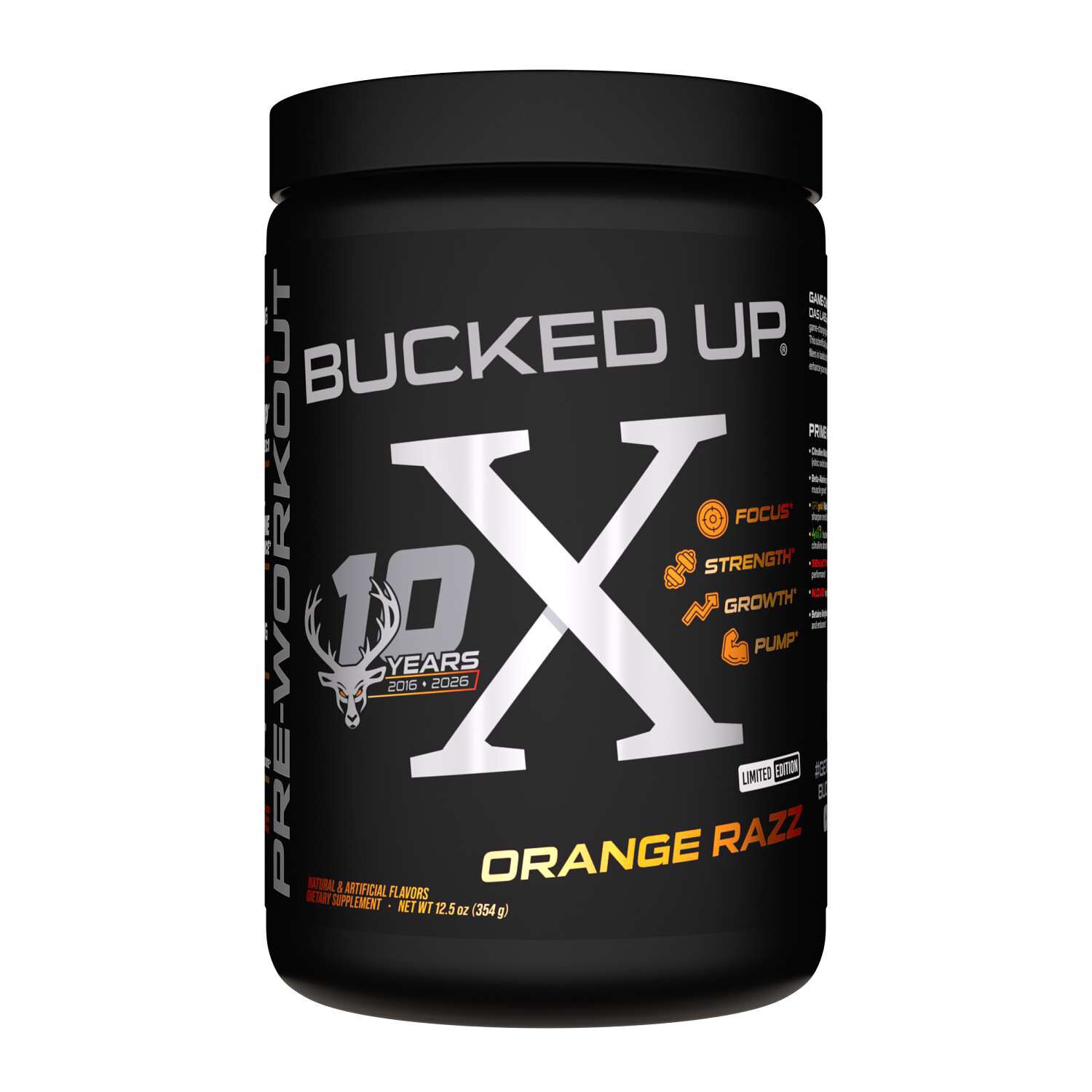
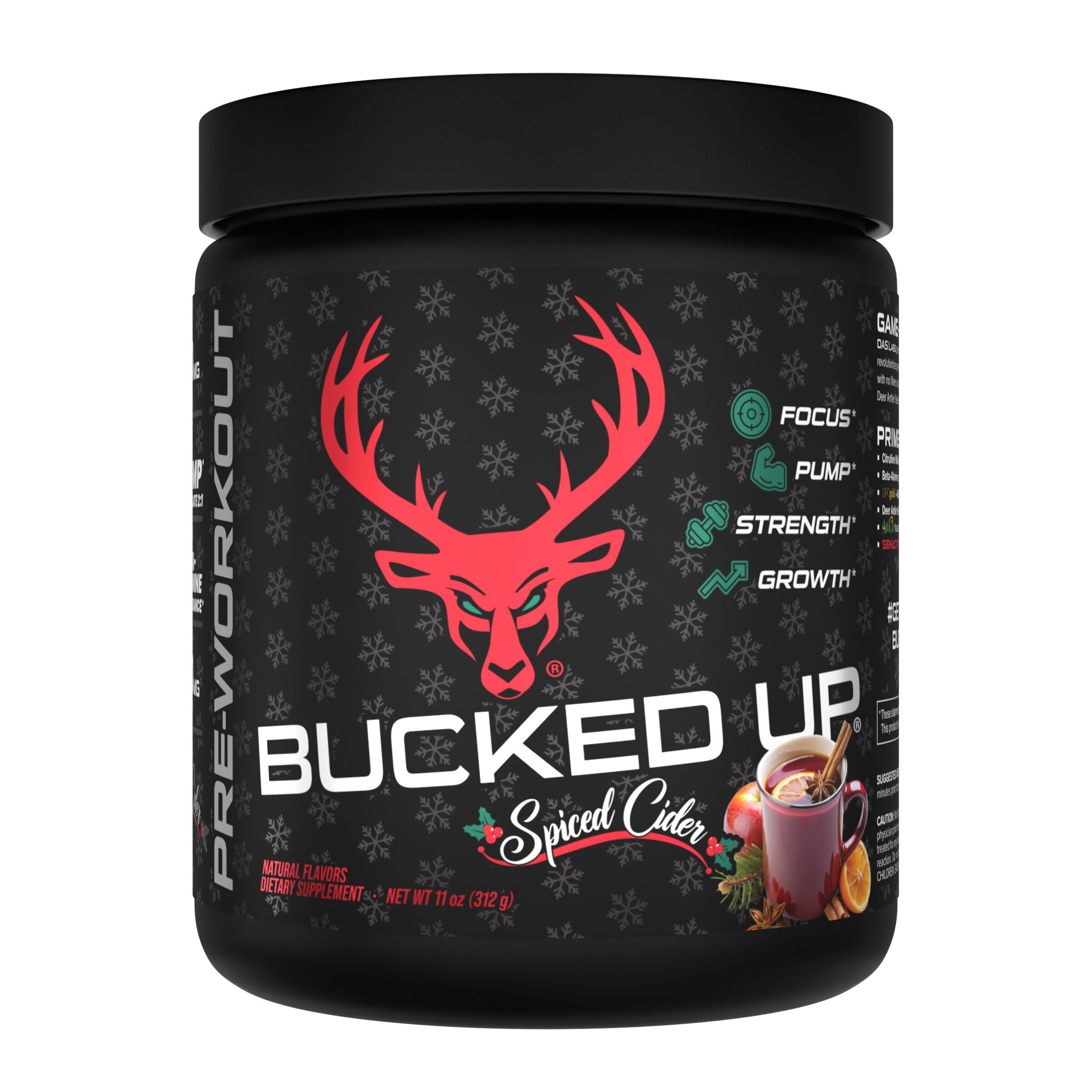
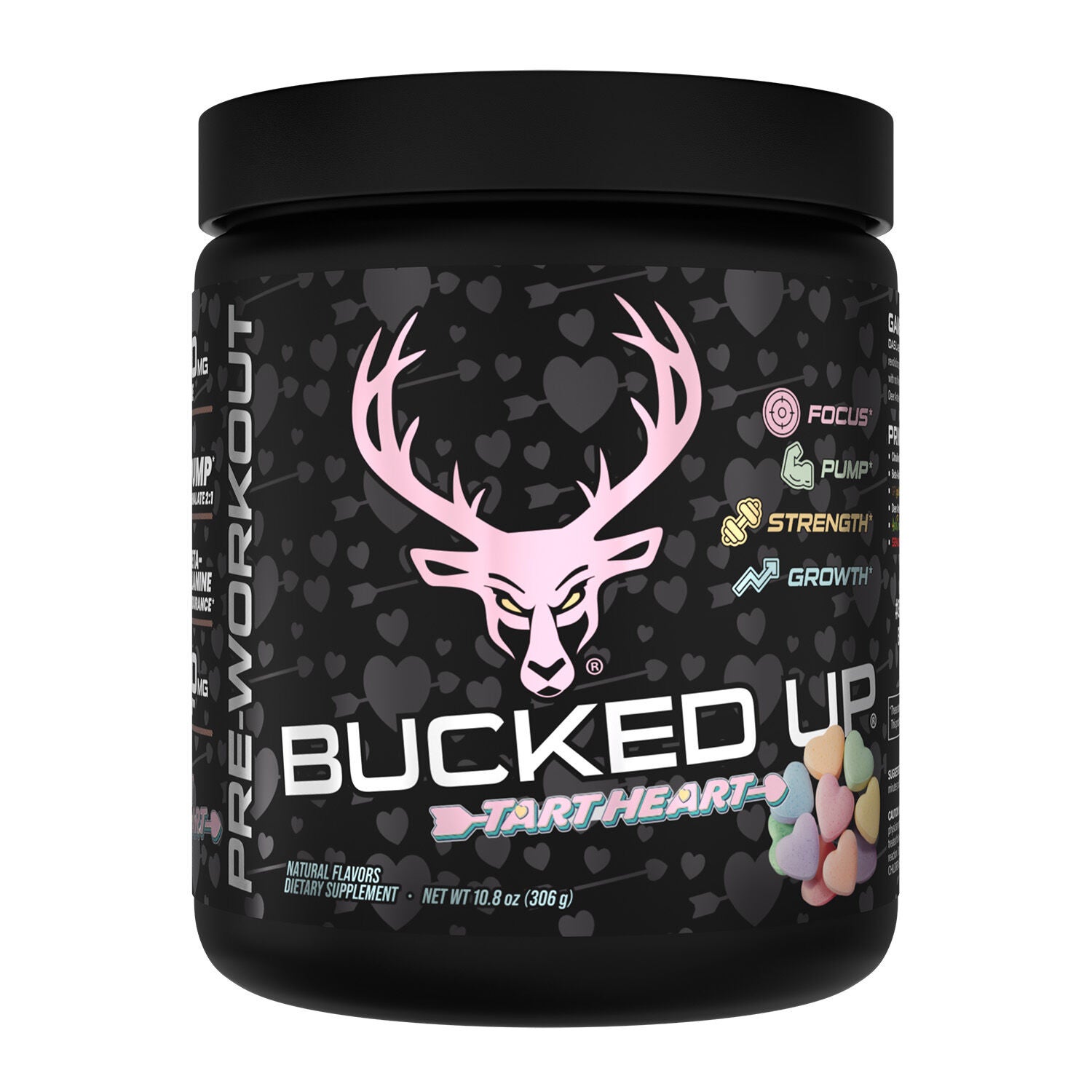
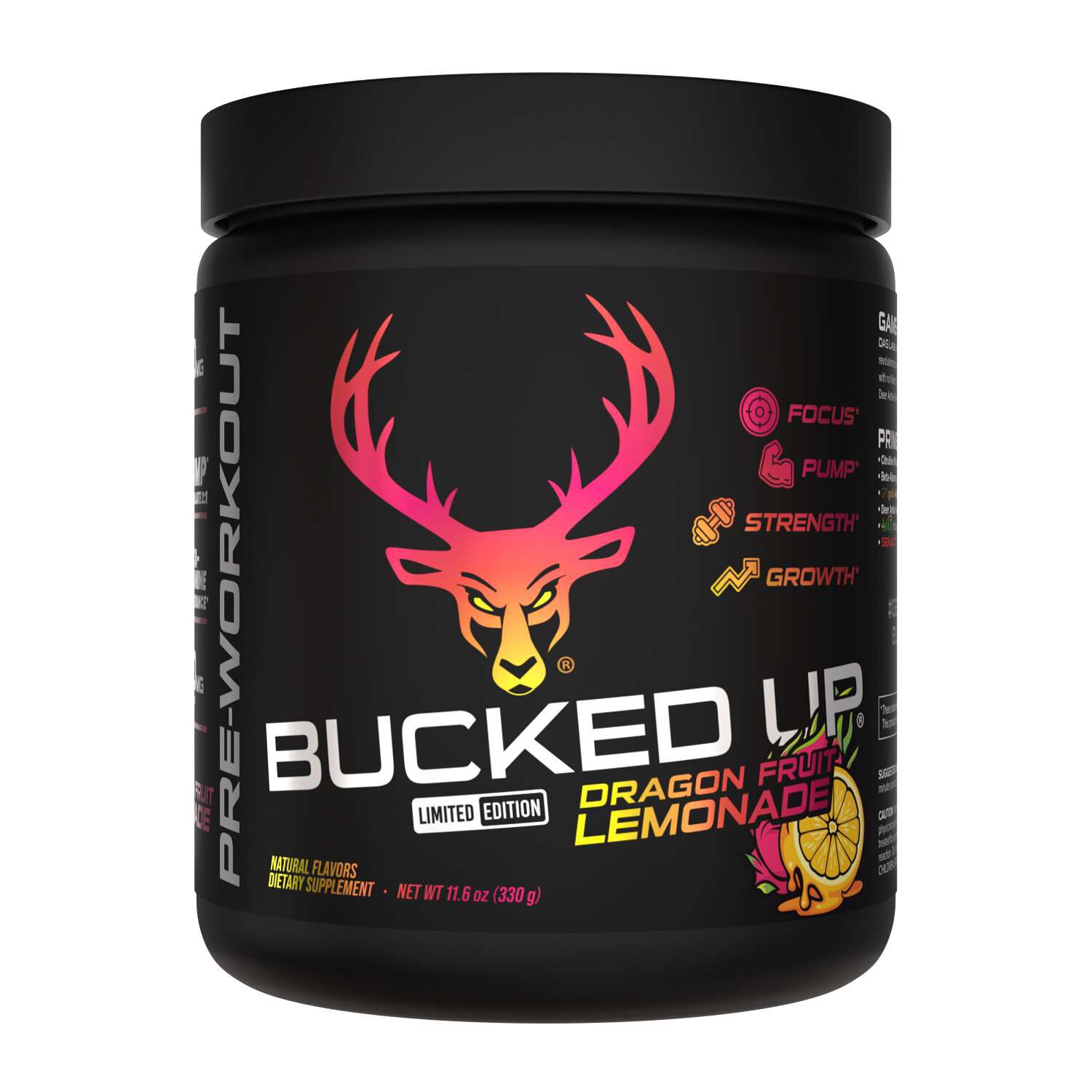
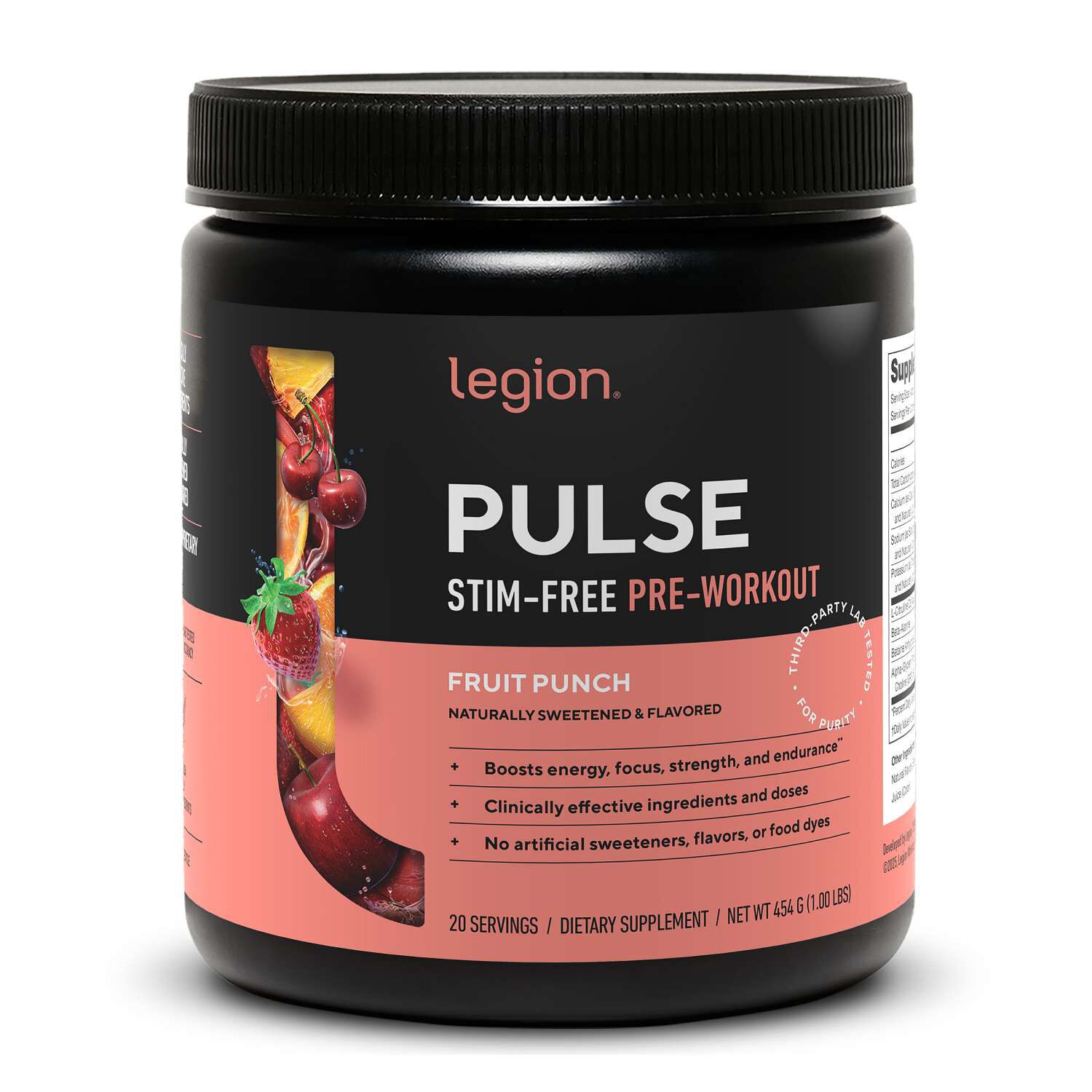

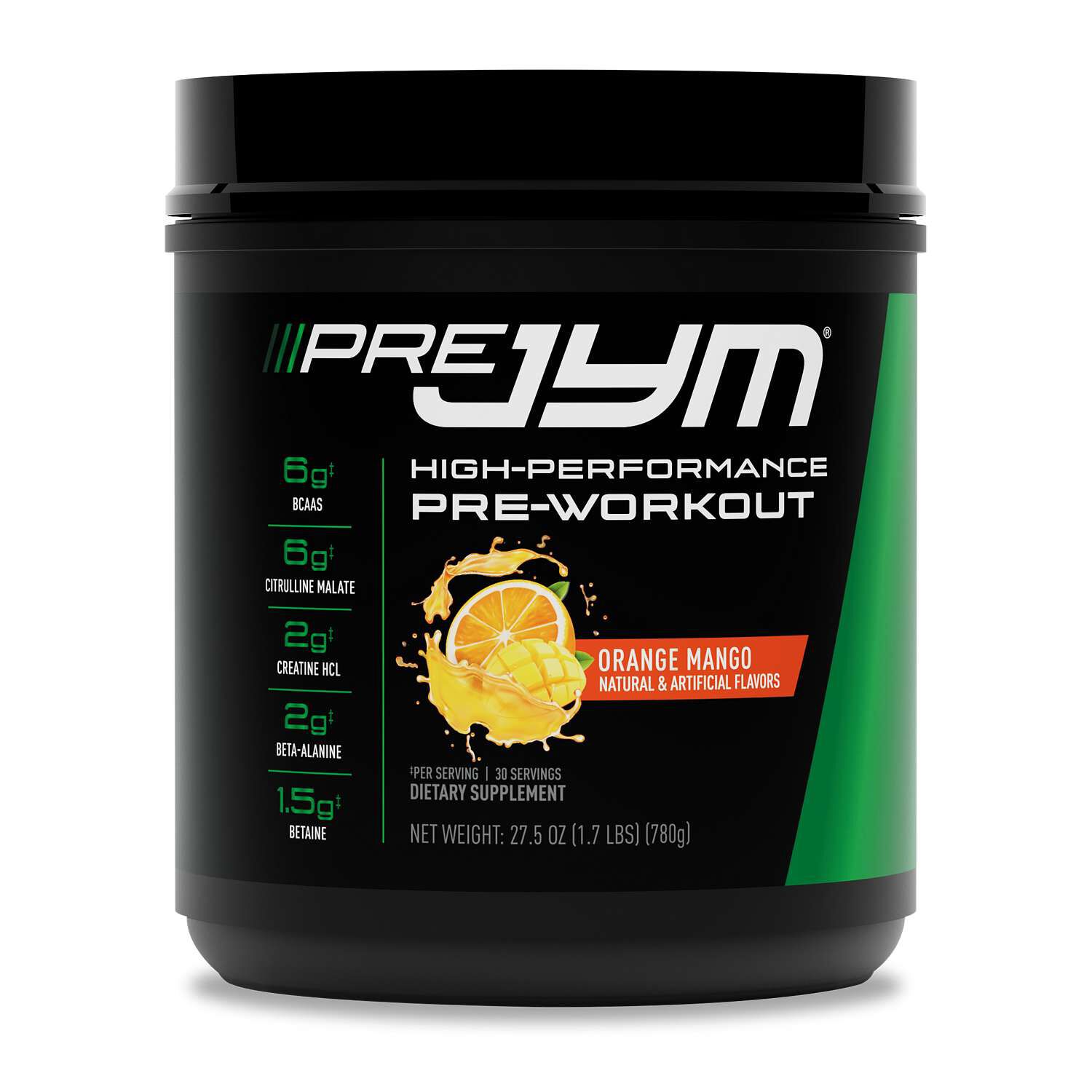
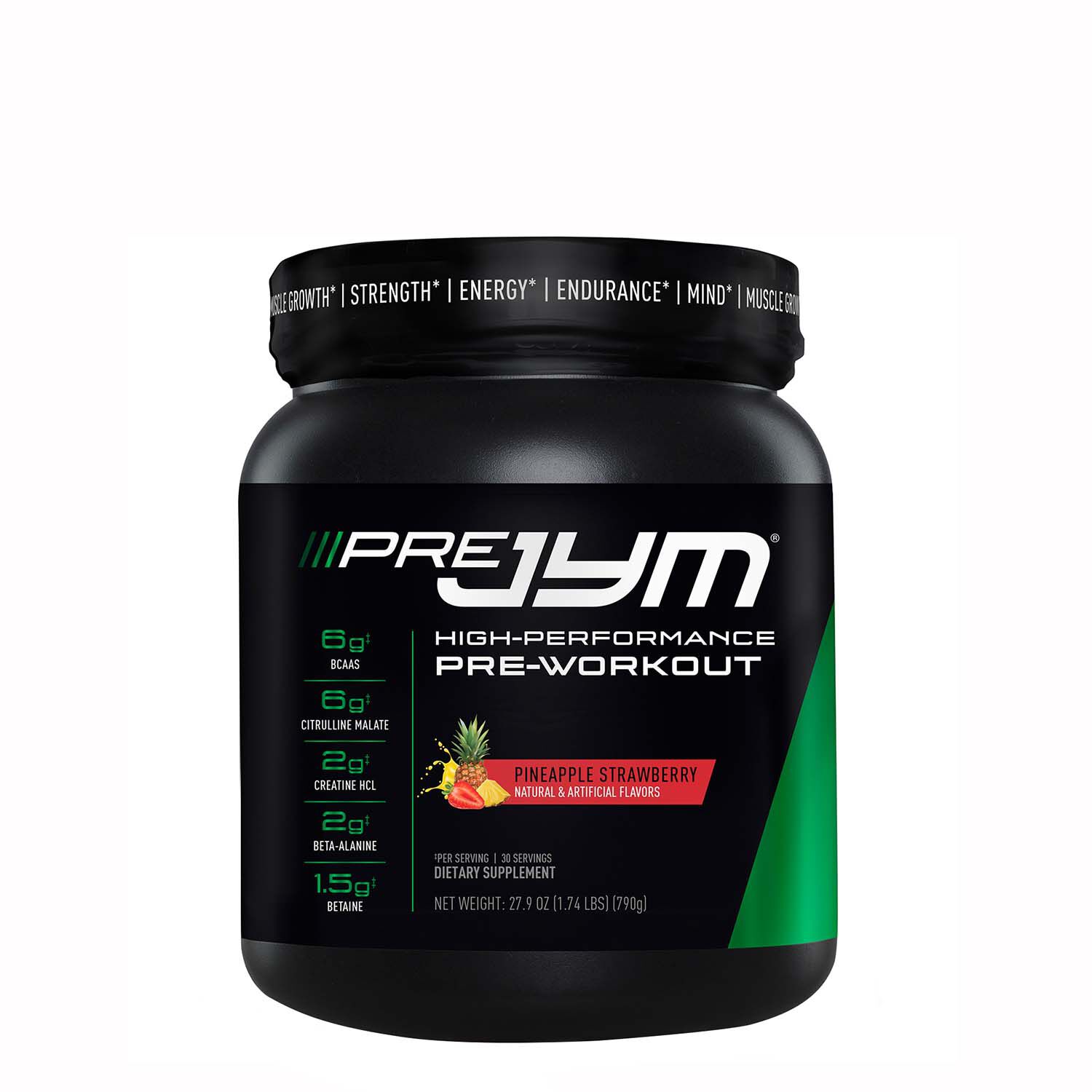


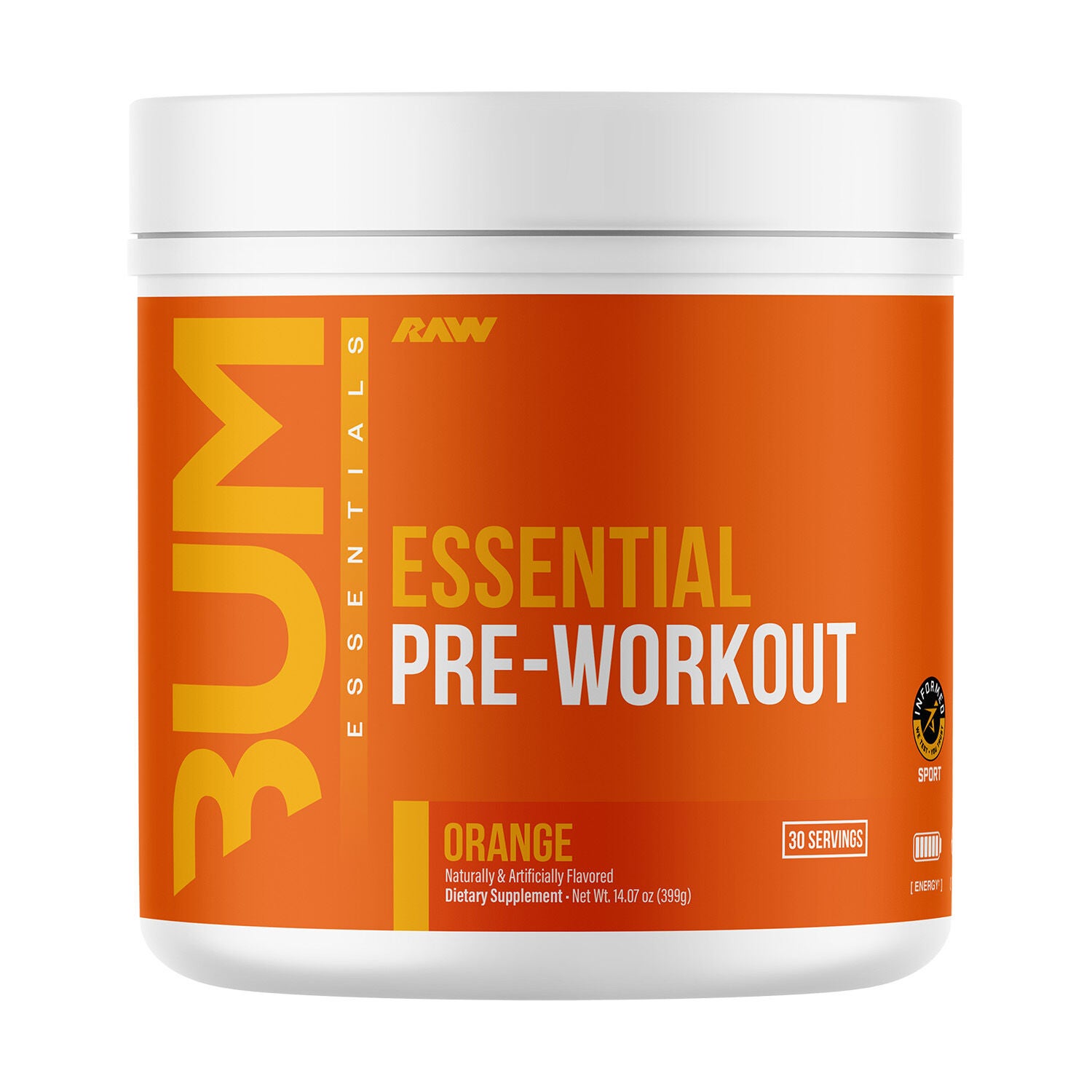
Pre-workout supplements for teens are a category that calls for a clear distinction between an athletic routine and an age-appropriate product. A collection name does not mean every formula is intended for someone under 18, and many conventional pre-workout supplements are formulated and labeled for adults. These products often come as flavored powders or ready-to-drink beverages, with ingredient combinations that vary considerably from one formula to another. Caffeine, amino acids, carbohydrate sources, and minerals may appear on the same label, but their presence does not establish suitability for a younger shopper. Names associated with focus, energy, or endurance are also not evidence that a product belongs in a teen’s sports bag. For a parent or guardian comparing this category, the most meaningful details are the labeled age restrictions, intended audience, serving size, ingredient amounts, and warnings. The Supplement Facts panel provides a different kind of information than the bold wording on the front of a container. A brightly colored package or a familiar fruit flavor says little about its intended user. Likewise, a formula without caffeine is not automatically designed for adolescents. Suitability for a minor belongs in a conversation involving a parent or guardian and a qualified healthcare professional familiar with adolescent nutrition. That distinction matters whether the setting is an after-school weight room, a weekend swim meet, or a recreational basketball program. A teen participating in organized sports has a different context from an adult choosing a supplement for an independent training routine. School rules and athletic program requirements may also shape what belongs in that setting. Browsing pre-workout products is therefore less about matching a flavor to a favorite sport and more about understanding whom the manufacturer designed the formula for. The category can provide background for family conversations, but it cannot establish an individual teen’s nutritional needs or make an adult formula appropriate for a younger age group.
The details that distinguish pre-workout formulas extend well beyond whether a powder tastes like citrus or berries. Caffeine can appear as a separately named ingredient or come from sources such as coffee or tea extracts, making the full ingredient list relevant alongside any prominent caffeine statement. Serving sizes also differ: one container’s scoop is not a universal measure, and a single beverage container may require a careful reading of the serving information. When a blend lists a combined amount rather than individual quantities, there may be less visibility into the amount of each component. Other useful points of comparison include allergen statements, sweetener types, preparation directions, and the manufacturer’s description of intended use. These are factual product characteristics, not a basis for assuming an effect on athletic performance. Independent testing is another distinction worth understanding. A certification may address specified substances, manufacturing practices, or whether listed ingredients match the contents, depending on the program. It does not establish that a supplement is appropriate for teenagers, and the scope of one certification may differ from another. Similarly, dietary supplements are not approved for safety and effectiveness before sale in the same way as prescription medicines. A polished label should not be mistaken for that kind of review. Practical packaging details matter as well. A resealable powder container has different storage considerations from an individually packaged beverage, especially around damp locker rooms, crowded backpacks, and warm cars. Preparation and storage information belongs on the label, along with the expiration date and any directions for use after opening. Powdered formulas are intended for preparation according to their directions, rather than consumption as dry powder. These distinctions make a comparison more grounded: the relevant facts are the formula, labeling, testing scope, packaging, and intended audience, not the intensity of a product name or an image of an athlete on the container.
For families with active teenagers, the broader pre-workout setting is often an ordinary stretch of a busy day: the final school bell, a ride to practice, a quick change of clothes, and a backpack tucked beside the bleachers. Food, water, rest, and a realistic activity schedule belong in that picture whether or not supplements are being considered. Familiar foods such as a banana, a bagel, yogurt, or cereal with milk illustrate how different an everyday snack can be from a concentrated pre-workout formula; the appropriate choice depends on personal needs, food tolerances, and the circumstances of the activity. A short recreational session, an extended tournament day, and a late practice are not interchangeable situations. Neither are a younger teen beginning a school sport and an adult with an established exercise routine. During the cooler months, indoor practices and earlier sunsets may change the logistics of getting to and from activities, but they do not change the importance of age-specific labeling. In a shared household, adult supplements also have a separate role from the snacks and drinks packed for younger family members. Parents comparing products for their own routines can explore Pre Workout Supplements For Parents With Active Lifestyles, while keeping adult product selection distinct from decisions involving a teen. The same distinction applies to gifts. A sports-themed occasion does not establish that a supplement is an appropriate present for a minor, particularly when the recipient’s age, household preferences, and program rules are unknown. For shoppers researching teen pre-workout supplements, useful product context comes from transparent labels and realistic expectations rather than suggestions of a shortcut. No category description can account for every adolescent’s circumstances, and product effects should not be assumed from ingredient names alone. A thoughtful comparison keeps the focus on intended use, clear age information, and the everyday setting in which a product would be considered. That approach leaves room for a family to understand the category without treating supplementation as a requirement for joining a team, enjoying exercise, or taking a sport seriously.
Best Sellers
Related Pages


Top Collections
- Daily Collagen Supplements | Top Brands & Deals | GNC
- Natural Collagen Supplements | Top Brands & Deals | GNC
- Top Rated Collagen | Shop Customer Favorites | GNC
- Cortisol Supplements
- Vitamins For Hair Loss
- Spirulina Tablets
- NAD+ Supplement Tablets
- Peptide Supplements
- Best Brand of Magnesium Glycinate
- Vitamins That Help Support Weight Gain