





Preworkout Drinks For Active Adults
(0 Results)
Preworkout drinks for active adults are designed to support your fitness journey and help you get the most out of every workout. Whether you’re hitting the gym, heading out for a run, or taking on a new fitness challenge, these options offer a convenient way to prepare for physical activity. With a variety of flavors and formulas available, finding the right preworkout drink could be a great addition to your routine as you strive toward your wellness goals.
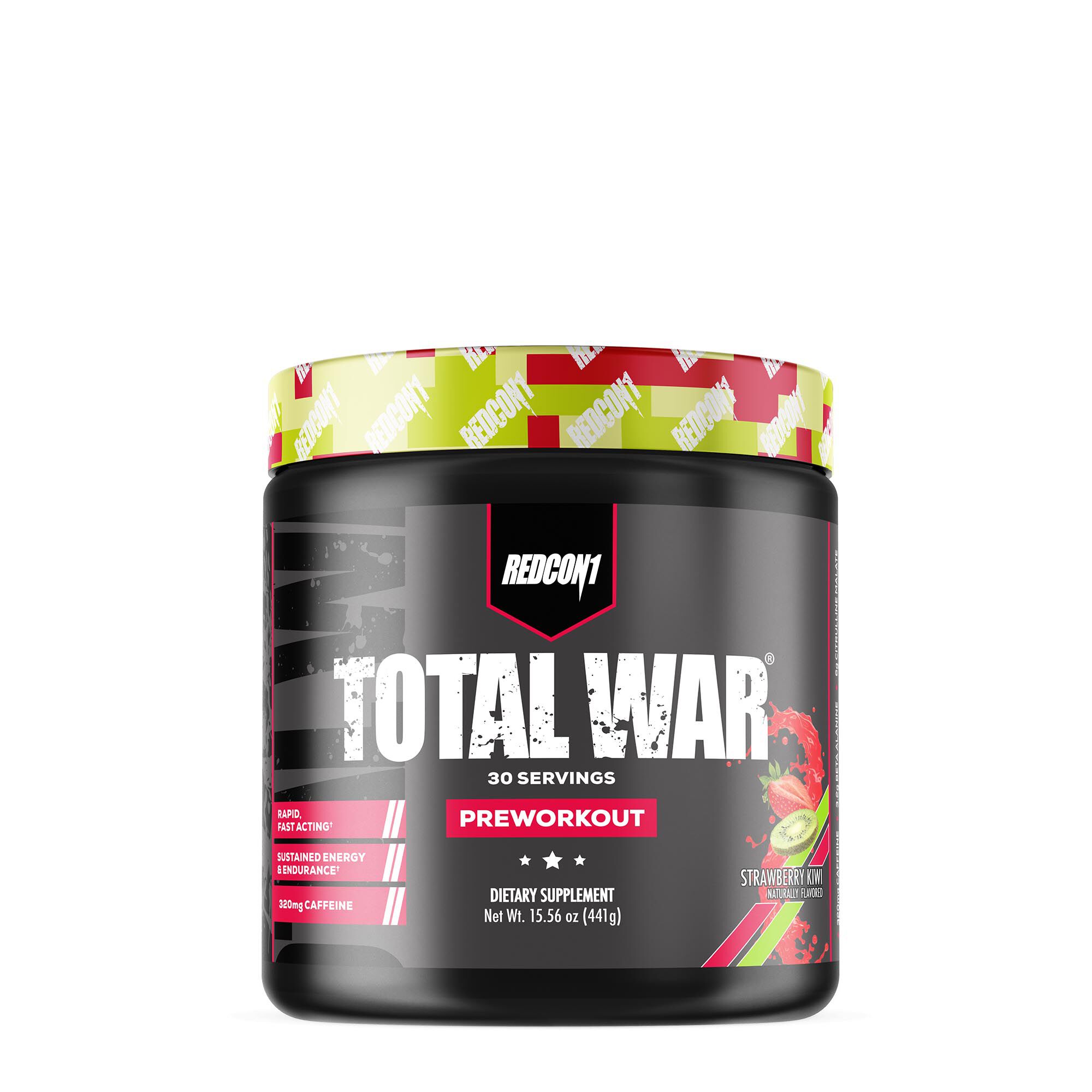

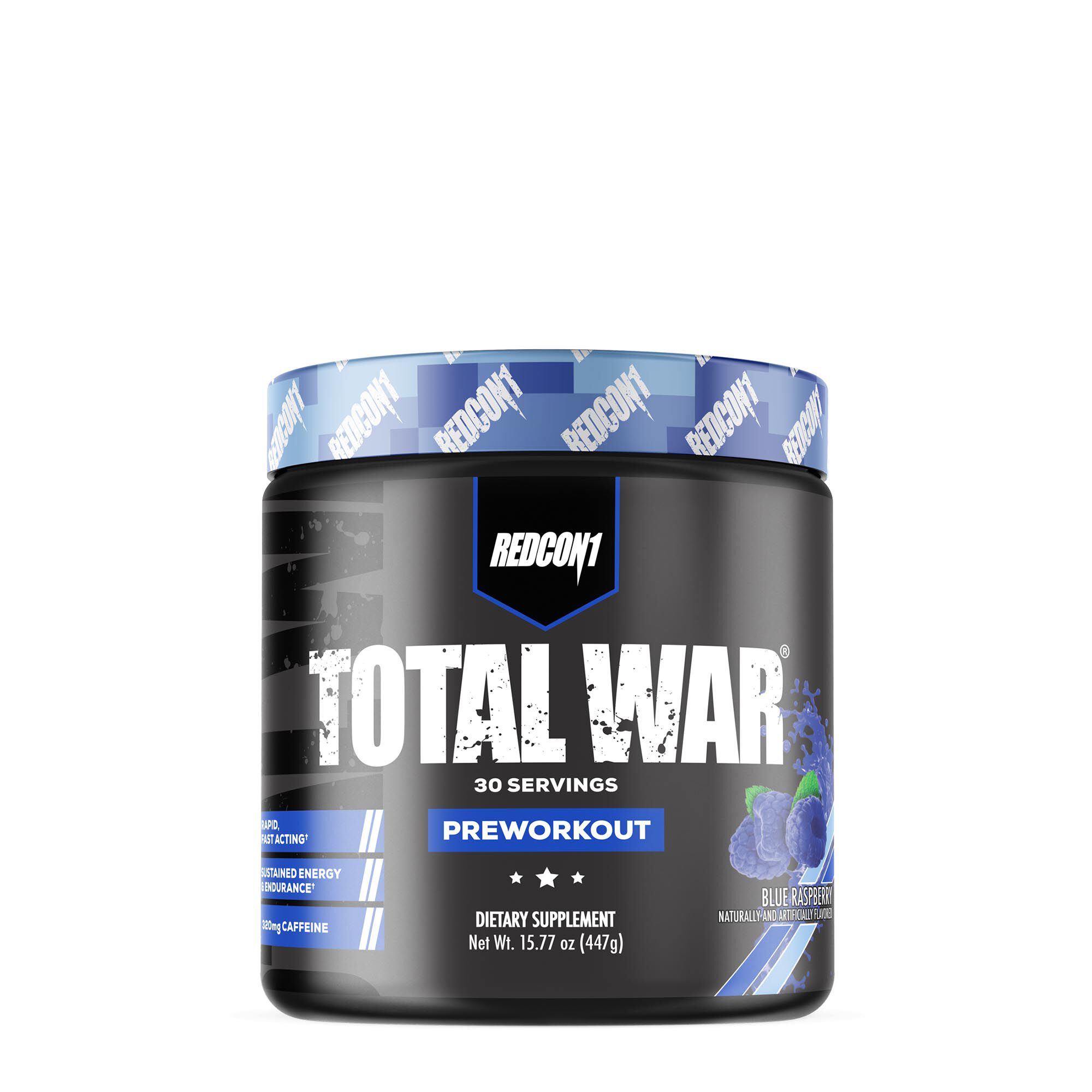
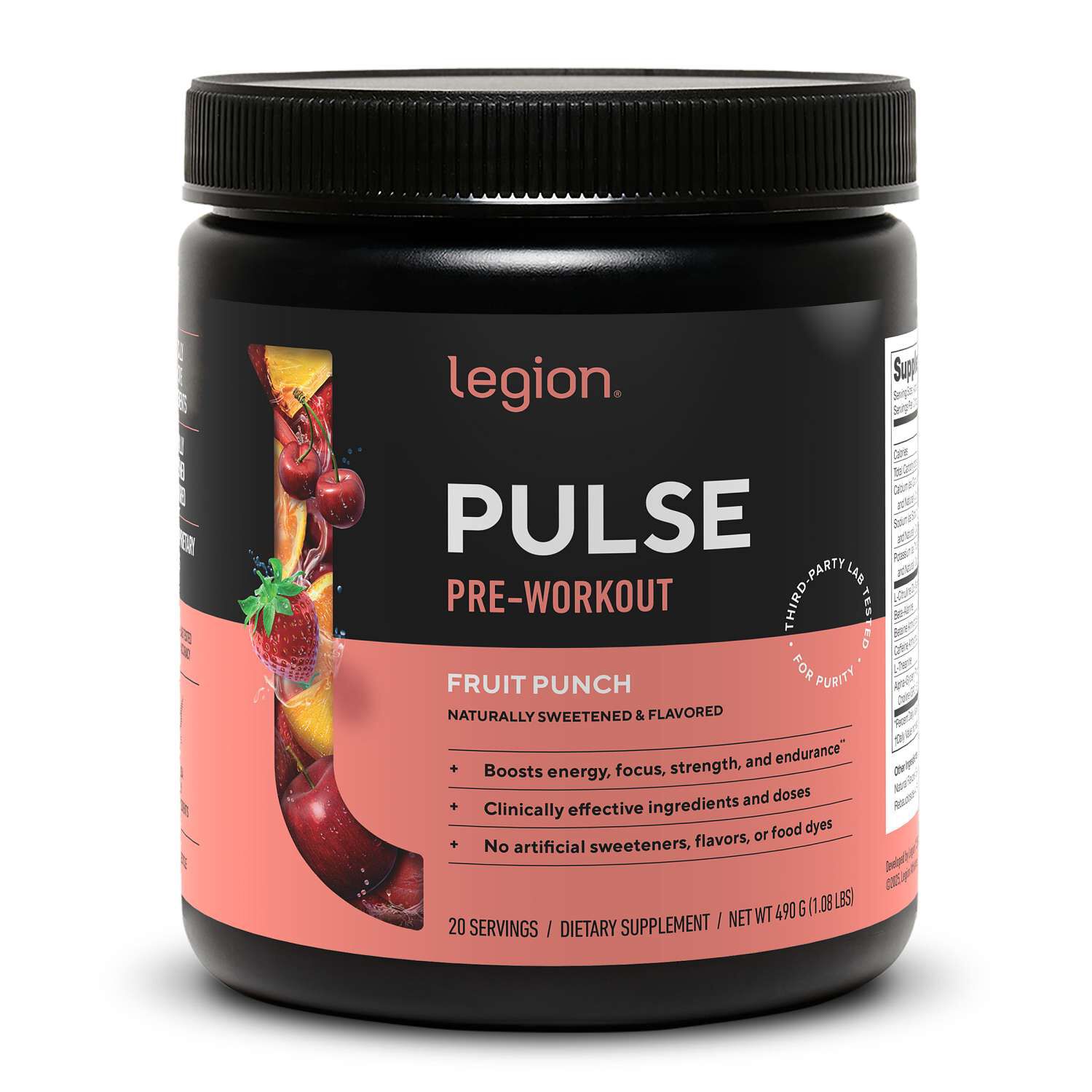
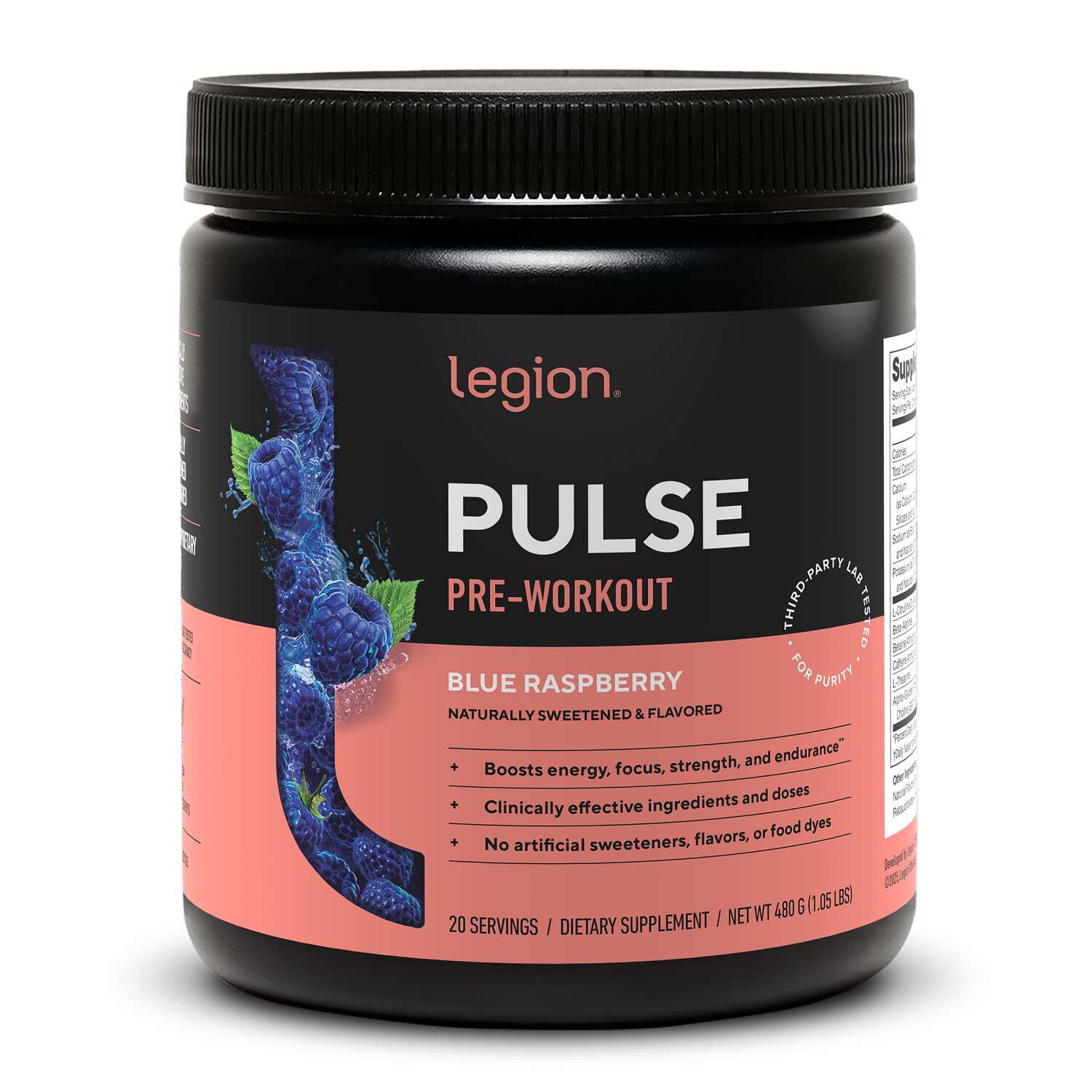

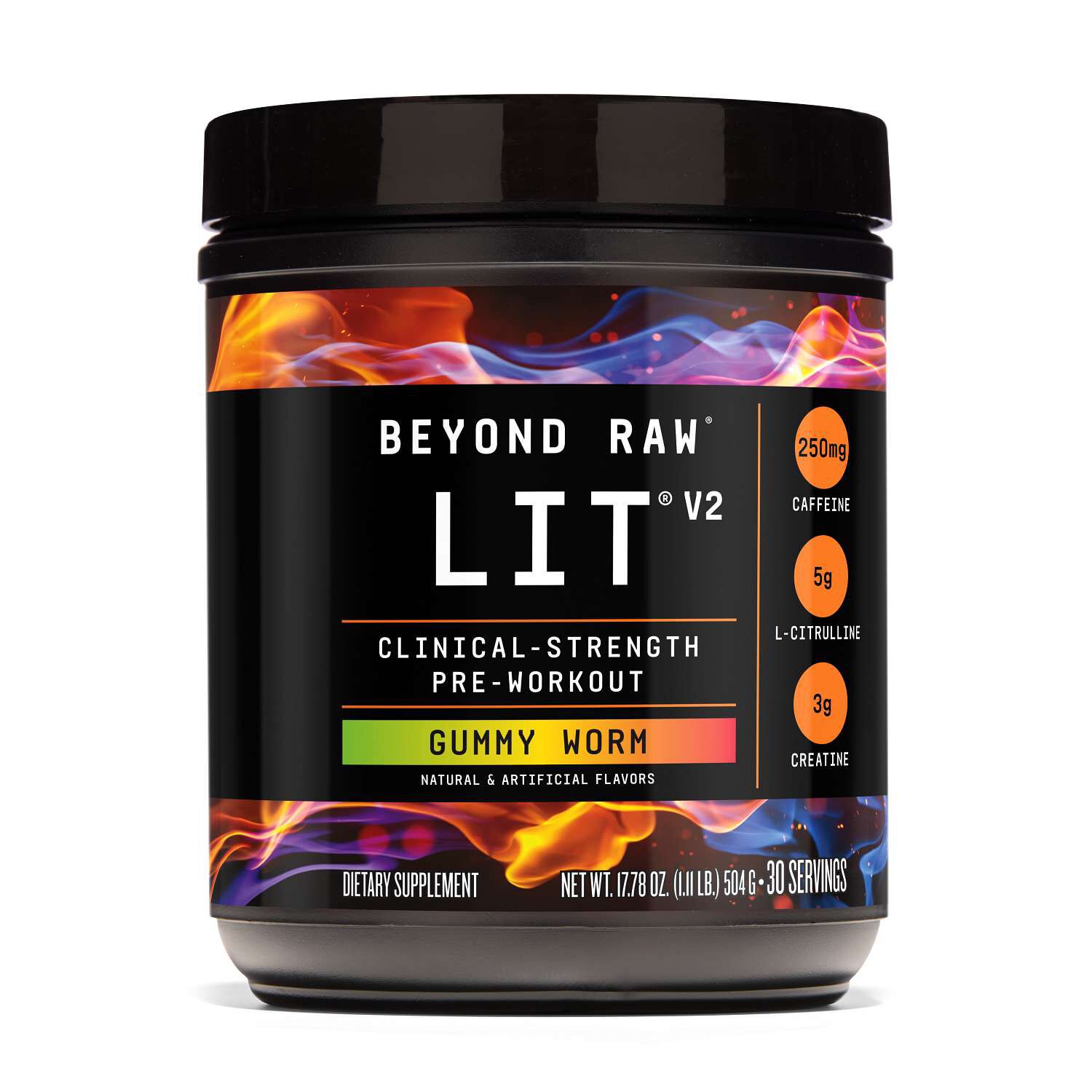

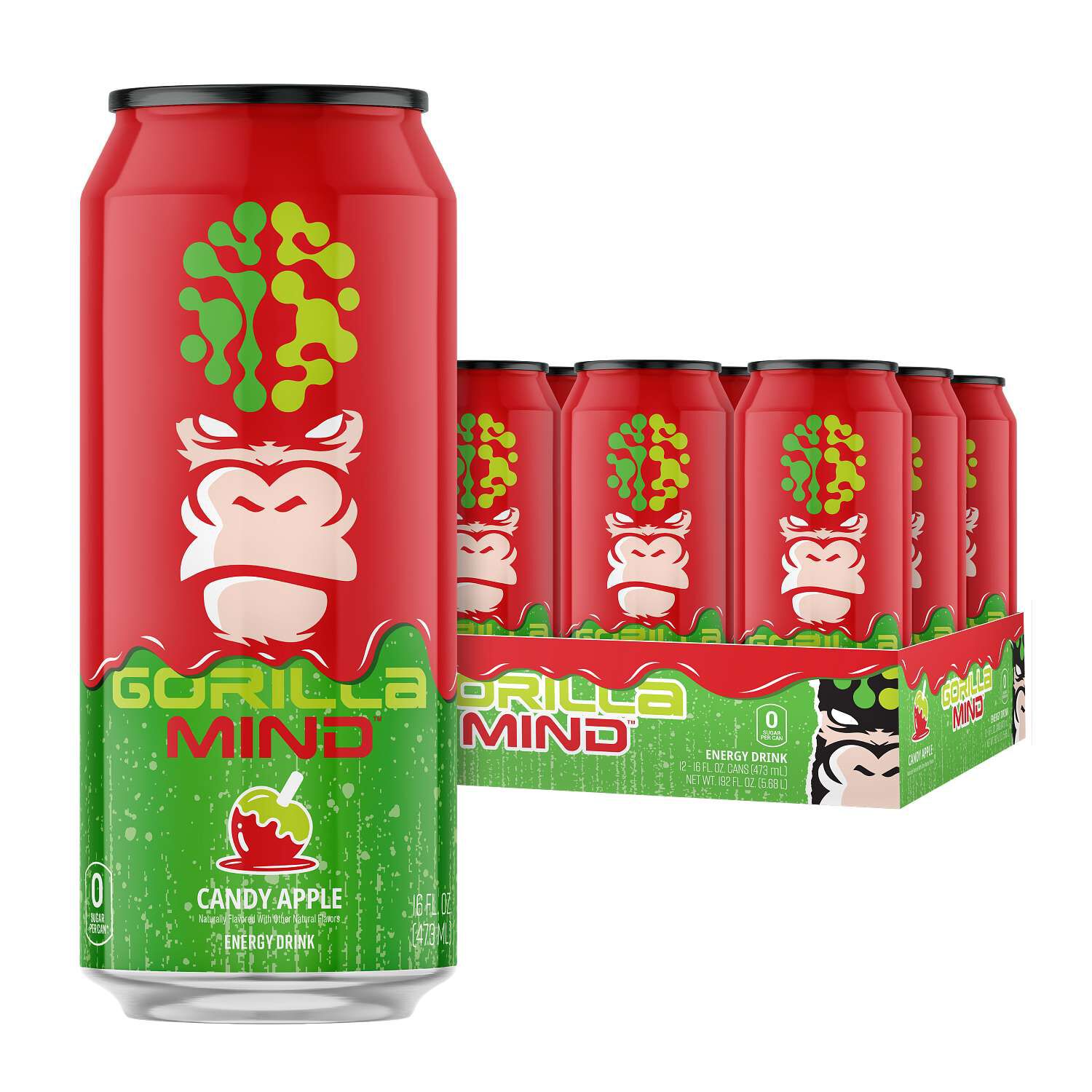

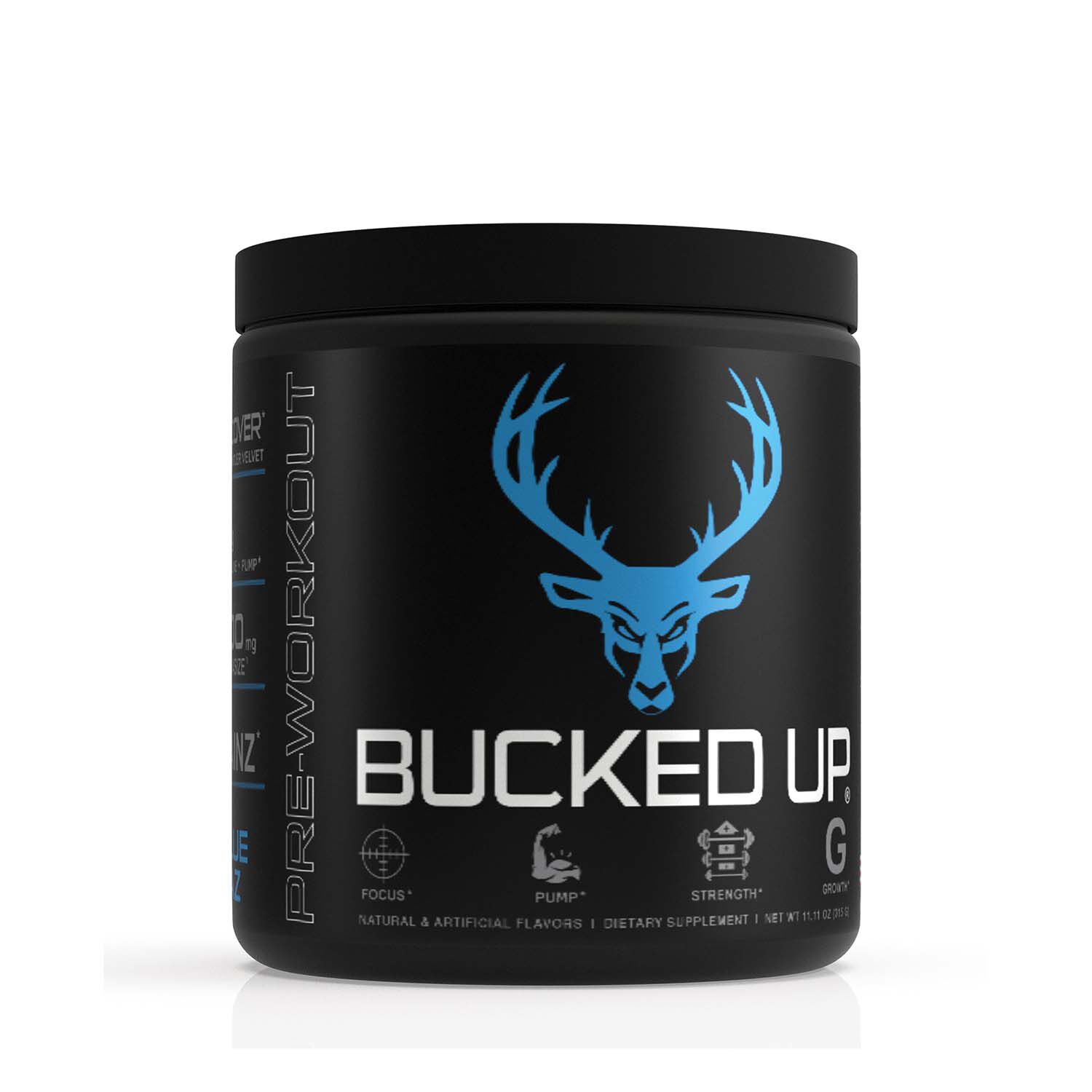


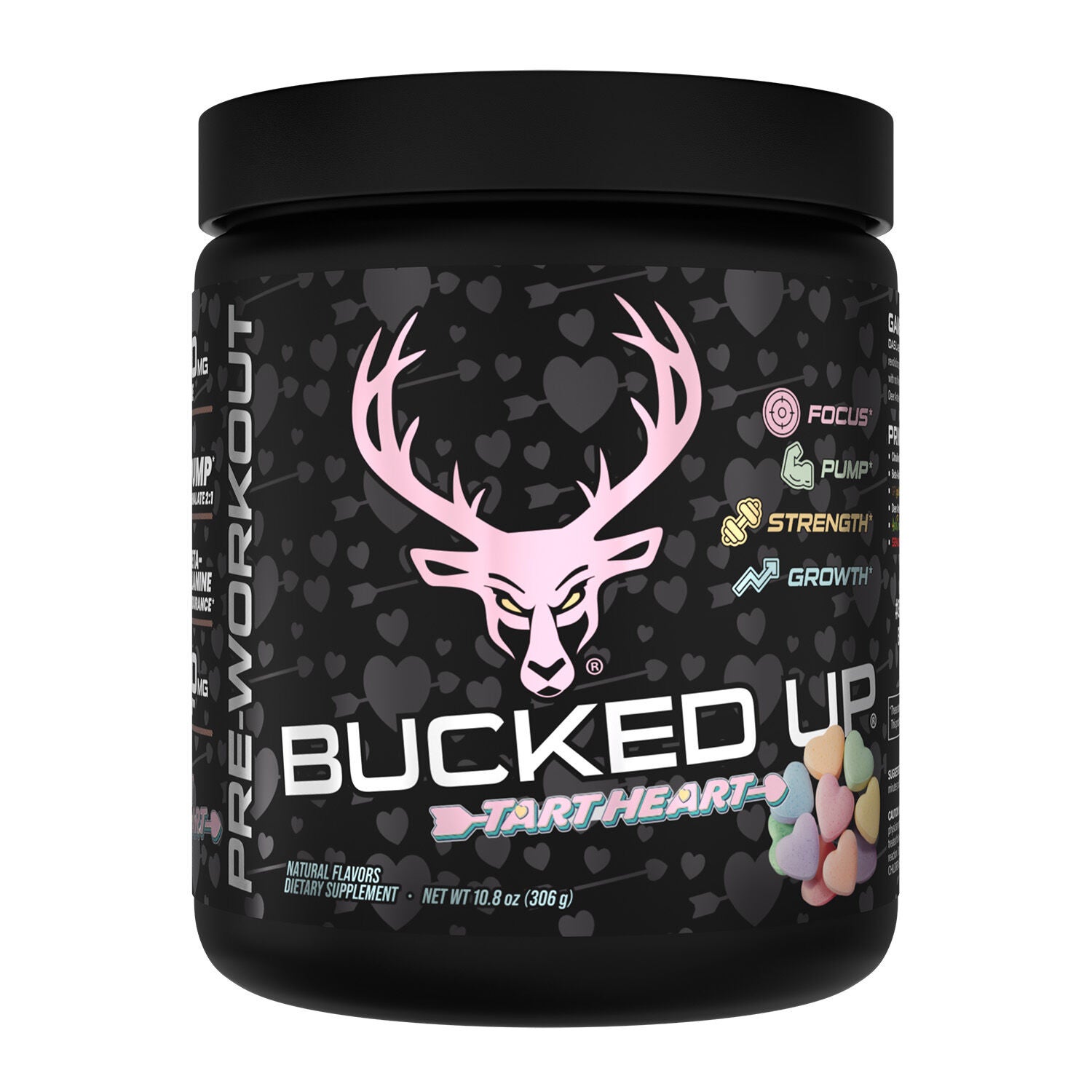
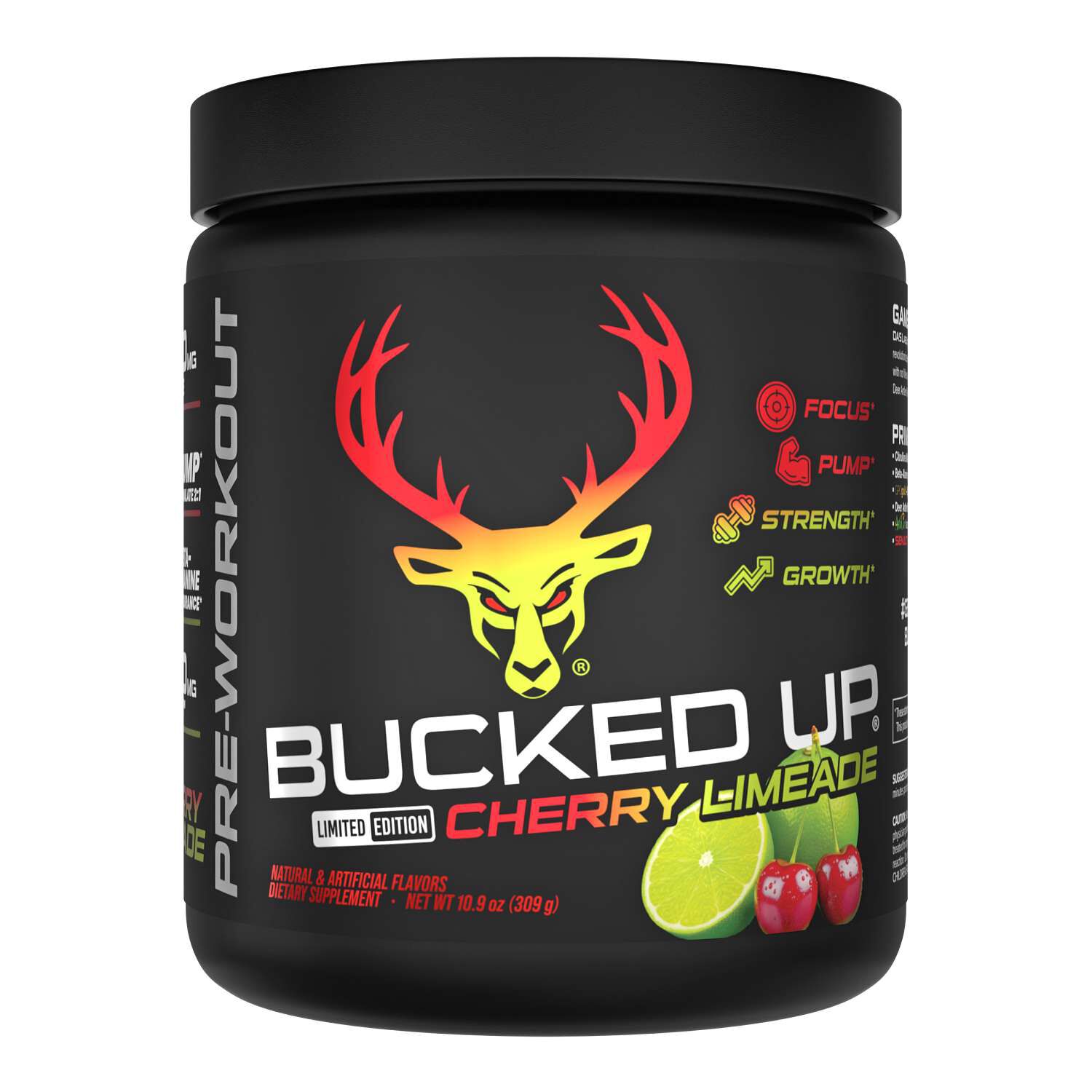

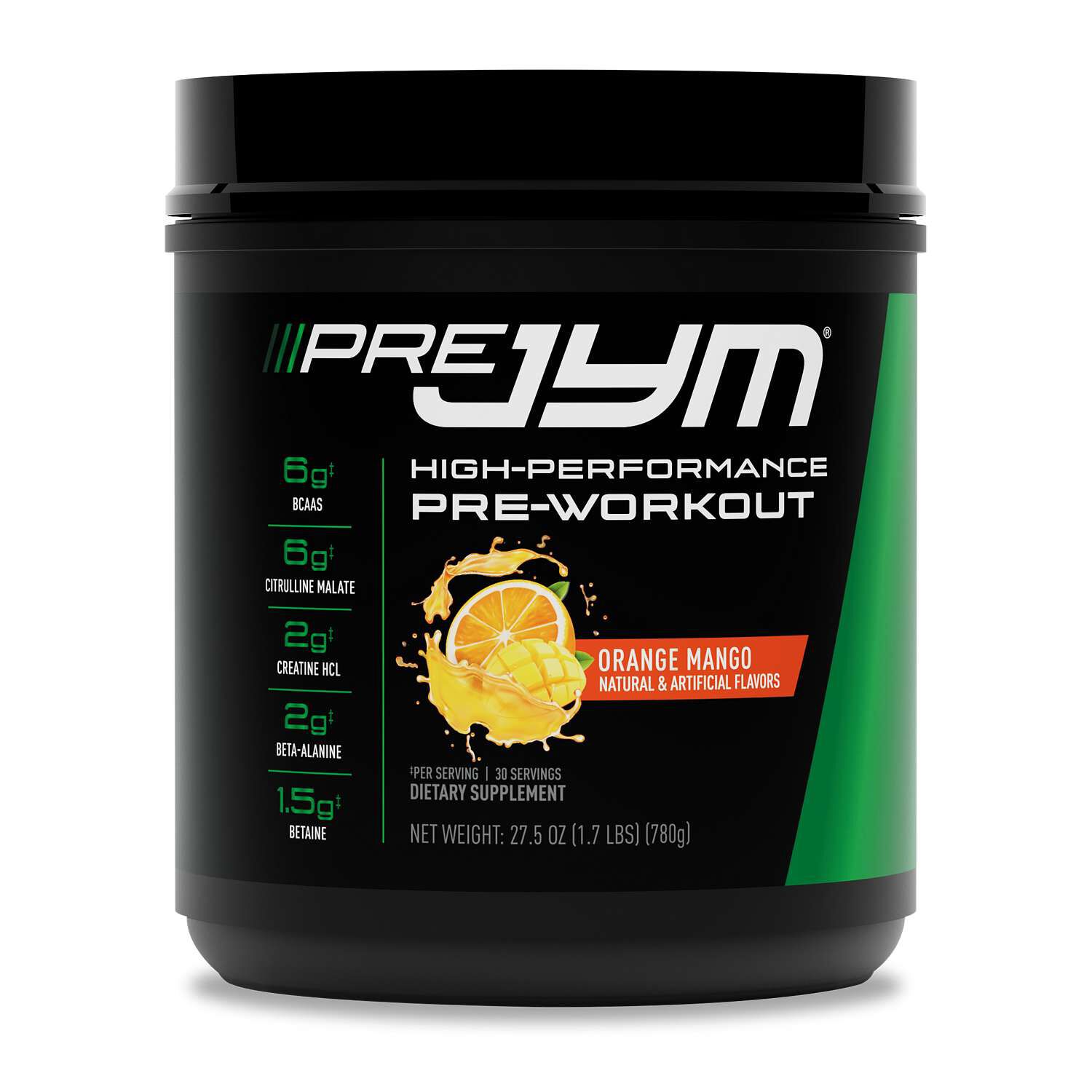
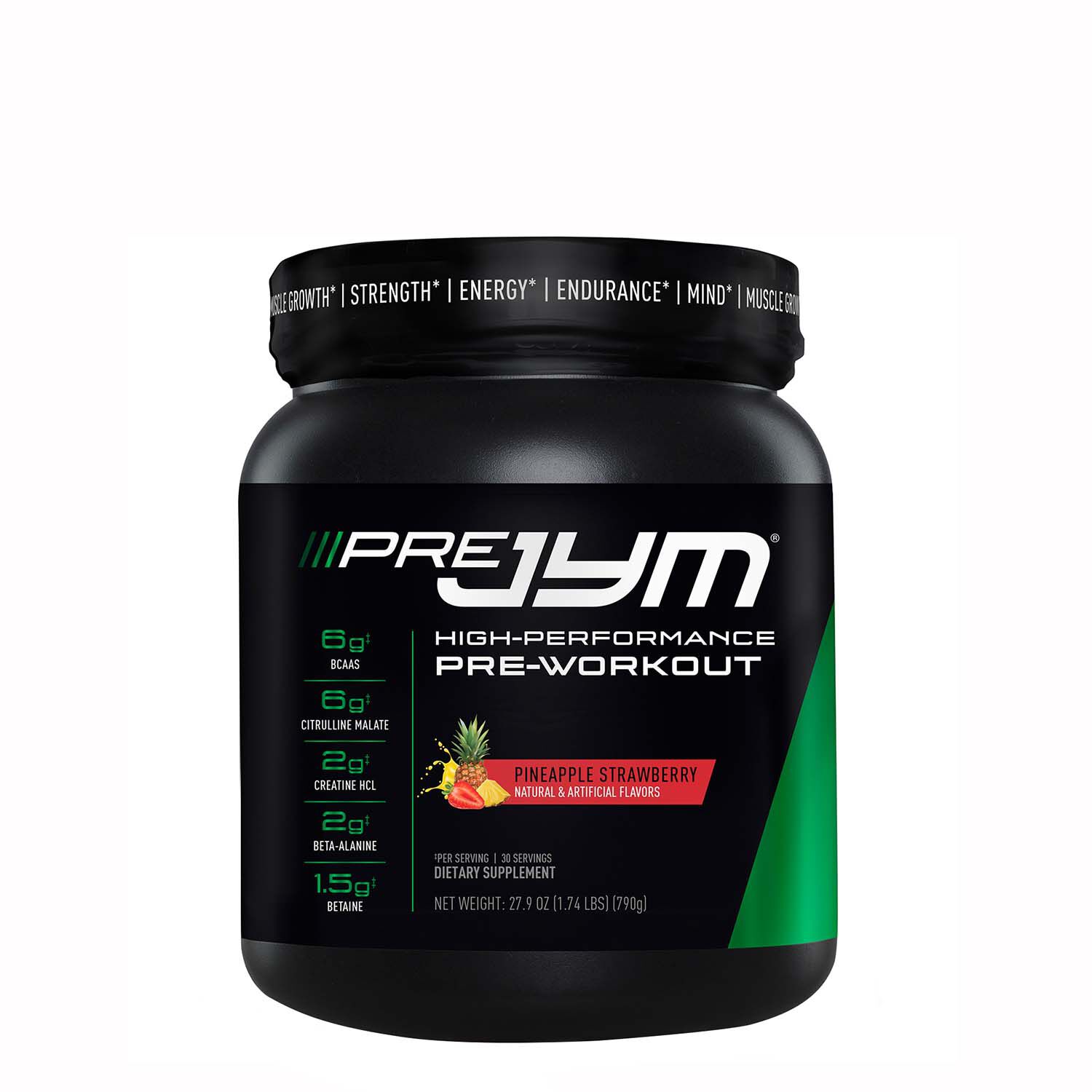


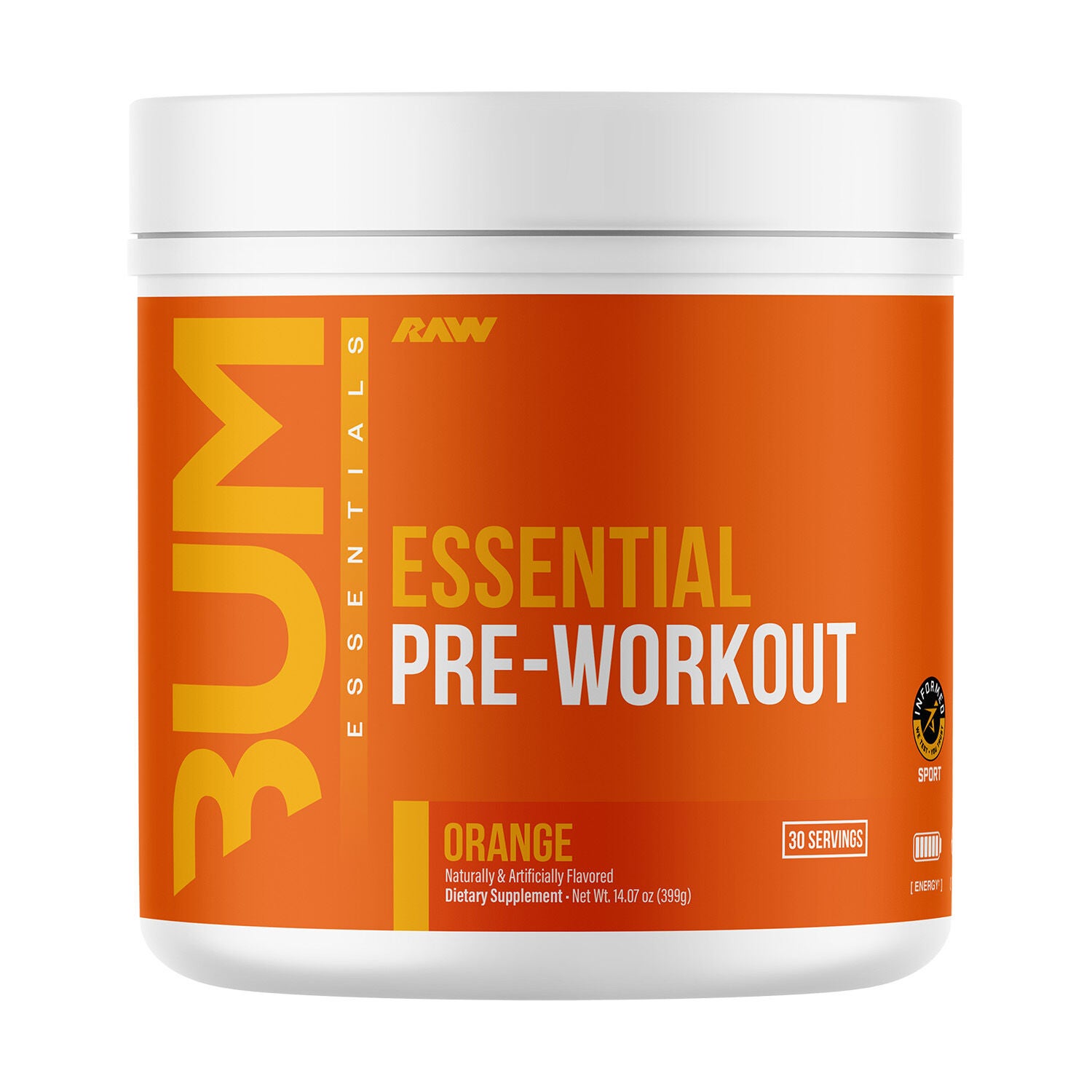


Preworkout drinks for active adults are beverages and drink mixes intended for use before exercise, with formats ranging from ready-to-drink cans and bottles to powders mixed with water. Depending on their ingredients, these products may support energy, focus, or exercise performance, but their formulas and serving directions can differ considerably. Their appeal often comes down to how they fit into an ordinary day: a bottle tucked beside a change of clothes for an after-work gym visit, a measured powder mixed before a morning strength session, or a chilled can enjoyed before heading to an indoor cycling class. Ready-to-drink formats require no measuring or mixing, while powders offer a different preparation experience and often allow a range of water amounts within the label directions. Some drinks contain caffeine; others are made without caffeine for adults who prefer that distinction. Flavor, sweetness, carbonation, and serving volume are equally meaningful parts of the choice. A crisp citrus drink with bubbles has a different character from a still berry-flavored mix, especially when paired with the familiar bustle of packing shoes, filling a water bottle, and getting out the door. A smaller beverage may suit someone who dislikes a large drink before movement, while another person may prefer a mix prepared with more water when the directions allow it. Preworkout beverages also differ from protein shakes and everyday sports drinks in their intended use and formulation, even when the packaging looks similar. Protein shakes center on protein content, while preworkout formulas are designed around the period before training. The category spans varied exercise preferences, including resistance training, cardio sessions, recreational sports, and group fitness. For adults whose schedules alternate between quick weekday workouts and longer weekend sessions, a drink’s preparation needs and label directions can matter just as much as its flavor. The most practical match is one that suits the planned activity, personal preferences, and the amount of preparation a normal day realistically permits.
Ingredients and serving information give preworkout drinks much of their individual character. Caffeine is a familiar inclusion and may support alertness during exercise, but the amount per serving varies by formula. Coffee, tea, and other beverages can also contribute caffeine to a daily routine, making the labeled amount a useful point of comparison rather than simply a number on the front of a container. An adult who enjoys coffee with breakfast may approach a caffeinated preworkout differently from someone who rarely drinks coffee, while an evening exerciser may prefer a formula without caffeine. Other ingredients that appear in this category include amino acids such as beta-alanine and L-citrulline, creatine, electrolytes, and B vitamins. These ingredients are not interchangeable, and their presence alone does not establish how a finished drink will perform. The amount provided, the serving directions, and the rest of the formula all add context. Creatine, for example, may support performance in repeated, high-intensity exercise when used consistently as directed; it is not simply another name for a stimulant. Ingredient descriptions are most useful when they explain what is included without treating every formula as suited to every adult or every workout. Clearly stated quantities make comparisons more straightforward than a blend name without individual amounts. Label details also distinguish serving size from container size, an important difference when a bottle or package holds more than one serving. Calories, carbohydrate content, sweeteners, and allergen statements offer additional information for personal dietary preferences. Fruit-inspired flavor names do not necessarily describe the ingredient source, and a sweet taste does not by itself reveal sugar content. Where a package identifies independent testing or certification, the named program and its stated scope provide more meaningful context than a broad quality phrase. Taken together, these details describe the actual beverage behind the colorful label. They also help separate sensory preferences, such as tartness or a lighter finish, from ingredient preferences and intended use.
Packaging and everyday handling round out the comparison, particularly for active adults carrying a drink between home, work, and a workout space. A sealed can is compact and needs no separate mixing container, though it generally cannot be closed again after opening. A bottle with a screw cap offers a different carrying experience, while a powder requires access to water and a suitable cup or shaker. Individually portioned powder packets occupy little room, but they still involve preparation; a larger powder container is more naturally suited to a kitchen counter or another dry storage area. Someone leaving the house with a laptop bag, lunch, and workout clothes may value fewer preparation steps, whereas someone training at home may prefer measuring and mixing as part of a familiar routine. For a closer look at formats organized around carrying needs, Preworkout Drinks For Gym Bags brings that practical consideration into focus. Container dimensions, cap design, and the need for a separate shaker all influence how a beverage fits alongside shoes, towels, and other belongings. Storage instructions remain important whether the package spends its day on a shelf or travels with workout gear. Powders benefit from careful handling according to their labels, including keeping the container properly closed, while opened beverages may have refrigeration instructions. A reusable mixing bottle brings its own care needs: removable lids and mixing pieces should be washed and dried according to the bottle’s directions rather than left with residue between sessions. Preparation directions also deserve attention because water quantity, serving size, and suggested use are specific to the formula, not universal across the category. During the cooler months, routines often move between outdoor activity and indoor training, making a familiar flavor and manageable format welcome constants. Preworkout drinks can also be a thoughtful addition to a fitness-themed gift when the recipient’s flavor and ingredient preferences are already known. Whether chosen for a regular gym visit or a changing weekly schedule, the category offers distinct ways to make the moments before exercise fit more comfortably into everyday life.


