Probiotic Capsules For Nutrient Uptake
(0 Results)
Probiotic capsules for nutrient uptake offer a convenient way to support your wellness routine. Featuring carefully selected strains, these supplements may help create an environment in the gut that could promote optimal absorption of nutrients from your daily diet. Whether you're looking to complement your healthy lifestyle or seeking additional digestive support, probiotic capsules for nutrient uptake are designed to fit seamlessly into your supplement regimen. Explore options that may help you get the most out of every meal.






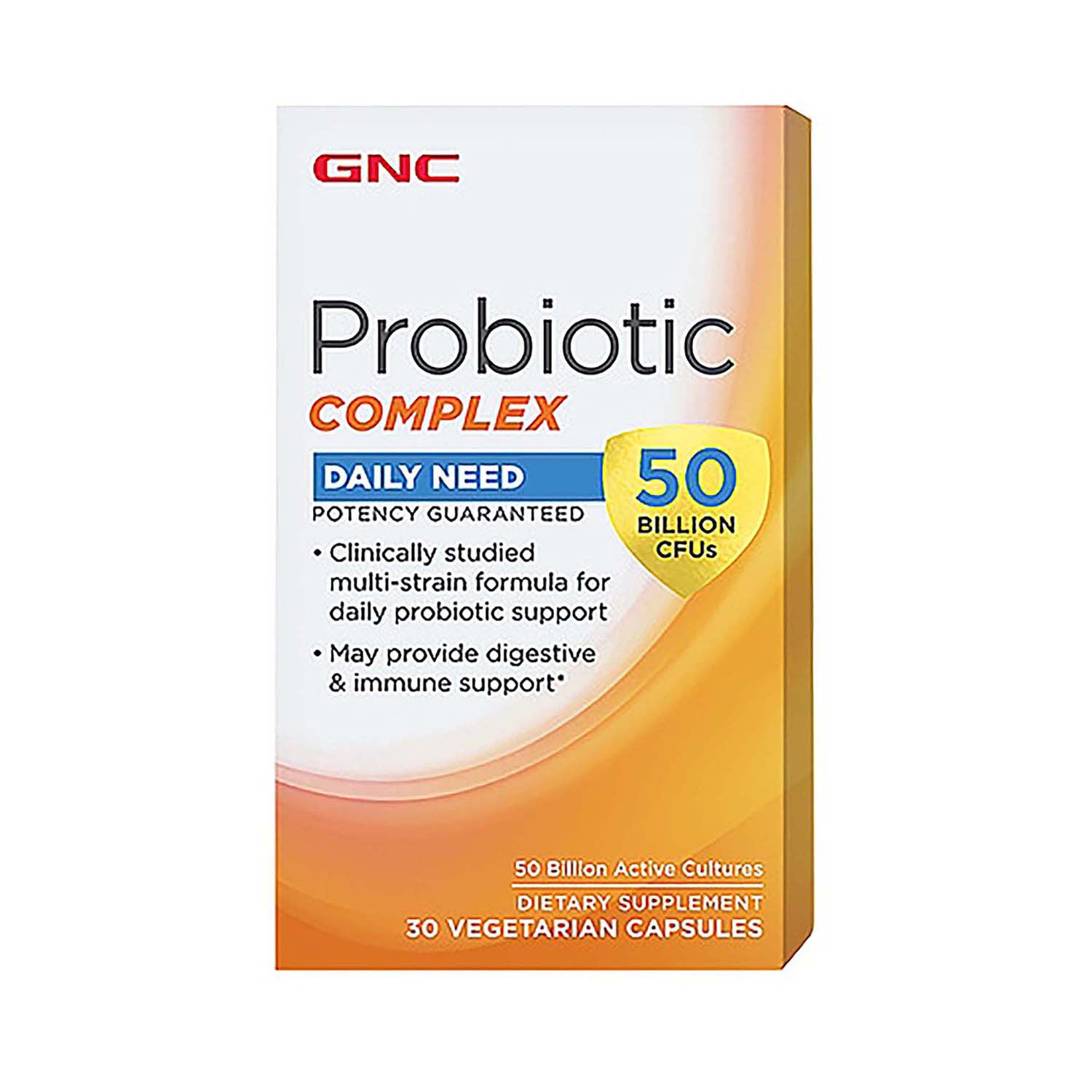



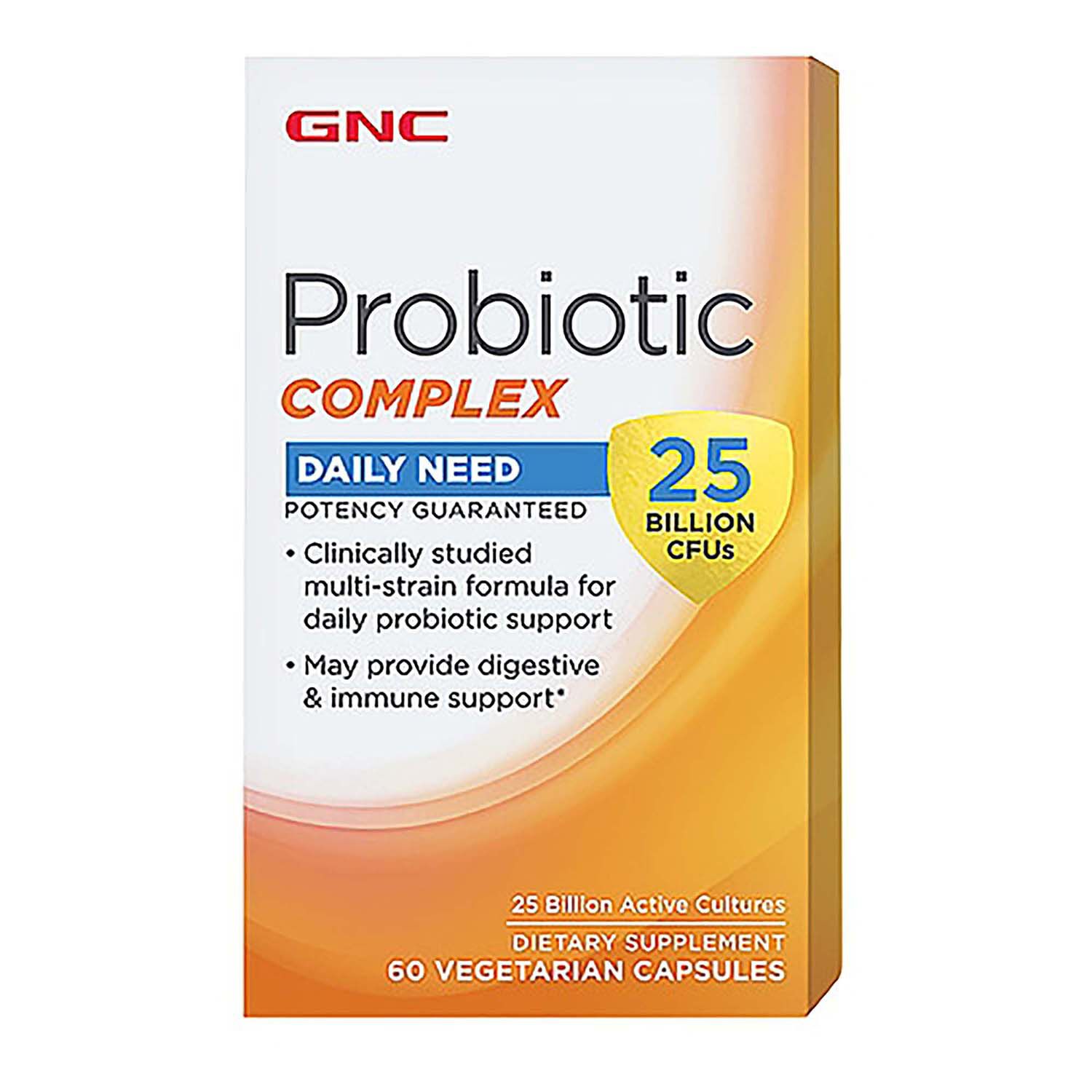


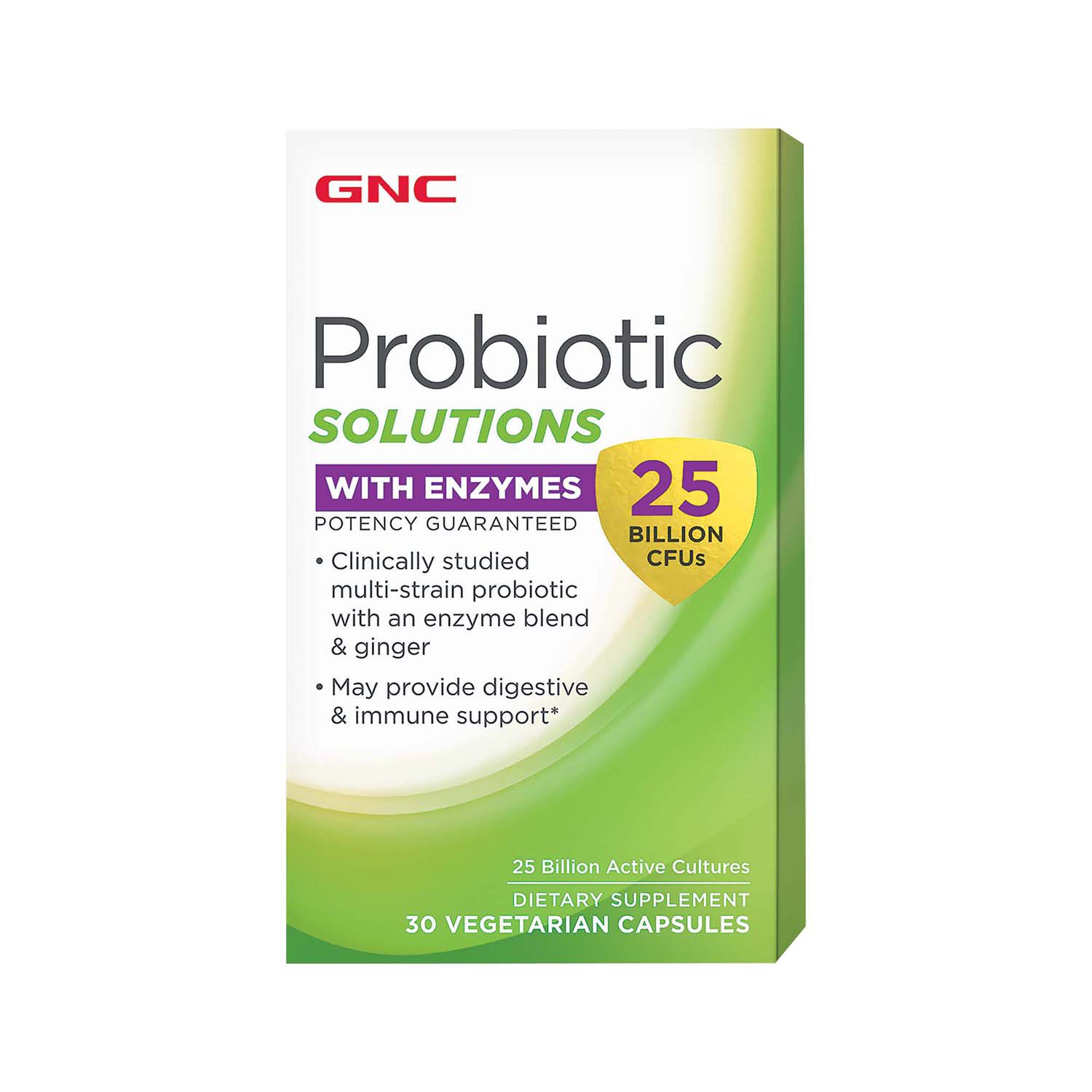




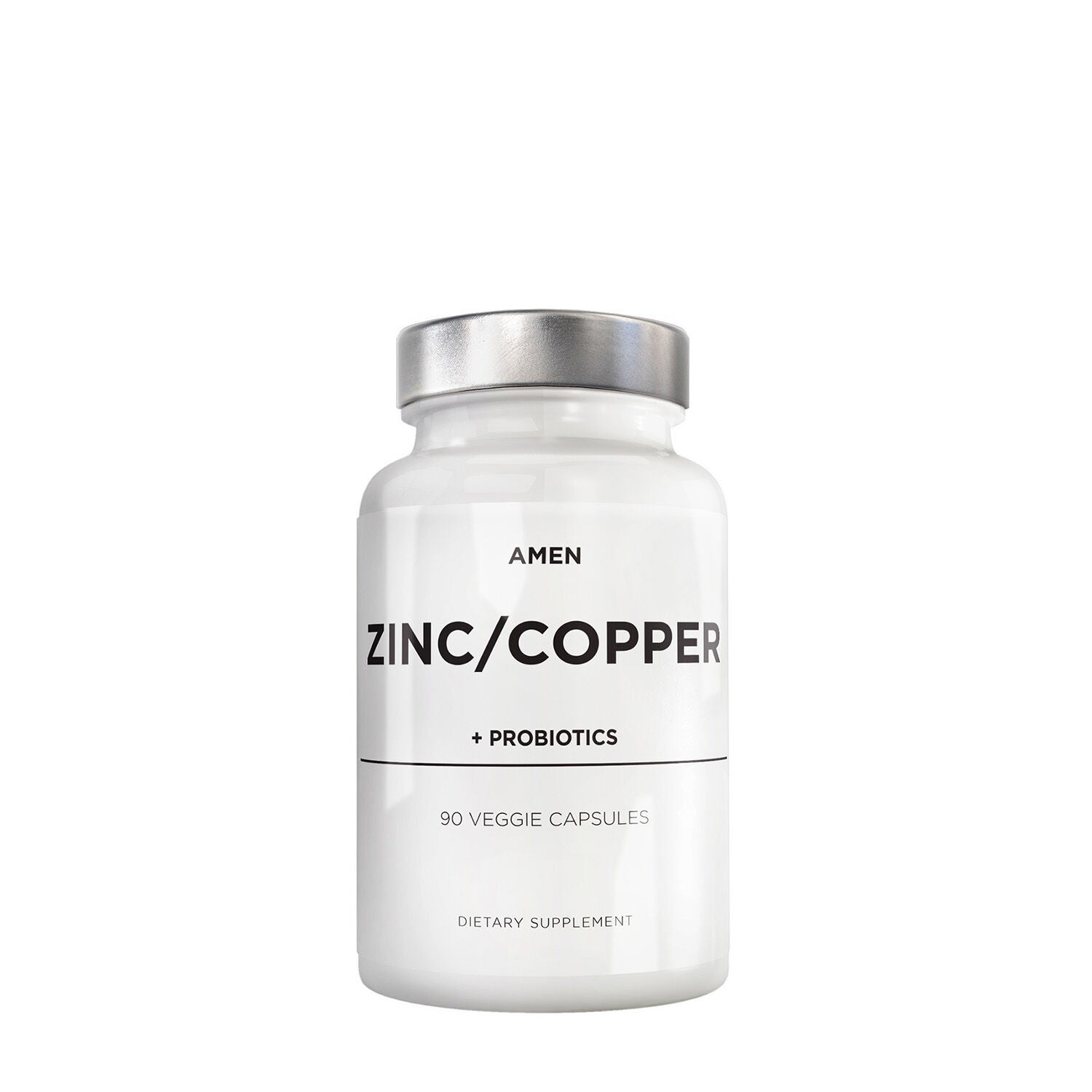
Probiotic capsules for nutrient uptake are an option for adults interested in the connection between balanced eating and digestive wellness. Nutrient uptake describes the movement of nutrients from the digestive tract into the body after food has been broken down into smaller components. The gut microbiome—the community of microorganisms living in the digestive tract—is part of this broader digestive environment. Probiotic supplements contain selected live microorganisms and may complement a routine centered on varied meals and everyday digestive care. That connection deserves some perspective: the presence of probiotics in a capsule does not, by itself, establish that the formula will increase the absorption of a particular vitamin or mineral. Nutrient uptake involves many factors, including the foods eaten, how they are prepared, and individual differences in digestion. A capsule’s culture count is not a measurement of the nutrition someone will absorb from lunch or dinner. For shoppers browsing this category, the useful starting point is a clear understanding of what the formula contains and how it fits their preferences. Some adults prefer capsules because they do not require mixing a powder into a drink or adding a flavored chew to their routine. Others are interested in a clearly labeled selection of cultures alongside familiar foods such as yogurt, oats, beans, vegetables, and fruit. Probiotic capsules and digestive enzyme supplements also belong to different categories: probiotics contain microorganisms, while enzyme formulas contain substances involved in breaking down food components. Neither category should be treated as interchangeable with the other simply because both appear in conversations about digestion. A meal of roasted vegetables, brown rice, and beans supplies a different mix of nutrients than yogurt with berries or fish with potatoes. That variety remains central to a food-focused approach. Probiotic capsules may have a place alongside those habits, while the foods themselves supply the protein, carbohydrates, fats, vitamins, minerals, and fiber that make up daily nutrition.
The details on a probiotic capsule label provide a more meaningful basis for comparison than a large number on the front of the bottle alone. Culture names often include a genus, species, and strain designation. Lactobacillus and Bifidobacterium are examples of names shoppers may encounter, but a shared genus does not make two formulas identical. A strain designation identifies a more specific microorganism, and information about one strain does not automatically apply to every culture with a similar name. Single-strain formulas contain one identified strain, while multi-strain formulas bring together several; the number of strains is a composition detail, not a ranking of suitability. Colony-forming units, usually abbreviated as CFU, describe a count of viable microorganisms under specified testing conditions. Label language may distinguish between a count measured at manufacture and one stated through the expiration date, making that wording worth attention. Serving size matters, too: a listed amount may refer to one capsule or several capsules taken as a serving. Beyond the cultures, capsule materials and additional ingredients can shape the choice. Shells may be made from gelatin or plant-derived cellulose, so the ingredient panel is relevant for shoppers with vegetarian preferences. Some formulas include prebiotic fibers, such as inulin, which certain microorganisms can use as a food source. A formula containing both probiotics and prebiotics is often described as a synbiotic. The presence and amount of added fiber are separate details to compare rather than reasons to assume a formula is suitable for everyone. Delayed-release designs, enteric coatings, and microencapsulation are other terms that may appear. These approaches may help protect cultures during part of their passage through the digestive tract, but delivery terminology alone does not establish a nutrient-uptake outcome. The most useful comparison considers the identified cultures, serving format, capsule shell, added ingredients, and stated storage requirements together. Capsule dimensions also matter to shoppers who have a strong preference for smaller formats, although bottle size and serving count do not reveal the dimensions of an individual capsule.
Intended use and day-to-day handling are equally important when choosing among probiotic capsules. A formula that suits a settled home routine may have different practical considerations from one carried in a work bag or packed for a trip. Some labels call for refrigeration, while others specify storage in a dry place away from heat and direct sunlight. Those directions describe how the product is meant to be kept; a convenient format does not eliminate the need for appropriate storage. Original packaging keeps the ingredient panel, serving directions, expiration date, and handling information together, which is useful when several supplements share a cabinet. A tightly closed bottle and a location away from a steamy bathroom may help preserve the intended storage conditions. Capsule care is less about physical durability than maintaining the conditions stated for the live cultures inside. Label directions also vary around use with food, so broad advice about taking every probiotic at breakfast or on an empty stomach can overlook differences among formulas. The directions for the selected supplement are the relevant reference for its intended use. An adult comparing options might be looking for a capsule made without gelatin, a formula with clearly identified strains, or packaging that fits an established daily routine. Someone already using several supplements may place greater importance on serving size and overlapping ingredients than on the number of cultures alone. For shoppers considering options with age in mind, Probiotic Capsules for Digestive Health Over 50 offers a related category to explore without assuming that everyone in the same age group has identical preferences. Across these choices, realistic expectations matter. Probiotic capsules may complement everyday digestive wellness, but they are not a replacement for varied meals or a way to measure how much nutrition a person receives from food. Clearly identified ingredients, understandable directions, suitable capsule materials, and manageable storage requirements give shoppers concrete features to weigh when selecting a format for their routine.
Best Sellers
-
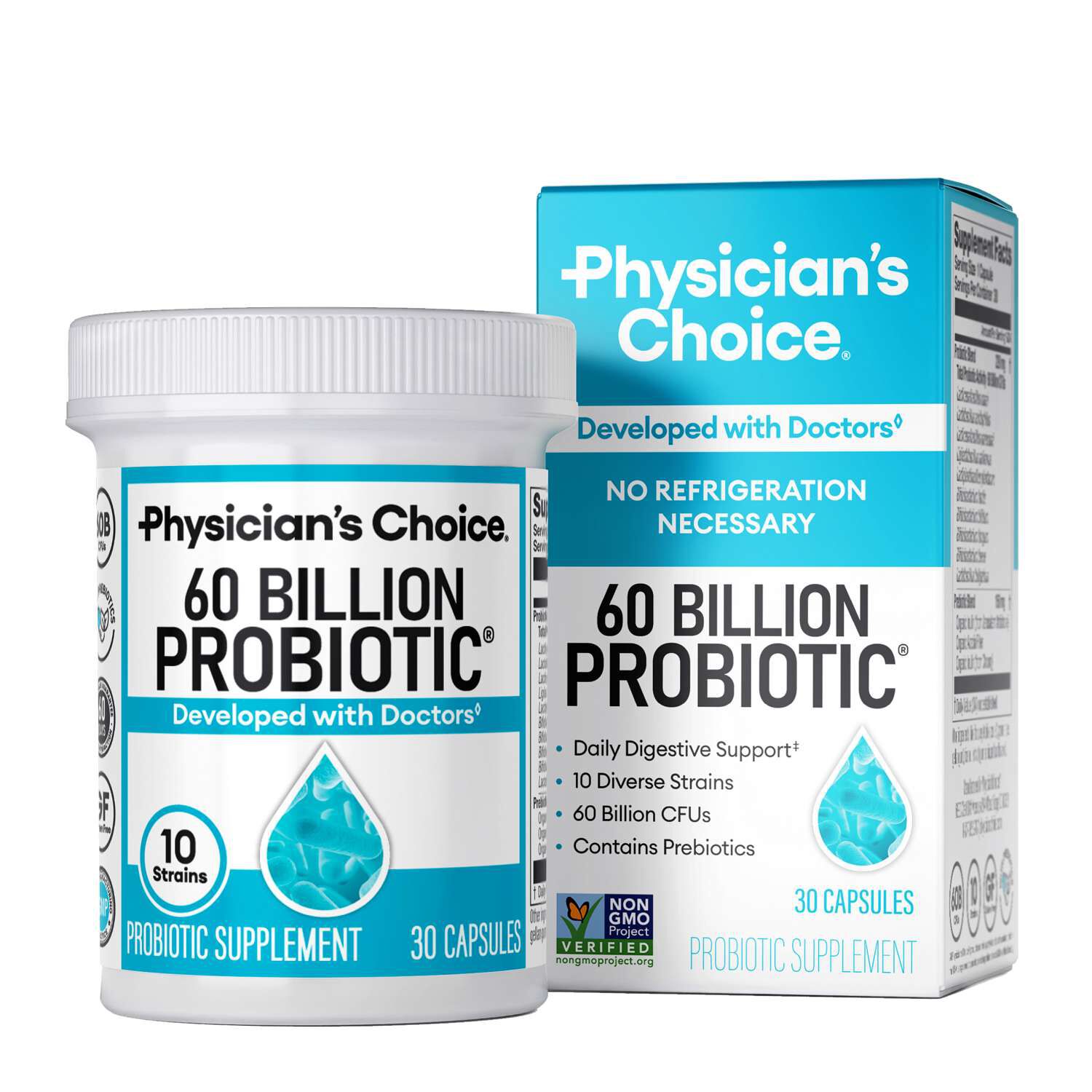 Physician's Choice