Probiotic Supplements For Adults With Dietary Needs
(0 Results)
Probiotic supplements for adults with dietary needs offer a convenient way to support your wellness routine, especially when navigating specific nutritional goals or restrictions. Whether you follow a plant-based lifestyle, require gluten-free options, or seek formulas tailored for sensitive systems, there are a variety of choices available that may fit seamlessly into your daily regimen. Explore probiotic supplements for adults with dietary needs and discover options designed to complement your unique path to better well-being.
-
-
-
-
-
-

-
 209$34.99
 -
-

-

-



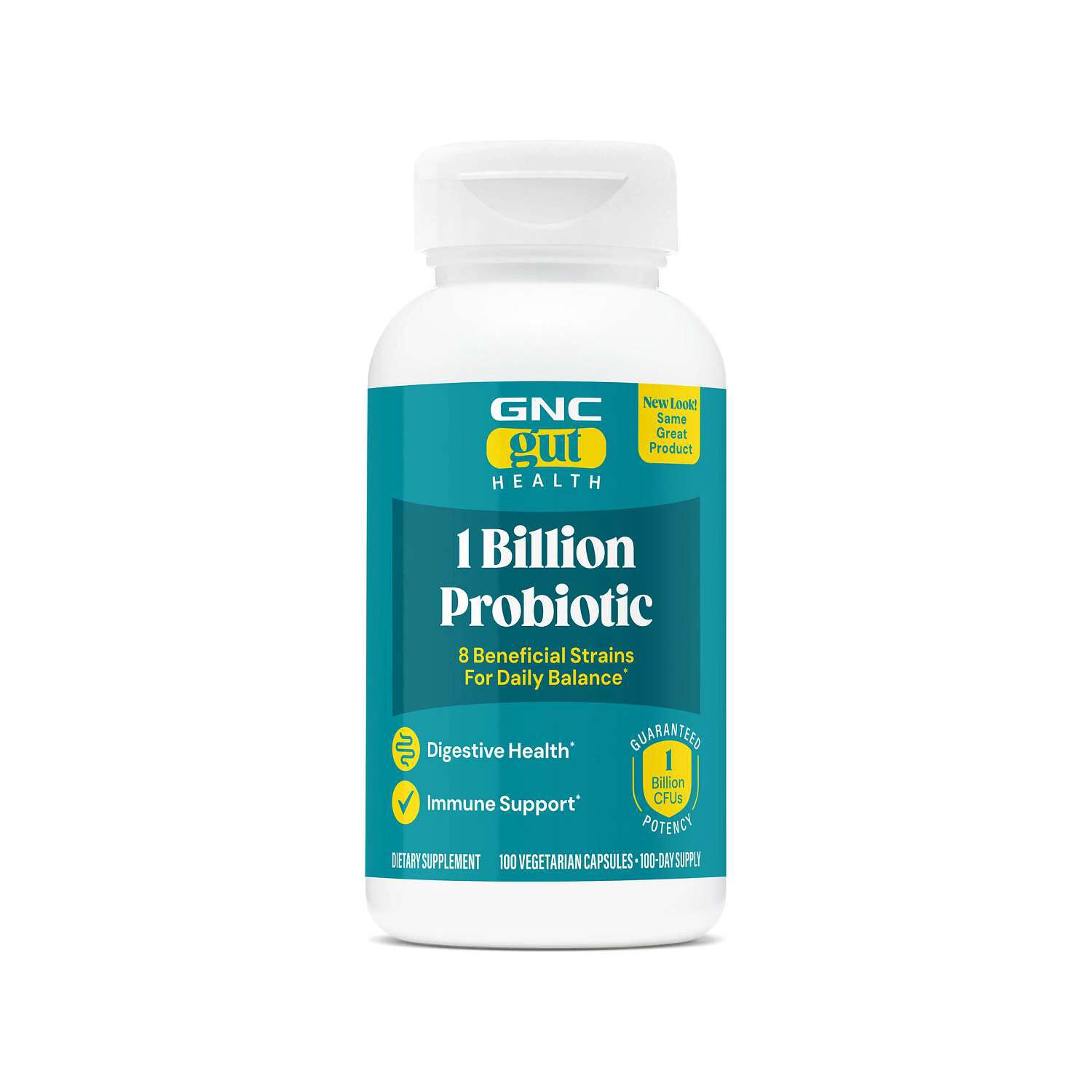
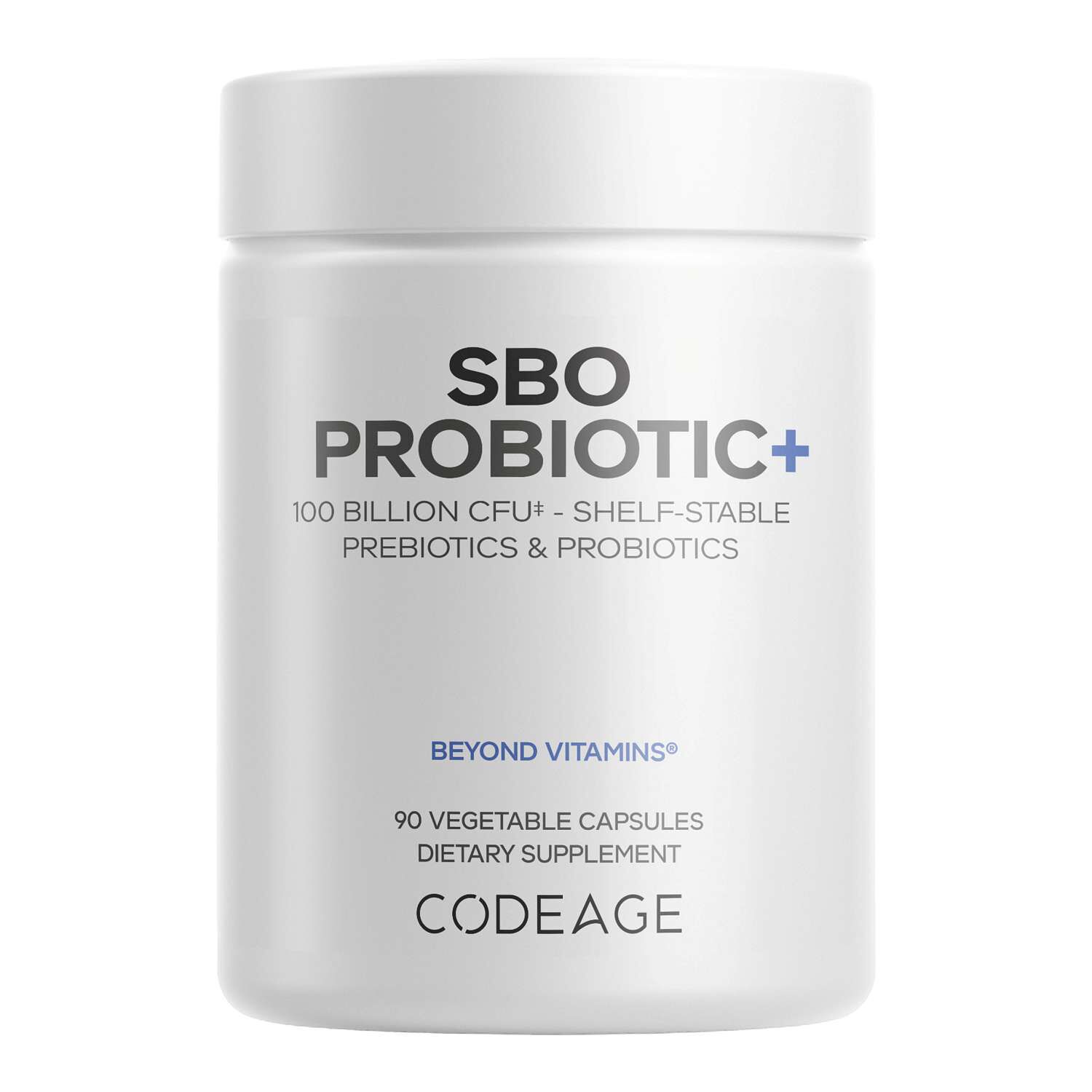

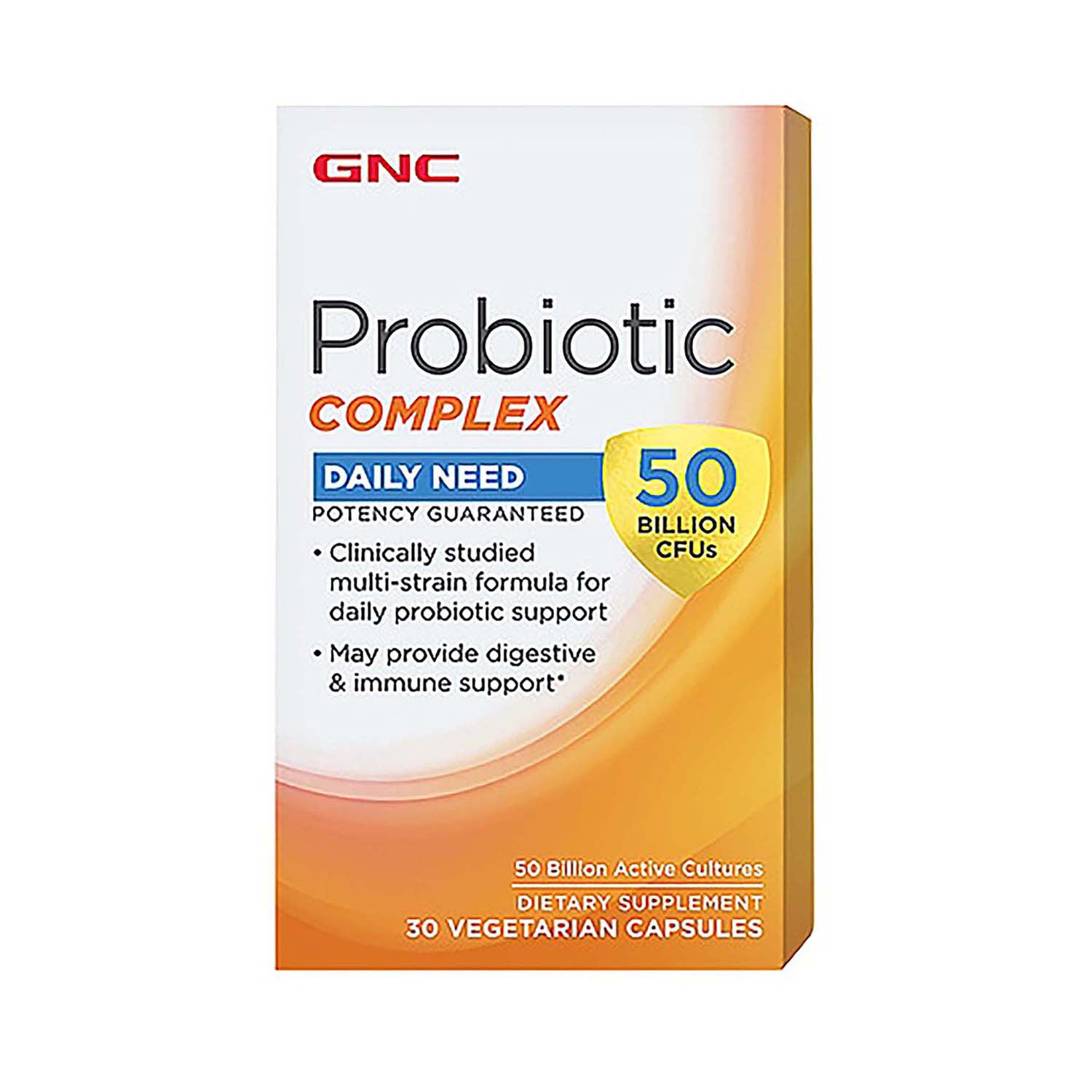





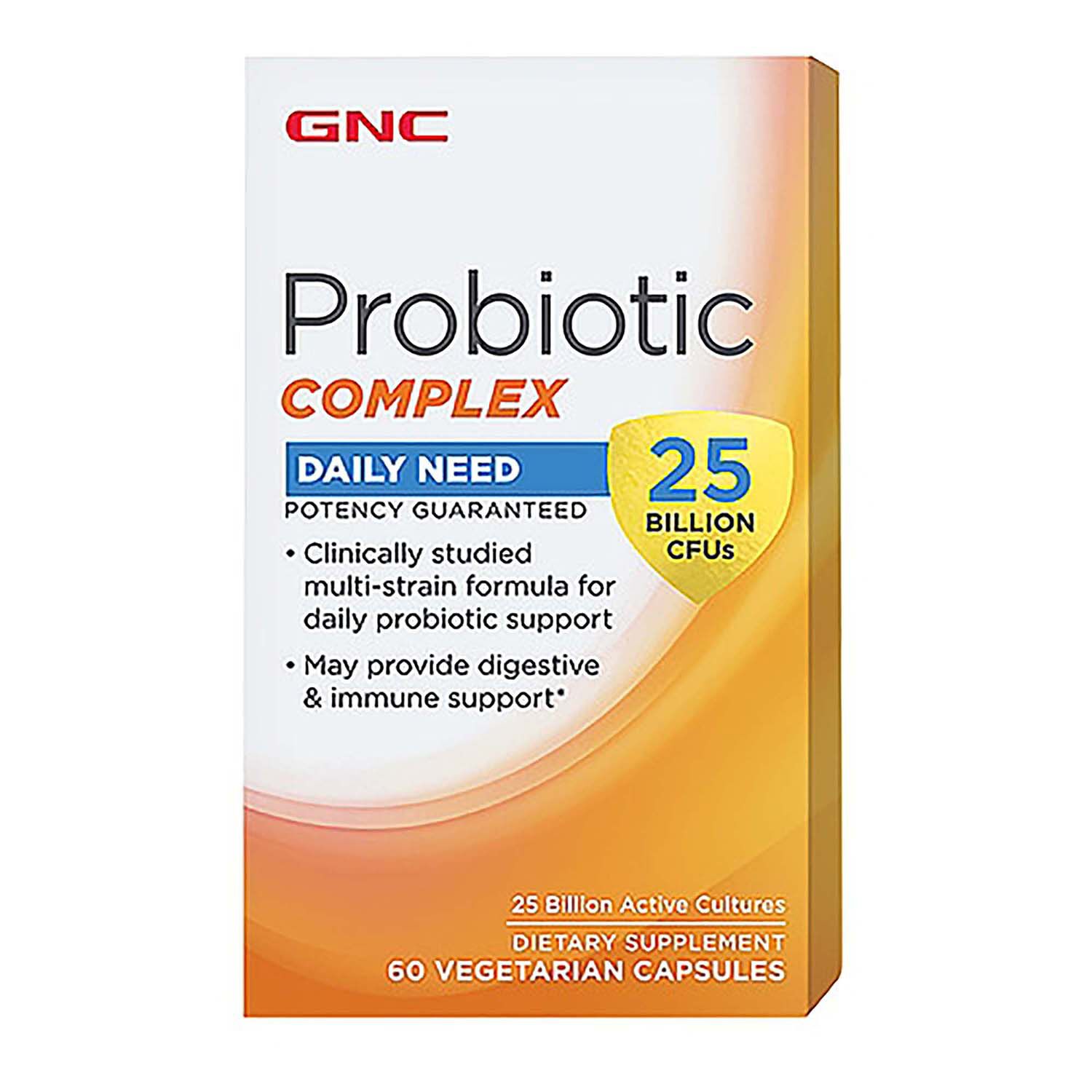

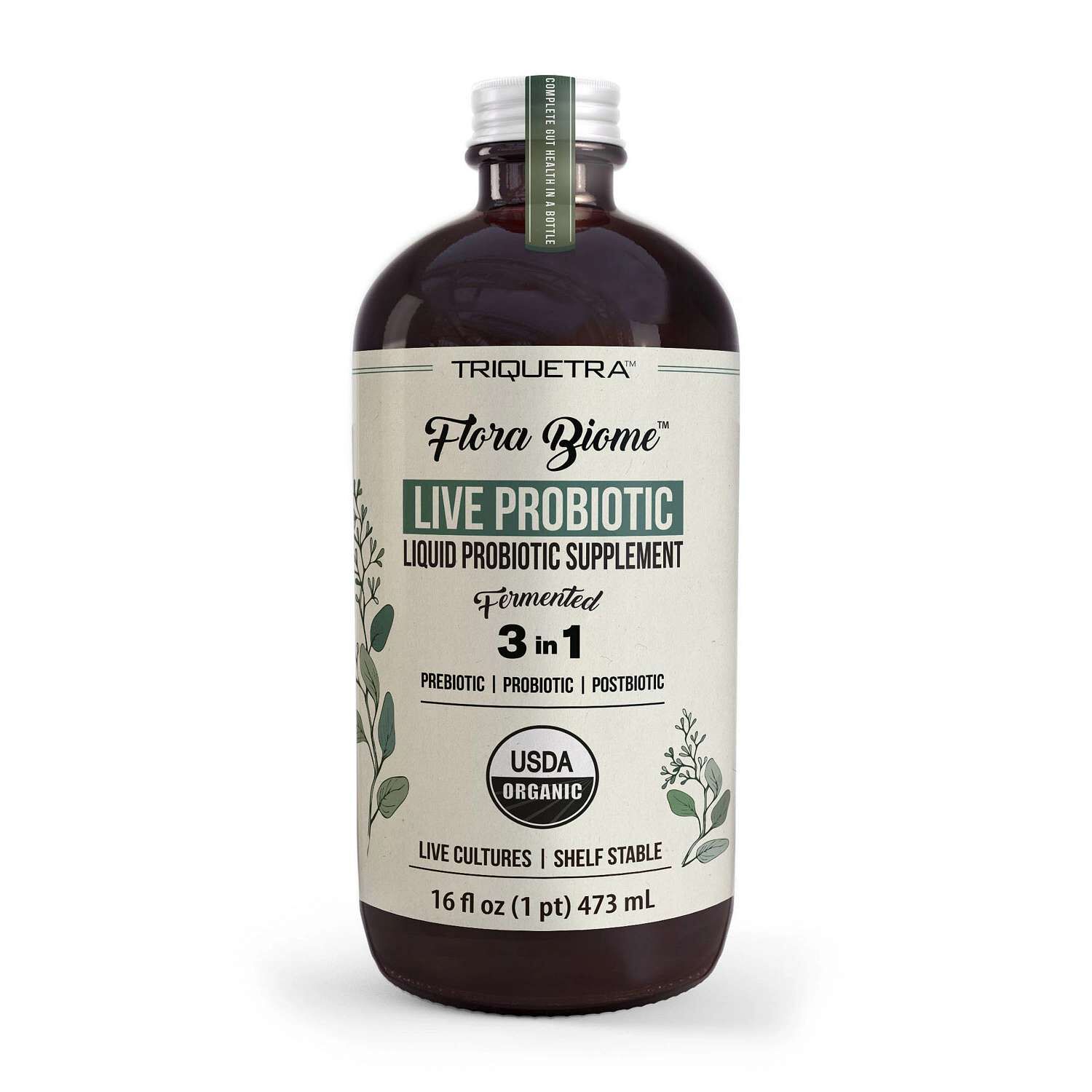
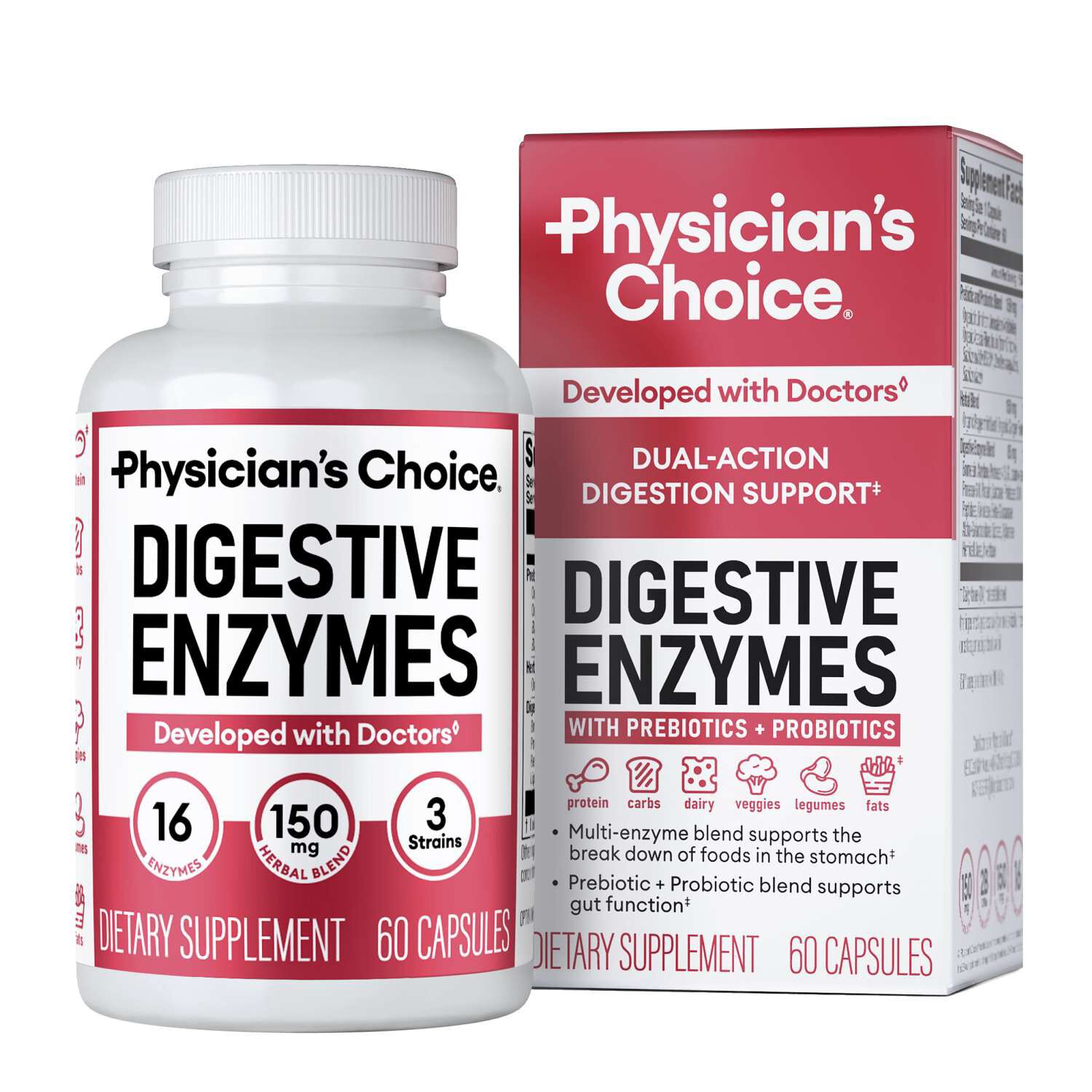
Probiotic supplements for adults with dietary needs can offer a convenient way to add selected live microorganisms to a daily routine while keeping personal food preferences and ingredient considerations in view. Probiotics are live bacteria and yeasts found in certain foods and dietary supplements, and formulas may feature one or more named strains, such as Lactobacillus or Bifidobacterium varieties. Since strains and amounts can differ from one product to another, reading the Supplement Facts panel is a useful first step. Look for the genus, species, and strain when listed, along with the amount per serving and suggested use. Some products are designed for room-temperature storage, while others may call for refrigeration, so storage directions matter from the moment a package arrives at your door. Expiration dates and packaging instructions also deserve attention, particularly because live cultures may gradually change over time. Adults following a vegan or plant-based lifestyle may prefer products made without animal-derived ingredients, including capsules made from plant materials. Those avoiding gluten, dairy, soy, or other ingredients may want to review the full label, the manufacturer’s allergen statement, and any certification marks rather than relying on the front of the package alone. Manufacturing practices and ingredient sourcing can vary, and a short ingredient list may make it easier to compare options. For anyone with a diagnosed intolerance, allergy, or highly specific dietary requirement, a healthcare professional can help interpret label details before a new supplement becomes part of a routine.
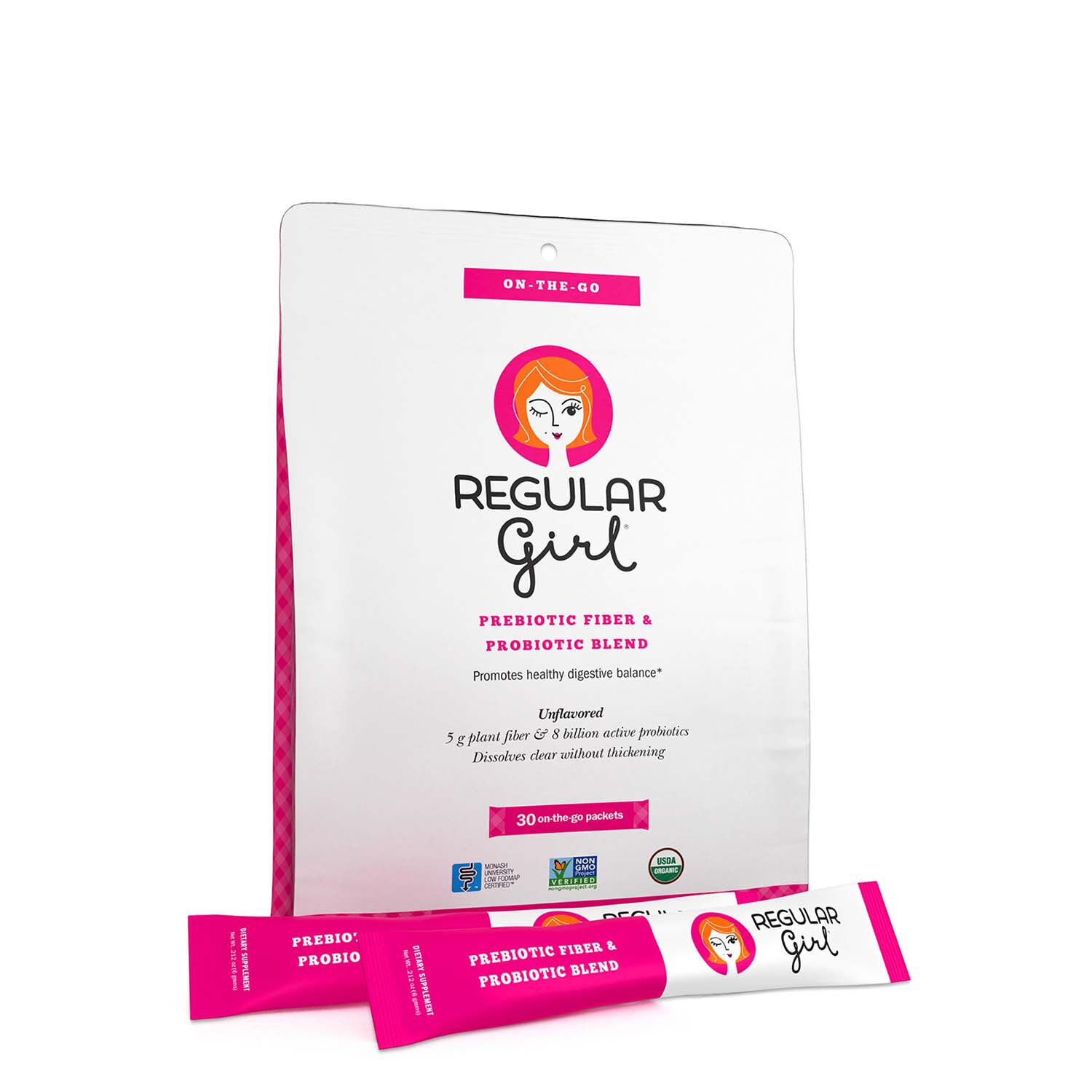
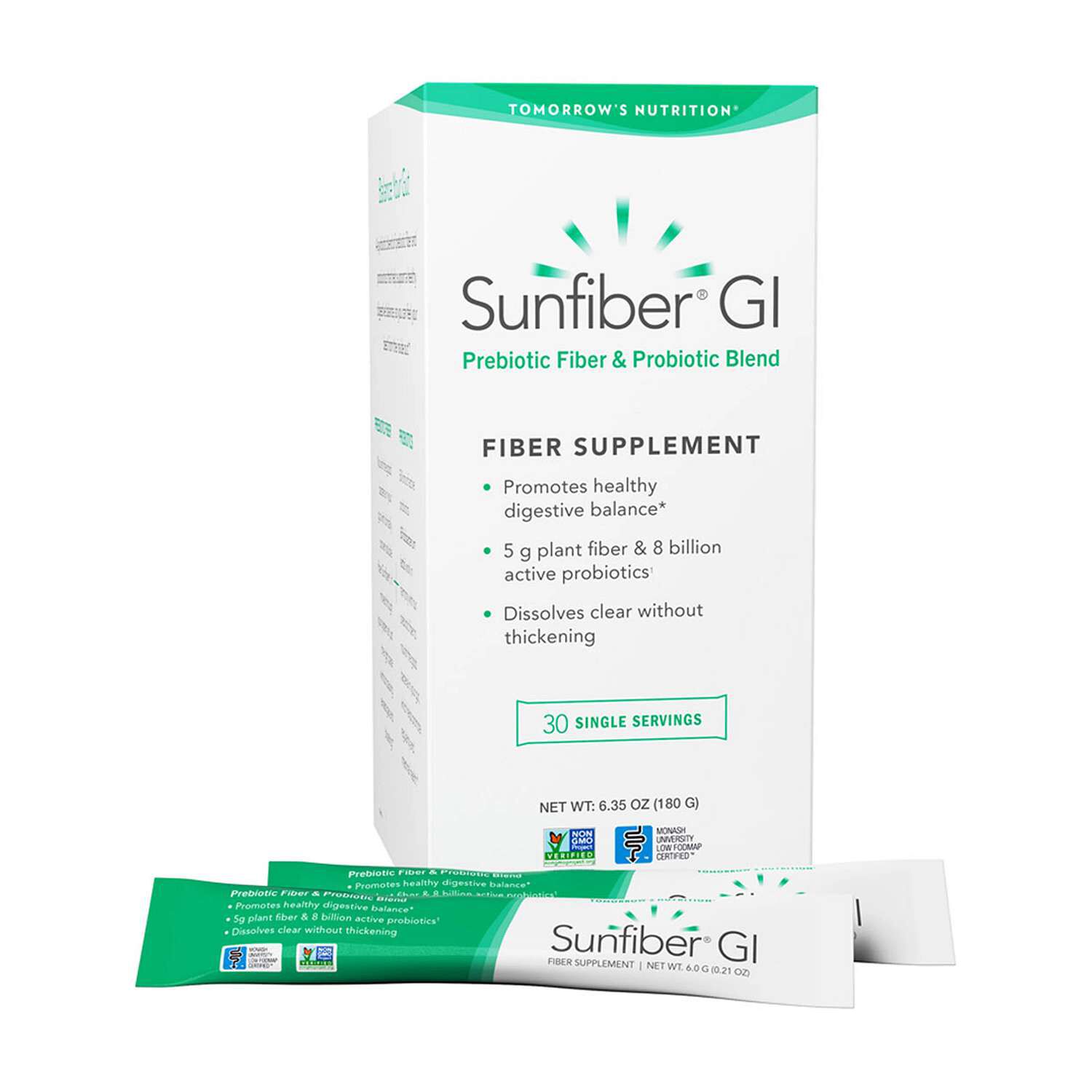
Format can make a meaningful difference in how naturally a supplement fits into everyday life. Capsules may suit an adult who already takes vitamins with breakfast, while powders can be mixed into a cool drink, smoothie, or another food when swallowing capsules is inconvenient. Chewables and gummies may appeal to people who prefer a more familiar texture, although their sweeteners and other added ingredients should be considered alongside the rest of the day’s intake. Directions may suggest taking a serving with food or at another point in the day, and following the package instructions may help create a consistent habit. Some formulas pair probiotics with prebiotic fibers, including ingredients such as inulin. Prebiotics serve as a food source for certain microorganisms, but individual tolerance can differ, so adults who are sensitive to added fiber may wish to start by reviewing the serving size and ingredient panel carefully. Browse options such as Probiotic Fiber Supplements For Adults when a product combining live cultures with fiber fits the shopping list. Adults choosing probiotic supplements for dietary needs may include people following plant-based eating patterns, avoiding selected ingredients, traveling with a carefully planned food routine, or looking for a simple addition to an established wellness regimen. They may also be thoughtful gifts for a family member, roommate, or friend who enjoys practical pantry items and pays close attention to ingredients. A gift may feel especially personal when it reflects the recipient’s preferences, such as a plant-based formula, a capsule without dairy ingredients, or a single-serve powder that can travel easily. Before giving a supplement, checking the recipient’s dietary requirements and preferred format may be more considerate than choosing based only on flavor, package size, or appearance.
During the cooler months, routines often shift toward warm breakfasts, packed lunches, indoor workouts, and more time spent at home, making a clearly labeled supplement easy to place beside a water bottle or morning meal. A small container in a travel bag may help keep a routine visible, while a kitchen drawer may work better for someone who prefers to take supplements with food. Probiotic supplements are dietary supplements rather than substitutes for a varied eating pattern, and they may work best as one part of a broader approach that includes foods the individual enjoys and tolerates, regular movement, hydration, and restful routines. Product selection should remain personal: a formula with several strains is not automatically a better match than one with a single strain, and a larger serving is not automatically the right choice. Adults may compare strain details, serving instructions, storage needs, added sweeteners, prebiotic fibers, capsule materials, and certifications that relate to their dietary preferences. People who use prescription products, manage an ongoing health concern, are pregnant or nursing, or have a history of significant food sensitivities may wish to speak with a qualified healthcare professional before starting a new supplement. Keeping the package available for reference can make it easier to discuss ingredients and directions. With careful label reading and a format that feels manageable, shoppers can narrow the selection to probiotic supplements for adults with dietary needs that align with the way they eat, shop, travel, and build daily habits.
Best Sellers
-
Physician's Choice