





Probiotics For Adults With Digestive Issues
(0 Results)
Probiotics for adults with digestive issues offer a convenient way to support your wellness routine. With a variety of formulations designed for adult needs, these supplements may help you maintain balance as part of a healthy lifestyle. Explore options that fit seamlessly into your daily regimen and discover how probiotics for adults with digestive issues could be a simple addition to your routine.

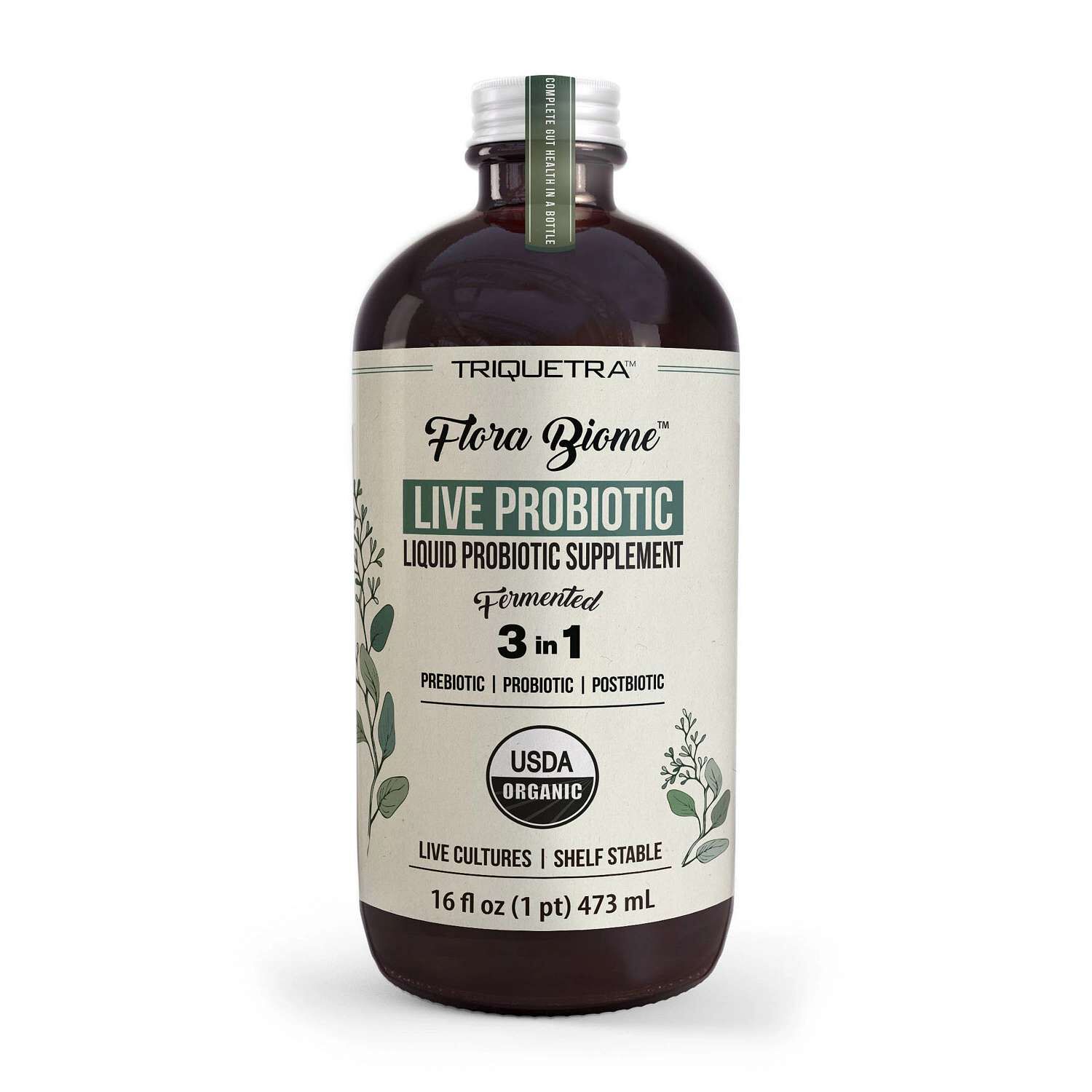




















Probiotics for adults with digestive issues bring together supplement formats, culture blends, and ingredient preferences that deserve a closer look beyond the front of the package. Probiotics are live microorganisms, including certain bacteria and yeasts, used in foods and supplements. The digestive tract contains a diverse community of microorganisms, often called the gut microbiota, but probiotic supplements are not interchangeable simply because they share a category name. Their culture identities, amounts, accompanying ingredients, and storage requirements can differ considerably. For adults exploring this category, those differences provide a more useful starting point than a bold number or a lengthy ingredient list. A probiotic label may identify a microorganism by genus, species, and strain; the strain is the more specific designation, often shown as a combination of letters and numbers. Familiar genus names include Lactobacillus and Bifidobacterium, although some labels use updated scientific names. Seeing the same genus on two packages does not mean the formulas are identical. Culture amounts are commonly expressed in colony-forming units, abbreviated CFU, which describe the quantity of viable microorganisms under the stated measurement conditions. The number is only one part of the label, alongside the serving size, culture identities, and dating information. A larger CFU count alone does not establish that a formula is a better match for a particular person, and a longer roster of strains is not a ranking system. Some formulas contain one identified strain, while others combine several. Digestive concerns are personal, and a category description cannot establish how an individual will respond to a supplement. Keeping the focus on transparent labeling, intended adult use, and practical preferences makes the assortment easier to compare without treating every formula as the same experience. The most informative comparison puts similar details side by side: culture names, CFU per serving, number of capsules or other units per serving, additional ingredients, and storage directions.
Format is another meaningful distinction, especially when a supplement needs to fit an ordinary workday rather than an imaginary perfect routine. Capsules offer a contained format without mixing or measuring, while powders require attention to serving measurements and any preparation directions. Chewable options place more emphasis on flavor and texture, with sweeteners and other ingredients that differ from capsule formulas. A powder stirred into an approved food or beverage creates a different routine from a capsule taken according to its package directions; neither format should be assumed to have the same serving size or composition as another. For someone who spends mornings packing lunch and heading out the door, the amount of preparation matters. For someone who travels often, container size and storage requirements deserve equal attention. Capsule dimensions, the number required per serving, and whether a package contains individually portioned servings can all shape the day-to-day experience. Materials matter here, too. Capsule shells may be made with gelatin or plant-derived materials, and the shell composition is separate from the cultures inside. Adults who follow vegetarian eating patterns can explore Probiotics For Adults With Vegetarian Lifestyle while comparing capsule materials and the full ingredient statement. A plant-derived capsule does not, by itself, describe every ingredient in a formula. Allergen statements, flavoring ingredients, and dietary designations offer additional details for shoppers with established food preferences or ingredient restrictions. Some probiotic supplements also include prebiotic ingredients, such as inulin or other fibers. Prebiotics are distinct from the live cultures that define probiotic formulas, so their presence changes what is included in the serving. Added vitamins, minerals, or botanical ingredients likewise make a blend different from a formula centered on cultures alone. A clear label separates these components and states their amounts where applicable. That distinction is especially useful when comparing supplements with other products already in a daily routine, since similar packaging can conceal very different ingredient combinations.
Storage and packaging deserve as much attention as format because live-culture supplements have handling requirements that vary by formula. Some labels call for refrigeration, while others specify room-temperature storage within stated conditions. Room-temperature storage does not mean a bottle belongs in a sunlit car, beside a warm stove, or on a damp bathroom shelf. The relevant details are the package’s temperature guidance, moisture precautions, closure instructions, and expiration date. A screw-top bottle, a blister package, and an individually sealed powder packet each involve different handling habits; packaging alone does not establish culture quality or suitability. For a bottle, keeping the original label readable preserves access to serving and storage information. For packets, intact seals and legible dates matter more than how neatly they fit into a bag. Travel adds another practical consideration: a formula with refrigeration instructions requires different planning from one labeled for room-temperature storage. The stated CFU amount also deserves context. Label language may describe a count at manufacture or through the expiration date under specified storage conditions, and those statements are not equivalent. Comparing that wording alongside the date provides a clearer picture of what the manufacturer actually states. Everyday food choices offer additional background for this category. Yogurt and kefir are familiar examples of foods that can contain live cultures, while the culture content of fermented foods varies with processing and storage. Not every fermented food contains living microorganisms at the time it is eaten, and a food serving is not interchangeable with a labeled supplement serving. Adults browsing probiotics may have very different priorities: a straightforward ingredient list, a vegetarian capsule, a format without added flavor, or packaging suited to a regular commute. Those are concrete distinctions that a product description and label can address. The useful details remain consistent across the assortment: identified cultures, clearly stated serving information, ingredient transparency, dietary compatibility, and care requirements. Together, they provide a grounded way to compare adult probiotic supplements while keeping personal preferences and everyday practicality in view.
Best Sellers
-
 Physician's Choice
Related Pages


Top Collections
- Top Rated Collagen | Shop Customer Favorites | GNC
- Cortisol Supplements
- Vitamins For Hair Loss
- NAD+ Supplement Tablets
- Peptide Supplements
- Best Brand of Magnesium Glycinate
- Vitamins That Help Support Weight Gain
- Protein Powders For Muscle Growth Support
- Spirulina Tablets
- Peptide Supplements for Muscle Growth