

Probiotics For Athletes
(0 Results)
Enhance your athletic performance from within with our selection of probiotics specially formulated for athletes. Supporting your gut health is essential for maximizing your training efforts and achieving peak physical condition. Probiotics can help boost your immune system, aid in nutrient absorption, and promote overall digestive wellness, enabling you to push your limits and recover faster. Discover how incorporating probiotics into your daily routine can give you that extra edge in reaching your fitness goals.
-
 205$34.99
 -
_Front.jpg?sw=305&sh=305&sm=fit "BioDophilus60 - 30 Capsules (30 Servings) | GNC")
-
_Front.jpg?sw=305&sh=305&sm=fit "BioDophilus60 - 60 Capsules (60 Servings) | GNC")
-
_Front.jpg?sw=305&sh=305&sm=fit "BioDophilus25 -120 Capsules (120 Servings) | GNC")
-
_Front.jpg?sw=305&sh=305&sm=fit "BioDophilus25 - 60 Capsules (60 Servings) | GNC")
-
 Portions Master$69.99
 -

-
 1$14.99
 -
 You Matter Wellness$49.99
 -
 $18.99

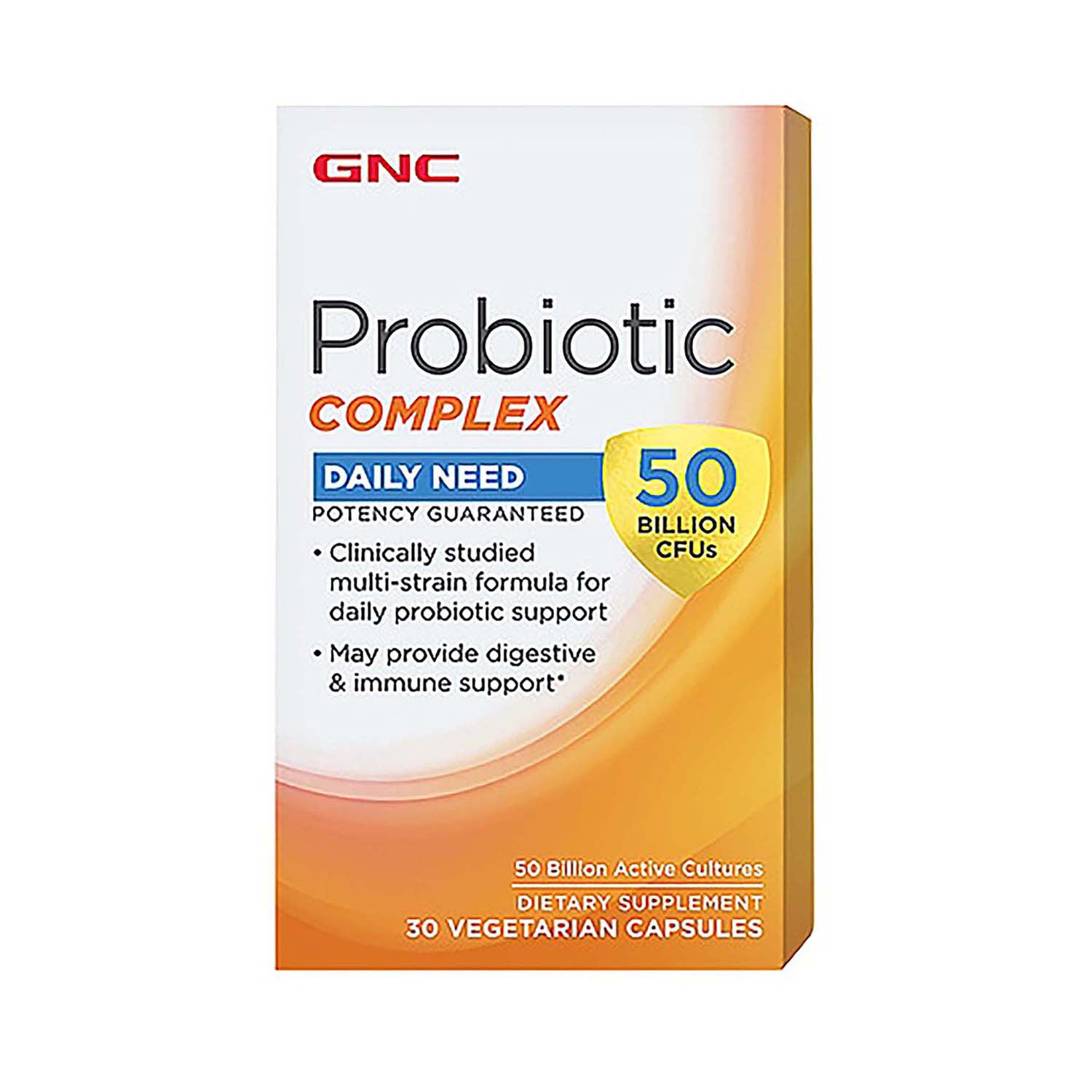

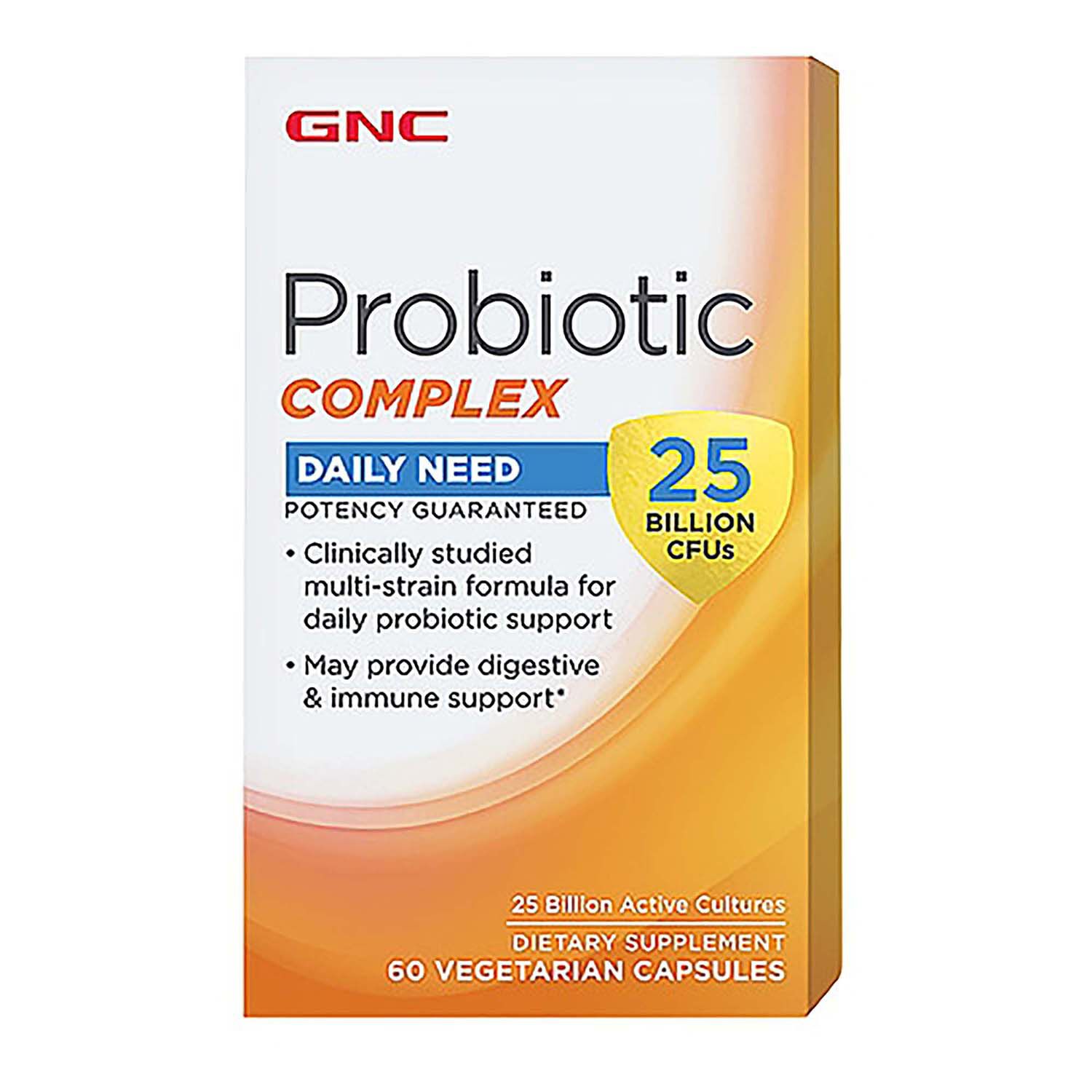

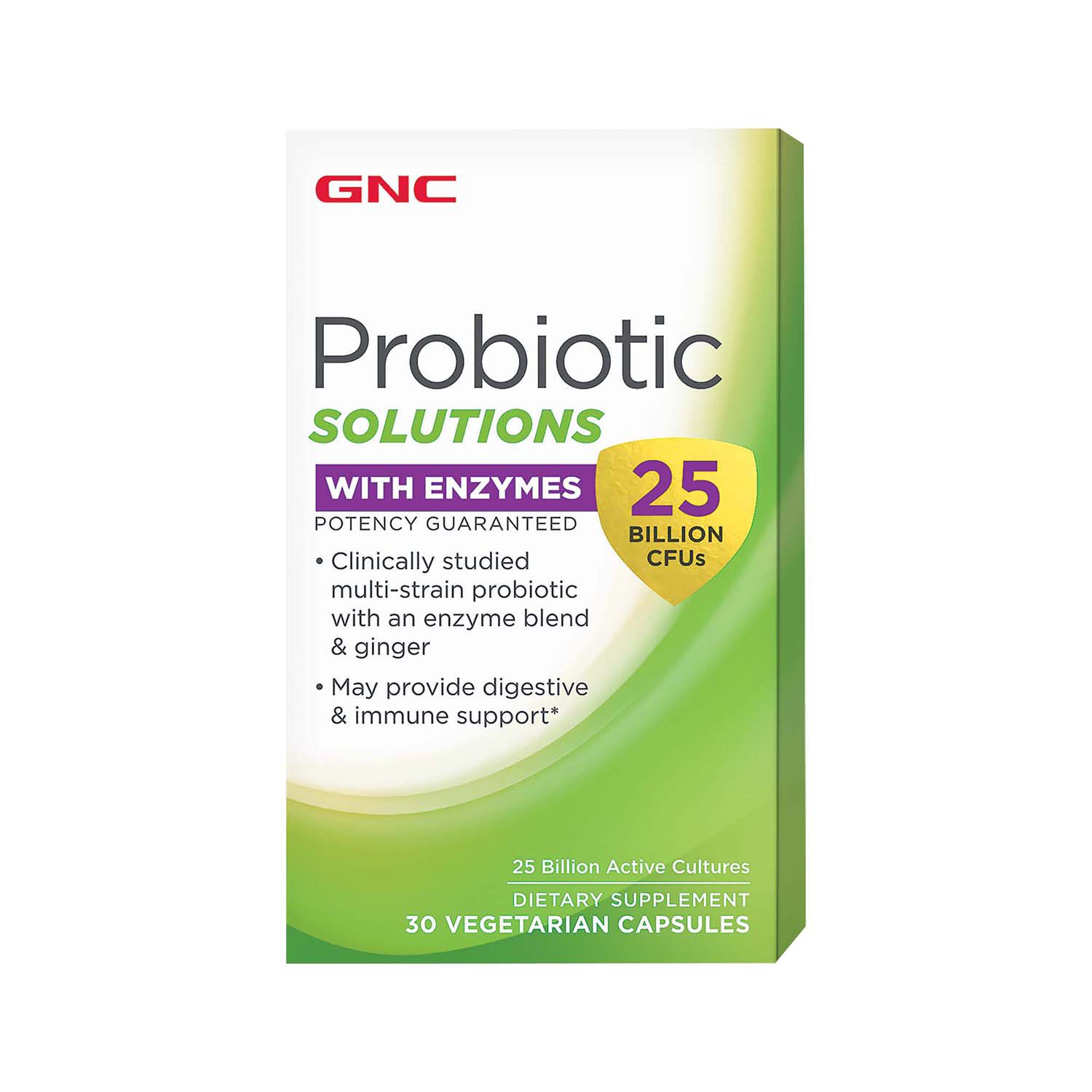


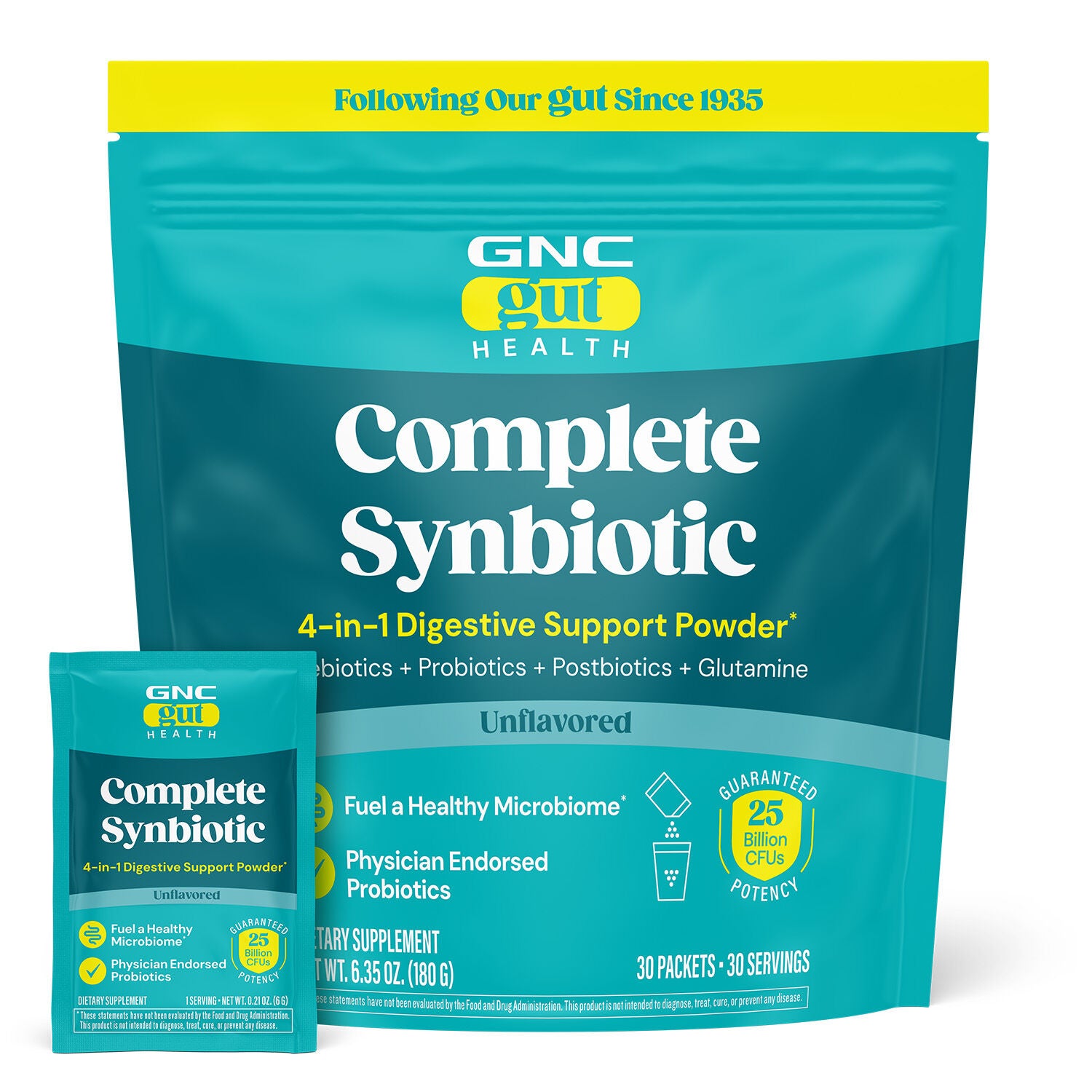
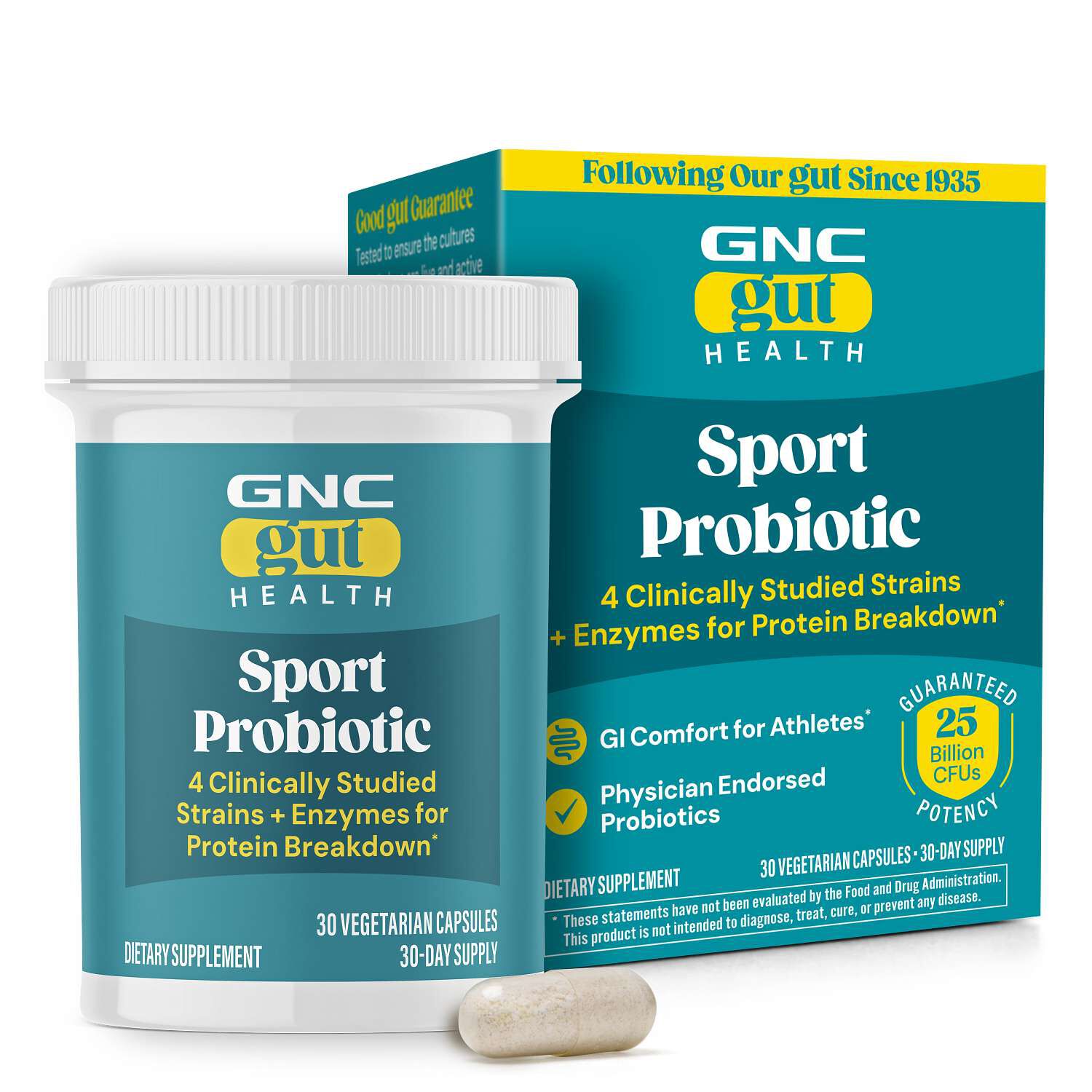

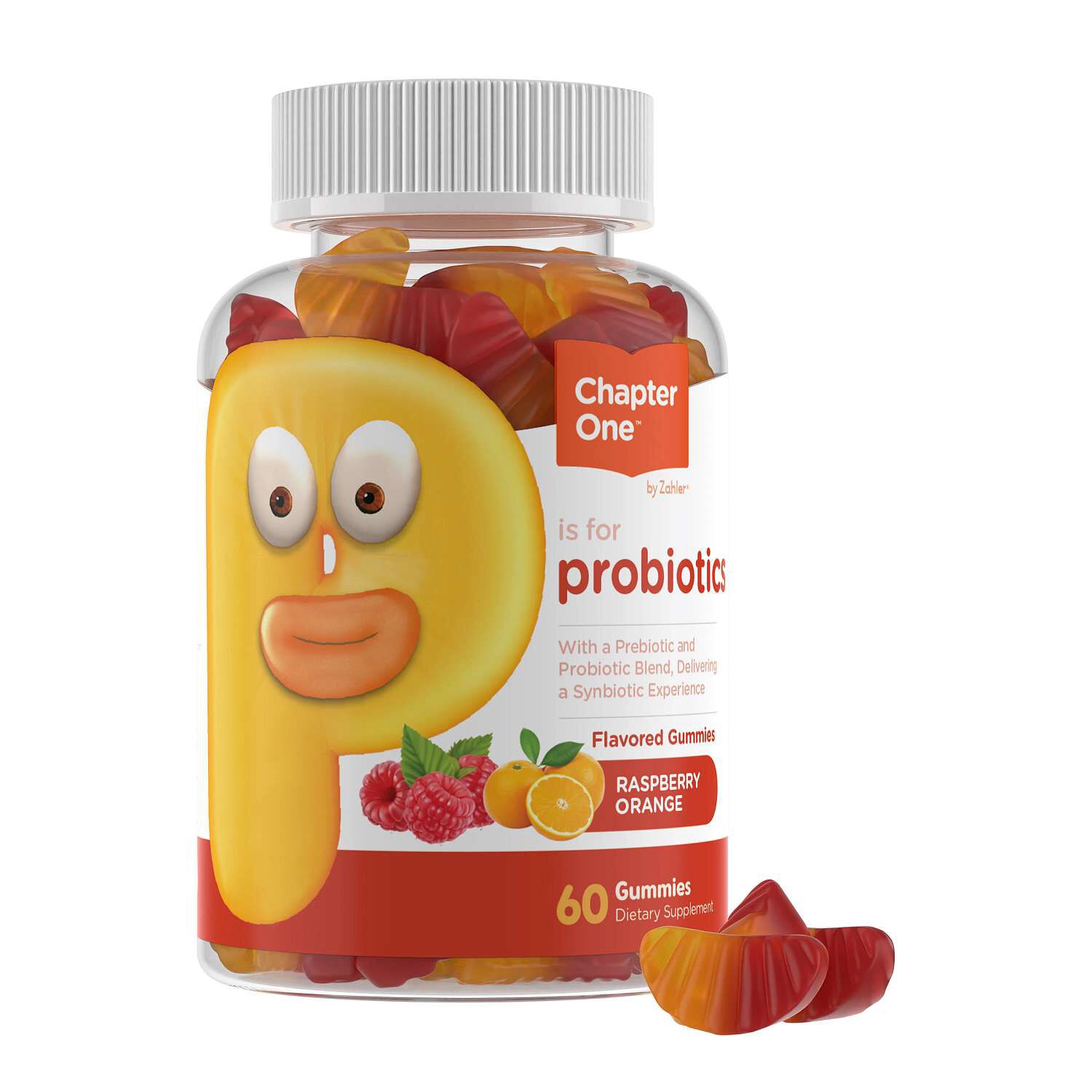
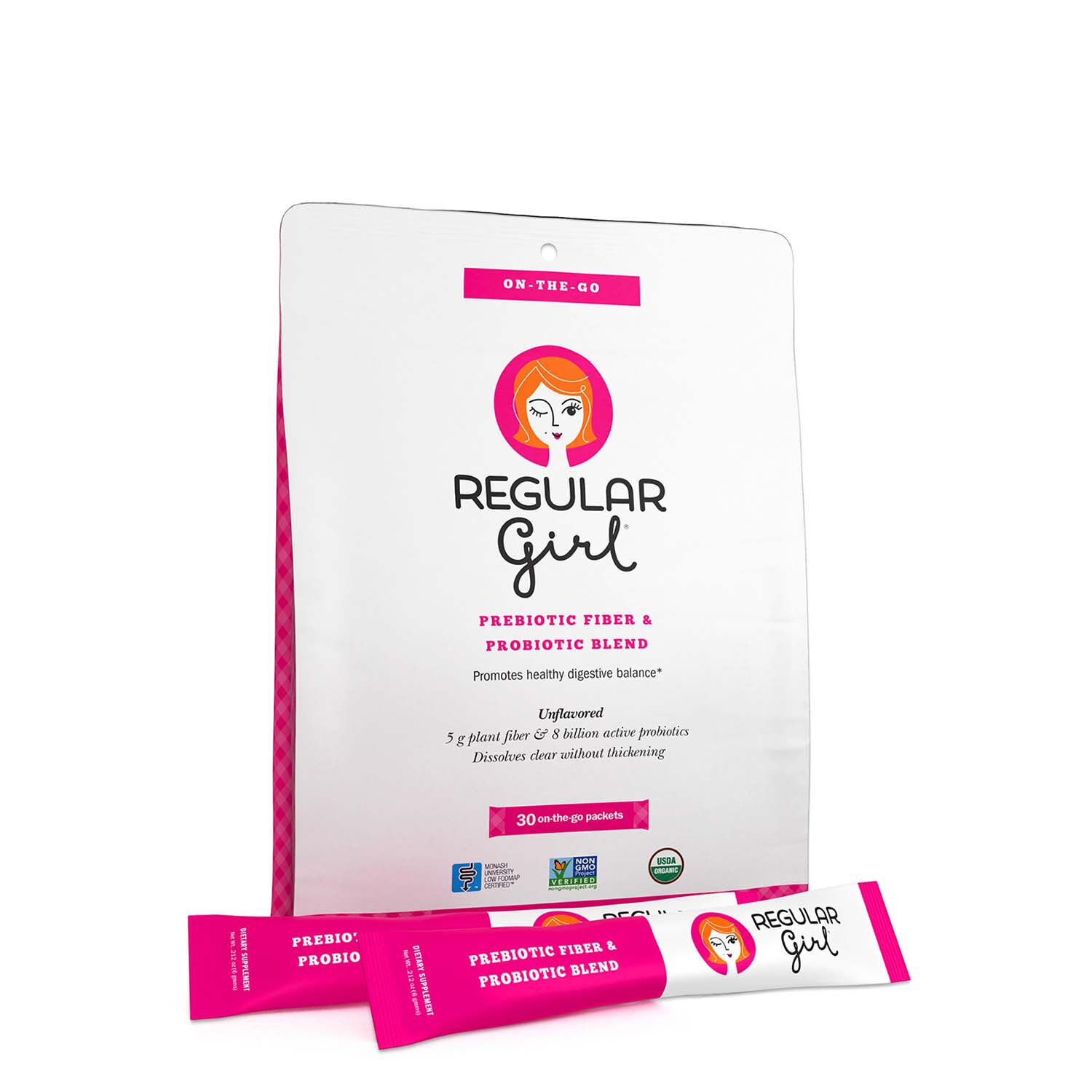
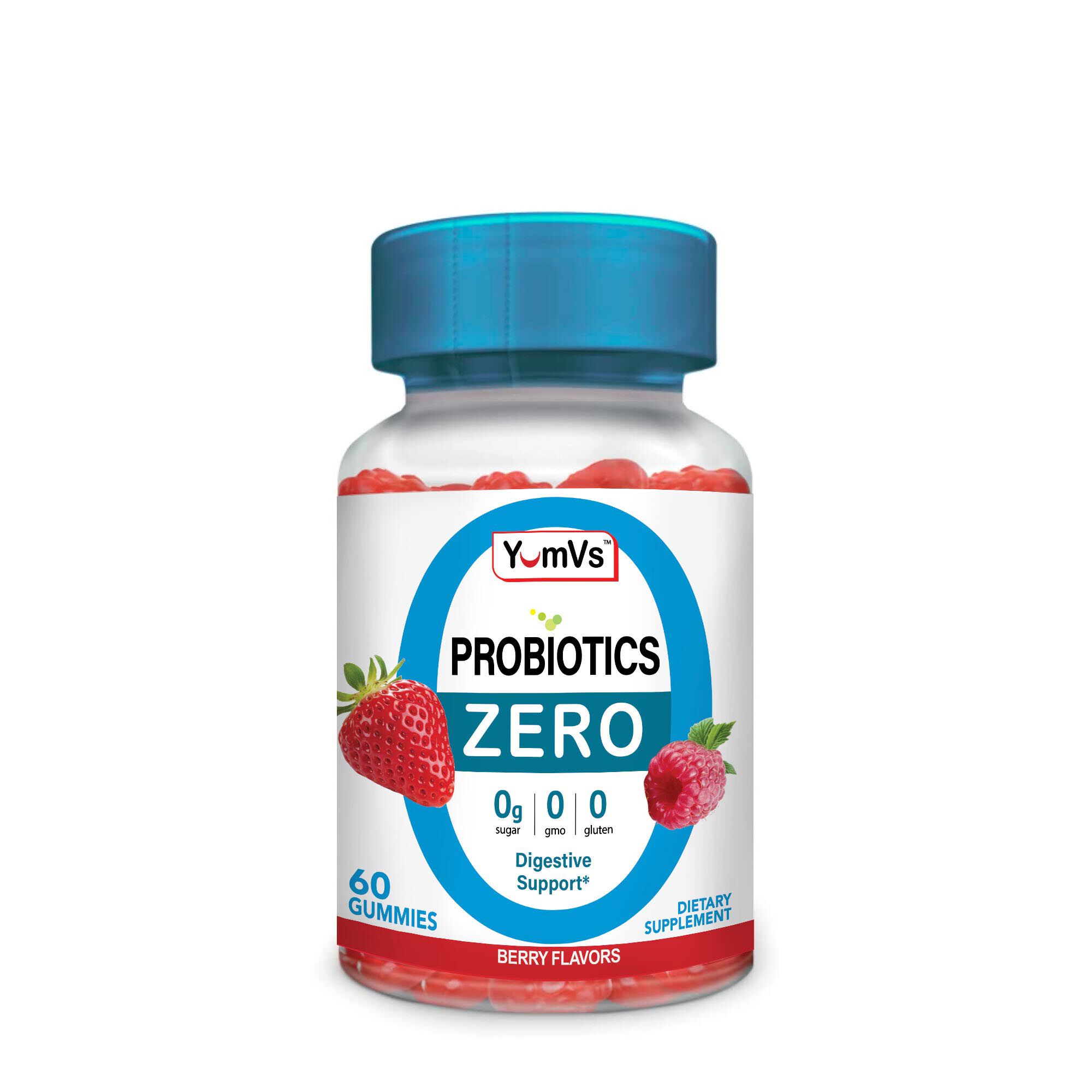
Probiotics for athletes are dietary supplements containing live microorganisms, offered in formats that can fit alongside meals, training schedules, and everyday nutrition habits. The category appeals to a wide range of active adults, from runners logging long distances and cyclists spending hours in the saddle to lifters, swimmers, and recreational team players. Shopping for an athlete-focused probiotic starts with understanding what distinguishes one formula from another: the microorganisms listed, the serving size, the format, the storage requirements, and the other ingredients included. The gut microbiome is the community of microorganisms living in the digestive tract, and it provides the background for much of the interest in probiotic supplements. However, an athlete-focused label alone does not establish that a formula is appropriate for every sport or person. Probiotics are not interchangeable with protein powders, carbohydrate mixes, or electrolyte beverages, and they should not be evaluated as though they serve the same purpose. Their defining details are the organisms and formulation rather than grams of protein or carbohydrates per serving. Labels often identify microorganisms by genus, species, and strain, with the strain appearing as an additional combination of letters or numbers. Those details matter when comparing a product with information about its ingredients; a familiar species name does not necessarily identify the same strain. Names such as Lactobacillus and Bifidobacterium commonly appear in this category, while individual formulas vary in the strains they contain. Some contain a single strain, and others combine several. A longer strain list is not, by itself, a reason to prefer one supplement over another. For athletes sorting through options, a clearly described formula and a manageable serving routine may be more useful selection criteria than bold front-label language. The practical starting point is a supplement whose labeling makes its contents, intended use, and handling requirements easy to understand.
Comparing probiotic supplements for athletes also means looking beyond the most prominent number on the package. Many labels express the quantity of live microorganisms in colony-forming units, commonly abbreviated CFU. That figure describes a quantity, not a universal ranking of product quality or suitability. It is worth checking whether the stated amount applies at the time of manufacture or through the expiration date when the product is stored as directed. Serving size adds another distinction: a listed amount may refer to one capsule, several capsules, or a measured portion of powder. Two packages with similar front-label numbers can therefore involve different daily routines. Capsules may appeal to someone who prefers a compact format without a flavored serving, while chewable options introduce considerations such as flavor, texture, and sweeteners. Powders have their own preparation directions, including how to measure a serving and whether the label specifies a particular mixing method. For someone heading from a morning workout straight to an office, preparation and portability may shape the choice as much as the ingredient list. Capsule shell materials, including gelatin or plant-derived alternatives, can also matter when comparing products with personal dietary preferences. Other details to review include declared allergens, added sugars, flavoring ingredients, and any components beyond the probiotic organisms. Some formulas include prebiotic ingredients, which are distinct from the live microorganisms themselves and deserve their own attention on the label. Clear labeling makes it easier to distinguish a straightforward probiotic formula from a blend containing several ingredient categories. Athletes who participate in organized competition may also place particular importance on independent certification related to sport. The scope of a certification matters: an evaluation of manufacturing practices is not necessarily the same as testing for substances prohibited in competition. A recognizable seal is most useful when its meaning and the exact certified formula can be verified. These concrete distinctions offer a more grounded basis for comparison than assuming that an athlete-oriented package establishes suitability for competitive use.
The everyday fit of a probiotic often comes down to details that are easy to overlook while browsing. A distance runner traveling for an event, a recreational lifter with a regular breakfast routine, and a swimmer carrying a bag between the pool and work may each value a different format. Storage instructions are especially relevant because some probiotic supplements require refrigeration and others are labeled for storage without it. The package directions, rather than a general assumption about probiotics, should determine how an individual formula is handled. Original containers, secure closures, and clearly printed expiration dates are practical features to consider when a supplement will move between home and a travel bag. Packaging durability matters here in a different way than it does for training equipment: the container needs to remain intact and suitable for the handling described on its label. A small package may be convenient for travel, but convenience does not replace its storage requirements. Likewise, transferring servings to another container can separate them from directions, ingredient information, and the expiration date. For an athlete with a crowded schedule, a format that requires little preparation may be appealing; for someone who prefers measuring a powder at home, portability may be less important. Neither preference makes a format universally better. Package size is another practical comparison point, especially when considered alongside the number of servings and the labeled expiration date. Supplement routines also extend beyond organized sports, and Probiotic Supplements For Active Adults offers a related category for shoppers whose activity includes gym sessions, walking, hiking, and recreational movement. Across these settings, the most relevant comparisons remain specific: named strains, clearly stated quantities, suitable ingredients, understandable directions, and storage that fits the intended setting. Probiotic supplements belong within a broader conversation about everyday nutrition, not in place of meals, hydration, rest, or training preparation. Keeping that distinction in view makes the category easier to navigate without treating a supplement as a shortcut to athletic achievement. A thoughtful purchase starts with the actual label and the practical demands of the person who will use it.
Best Sellers
-
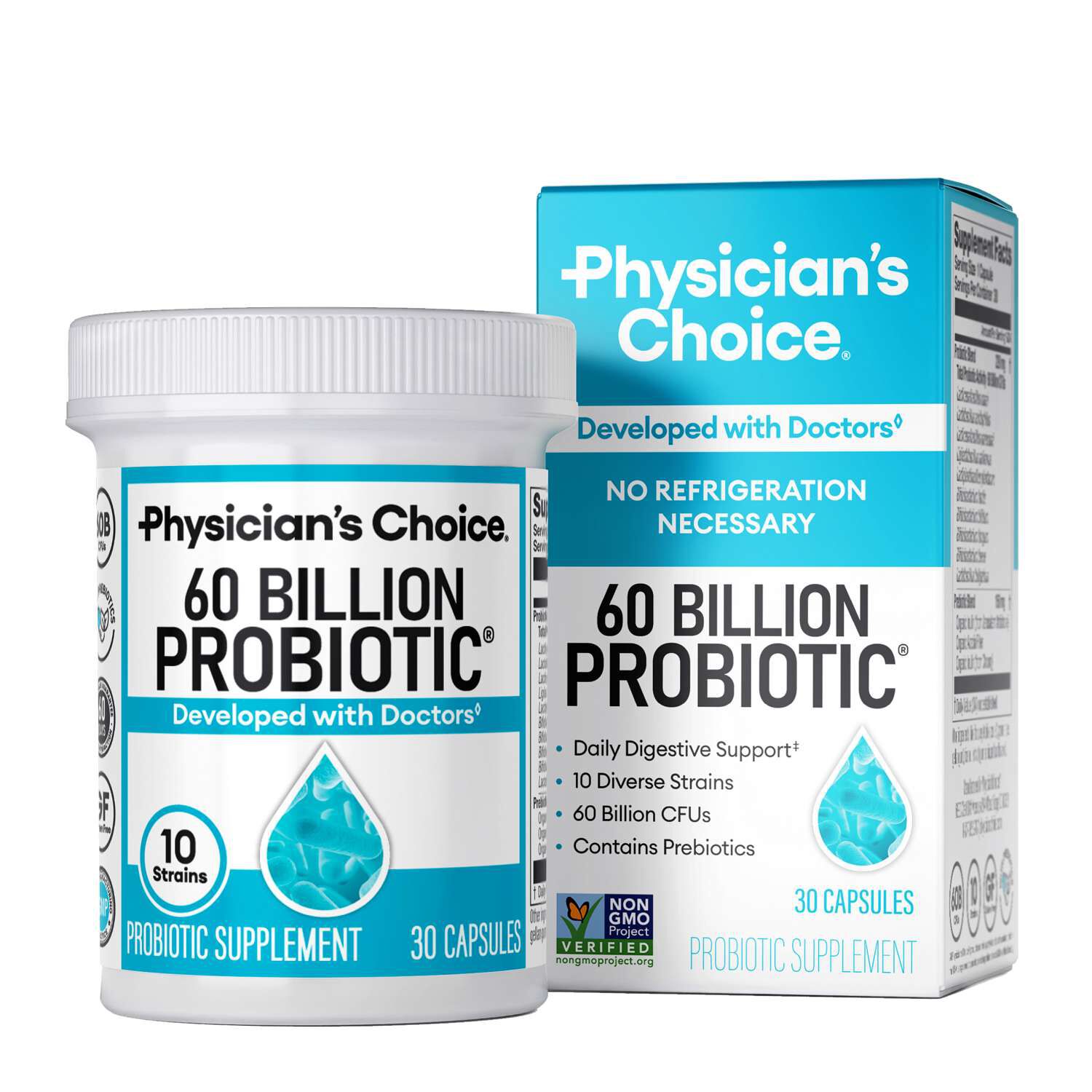 Physician's Choice