Products For Brain Fog Relief
(0 Results)
Discover products for brain fog relief designed to support your focus and mental clarity throughout the day. Whether you’re navigating a busy schedule, tackling work projects, or simply looking to stay sharp, these selections may help you feel more alert and refreshed. Explore a range of options that could fit seamlessly into your wellness routine, so you can find what works best for your lifestyle and goals.


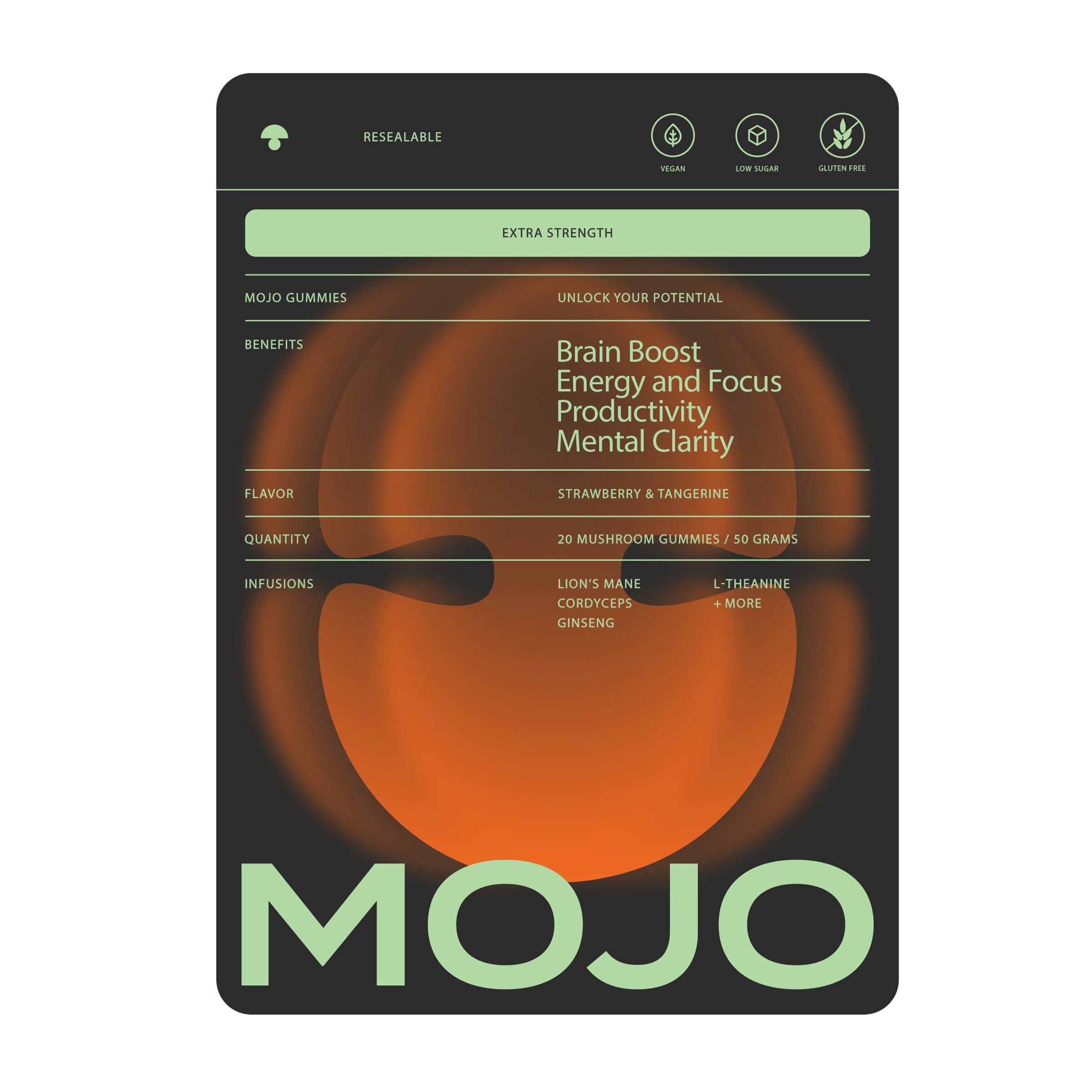
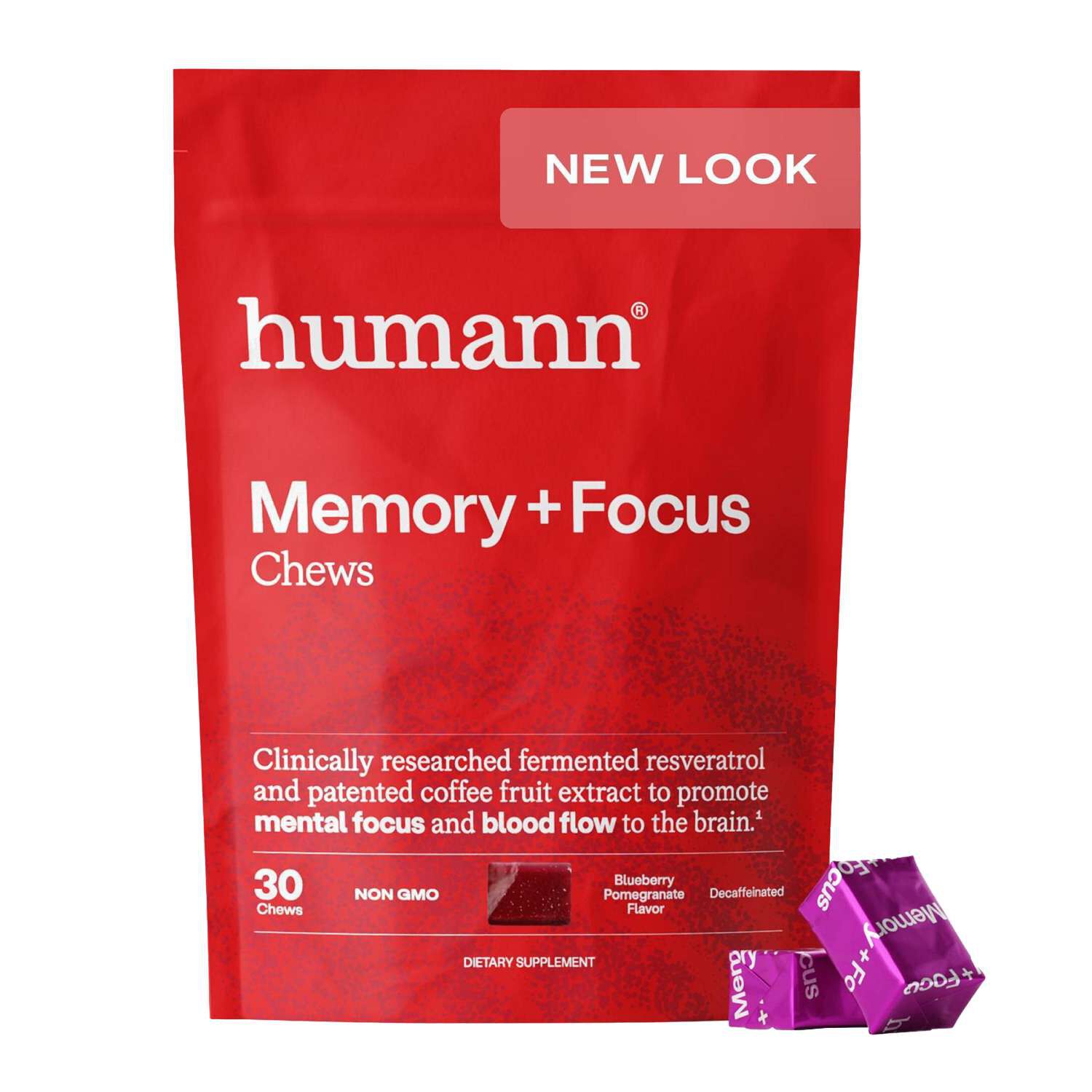
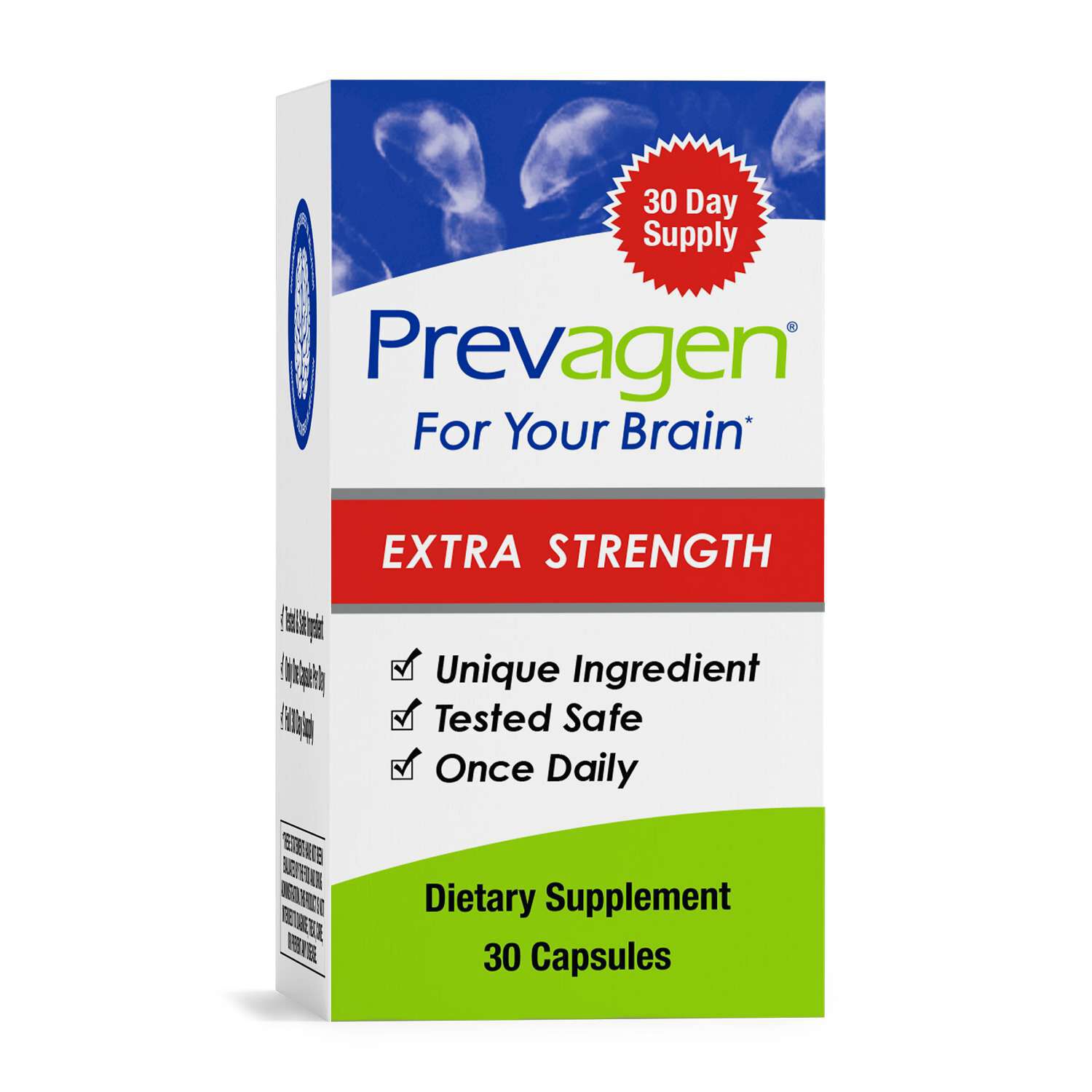


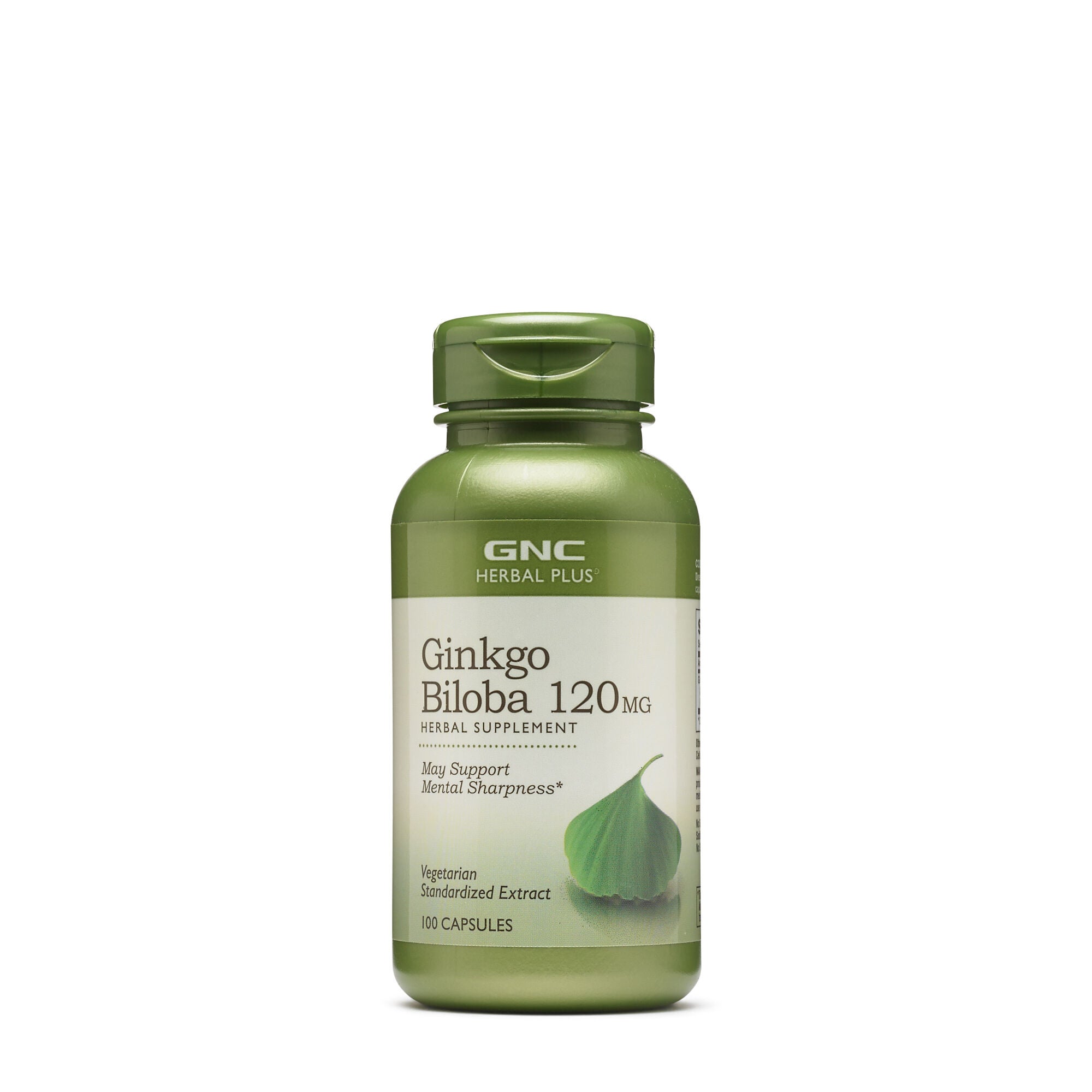


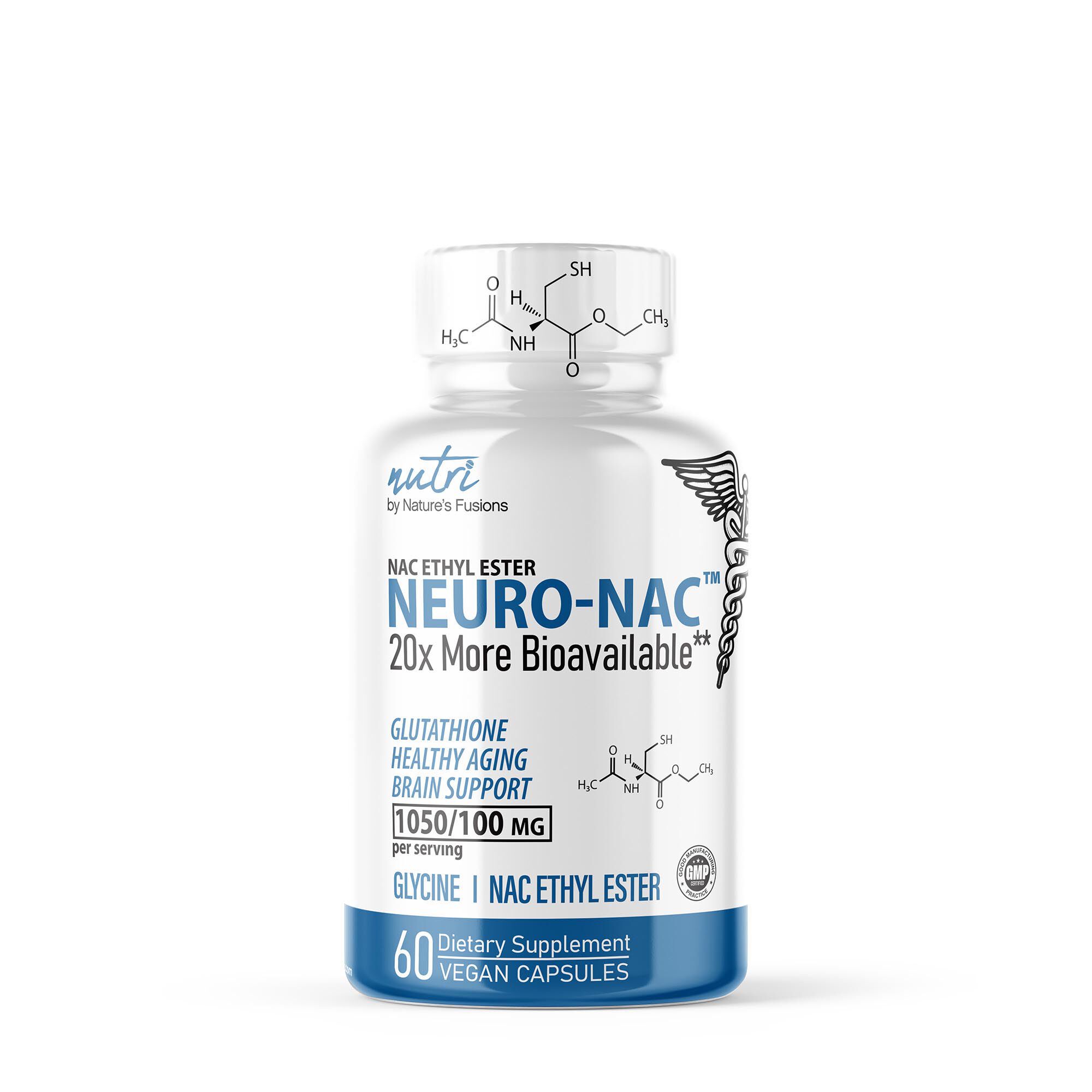
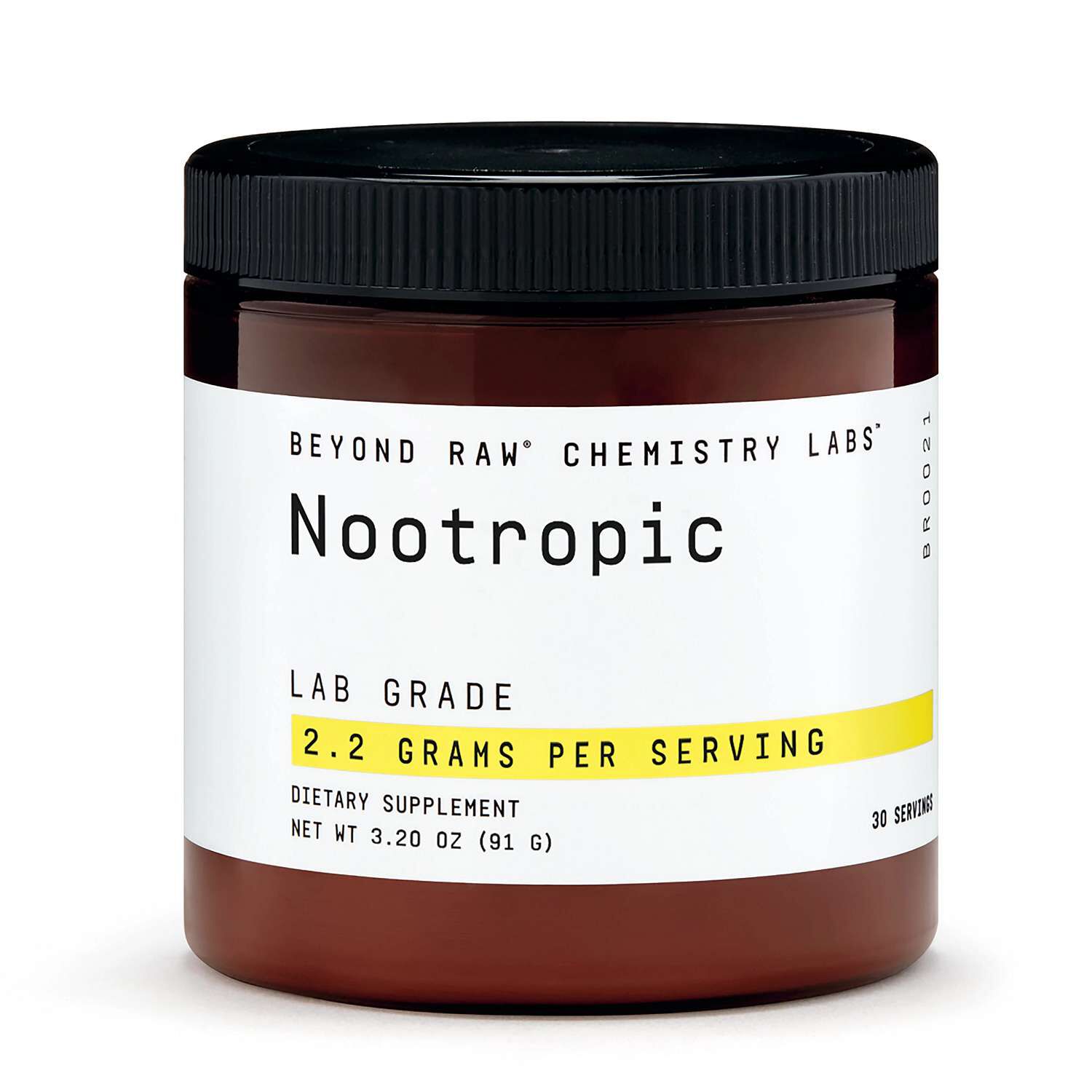

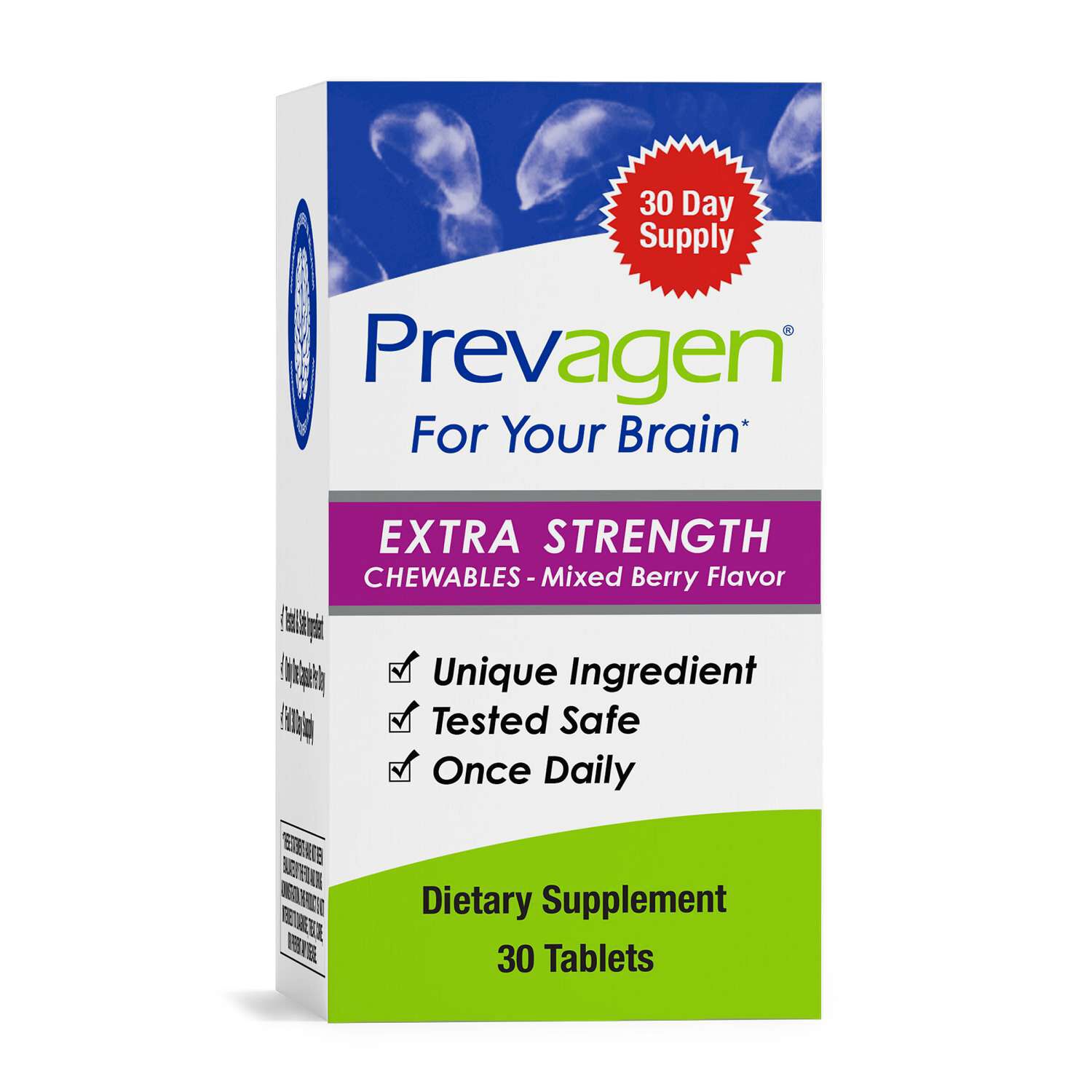
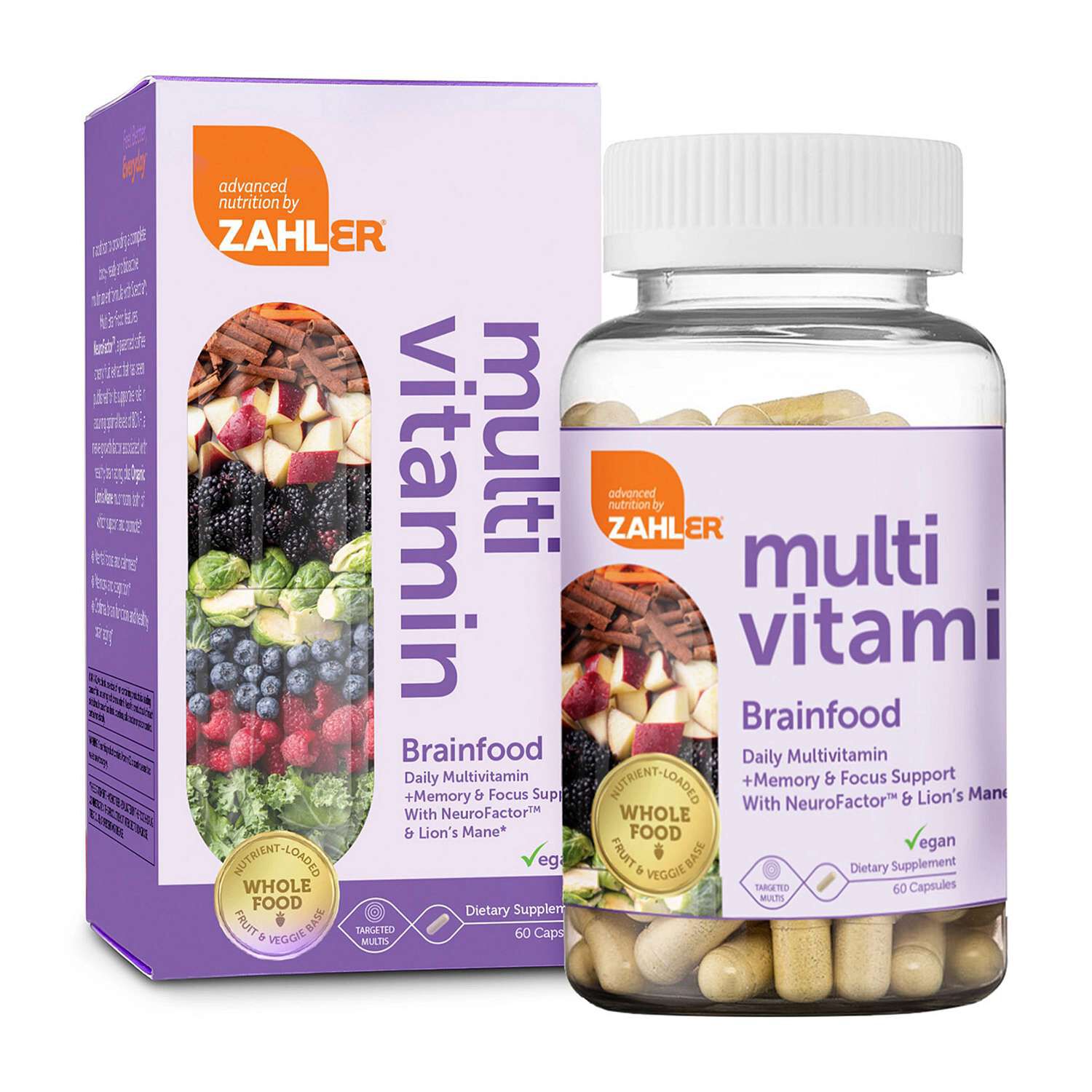
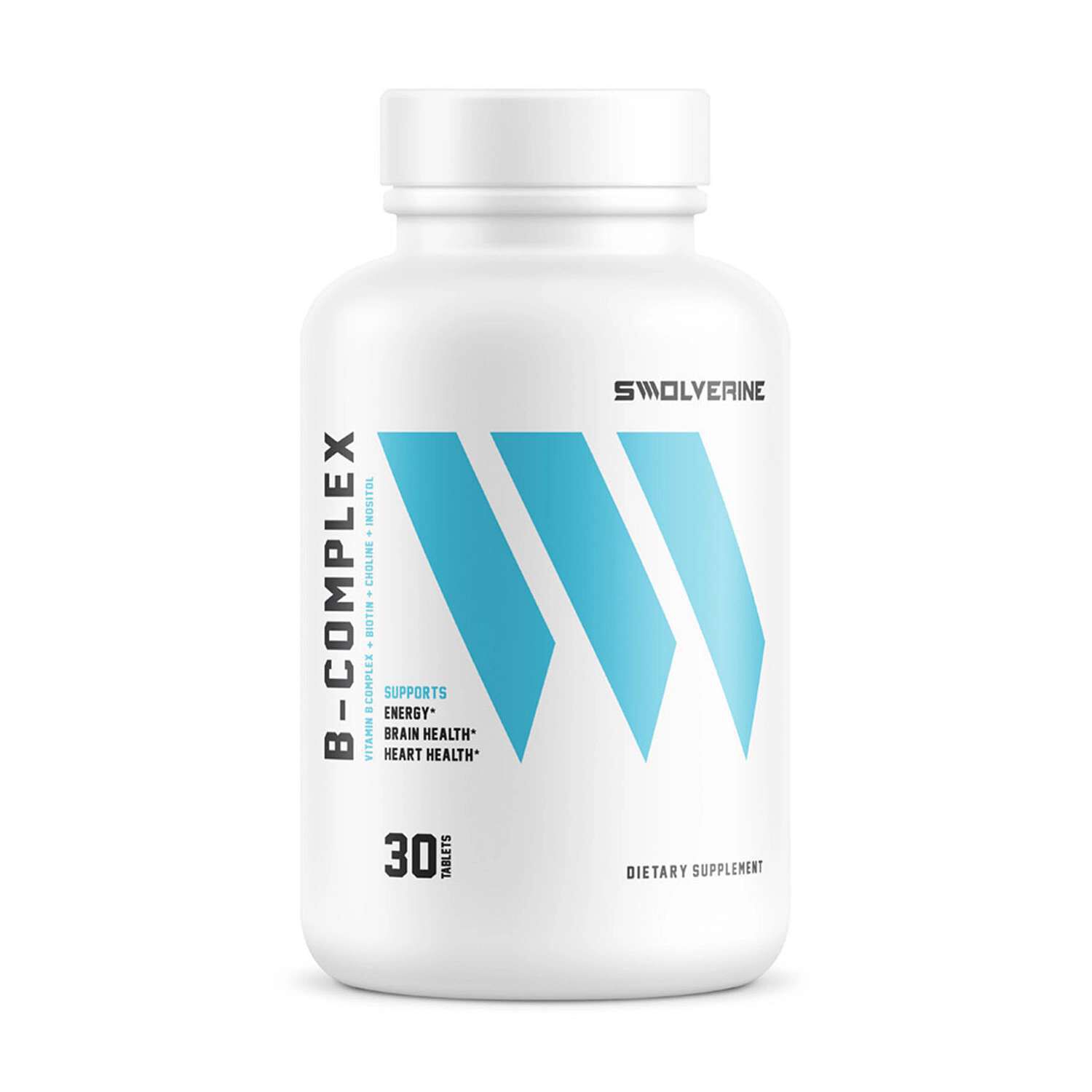
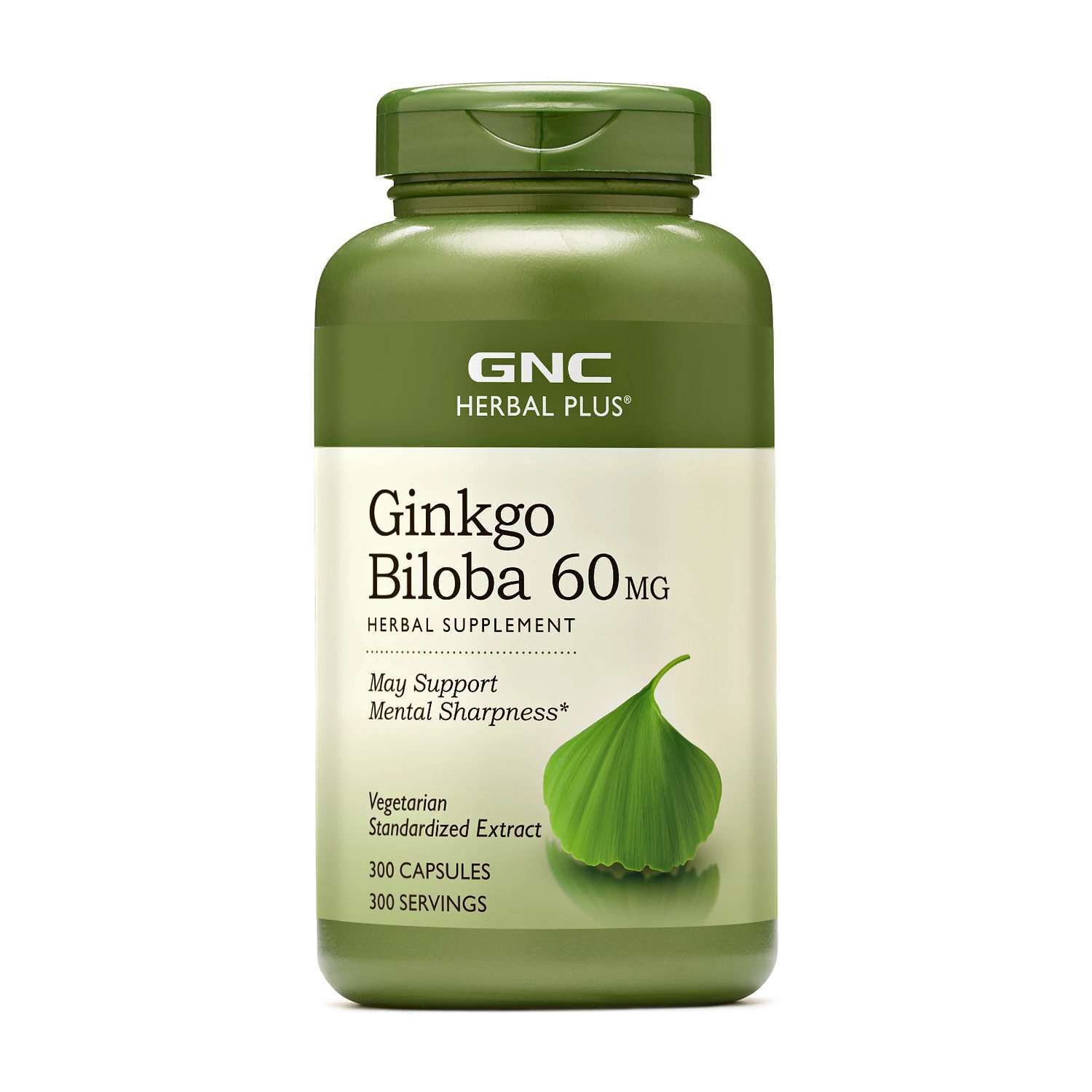
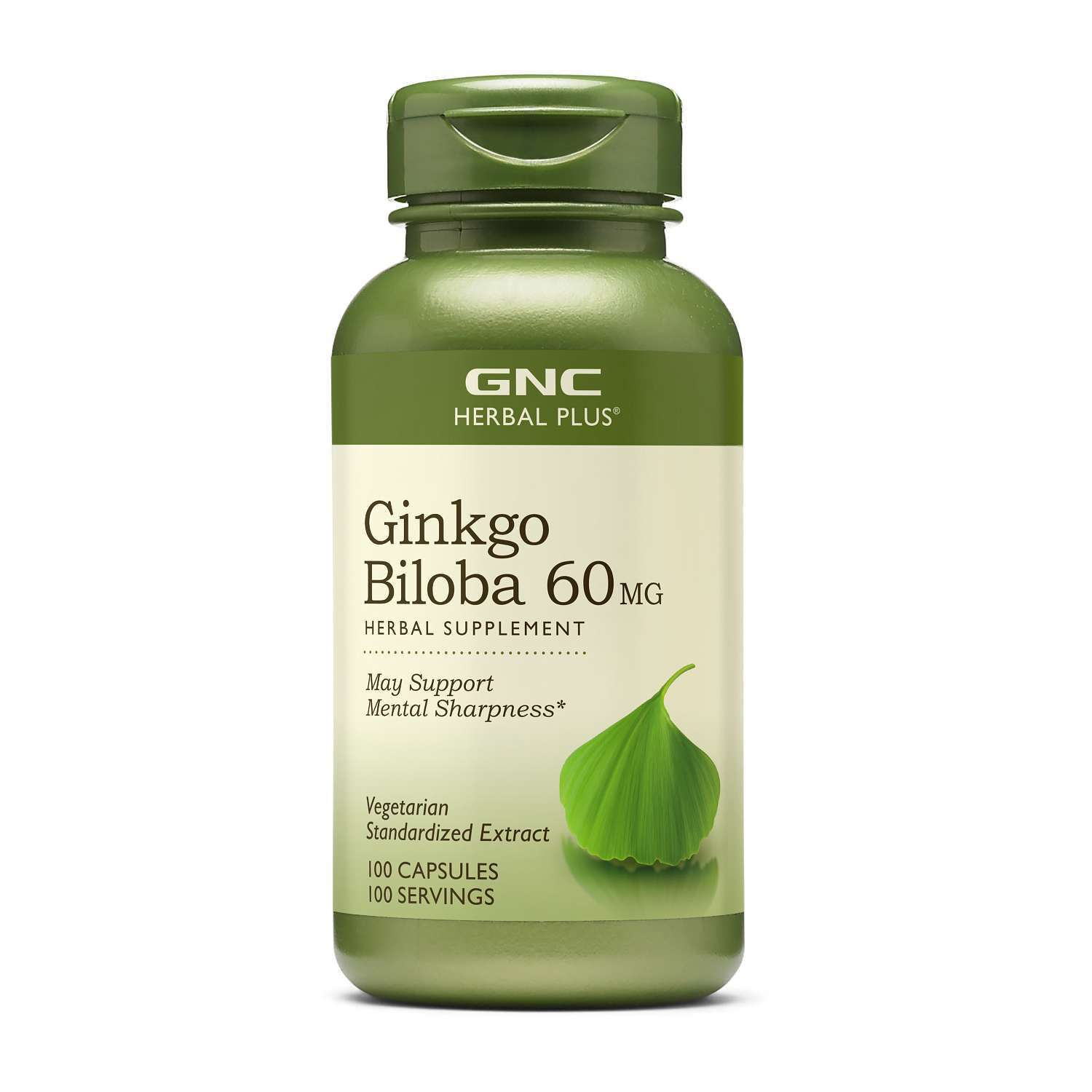


Products for brain fog relief span several supplement categories, including B-complex vitamins, vitamin D, omega-3 fatty acids, magnesium, and blends formulated with ingredients such as L-theanine. Brain fog is an everyday phrase people use for experiences such as losing their place while reading, struggling to organize a busy afternoon, or finding it difficult to stay with a detailed task. It is not a precise description of a nutritional need, and a product’s inclusion in this category does not establish that it will resolve those experiences. For shoppers interested in everyday cognitive wellness, the useful distinctions are the ingredients, the amount per serving, the format, and the intended use printed on the label. B-complex formulas typically combine several B vitamins, while individual vitamin options offer a narrower ingredient profile. Omega-3 supplements may use fish-derived or algae-derived oils, making the source relevant to dietary preferences. Magnesium appears in several forms, so the full ingredient name matters more than the mineral name alone. L-theanine is an amino acid found in tea and is also used in standalone supplements and combination formulas. Some formulations may support focus or a sense of calm, but evidence differs by ingredient and formulation; a category name is not evidence of an effect. A longer ingredient list is not automatically a better match for a particular routine. Someone comparing options for a desk-based workday may value straightforward serving instructions, while an adult student may prefer a portable format that fits alongside books and a water bottle. Neither scenario calls for assuming that everyone needs the same nutrients or the same blend. The most informative comparison starts with what is actually in each serving rather than the imagery on the front of the package. Ingredient sources, clearly stated quantities, and dietary details offer a more concrete basis for browsing than broad language about sharper thinking. These distinctions also separate a single-nutrient supplement from a multi-ingredient formula, even when both appear in the same brain fog supplement collection.
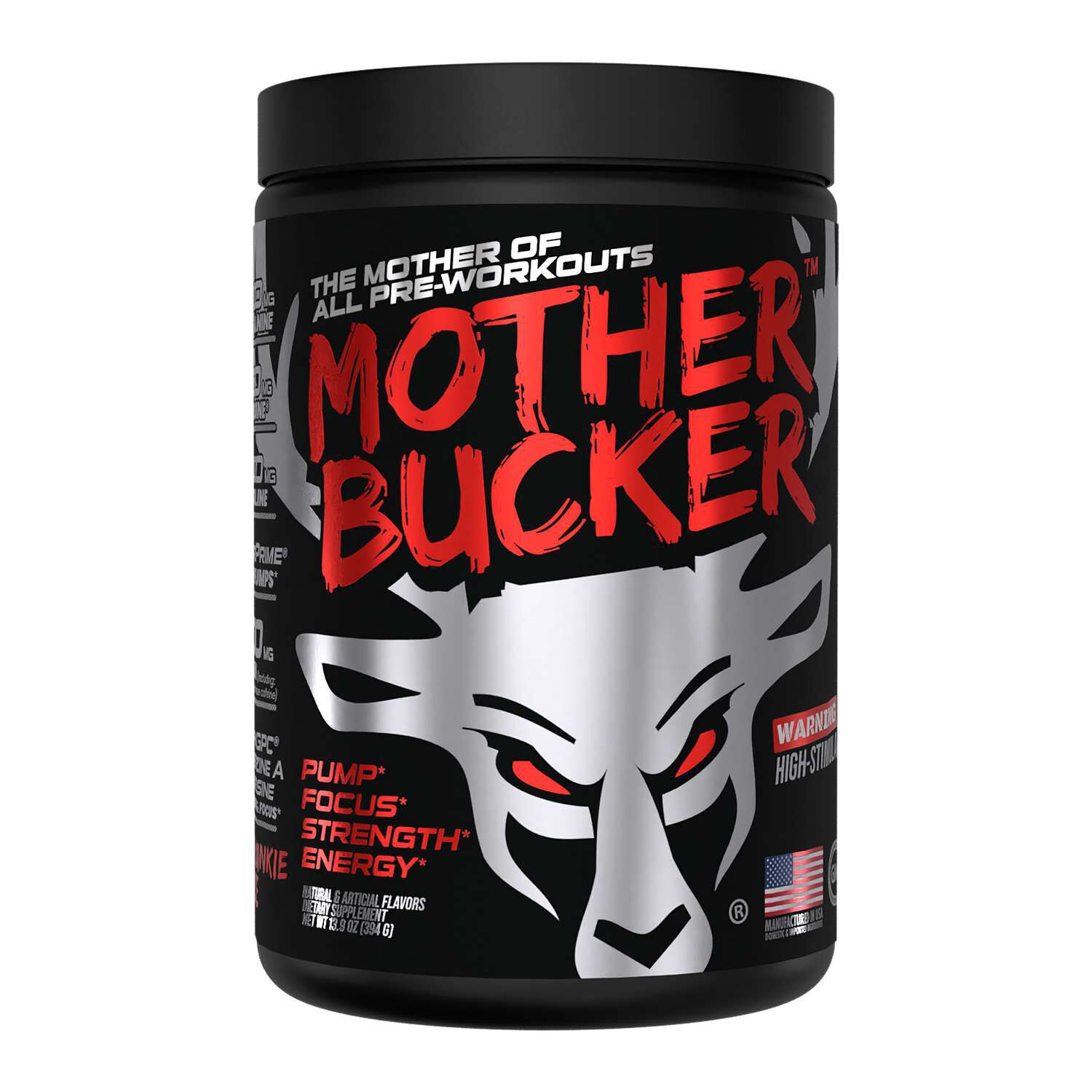
The physical format deserves as much attention as the ingredient list because it determines how a supplement fits into an ordinary day. Capsules and tablets offer measured servings without mixing, although one serving may contain more than one capsule or tablet. Size, coating, and the number required per serving are practical considerations for anyone with a strong preference about swallowing supplements. Softgels are often used for oil-based ingredients, and their shells may contain gelatin or other materials worth checking against personal dietary preferences. Gummies offer a chewable alternative, with texture, flavor, added sugars, and serving count all relevant to the comparison. Liquids involve a measured portion and may have specific instructions for shaking or storage after opening. Powders bring another set of details into view: scoop size, beverage volume, mixing directions, sweetness, and whether the formula is flavored or unflavored. A powder intended for a full glass of water occupies a different place in a routine than a capsule taken according to its label directions. For shoppers who prefer a mixable format, Nootropic Powders For Brain Fog offers a related category to explore with those preferences in mind. The word nootropic is used across a range of formulations, so it does not identify one standard ingredient combination or serving amount. A careful look at the Supplement Facts panel reveals more than the category term alone. Flavor descriptions also deserve a realistic reading: a fruit-flavored powder may contain sweeteners, acids, or additional ingredients that affect its taste and texture. Unflavored does not necessarily mean tasteless, particularly when minerals or botanical ingredients are present. For a shared office or a crowded bag, packaging dimensions and preparation requirements can matter as much as flavor. A container that stays at home, a bottle carried between locations, and a powder mixed at a desk each involve different habits. The best format match is personal, grounded in practical preferences rather than an assumption that one delivery method produces a stronger effect.
Beyond format, meaningful product comparisons depend on label detail and clear expectations. The Supplement Facts panel identifies the serving size and declared ingredient amounts, while the other-ingredients list describes components such as capsule materials, flavorings, colors, and sweeteners. An individual ingredient amount is different from the combined weight of a blend; when only a blend’s combined amount is listed, the quantity of each component may not be apparent. Similarly, the weight of an oil is not necessarily the same as the amount of its listed omega-3 components. These distinctions matter when comparing products with similar names but different compositions. Dietary preferences add another layer: a plant-based ingredient can appear inside an animal-derived capsule, and a flavored formula can contain ingredients that are not obvious from its front label. Allergen statements and clearly defined certifications provide additional product information where present. When a label mentions testing, the stated scope matters, since identity or purity testing is different from evidence that a finished formula has a particular effect. Intended-use details also vary, including the audience named on the label, directions for preparation, and any restrictions. Reading those details alongside the ingredient panel keeps the comparison tied to the actual formulation. Care and storage are practical considerations, too. Supplement quality depends on following the package’s storage directions, keeping closures secure, and observing the printed expiration date. Powder containers may include a desiccant packet, and liquids may have different handling instructions once opened. Original packaging keeps those directions, ingredient details, and serving information together. For a household where several people use different supplements, a clearly labeled container is more useful than an unmarked organizer with no reference information nearby. Ultimately, browsing supplements for cognitive wellness is about distinguishing nutrient formulas, ingredient blends, and delivery formats without treating them as interchangeable. A well-matched selection reflects the label’s intended use, the shopper’s dietary preferences, and a realistic place in an existing routine. Clear composition and manageable preparation are tangible qualities to compare, even when individual experiences with a formula may differ.