





Products For Intense Training
(0 Results)
Products for intense training could help you take your fitness routine to the next level. Whether you’re focused on building strength, boosting endurance, or supporting recovery, choosing the right supplements may make a difference in your performance. Explore a wide selection of products for intense training that might support your goals and help you get the most out of every workout.

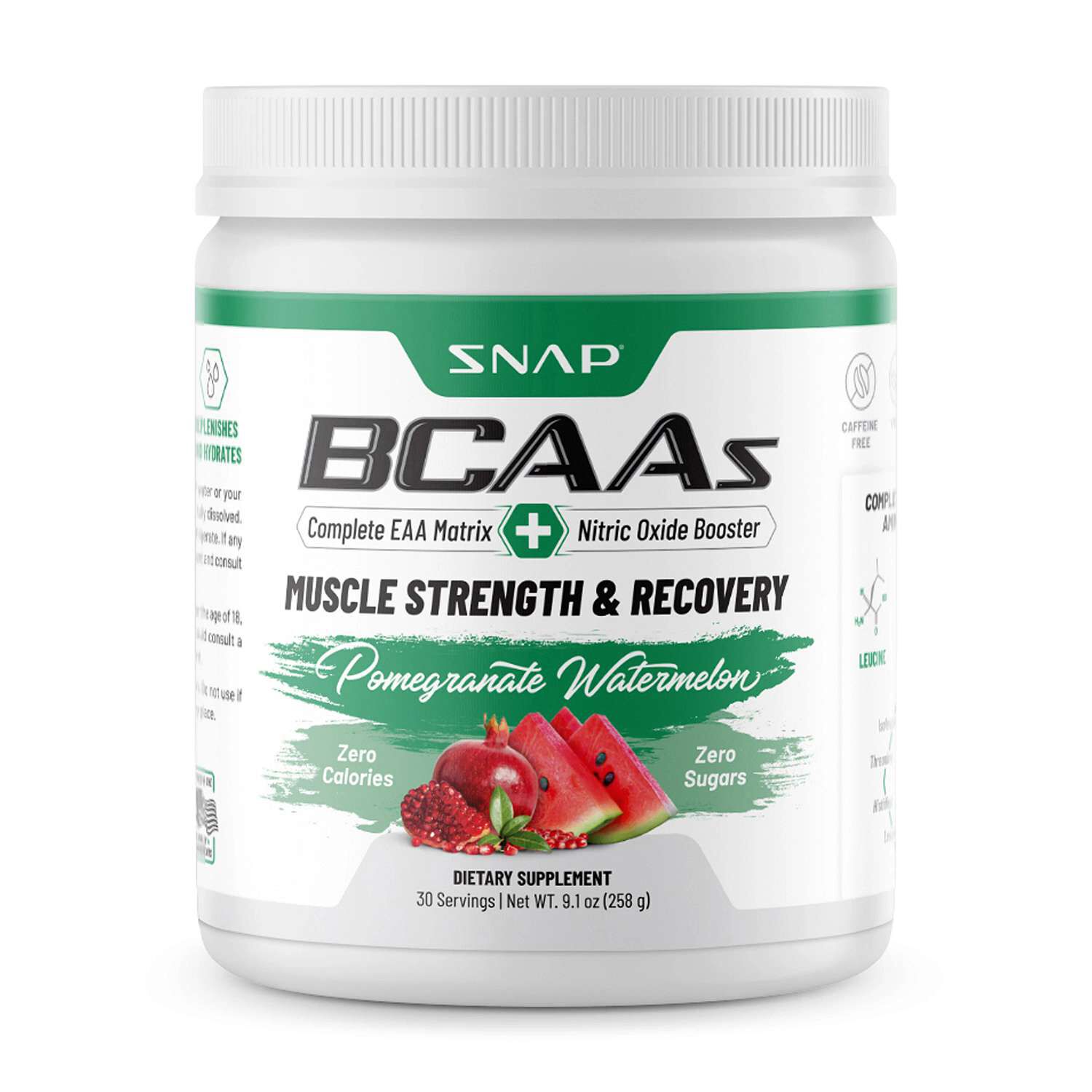
Products for intense training range from protein powders and workout drinks to electrolyte blends, creatine formulas, and portable sports nutrition. The common thread is intended use: these categories are designed around demanding exercise, whether that means heavy lifting, repeated sprint intervals, a challenging circuit, or a long endurance session. Their differences matter more than an aggressive name or an elaborate flavor description. Protein supplements may support muscle maintenance and recovery after exercise, while carbohydrate-containing options may provide fuel for prolonged activity. A lifter finishing a session before work may prefer a shake that mixes with water, while someone spending several hours on a bike may favor a drink mix or individually wrapped snack. Neither format defines how hard someone trains; convenience, food preferences, and the structure of the session all influence what fits. Whey, casein, soy, pea, and blended plant proteins offer different ingredient profiles, textures, and preparation options. Milk-derived powders may have a creamy consistency, while plant-based formulas vary considerably in thickness and flavor depending on their ingredients. The Protein for Training collection brings that category into closer focus for shoppers comparing protein formats for their exercise routines. Across sports nutrition, useful points of comparison include protein or carbohydrate per serving, serving size, ingredient sources, allergen statements, and preparation directions. A scoop is not a universal measurement across containers, and a ready-to-drink bottle may have a different serving structure than a powder. Flavor also deserves practical attention: a rich chocolate shake mixed at home presents a different experience from a light fruit-flavored drink carried through a lengthy workout. Texture, sweetness, and the amount of liquid specified on the label can make otherwise similar options feel quite different in everyday use. For regular gymgoers, recreational athletes, and people preparing for demanding events, these details give the category context beyond workout imagery. A training routine may involve different nutrition formats on different days, with a small snack before an evening class and a shake packed for the trip home from a strength session.
Workout formulas bring another set of distinctions, particularly when caffeine, creatine, amino acids, or electrolytes appear on the label. Caffeine-containing pre-workout supplements may support alertness during exercise, but caffeine content varies by formula and serving size. Coffee, tea, energy drinks, and workout supplements can also contribute caffeine within the same day, making the amount listed on each label a meaningful comparison point. Products marketed for pre-workout use are not interchangeable, and a longer ingredient list does not by itself establish suitability for a particular athlete or session. Creatine monohydrate is commonly included in strength-focused sports nutrition and may support performance during repeated, short-duration, high-intensity efforts. It appears both on its own and in blends, so its presence is worth distinguishing from flavoring ingredients or other components. Electrolyte formulas commonly contain minerals such as sodium and potassium and may support hydration during prolonged or sweat-heavy exercise. Some include carbohydrates, while others contain little or none, creating different nutritional profiles for a brief lifting session versus an extended run. Amino acid formulas also differ in composition, serving size, and accompanying ingredients. An amino acid drink is a different product category from a protein shake, even when both appear alongside workout and recovery nutrition. For shoppers comparing these categories, clearly stated ingredient amounts offer more useful context than broad descriptions of intensity. Third-party certification can add another point of reference, although the scope varies: one program may examine ingredient identity and label accuracy, while another may include screening for substances restricted in competitive sport. A certification mark is most informative when its meaning is clear and relevant to the athlete’s needs. Competitive participants may have organization-specific requirements that shape their choices. Across all of these formats, a demanding workout does not automatically call for several overlapping supplements. A short ingredient list, straightforward serving information, and a format suited to the intended activity can be more relevant than a complicated combination. The distinction between daily-use formulas and products labeled for use around exercise also gives shoppers useful context when comparing otherwise similar containers.
Practical details become especially noticeable when sports nutrition moves from a kitchen counter to a locker room, gym bag, or desk drawer. Powders offer flexibility in preparation, but they also involve measuring, mixing, and keeping the container properly closed. Ready-to-drink formats involve less preparation, while individual packets occupy less bag space and keep portions separate. Bars and other packaged sports foods have their own considerations, including texture, ingredients, serving size, and how neatly they travel. Package directions describe storage conditions, preparation, and any refrigeration needed after opening; these details remain relevant even when a container spends most of its time beside a shaker bottle. Dry storage, secure closures, and clean utensils are ordinary parts of caring for powdered nutrition. The mixing accessories used alongside supplements deserve similar attention. Shaker materials, lid construction, opening width, and the shape of the base influence handling and cleaning, while dishwasher suitability depends on the manufacturer’s directions. A bottle that fits a gym bag’s side pocket or a car’s cup holder has a practical advantage for someone moving directly between training and other commitments. Removable mixing components and accessible interior surfaces may make cleanup easier, especially with thicker shakes. Durability matters most in the parts handled repeatedly: hinges, threads, seals, and carrying loops. For someone shopping for an active friend or family member, an accessory matched to an established routine may be a more suitable gift than a supplement chosen without knowing their ingredient preferences. Nutrition choices are more personal, particularly when food preferences, allergens, caffeine preferences, or competition requirements are involved. Products for intense training are most meaningfully compared through these everyday details rather than through the expectation that one format belongs in every workout. Clear labeling, manageable preparation, suitable packaging, and an intended use that matches the activity give shoppers concrete ways to distinguish among sports nutrition categories, whether their training centers on the weight room, the track, group exercise, or a combination of activities.
Best Sellers
-
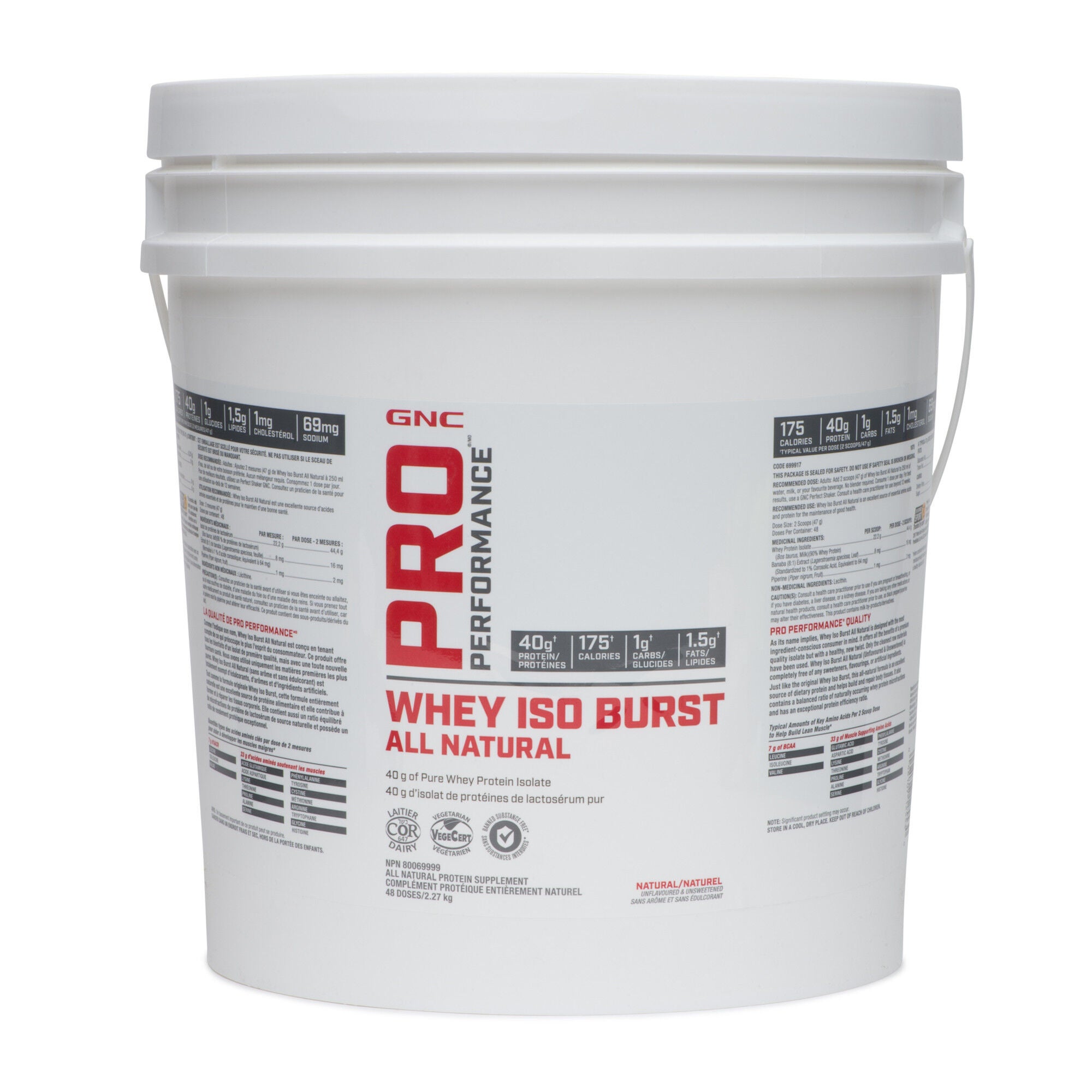 GNC Pro Performance
Related Pages


Top Collections
- Zinc Supplements | Top Brands at Great Prices | GNC
- Cortisol Supplements
- NAD+ Supplement Tablets
- Top Rated Collagen | Shop Customer Favorites | GNC
- Best Brand of Magnesium Glycinate
- Peptide Supplements
- Iron Supplements
- Protein Powders For Muscle Growth Support
- Vitamins That Help Support Weight Gain
- Peptide Supplements for Muscle Growth