Protein Brownies
(0 Results)
Indulge in a guilt-free treat that satisfies your sweet tooth and fuels your body with GNC Total Lean's delicious protein brownies. Packed with high-quality protein and decadent flavors, these brownies are perfect for anyone looking to sneak in some extra nutrients while enjoying a tasty snack. Whether you're hitting a midday slump or need a post-workout pick-me-up, our protein brownies are a convenient and tasty way to support your fitness goals.


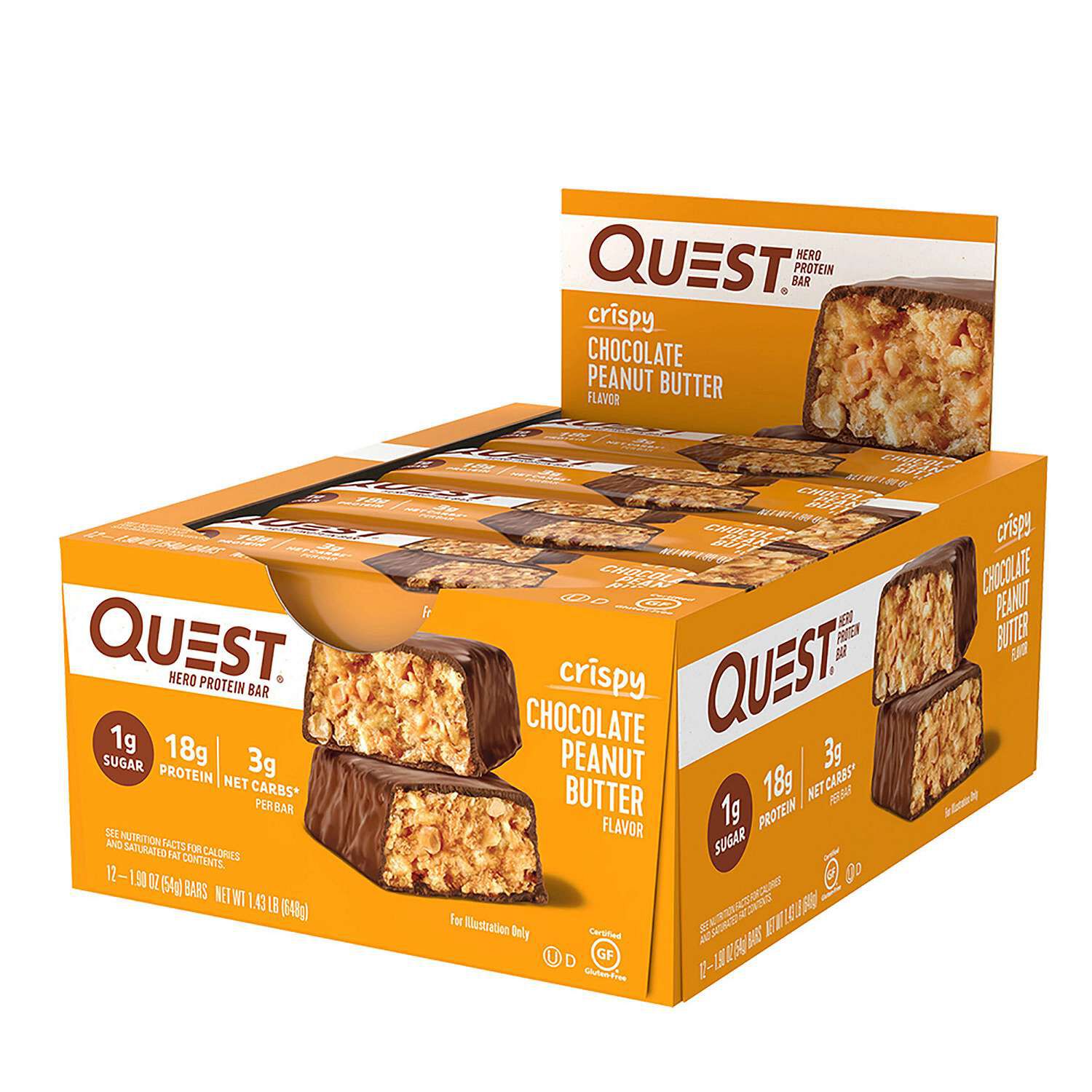

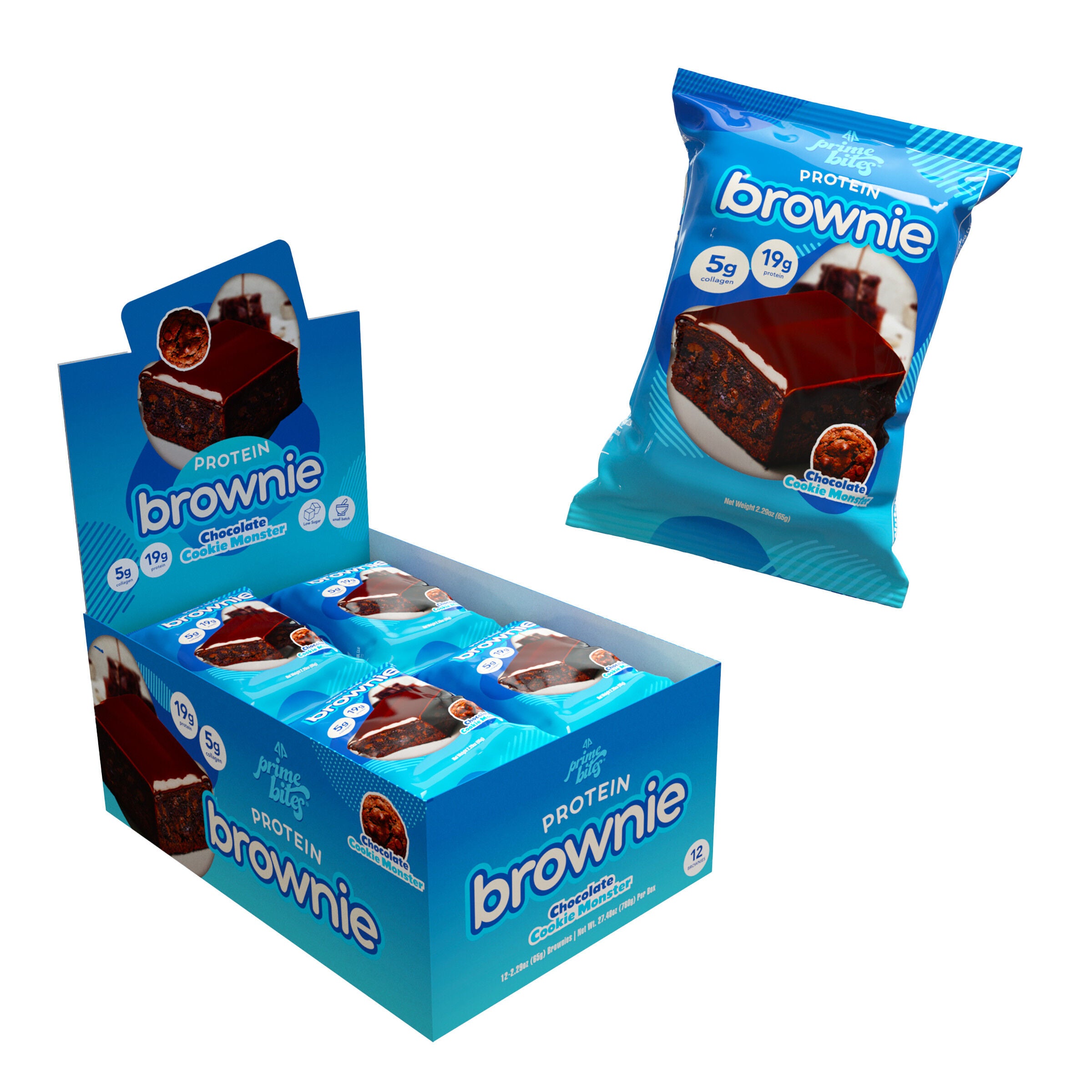
Protein brownies bring the familiar chocolate flavor and soft texture of a baked brownie to a packaged snack made with added protein. They sit somewhere between a traditional dessert and a protein bar, with recipes that put as much emphasis on the brownie experience as on the nutrition label. Some lean dense and fudgy, with a close crumb and a rich cocoa finish; others have a lighter, cake-like texture or a chewy center dotted with chocolate chips. A chocolate coating, peanut butter swirl, or layer of icing can make the eating experience different again. The category includes ready-to-eat brownies in individual wrappers as well as packages containing several portions, so package size and serving size are worth distinguishing. A single brownie does not always represent one labeled serving. Compared with conventional brownies, protein brownies typically incorporate ingredients such as whey, milk protein, soy protein, or pea protein, although the recipe and amount of protein vary. They are not interchangeable with one another simply because they share a name. The amount of sugar, fat, fiber, and protein depends on the ingredients and portion, and a higher protein amount does not necessarily mean less sugar or fewer calories. For shoppers who enjoy chocolate but prefer a snack with added protein, those differences make the label more useful than the appearance of the brownie alone. A small, dense square and a larger, airy brownie can look quite different while providing similar amounts of protein per serving. Everyday settings help put the format in perspective: an individually wrapped brownie tucked into a work bag, a chocolate snack packed alongside lunch, or a portion served on a plate after dinner. The appeal is the combination of a recognizable dessert format and a convenient way to include protein in a snack, without mixing a drink or preparing a batch of baked goods.
Flavor and texture are often the deciding factors when choosing protein brownies, but the ingredient list gives those preferences useful context. Cocoa contributes the chocolate character, while chocolate pieces, nut butters, oils, and other ingredients influence richness and mouthfeel. Whey and milk proteins are dairy-derived ingredients; pea and soy proteins come from plants. A plant-derived protein ingredient does not, by itself, mean the entire brownie is suitable for a vegan eating pattern, since the recipe may also contain milk, eggs, or other animal-derived ingredients. Brownies can also contain wheat, peanuts, tree nuts, and soy, making ingredient and allergen information important for shoppers choosing foods around particular dietary requirements. Sweeteners deserve similar attention. Some recipes use sugar, syrups, or a combination of sweetening ingredients, while others include sugar alcohols or high-intensity sweeteners. These choices can produce noticeable differences in sweetness, aftertaste, and texture, even when two brownies have a similar chocolate description. Fiber ingredients can also change the density and chew of the finished brownie. For someone who likes the soft middle of a bakery brownie, descriptions such as fudgy or soft-baked provide a starting point, although texture varies by recipe. Someone who prefers a firmer bite might gravitate toward a denser brownie with chocolate chunks or chopped nuts. Comparing nutrition information on the same serving basis makes these choices clearer: protein grams per serving, serving weight, calories, added sugars, and fiber each describe a different part of the food. The front of the package may highlight one number, but the Nutrition Facts panel shows how that number relates to the portion inside. A brownie chosen as a small dessert might serve a different purpose from one packed as part of an afternoon snack. Neither use calls for the same portion or flavor preference for every shopper. Chocolate intensity matters, too: a dark cocoa profile can appeal to someone who finds frosted desserts overly sweet, while a sweeter milk chocolate style may better match a preference for a classic lunchbox treat.
Packaging and intended use help narrow the choice beyond flavor. Individual wrappers are convenient for commuting, carrying in a gym bag, or keeping a portion separate from the rest of a packed lunch. A resealable package may suit a shared pantry, while a box of wrapped brownies allows portions to be carried separately without cutting and wrapping a larger bake. Brownies are softer than many snack bars, so packaging matters when they share space with a laptop, water bottle, or other everyday belongings. A separate compartment or small food container could help preserve their shape during transport. Storage directions and the best-by date are useful details, particularly for anyone planning to keep several portions on hand. Different recipes have different storage requirements, and the package directions take priority over assumptions based on how a brownie looks. Once a package is opened, following its resealing and storage instructions may help maintain the intended texture. Serving can stay simple: straight from the wrapper on a busy afternoon, cut into smaller pieces for a dessert plate, or paired with berries, yogurt, or a glass of milk according to personal preference. These brownies are a snack or dessert option rather than something to assume will take the place of a varied meal. For someone assembling a small food gift, a selection of chocolate flavors may be a thoughtful choice when the recipient already enjoys protein snacks; checking their ingredient preferences first makes the selection more personal. Shoppers comparing dessert-inspired formats can also explore Protein Dessert Bars, a related category that may include different shapes, textures, and layered styles. The distinction is often in the bite: brownies emphasize a baked crumb, while dessert bars can offer other combinations of chew, crunch, and coating. For protein brownies, the most relevant details remain straightforward: a chocolate flavor that sounds appealing, a texture suited to personal taste, ingredients that match dietary preferences, and a portion that makes sense for the occasion. Together, those details describe the everyday experience more meaningfully than any single number on the wrapper.