





Protein Dessert Bars
(0 Results)
Protein dessert bars offer a convenient way to satisfy your sweet cravings while supporting your wellness goals. With a variety of flavors and textures, protein dessert bars may fit into your daily routine whether you’re at home, at work, or on the go. Explore options that could align with your preferences and add a delicious touch to snack time or post-workout moments. Discover how protein dessert bars might bring both enjoyment and nourishment to your day.

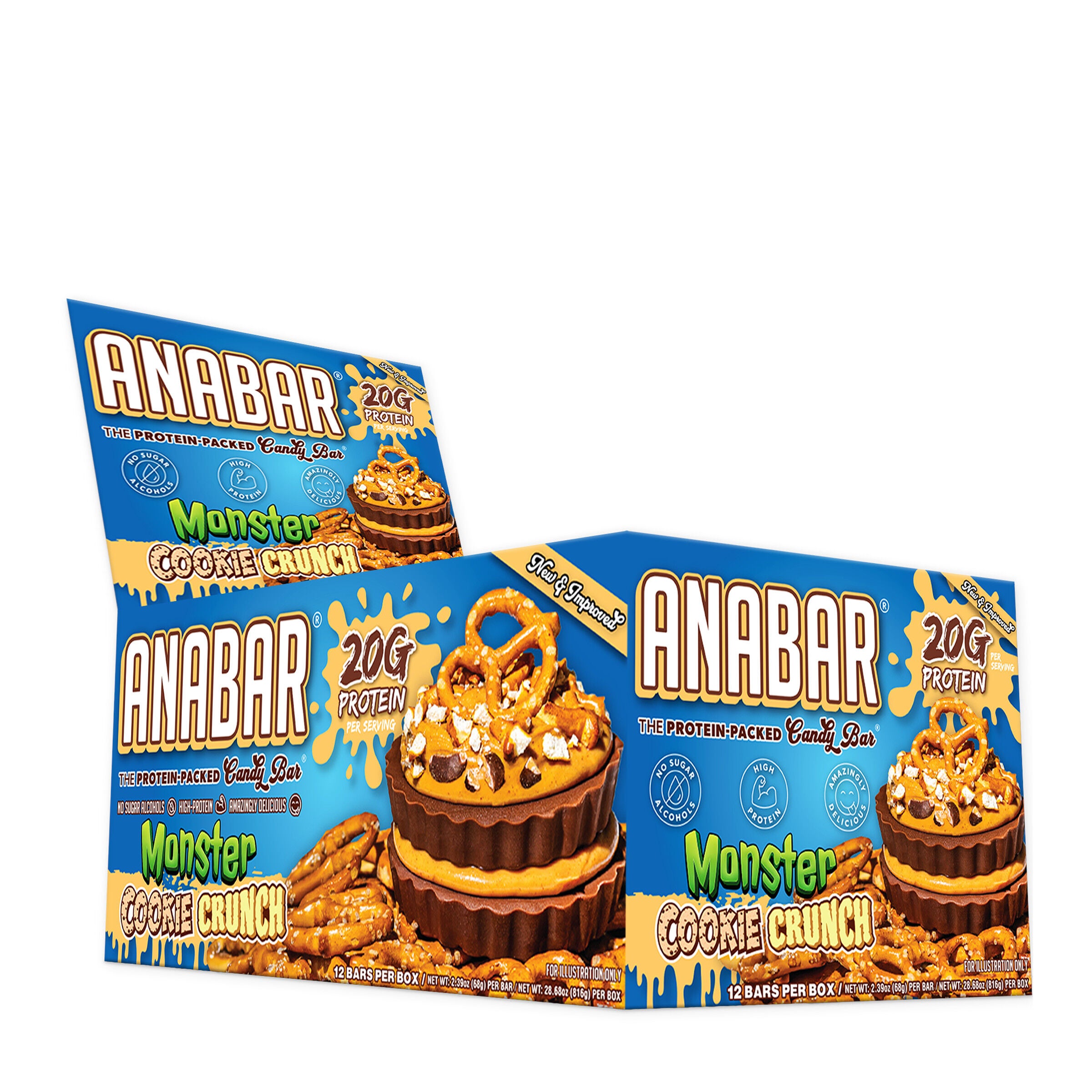
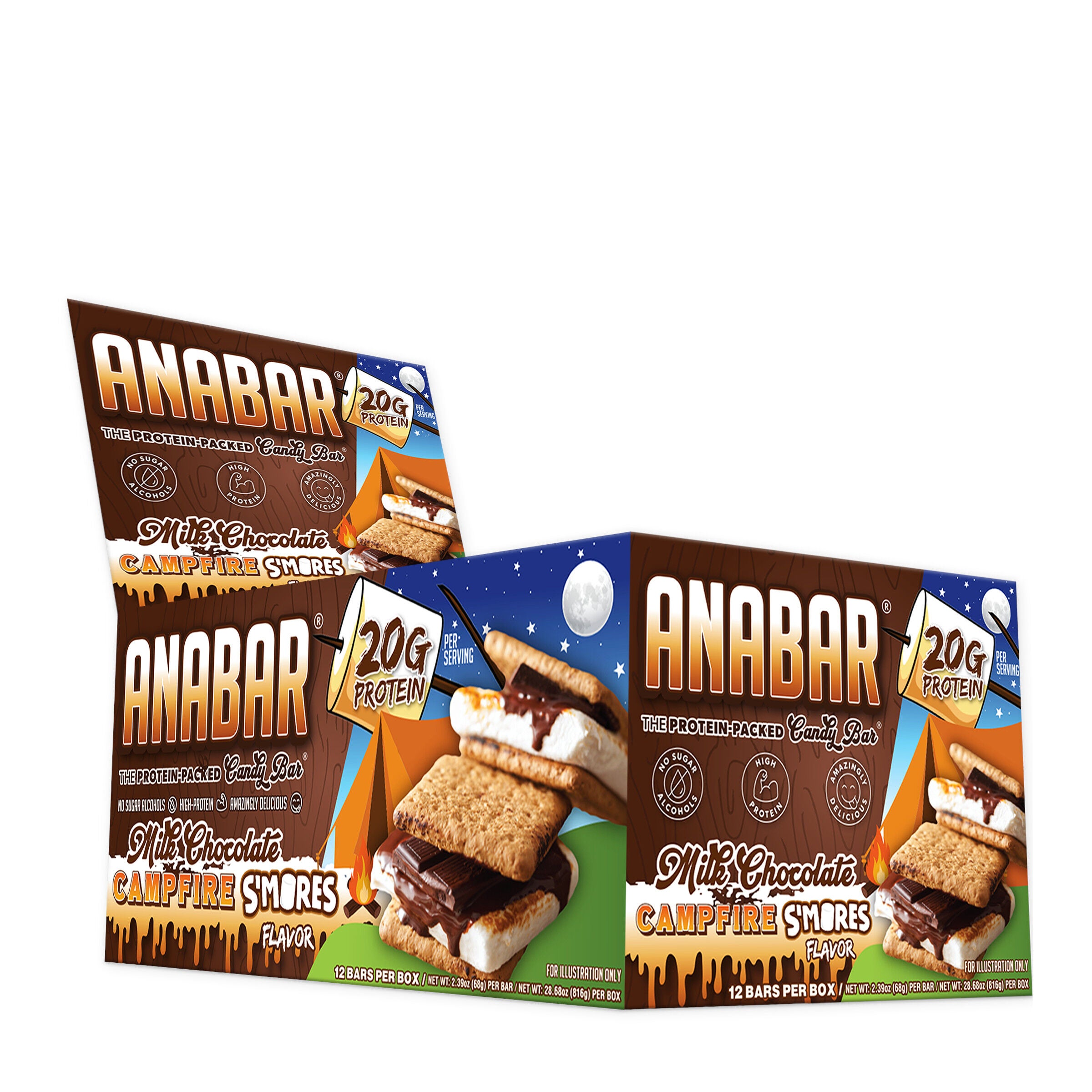
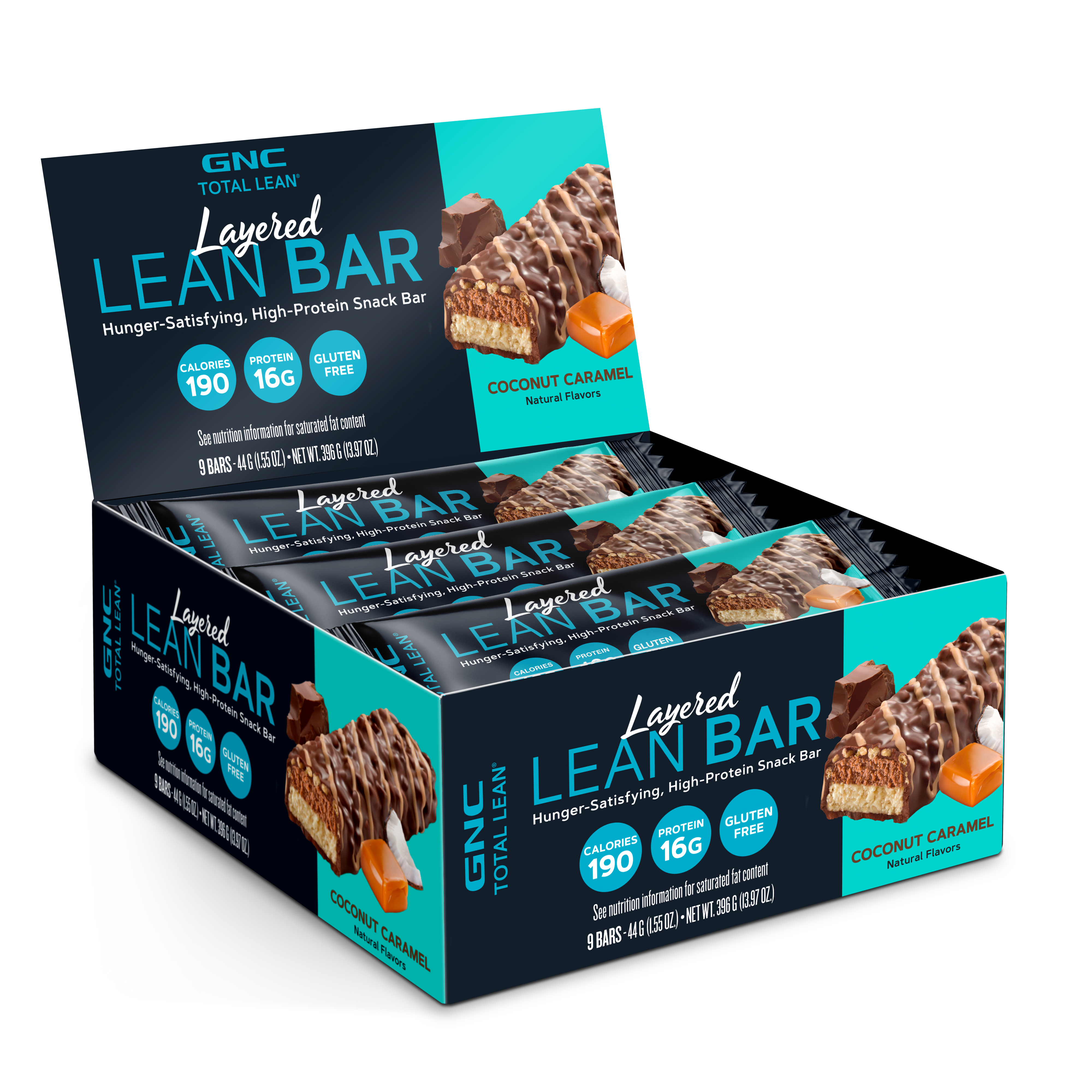
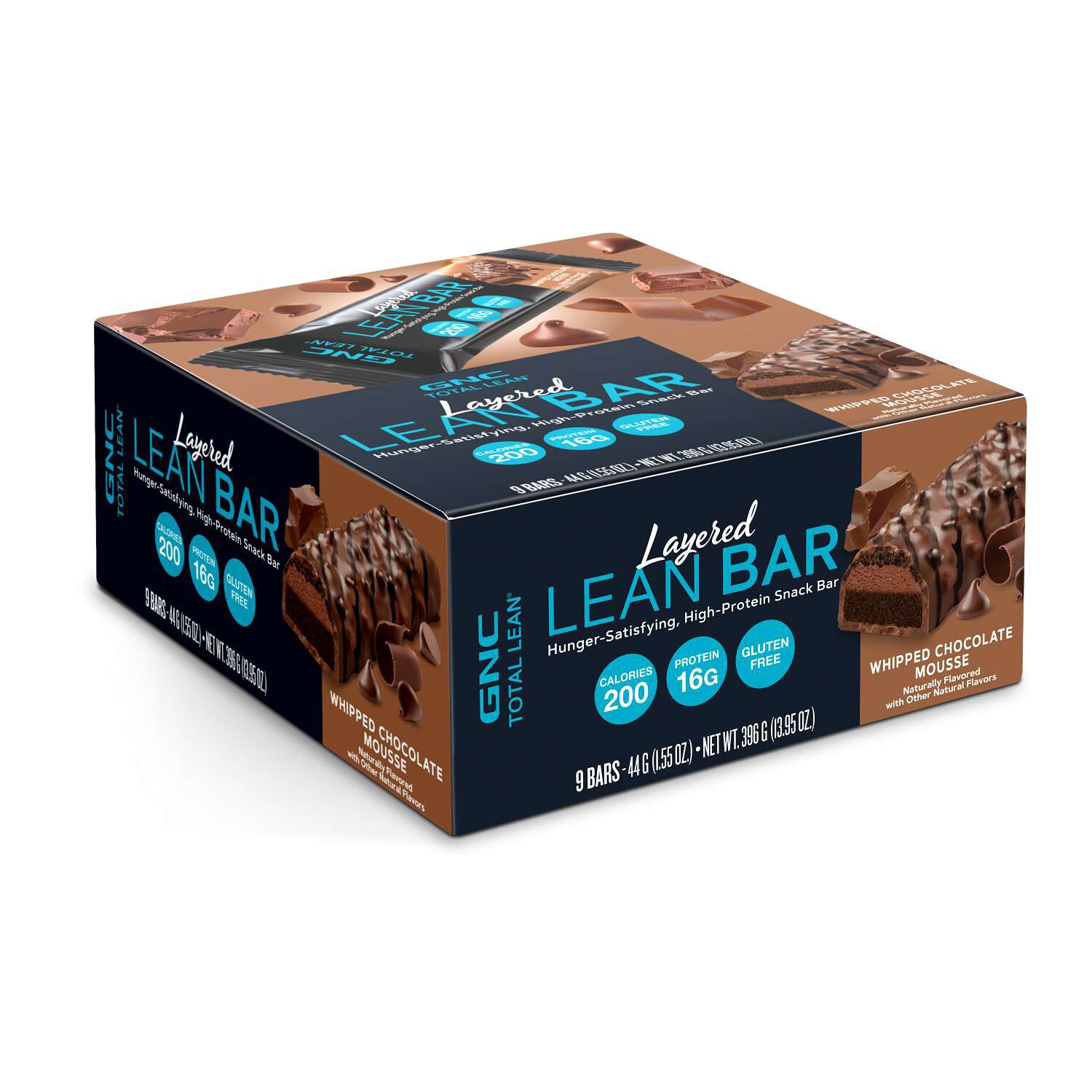

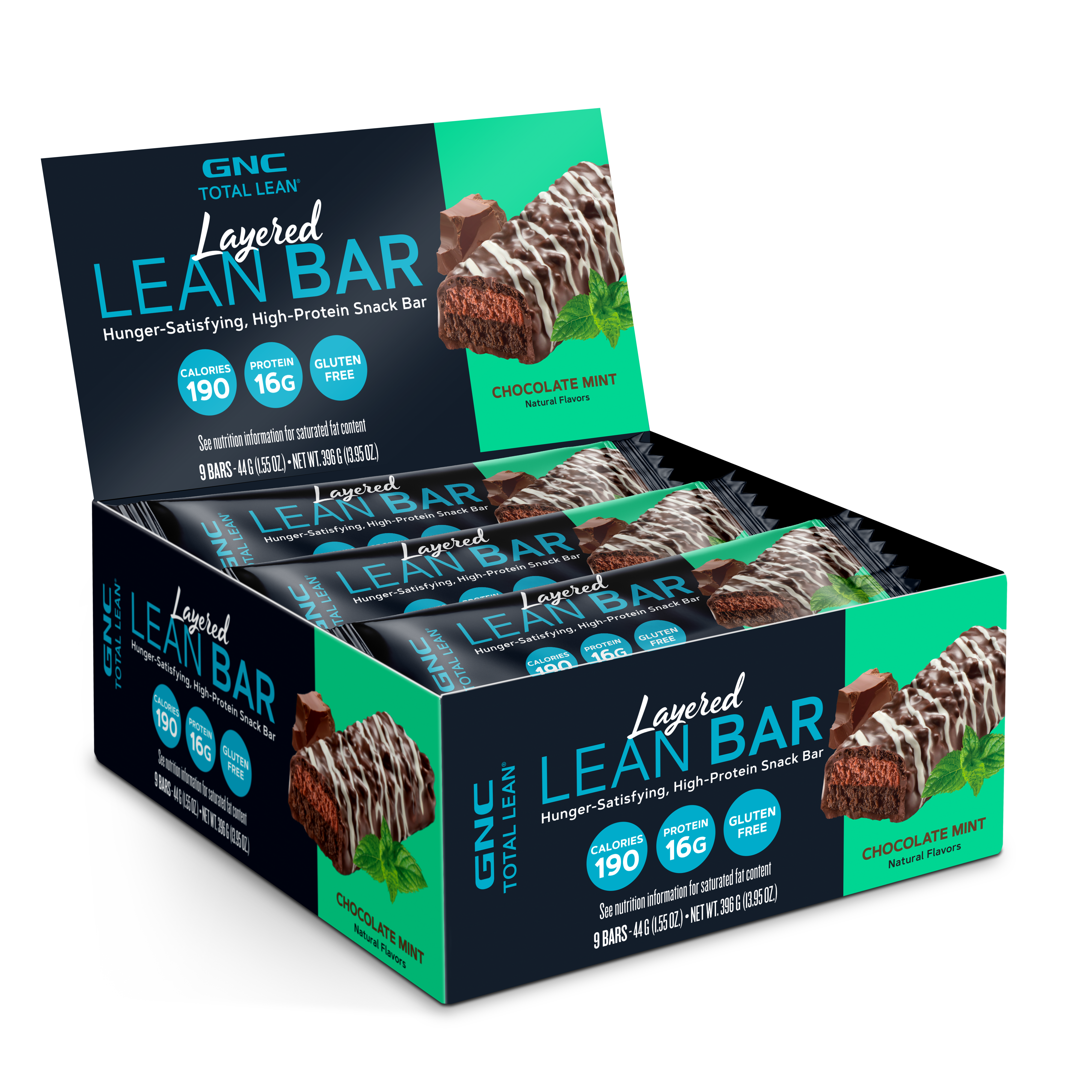
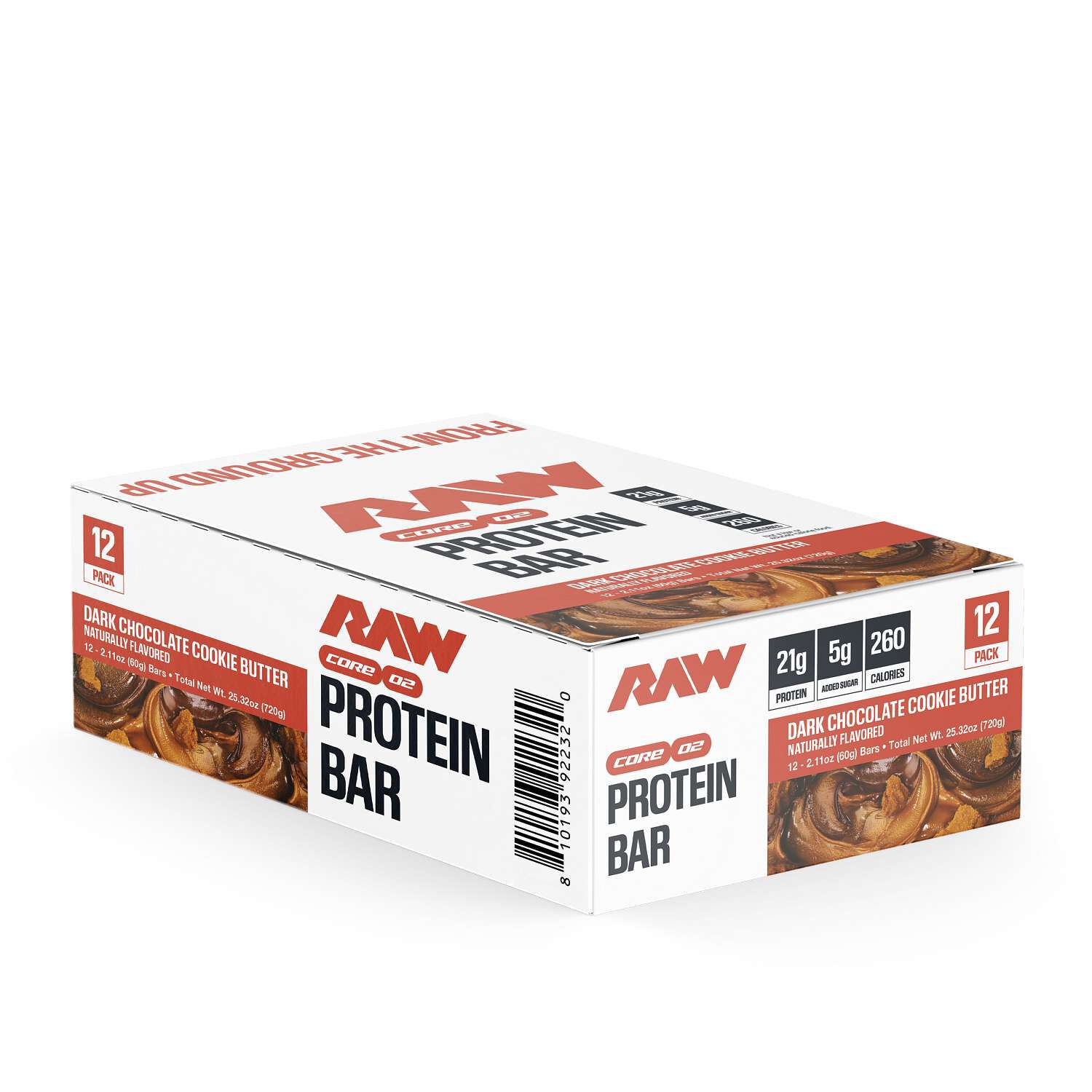
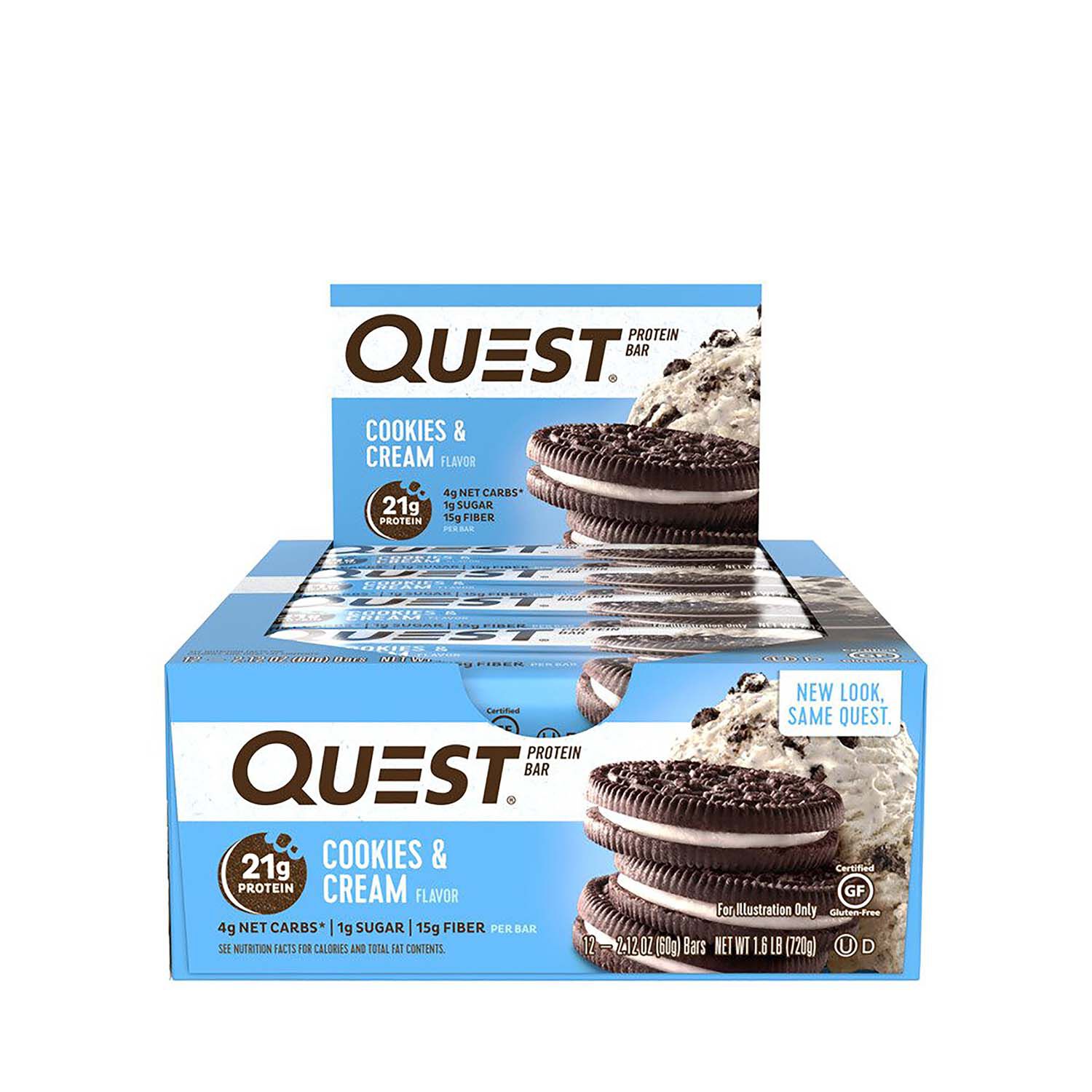
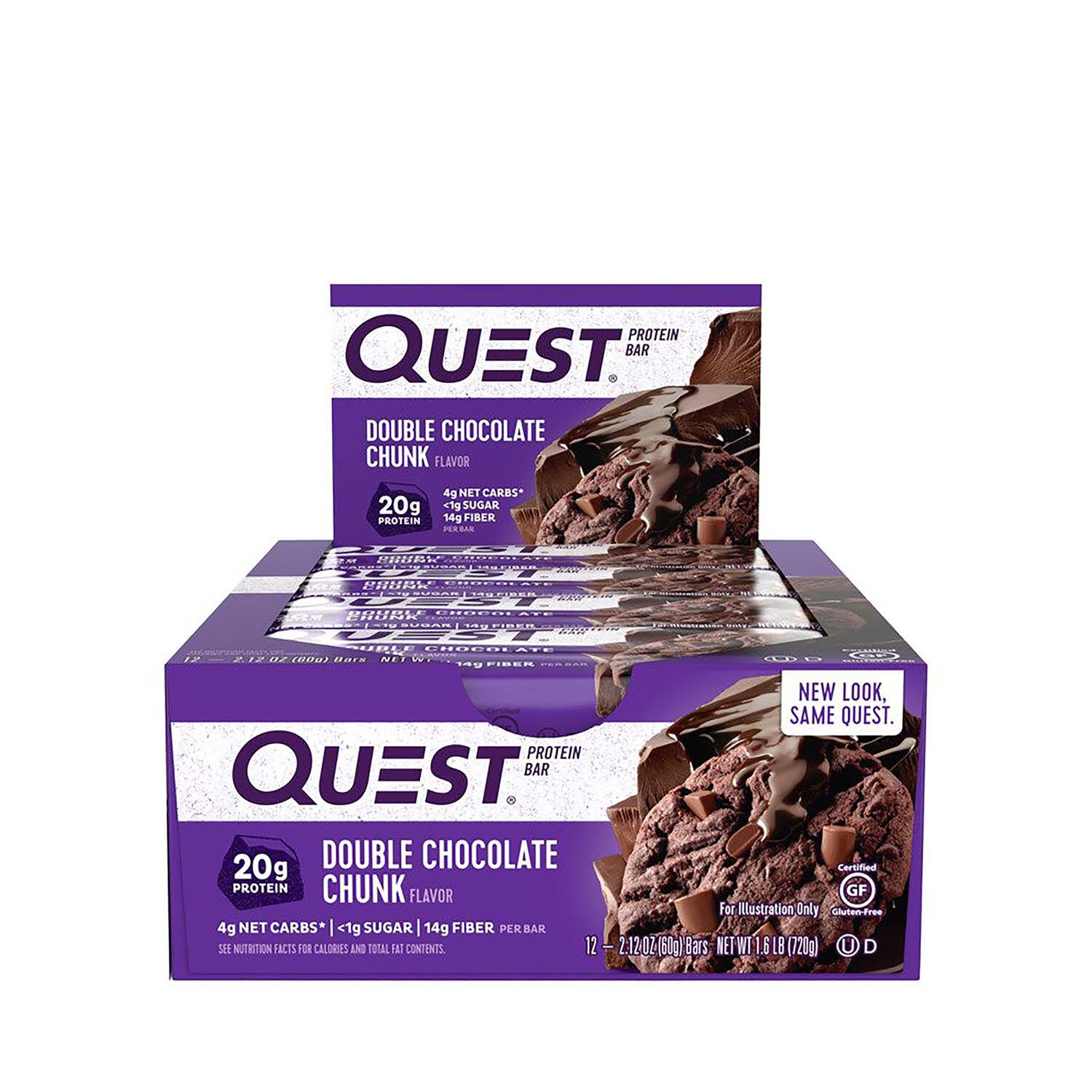
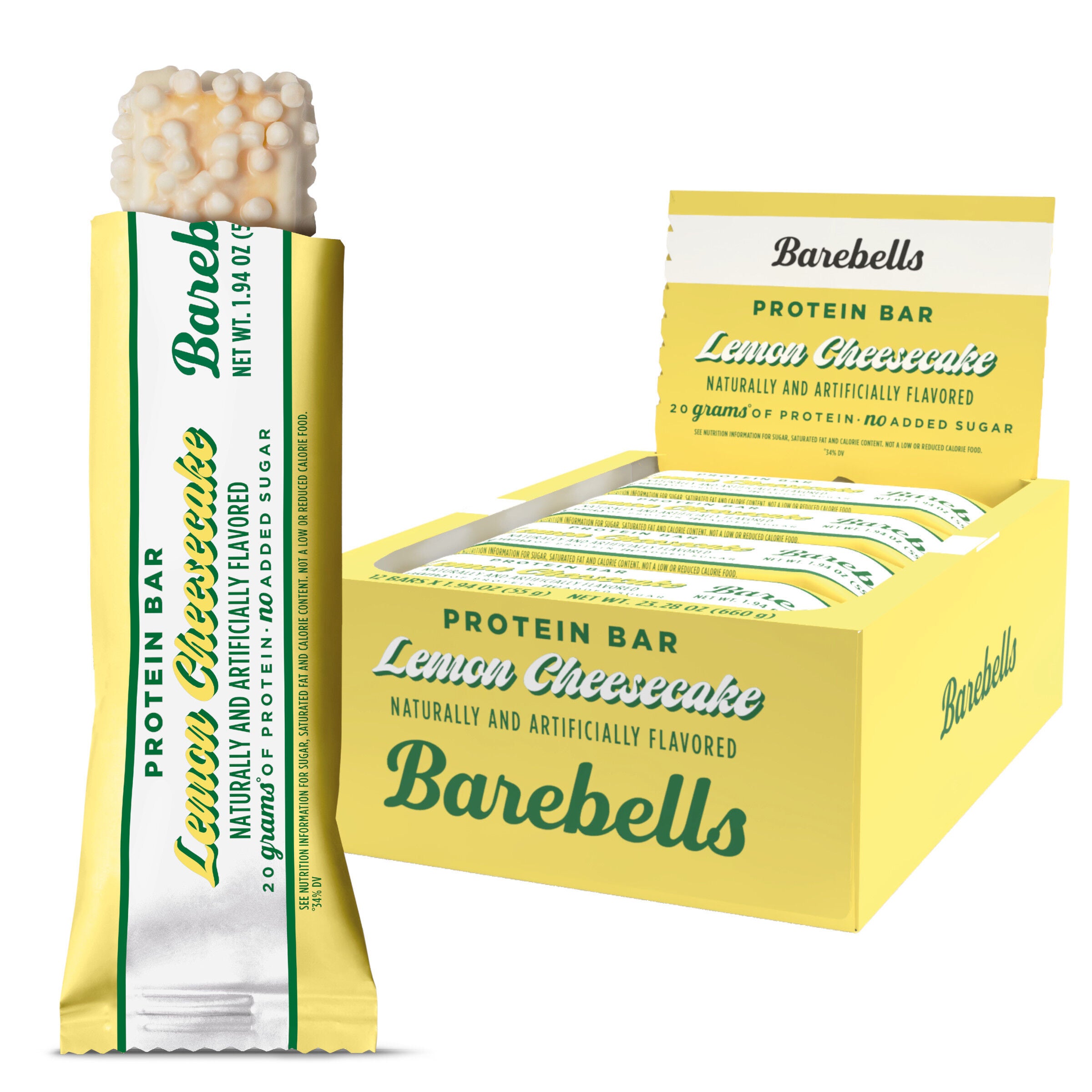
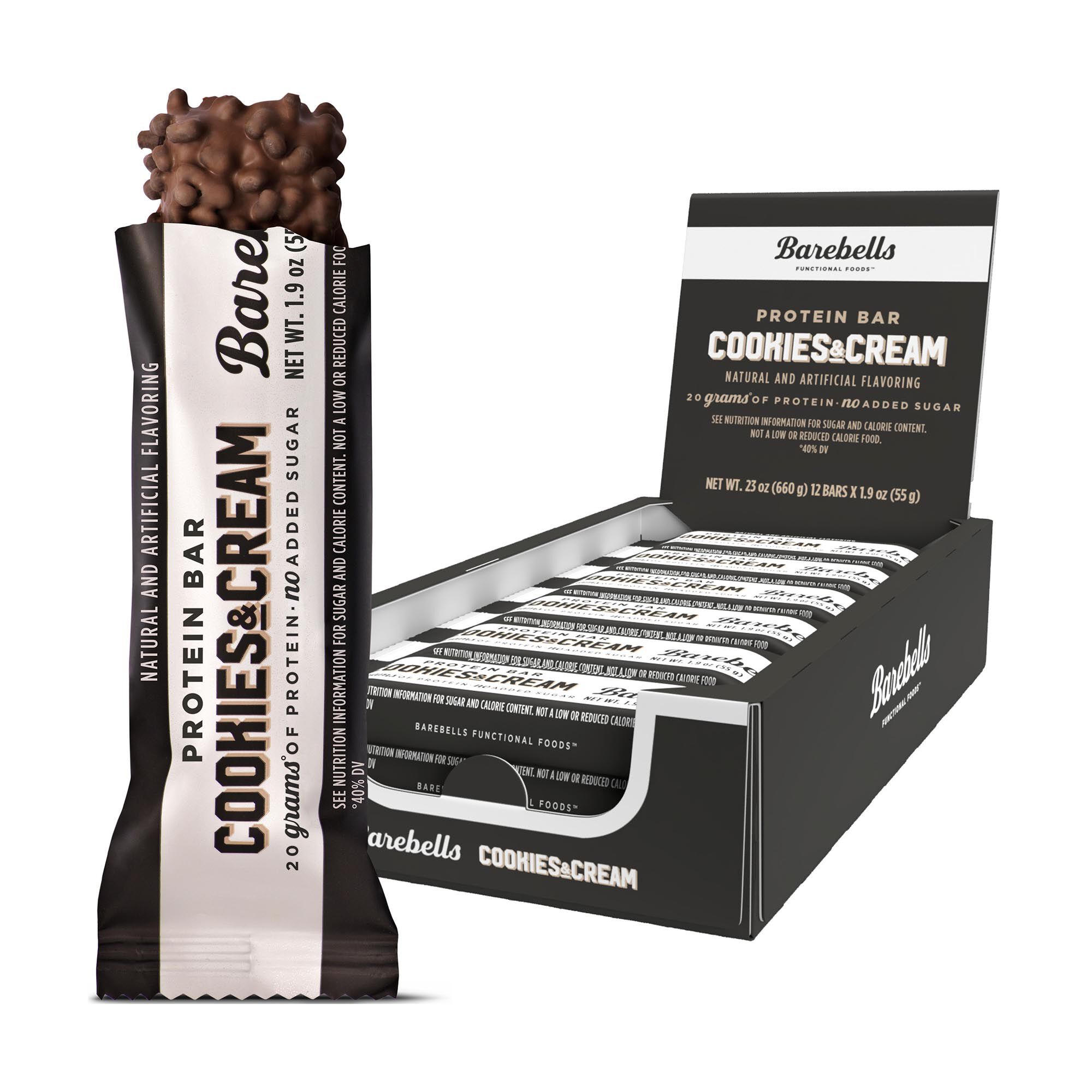


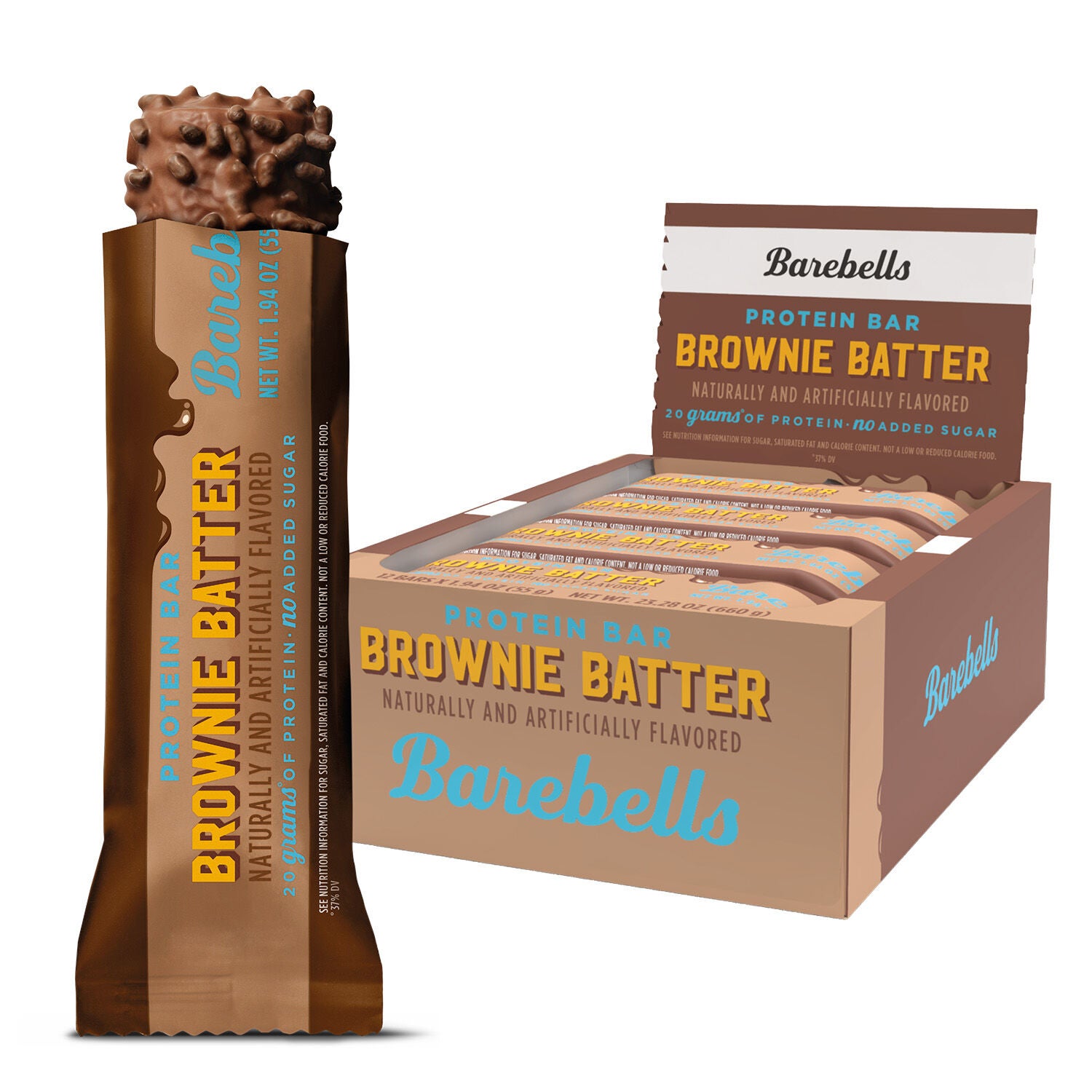
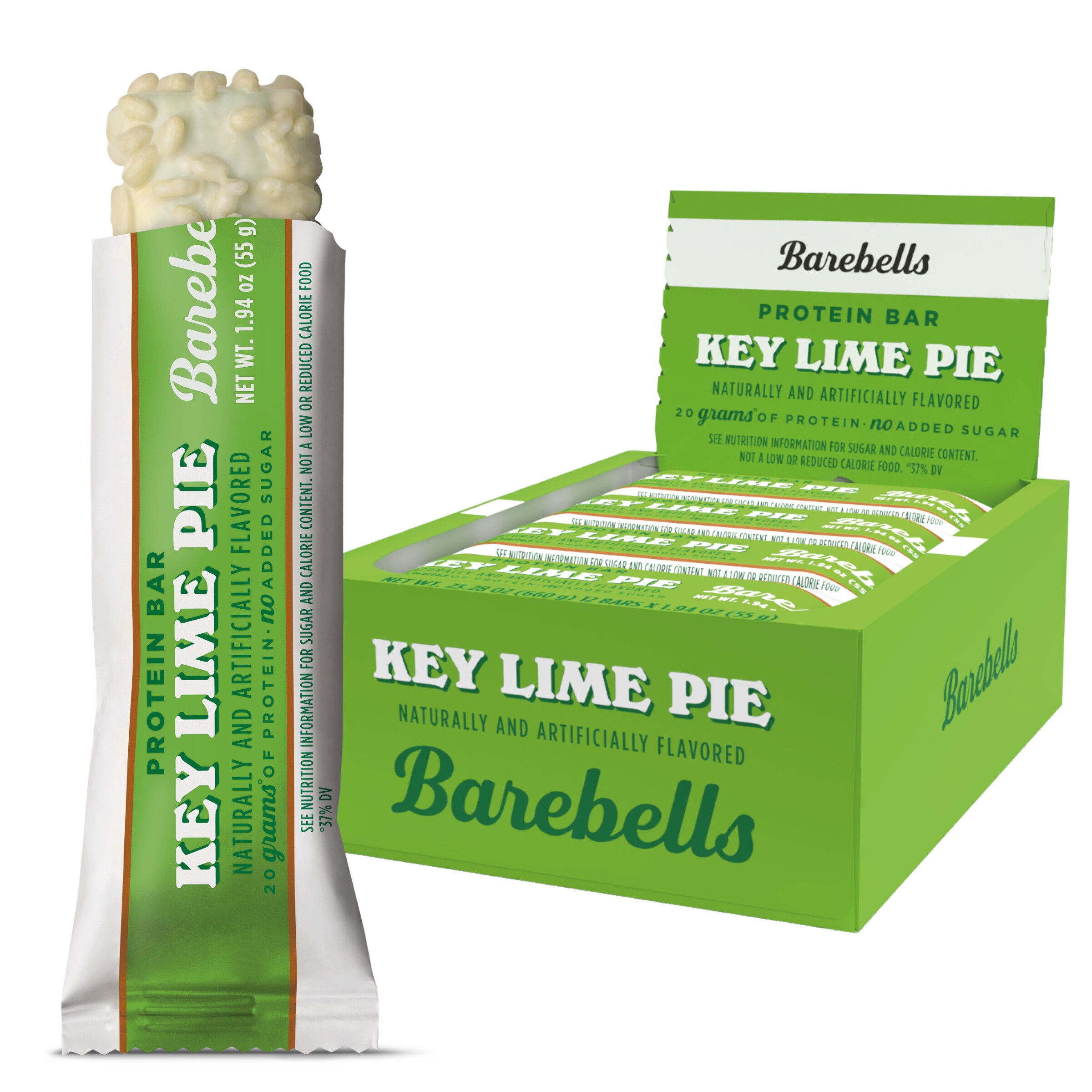

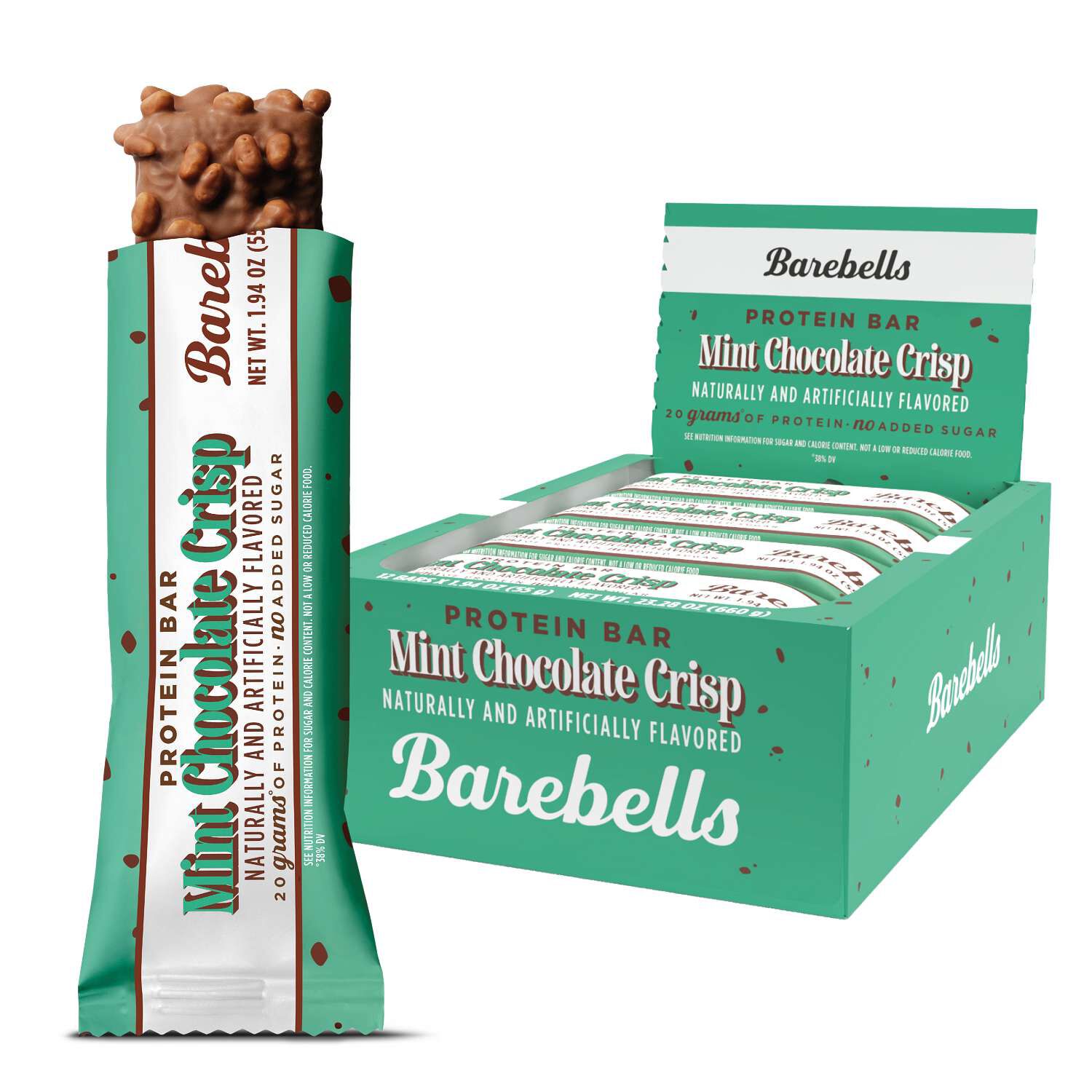

Protein dessert bars are ready-to-eat snacks that combine a protein source with flavors and textures inspired by cookies, brownies, candy, and other sweet treats. The category includes chewy bars, crisp layered formats, soft centers, and coated varieties, with recipes that differ in protein content, ingredients, and serving size. Dessert-inspired names describe the flavor experience rather than a single nutritional profile: a brownie-style bar and a cookie dough-style bar can have very different amounts of protein, sugar, fat, and fiber. Chocolate, peanut butter, caramel, vanilla, and cookies-and-cream flavors are familiar starting points, while chopped nuts, cocoa pieces, and crisp inclusions add another dimension to the texture. Some bars have a dense, uniform bite; others feature a soft middle beneath a thin coating or alternating chewy and crunchy layers. For someone who likes the edges of a brownie, a firmer chocolate bar may be appealing, while a softer texture could suit someone drawn to cookie dough. That distinction matters because flavor alone does not describe how a bar feels to eat. The dessert connection is about familiar bakery and confectionery cues in a packaged snack, not a requirement that every bar resemble a traditional dessert in every respect. A protein dessert bar may fit an afternoon break, a packed lunch, or the trip home after a workout when a sweet snack sounds appealing. Its individually portioned format could also suit a desk drawer or day bag, depending on the package’s storage directions. For shoppers comparing this category, the most useful distinctions are often the protein source, the texture, the sweetness, and the size of each serving. A bold chocolate coating, a lightly flavored center, or a noticeable nut crunch can make two otherwise similar-looking bars quite different. The combination of those details gives protein dessert bars their broad range, from candy-inspired formats to options with a more understated, baked-goods character.
Ingredients provide much of the context behind those differences. Whey and milk proteins appear in many protein bars, while other recipes use soy, peas, rice, or blends of plant-derived sources. Collagen is another animal-derived ingredient found in some formulas. A bar’s flavor name does not identify its protein source, and a peanut butter flavor does not necessarily mean peanuts supply most of its protein. Shoppers interested in plant-derived options may also want to explore Plant Protein Bars, with individual ingredient lists providing the details about each recipe. Nuts, seeds, oats, cocoa, nut butters, and oils contribute to the composition of different bars, alongside ingredients used for sweetness, texture, or coatings. Sugar, syrups, stevia, monk fruit, and sugar alcohols are among the sweetening ingredients that may appear, sometimes in combination. The type of sweetener is one detail to consider alongside the amount of sugar listed per serving; the two pieces of information describe different aspects of the recipe. Protein grams, serving size, calories, fiber, and fat also provide useful context without reducing a bar to a single number. A larger bar and a smaller bar are not necessarily comparable by protein grams alone, particularly when their serving sizes differ. Likewise, a chocolate coating does not establish how much sugar a bar contains, and a less dessert-like appearance does not establish its nutritional composition. Ingredient lists and Nutrition Facts panels are more informative than flavor names for those distinctions. For dietary preferences involving milk, soy, wheat, peanuts, tree nuts, eggs, or sesame, package statements provide important information about ingredients and manufacturing notices. A plant-derived protein source alone does not establish that every other ingredient is plant-derived. These details matter for shared snack drawers and household purchases, where several people may have different preferences. They also give shoppers a clearer basis for comparing protein dessert bars beyond the photograph on the wrapper.
Everyday use brings another set of practical differences into focus. A smaller, individually wrapped bar may suit someone who wants a modest sweet snack alongside coffee, while a larger format could be a better match for a longer break between scheduled activities. Neither size automatically makes a bar a meal replacement; its intended use and nutritional information belong in that decision. For commuting, travel, or time away from home, the wrapper and storage directions matter as much as the flavor. Coated bars may soften under unsuitable storage conditions, and crisp or layered formats may lose their shape when pressed beneath heavier belongings. An intact wrapper, a protected spot in a bag, and storage consistent with the package directions may help preserve the expected texture. Some recipes have specific refrigeration instructions, while others are designed for pantry storage, so the package remains the reference for handling and date information. Once opened, directions for any remaining portion can vary as well. These practical details are especially relevant to someone carrying a bar through several stops rather than eating it soon after leaving home. At a desk, a neat coating and firm texture may be preferable; during an unhurried break, a softer center or a more crumbly, bakery-inspired bite could be appealing. Variety can also matter in households where one person prefers dark cocoa notes and another favors vanilla, caramel, or nut butter flavors. Protein dessert bars may make a thoughtful addition to a care package or a small food gift when the recipient’s ingredient preferences are known. Individually wrapped portions could suit someone with a busy commute, a student with a full class schedule, or a friend who enjoys trying different snack textures. For a gift, familiar flavors and clear ingredient information may be more useful than an assortment chosen solely for its packaging. Across these occasions, the category is defined by the meeting of dessert-inspired taste, packaged convenience, and a stated protein content, with enough variation in recipe and format to accommodate different snack preferences.
Best Sellers
-
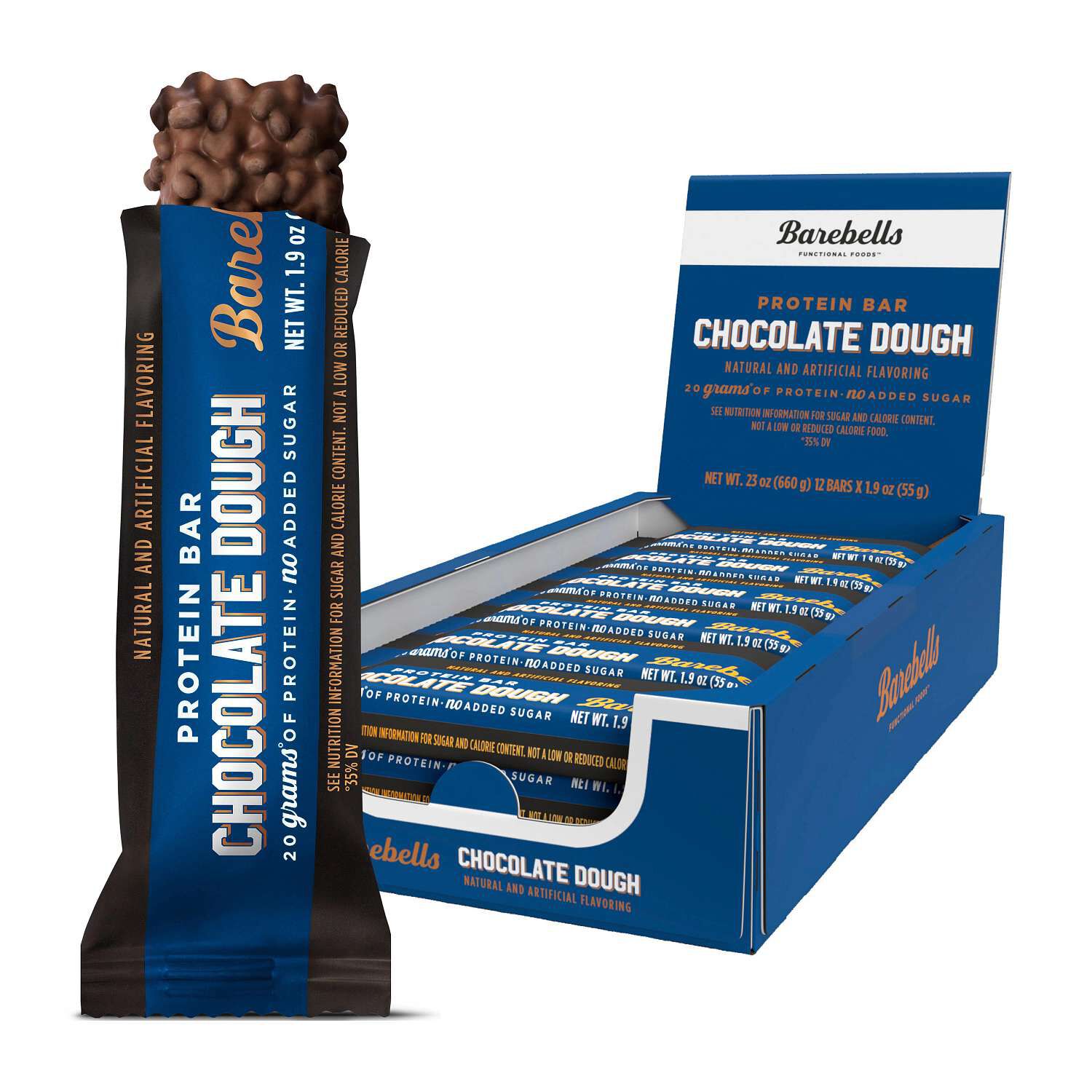 Barebells
-
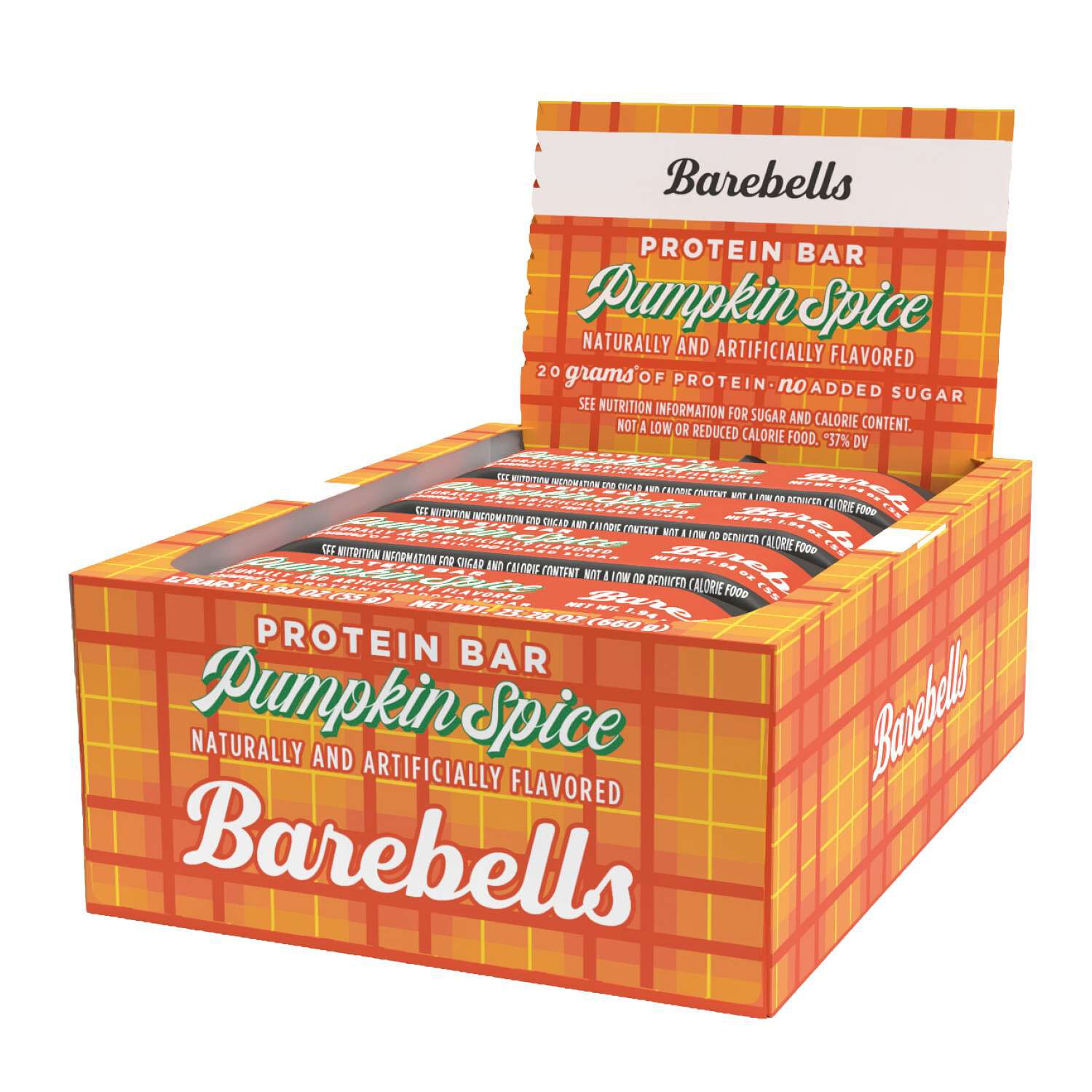 Barebells
-
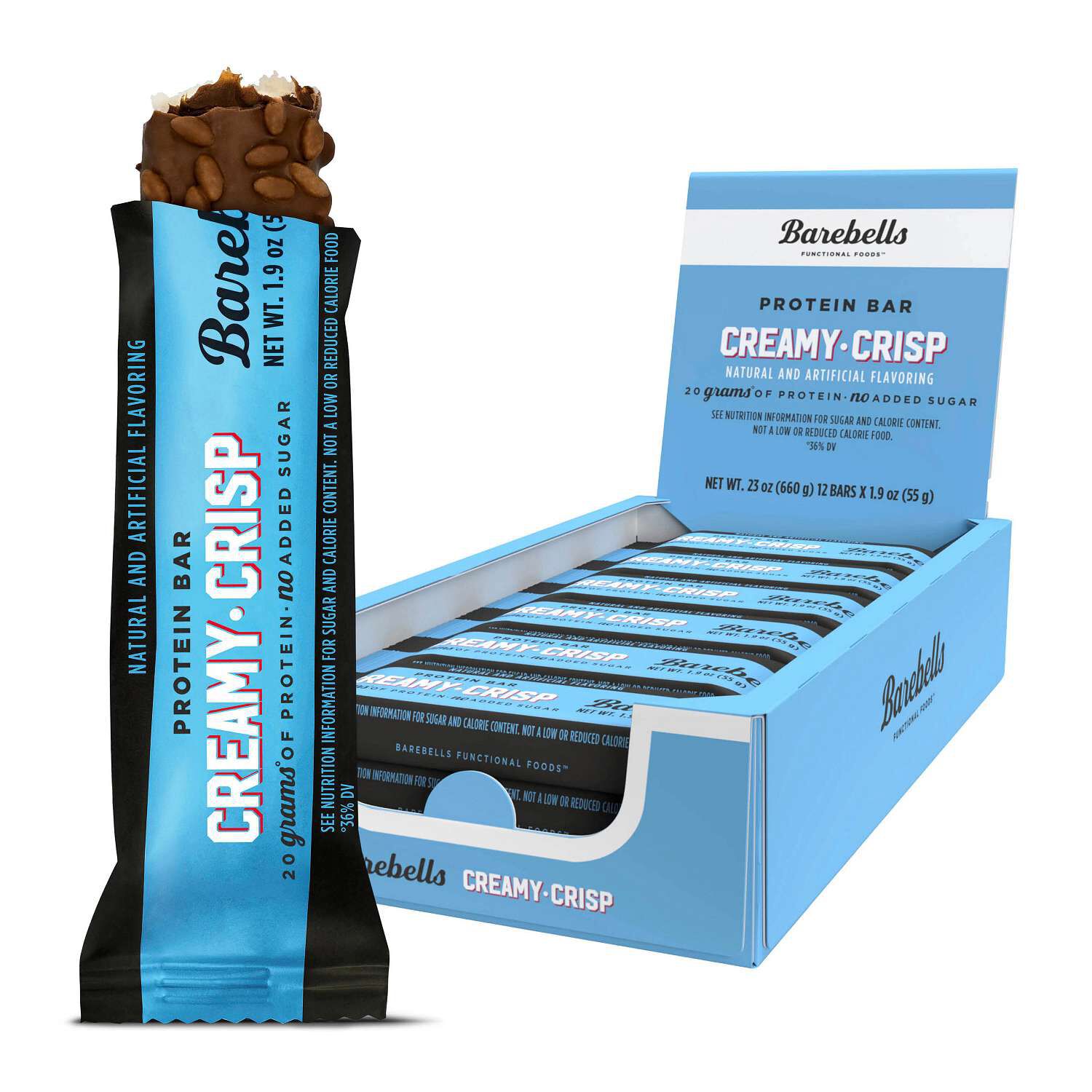 Barebells

Top Collections
- Chronic Fatigue Supplements
- Active Supplements
- Zinc Supplements For Men
- Supplements For Yoga Joint Flexibility
- Zinc Supplements | Top Brands at Great Prices | GNC
- Vitamins For Hair Loss
- Joint Mobility Supplement Packs
- Capsule Supplements For Energy And Stamina
- Supplements For Anxiety Relief Support
- Adult Vitamins