Protein Cookies For Active Lifestyles
(0 Results)
Protein cookies for active lifestyles could be a convenient way to support your on-the-go routine. Whether you’re heading to the gym, tackling a busy workday, or looking for a snack that fits into your wellness goals, these cookies may offer a satisfying option. Explore a variety of flavors and formats designed with active individuals in mind, and discover how protein cookies for active lifestyles might fit into your daily routine.

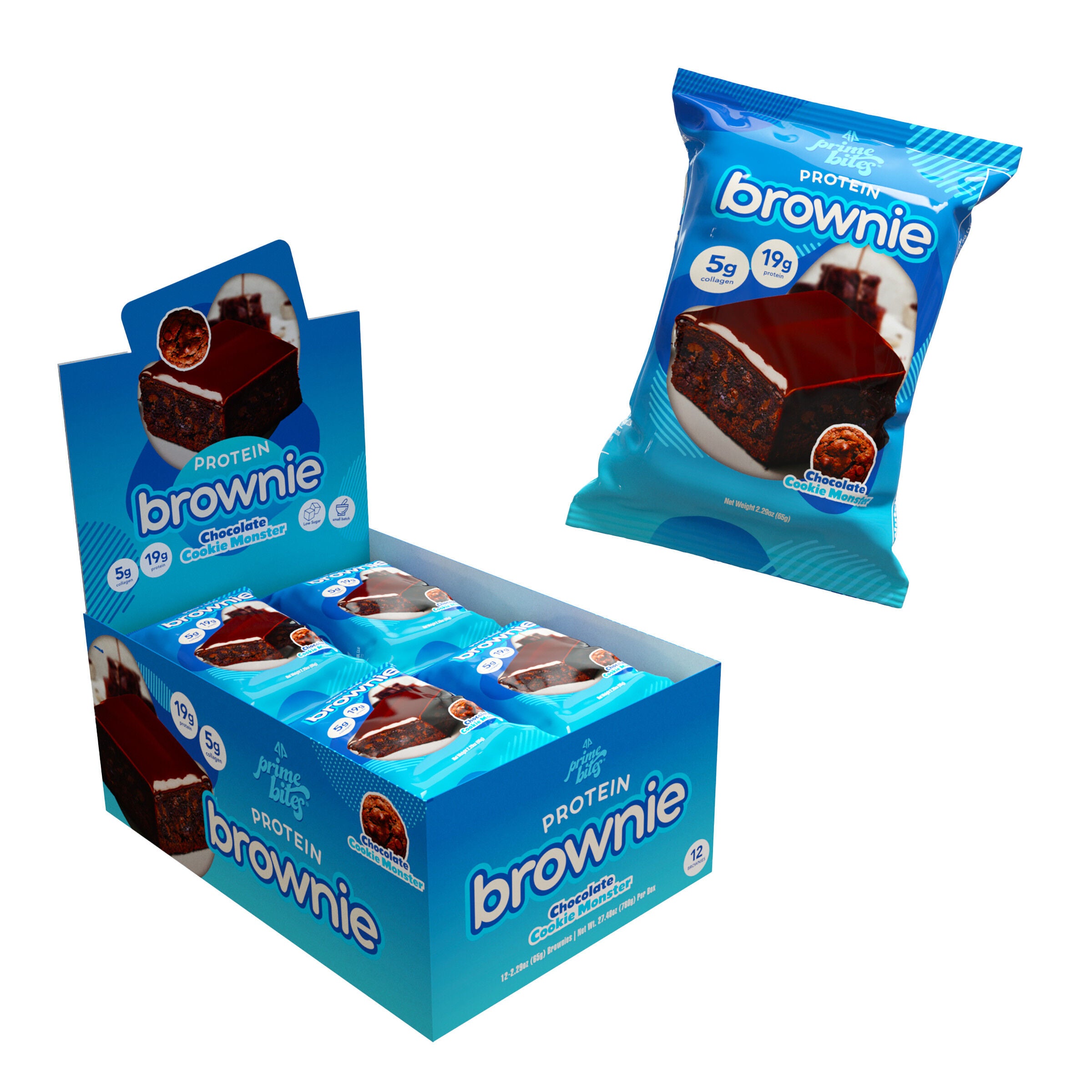


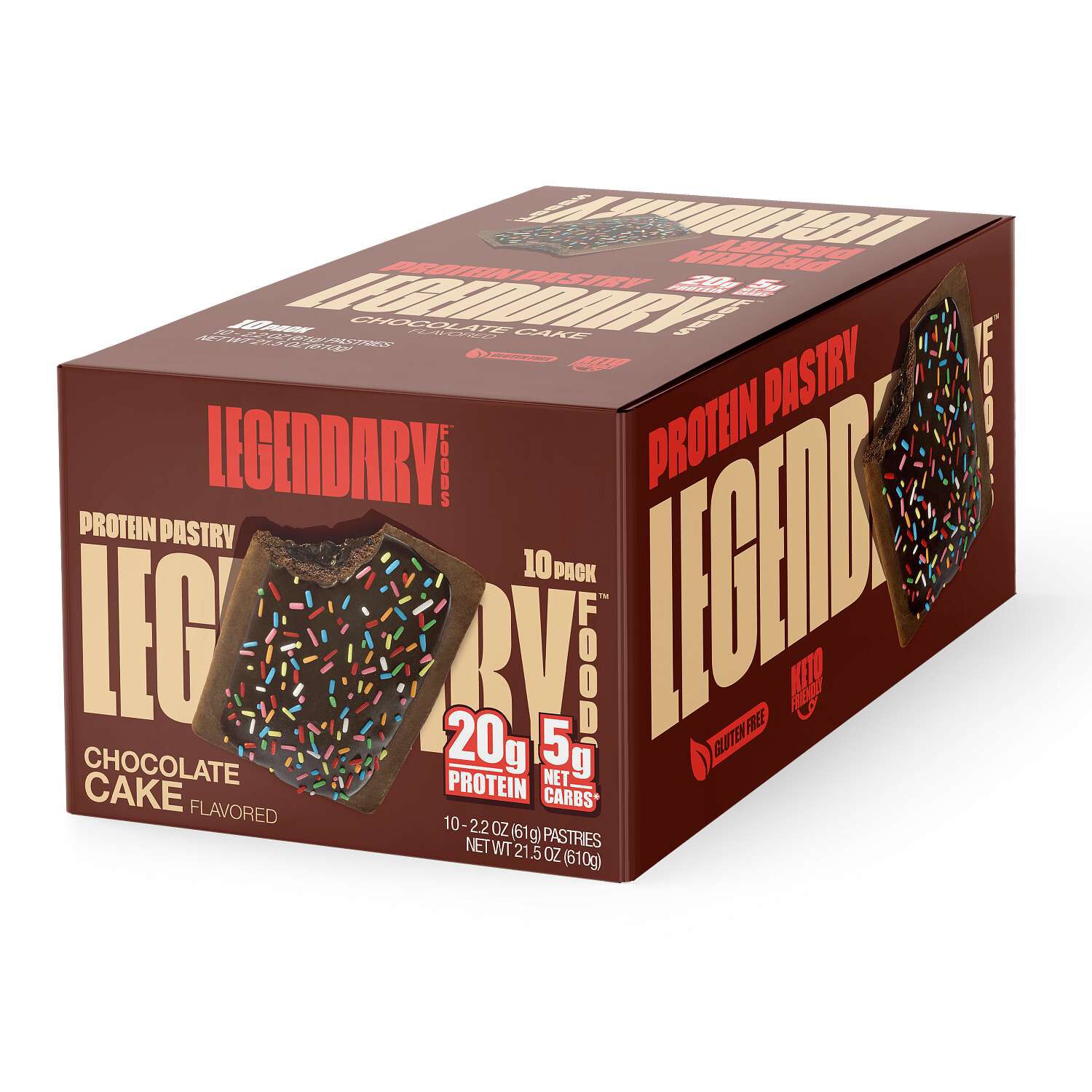
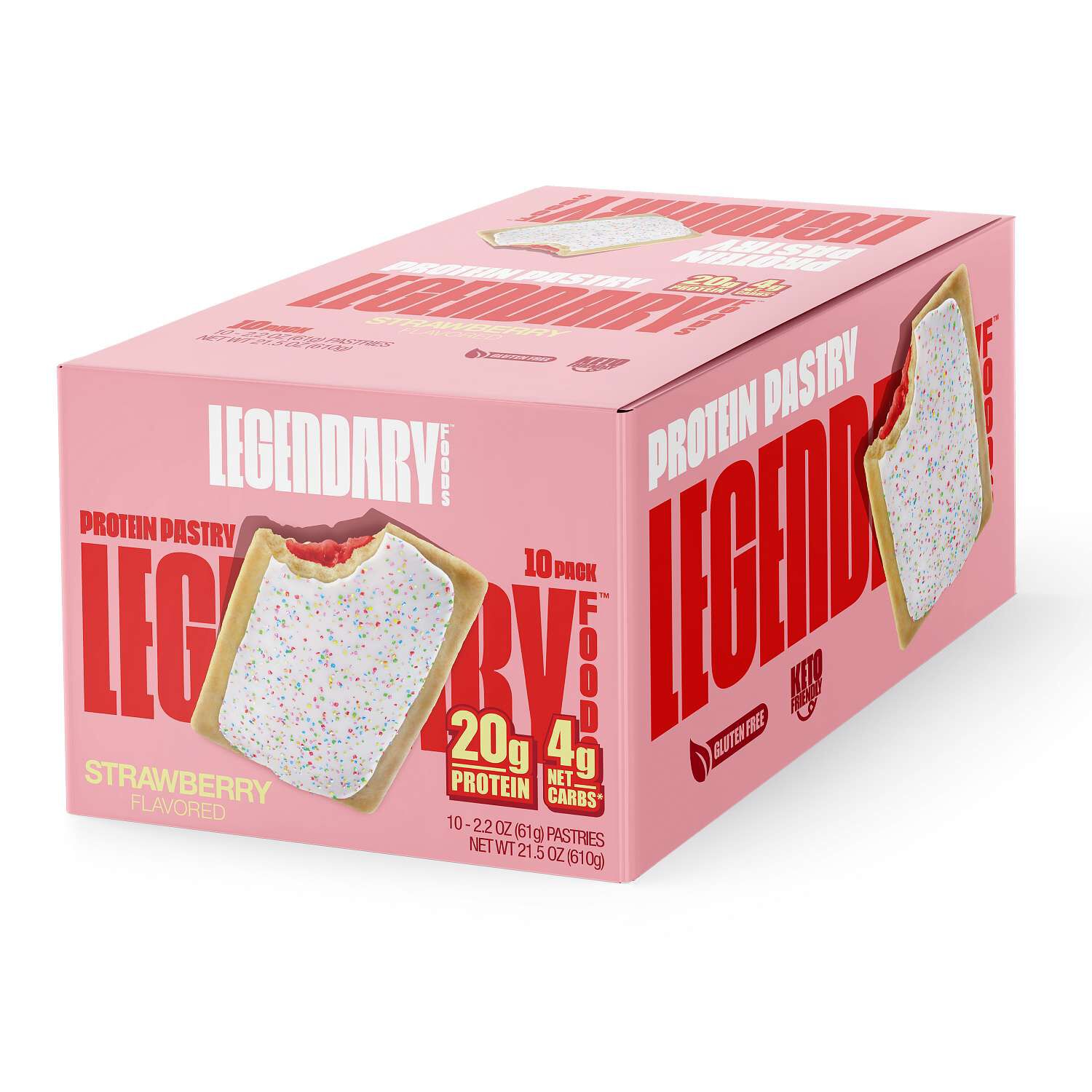

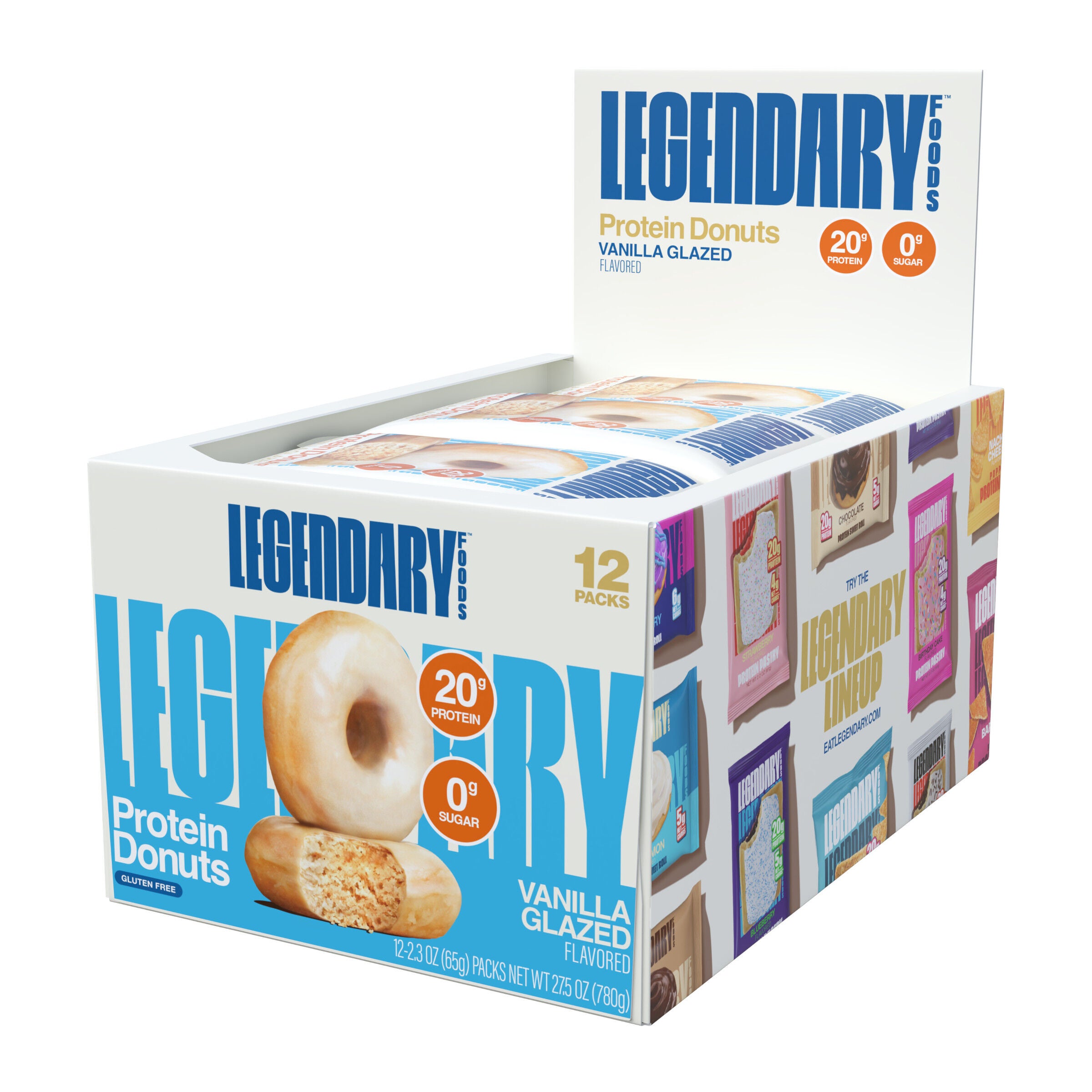
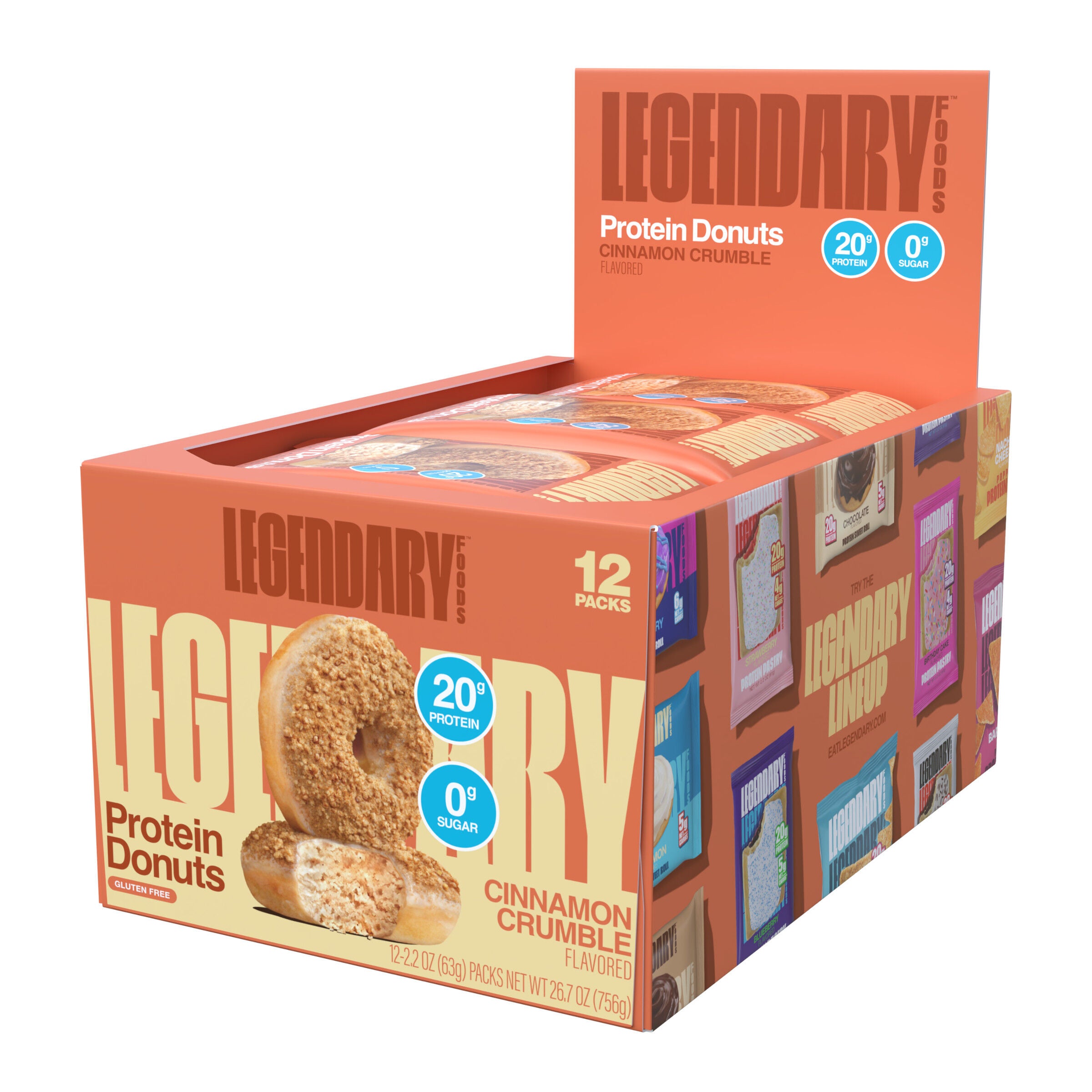
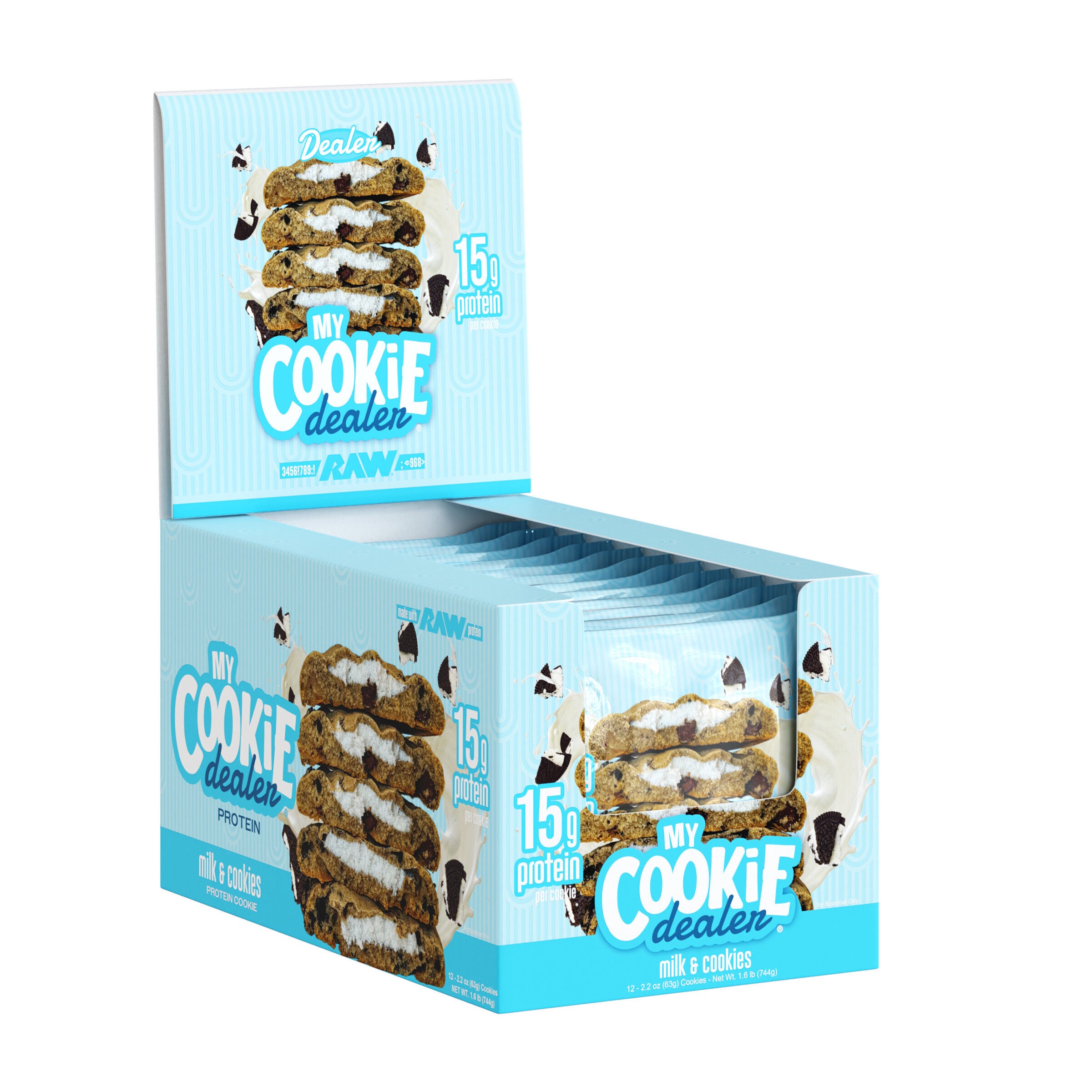
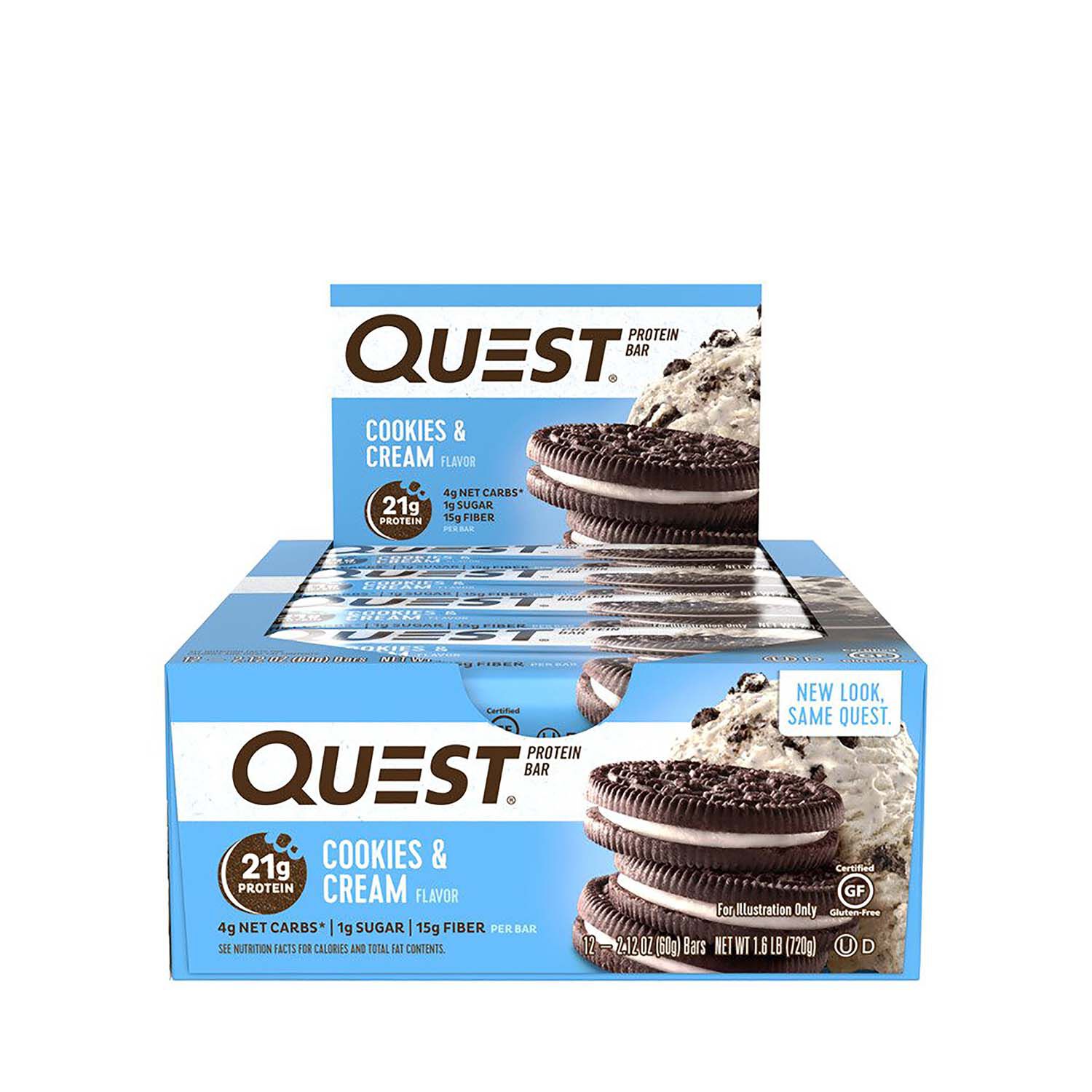
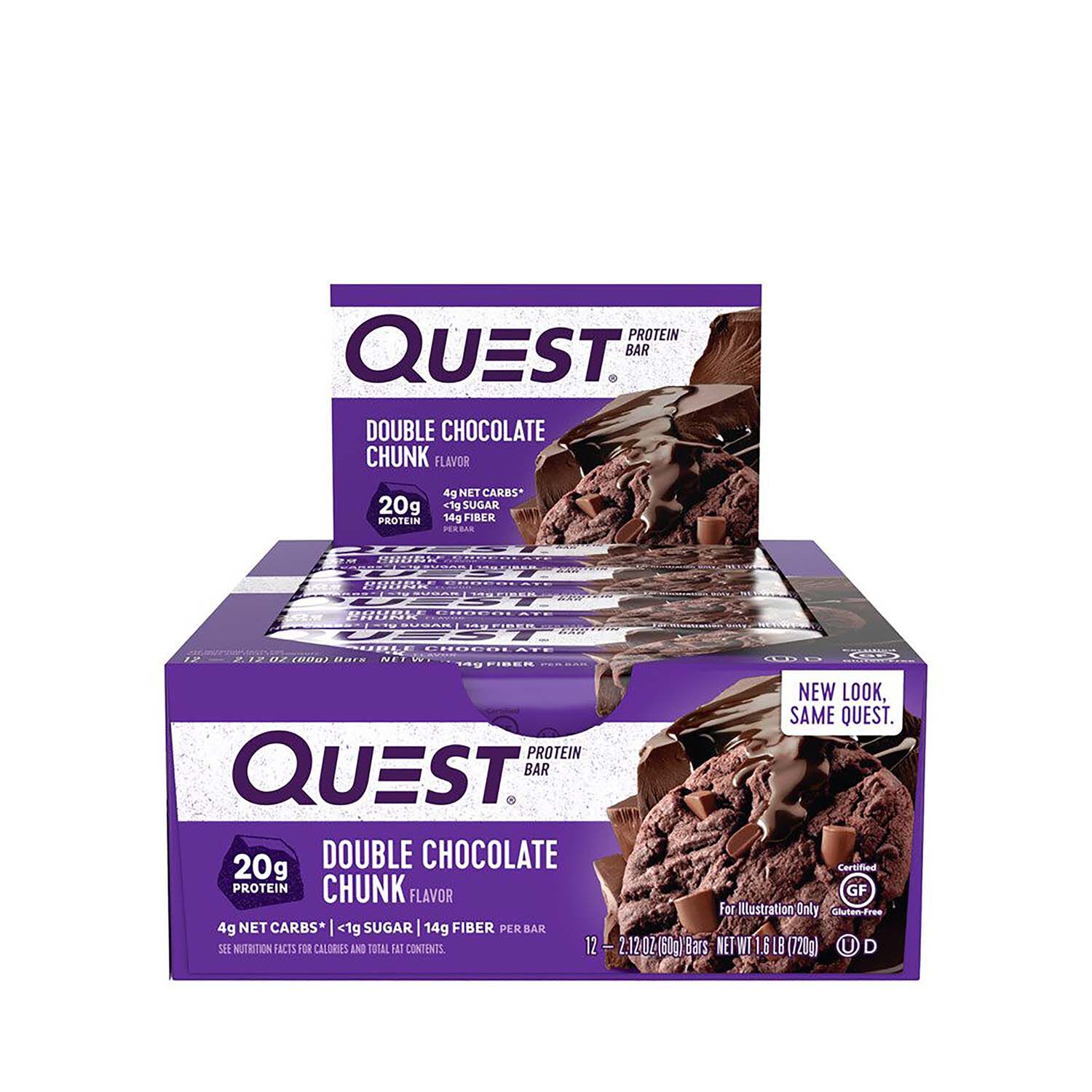
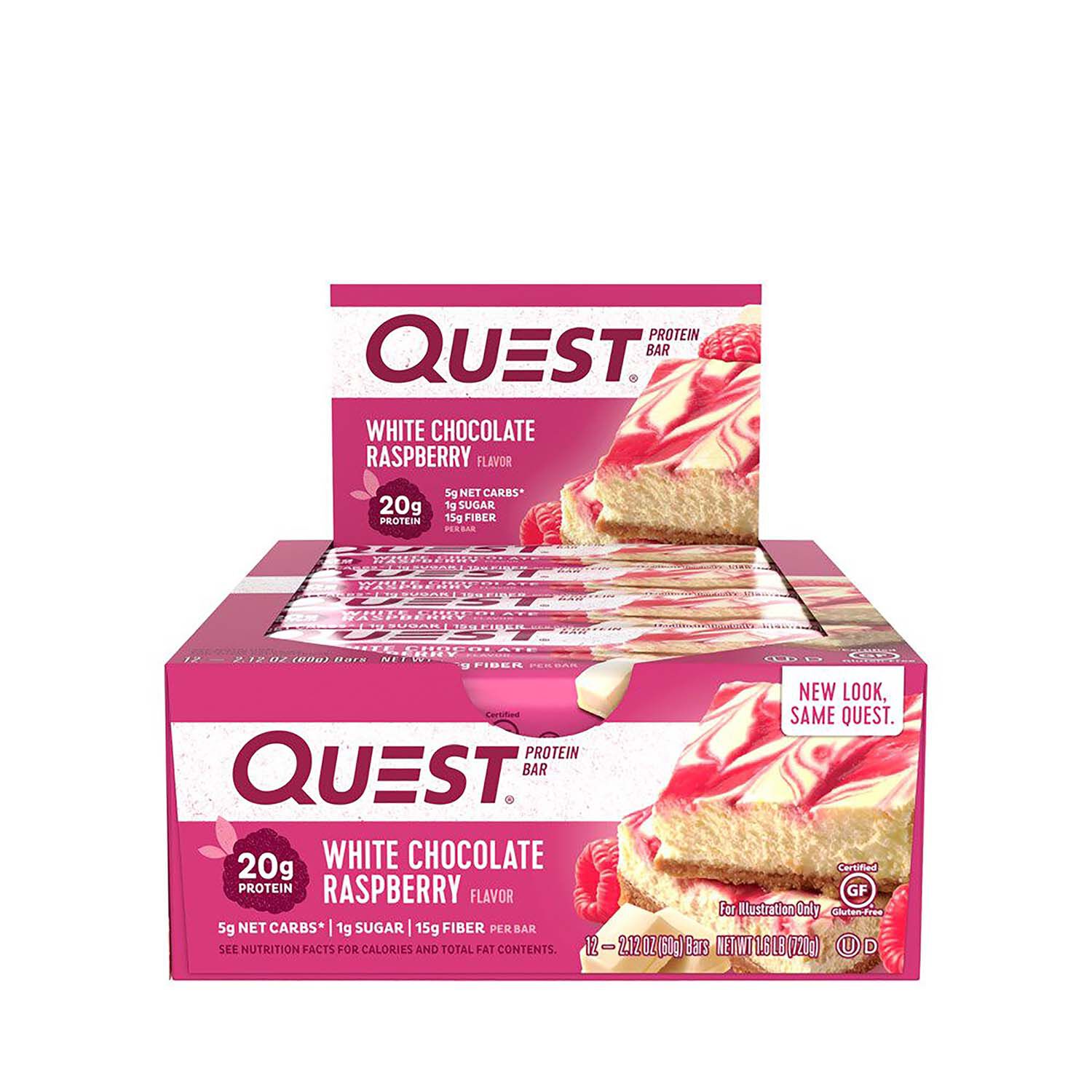
Protein cookies bring the familiar appeal of a baked treat to a snack made with added protein ingredients. For people balancing exercise, work, classes, and time outdoors, they offer a ready-to-eat format that needs no shaker bottle, mixing, or utensils. A cookie tucked into a lunch bag or carried alongside a water bottle may be a practical option between scheduled meals or after a trip to the gym. The category includes a range of textures, from soft and chewy to firm and crumbly, with flavors built around chocolate chips, cocoa, peanut butter, oats, and other familiar baking ingredients. Unlike traditional cookies, protein cookies typically incorporate ingredients such as whey, milk protein, pea protein, or soy protein into the dough. The amount of protein, serving size, and other nutritional details vary by recipe, so the category name alone does not tell the whole story. Some cookies have a rich, dessert-like character, while others lean toward a heartier texture with noticeable oats or nut pieces. A smaller cookie may suit someone who prefers a modest snack with afternoon coffee; a larger format may appeal to someone who wants something more substantial to pack for a busy day. Neither size nor a prominent protein claim replaces the information on the Nutrition Facts panel. Protein per serving is most useful when considered alongside serving weight, calories, carbohydrates, fiber, fat, and added sugar. A package can contain more than one labeled serving, which matters when comparing one cookie with another. For an active lifestyle, the best fit is often less about the biggest number on the wrapper and more about flavor, portion, ingredients, and how the snack fits into an everyday eating routine. Protein cookies remain a snack rather than a replacement for varied meals, and their appeal comes from combining a familiar cookie format with a different nutritional profile.
Ingredients give protein cookies much of their individual character, influencing everything from chewiness to sweetness. Whey and milk proteins are dairy-derived ingredients, while pea and soy proteins come from plants; some recipes combine several protein sources. A plant-derived protein ingredient does not automatically make the finished cookie vegan, since the recipe may also contain milk, eggs, honey, or other animal-derived ingredients. The full ingredient list provides a clearer picture than a single callout on the front of the package. The same attention matters for shoppers avoiding particular ingredients: cookies may contain wheat, milk, eggs, soy, peanuts, sesame, or tree nuts, and package statements can include information about shared manufacturing equipment. Flour choices also vary, with wheat, oat, almond, and other flours contributing different textures and flavors. Nut butters can lend a dense, rich quality, while oats add a more rustic bite. Cocoa creates a different eating experience from a lighter dough dotted with chocolate pieces, even when two cookies have similar protein amounts. Sweeteners deserve consideration as well. Recipes may use sugar, syrups, sugar alcohols, or other sweetening ingredients, and each combination has its own taste and texture. A cookie described as having less sugar does not necessarily have fewer calories than another cookie, because portion size and the rest of the recipe still matter. Fiber content also differs, with some recipes including added fiber ingredients beyond what comes from oats, nuts, or flour. These details make side-by-side label comparisons more meaningful than judging cookies by flavor names alone. Someone who enjoys a soft bakery-style bite may favor a different recipe from someone who likes a crisp edge or a dense, oat-forward chew. Texture preferences can be especially noticeable with protein cookies, since added protein ingredients may create a firmer or drier bite than expected from a traditional cookie. Familiar flavor combinations are a sensible starting point for shoppers who want a snack that feels like part of their usual routine rather than a major departure from it.
Packaging and storage are practical considerations for protein cookies that travel beyond the kitchen cupboard. Individually wrapped portions are easy to separate for a desk drawer, lunch tote, or gym bag, while resealable packages may suit households where several people enjoy the same snack. A wrapper offers a barrier against everyday handling, but a soft cookie can still flatten beneath a laptop or a pair of shoes. A small rigid food container adds structure when a bag is packed tightly, particularly for crumbly cookies or those with chocolate pieces. Storage directions on the package take priority, including any instructions that apply after opening. For cookies labeled for room-temperature storage, a cool, dry spot away from direct sunlight is generally more suitable than a hot car or a damp bag. Heat can soften chocolate and change texture, while exposure to air can dry out a soft-baked cookie. During the cooler months, a cookie alongside a warm drink may fit naturally into the pause between an outdoor walk and the next errand. For a commuter, it may be something to pack with lunch; for a recreational athlete, it may be one snack option in a bag that also holds fruit, water, and other foods. Cookies and powders serve different preferences, even when both feature protein: one is ready to eat, while the other requires a beverage or food for mixing. Shoppers who enjoy cocoa flavors and also use mixed beverages can explore Chocolate Protein Powders For Active Lifestyles for that separate format. Protein cookies may also make a thoughtful addition to a snack basket for a walking partner, a student with a busy schedule, or a friend who spends weekends outdoors, provided their ingredient preferences are known. Across these everyday uses, the most relevant details stay consistent: an enjoyable flavor, a suitable portion, clearly understood ingredients, and packaging that fits the way the cookie will be carried and stored. Those details distinguish a cookie that merely looks appealing from one that earns a regular place in the snack cupboard.