Protein Greens Supplement
(0 Results)
Fuel your body with the power of plant-based nutrition by exploring the benefits of Protein Greens. This dynamic blend could be an excellent addition to your wellness routine, offering a convenient way to incorporate both protein and greens into your diet. Whether you're looking to support muscle recovery after workouts or simply want to enhance your daily nutrient intake, Protein Greens might be the versatile solution you need. Perfect for smoothies, shakes, or even baking, these greens may provide a balanced boost of energy and vitality to help you meet your health goals. Discover how Protein Greens can fit seamlessly into your lifestyle and potentially elevate your nutritional game.
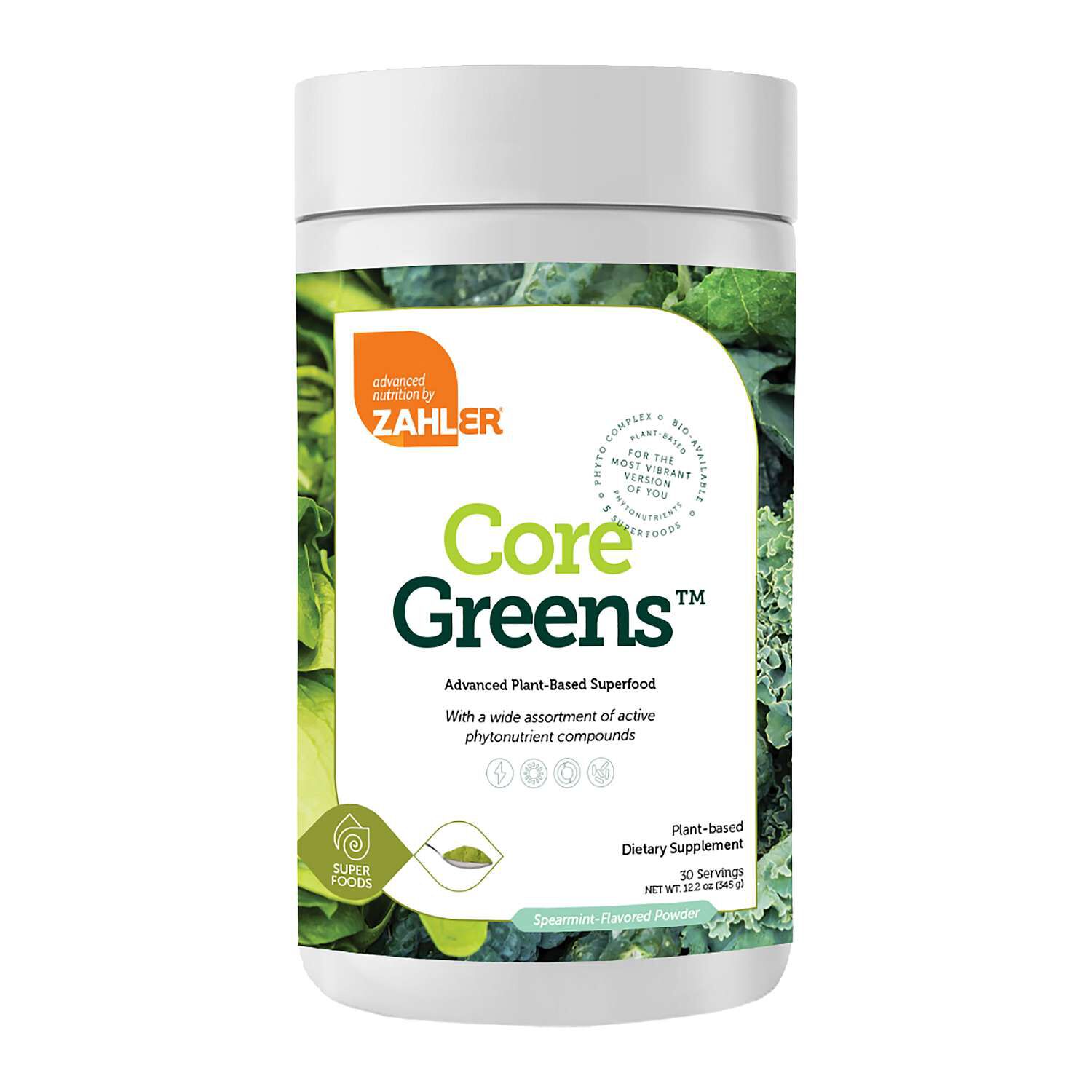
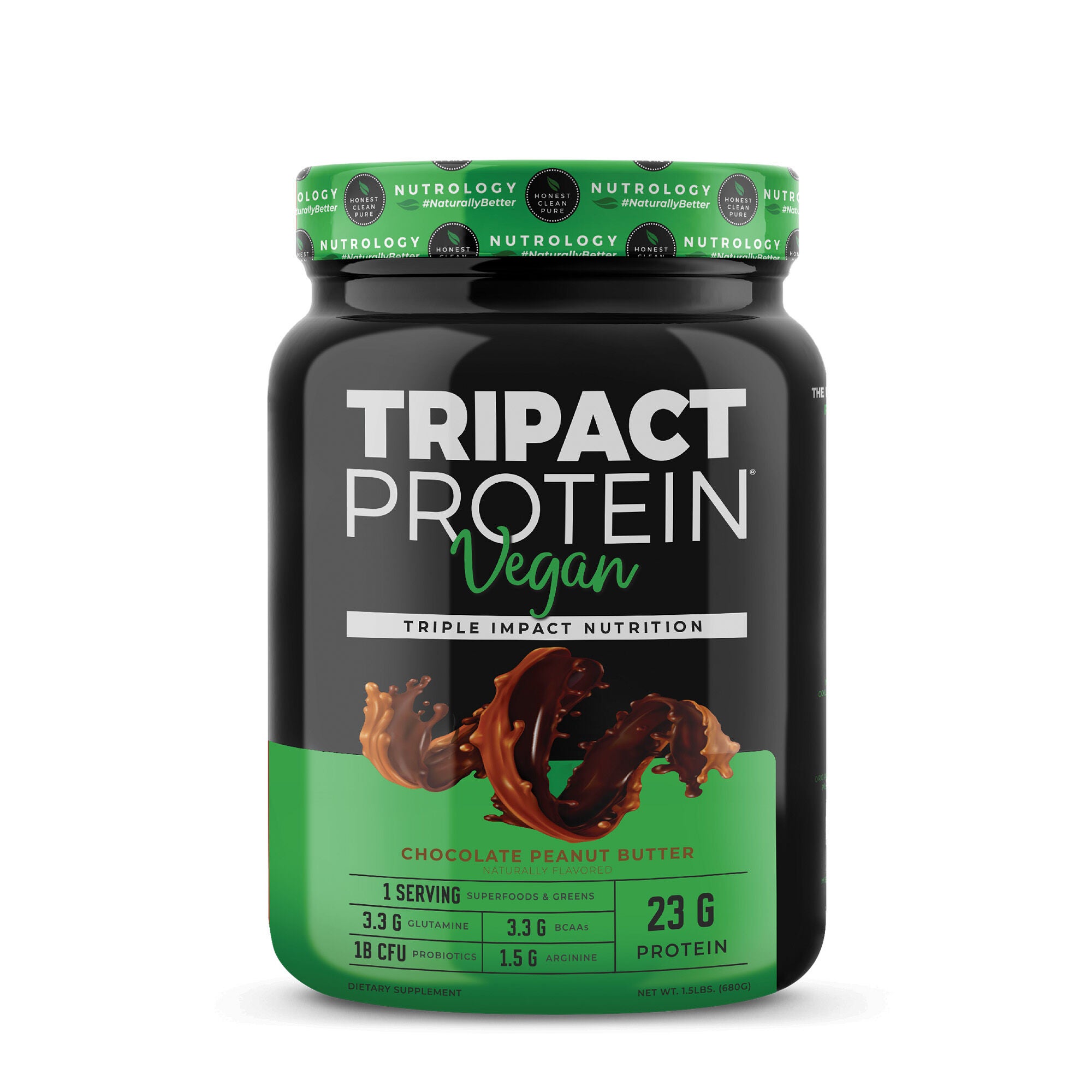
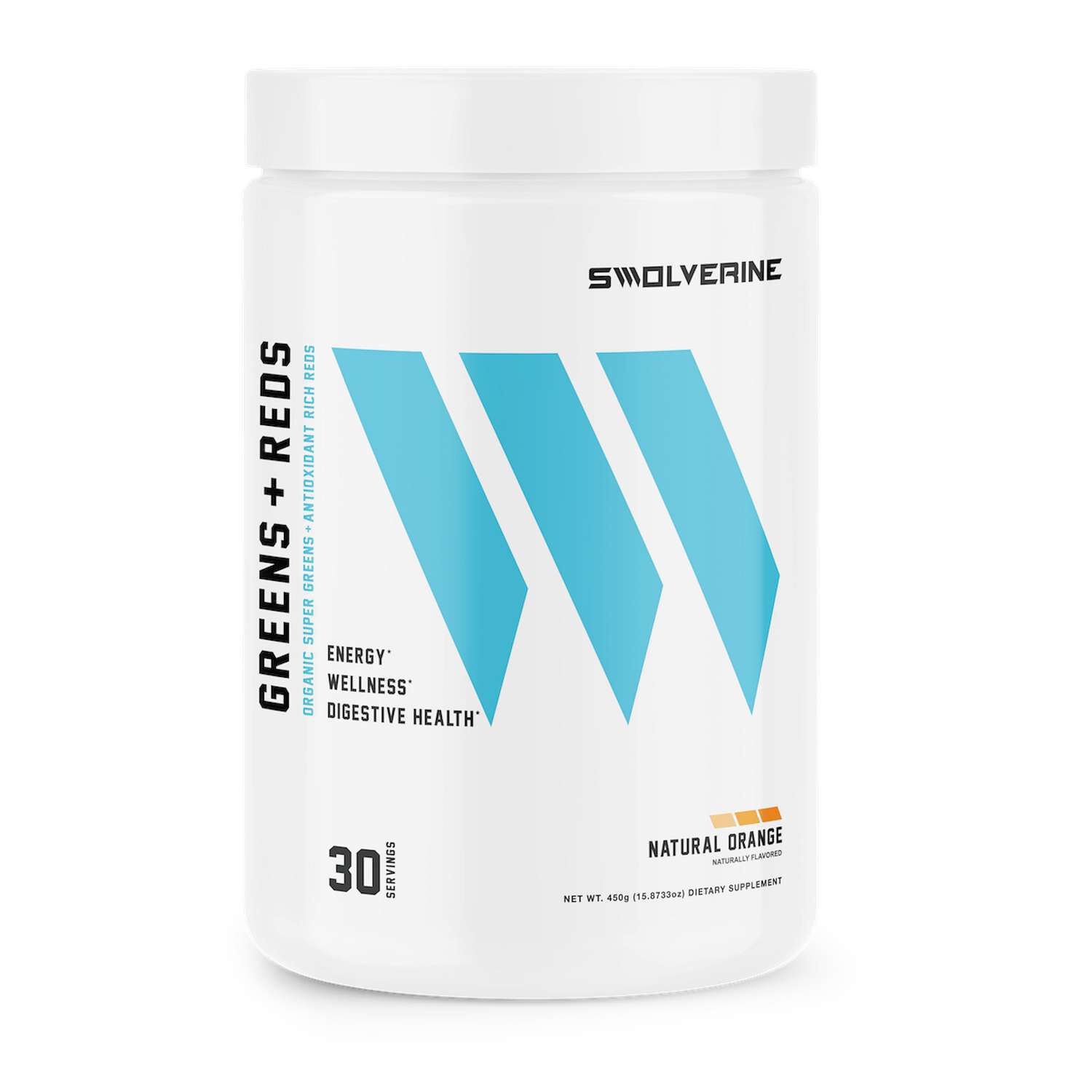

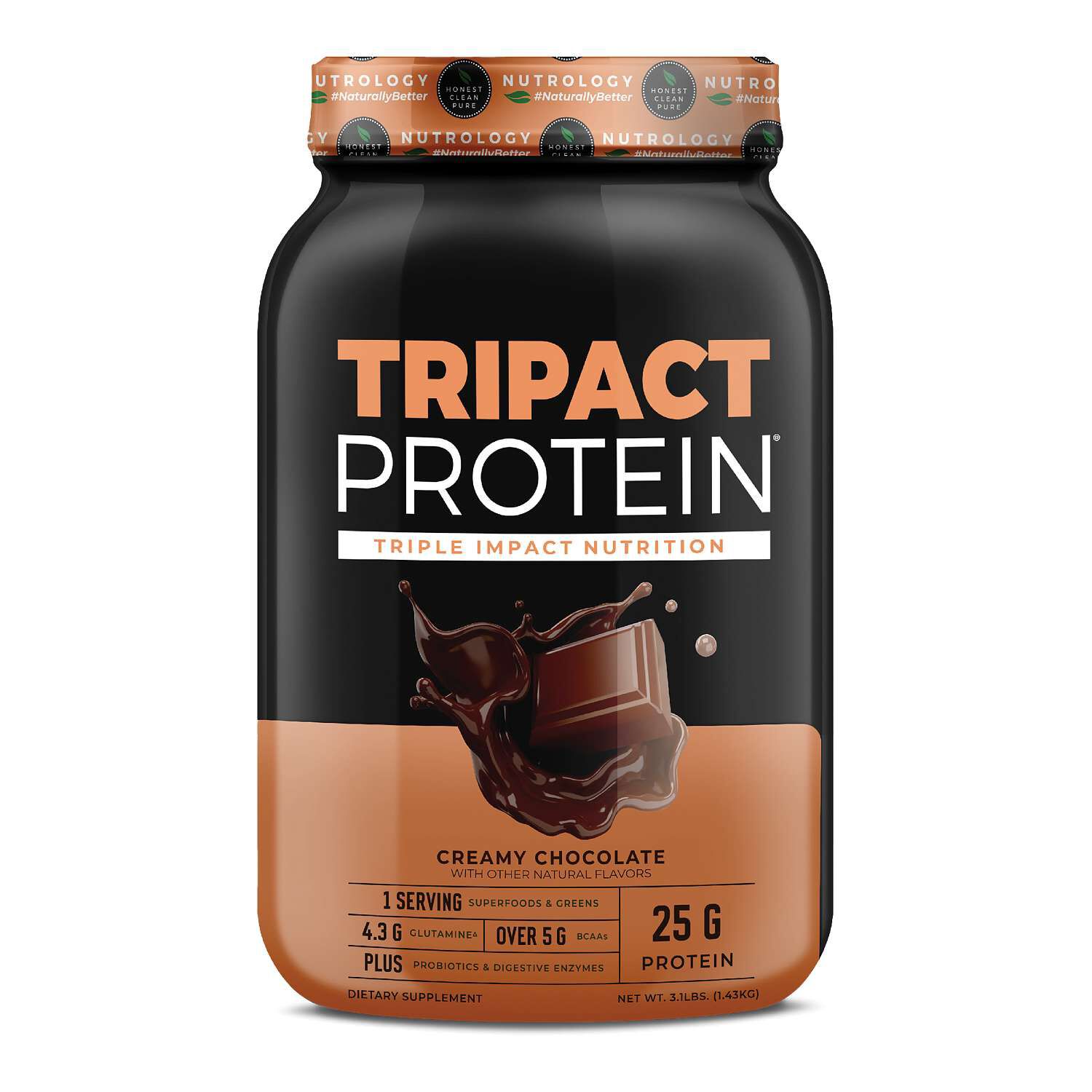

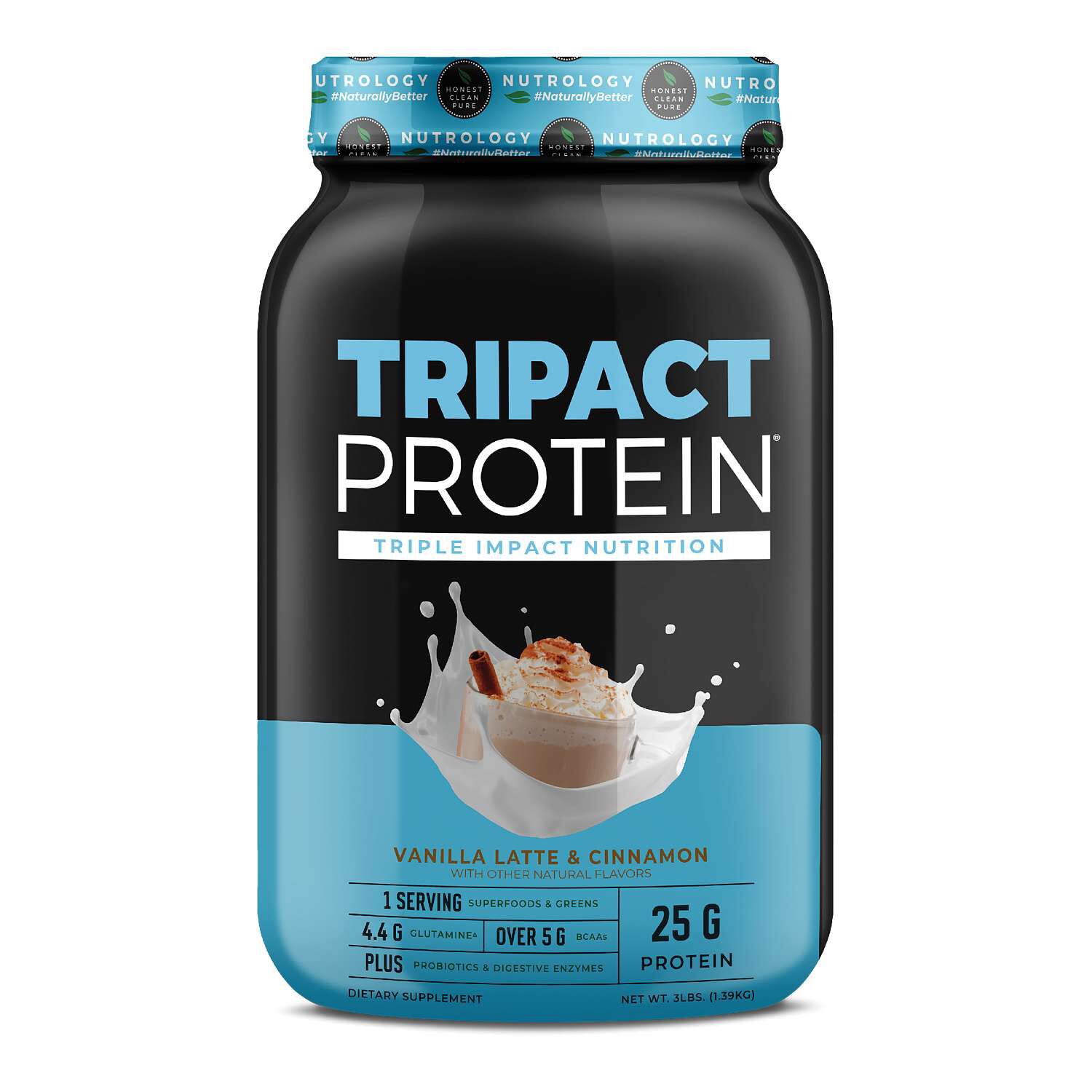


A protein greens supplement combines protein powder with powdered leafy greens, vegetables, and sometimes fruits in a single formula. Many blends use plant proteins such as pea, brown rice, or pumpkin seed alongside ingredients such as spinach, kale, broccoli, or alfalfa. The defining feature is the pairing: a conventional protein powder centers on protein, while a greens powder centers on plant ingredients and may contain relatively little protein. A protein and greens powder brings both into the same serving, though the proportions differ considerably between formulas. Some blends provide around 10 grams of protein per serving, while others provide 20 to 25 grams; the serving size and ingredient list give those numbers useful context. A larger scoop does not necessarily mean a higher proportion of protein, since greens, flavorings, fiber, and other ingredients also contribute to its weight. Likewise, a long list of vegetables does not reveal how much of each vegetable is present. Some labels state individual ingredient amounts, while others list a combined blend weight. These distinctions matter for shoppers who want a protein-focused shake with added greens versus a greens-focused powder with a smaller protein contribution. Powdered vegetables also differ from whole vegetables in their water content, texture, and serving size, so a scoop should not be treated as an interchangeable serving of fresh produce. The category is best understood as a supplemental food routine rather than a replacement for varied meals. It may appeal to someone who already mixes a daily shake, a recreational athlete looking for a combined format, or a busy commuter who prefers to measure one powder instead of several. The most useful comparison starts with the intended role: a shake alongside breakfast, an addition to a fruit smoothie, or a protein-containing drink after a workout. Each use places a different emphasis on protein quantity, flavor, portion size, and preparation.
The ingredients in a protein greens supplement shape its nutritional profile as well as its taste and texture. Pea protein, rice protein, and seed proteins have different characteristics, and a formula may combine multiple sources rather than rely on just one. Protein blends also differ in their amino acid composition; when that information is provided, it adds detail beyond the grams of protein shown on the label. Greens ingredients can range from individual vegetable powders to blends containing grasses, algae, fruits, or herbs. The word “greens” alone does not describe a standardized recipe, and the color of the powder is not a reliable measure of its protein content or ingredient quantities. Added vitamins, minerals, fiber, sweeteners, and flavorings deserve attention because they can make two similarly named powders quite different. Fiber content, for example, varies with the ingredients and processing methods, so a vegetable-heavy ingredient list does not automatically indicate a substantial amount. A plant-based description also should not substitute for checking the full ingredient and allergen statements. Milk, soy, wheat, and other ingredients may be relevant to a shopper’s dietary preferences or household needs, including when a powder will be shared. Vegan labeling, organic certification, and non-GMO verification address different attributes rather than serving as interchangeable measures of quality. Third-party certification can provide another point of comparison, but its meaning depends on the certification program and what it evaluates. Clear serving directions, readable ingredient information, and specific nutrient amounts are more useful than broad language on the front of a container. For a household that already uses several nutrition powders, checking for overlapping ingredients may also make the routine easier to understand. Someone comparing a combined protein formula with a greens-centered option can explore Best Green Supplements for a related category perspective. That distinction keeps the comparison focused on what belongs in the serving rather than assuming every green powder has the same composition or intended use.
Taste, preparation, and storage often determine how naturally a protein greens powder fits into everyday life. Leafy greens can bring grassy or earthy notes, while plant proteins may have a grainy or slightly sandy texture. Chocolate and vanilla flavor profiles offer different ways to pair those characteristics with other ingredients, but flavored does not always mean sweet, and unflavored does not necessarily mean neutral. Sweetener type and the amount of liquid used both influence the finished drink. A simple mixture with water presents the powder’s flavor directly; milk or a plant-based beverage adds its own flavor, texture, and nutritional contribution. In a blender, banana, berries, oats, or nut butter may create a thicker smoothie with a different balance of flavors. Those additions also change the serving’s nutrients, which matters when comparing a prepared smoothie with the figures printed for powder alone. A shaker bottle suits a straightforward drink at a desk or after a gym session, while a blender is more practical for fruit and other solid ingredients. Some mixtures settle after standing, so another shake or stir may help redistribute the powder. Package directions provide the starting amount of liquid and powder, and measuring by the stated serving weight offers a clearer reference than estimating a heaped scoop. Container format matters, too: a resealable pouch takes up a different amount of cupboard space than a rigid tub, and individually portioned packets involve less measuring away from home. Regardless of format, a securely closed package and a clean, dry scoop may help limit moisture exposure during storage. Keeping the original label accessible preserves the ingredient information, preparation directions, and date markings for later reference. Prepared drinks containing perishable ingredients require the same appropriate food handling as those ingredients on their own. For someone receiving a powder as a practical fitness-related gift, familiar flavor preferences and dietary requirements matter more than an elaborate ingredient list. A useful match is a formula whose serving size, preparation method, and ingredient profile suit the way the recipient already eats and drinks.