





Protein Powders For Healthy Nails And Skin
(0 Results)
Protein powders for healthy nails and skin could be a convenient addition to your daily routine, offering a simple way to support your wellness goals. With options formulated to fit a variety of lifestyles and preferences, these protein powders may complement balanced nutrition and self-care efforts. Explore choices that might help you look and feel your best from the inside out.
-
-
-
-
-
-

-

-

-
-
-

-
-

-

-

-

-

-

-
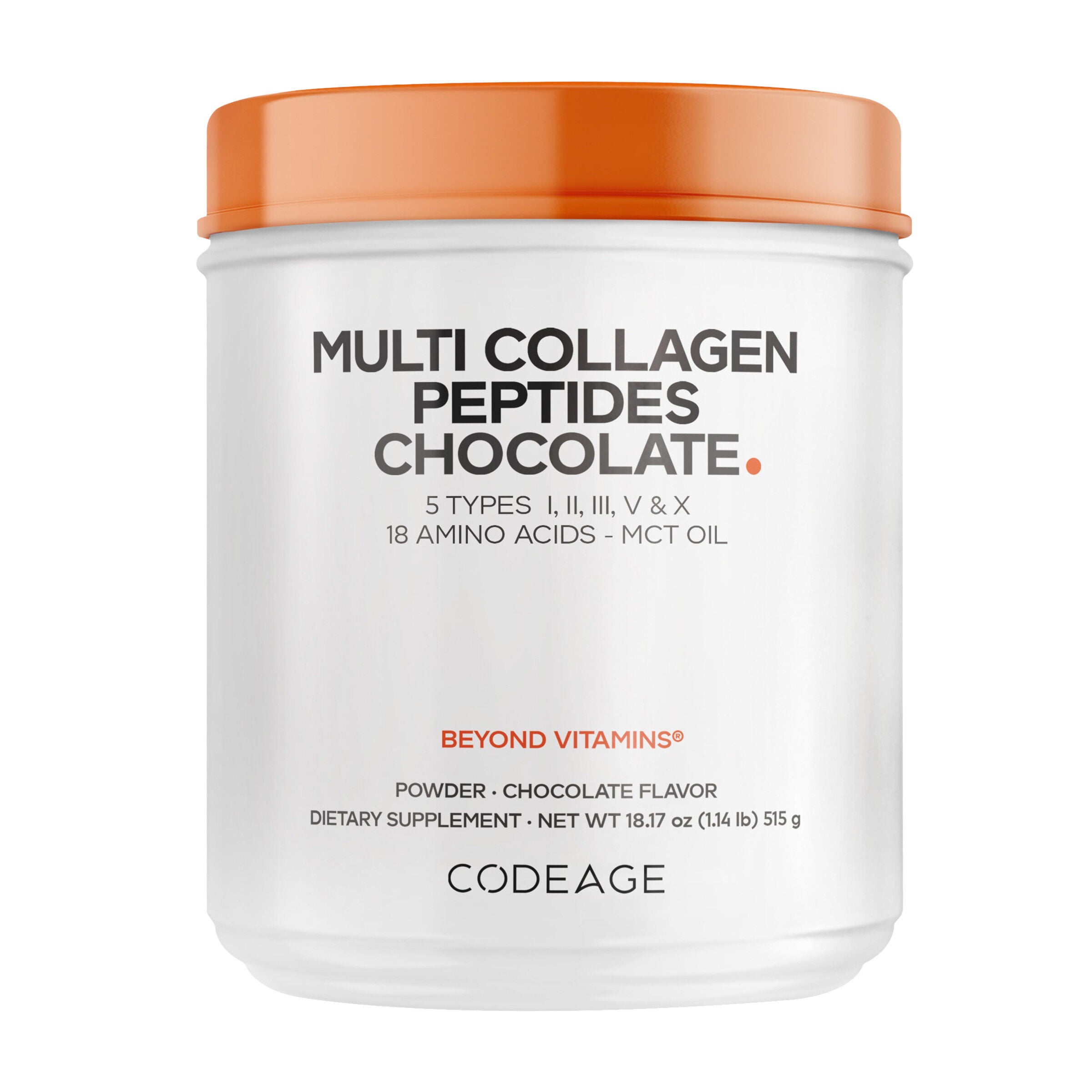
-
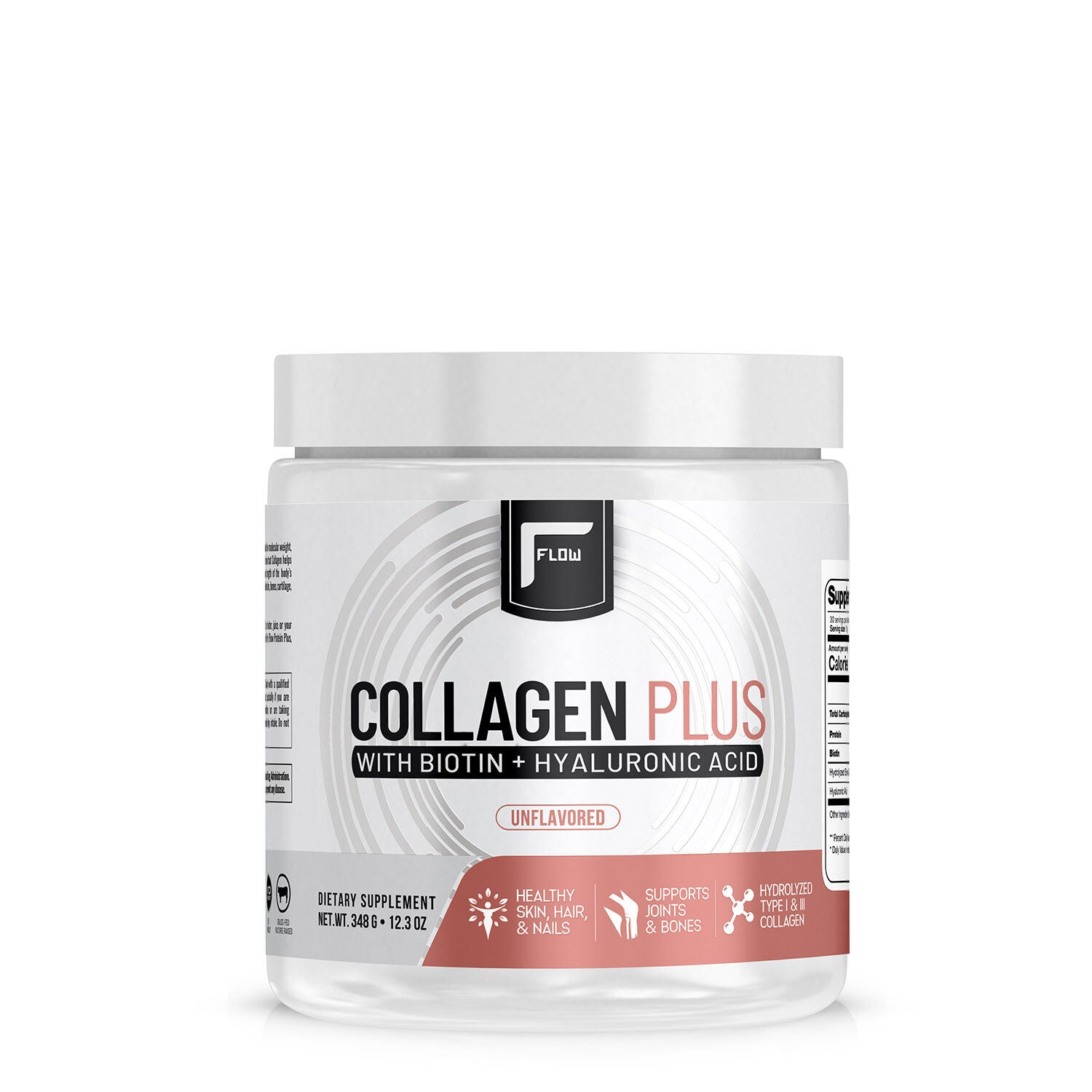 44$44.99
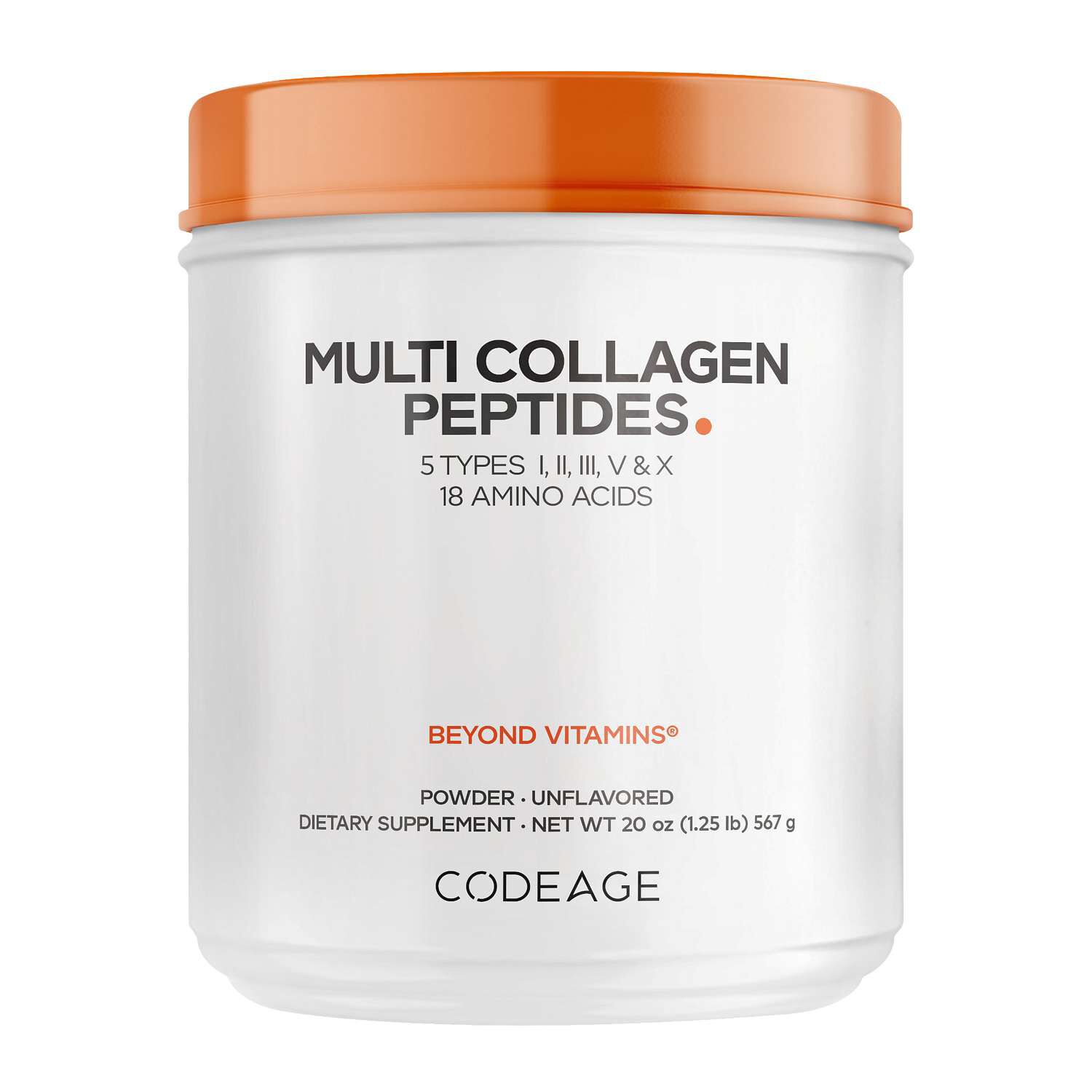
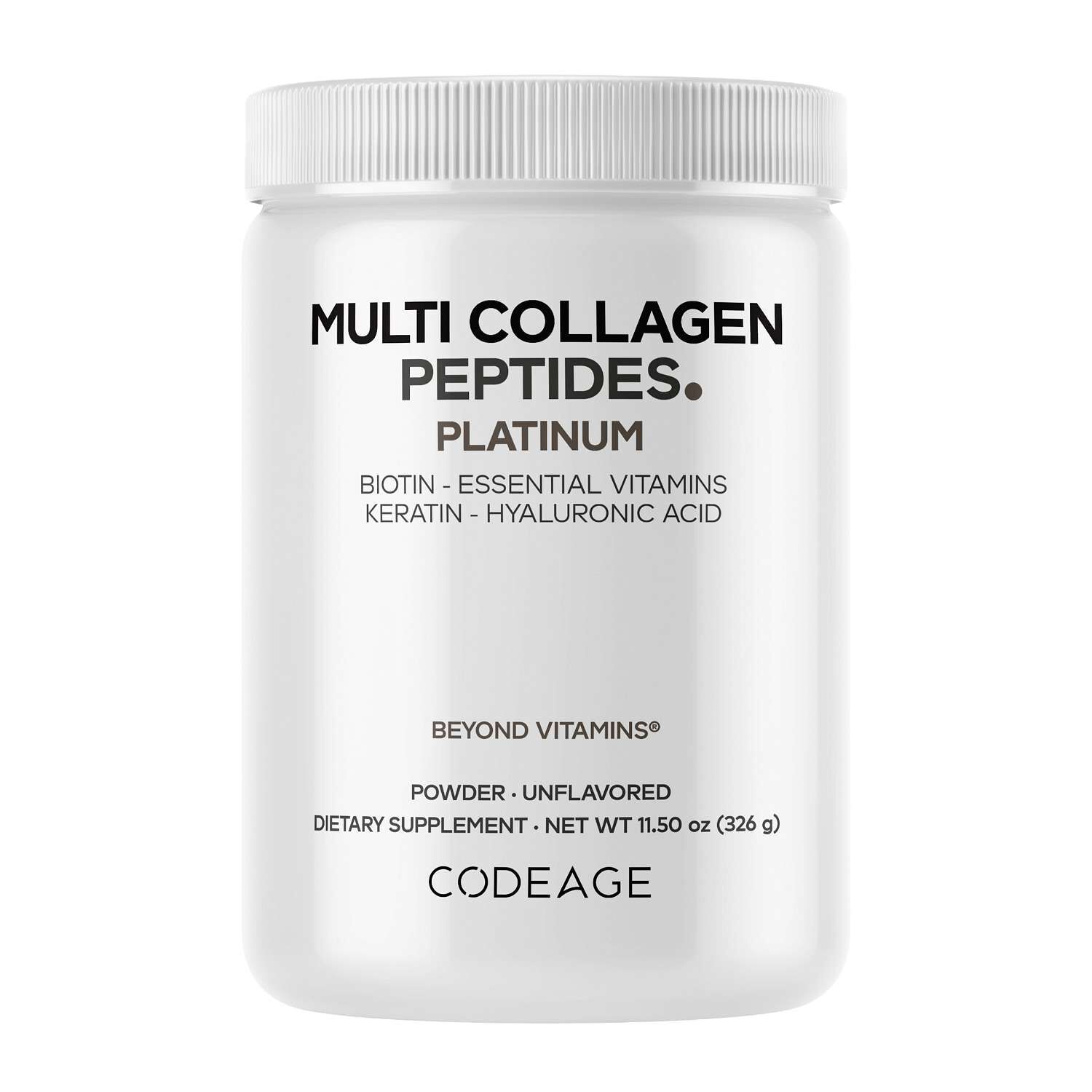
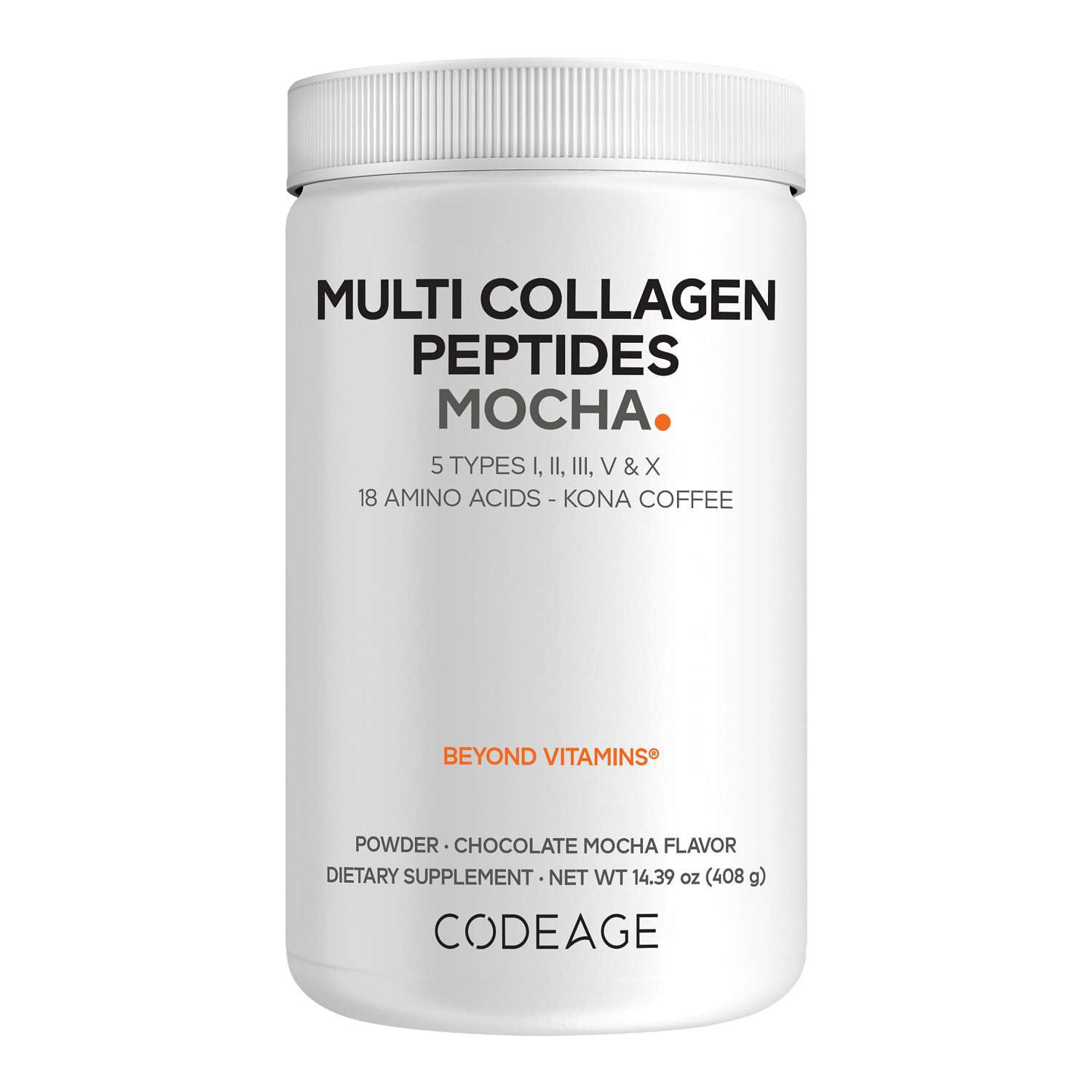

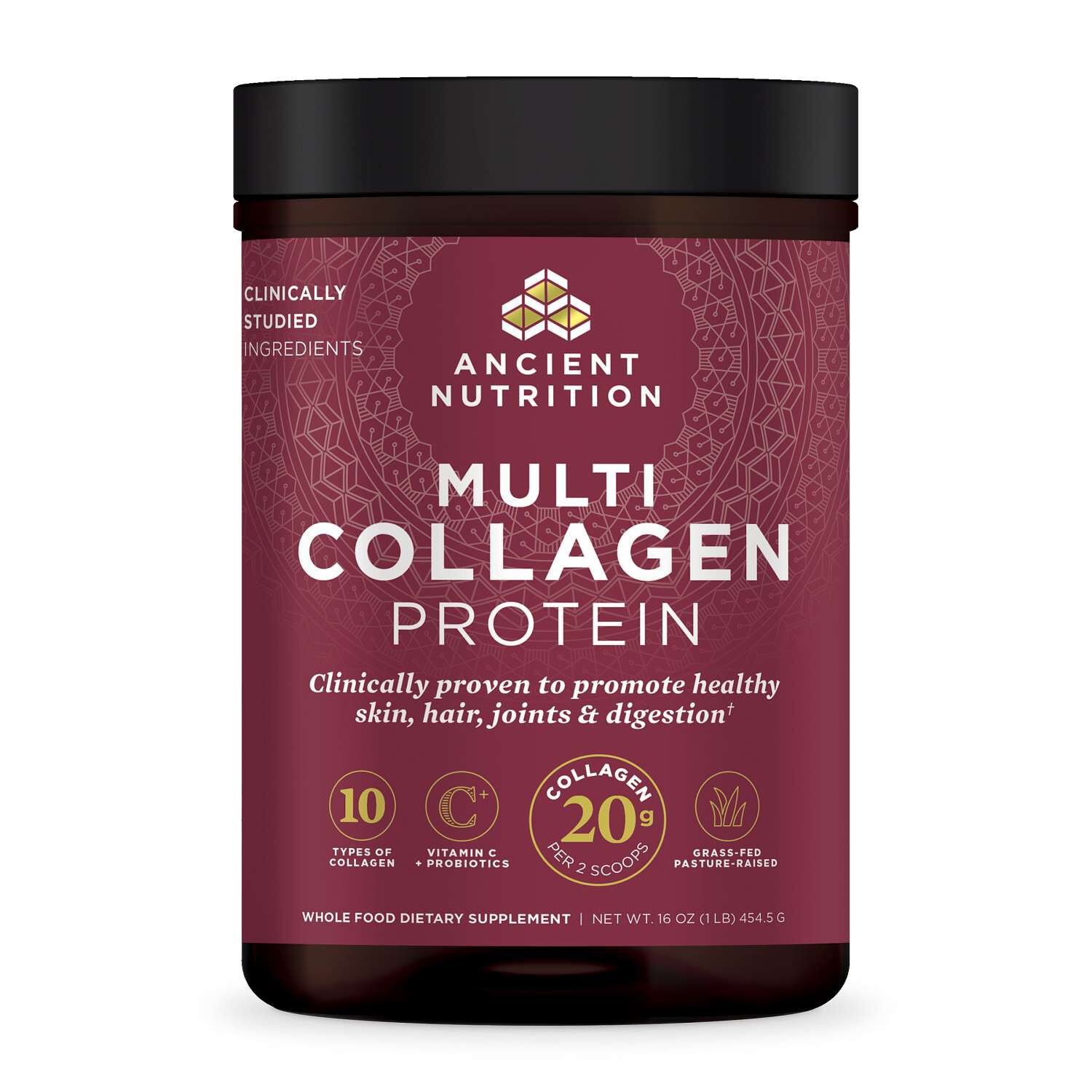
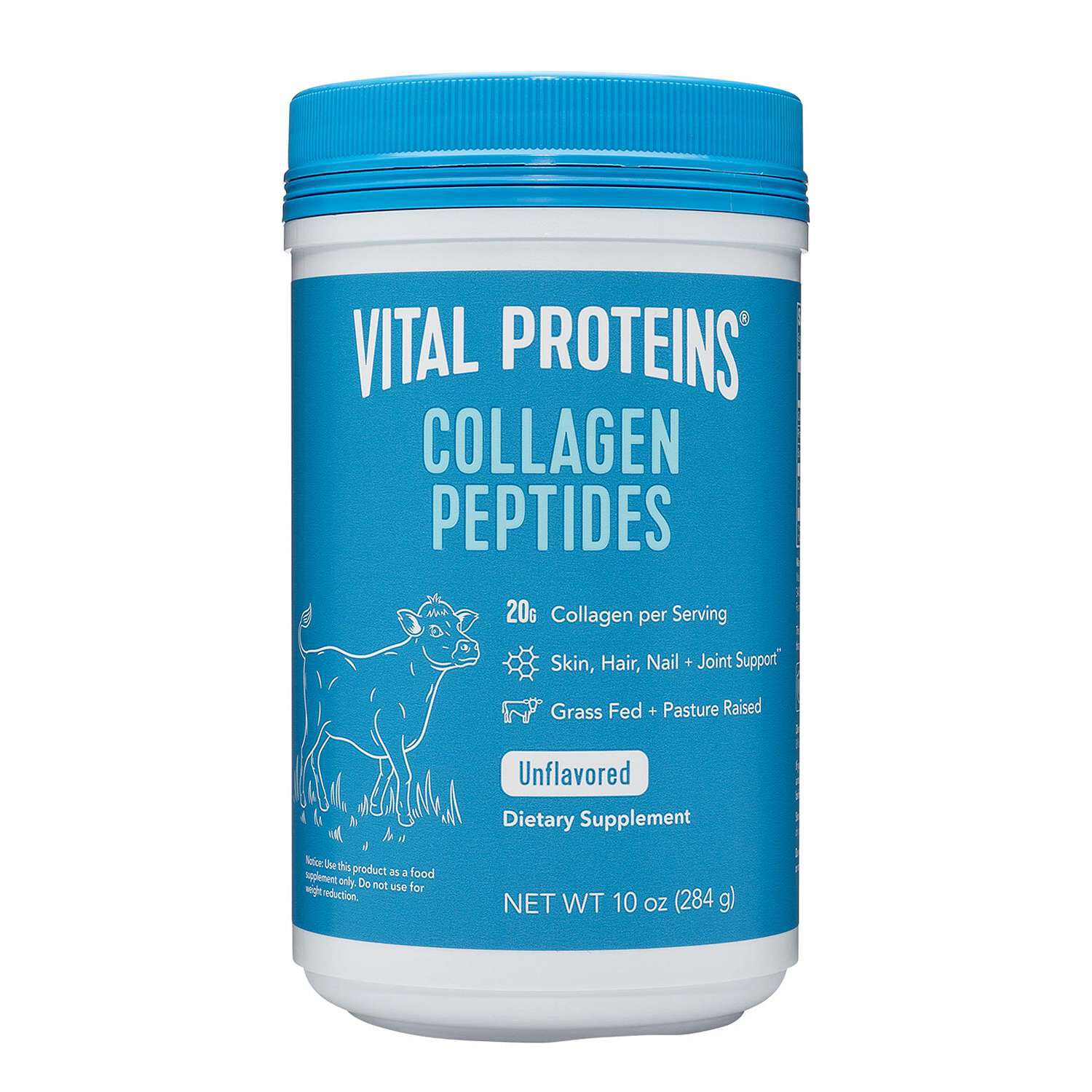
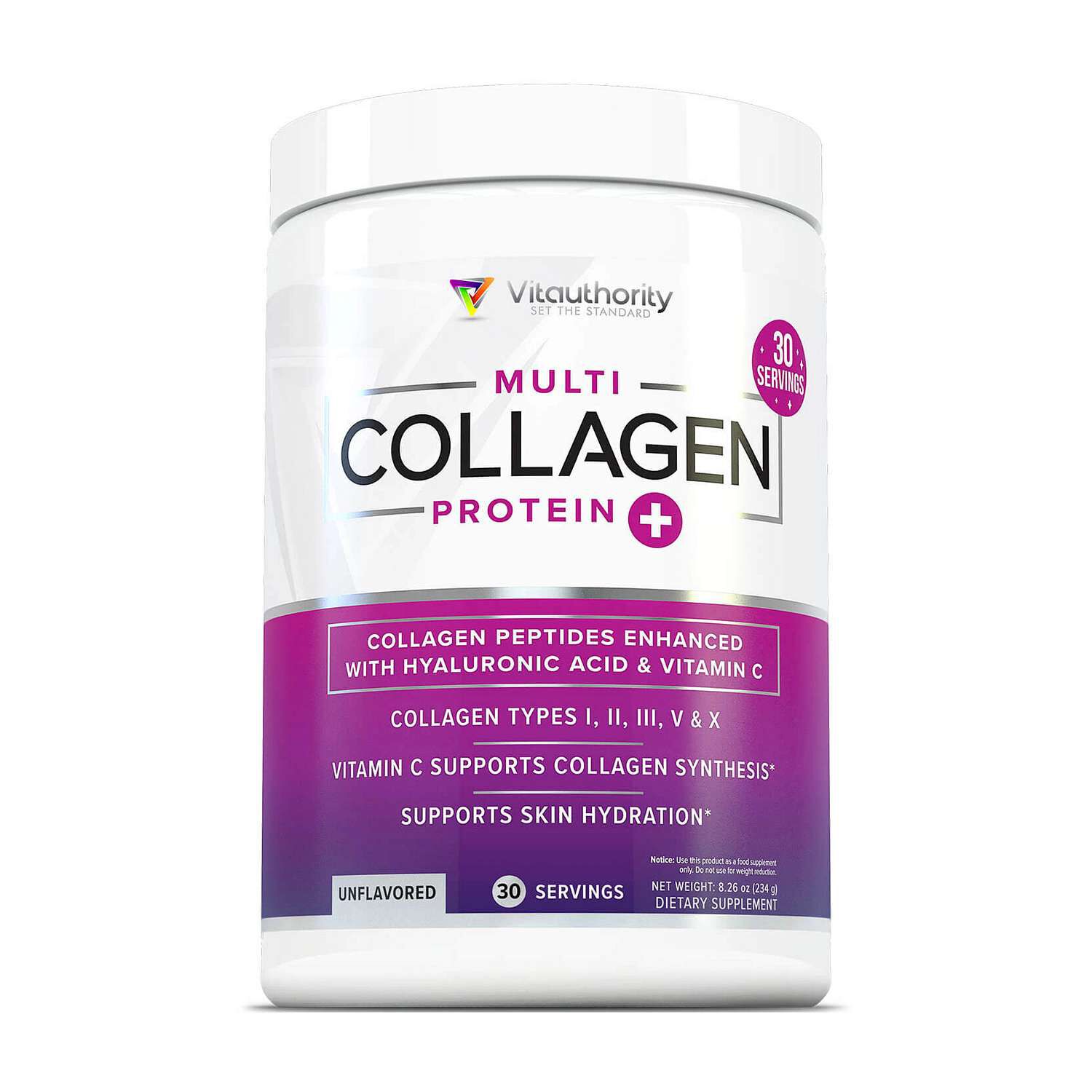
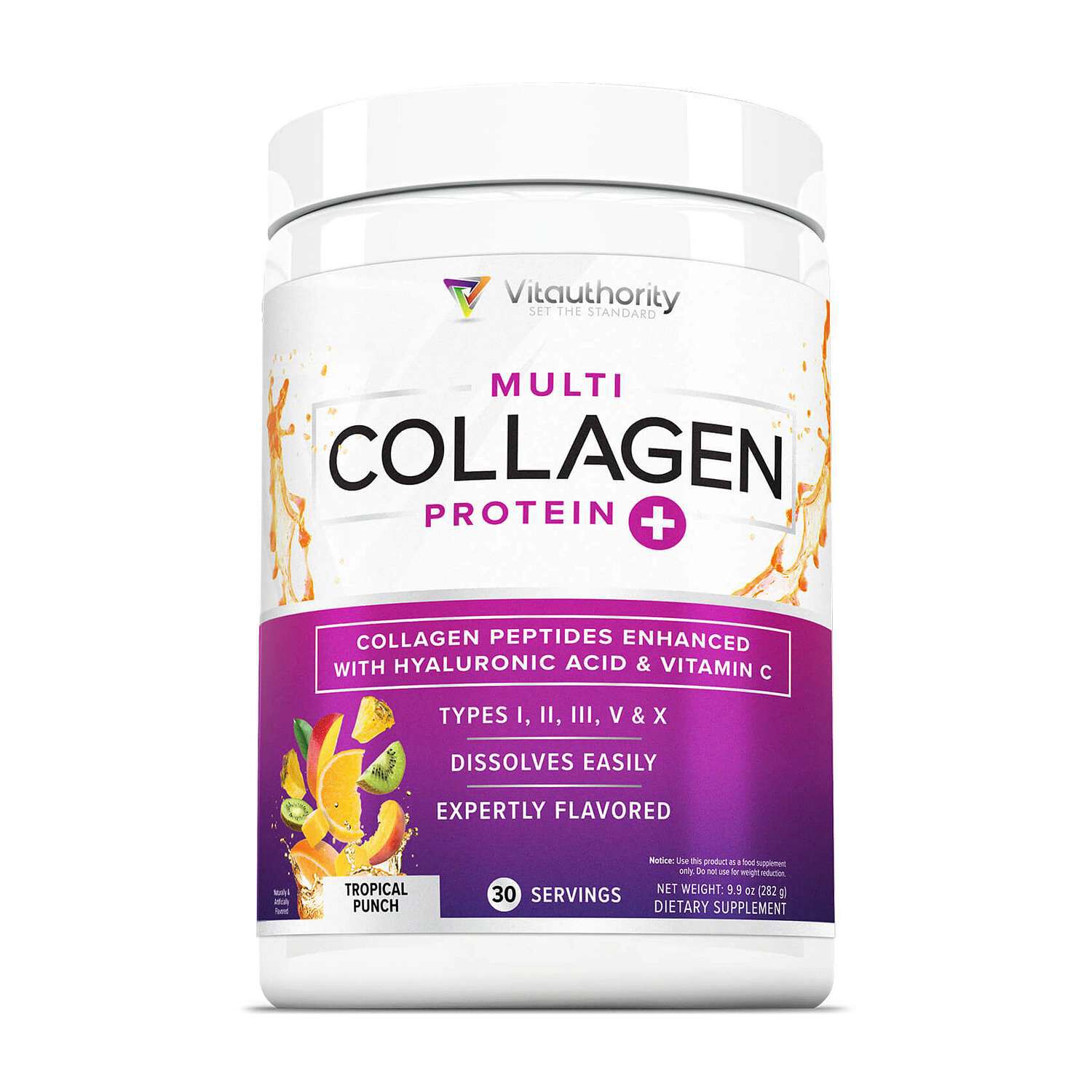
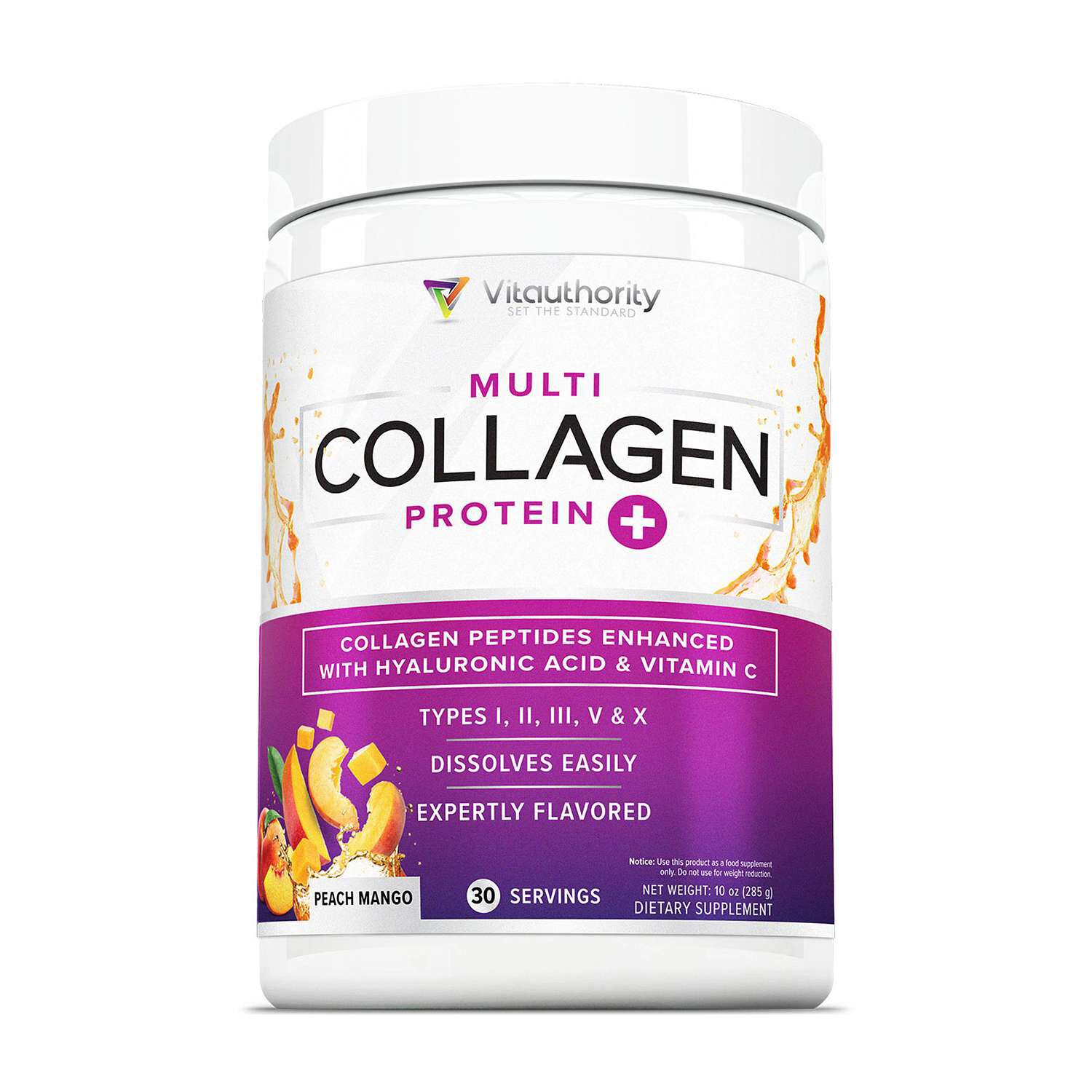
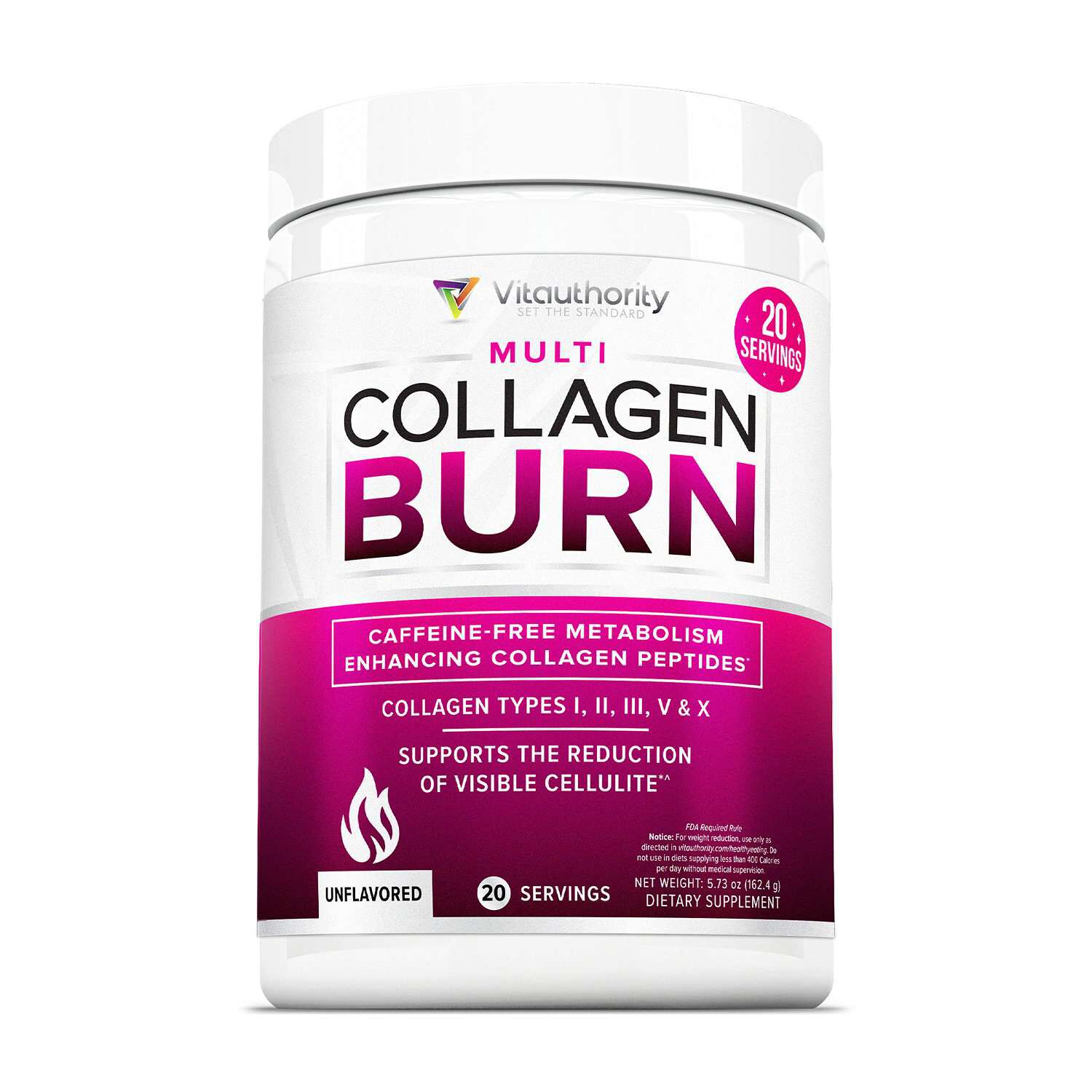
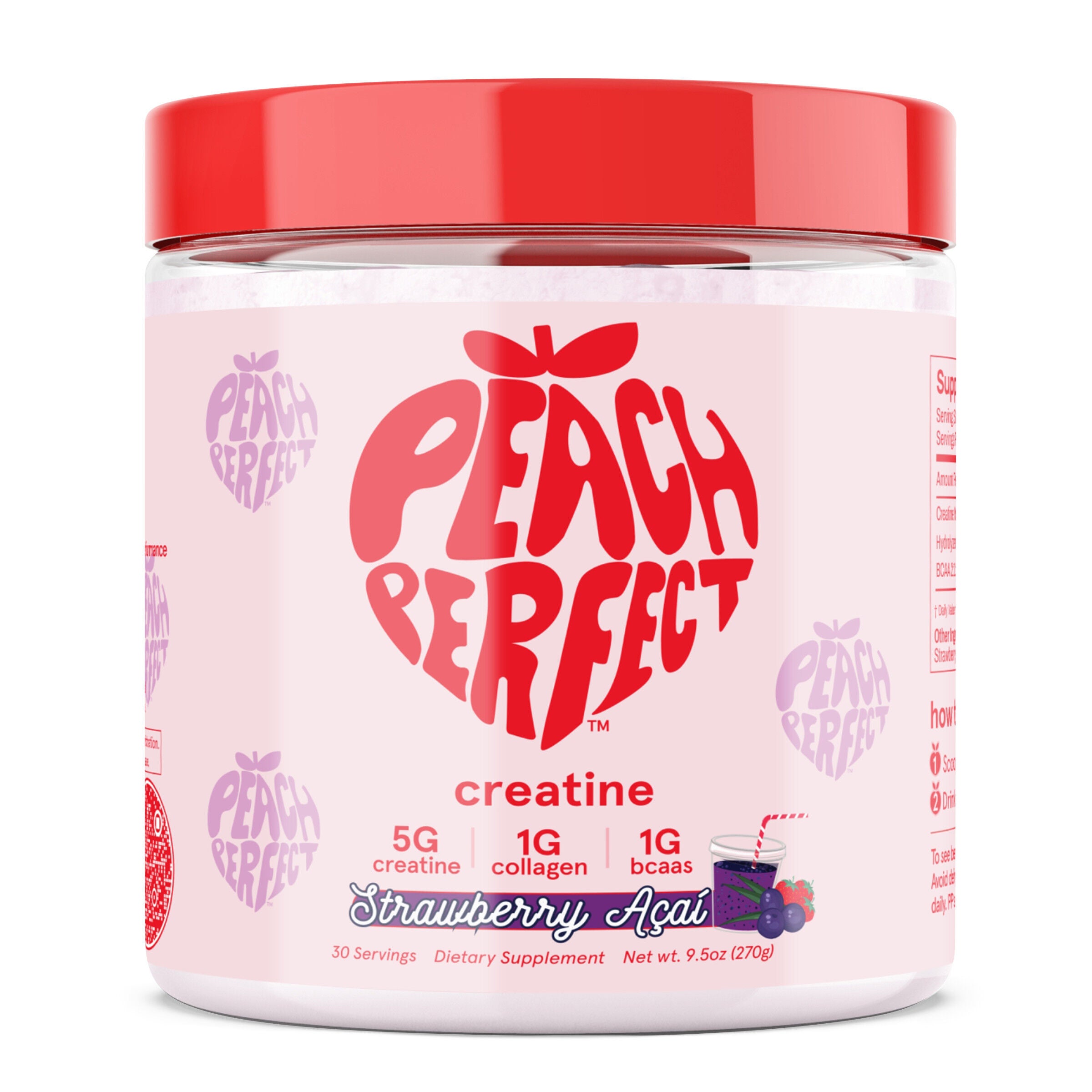
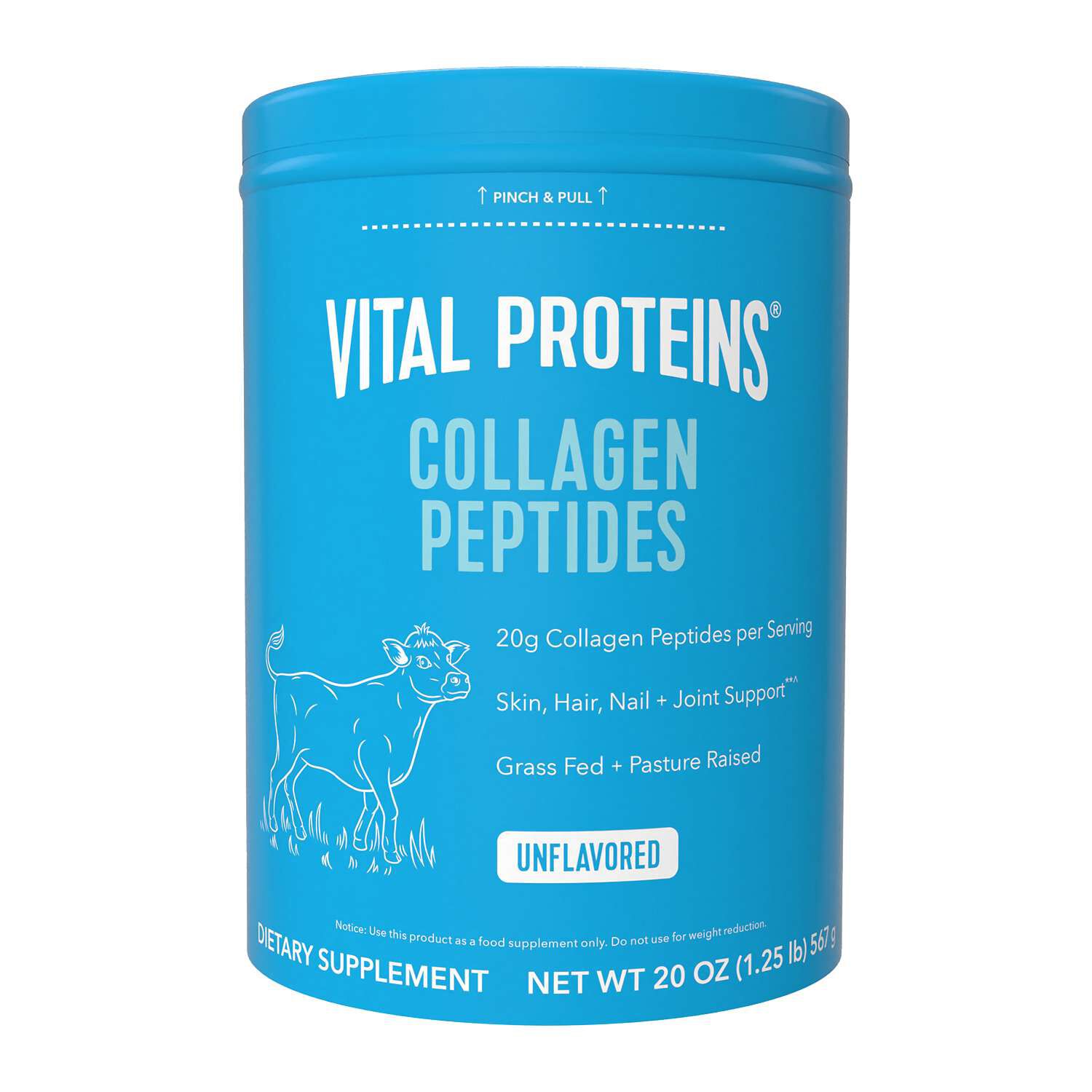
Protein powders for healthy nails and skin are often chosen by adults who want to pair everyday protein intake with an interest in personal care. This category includes several distinct powder types, and the differences begin with the protein source rather than the flavor on the label. Collagen peptides come from animal sources, such as bovine or marine ingredients, while whey and casein come from milk. Plant-based protein powders may contain pea, soy, rice, or a blend of plant ingredients. These options are not interchangeable: their amino acid profiles, textures, dietary suitability, and intended uses differ. Amino acids are the building blocks of proteins, including collagen and keratin, which are components of skin and nails. A protein powder may contribute to daily protein intake as part of a varied diet, but its role is nutritional rather than a substitute for topical skin care or nail care. Collagen peptides are collagen proteins processed into smaller pieces; “hydrolyzed collagen” is another term shoppers may see on a label. Some beauty-focused blends also include vitamin C, biotin, or hyaluronic acid. Those additions distinguish the formula, but their presence alone does not establish how someone’s skin or nails might look after use. The amount of each ingredient matters more than a long list of appealing names. A collagen blend with several sources also differs from a blend of whey and plant proteins, even when both are described as protein powders. For shoppers comparing these categories, the clearest starting point is the ingredient list alongside the stated protein amount per serving. That pairing separates a primarily collagen-based formula from a general protein powder with a small amount of added collagen. It also places skin- and nail-focused language in context: the powder’s composition and how it fits an existing eating routine deserve attention alongside its beauty-oriented positioning. No single format is the right match for every preference or purpose.
Collagen powders appeal to shoppers specifically interested in collagen ingredients, while whey, casein, and plant-based powders may suit those looking for a more general addition to meals and snacks. Collagen does not have the same amino acid profile as whey, soy, or a thoughtfully formulated plant blend, so equal grams of protein do not necessarily mean equivalent nutritional composition. Source details are particularly important for dietary preferences. Marine collagen is animal-derived, and the label should identify its source; bovine collagen is also animal-derived and does not fit a vegetarian or vegan eating pattern. A plant-based powder is not itself collagen, even if its packaging emphasizes beauty or contains nutrients also found in collagen-focused formulas. Milk, soy, fish, and other allergen information deserves a close look, as do statements about shared manufacturing equipment when relevant to the shopper. Beyond the protein source, serving size, added sugars, sweeteners, and the amounts of added vitamins or minerals offer useful points of comparison. One scoop is not a standardized measurement across powders: the serving weight and number of scoops can differ. A formula with a lengthy ingredient list may devote part of that serving to flavorings, thickeners, or other additions rather than protein. Some shoppers prefer a short ingredient list and an unflavored format; others value a flavored powder that needs little preparation. Neither preference says anything by itself about how the powder might affect skin or nails. Similarly, a larger collection of collagen types is a description of the formulation, not evidence of a more noticeable cosmetic result. Clear sourcing information, readable ingredient amounts, and straightforward preparation directions provide a firmer basis for comparison than dramatic before-and-after language. For someone already using other nutritional supplements, noting repeated ingredients across labels is another practical part of understanding the formula. The focus remains on choosing a powder with a clear purpose in an everyday routine, rather than treating every added ingredient as a reason to choose it.
Flavor, texture, and preparation often determine whether a protein powder feels like a natural part of that routine. An unflavored collagen powder may suit someone who prefers to keep the taste of a familiar drink, although unflavored does not always mean undetectable. Source ingredients can have a subtle taste or aroma, and mixing performance varies by formula. Whey powders often have a milky character, while plant proteins can have earthy notes or a more textured finish. Cocoa, vanilla, fruit, and the chosen liquid all influence the finished drink. Shoppers drawn to a cocoa-forward option can explore Chocolate Protein Powders for Healthy Skin when considering flavors for a shake, yogurt bowl, or smoothie. A chocolate powder blended with banana offers a different flavor experience from the same powder stirred into plain yogurt, where sweetness and texture may be more noticeable. Preparation directions matter here: some formulas are designed for a shaker bottle, while thicker mixtures may be better suited to a blender. Adding more powder than directed may produce a dense or gritty result rather than a more enjoyable snack. For a desk drawer or travel bag, individually portioned packets offer a different format from a tub kept beside the blender at home. Container size also deserves consideration in relation to serving frequency, storage space, and the printed best-by date. Keeping the package tightly closed, using a dry scoop, and following its storage instructions are practical habits for powder care. When considering a powder as a gift, knowing the recipient’s preferred flavors, dietary choices, and ingredient restrictions is more useful than choosing by packaging alone. Across these everyday details, the most suitable protein powder is one whose source, nutritional composition, taste, and preparation requirements align with its intended use. Any potential contribution to the appearance of skin or nails may vary, making realistic expectations as important as a flavor someone enjoys.
Best Sellers
-
Ancient Nutrition
-
Vital Proteins
