Chocolate Protein Powders For Healthy Skin
(0 Results)
Chocolate Protein Powders for Healthy Skin
Chocolate protein powders for healthy skin offer a delicious way to support your daily nutrition goals while enjoying rich, chocolatey flavor. These protein blends are popular among those who want to incorporate more protein into their routines and may be looking for options that could complement overall wellness. Whether added to smoothies, shakes, or favorite recipes, chocolate protein powders for healthy skin provide a convenient option for anyone seeking a tasty addition to their balanced lifestyle. Explore a variety of choices designed to fit different preferences and dietary needs.
-
-

-

-

-

-

-

-

-
-
-
-
-

-

-
-

-
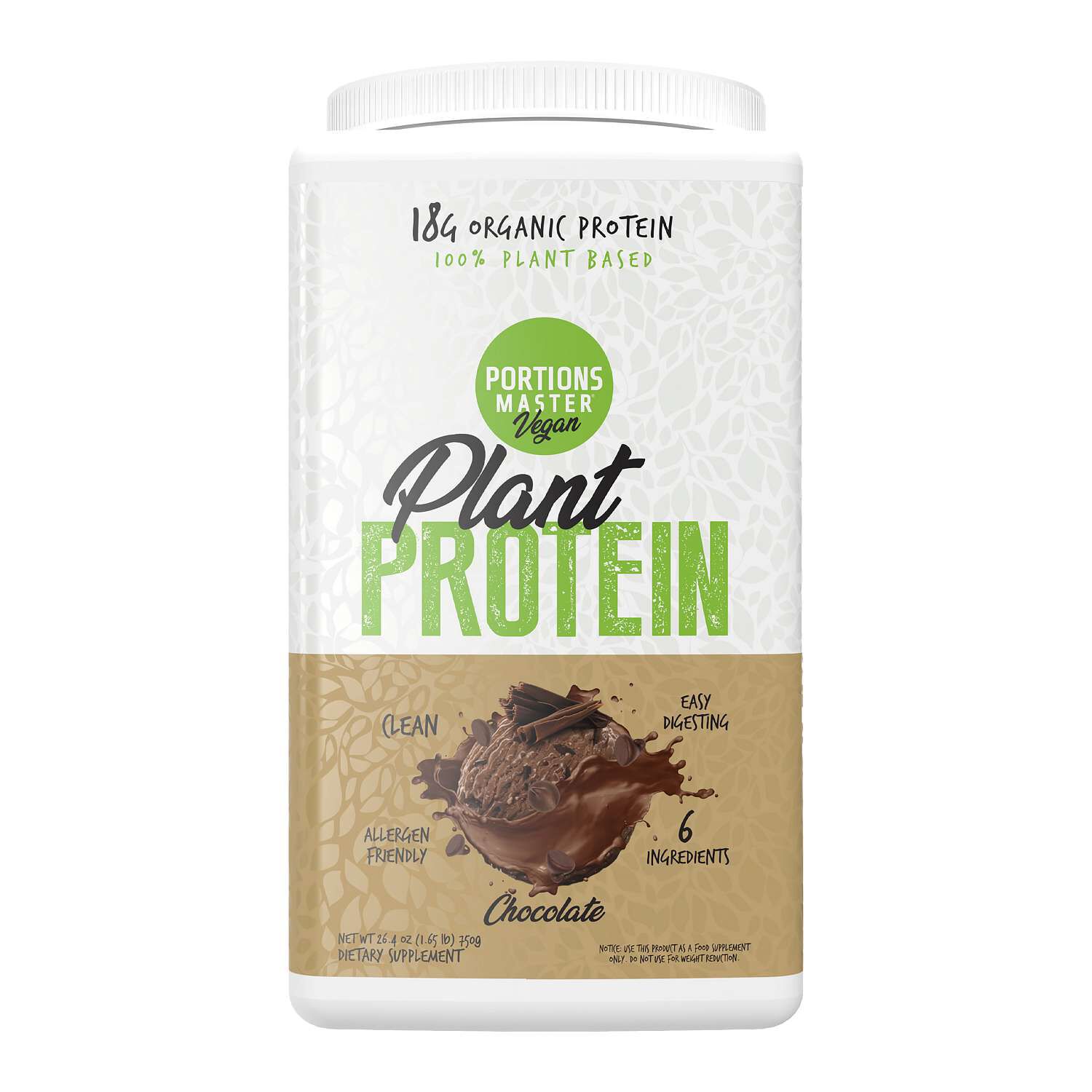
 Portions Master$49.99
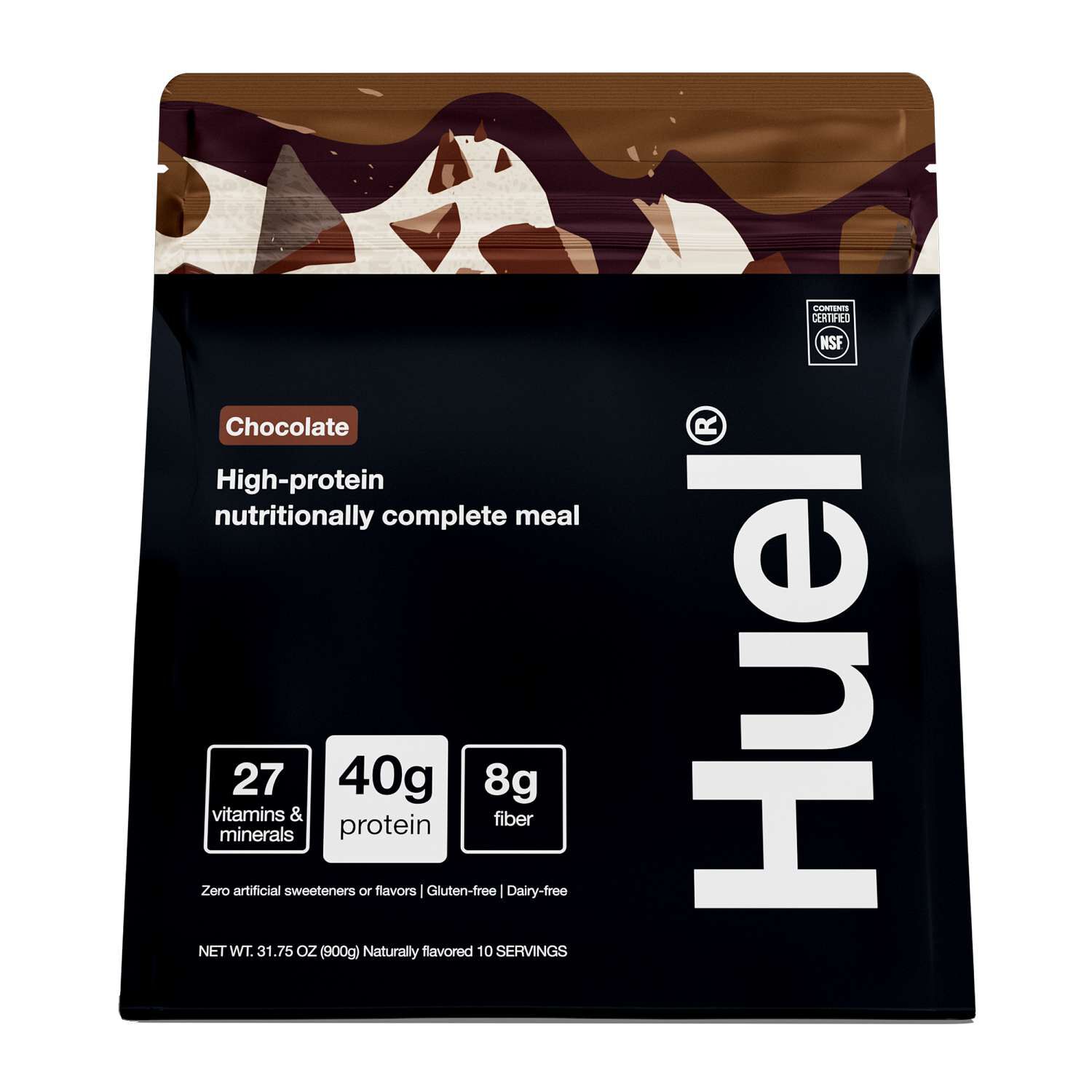
Chocolate protein powders for healthy skin pair familiar cocoa flavor with an interest in protein, collagen, and everyday nutrition. Depending on the formula, these powders may include whey, casein, plant proteins, collagen peptides, or a blend, sometimes alongside vitamin C or other added nutrients. Skin naturally contains proteins, including collagen, which helps explain the connection between collagen ingredients and beauty-focused nutrition products. That connection does not mean every chocolate protein powder has the same composition or that a shake will create a particular cosmetic result. The ingredient list and Nutrition Facts panel offer a clearer picture than chocolate flavor alone: the protein source, grams of protein per serving, added sugars, and added vitamins each tell part of the story. Whey and casein come from milk, while pea, rice, soy, and other plant ingredients offer options for shoppers who prefer plant-based eating. Collagen comes from animal sources, so a collagen formula is not a vegan option even when it mixes with oat milk or contains plant-derived flavor ingredients. Some blends combine collagen with another protein source; others center on collagen peptides. These differences matter because protein sources vary in amino acid composition, and equal scoop sizes do not necessarily contain equal amounts of protein. For shoppers interested specifically in collagen alongside chocolate flavor, the Chocolate Collagen Protein Powders collection provides a related category to explore. Added vitamin C is another possible point of comparison, but its presence is a label detail rather than a reason to assume a particular skin result. Comparing formulas means looking beyond the front label to understand what is actually in the container. A familiar chocolate flavor may make a powder more appealing, while the ingredients behind that flavor determine whether it matches a shopper’s dietary preferences. Someone seeking a milk-derived protein, for example, has different considerations from someone looking for a vegan blend or an animal-derived collagen formula.
Chocolate flavor covers a wider range than a single dessert-like profile. Cocoa-forward powders may taste closer to unsweetened baking cocoa, while sweeter formulas may bring to mind chocolate milk or creamy pudding. Cocoa powder, flavorings, sweeteners, and emulsifiers may all influence the finished drink. Some shoppers prefer a short ingredient list; others prioritize sweetness, a particular protein source, or a texture that may suit their usual breakfast. Ingredient count alone does not describe the whole formula, and a powder with fewer ingredients is not automatically the best match for every routine. Preparation adds another layer to the experience. Milk, soy beverages, and oat beverages may create a richer shake than water, although the result also depends on the powder and the amount of liquid. A shaker bottle is a familiar option for a straightforward drink at home or after a workout, while a blender accommodates additions such as banana, oats, or a spoonful of nut butter. Those additions contribute their own nutrients, flavors, and allergens, so the nutrition of the finished shake differs from the powder alone. Chocolate powder may also work in yogurt, overnight oats, or a smoothie bowl, where its cocoa notes may complement berries or chopped nuts. Mixability matters in each setting: a powder that seems light in a blended drink may feel thicker when stirred into a small bowl of yogurt. The suggested preparation on the label provides a useful starting point because scoop sizes and liquid amounts vary among formulas. More powder does not necessarily produce a more enjoyable drink, particularly when sweetness or thickness is already pronounced. For someone with a short morning routine, an appealing choice may be a powder that tastes pleasant with ingredients already kept in the kitchen. For someone who enjoys making smoothies, a less sweet chocolate profile may leave more room for fruit, yogurt, or other familiar additions without overwhelming their flavors.
Practical details matter alongside flavor and protein source. The serving size is the basis for reading the nutrition panel, and a serving may involve more than one scoop. Comparing the same serving information across formulas makes differences in protein, added sugars, sodium, and other listed nutrients easier to understand. Sweeteners also vary: some powders contain sugar, some use alternatives, and some combine several sweetening ingredients. The ingredient list identifies those choices more precisely than a broad description such as rich or indulgent. Milk, soy, and other declared allergens deserve attention, as do statements about shared processing equipment when those details are relevant to a shopper’s dietary restrictions. Collagen source information is another consideration for people who avoid particular animal ingredients. Packaging and storage instructions are worth considering, too, especially for a powder intended for repeated use. A resealable pouch and a tub have different shapes and closure styles, which may affect how conveniently they fit into a kitchen cabinet or a gym bag. Following the container’s storage directions, closing it after use, and using a dry scoop may help limit moisture exposure. The printed date and handling instructions remain the reference points for keeping the powder as directed; chocolate aroma or appearance alone does not establish its suitability for use. A busy household may value an easy-to-close container, while someone carrying individual portions may prefer a separate, clean container for mixing later. Across these everyday situations, the category is about finding a compatible food routine rather than expecting a particular appearance from one ingredient. Chocolate protein powders may offer an enjoyable way to include protein in meals or snacks, but flavor, collagen content, and added nutrients are separate features to evaluate. A thoughtful choice reflects the full formula, its intended preparation, and the person’s preferences—not simply the association between chocolate protein powder and healthy-looking skin.