





Protein Powders With Egg Whites
(0 Results)
Looking for a high-quality protein source to support your fitness goals? Protein powders with egg whites could be the perfect addition to your nutrition regimen. These powders may offer a rich, easily digestible protein option that can help fuel your workouts and aid in muscle recovery. Whether you're aiming to build muscle, maintain lean body mass, or simply add more protein to your diet, explore the range of protein powders with egg whites available to find the one that fits your needs.

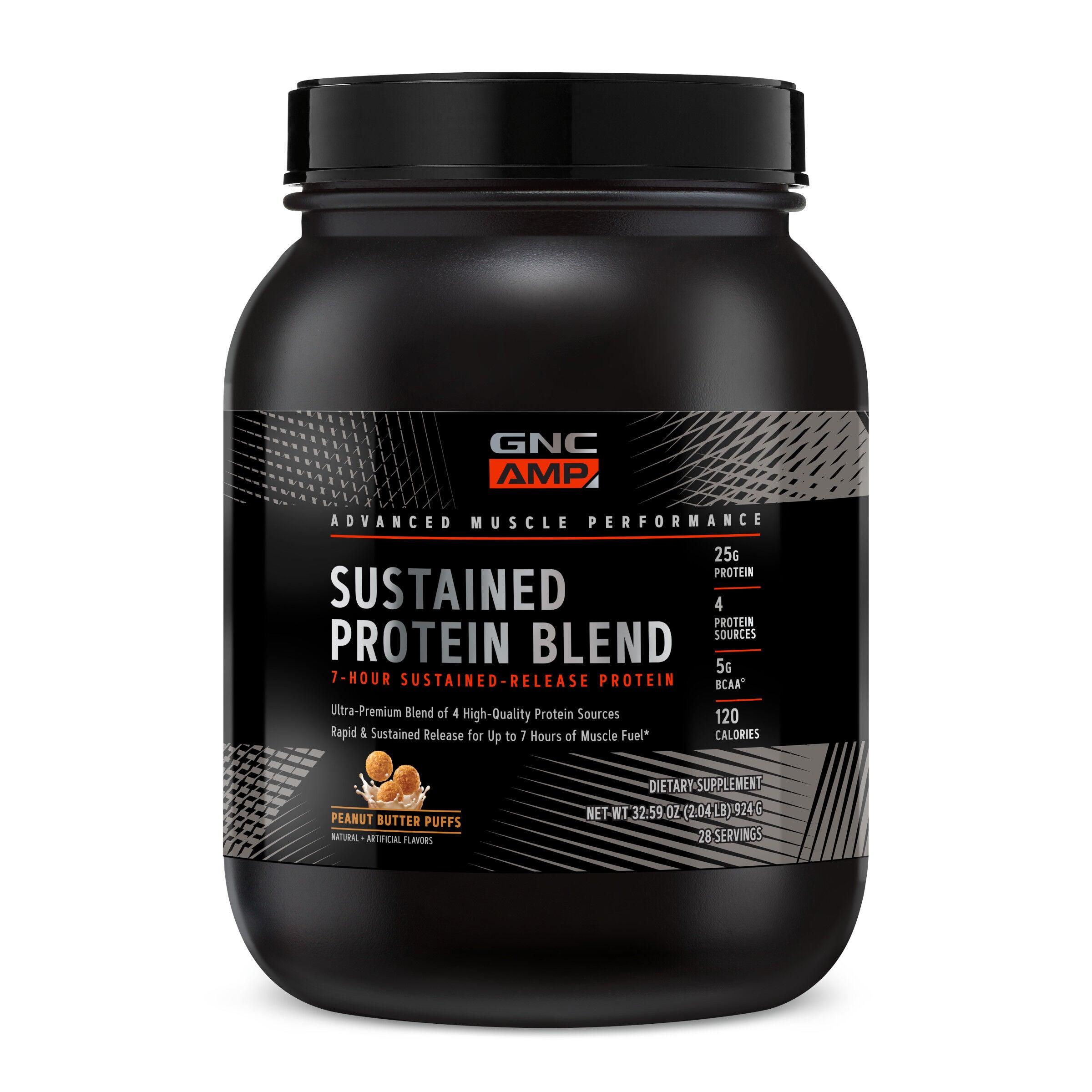


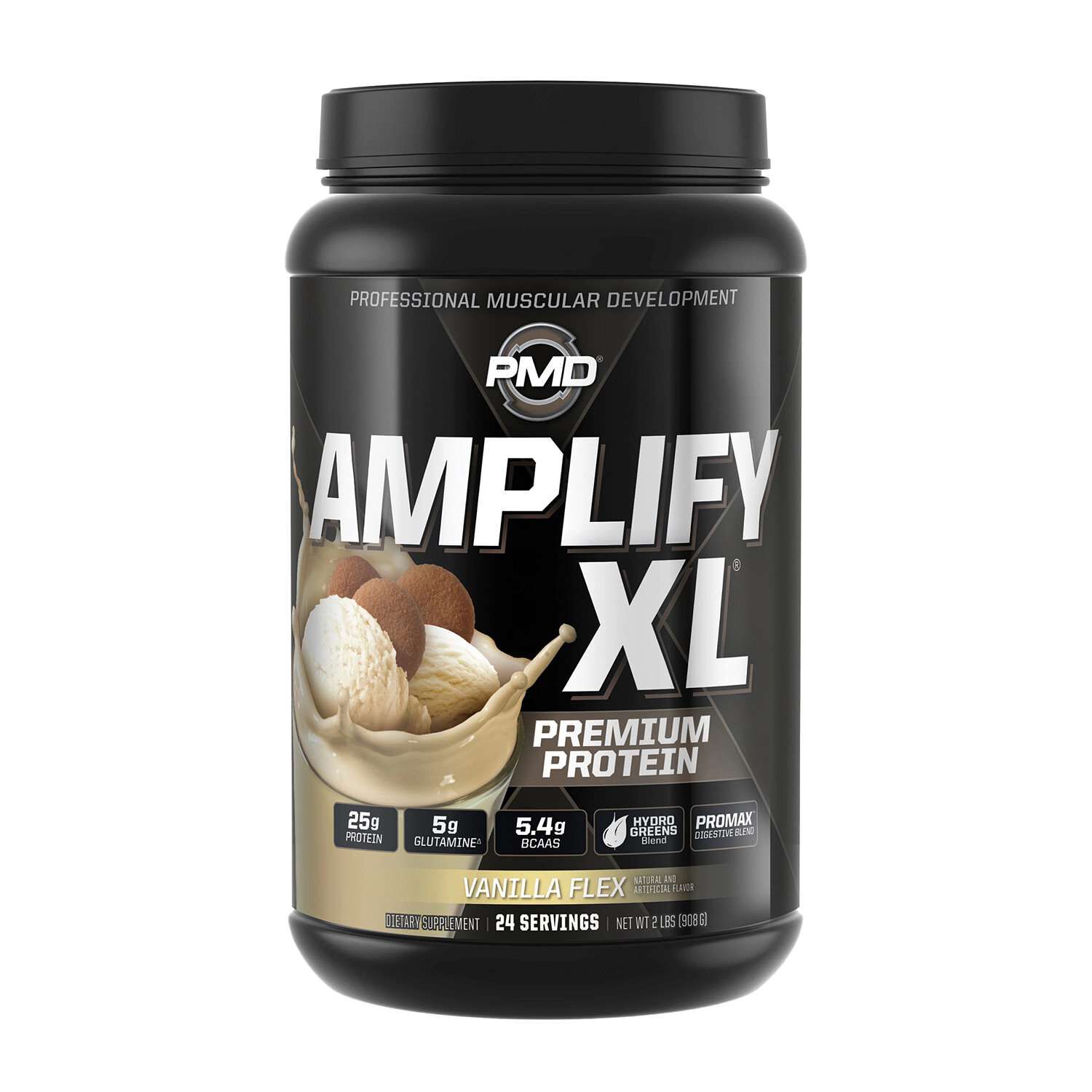


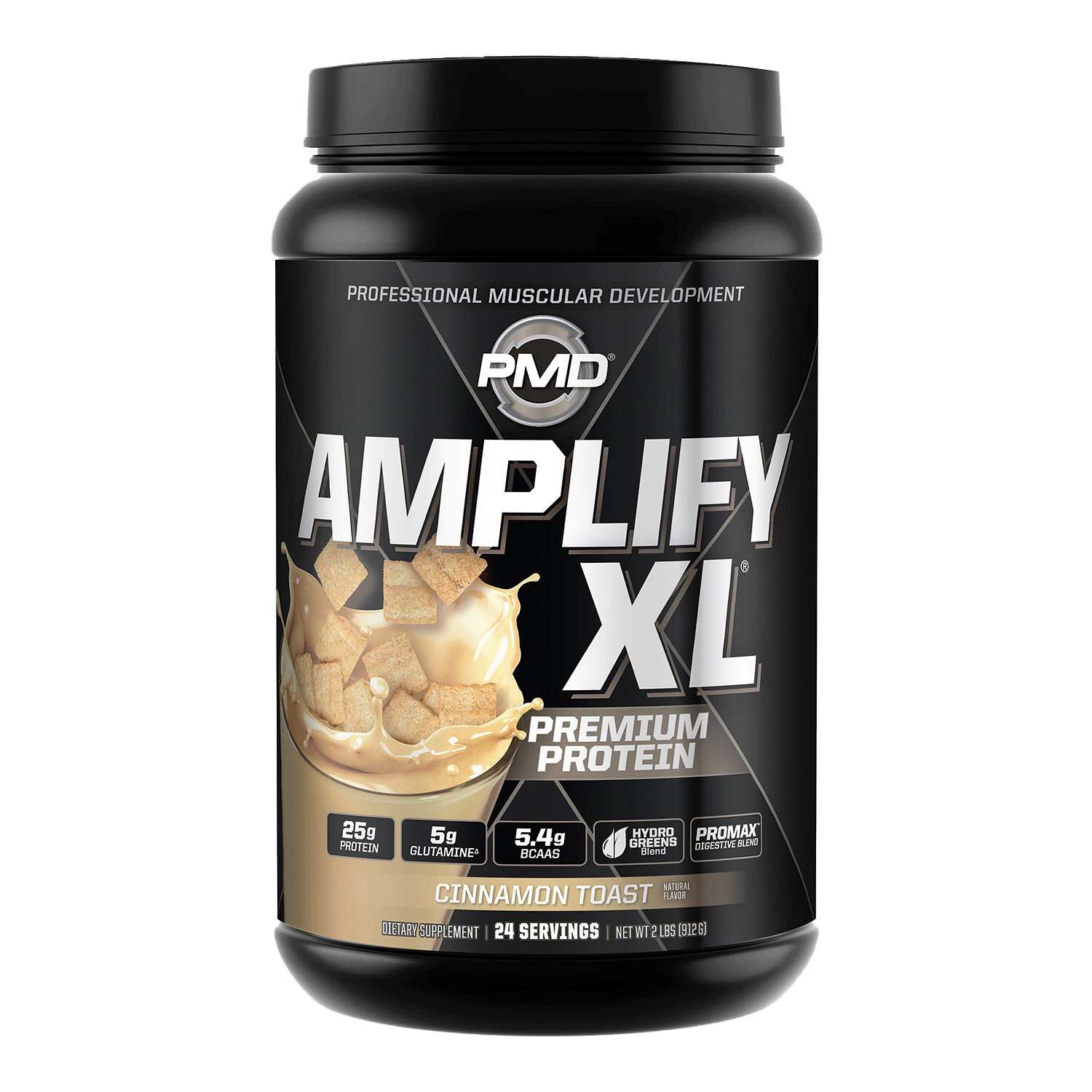


Protein powders with egg whites are powdered protein products made with the white portion of the egg, also known as albumen. Egg white protein powder is generally produced by drying pasteurized egg whites into a shelf-stable ingredient that is packaged for mixing into drinks or incorporating into suitable recipes. Some formulas use egg white protein as their only protein source, while others combine it with additional proteins. Egg white protein contains all nine amino acids that the body must obtain from food, making its amino acid composition a useful point of comparison among protein sources. It is distinct from whole-egg powder, which includes the yolk, and from whey or casein, which originate in milk. Because egg whites contain little fat, an egg white protein formula may have relatively little fat per serving, but carbohydrates, sodium, cholesterol, and protein amounts depend on the finished recipe. The Nutrition Facts or Supplement Facts panel provides a more reliable comparison than assumptions based on the ingredient name alone. A short ingredient list might feature egg white protein with an ingredient added for mixing, while a flavored formula might also contain cocoa, flavorings, sweeteners, or thickening ingredients. Unflavored options leave more room for the taste of fruit, coffee, or other ingredients, although unflavored does not necessarily mean tasteless. Vanilla and chocolate offer more defined flavor profiles for shakes and blended drinks. For shoppers avoiding milk ingredients, the distinction between an egg-based powder and an egg-containing blend is especially important: a formula with egg whites may still include whey, casein, or other milk-derived ingredients. Eggs are also a major food allergen, so the ingredient list and allergen statement remain important parts of the selection process. This category may appeal to people who already enjoy eggs as a food source, prefer a protein ingredient other than milk, or want another option alongside the protein foods in their usual meals. Serving size, flavor, and the full ingredient list help distinguish formulas that otherwise look similar.
Texture is another meaningful difference among protein powders with egg whites. Egg proteins have foaming properties, so a shaken or blended drink may develop a layer of froth rather than the texture expected from another protein source. The amount of liquid, mixing method, and other ingredients all influence the result. Adding liquid to a shaker before the powder may help reduce pockets of dry powder around the bottom, while a brief rest after shaking may allow some foam to settle. The preparation directions on the package are the best starting point for the intended powder-to-liquid ratio. A thinner drink might suit someone who prefers a straightforward shake with a meal, while a thicker fruit smoothie offers a different setting for the same ingredient. Banana, berries, cocoa, or nut butter bring their own flavors and textures, making the choice between flavored and unflavored powder more noticeable. A vanilla formula paired with banana has a different character from unflavored egg white protein mixed with berries, and sweetened powders may taste more pronounced when combined with sweetened beverages. For a desk lunch or a shake packed alongside a gym bag, a shaker with enough room for both liquid and mixing space is a practical companion. For home preparation, a blender offers another way to combine powder with fruit and other ingredients. Egg white protein powder also appears in recipes for oatmeal, pancakes, muffins, and homemade bars, but it is not automatically interchangeable with flour, whole eggs, or a baking-specific dried egg ingredient. Egg whites contribute structure without the fat found in yolks, and the powder’s flavorings or sweeteners may affect the finished dish. Recipes written for egg white protein powder offer a clearer starting point than a direct substitution in a familiar recipe. In oatmeal, incorporating the powder gradually with enough liquid may help produce a more even texture. These details make intended use worth considering before choosing a formula: a powder selected mainly for shakes may not be the preferred match for every baking project.
The right fit within this category depends as much on everyday habits as on the protein source itself. Someone who keeps a shaker at work may prioritize a flavor that tastes appealing with water, while a home smoothie maker may prefer an unflavored powder that leaves room for different fruit combinations. A person who measures ingredients for baking may place more importance on a simple formula and clear serving information. Comparing protein grams per labeled serving alongside serving weight helps distinguish concentration from scoop size; a larger scoop does not necessarily represent a more concentrated powder. Added sugars, sweetener type, sodium, and other ingredients are also useful comparison points for shoppers with established food preferences. Egg white protein is animal-derived, so it does not suit a vegan eating pattern. For those also considering milk-derived options, Protein Powders With Milk Protein Isolate offers a related category with a different protein source and formula considerations. Neither category needs to serve every purpose; taste, ingredient preferences, and preparation habits shape the choice. Packaging and storage matter once a powder becomes part of the kitchen routine. Following the package’s storage directions, closing the container securely, and using a clean, dry scoop may help limit moisture exposure and keep the powder easier to measure. A powder container is not intended to hold a prepared shake, and mixed drinks have different handling needs from the dry ingredient. Preparing a serving in a separate, washable vessel keeps those uses distinct. Package dates and any directions for use after opening are worth noting, particularly when a powder is used only occasionally for recipes. For shared households, keeping the original label with the powder preserves access to ingredients, allergen information, and preparation instructions. Whether the intended use is a simple shake, a fruit smoothie, or a recipe developed for egg white protein, the most useful comparison brings together the source of the protein, the finished formula, and the way the powder will actually be prepared.
Best Sellers


Related Pages

Top Collections
- Top Rated Collagen | Shop Customer Favorites | GNC
- Cortisol Supplements
- Vitamins For Hair Loss
- NAD+ Supplement Tablets
- Peptide Supplements
- Best Brand of Magnesium Glycinate
- Vitamins That Help Support Weight Gain
- Protein Powders For Muscle Growth Support
- Spirulina Tablets
- Peptide Supplements for Muscle Growth