





Protein Powders With Milk Protein Isolate
(0 Results)
Protein powders with milk protein isolate offer a convenient option for those looking to support their nutrition goals. Featuring a source of protein that is derived from milk, these powders may fit into a variety of wellness routines. Whether you’re seeking a versatile addition to your favorite recipes or an easy way to incorporate more protein into your day, protein powders with milk protein isolate could be a great choice for your lifestyle. Explore different flavors and formats to find the one that may suit your preferences and needs.
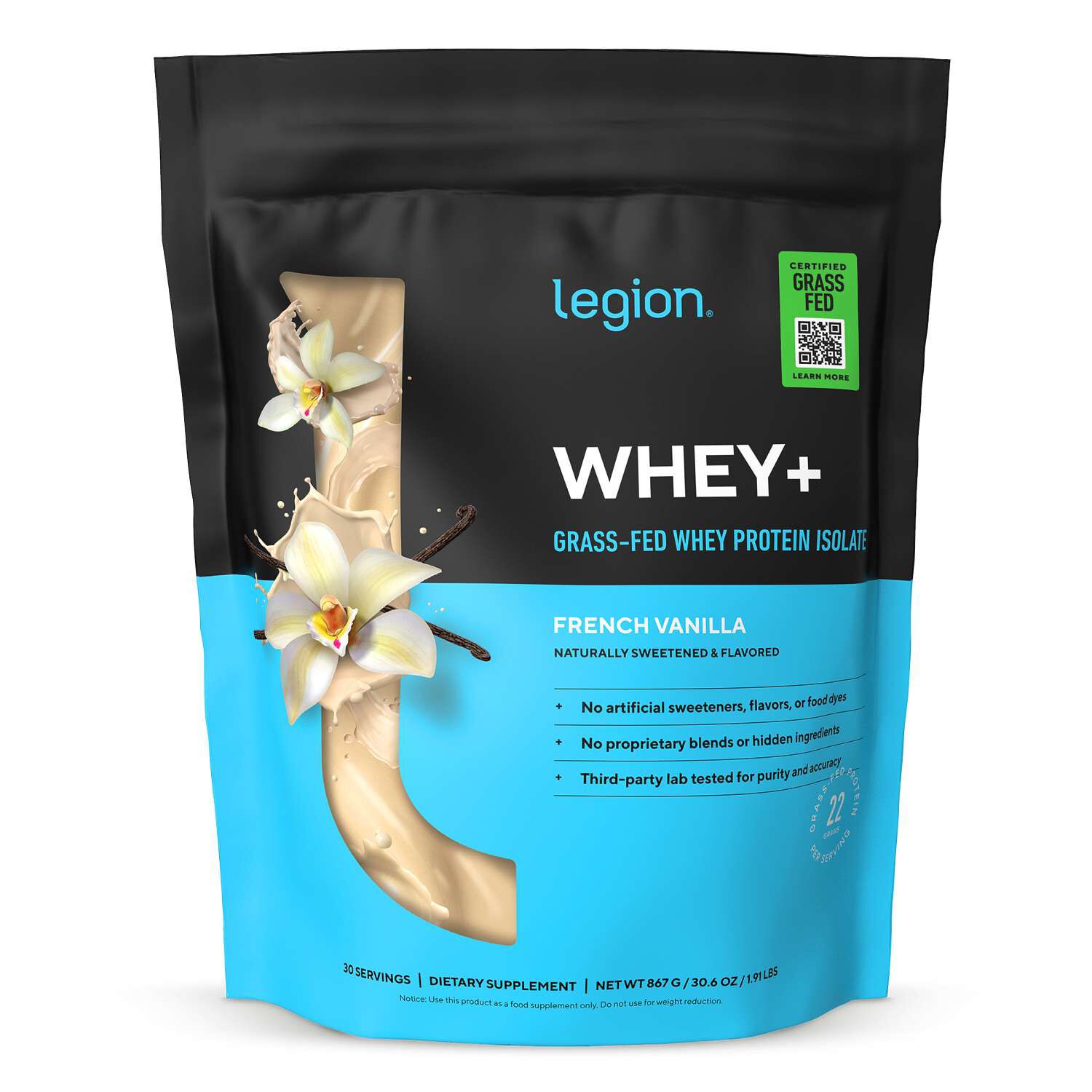

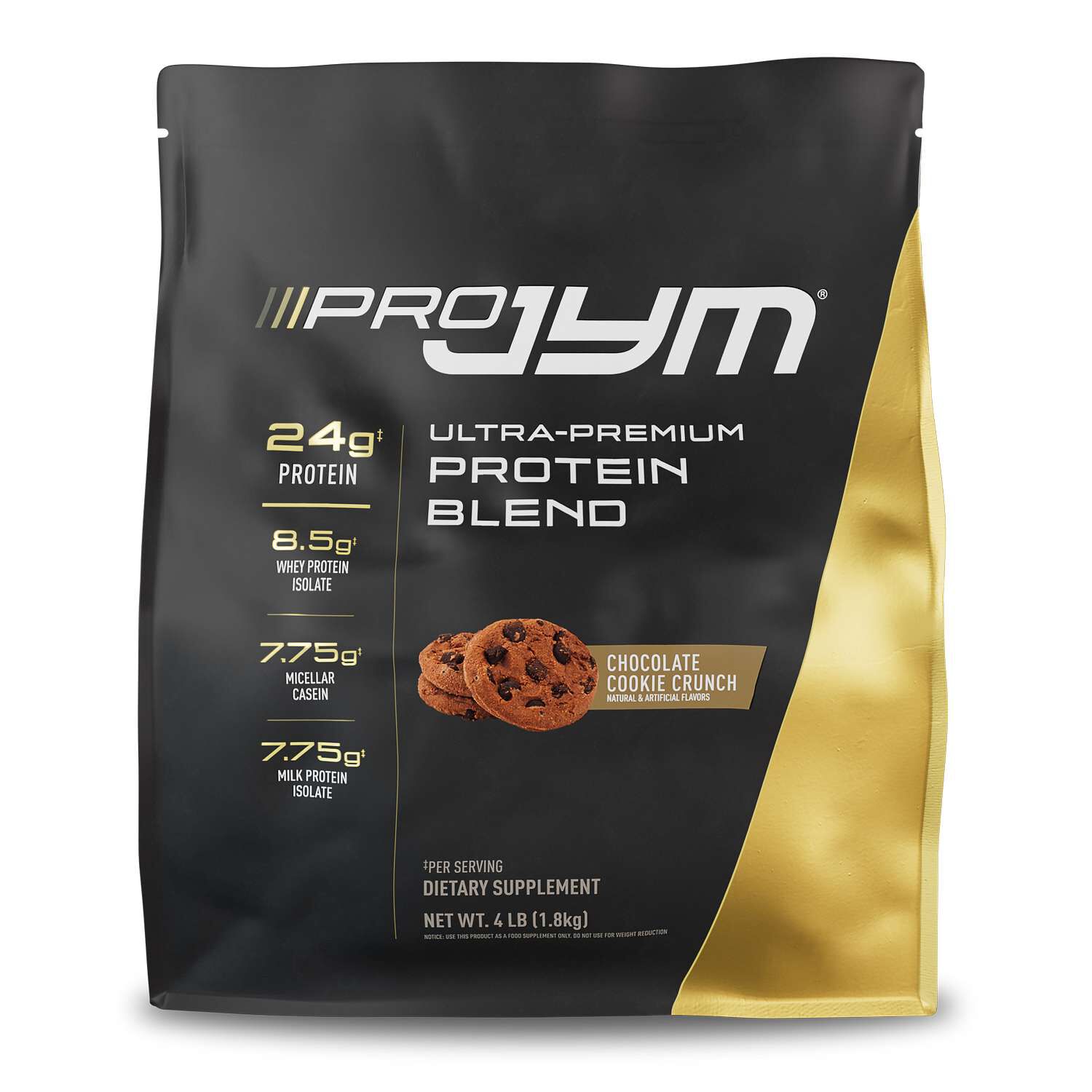
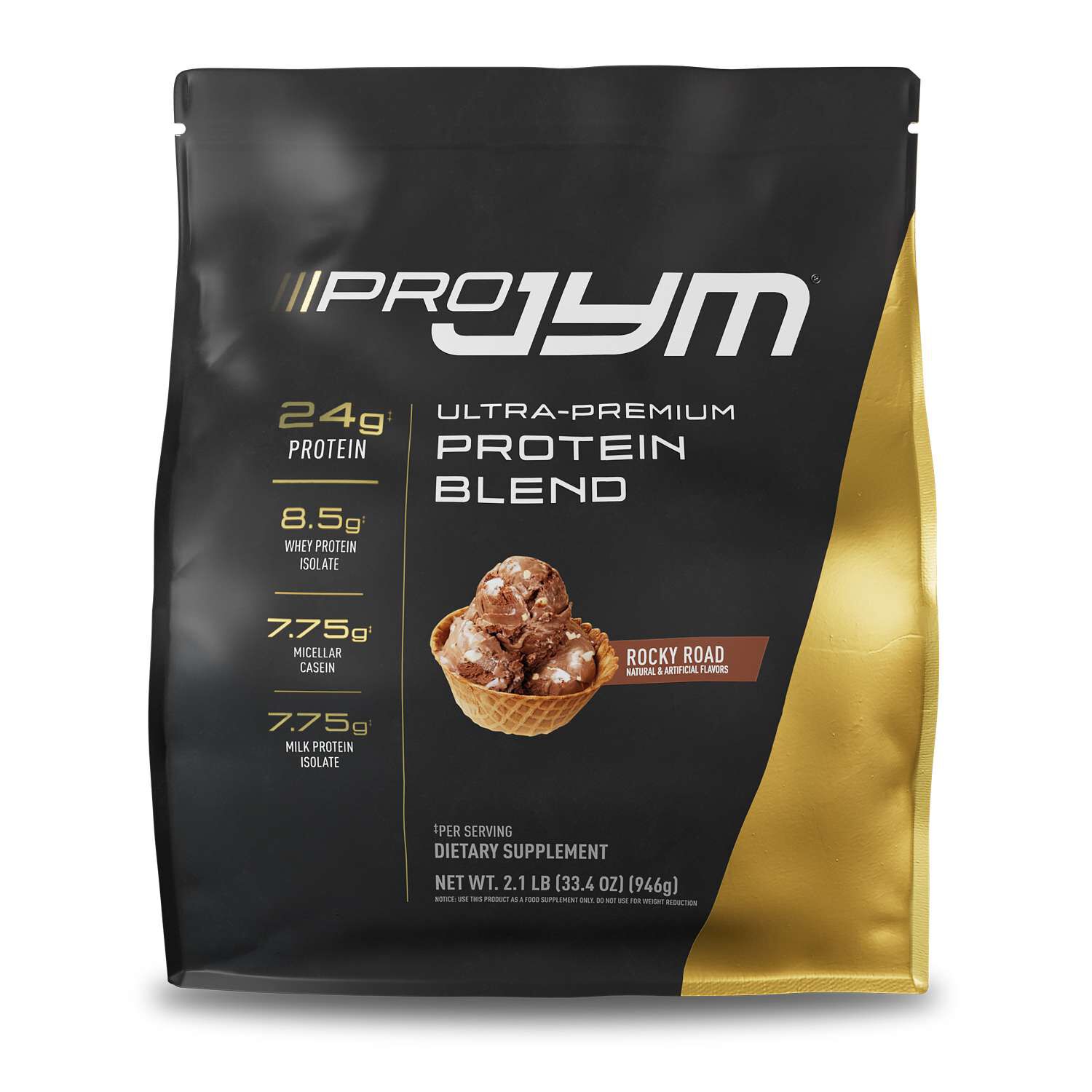
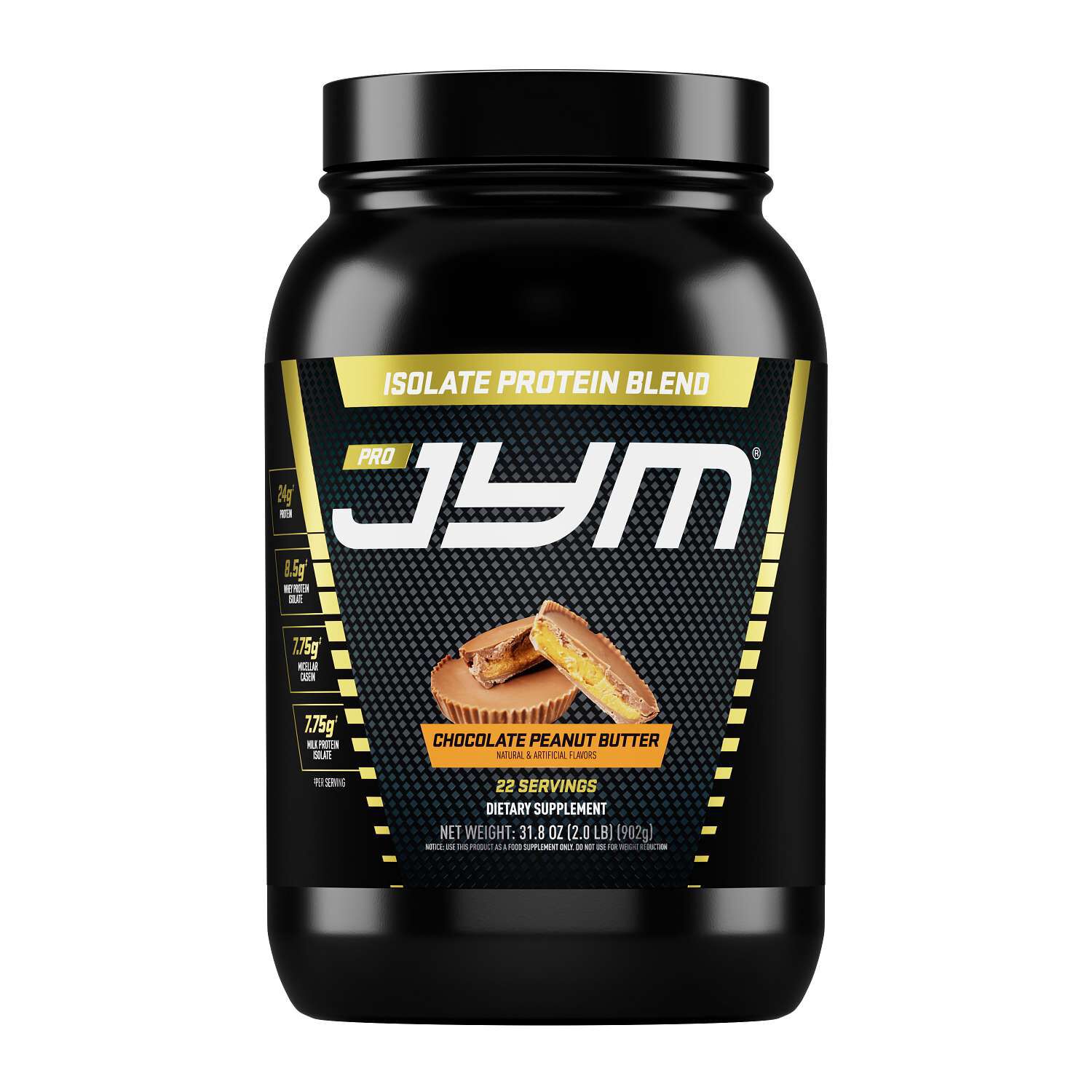

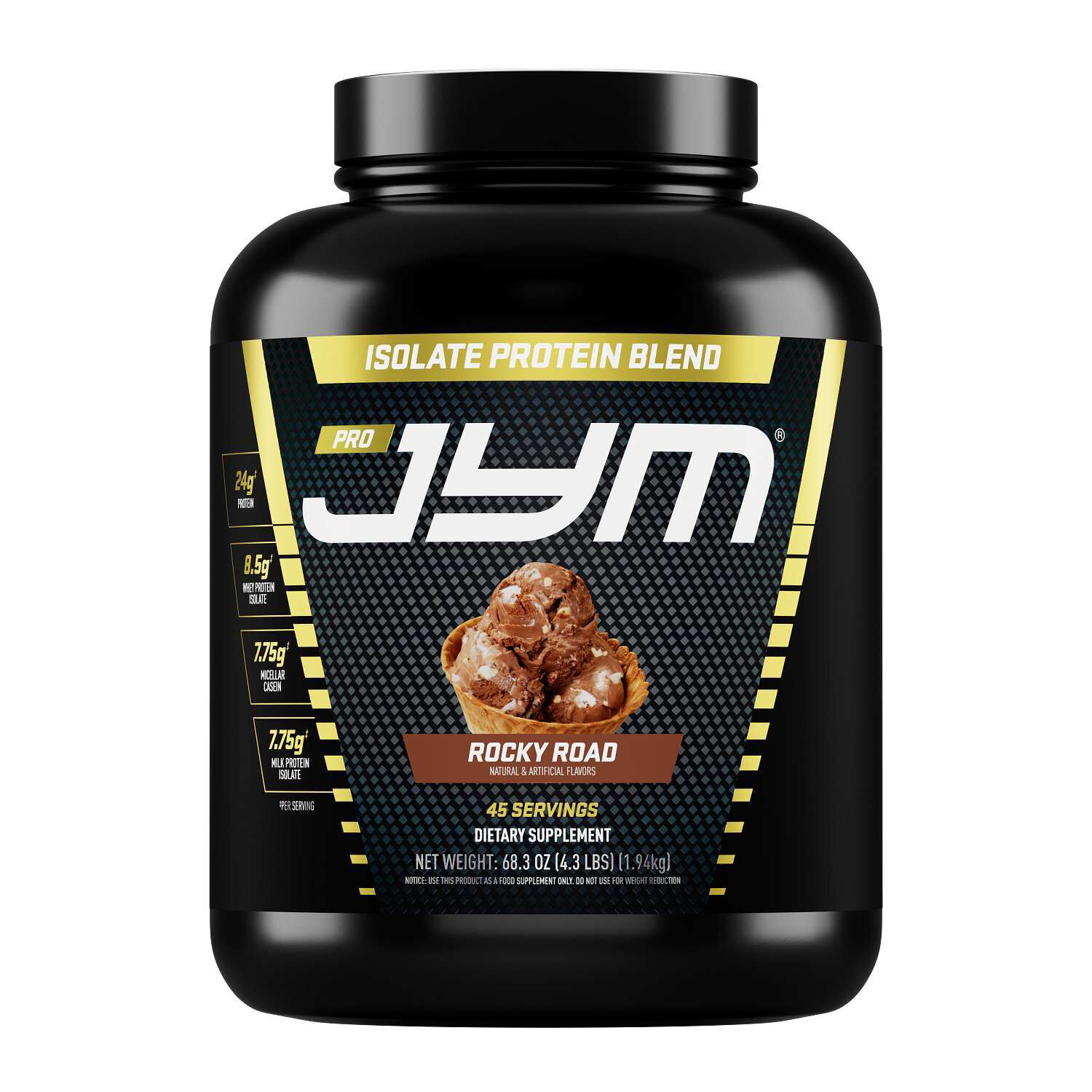

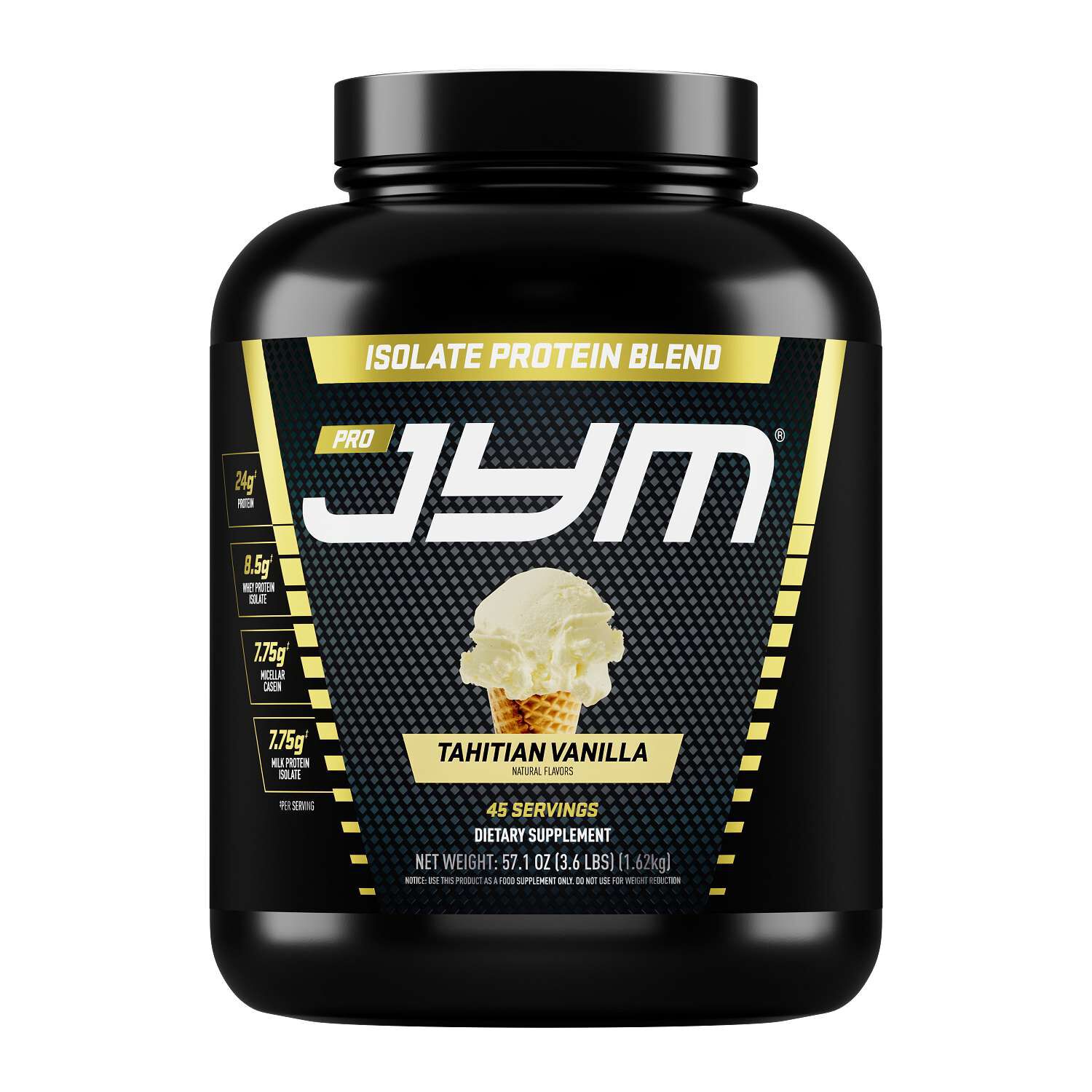
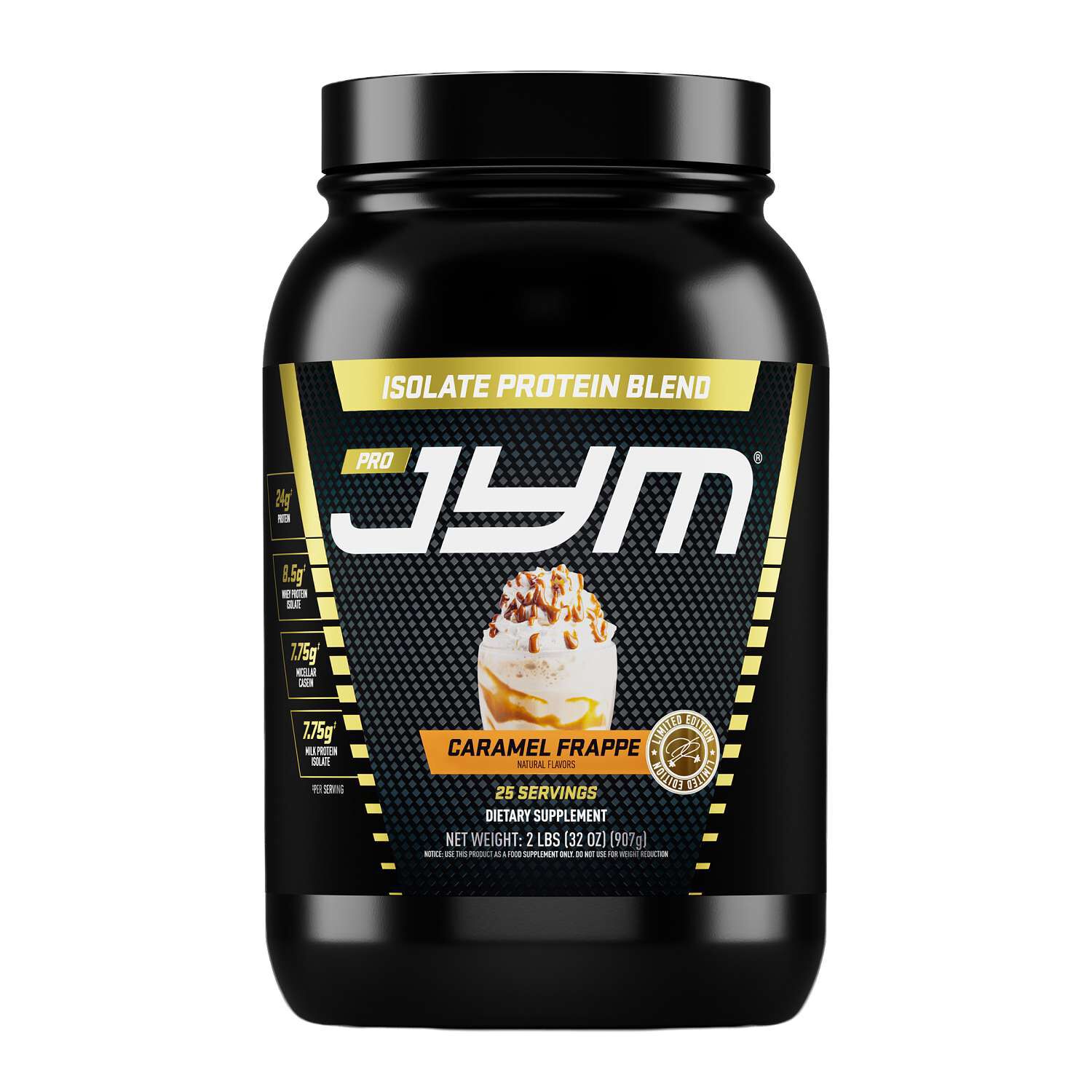


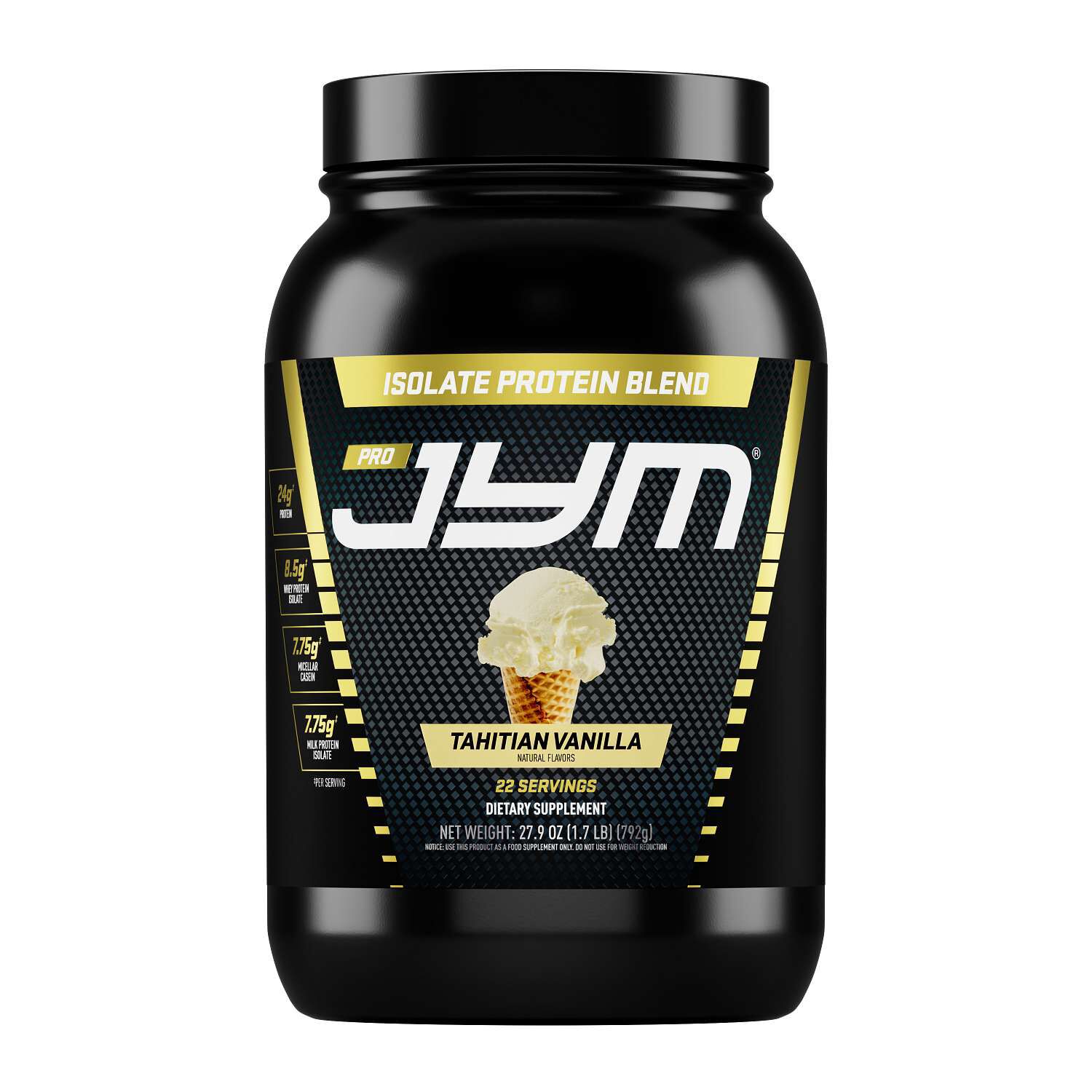
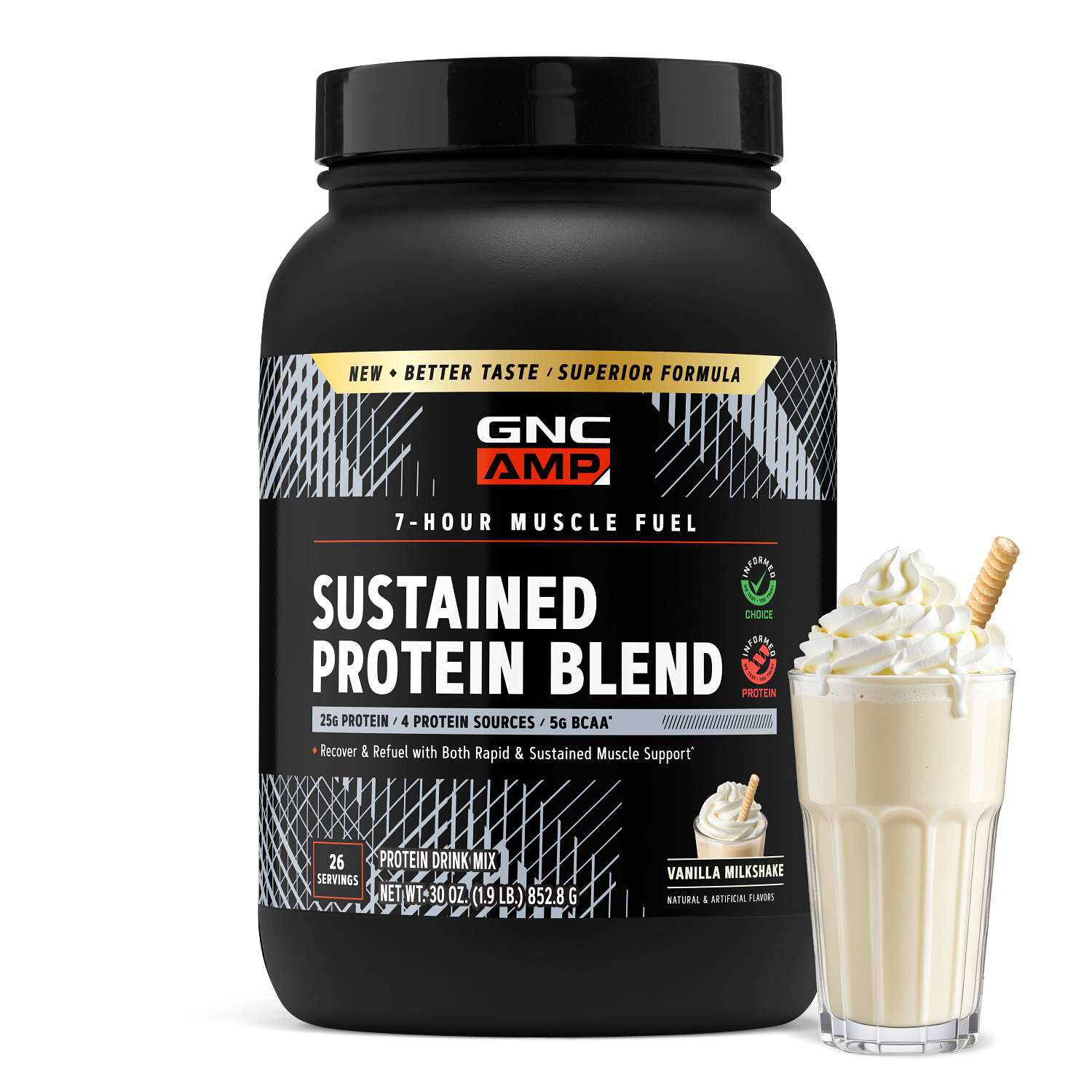
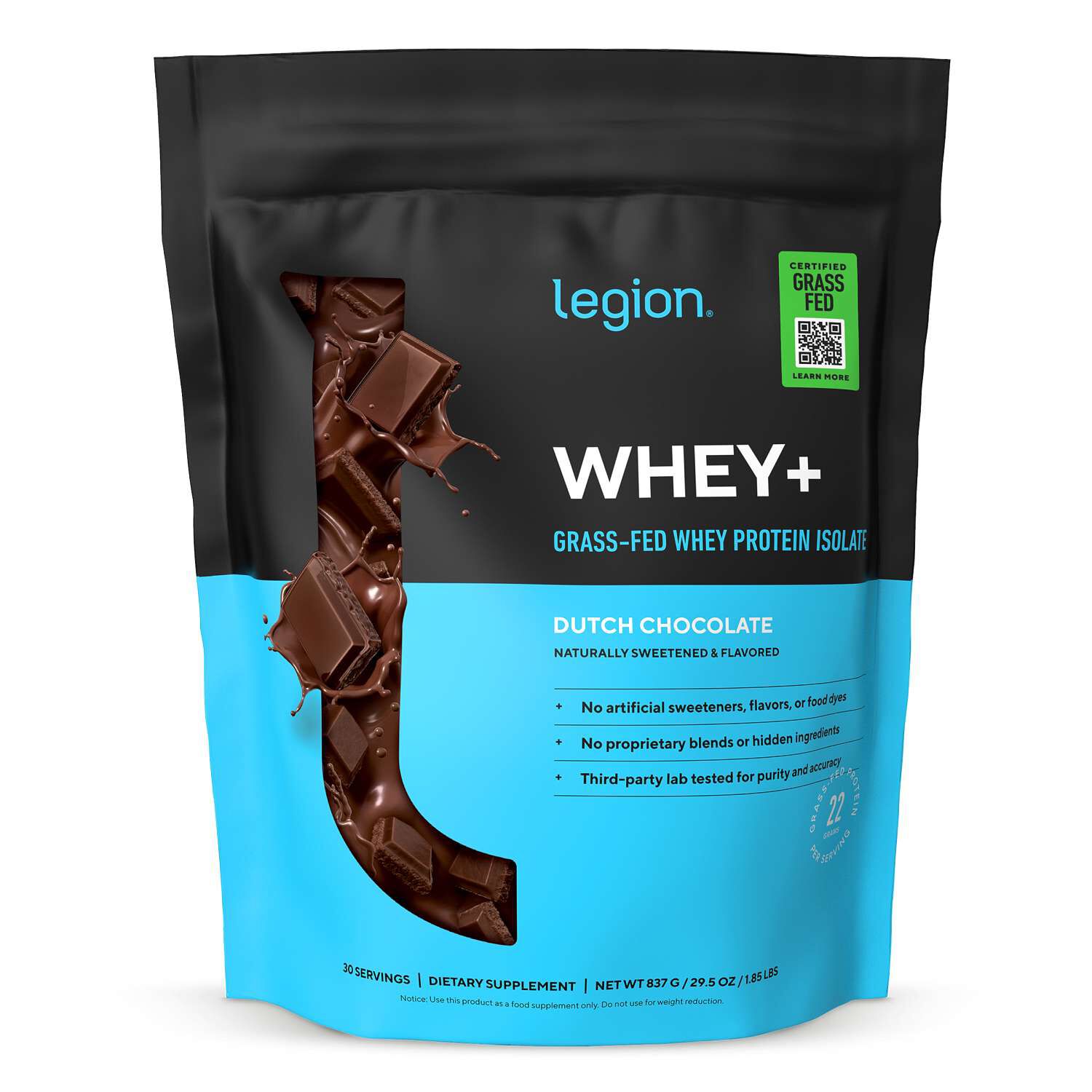
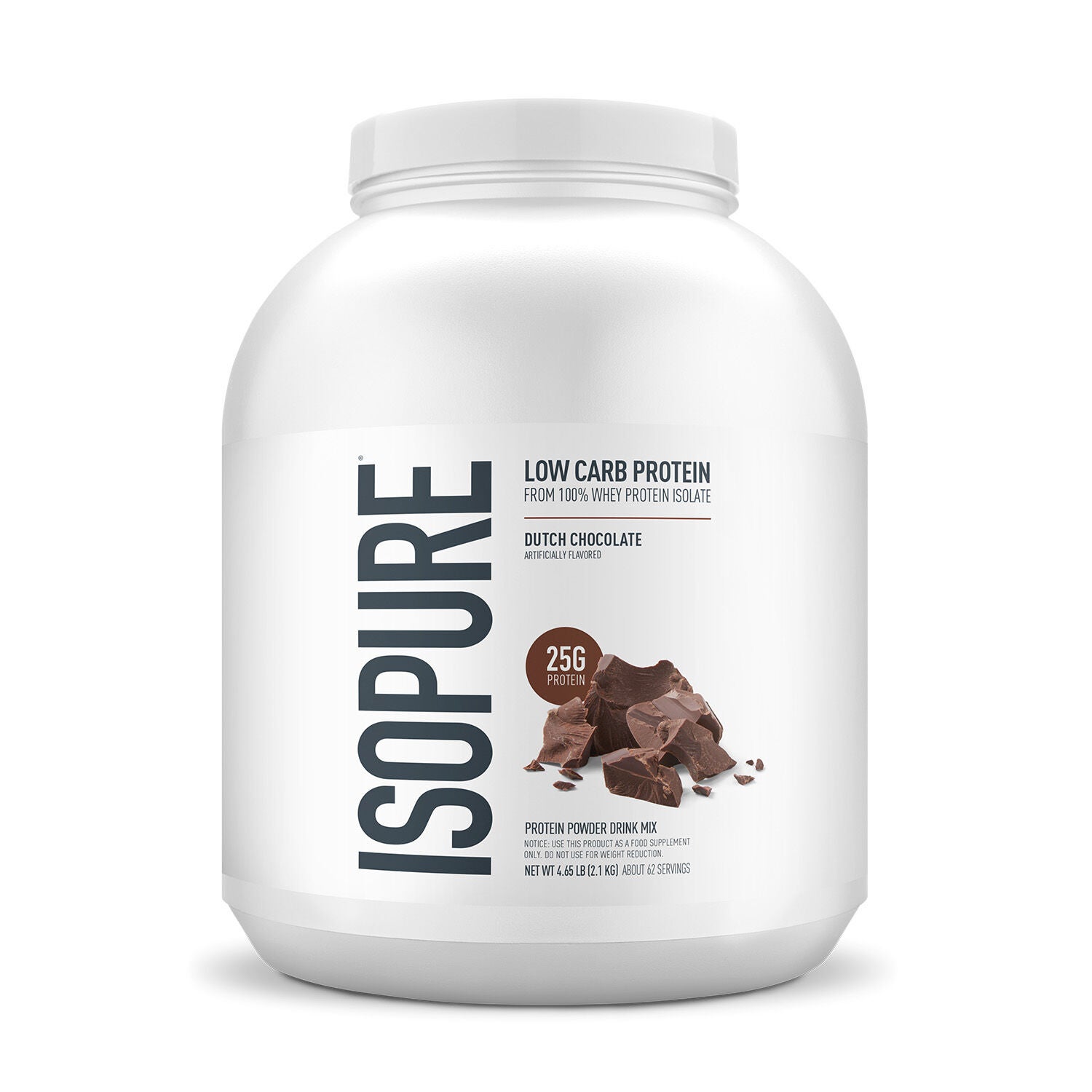


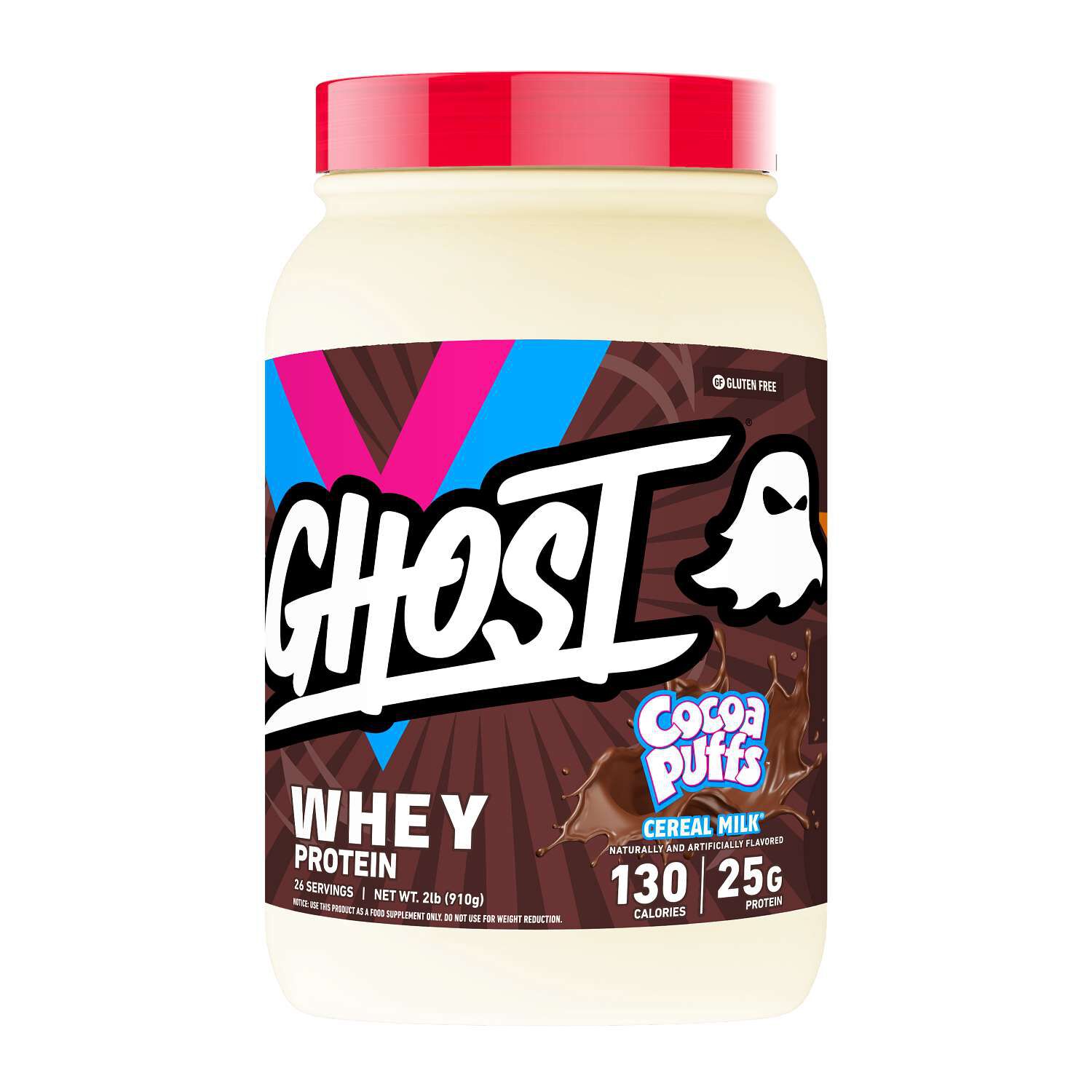
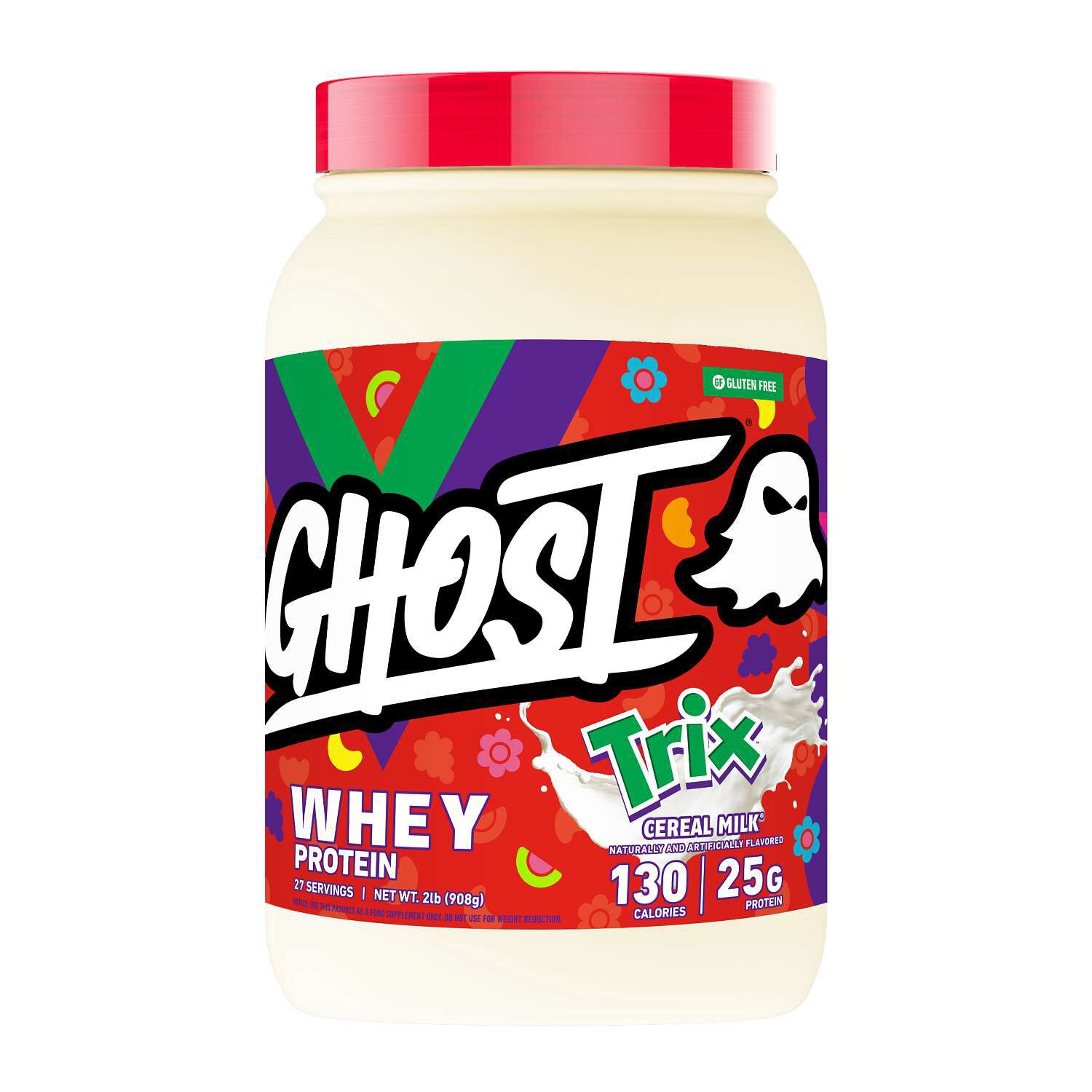
Protein powders with milk protein isolate contain a concentrated dairy protein made from milk, often skim milk, using filtration to separate much of the water, fat, and lactose from the protein. Milk protein isolate retains both major milk proteins, casein and whey, typically in a ratio of about 80% casein to 20% whey. Unlike whey protein isolate, which centers on the whey portion of milk, milk protein isolate brings those two protein fractions together in one ingredient. It also contains all nine amino acids that the body cannot make on its own. The exact protein content, remaining lactose, and other nutrients depend on the ingredient and the finished formula, so the Nutrition Facts panel remains the clearest description of what a serving contains. Lower lactose content does not mean that every powder has the same amount of lactose, and milk protein isolate is still a dairy ingredient rather than a plant-based option. Within this category, some formulas use milk protein isolate as the main protein source, while others combine it with whey, casein, or additional proteins. Those combinations matter when comparing a milk protein powder with a blend that has several named protein ingredients. The ingredient list identifies those sources, while the serving information shows how much protein the finished powder provides. Because casein and whey may digest at different rates, milk protein isolate may appeal to shoppers who prefer both milk protein fractions rather than whey alone. That composition does not establish an exact digestion schedule for every serving; the rest of the formula and the foods served alongside it also matter. For someone who already enjoys dairy foods, the category offers another format alongside milk, yogurt, and other protein-containing foods. These powders may help add protein to everyday eating routines, whether mixed into a shake after a training session, blended into a snack between commitments, or incorporated into a familiar recipe.
Flavor, texture, and the rest of the ingredient list distinguish protein powders with milk protein isolate just as much as the protein source itself. A casein-containing formula may have a fuller-bodied consistency than a whey-focused powder, although the amount of liquid, mixing method, and additional ingredients all influence the finished texture. A shake mixed with water may taste different from the same powder prepared with milk, while a smoothie containing banana, oats, or nut butter may have a thicker consistency. Chocolate flavors may pair well with peanut butter or cocoa, and vanilla may suit berries, yogurt, or an oat-based breakfast. An unflavored formula may offer more flexibility in recipes where a sweet shake flavor would feel out of place, though unflavored does not necessarily mean tasteless. Milk-derived powders may retain a mild dairy character. Sweeteners, cocoa, flavorings, gums, and emulsifiers are other details worth comparing, especially for someone who prefers a shorter ingredient list or a particular kind of shake. Added carbohydrates and fats also differ among formulas, so equal scoop sizes do not necessarily represent equal amounts of protein. A scoop measures powder, not protein alone; the labeled serving weight and protein grams tell different parts of the story. Serving directions also matter when comparing a formula measured by one scoop with another measured by two. For another dairy-protein category, Whey Protein Isolates With Hydrolysate Blends offers a related point of comparison for shoppers interested in whey isolate paired with hydrolyzed proteins. Hydrolysis refers to processing that breaks protein into smaller peptides, while milk protein isolate describes a filtered ingredient containing both casein and whey. The terms describe different characteristics rather than interchangeable names for the same ingredient. Together, the protein sources, serving details, flavor profile, and preparation directions offer a more useful picture than the word “isolate” alone. A powder intended for a simple shaker drink may suit a different routine than one chosen mainly for thick smoothies or spoonable snacks.
Everyday use often comes down to the setting: a shaker bottle packed beside workout clothes, a blender on the kitchen counter, or a measured portion waiting in a small container for a busy afternoon. Protein powders with milk protein isolate may suit adults who want a convenient way to add protein around exercise, during a packed workday, or alongside meals that contain less protein than their usual choices. A shake is not automatically a meal replacement, however; protein powders and meal replacement formulas have different purposes and nutrient profiles. For someone who prefers eating to drinking a snack, a compatible powder may work in yogurt, overnight oats, or pancake batter, with the finished texture depending on the recipe and amount used. Preparation directions are particularly useful here because a powder that mixes well in a blender may behave differently when stirred with a spoon. Liquid quantity is another practical detail: a smaller amount may produce a denser shake, while additional liquid may create a lighter consistency. A clean, dry scoop and a securely closed container are useful parts of everyday storage. Keeping the powder away from moisture and following the package’s storage directions may help preserve its texture between uses. The printed date and original label also remain useful when powder is portioned into another container, especially in a household with several similar-looking mixes. Once powder is combined with milk, yogurt, or other perishable ingredients, the prepared food needs handling appropriate to those ingredients. For shared kitchens, clearly labeled portions also make it easier to distinguish different formulas and their ingredients. The most practical choice is one that fits both the intended recipe and the routine around it: a flavor someone enjoys repeatedly, a serving size that is easy to measure, and a texture suited to the way it will actually be prepared.
Best Sellers


Related Pages
Top Collections
- Daily Collagen Supplements | Top Brands & Deals | GNC
- Natural Collagen Supplements | Top Brands & Deals | GNC
- Top Rated Collagen | Shop Customer Favorites | GNC
- Cortisol Supplements
- Vitamins For Hair Loss
- Spirulina Tablets
- NAD+ Supplement Tablets
- Peptide Supplements
- Best Brand of Magnesium Glycinate
- Vitamins That Help Support Weight Gain