





Whey Protein Isolates With Hydrolysate Blends
(0 Results)
Discover a wide selection of whey protein isolates with hydrolysate blends, designed for those seeking high-quality protein options to support their active lifestyle. These blends combine premium sources of whey protein isolate and hydrolysate, offering a convenient way to help meet your daily protein goals. Explore a variety of flavors and formats that may fit seamlessly into your nutrition routine, whether you’re looking to fuel up before or after workouts or simply aiming to add more protein to your day.
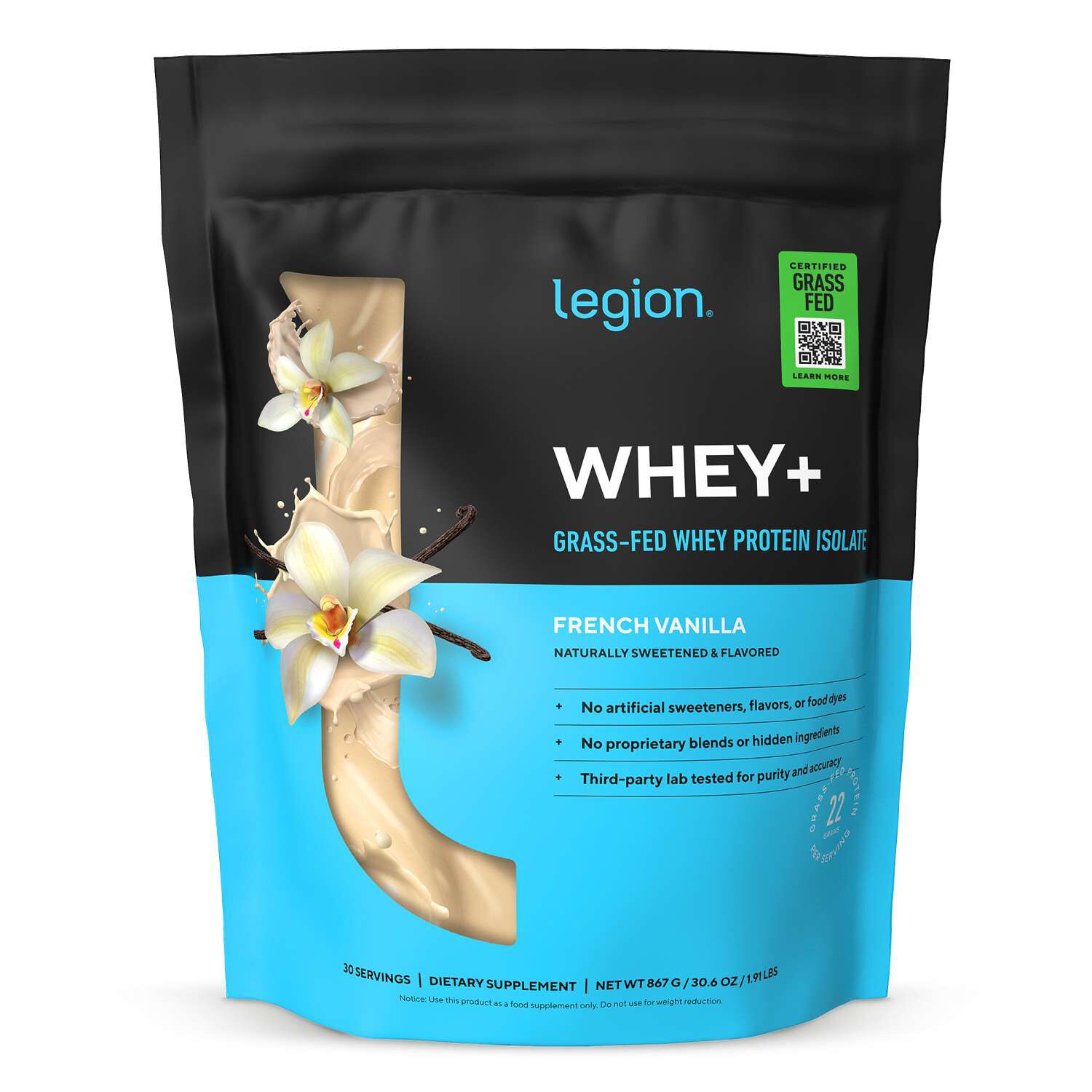

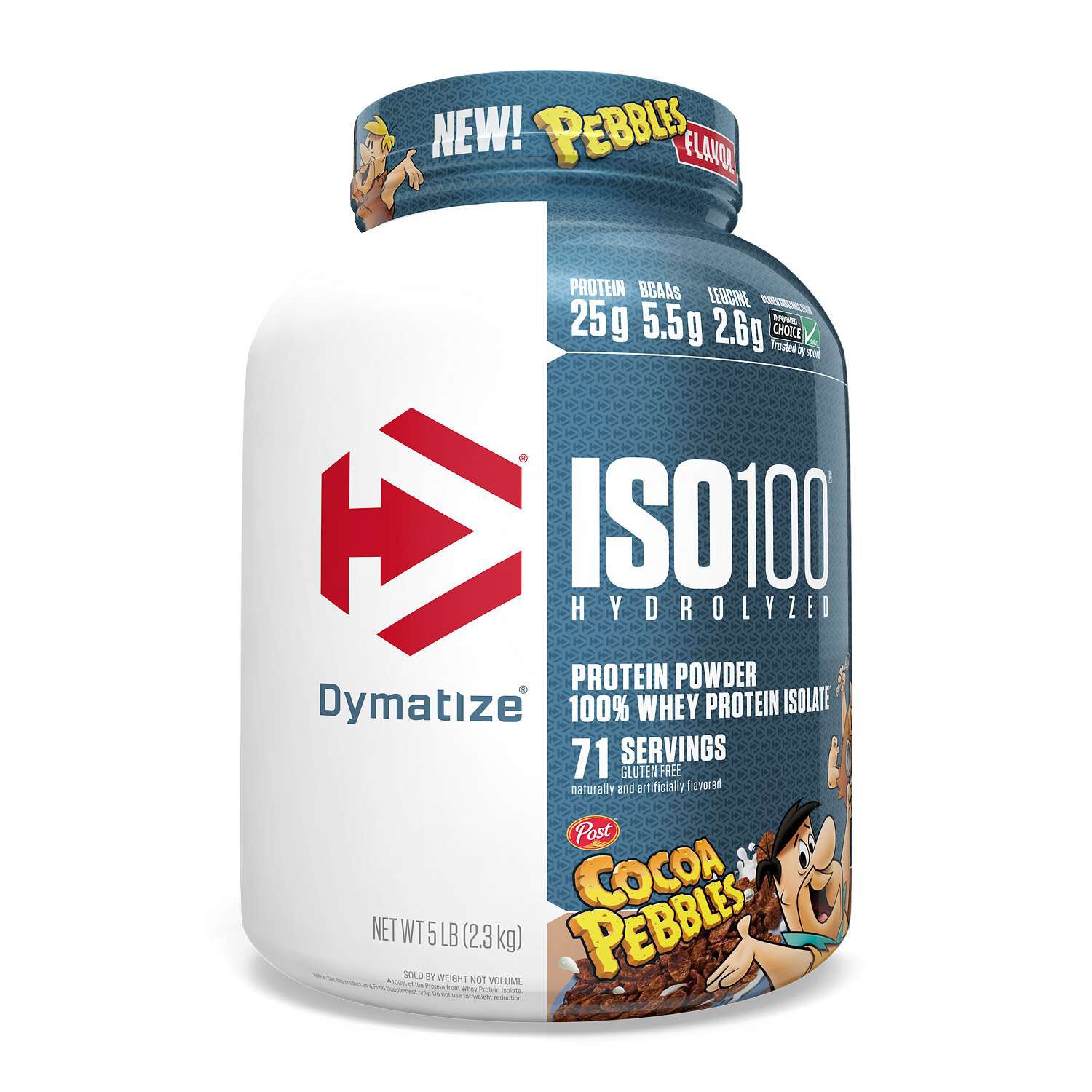
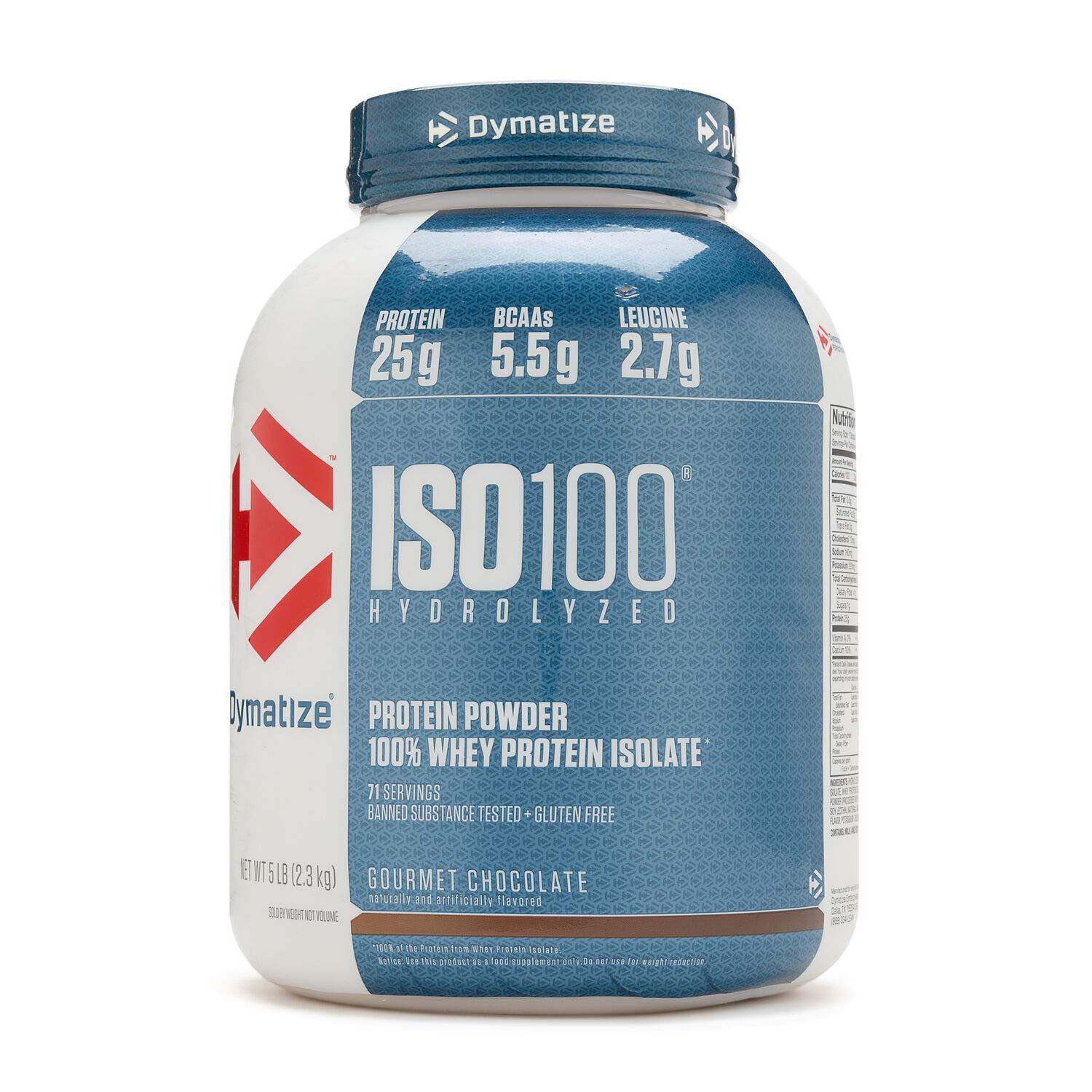
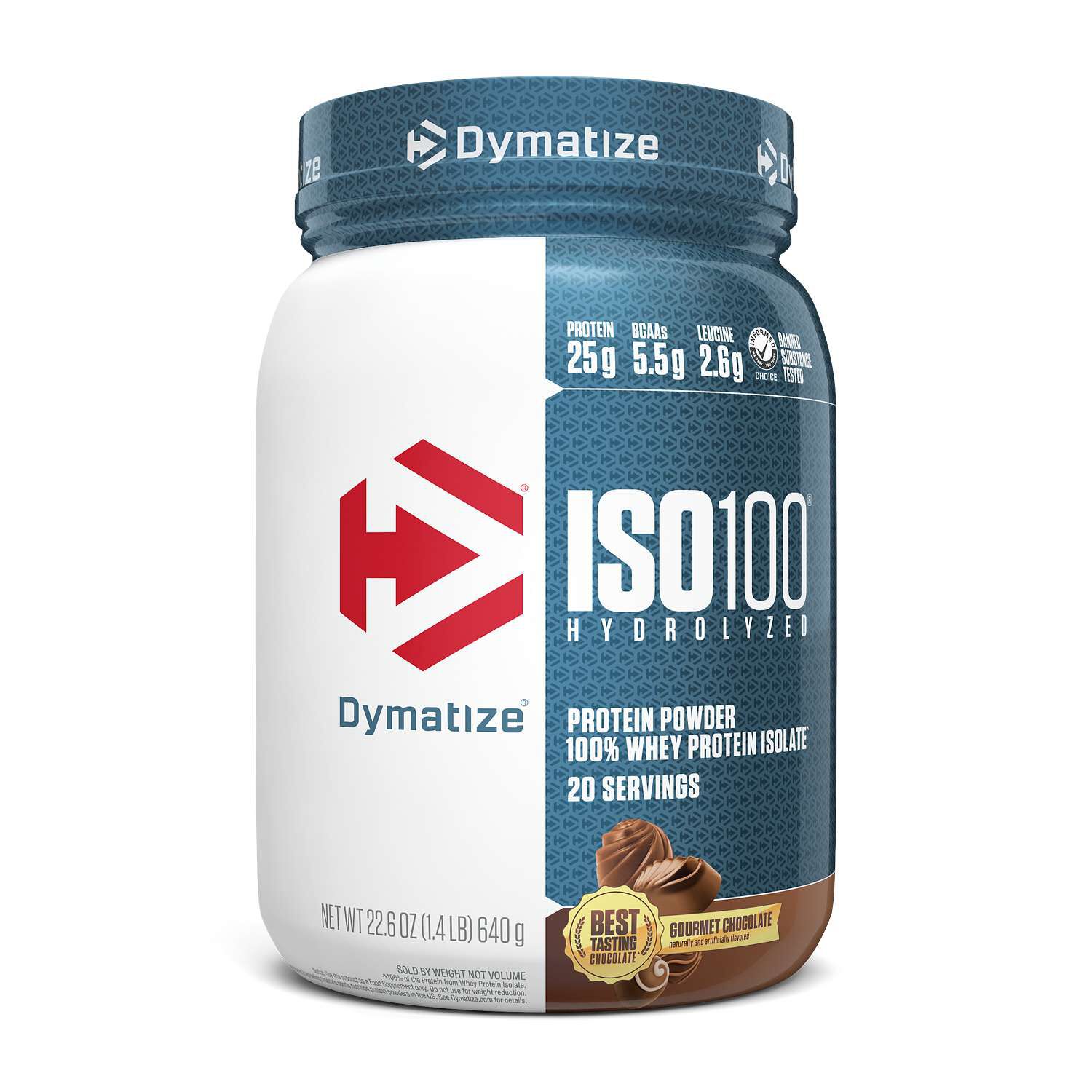

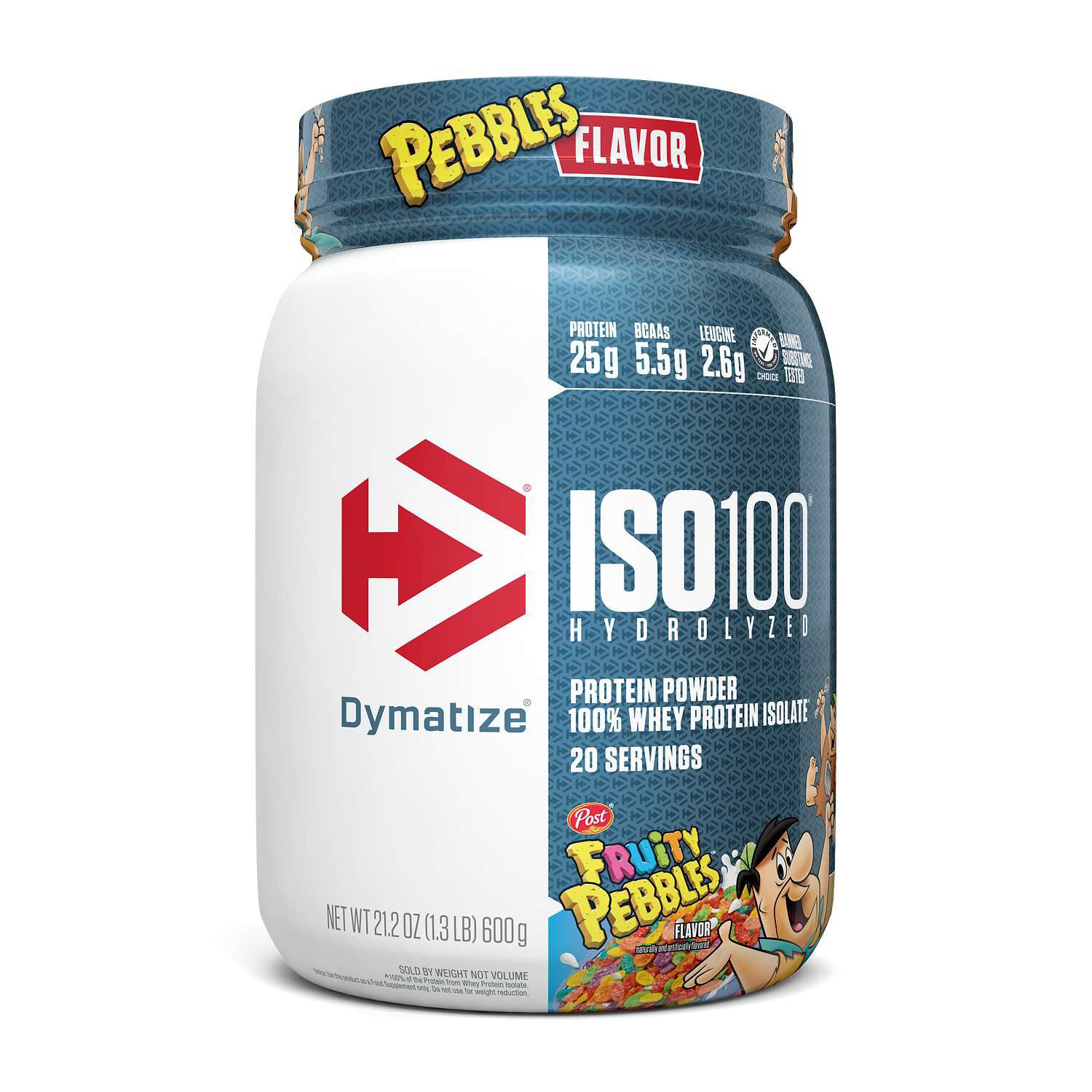
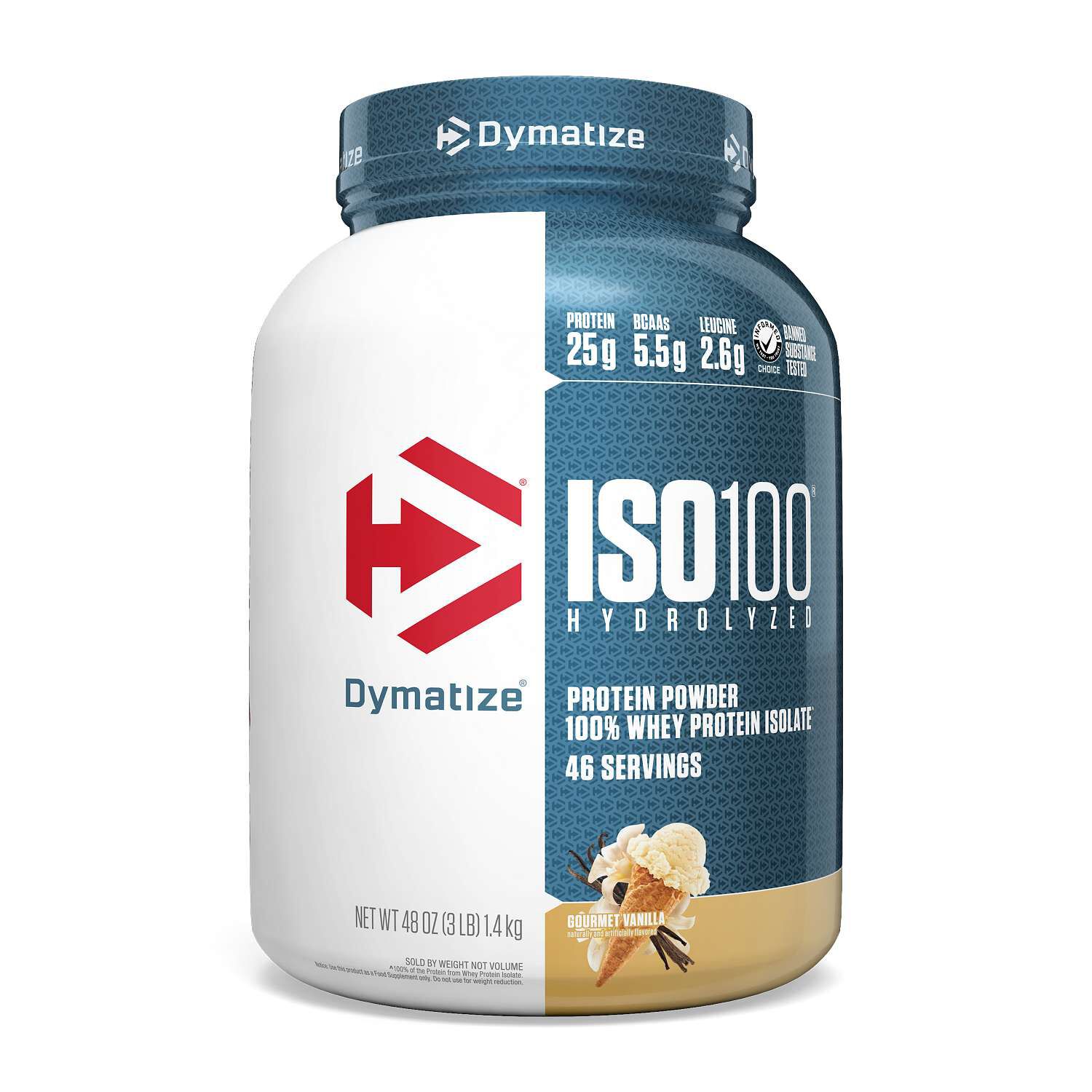


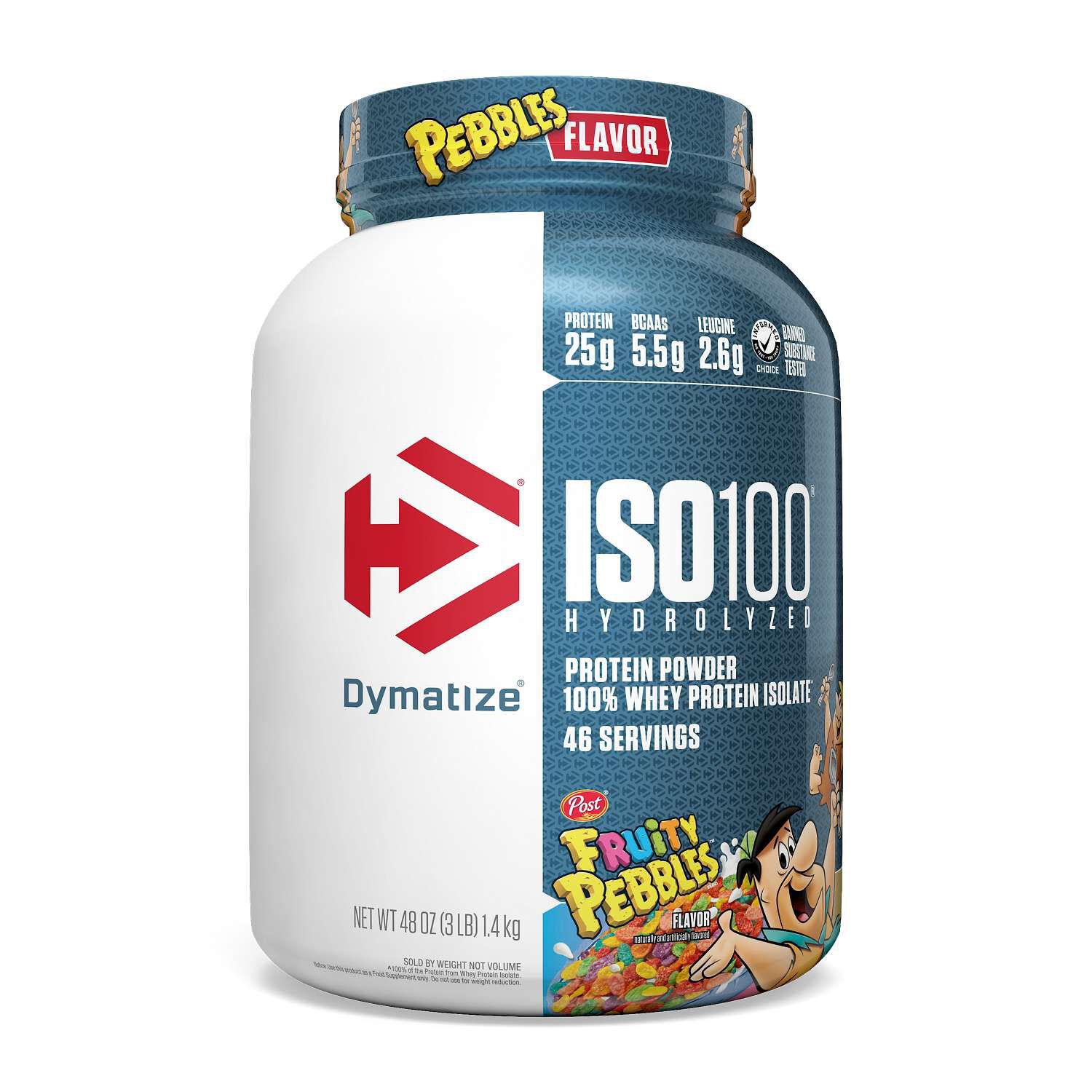
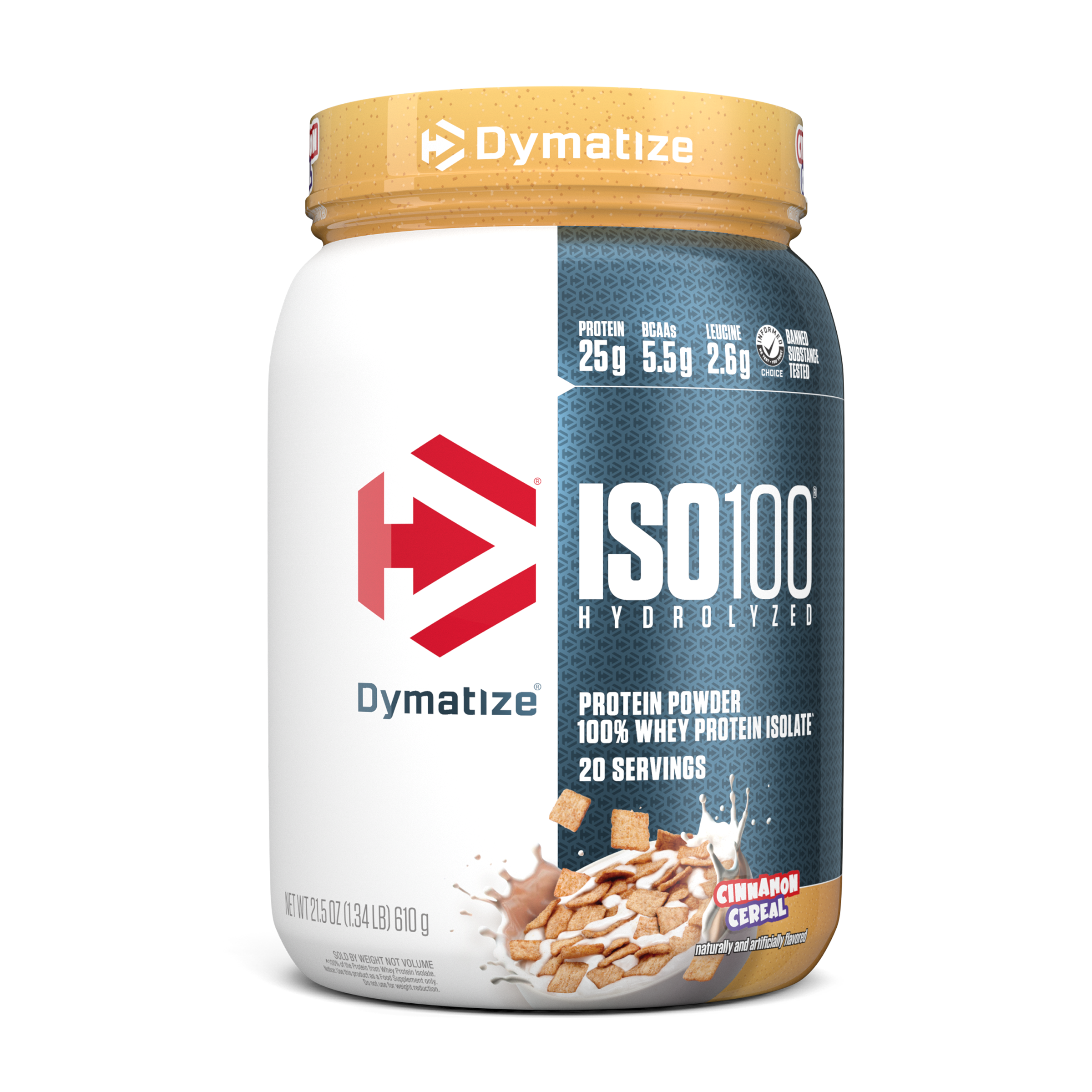
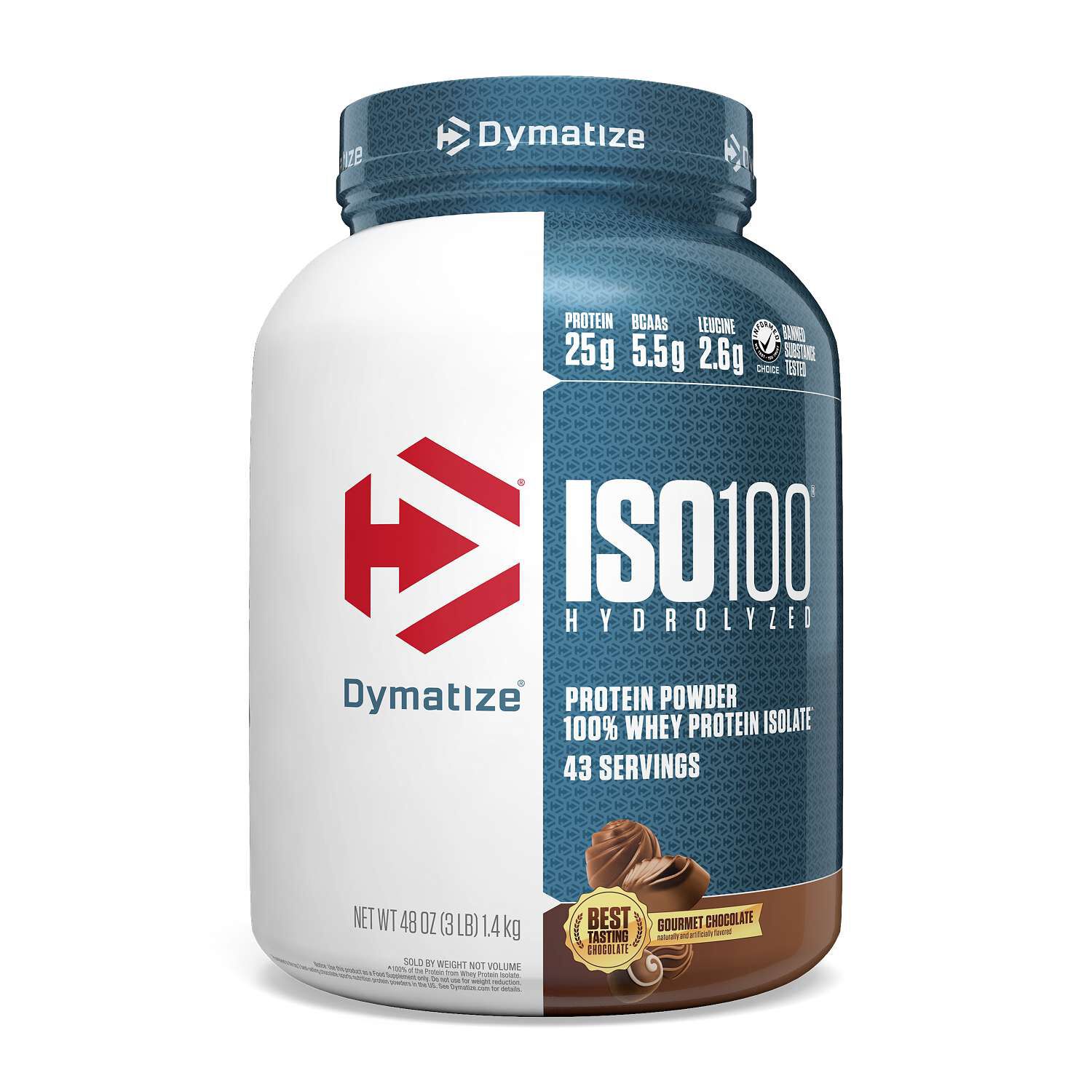
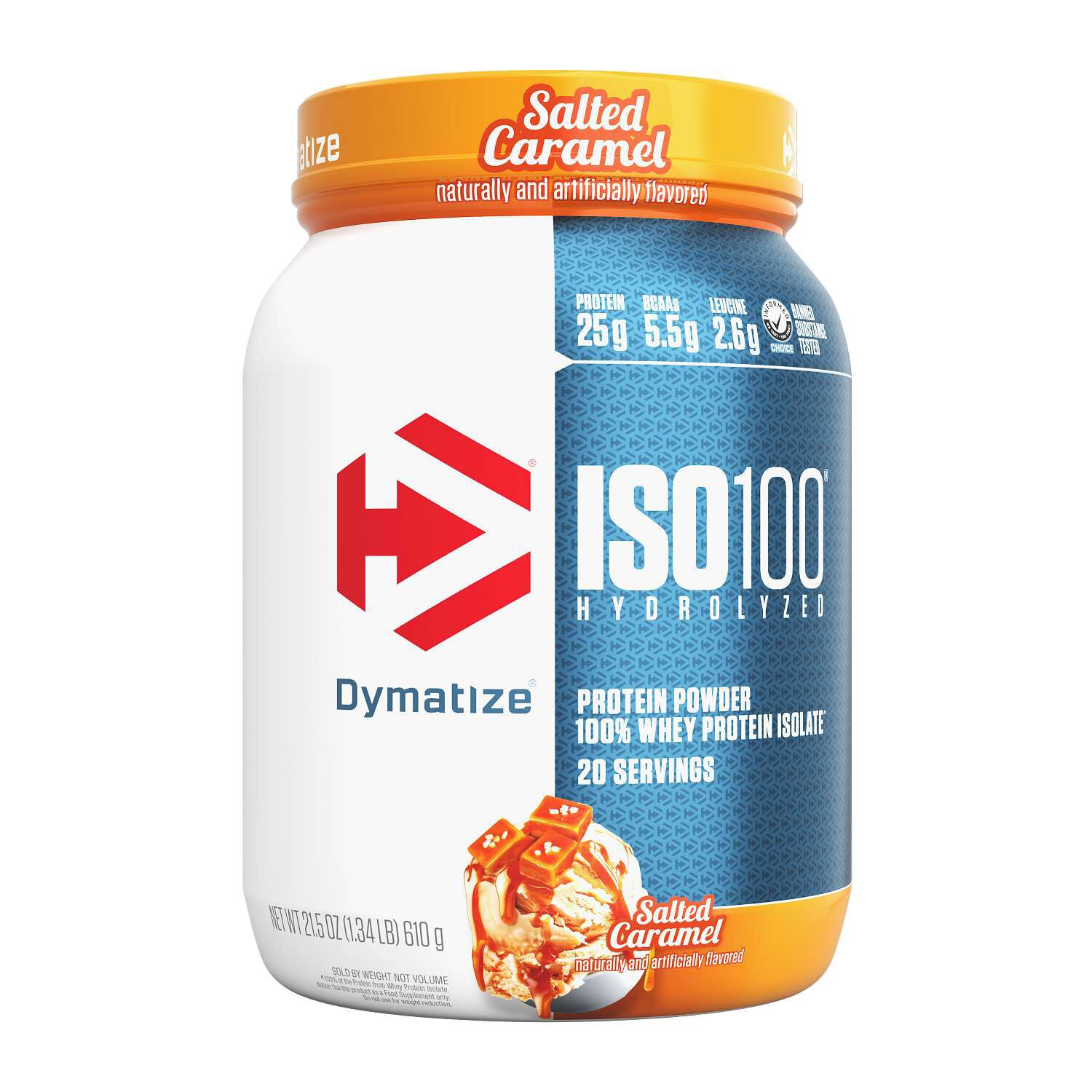
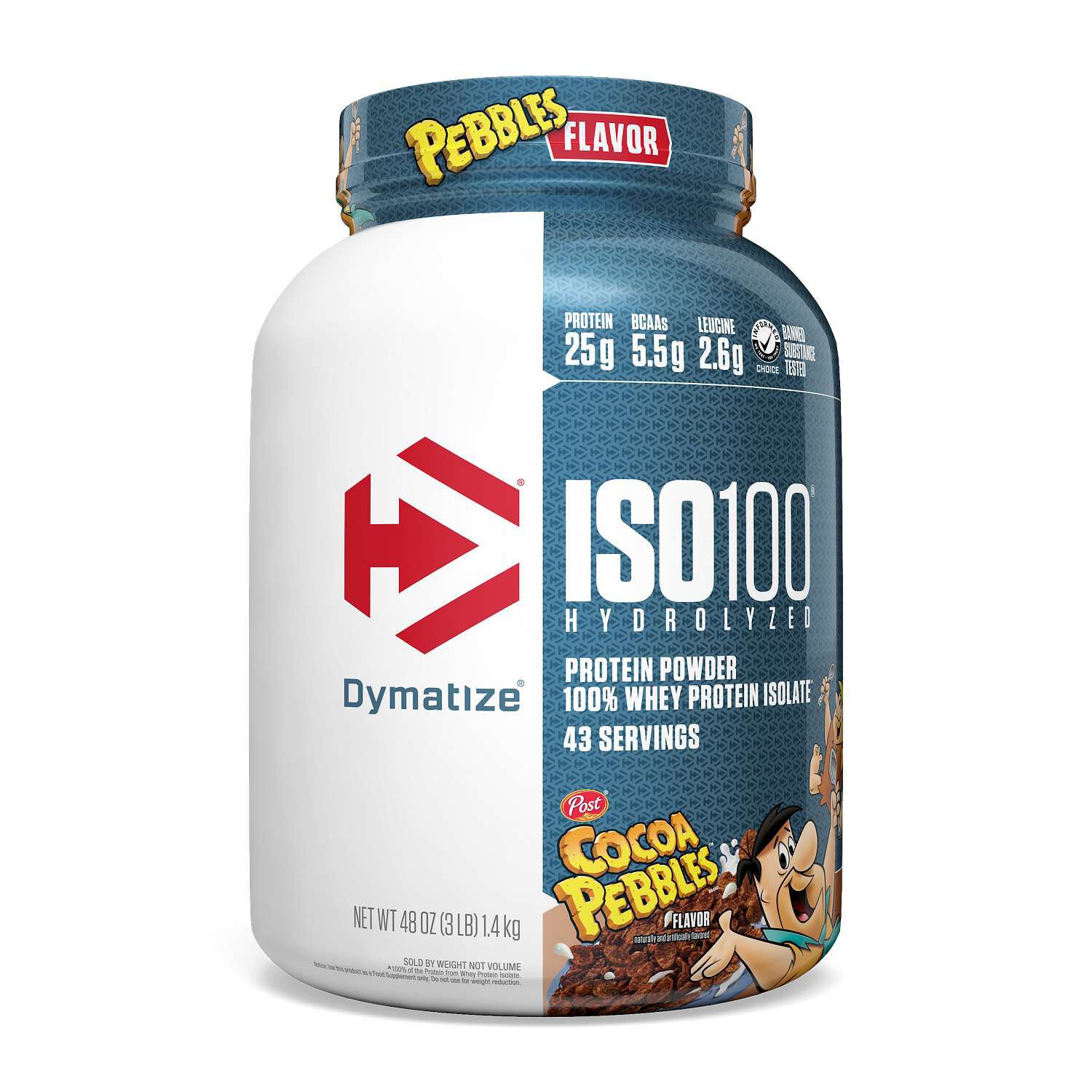
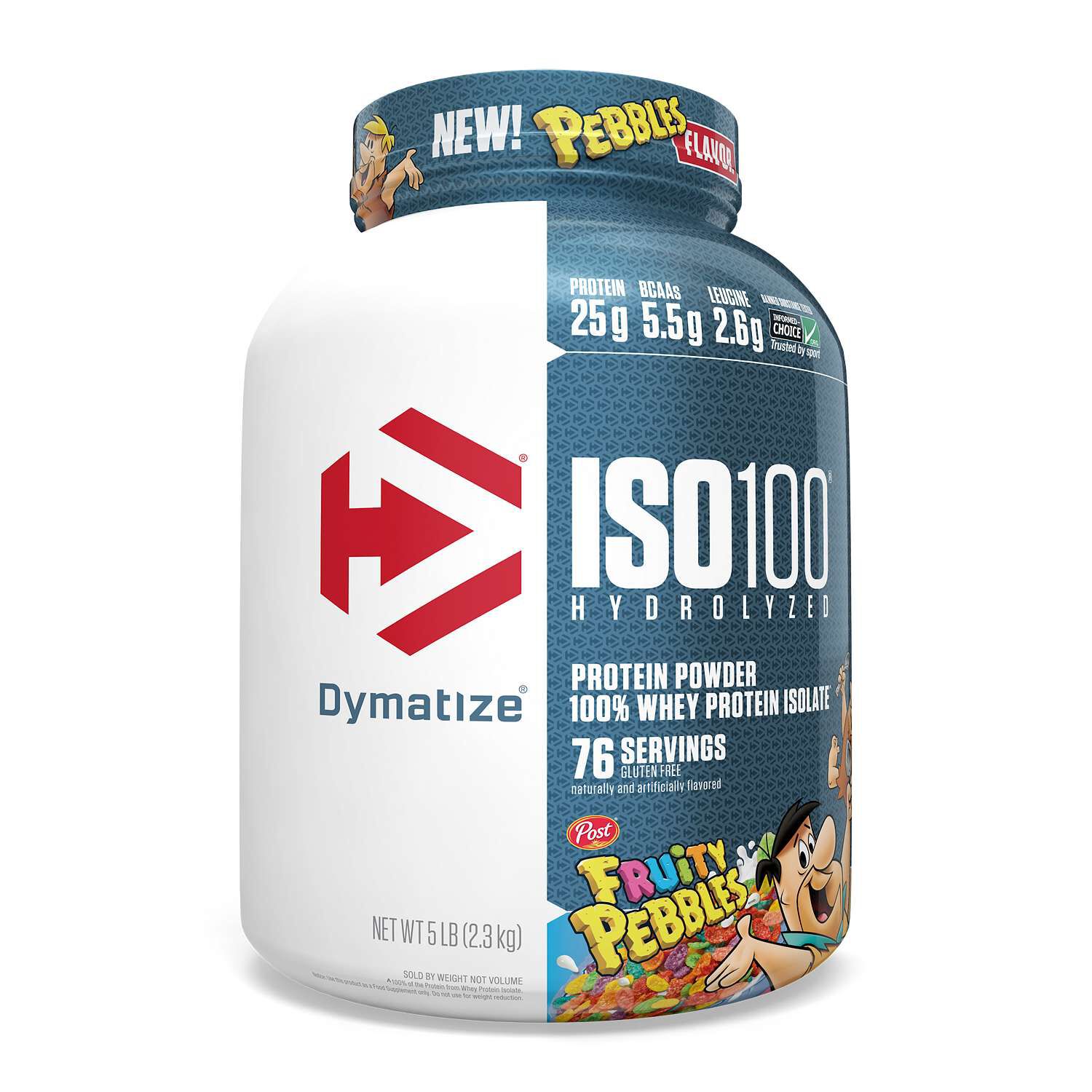
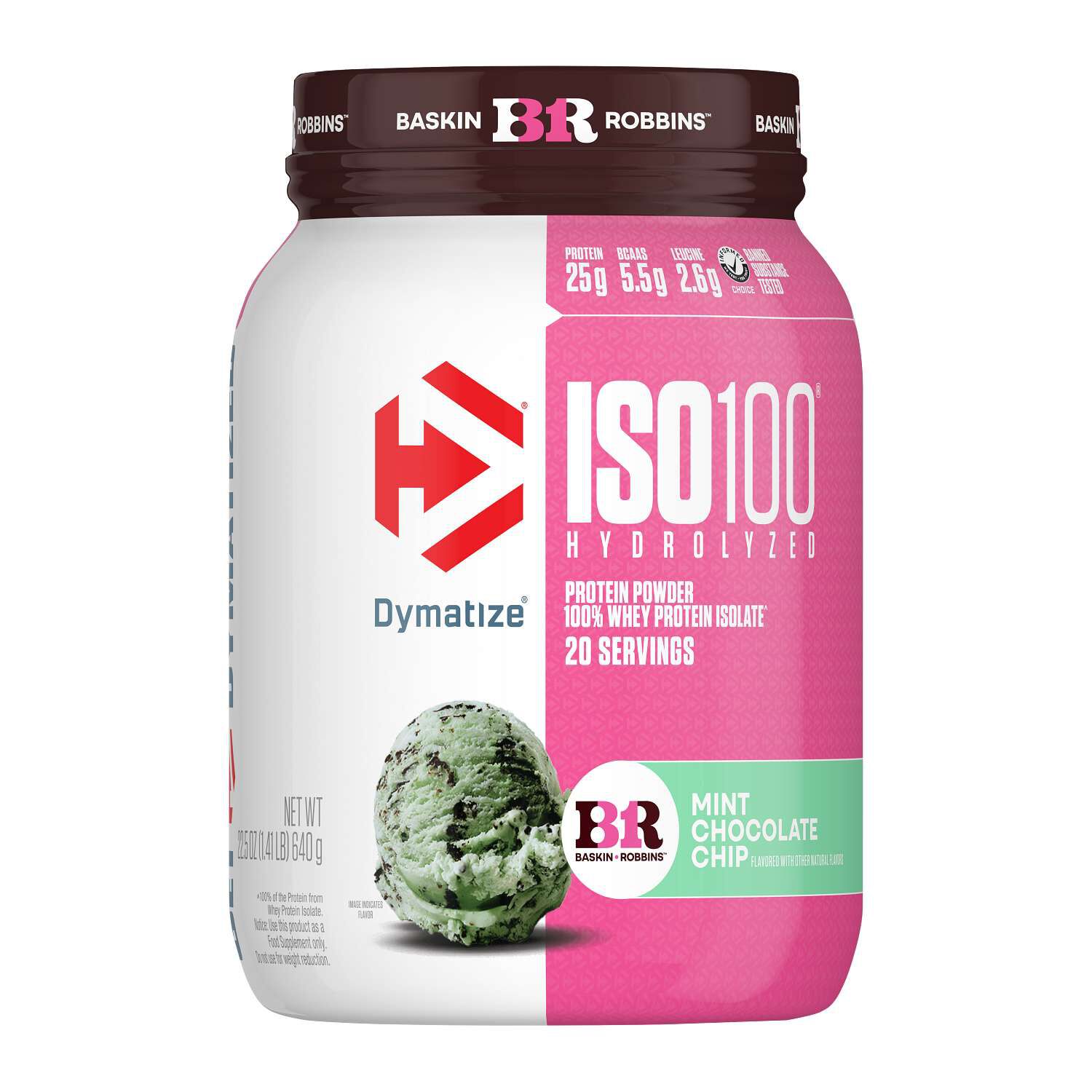


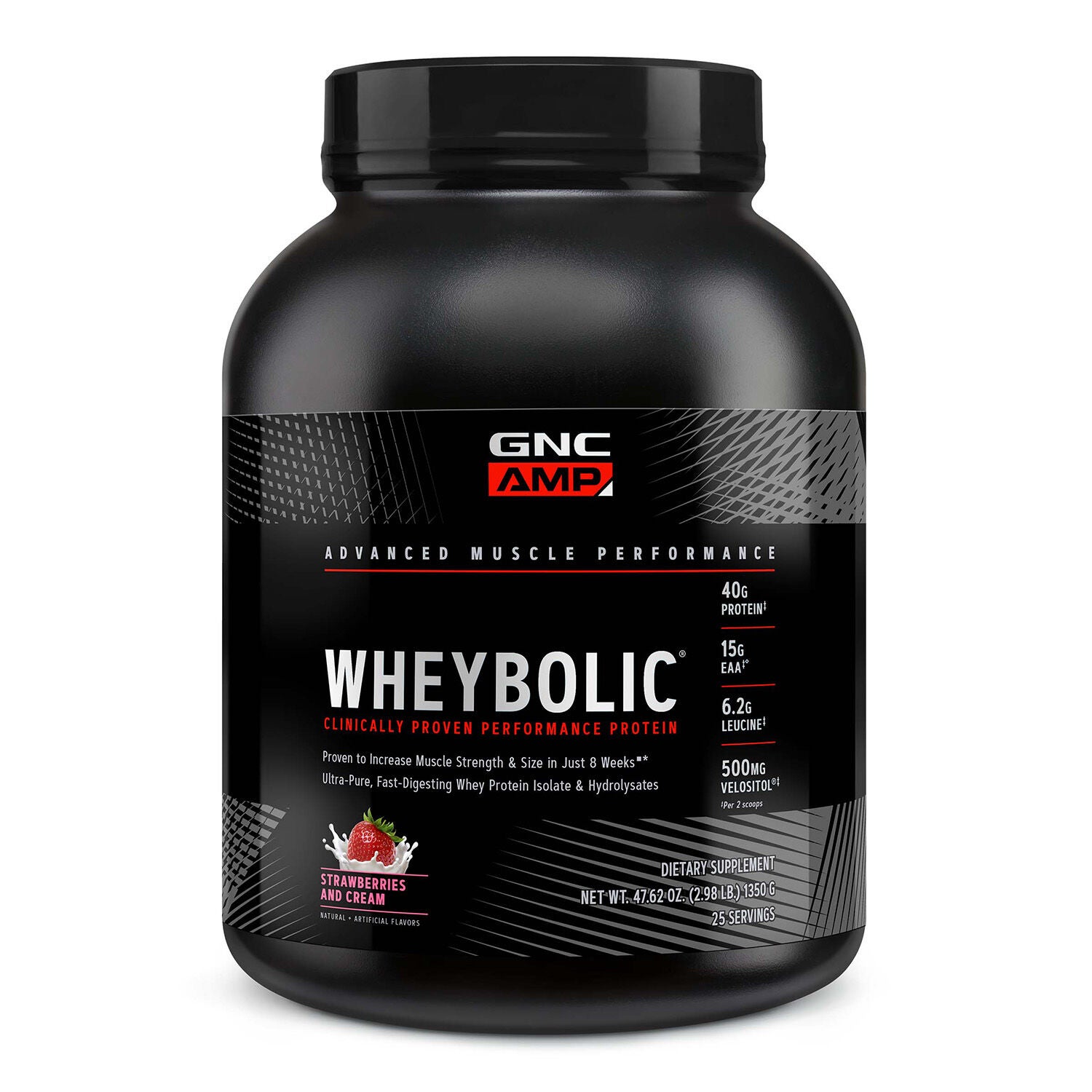
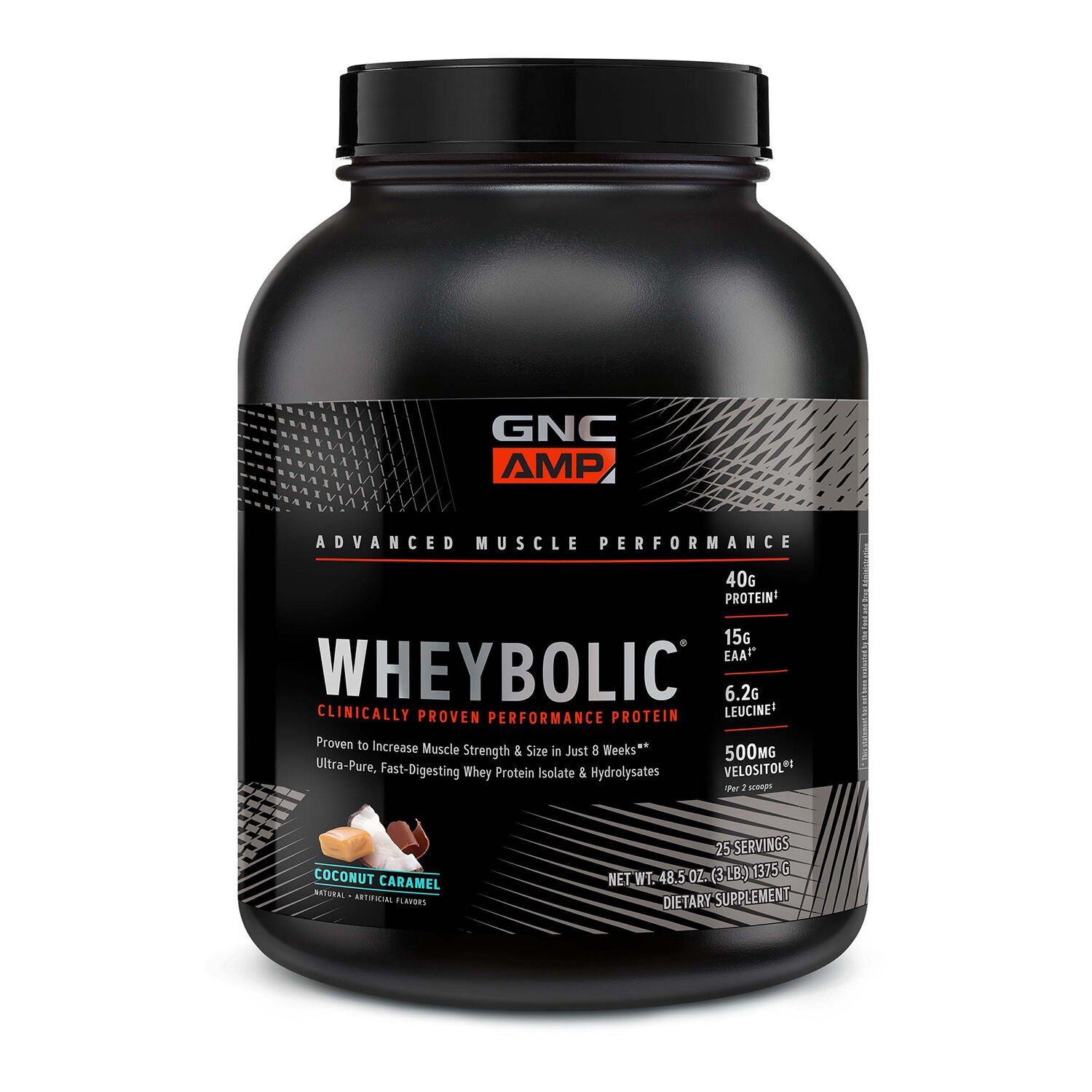
Whey protein isolates with hydrolysate blends bring together concentrated whey protein and whey that has undergone an additional processing step called hydrolysis. Whey comes from milk, and filtration separates much of its protein from other milk components to produce whey protein isolate. Hydrolysis uses enzymes to break some of the protein’s longer chains into smaller fragments called peptides. These terms describe different aspects of an ingredient: isolate refers to its concentration and filtration, while hydrolyzed refers to how its protein chains have been processed. A hydrolyzed whey ingredient can itself be made from isolate, so the two descriptions are not mutually exclusive. In a blended powder, the ingredient list identifies whether the formula combines whey protein isolate with hydrolyzed whey isolate, another whey hydrolysate, or additional protein sources. This distinction matters more than a prominent phrase on the front of the container. For adults who lift weights, enjoy recreational sports, or want a convenient protein option alongside everyday meals, these blends may support muscle recovery after exercise and help round out daily protein intake. Hydrolysis may influence how quickly protein is digested, but a blend’s name alone does not establish a precise absorption rate or a staged delivery pattern. Processing methods, ingredient proportions, serving size, and the rest of a meal all matter when interpreting those descriptions. Shoppers comparing this category with Hydrolyzed Whey Proteins will find that the most useful distinction is the actual protein composition rather than an assumption that every powder performs the same way. Isolate-based formulas often contain relatively little fat and carbohydrate compared with less concentrated whey ingredients, although the finished powder’s nutrition depends on its full recipe. Cocoa, flavorings, sweeteners, and other additions can change that profile. The result is a category defined by both its protein ingredients and its suitability for a particular routine, from a simple shake after an evening workout to a measured scoop mixed into breakfast.
Comparing whey isolate and hydrolysate blends starts with the Nutrition Facts panel and the ingredient list viewed together. Grams of protein per serving are useful, but serving weights also deserve attention: two scoops that look similar can hold different amounts of powder, and scoop counts do not provide a consistent comparison across formulas. Calories, carbohydrate, fat, sodium, and added sugars offer further context for how a serving fits alongside other foods. An isolate-forward formula is not necessarily made only from protein, and a hydrolyzed ingredient does not describe every ingredient in the container. Milk allergen statements remain relevant because both forms of whey originate from milk. Lactose content also varies, so the word isolate should not be treated as evidence that lactose is absent. Beyond the nutrition panel, flavor and texture often determine whether a powder becomes part of an ordinary routine or stays at the back of a cupboard. Hydrolyzed whey can have a noticeable bitter note, and finished formulas use different flavor combinations to balance it. Chocolate mixed with cold milk creates a different drinking experience than a fruit-flavored powder shaken with water. Vanilla can suit oatmeal or a smoothie with banana, while an unflavored option still has its own dairy character and is not necessarily tasteless. Sweetener choices, cocoa content, and thickening ingredients influence sweetness, body, and mouthfeel. Someone who prefers a light drink after a workout may favor a thinner shake, while someone blending protein with yogurt and frozen fruit may appreciate a richer texture. The liquid quantity listed in the preparation directions provides a useful starting point for comparing those preferences. More liquid generally produces a thinner drink; less creates a more concentrated flavor. When a powder is intended for a daily commute or a gym bag, mixing directions and serving size can be just as important as the flavor name. A shaker bottle suits a straightforward powder-and-liquid drink, whereas a blender accommodates ice, fruit, oats, and other ingredients that change its consistency.
Intended use also shapes the practical details of choosing and caring for a whey protein isolate with a hydrolysate blend. A person heading from a morning workout to the office may prefer measuring a serving into a clean, dry shaker compartment and adding liquid when ready to drink. Someone making breakfast at home has more room to experiment with spoonable combinations, such as yogurt stirred with powder and topped with berries. These are different uses for the same category, and neither depends on an exact minute after exercise. Protein powders are a concentrated food supplement rather than a substitute for the variety found in everyday meals, and their role depends on what the rest of the day includes. For warm preparations, texture deserves extra attention. Whey can clump when added directly to very hot liquid, so blending the powder into a small amount of cooler liquid before incorporating it into warm oatmeal may produce a smoother mixture. Baking requires its own adjustments because replacing flour with whey changes how a batter behaves; recipes developed for protein powder offer a more predictable starting point than a one-for-one substitution. Between servings, a tightly closed container stored according to its label helps limit exposure to moisture and kitchen odors. A dry scoop, a clean lid, and a spot away from steam are practical considerations, especially in a kitchen where the powder sits near a kettle or dishwasher. Prepared shakes need the handling appropriate to their ingredients, particularly when mixed with milk or yogurt. Container size matters for everyday use as well: a format that fits comfortably in a cabinet and matches the pace of use is easier to manage than one chosen only for its size. Across these details, the strongest match is a blend whose protein sources, nutrition, flavor, preparation method, and storage requirements suit the way it will actually be used. A powder that fits breakfast, a training schedule, or an afternoon snack has a clearer place in a routine than one selected solely for technical terminology.
Best Sellers


Related Pages


Top Collections
- Daily Collagen Supplements | Top Brands & Deals | GNC
- Natural Collagen Supplements | Top Brands & Deals | GNC
- Top Rated Collagen | Shop Customer Favorites | GNC
- Cortisol Supplements
- Vitamins For Hair Loss
- Spirulina Tablets
- NAD+ Supplement Tablets
- Peptide Supplements
- Best Brand of Magnesium Glycinate
- Vitamins That Help Support Weight Gain