





Whey Casein Protein Blends
(0 Results)
Looking to take your fitness routine to new heights? Our Whey Casein Protein Blends are here to help you achieve your goals and fuel your body with premium protein. Combining fast-acting whey protein with slow-digesting casein, these blends offer a comprehensive approach to muscle recovery and growth. Whether you're looking to build lean muscle, support post-workout recovery, or simply increase your daily protein intake, our selection of Whey Casein Protein Blends has got you covered. Dive in and discover how these powerful formulas can elevate your fitness journey.
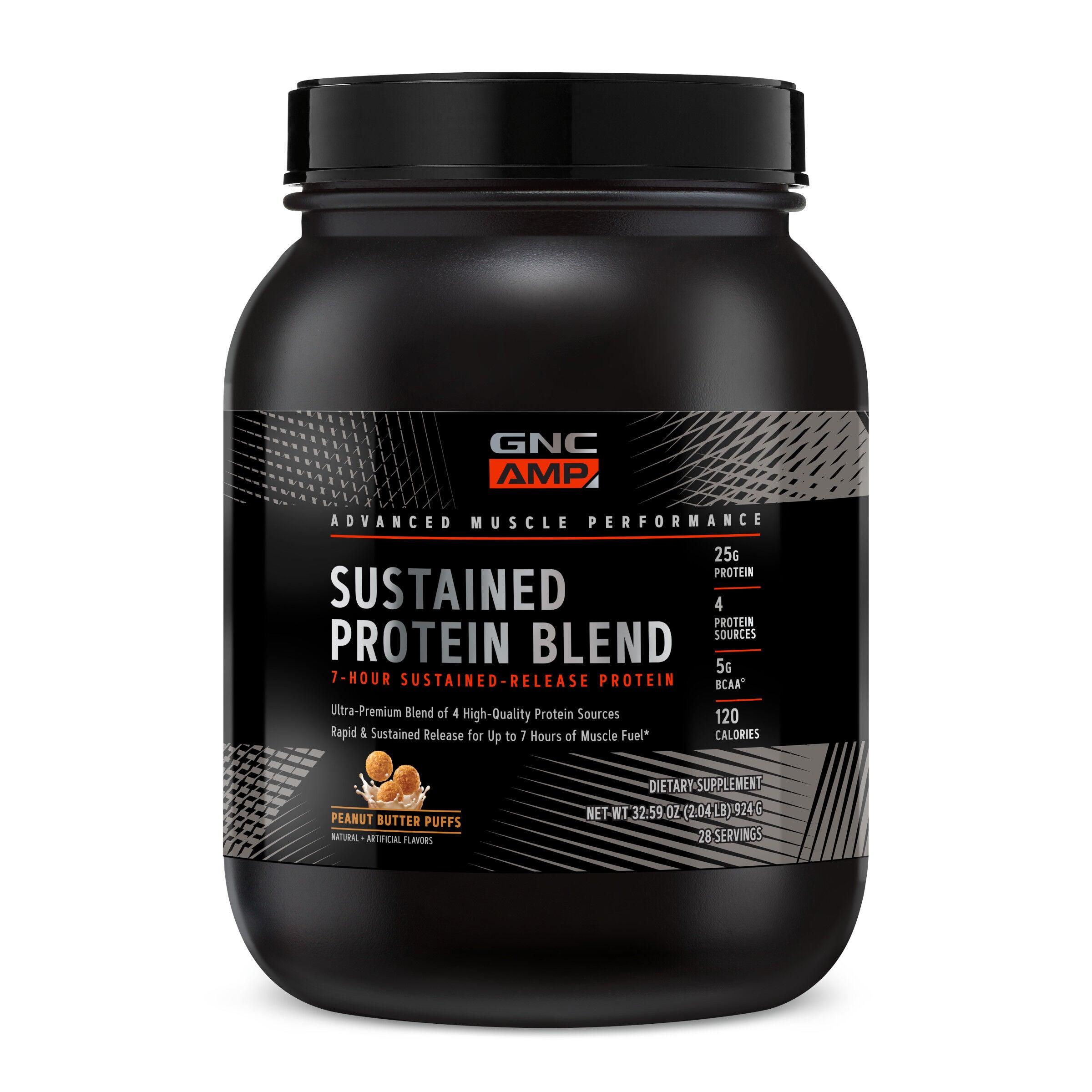


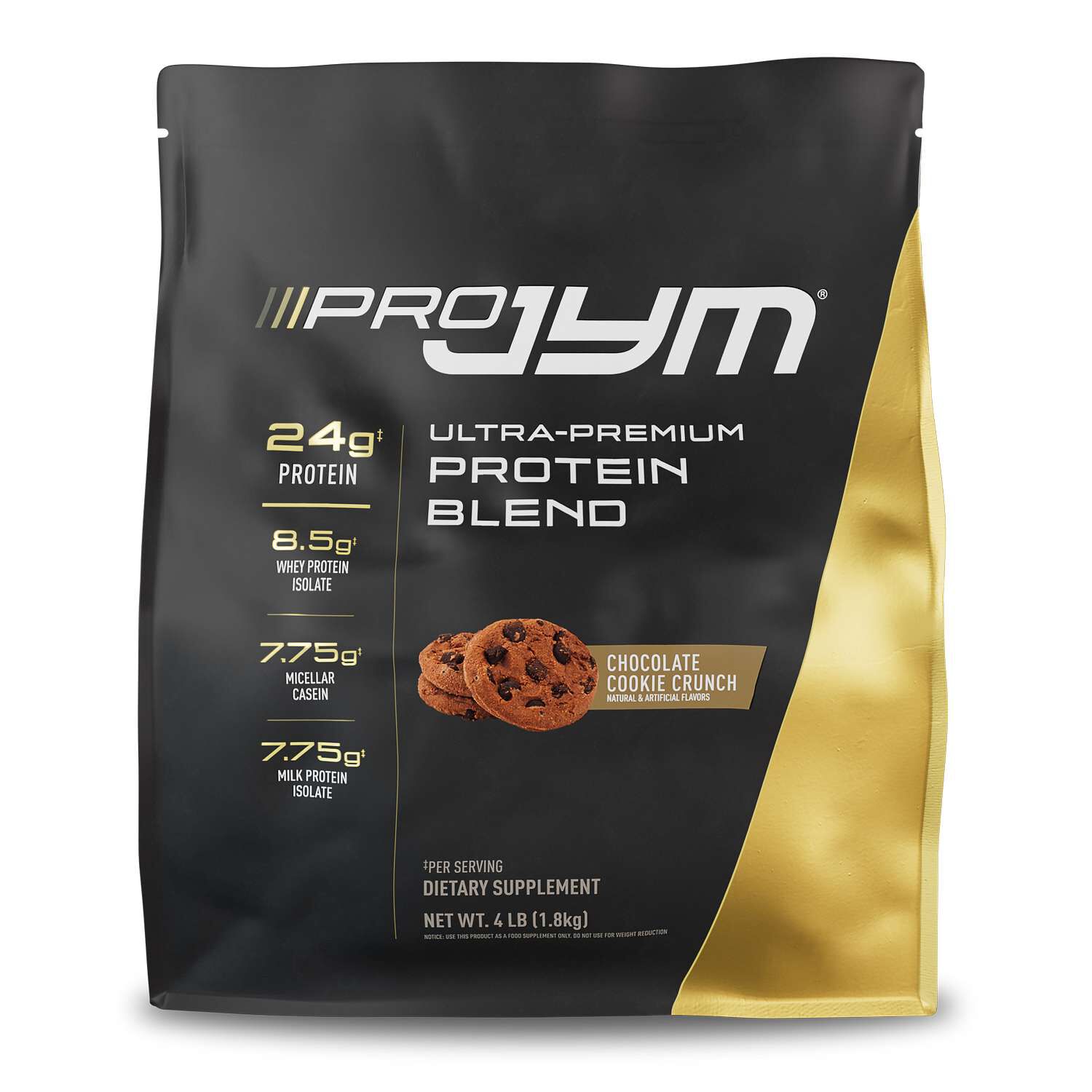

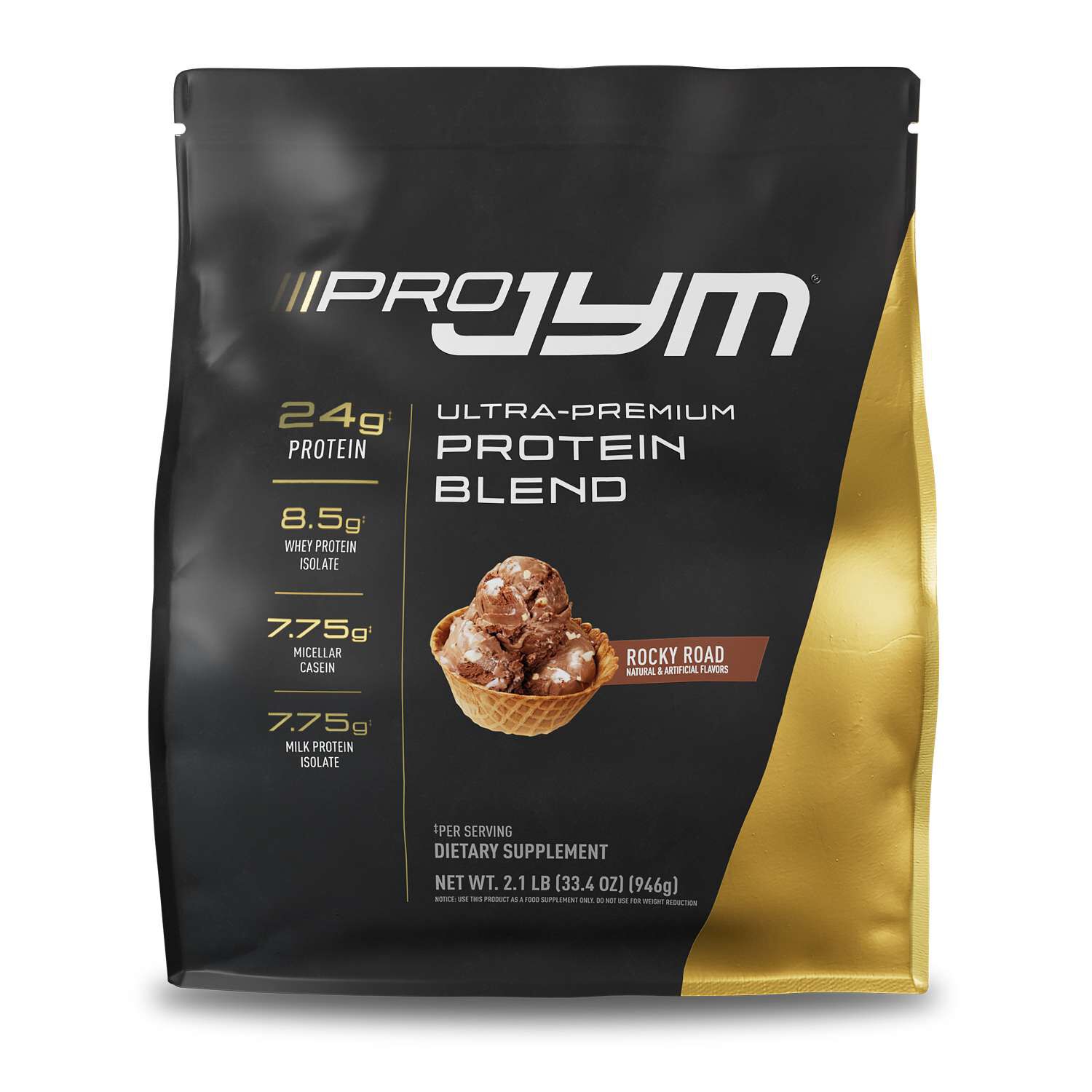


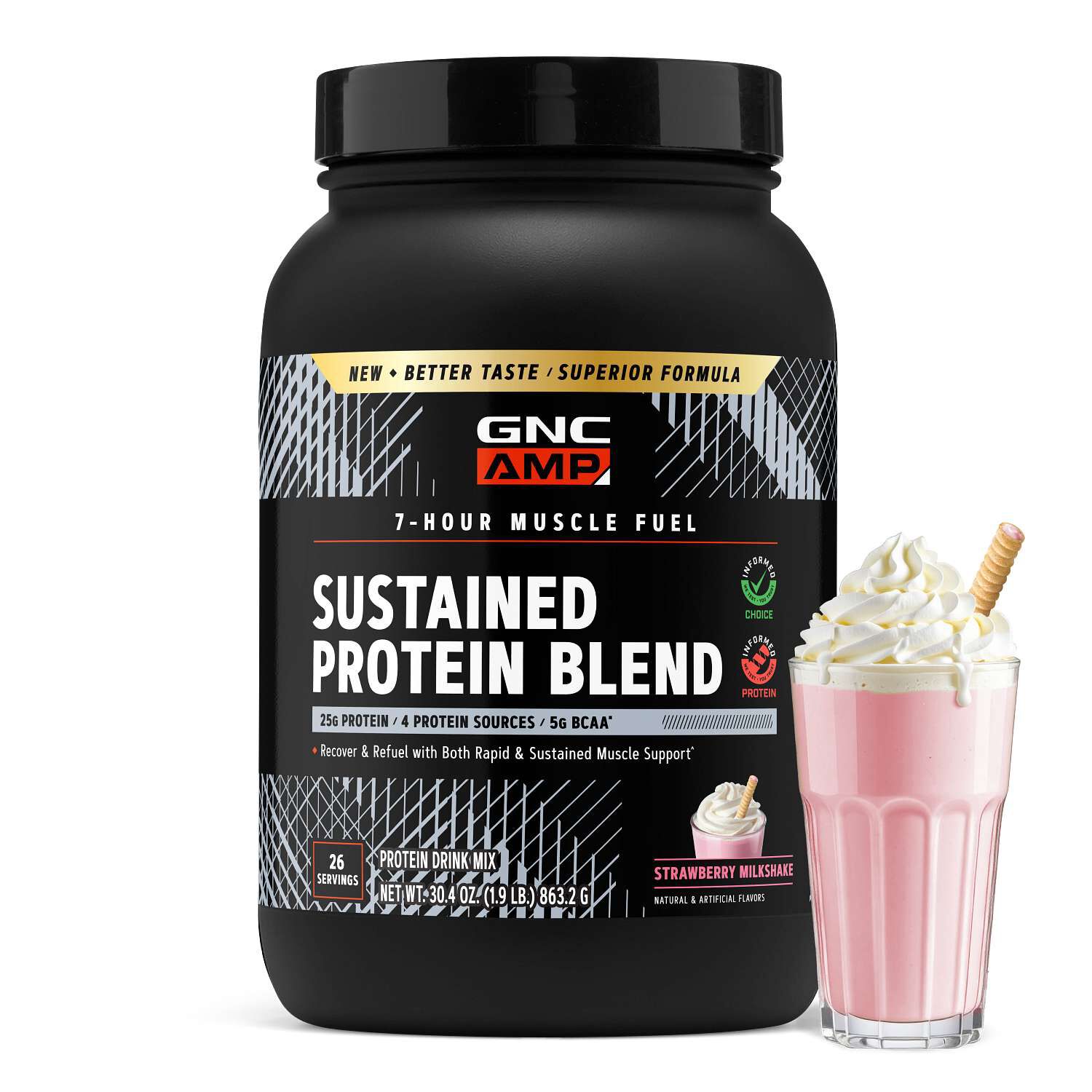
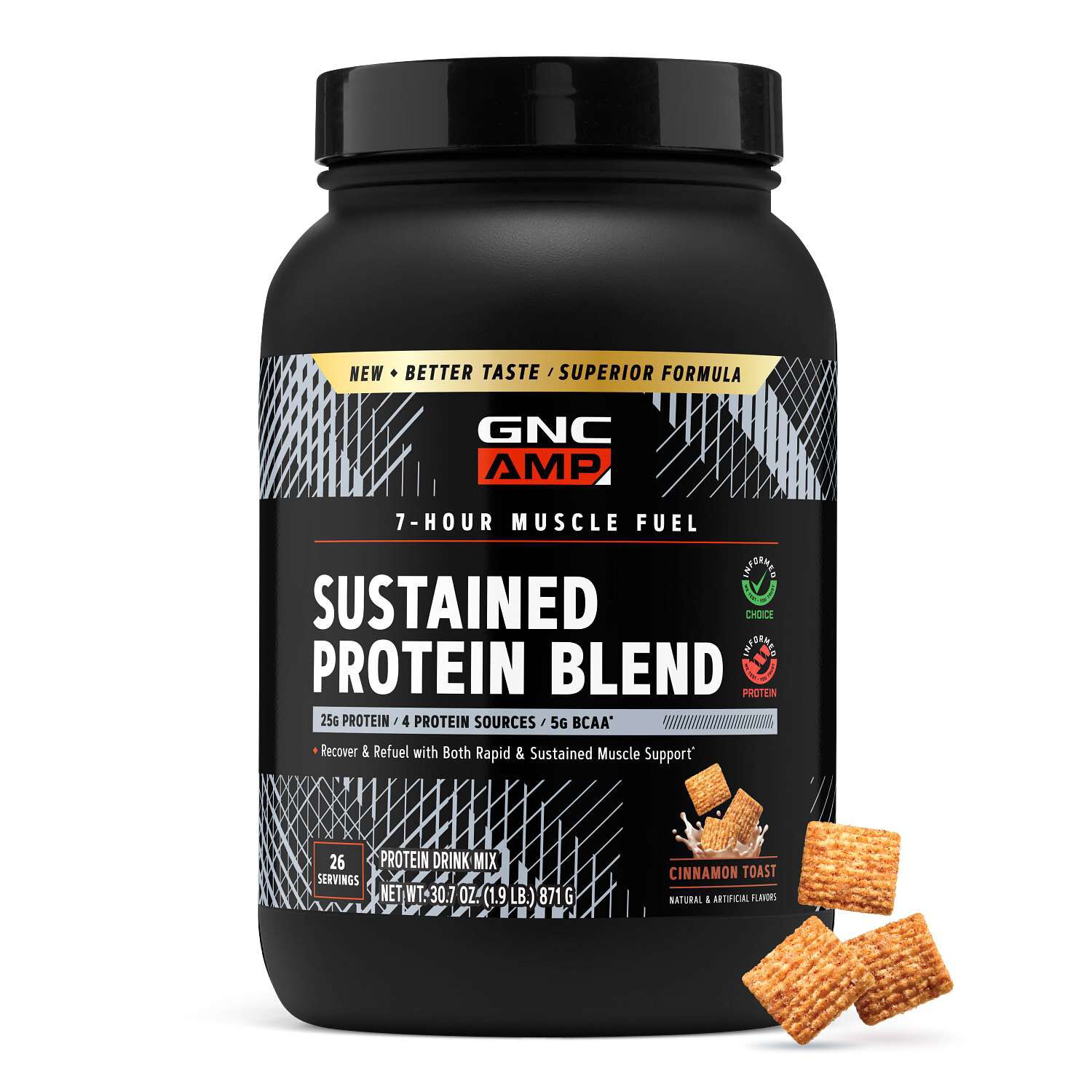

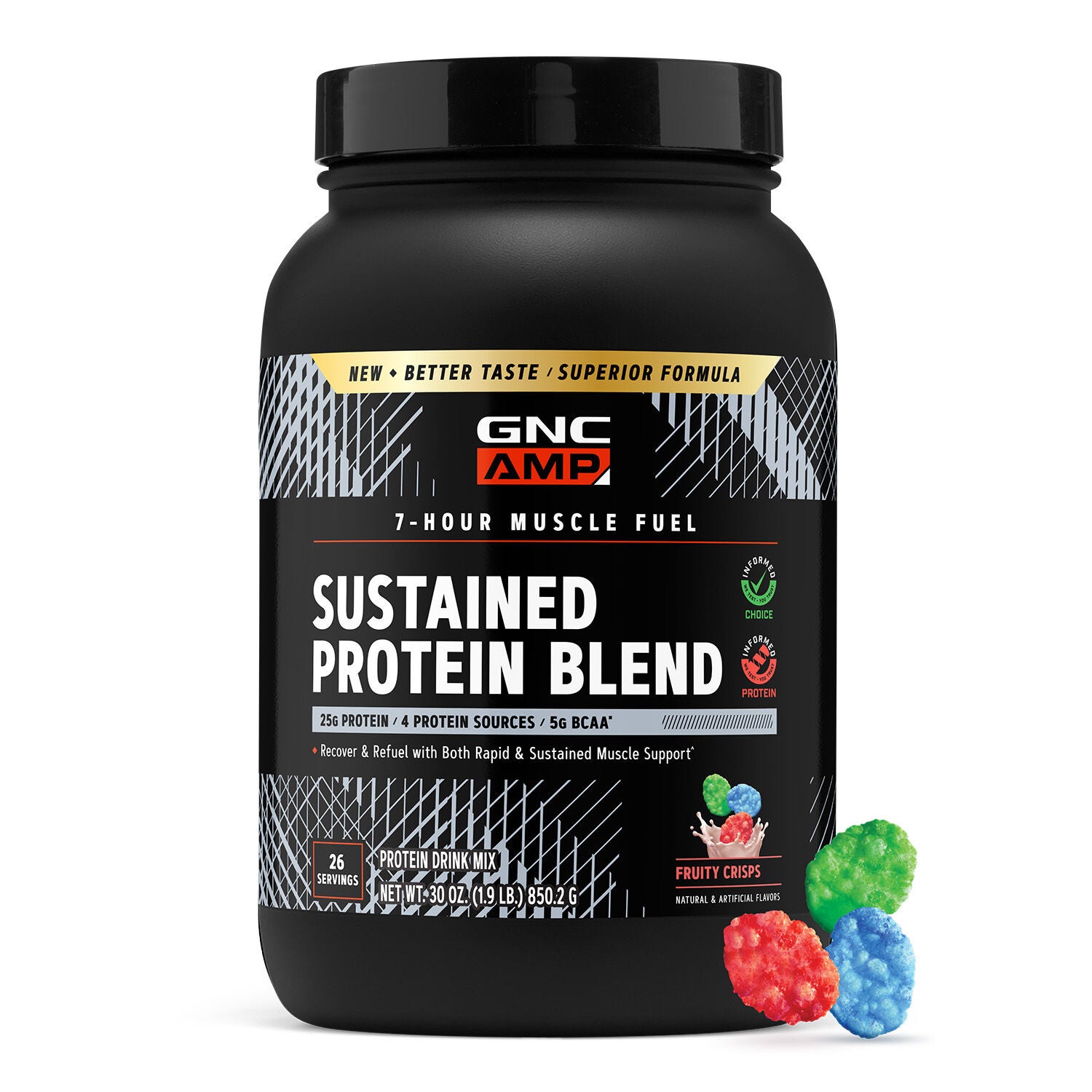
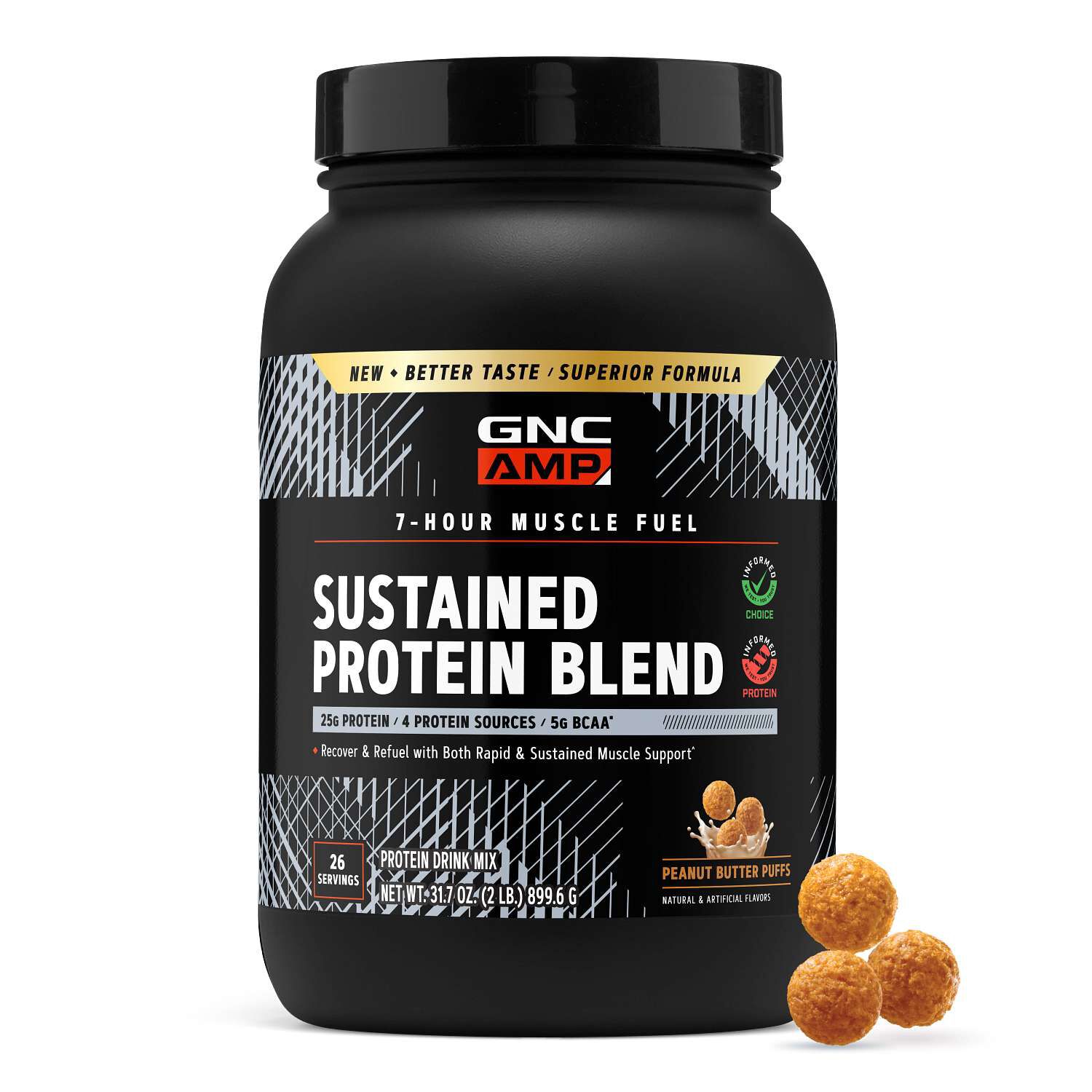
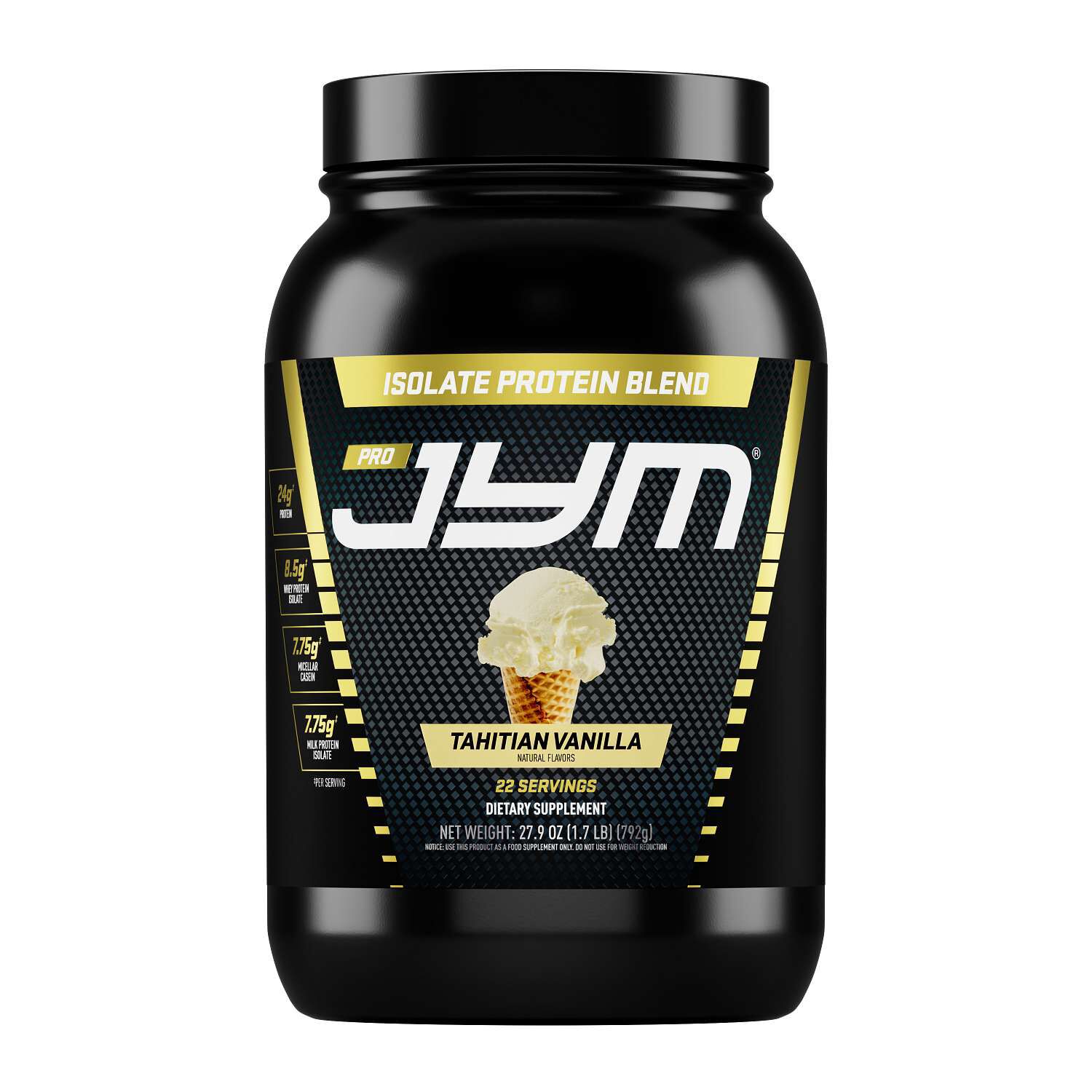
Whey and casein protein blends combine two milk-derived proteins in one powder, offering an option for people who prefer a mixed protein formula rather than a single-source powder. Whey may be digested relatively quickly, while casein may be digested more gradually, so the combination could provide amino acids over different periods after a serving. Alongside regular exercise and a varied diet, these blends may support muscle maintenance and recovery after training. That makes them relevant to strength-training routines, recreational sports, and everyday eating patterns that include supplemental protein. The distinction is in the combination of protein sources, not a fixed recipe: the proportion of whey to casein varies by formula, and a blend name alone does not reveal that balance. Some powders emphasize whey, while others contain a larger proportion of casein or use milk protein ingredients that naturally contain both. Whey concentrate, whey isolate, micellar casein, and milk protein concentrate are among the ingredient names shoppers may encounter. Each label provides a clearer picture of the formula than broad front-of-package descriptions, particularly when the amount of each protein source is disclosed. Protein grams per serving are another useful point of comparison, especially because scoop sizes differ. A larger scoop does not necessarily mean a higher proportion of protein. Within the wider category of Protein Powder Blends, whey and casein combinations are distinguished by their dairy base and their pairing of proteins with different digestion characteristics. They are not interchangeable with every mixed protein powder, since other blends use egg, soy, pea, rice, or additional sources. For someone deciding between a whey-only powder and a whey-casein blend, the choice often comes down to the ingredient profile, preferred consistency, and how the powder fits into familiar meals and snacks. A blend may suit someone seeking both whey and casein without measuring separate powders, although the label remains the best reference for the actual composition.
Texture and flavor are practical parts of choosing a whey-casein protein powder, particularly for anyone who plans to use it several times a week. Casein-containing formulas often have a fuller consistency than lighter whey-focused powders, though the result depends on the protein ratio, other ingredients, liquid, and mixing method. A shake made with water has a different character from one prepared with milk, and a spoon-stirred bowl of yogurt presents a different texture from a drink mixed in a blender. Chocolate, vanilla, and other familiar flavor profiles offer different starting points for those uses. A cocoa-forward powder suits the flavor of a banana smoothie, while a milder vanilla profile fits naturally alongside oats, cinnamon, or berries. Flavor descriptions do not tell the whole story, however. Sweetener type, cocoa content, added flavors, and the underlying dairy ingredients all contribute to the finished taste. Ingredient lists also distinguish formulas containing added sugars, oils, gums, or other ingredients used for sweetness, richness, and consistency. Those details matter when the goal is a thinner drink for a shaker bottle versus a thicker mixture eaten with a spoon. Nutrition Facts panels provide the corresponding serving information, including protein, carbohydrates, sugars, fat, and sodium. Comparing equal serving weights offers a more consistent basis than comparing scoops alone, especially when scoop sizes vary substantially. The presence of whey isolate does not, by itself, describe every ingredient in a blend, and a dairy-based formula is not plant-based simply because it is mixed with an oat or almond beverage. Milk-derived ingredients and allergen statements deserve attention for households that avoid milk. Lactose content also varies with the ingredients and processing used. For shoppers with particular ingredient preferences, clear labeling is more informative than assumptions based on a flavor name or a short description. The most relevant formula is one whose composition, taste, and preparation requirements match its intended place in an established routine.
Everyday use gives whey and casein protein blends their practical context. A morning shake carried alongside breakfast, a smoothie prepared after a lifting session, or a measured portion stirred into an afternoon snack are different ways a powder could fit into the day. There is no need to frame every serving around a narrow exercise window; convenience, food preferences, and the rest of the day’s meals also matter. Some people choose a whey-casein blend for an evening snack because casein may provide a more gradual supply of amino acids, but timing alone does not determine whether a formula suits a routine. A powder is a supplement to varied meals, not a substitute for the range of foods that make up an eating pattern. Preparation is another part of the experience. A shaker bottle is convenient for a drink carried to the gym or office, while a blender accommodates fruit and other ingredients. The amount of liquid determines much of the final consistency, so the package directions provide a useful starting point before adjustments for personal preference. A powder intended mainly for shakes may behave differently when stirred into oatmeal or used in baking; heat, moisture, and the surrounding ingredients affect the result. Small batches are a practical way to judge texture before using a larger portion in a recipe. Storage deserves the same attention as preparation. A tightly closed container, a dry scoop, and a storage location consistent with the package directions are sensible habits for keeping the powder between uses. Moisture introduced by a wet utensil may contribute to clumping, and a container left open near strongly scented foods may pick up unwanted odors. Package seals, serving directions, and best-by information provide useful checkpoints when opening and using a container. For repeat use, the details that matter most are often straightforward: a flavor that remains appealing, a consistency suited to the preferred mixing method, clear serving information, and a dairy protein blend that fits comfortably alongside everyday meals and exercise.
Best Sellers

Related Pages


Top Collections
- Supplements For Yoga Joint Flexibility
- GLP 1 Support For Adults
- Joint Mobility Supplement Packs
- Chronic Fatigue Supplements
- Adult Mobility Supplements
- Supplements For Balance
- Supplements For Anxiety Relief Support
- Capsule Supplements For Energy And Stamina
- Zinc Supplements | Top Brands at Great Prices | GNC
- Anti Aging Supplements For Women