





Whey Protein Isolates With Glutamines
(0 Results)
Fueling your fitness journey starts with choosing the right support for your active lifestyle. Whey protein isolates with glutamines offer a versatile option for those looking to enhance their daily nutrition routine. With a focus on high-quality ingredients, these formulas may fit seamlessly into post-workout shakes, smoothies, or meal plans. Explore options that could help you meet your wellness goals and support your commitment to staying active.


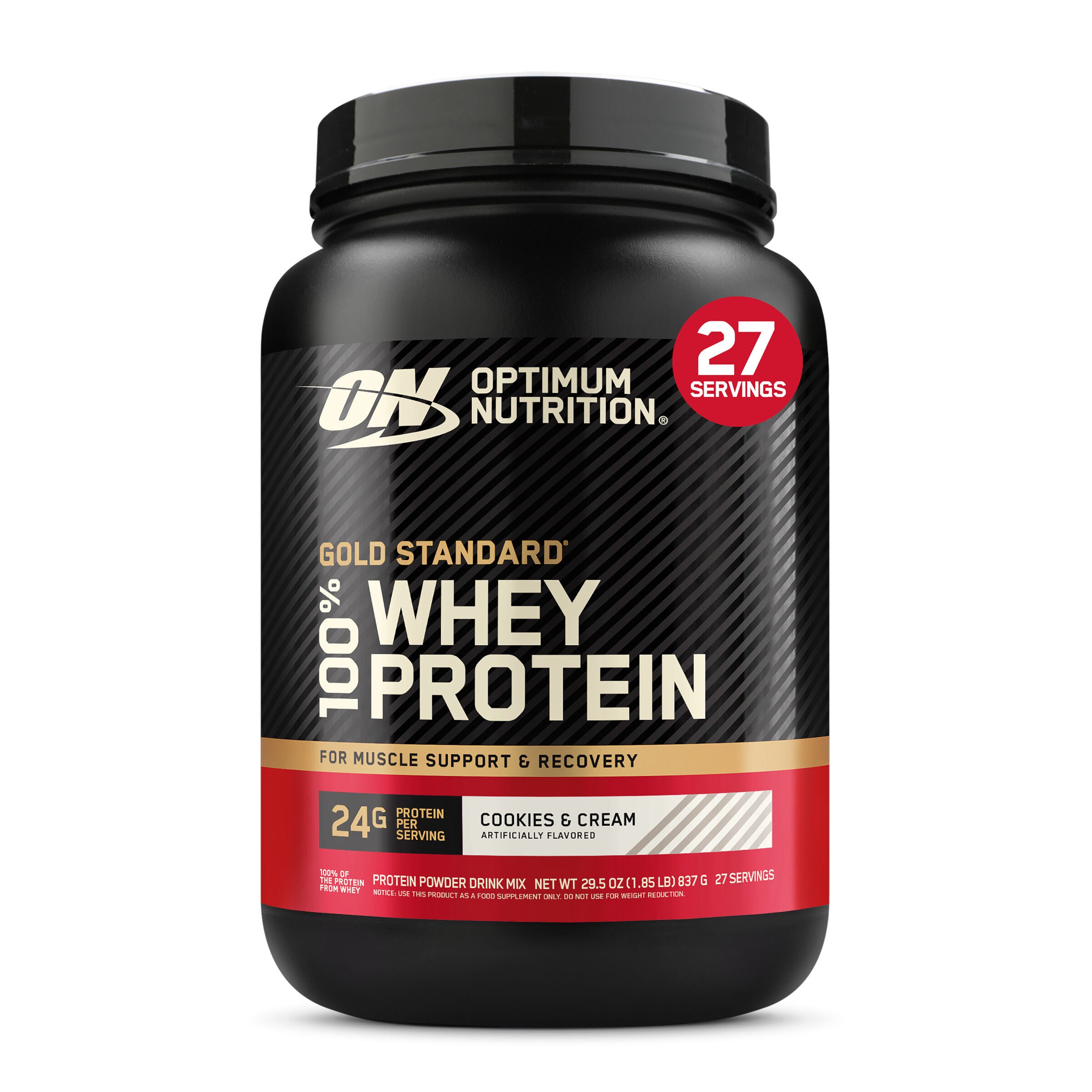


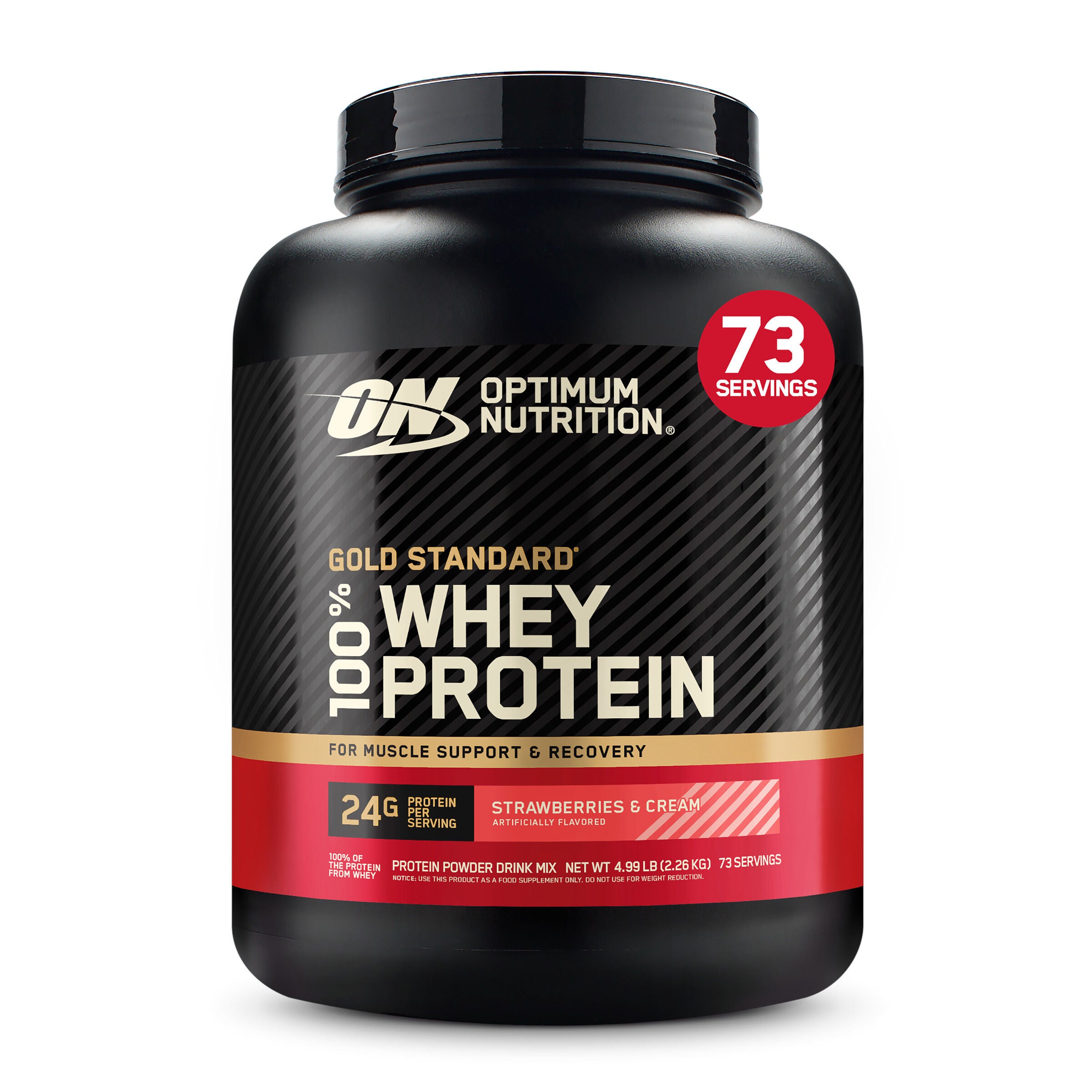


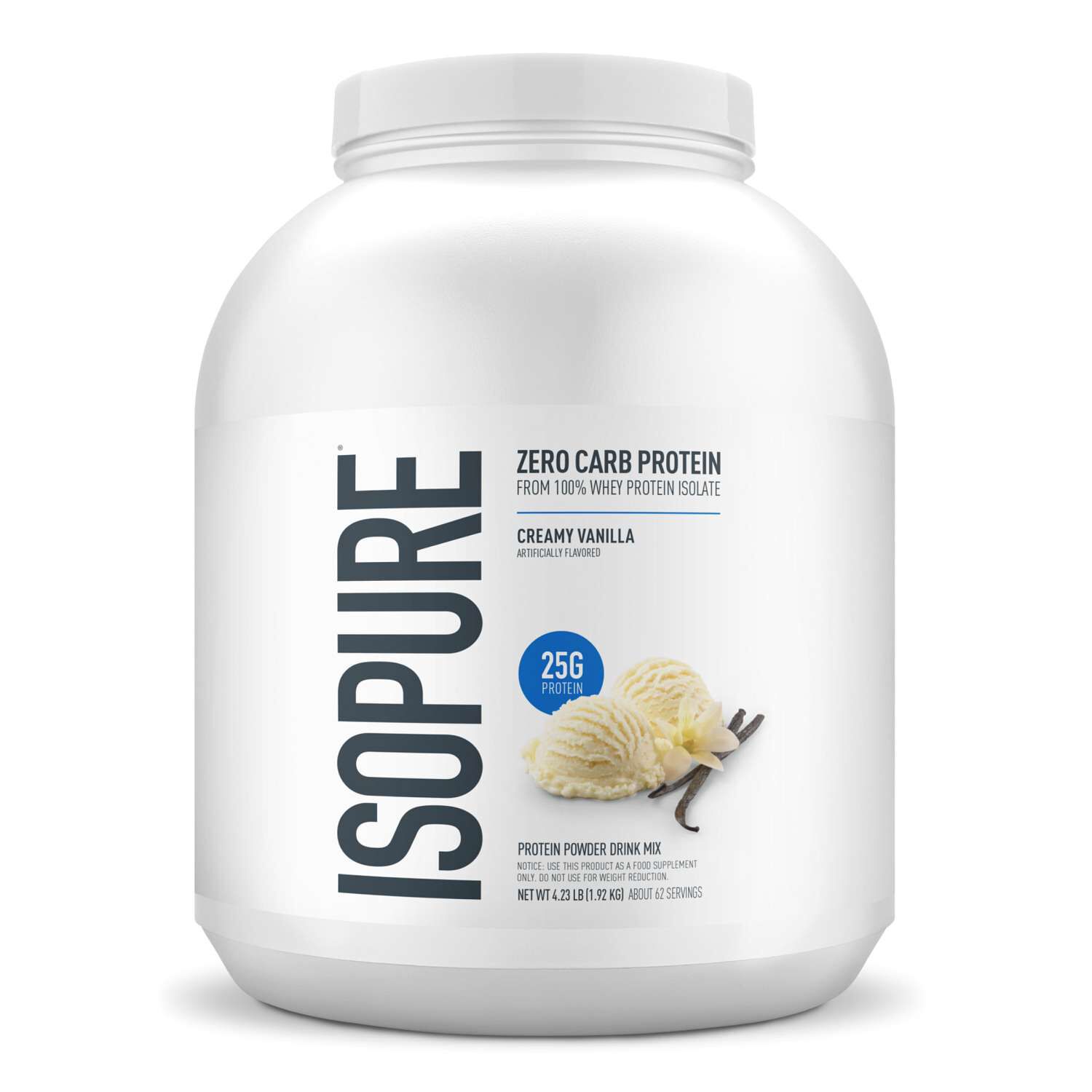
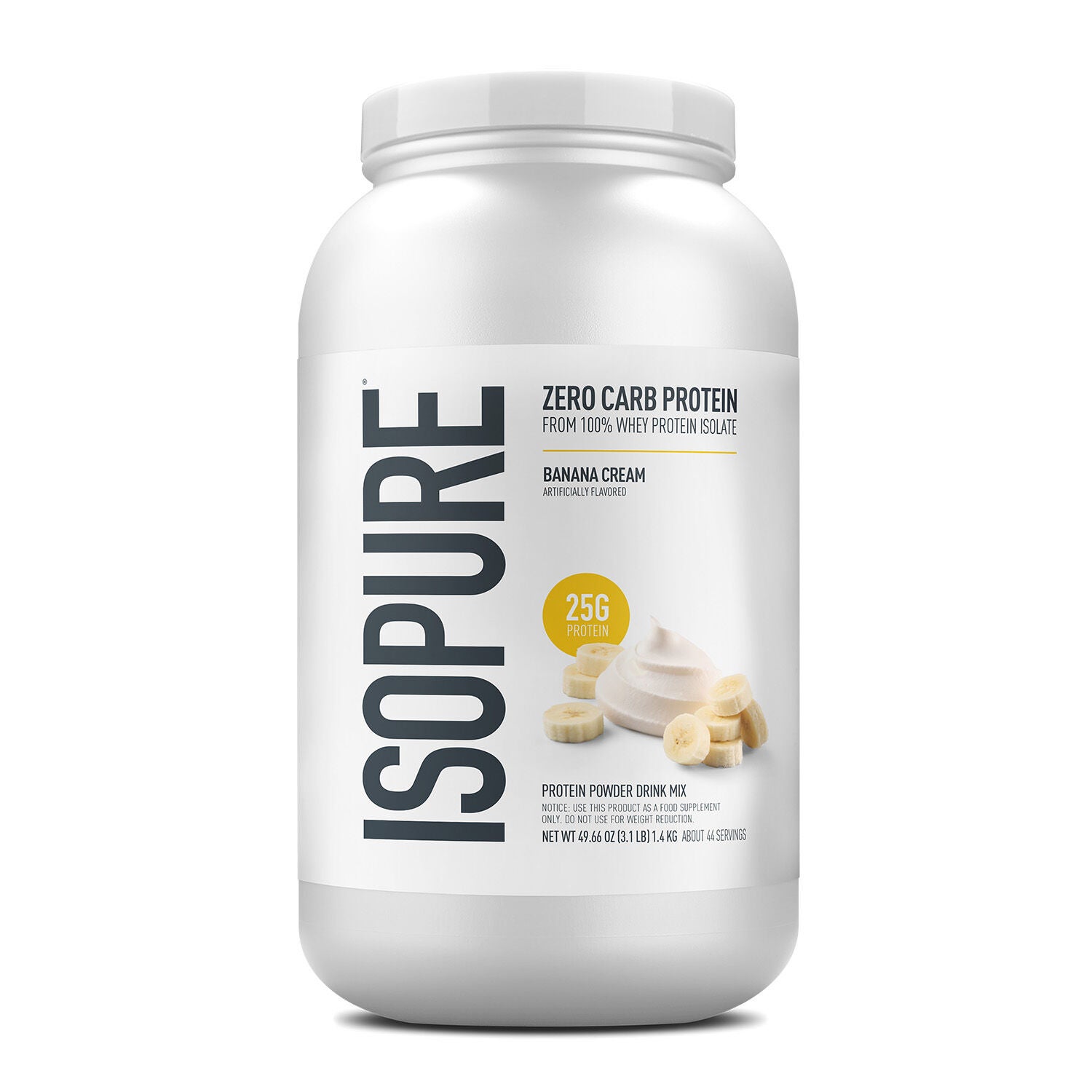
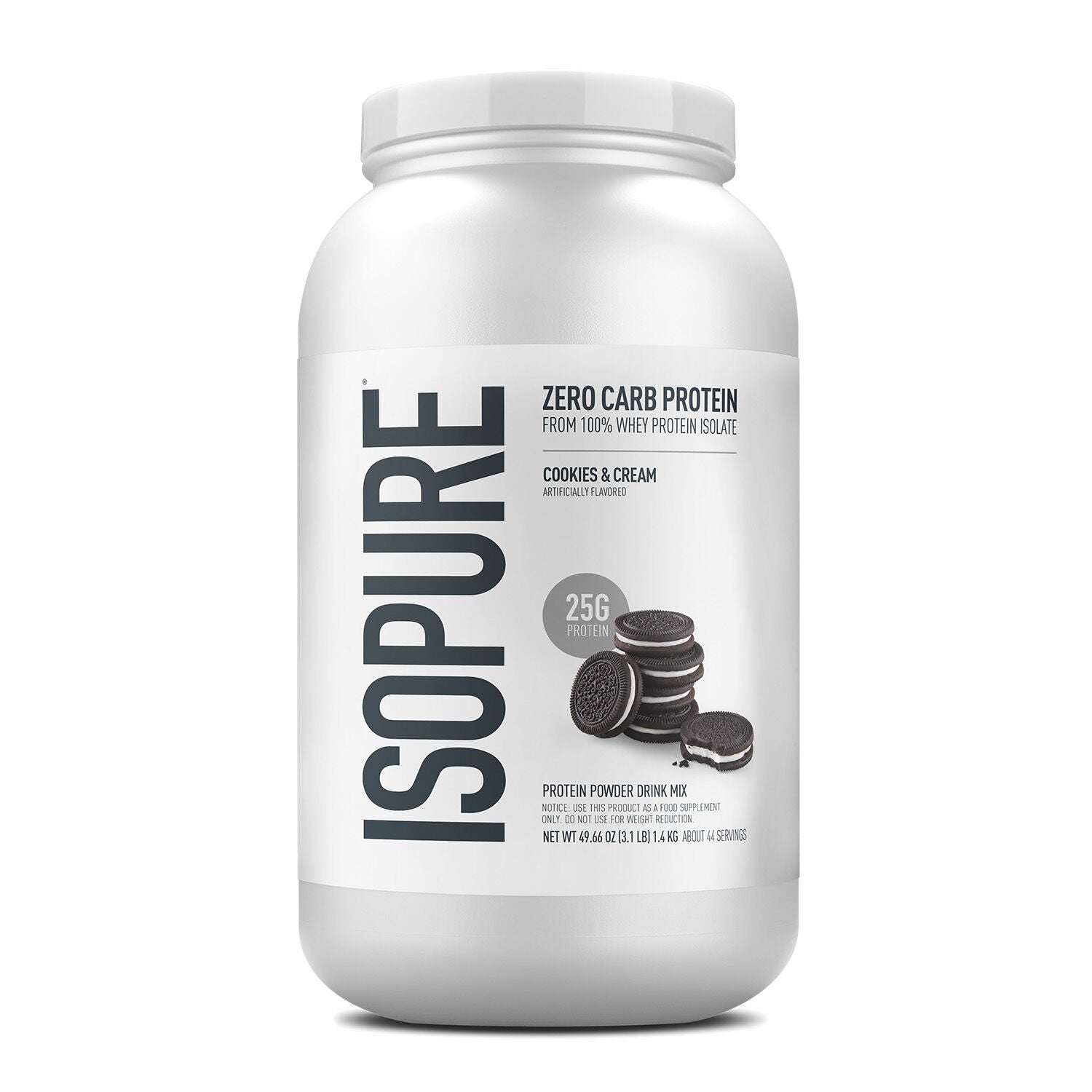
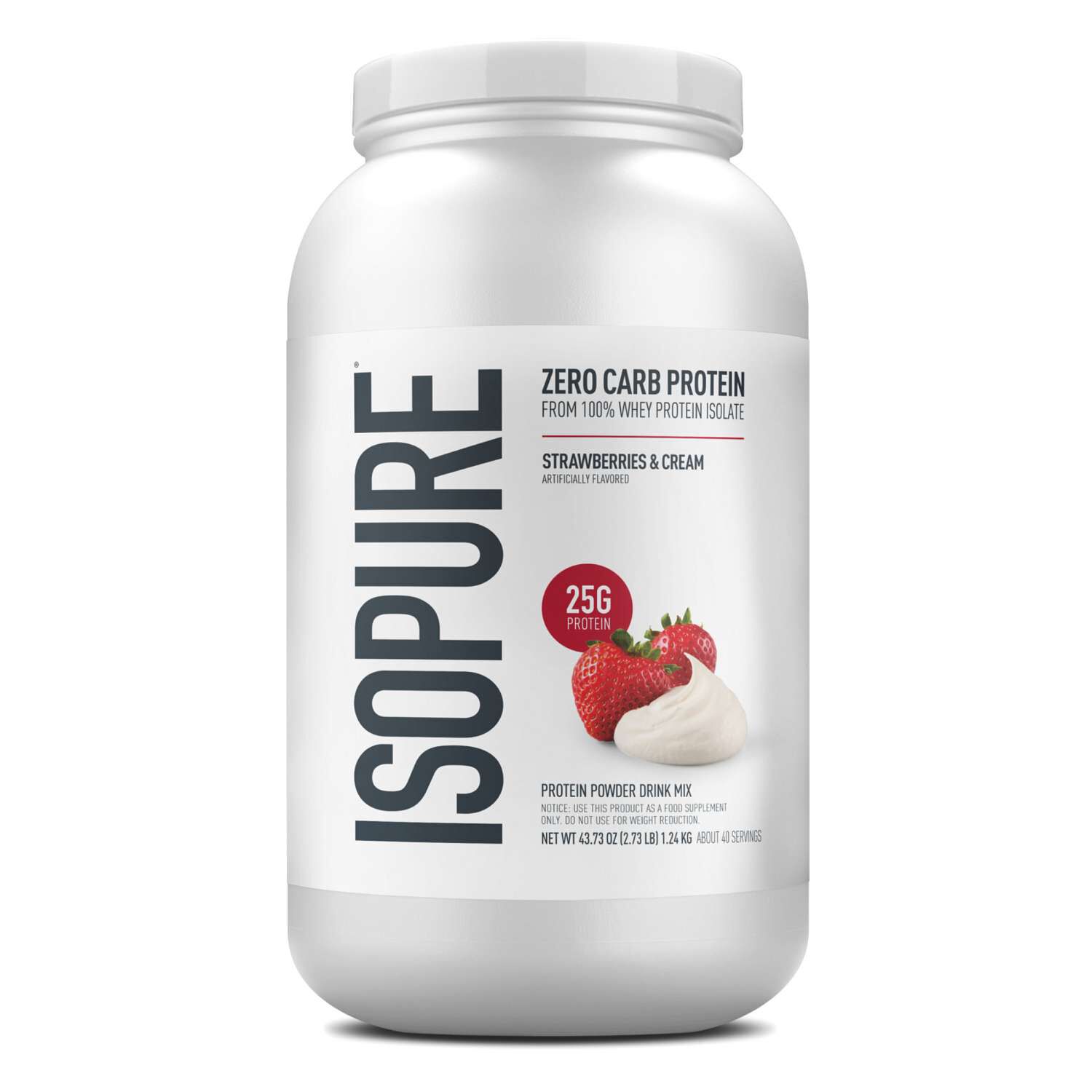
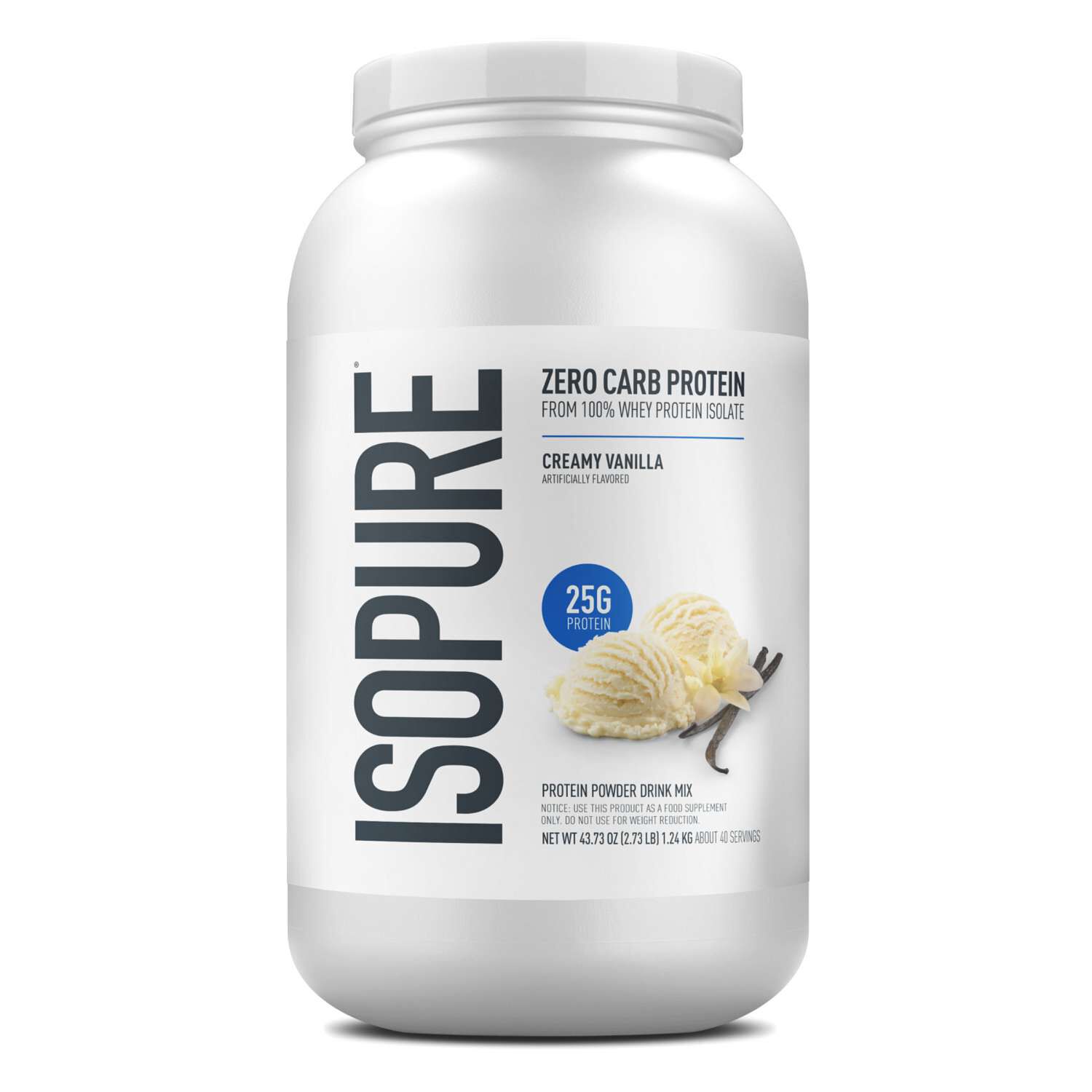
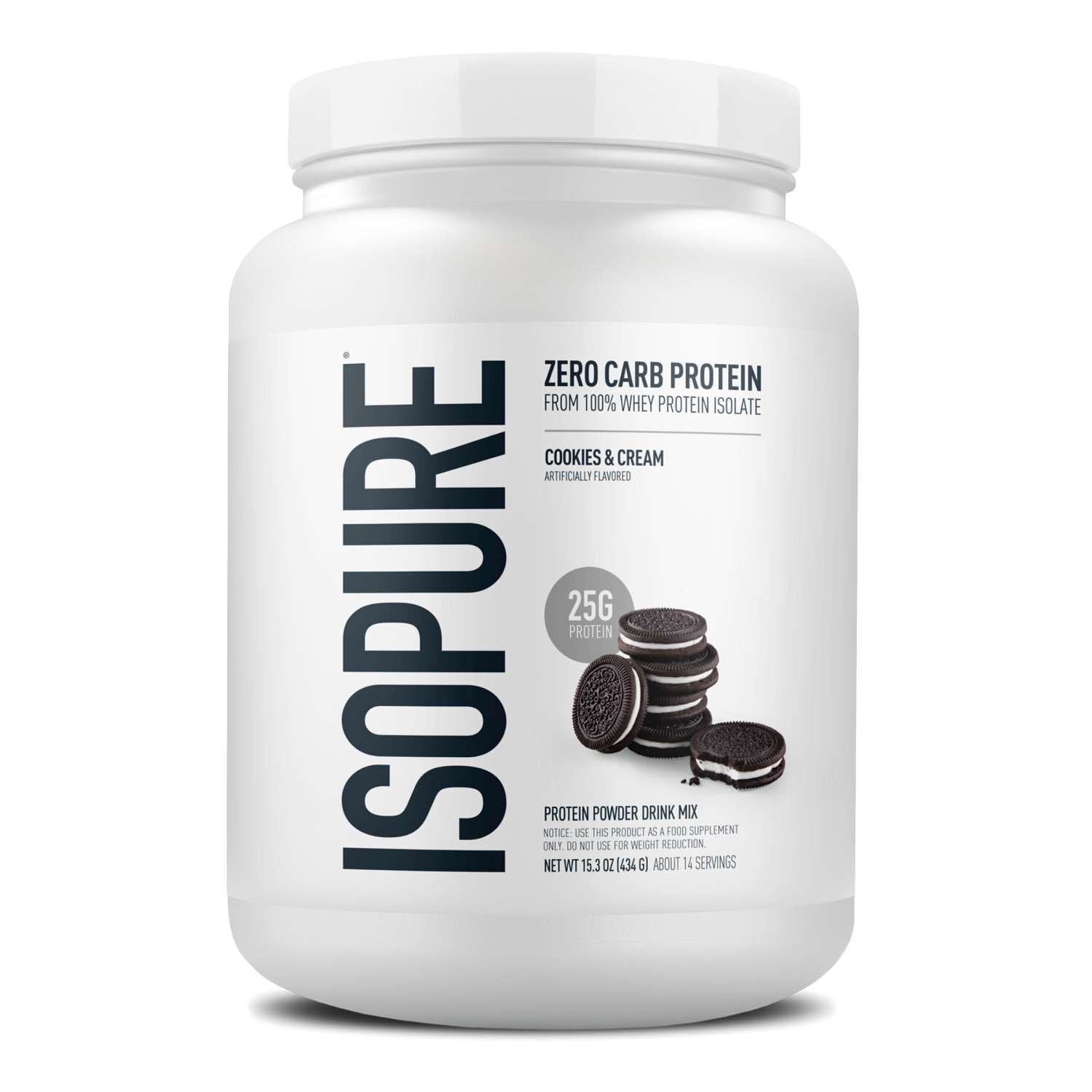

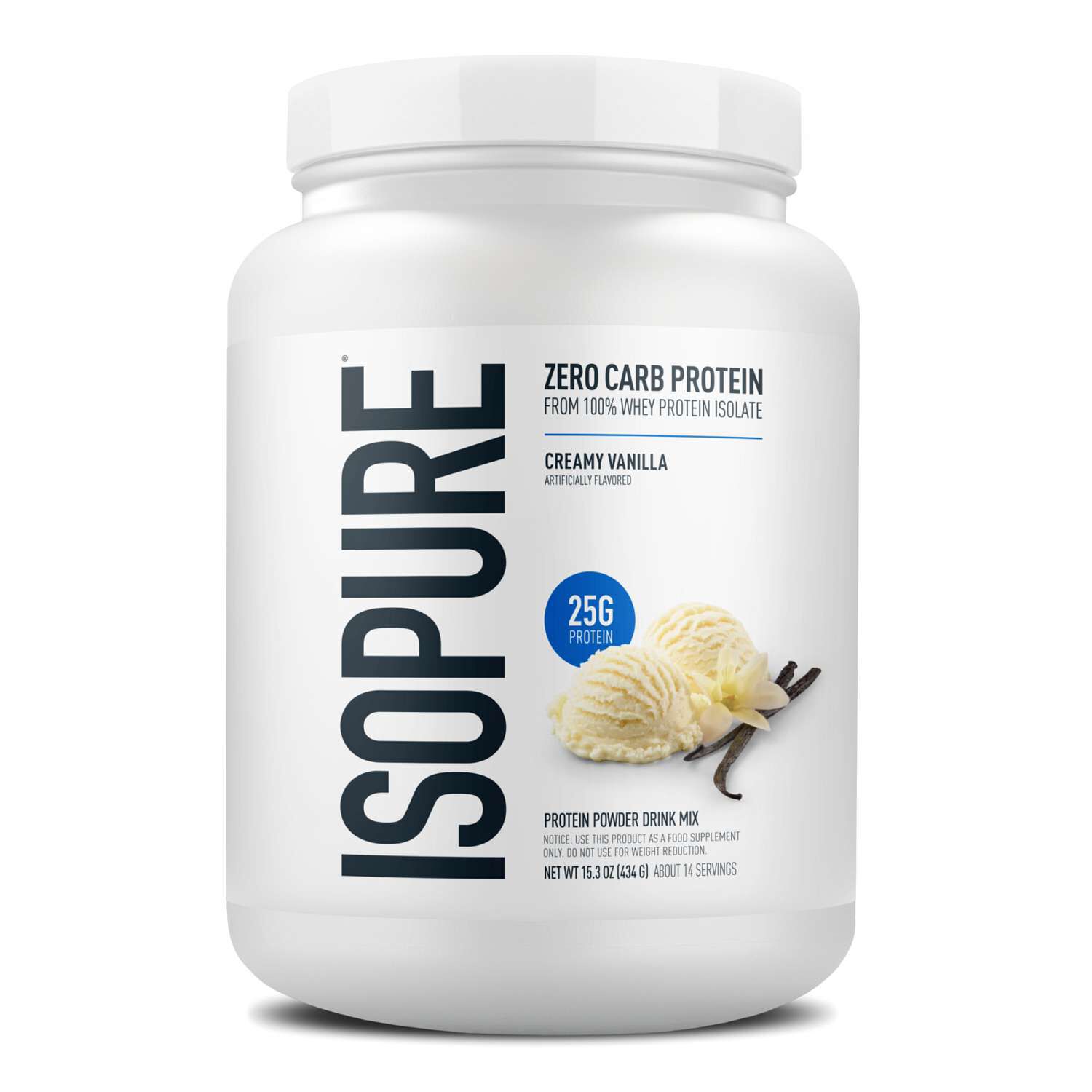


Whey protein isolates with glutamine pair a concentrated, milk-derived protein source with an amino acid found naturally in the body and in dietary proteins. Whey isolate is produced through filtration that separates much of the carbohydrate and fat from whey, leaving a powder with a high proportion of protein by weight. Exact amounts of protein, carbohydrate, fat, and sugar vary by formula, so the nutrition panel offers a clearer comparison than the category name alone. For adults who lift weights, spend time on endurance training, or want another way to include protein in their eating routine, these powders may support daily protein intake and muscle recovery after exercise. The distinction between naturally occurring glutamine and added L-glutamine matters when comparing formulas. Whey protein contains amino acids as part of its protein structure, while some formulations also include L-glutamine as a separate ingredient. A reference to glutamine on the packaging does not, by itself, establish that a separate amount has been added. The ingredient list and any stated amino acid amounts provide useful context, particularly when the front label highlights a combination of protein and glutamine. Glutamine and glutamic acid are related amino acids, but their names are not interchangeable; an amino acid profile that groups them together is different from a stated quantity of added L-glutamine. Readers interested in that distinction can also explore Protein Powders With Glutamine And Glutamic Acid for a related selection. Within the whey isolate category, some powders use isolate as the sole protein source, while others combine it with whey concentrate or other proteins. Ingredient order and the protein sources listed on the label help distinguish those formats. That detail is especially relevant for someone seeking an isolate-based powder rather than a broader protein blend, whether the intended use is a shake after an evening workout or an addition to a familiar breakfast.
Choosing among whey protein isolates with added glutamine involves more than comparing the largest number on the package. Protein grams per serving, the weight of each serving, and the amount of added L-glutamine, when disclosed, describe different aspects of a formula. Two powders with similar protein amounts may use different scoop sizes or contain different proportions of flavoring and other ingredients. Comparing the same serving basis keeps those differences visible. A disclosed quantity of L-glutamine is also more informative than an unspecified blend, though a larger amount does not automatically establish a better match for an individual routine. Beyond the amino acid information, flavor and texture play a practical role in whether a powder suits everyday use. Cocoa-based flavors may bring a richer taste to a shake, while vanilla often pairs well with fruit, oats, or yogurt. Unflavored options have a dairy character of their own and are not necessarily tasteless. Sweeteners, gums, emulsifiers, and other ingredients can affect sweetness, thickness, and how the powder disperses in liquid. Someone who prefers a light shake after a morning walk may want a different texture from someone blending a substantial afternoon snack with milk, banana, and nut butter. Water keeps the preparation simple, while milk or a plant-based beverage changes the flavor and nutrient amounts of the finished drink. Label directions provide the intended powder-to-liquid ratio, and a shaker bottle and blender offer different preparation experiences. Dairy origin is another important consideration: whey isolate is made from milk, and filtration does not make it a nondairy protein. Lactose content varies, and the word “isolate” alone does not establish suitability for every dietary restriction. Milk allergen information and the full ingredient list remain relevant even when a formula contains little sugar or fat. For athletes whose sport has ingredient rules, a named third-party certification may be another useful point of comparison, with attention to what that certification actually evaluates.
Everyday fit often comes down to where, when, and how a protein powder will be prepared. A shaker mixed at home after strength training has different practical demands from a smoothie blended in a shared office kitchen or a serving packed for a weekend away. Whey protein isolate with glutamine may offer a convenient way to add protein when a sit-down meal does not fit the moment, but it is not a substitute for the variety of foods that make up a balanced eating pattern. Its role is easiest to understand as one part of a routine that also includes meals, movement, and rest, rather than as a measure of workout quality. A recreational runner might prefer a lighter drink alongside breakfast, while an adult returning from an evening gym session might pair a shake with their usual meal. During the cooler months, indoor training and changing schedules may make storage and preparation details more noticeable than a dramatic flavor description. A container that fits comfortably on a pantry shelf, a lid that closes securely, and a serving size that matches the available mixing bottle all contribute to a workable setup. Powder should be stored according to its label, generally with the container closed in a cool, dry location. A dry scoop and protection from moisture help preserve the powder’s condition, while the printed date and storage directions are more useful than assuming every container has the same shelf life. Prepared shakes require different handling from dry powder; package directions and the storage needs of any added milk, yogurt, or fruit still apply. Mixing bottles also need regular washing, including the lid, drinking opening, and any removable mixing components. When choosing a powder as a gift for an adult fitness enthusiast, familiar flavor preferences and known dietary requirements matter more than an ambitious training theme. Across these uses, the most meaningful comparisons remain straightforward: the protein source, clearly described glutamine content, nutrition information, taste, preparation method, and compatibility with the recipient’s usual meals and activities. Those details give whey isolate powders with glutamine a practical context beyond the wording on the front of the container.
Best Sellers


Related Pages
Top Collections
- Daily Collagen Supplements | Top Brands & Deals | GNC
- Natural Collagen Supplements | Top Brands & Deals | GNC
- Top Rated Collagen | Shop Customer Favorites | GNC
- Cortisol Supplements
- Vitamins For Hair Loss
- Spirulina Tablets
- NAD+ Supplement Tablets
- Peptide Supplements
- Best Brand of Magnesium Glycinate
- Vitamins That Help Support Weight Gain