Protein Powders With Glutamine And Glutamic Acid
(0 Results)
Fuel your wellness routine with protein powders with glutamine and glutamic acid, designed for those who want to support their active lifestyles. These protein blends may offer a convenient way to complement your daily nutrition and help you reach your fitness goals. Whether you're looking to incorporate more protein into your diet or seeking options that include additional amino acids, protein powders with glutamine and glutamic acid could be a great addition to your supplement lineup. Explore a range of formulas that fit seamlessly into shakes, smoothies, or recipes to help power your day.


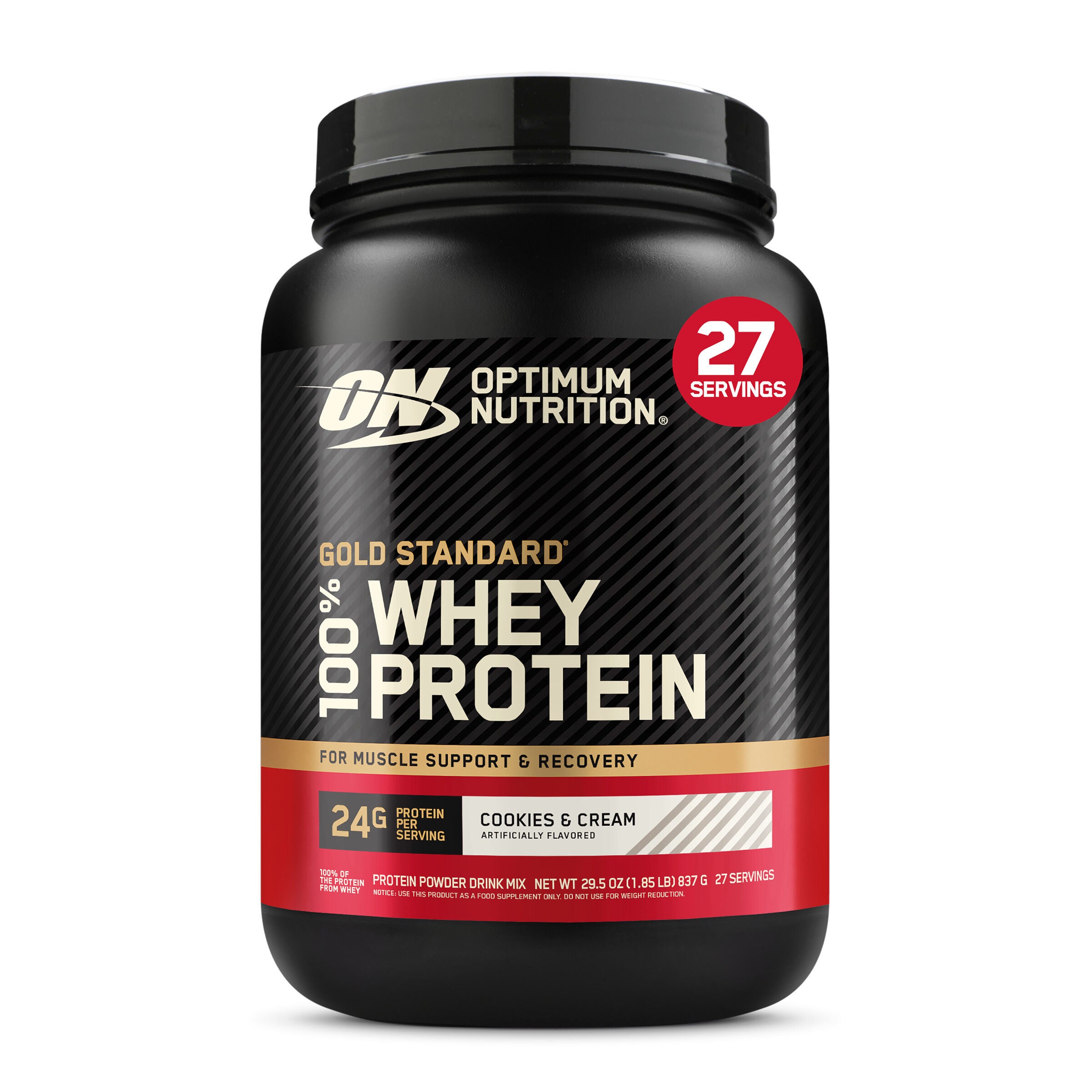


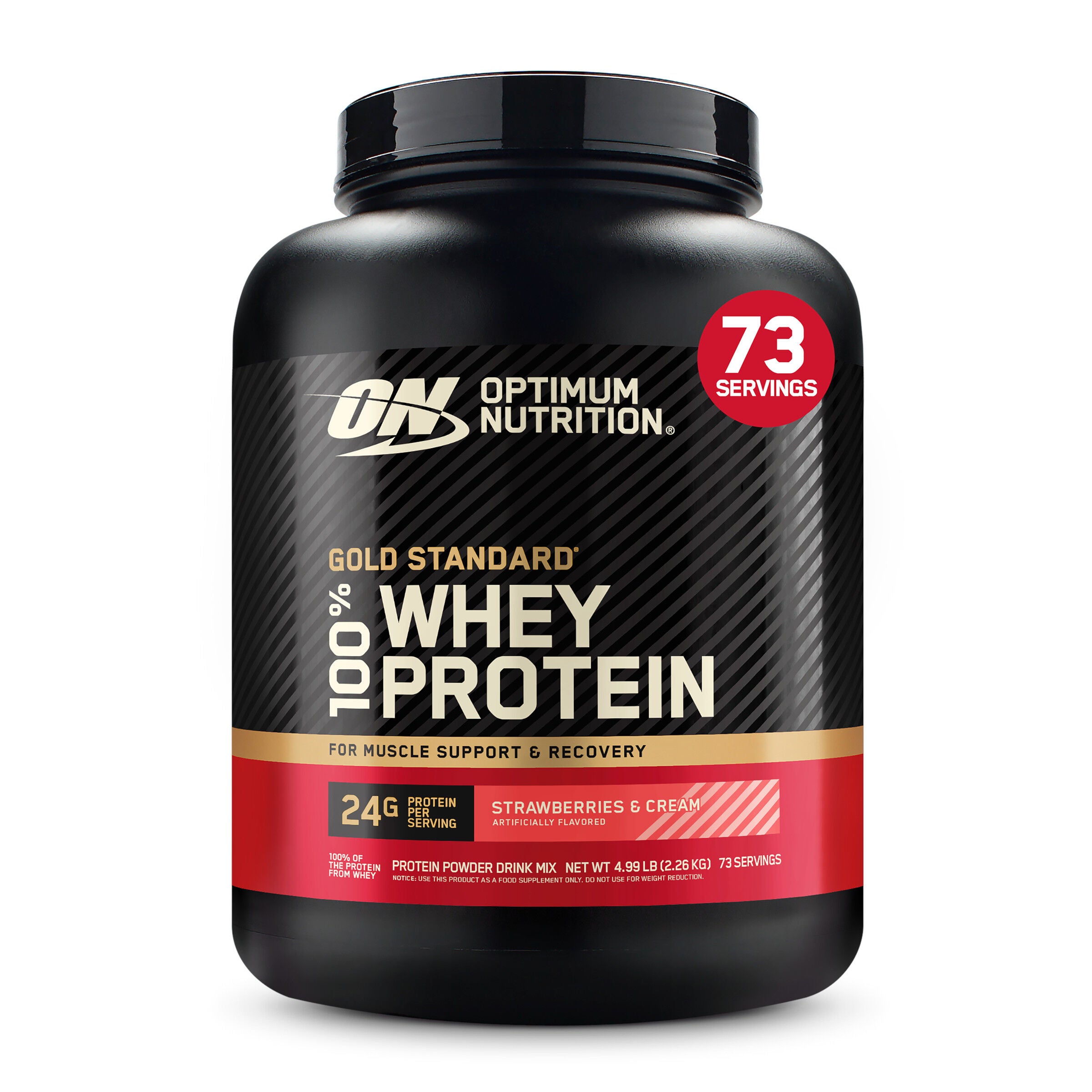


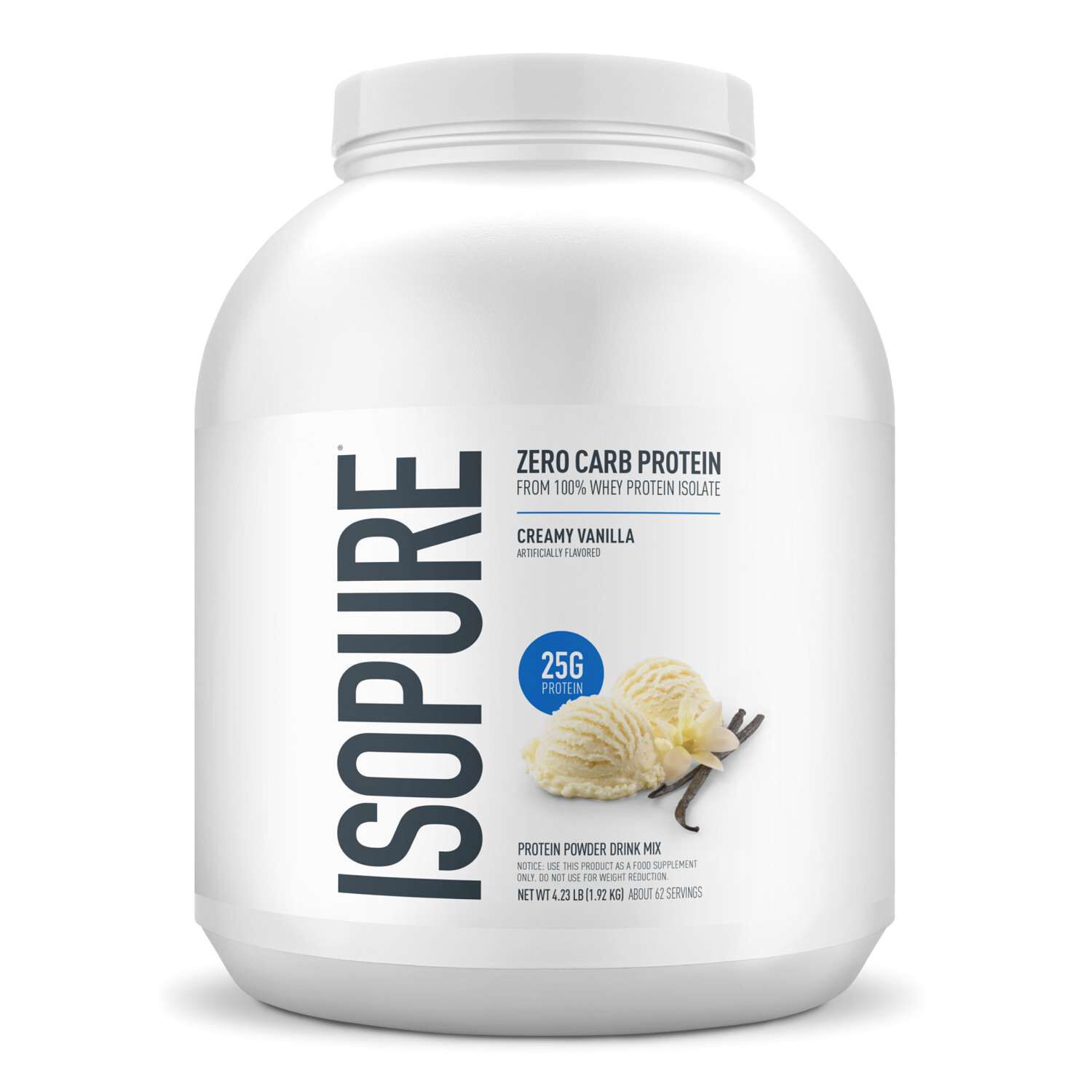


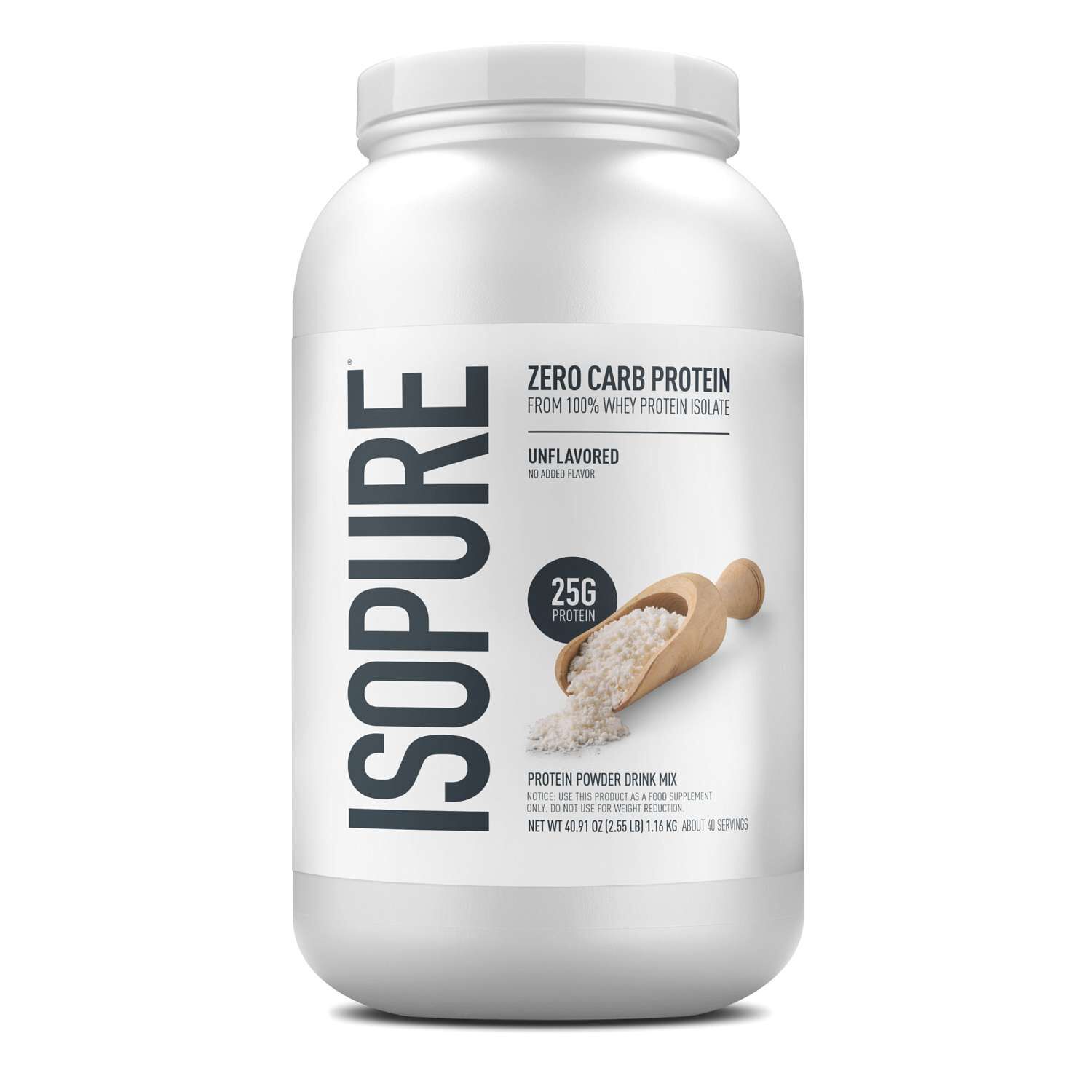
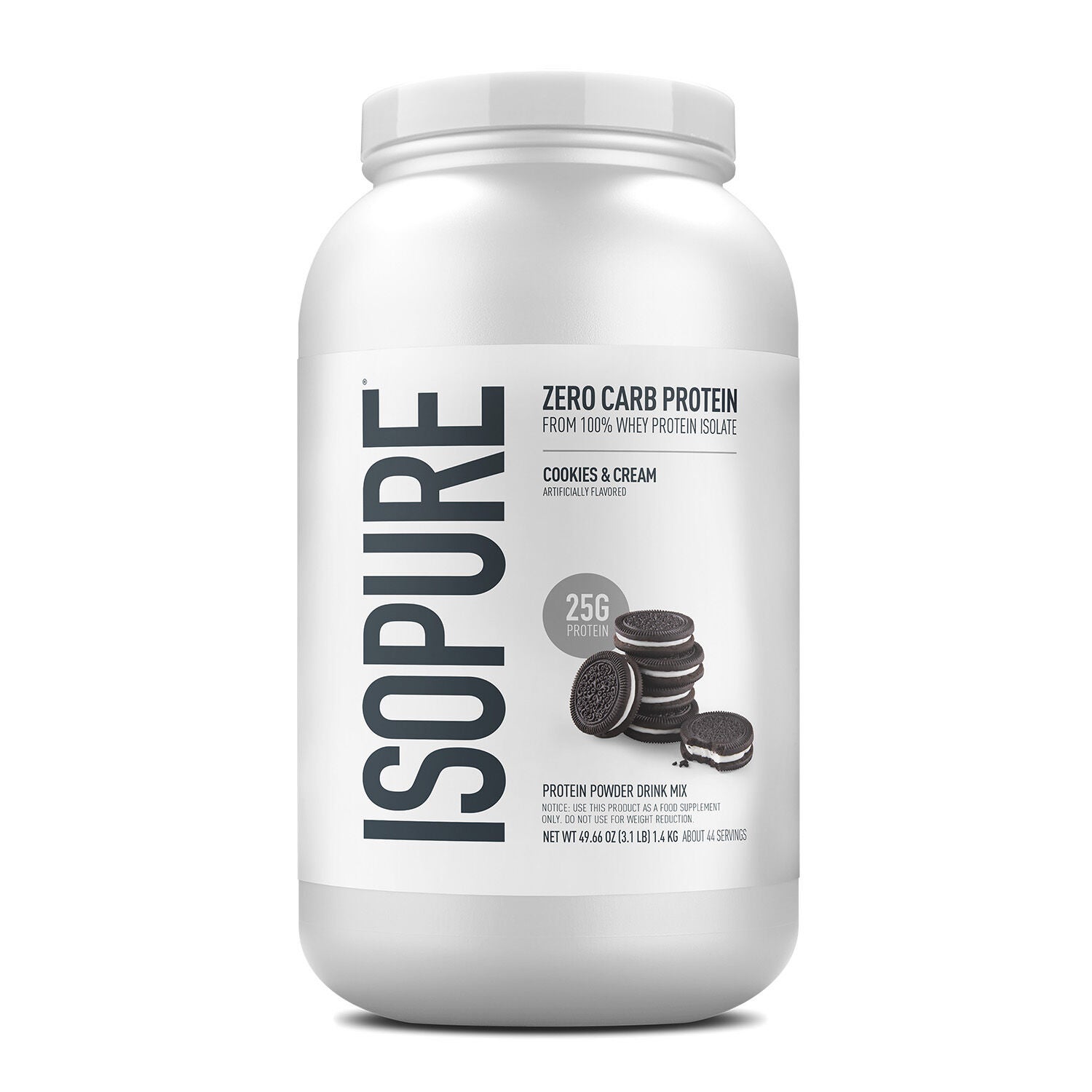
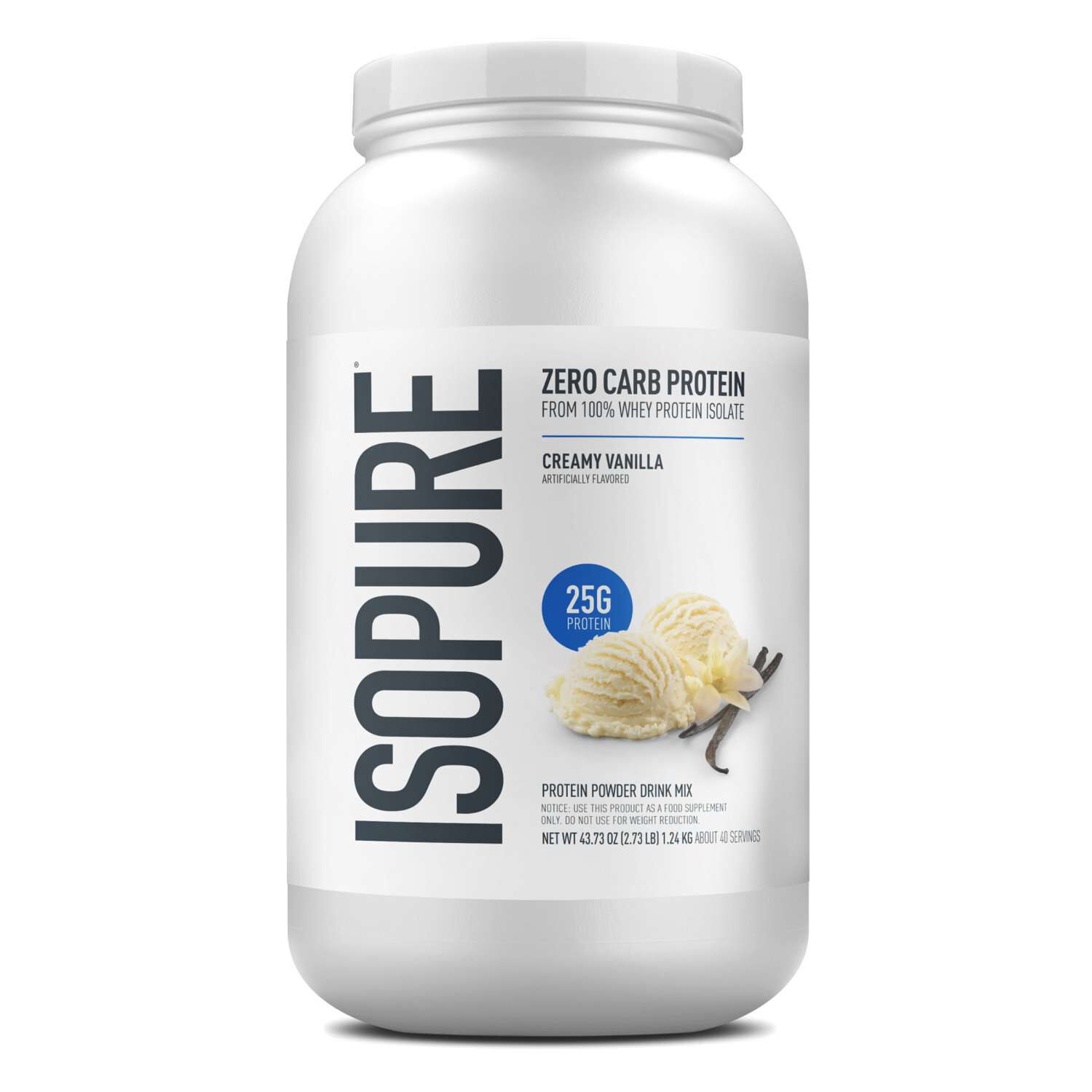
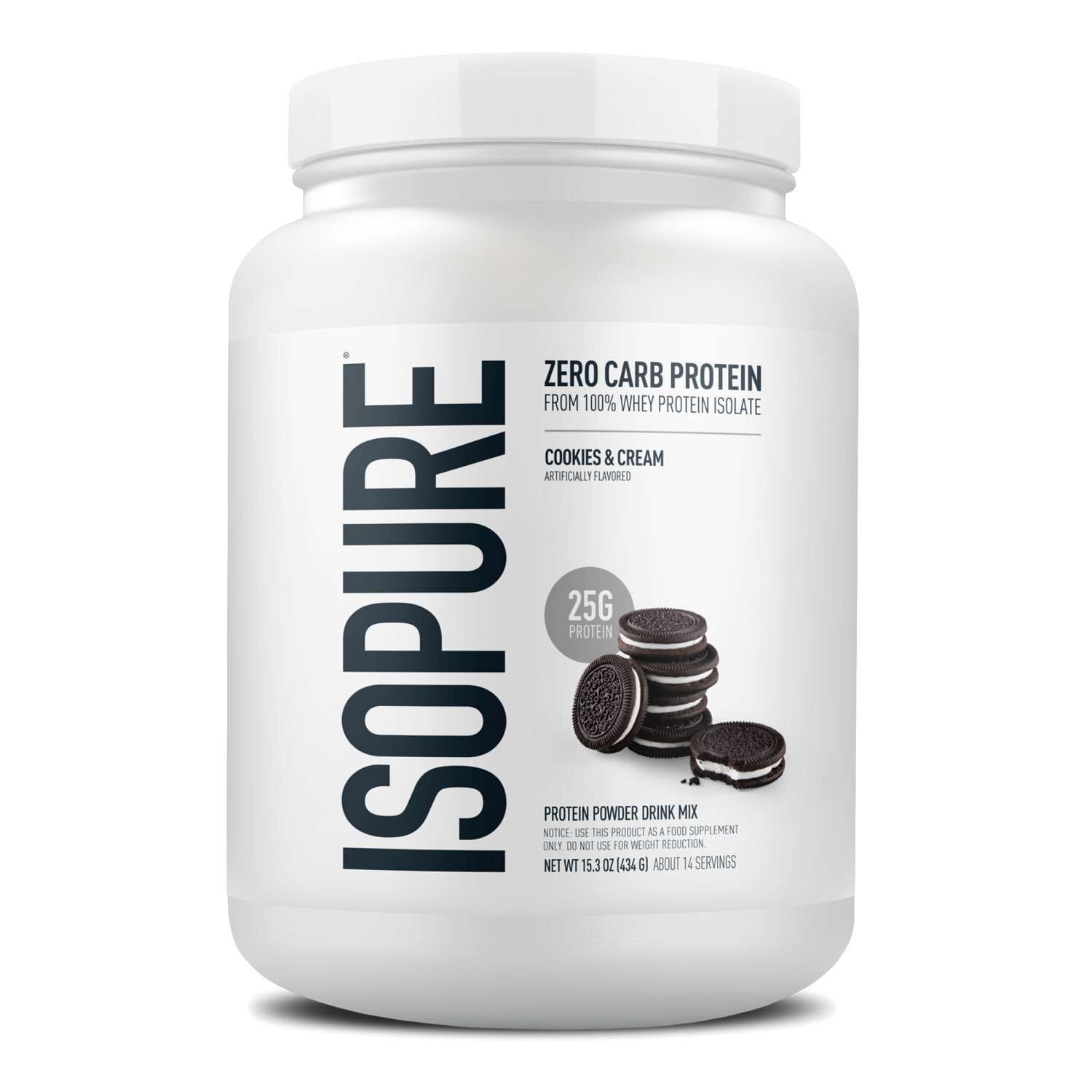
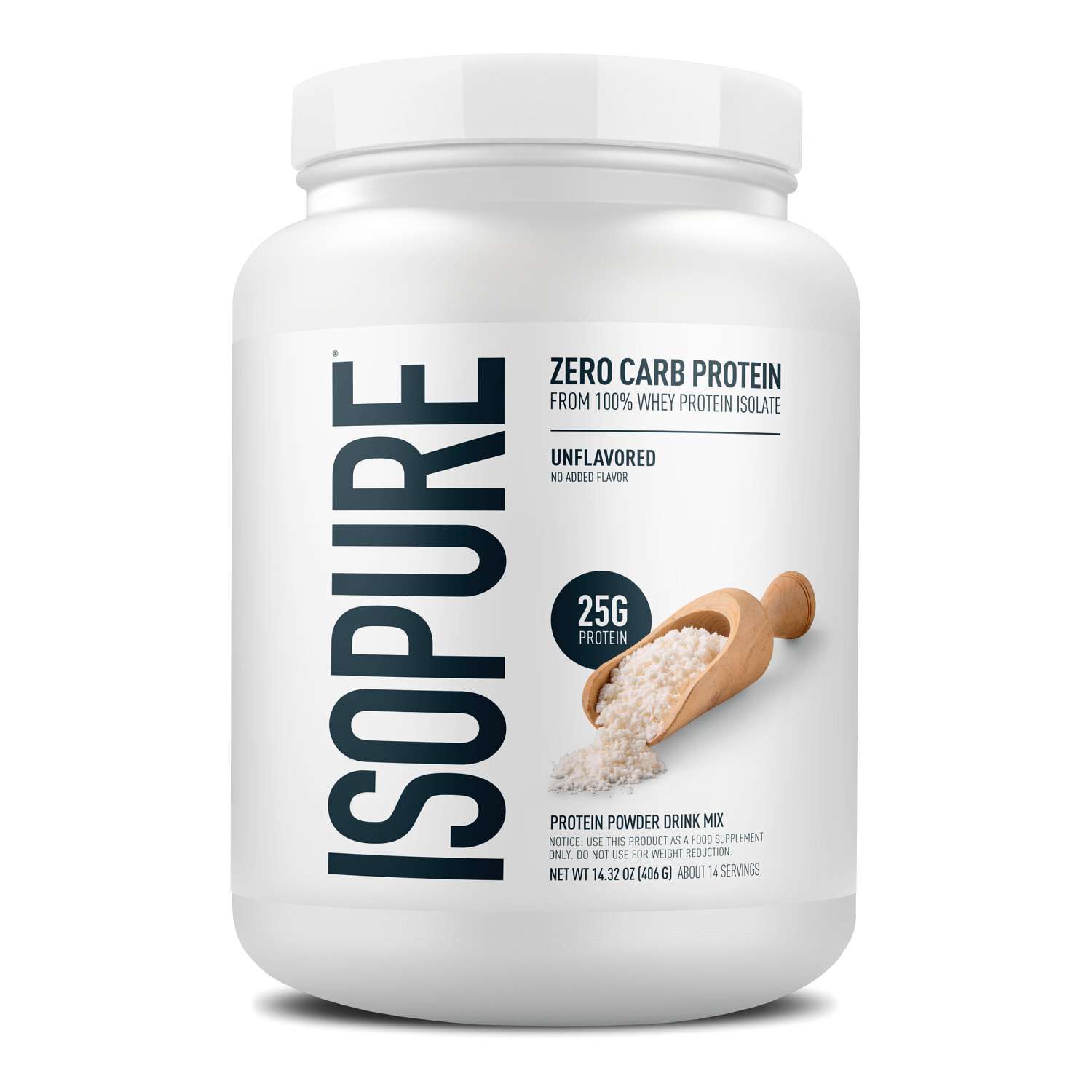
Protein powders with glutamine and glutamic acid include formulas in which these amino acids occur naturally within the protein, as well as formulas made with added L-glutamine. Glutamic acid is a common amino acid found in dietary proteins, including proteins used to make whey, casein, egg, soy, and pea powders. Glutamine is a distinct, related amino acid that may also be present within those proteins or listed as a separately added ingredient. The distinction matters when comparing labels: an amino acid profile describes the composition of the protein, while an ingredient list identifies the ingredients used in the formula. A glutamic acid entry on an amino acid profile does not, by itself, mean that a powder contains added L-glutamine. Likewise, a prominent reference to glutamine on the package is worth comparing with the ingredient list and any stated amount per serving. Some amino acid profiles report glutamine together with glutamic acid, so a combined figure should not be interpreted as an individual amount of either one. Protein grams per serving, amino acid amounts, and serving size are separate details, and comparisons are most meaningful when they use the same serving basis. A scoop is not a standardized measurement across powders; its size and the weight of the suggested serving can differ. For shoppers comparing this category, the clearest starting point is the protein source, followed by whether glutamine is naturally present, separately added, or described through an amino acid profile. These distinctions provide useful context without treating every formula as interchangeable. They also keep the focus on the powder as a whole: its ingredients, protein content, flavor, preparation directions, and fit within an everyday eating routine. A formula with added glutamine is a different formulation choice, not automatic evidence that it is a better match for every shopper. Someone who wants a straightforward shake after a gym session may have different preferences from someone mixing protein into breakfast oats or packing a shaker for a busy afternoon.
The base protein is another meaningful difference among protein powders with glutamine and glutamic acid. Whey concentrate and whey isolate both come from milk, but their processing and composition differ; the label provides the relevant protein, carbohydrate, fat, and lactose details for a particular formula. Casein is also milk-derived, while egg protein comes from eggs. Plant-based powders may use soy, pea, rice, or a blend of sources, with each formula carrying its own ingredient list and amino acid profile. A plant-based description does not establish whether L-glutamine has been added, just as a whey description does not establish a separately stated glutamine amount. For shoppers avoiding particular ingredients, allergen statements and dietary labeling deserve attention alongside the protein source. Milk, egg, and soy are especially relevant to several common protein bases, and flavored powders may contain additional ingredients that matter to individual preferences. Flavor and texture are equally practical considerations, especially for a powder intended for frequent use. Cocoa, vanilla, fruit flavors, and unflavored options offer different starting points for a shake or recipe. Shoppers who prefer cocoa flavors may find a closer flavor match among Chocolate Protein Powders With Glutamine, while still comparing protein sources and ingredient details. Chocolate paired with banana or peanut butter creates a familiar flavor combination; vanilla leaves room for berries, cinnamon, or oats. An unflavored powder may suit recipes where a pronounced sweet taste would be less welcome, although unflavored does not necessarily mean tasteless. Sweeteners, cocoa, gums, and other ingredients may influence the finished texture and flavor. The mixing liquid matters, too: water, milk, and plant-based beverages create different combinations of ingredients and nutrients. Any protein contributed by the liquid belongs to the prepared drink rather than the powder alone. For someone drinking a shake between appointments, ease of preparation may matter more than a lengthy flavor menu; for someone blending breakfast at home, compatibility with familiar ingredients may carry more weight.
A useful fit for a daily routine involves more than the amino acid names on the front of the container. Protein powders with glutamine and glutamic acid may offer a convenient way to add protein to an eating pattern, but they are one option alongside foods such as yogurt, eggs, beans, fish, and other protein sources. Intended use helps bring the practical details into focus. Someone who takes a shaker to the gym may prefer a powder suited to the preparation method described on its label. Someone making a blended snack may prefer a flavor that pairs with fruit and a serving size that fits the recipe. For a desk drawer or travel bag, packaging format and a secure closure are useful considerations, especially when powder and liquid will be carried separately until mixing. Preparation directions provide the appropriate amount of liquid and mixing method for the formula; texture may vary with the liquid used, ingredient combinations, and time spent shaking or blending. When adding powder to oats or yogurt, stirring it into a small amount first may make the mixture easier to distribute evenly. The powder contributes its own flavor and texture, so familiar recipes may need small adjustments. Care and storage also matter for a container used over several weeks. Follow the storage directions, keep the lid securely closed, and use a clean, dry scoop. A dry cupboard away from the sink is a practical location, and keeping moisture out of the container helps preserve its condition. Package dates and handling instructions remain relevant even when the powder looks unchanged. For a gift recipient who already uses protein shakes, a familiar protein source and flavor may be more thoughtful than an unfamiliar formulation chosen solely for its amino acid wording. Across everyday uses, the most relevant comparison is the full formula: what supplies the protein, how glutamine and glutamic acid are represented, what else is included, and how naturally the powder may fit into the recipient’s or shopper’s usual meals and activities.