





Hydrolyzed Whey Proteins
(0 Results)
Hydrolyzed whey proteins are a popular choice among fitness enthusiasts and athletes looking to support their muscle recovery and growth. This advanced form of whey protein undergoes hydrolysis, a process that breaks down protein molecules into smaller fragments, making it easier and quicker for your body to absorb. Packed with essential amino acids, hydrolyzed whey proteins are known for their fast-acting properties, making them an ideal post-workout supplement to help replenish nutrients and promote muscle repair. Discover our selection of hydrolyzed whey proteins to enhance your fitness journey and reach your performance goals.
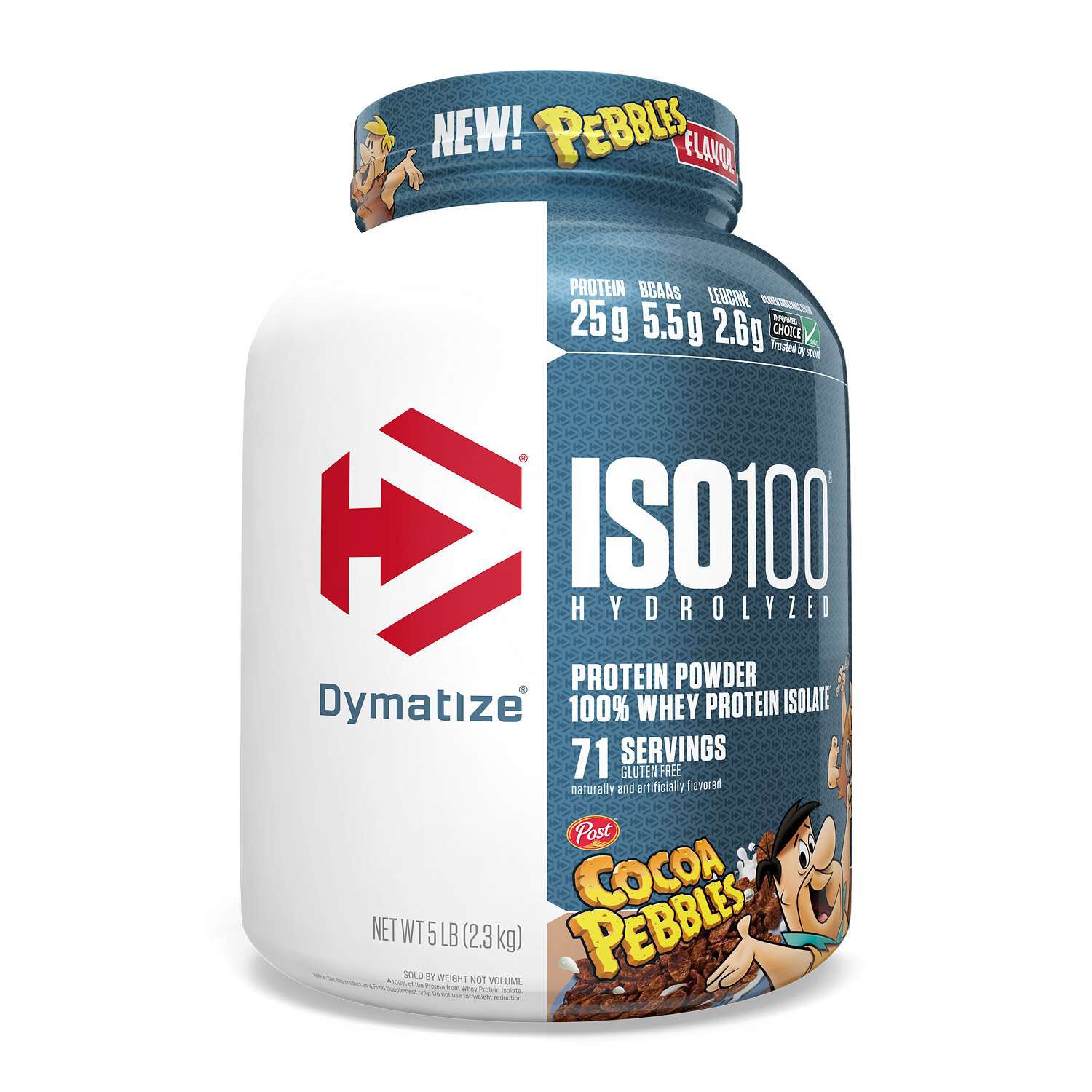
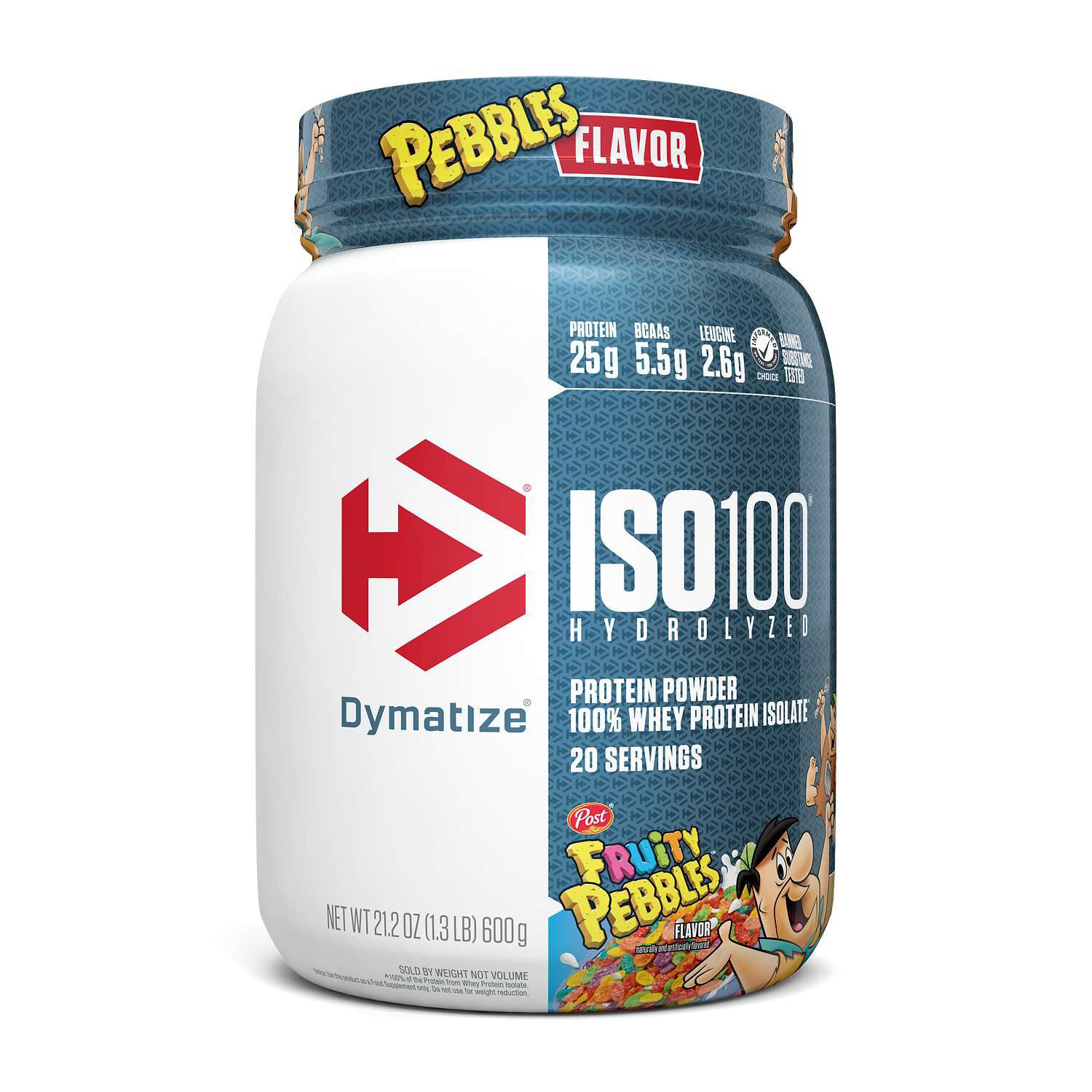



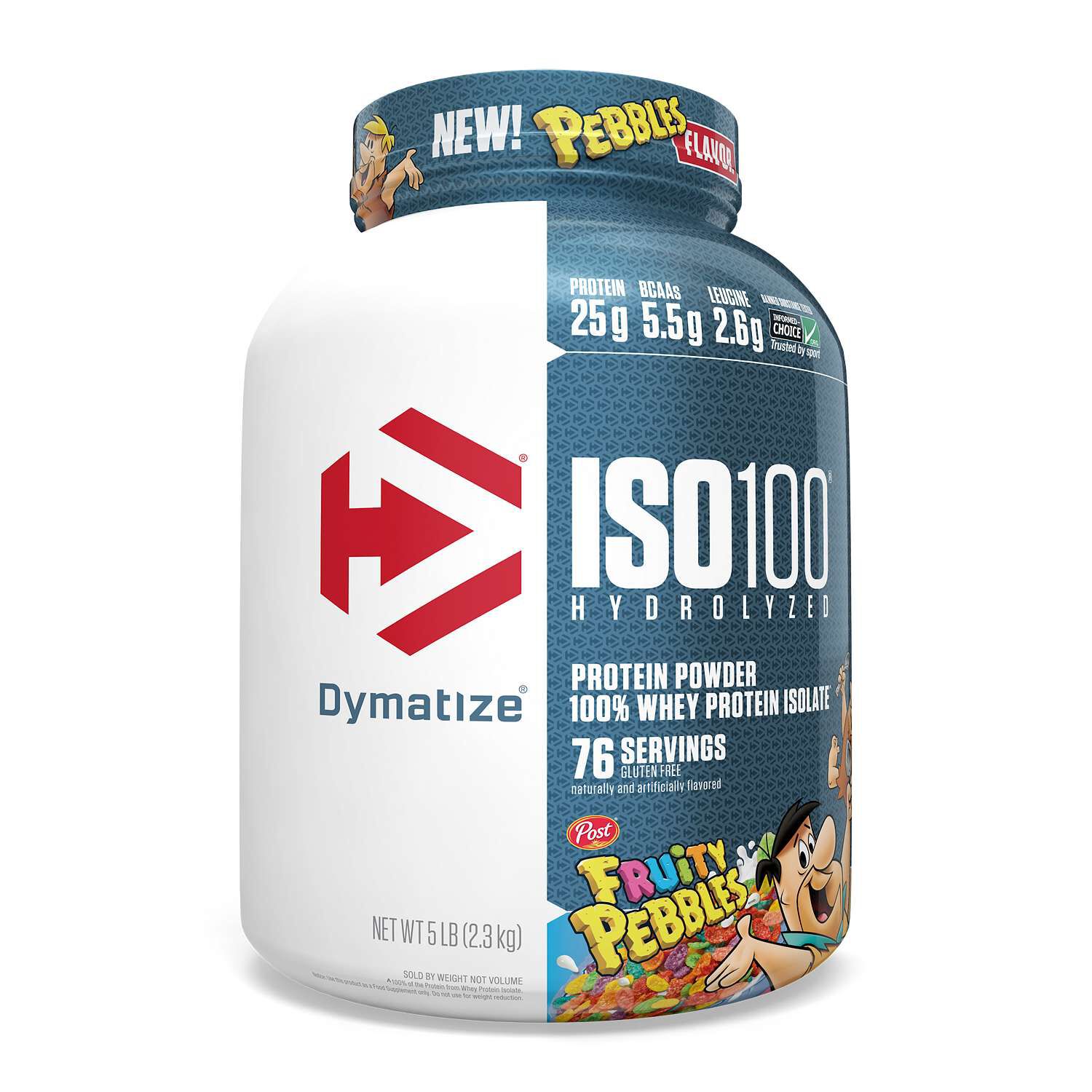


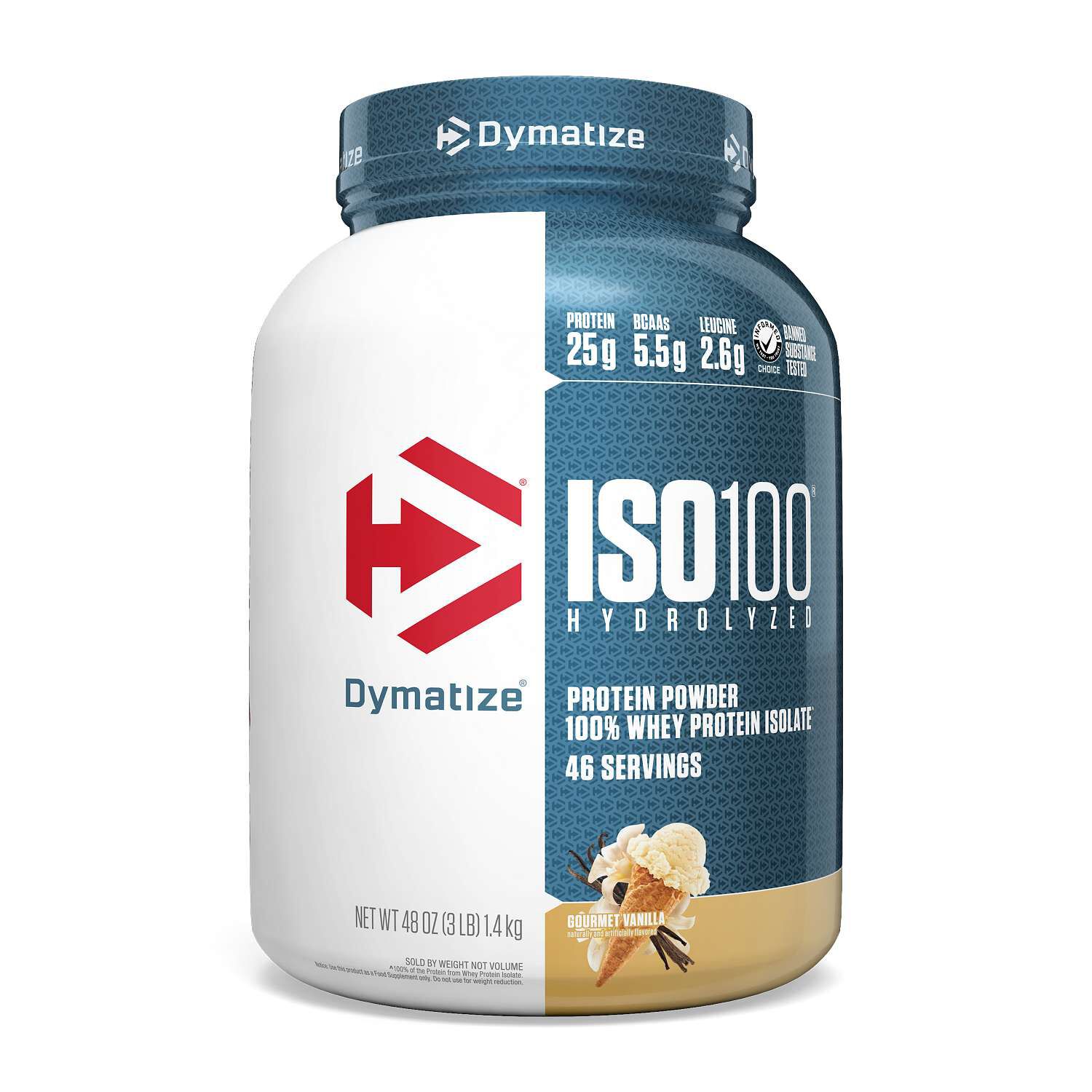
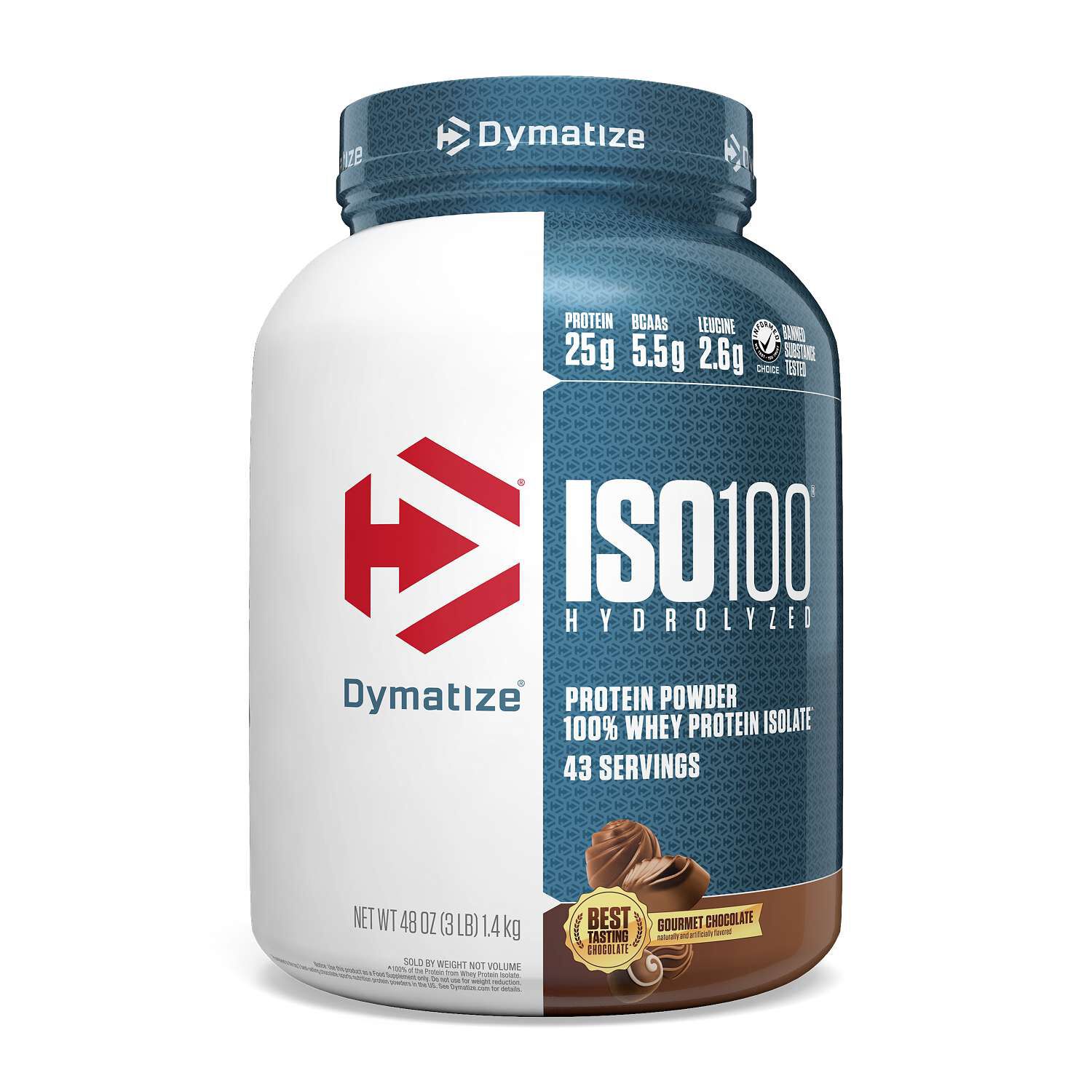


Hydrolyzed whey proteins are milk-derived protein ingredients processed with water and enzymes to split longer protein chains into smaller chains called peptides. This process, known as hydrolysis, distinguishes whey protein hydrolysate from whey that has not undergone that additional processing step. Sometimes described as predigested protein, hydrolyzed whey still requires digestion; the term refers to the treatment of the protein during manufacturing, not to a ready-to-absorb finished nutrient. The smaller peptides may be digested and absorbed more readily than intact whey proteins, although the degree of hydrolysis and the overall formula matter. Hydrolysis and filtration are different processes, which is an important distinction when comparing hydrolyzed whey protein powders. Filtration separates components of whey and influences the protein, carbohydrate, and fat content, while hydrolysis changes the length of protein chains. A whey protein isolate can also be hydrolyzed, so “isolate” and “hydrolysate” are not competing descriptions of the same characteristic. Neither the word hydrolyzed nor the word hydrolysate, on its own, establishes the amount of lactose in a serving. Hydrolyzed whey remains a milk-derived ingredient, and its processing does not make it an appropriate substitute for avoiding milk ingredients. For shoppers comparing formulas, the ingredient list and nutrition panel offer more useful detail than a broad description on the front of the container. Protein grams per serving, serving size, carbohydrate and fat amounts, and the presence of other protein sources all contribute to the comparison. Hydrolyzed whey contains amino acids found naturally in whey, including leucine, isoleucine, and valine, which are commonly grouped together as branched-chain amino acids. The protein may support muscle maintenance and recovery alongside regular exercise and a varied eating pattern. Its intended use is generally straightforward: a powdered protein option for shakes, smoothies, or other preparations that may help supplement protein from everyday meals.
The composition of hydrolyzed whey protein powders varies, even when their names look similar. Some formulas use hydrolyzed whey as their primary protein source, while others combine it with whey protein isolate or concentrate. The order of ingredients can show which protein sources appear earlier in the formula, but it does not necessarily reveal the exact proportion of each one. Likewise, a label may identify hydrolyzed protein without specifying how extensively the protein has been treated. The category name alone is not enough to rank two formulas by digestion speed or expected results. For a closer look at products that combine these protein formats, Whey Protein Isolates With Hydrolysate Blends brings that particular formulation style into focus. Beyond the protein source, the supporting ingredients deserve attention. Cocoa, flavorings, sweeteners, lecithin, and thickening ingredients can influence taste, texture, and how the powder disperses in liquid. Hydrolysis can give whey a more noticeable bitter note, so flavor design may play a meaningful role in the drinking experience. A chocolate powder mixed with water can taste quite different from the same powder blended with milk, banana, and oats. Water generally leaves more of the powder’s own flavor apparent, while milk or a plant-based beverage changes the nutritional profile and texture of the finished shake. A blend intended for a simple shaker bottle may have a different mouthfeel from one combined with fruit in a blender. Serving size also affects comparisons: two powders with similar protein grams per scoop may use different scoop weights. Reading the serving weight alongside the protein amount gives a clearer picture than comparing scoop counts alone. For anyone tracking food intake, the prepared drink includes both the powder and everything added to it. A straightforward shake and a substantial smoothie can serve different purposes, even when they start with the same protein powder.
Practical fit often comes down to how hydrolyzed whey will be used from one day to the next. Someone heading from a strength-training session to work may prefer a powder that mixes with water in a shaker, while a recreational runner eating breakfast at home may favor a flavor that pairs with yogurt, oats, or fruit. A person with a full schedule may use a measured portion as part of an afternoon snack rather than tying every serving to a workout. Hydrolyzed whey may help make a protein routine more convenient, but it does not need to define the rest of the day’s eating pattern. A protein powder is not automatically a meal replacement, and its role depends on the rest of the meal or snack. Flavor versatility can be useful when the same container serves several purposes: vanilla pairs with many fruits, chocolate works with nut butters, and an unflavored option leaves more room for the taste of other ingredients. Texture preferences matter just as much. A thinner shake may suit someone who wants a quick drink, whereas a thicker blend may appeal to someone who enjoys a spoonable smoothie. Following the package’s mixing directions provides a starting point, with the liquid amount adjusted for the desired consistency. For carrying powder outside the home, a clean, dry portion container keeps it separate from liquid until mixing. Storage and handling also belong in the comparison, particularly for larger containers that will be opened repeatedly. Keeping the lid securely closed, using a dry scoop, and following the labeled storage directions may help preserve the powder’s quality during its stated shelf life. Package size is worth considering in relation to serving frequency and the amount of cupboard space available, rather than choosing solely by container dimensions. Once mixed, the drink should be handled according to its ingredients and package directions rather than treated like dry powder. Taken together, protein source, serving details, flavor, mixing preferences, and everyday handling provide a grounded way to compare hydrolyzed whey proteins for a routine that feels practical and enjoyable.
Best Sellers


Related Pages

Top Collections
- Daily Collagen Supplements | Top Brands & Deals | GNC
- Natural Collagen Supplements | Top Brands & Deals | GNC
- Top Rated Collagen | Shop Customer Favorites | GNC
- Cortisol Supplements
- Vitamins For Hair Loss
- Spirulina Tablets
- NAD+ Supplement Tablets
- Peptide Supplements
- Best Brand of Magnesium Glycinate
- Vitamins That Help Support Weight Gain