Whey Protein Concentrates
(0 Results)
Whey protein concentrates offer a popular choice for those looking to support their nutrition and fitness journey. With a variety of options available, whey protein concentrates may fit seamlessly into your daily routine, whether you're focused on exercise recovery or simply seeking an easy way to add extra protein to your diet. Explore different flavors and formats to find the whey protein concentrate that aligns with your preferences and lifestyle goals.

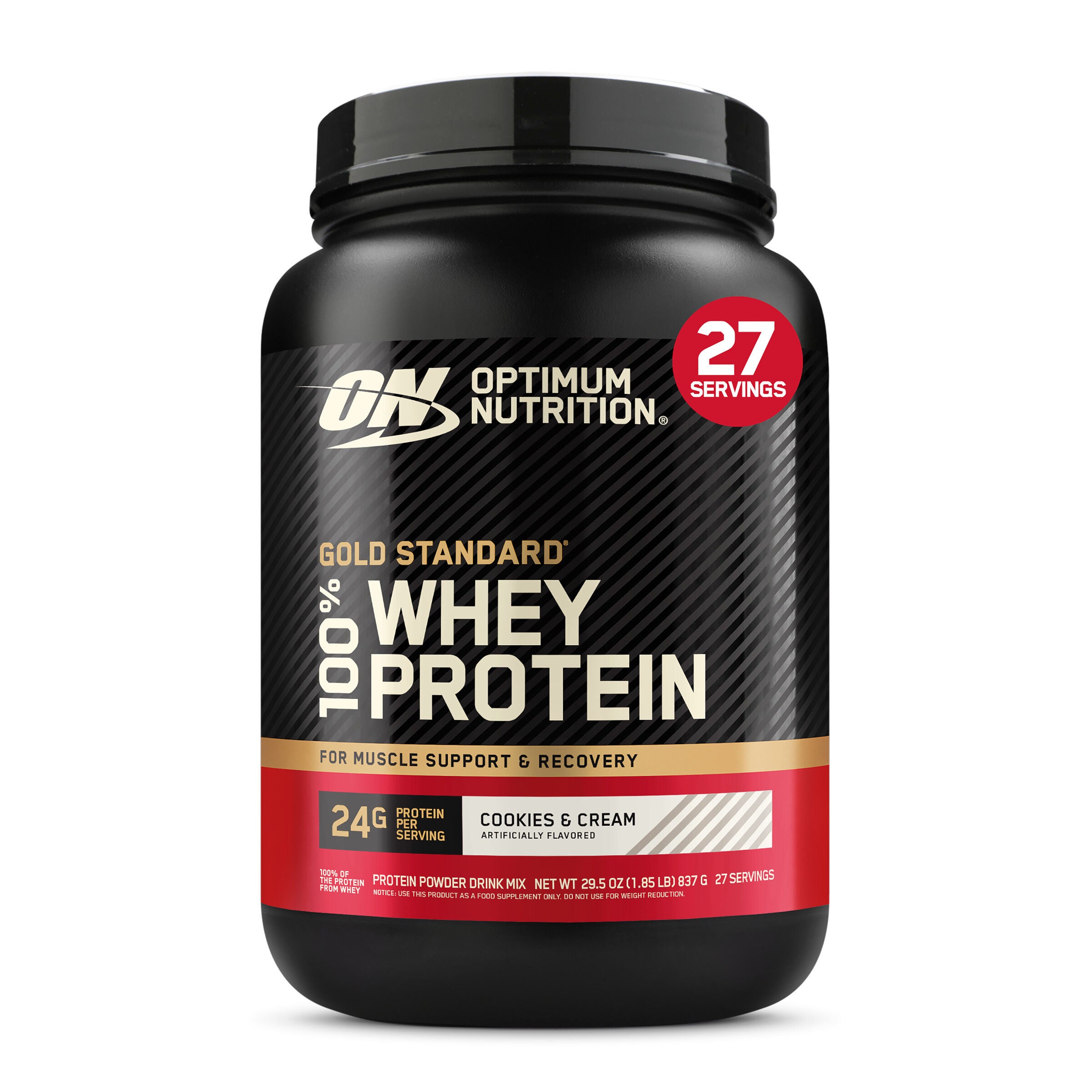

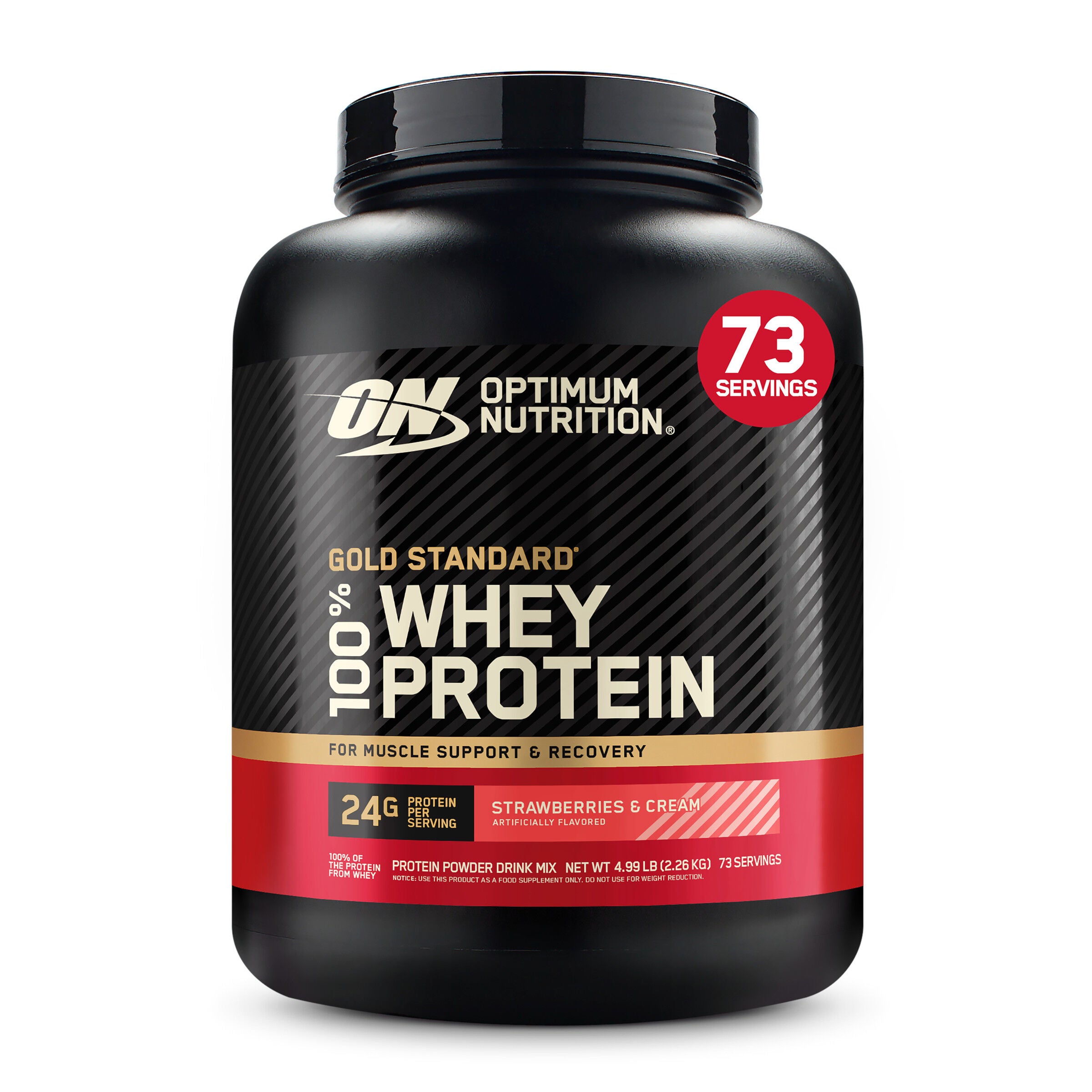


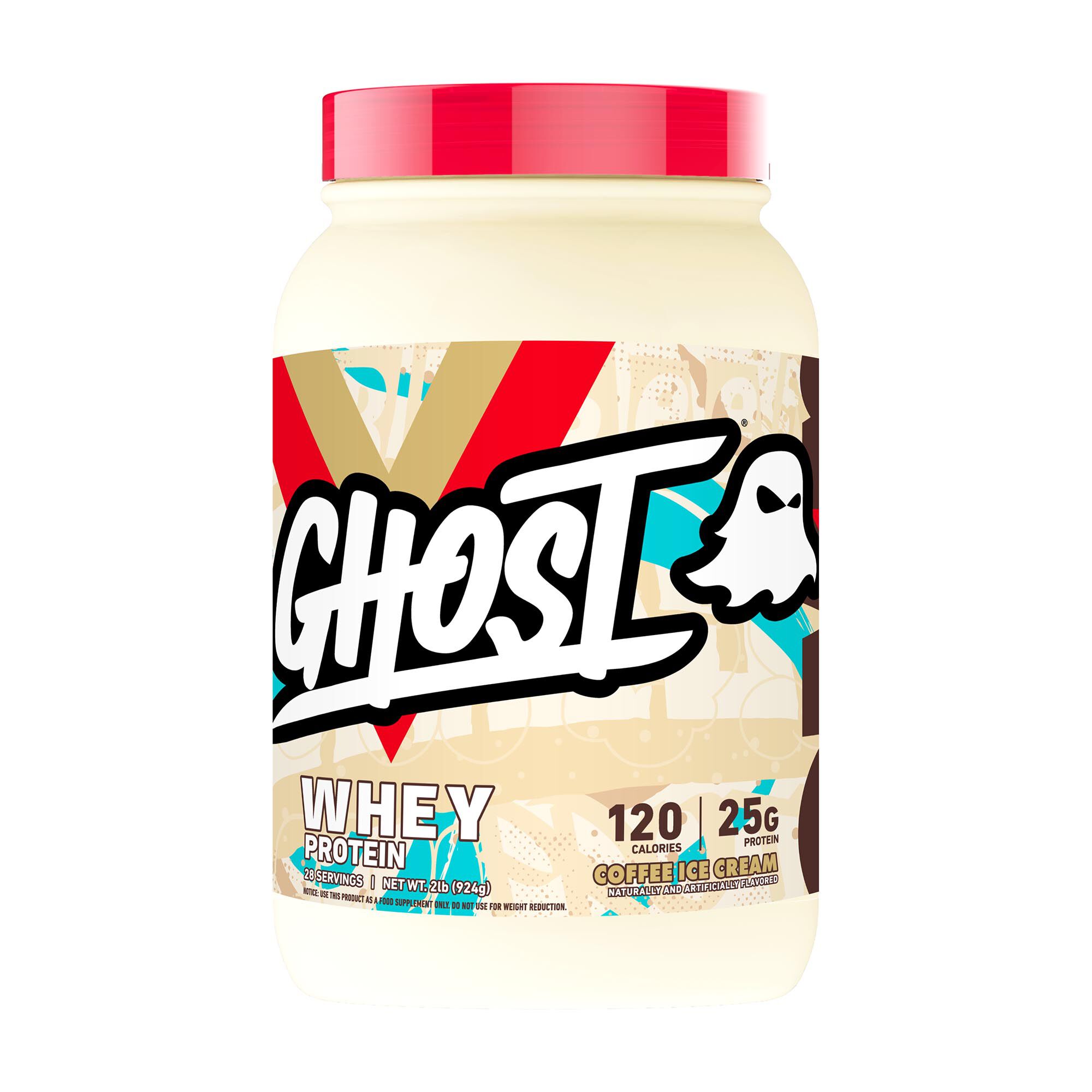


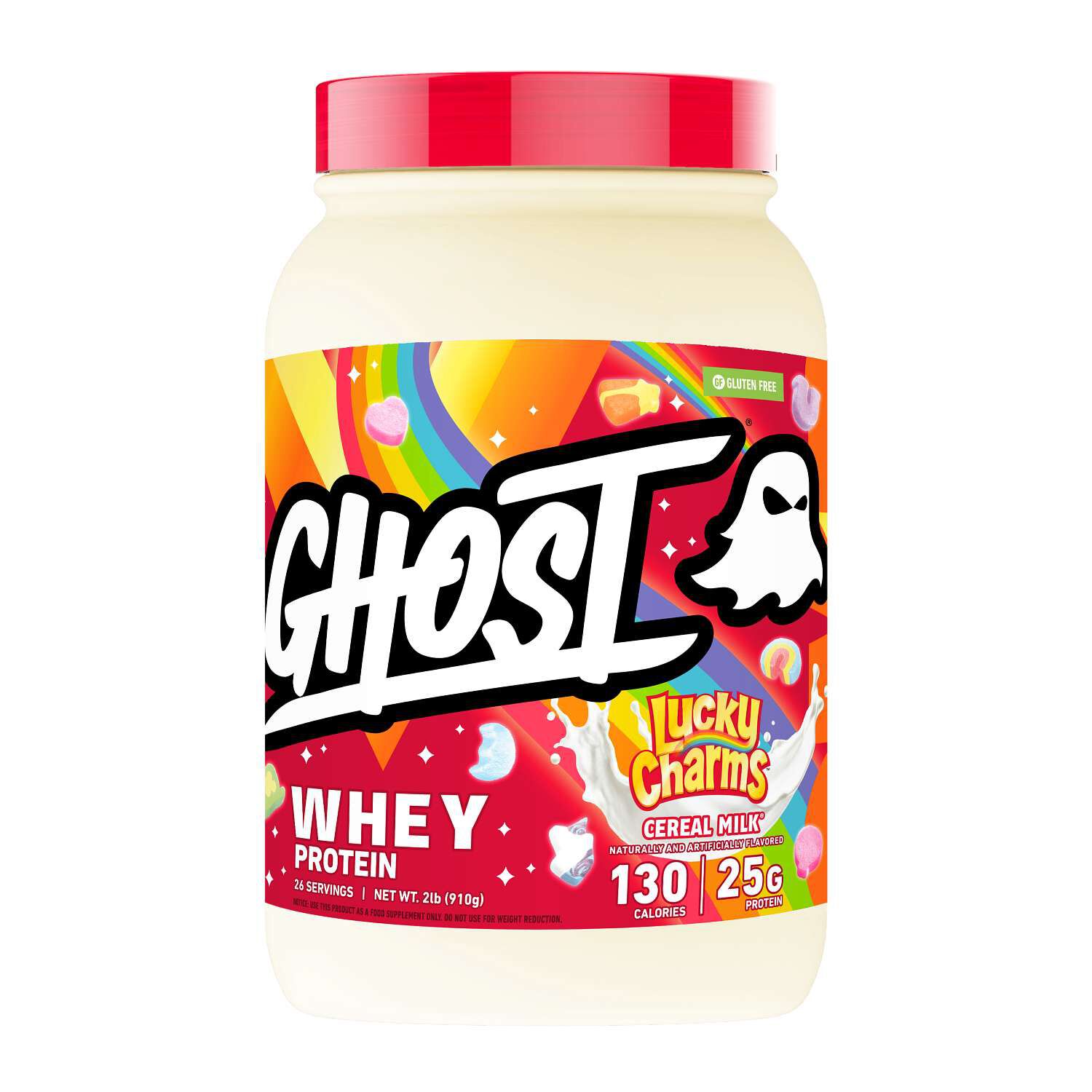
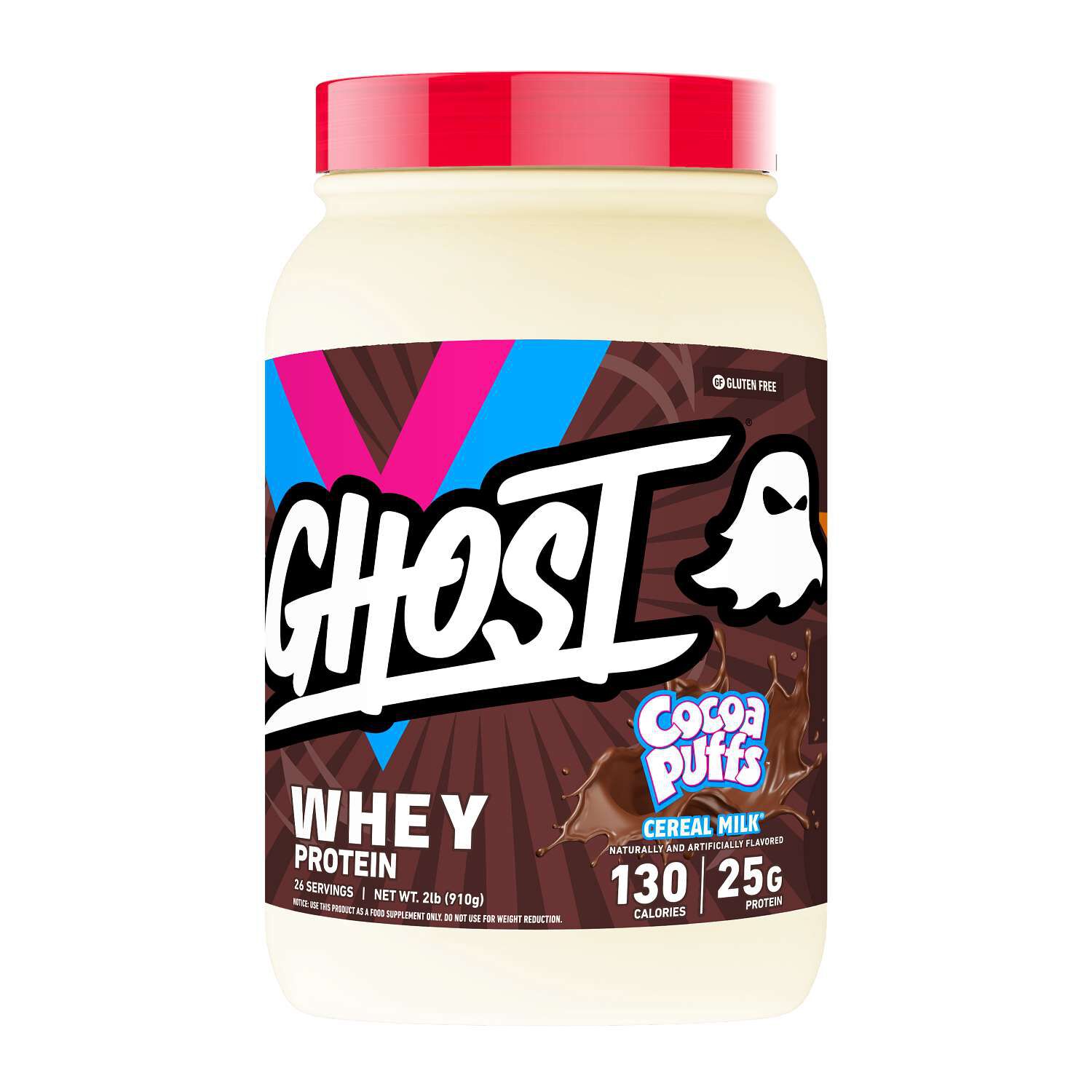
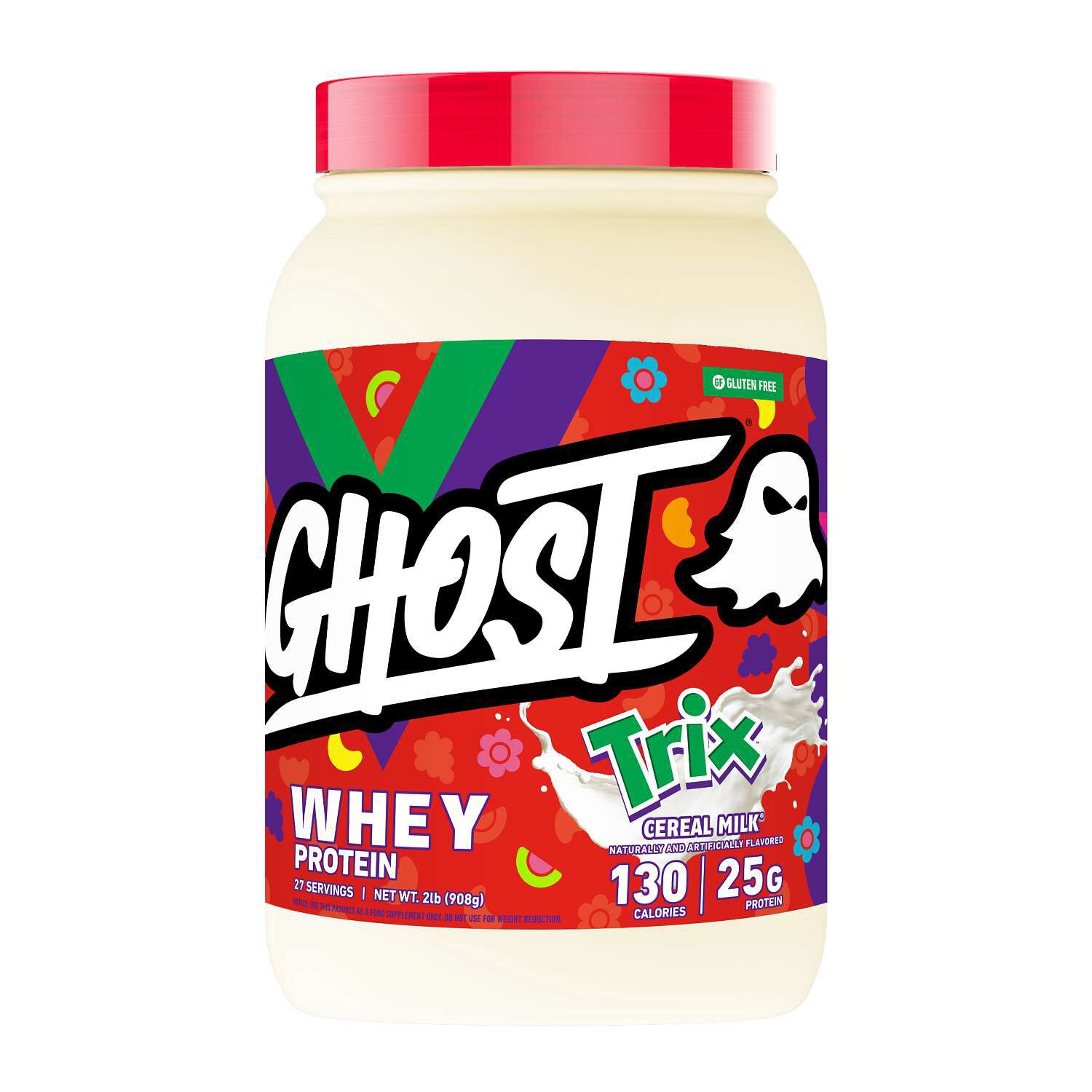
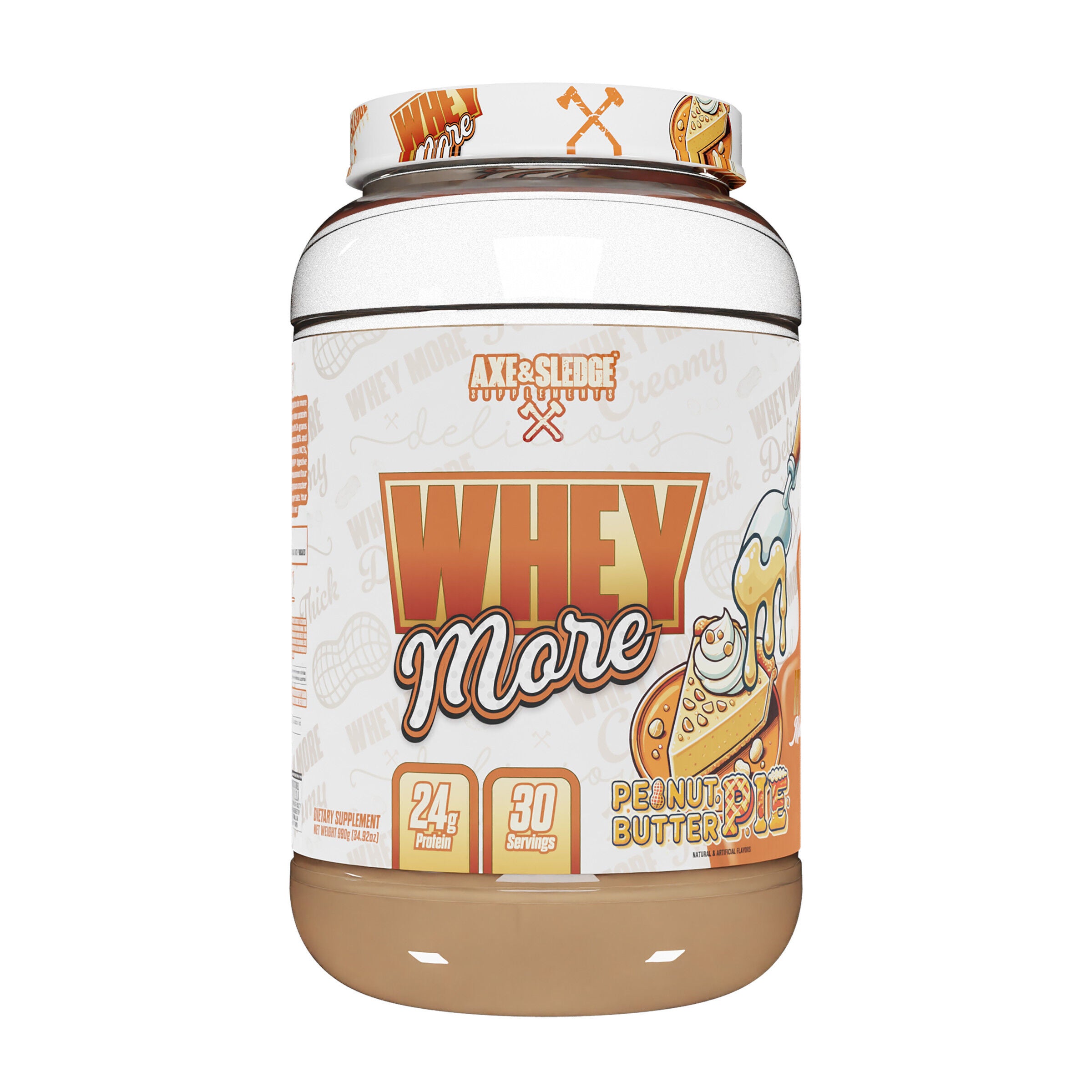


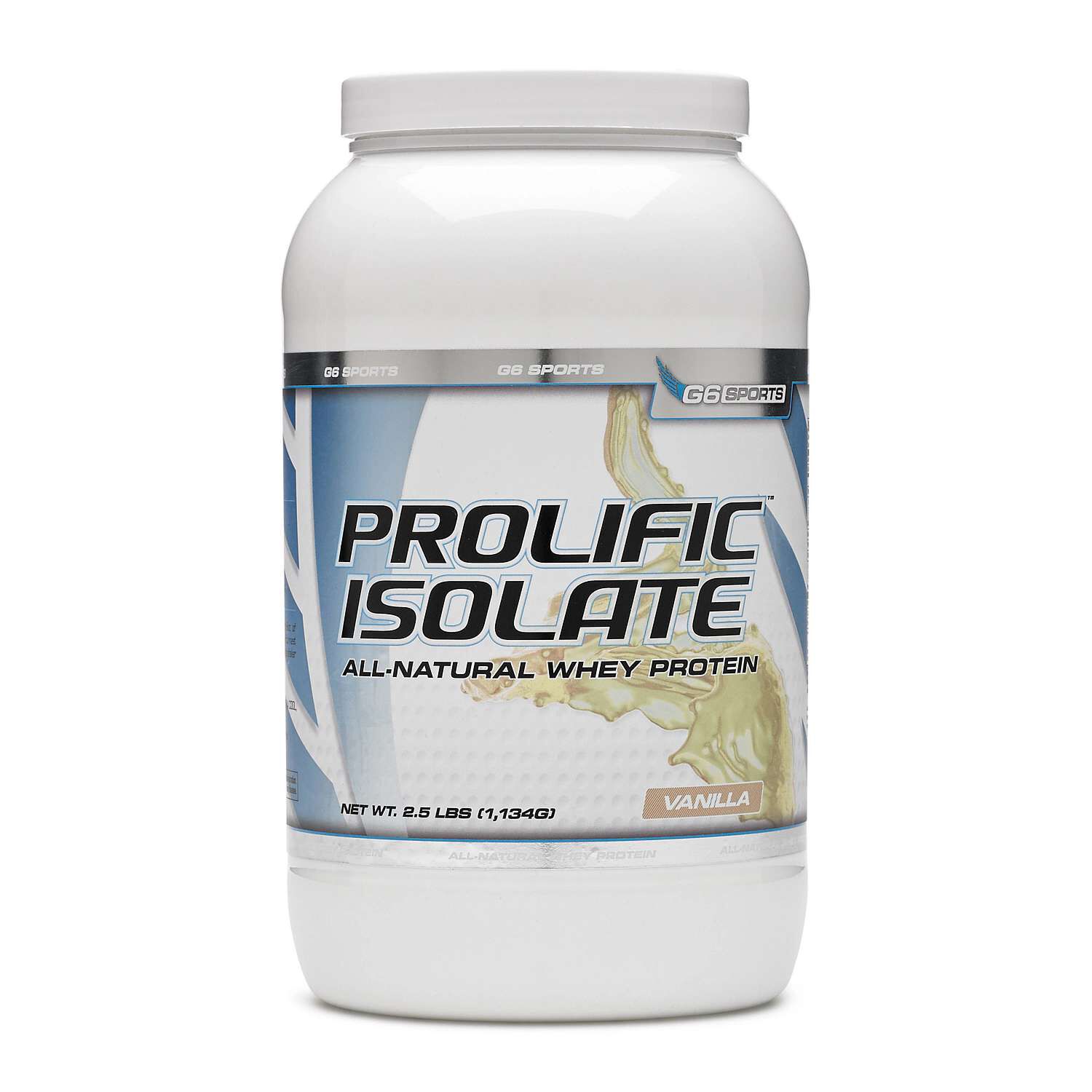


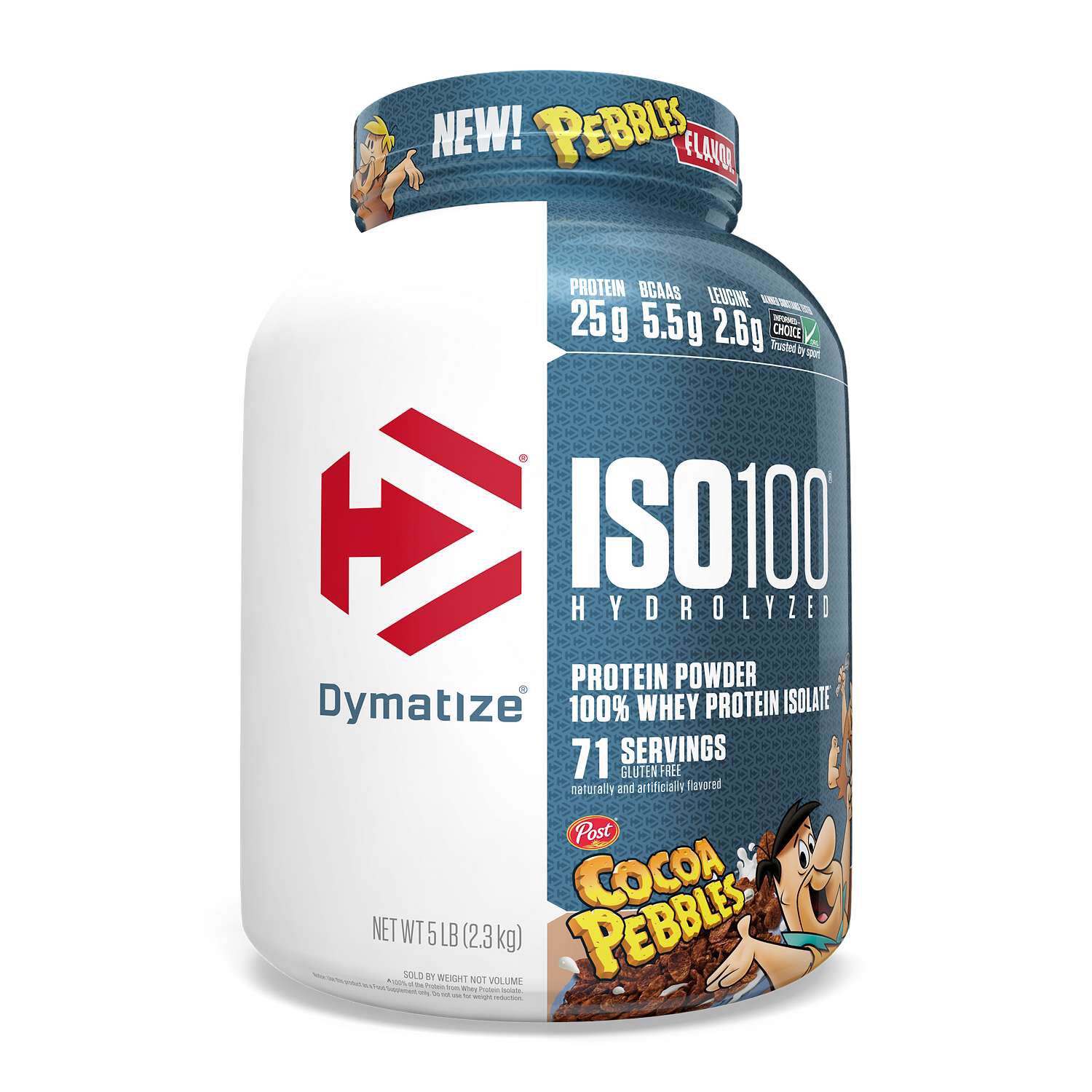
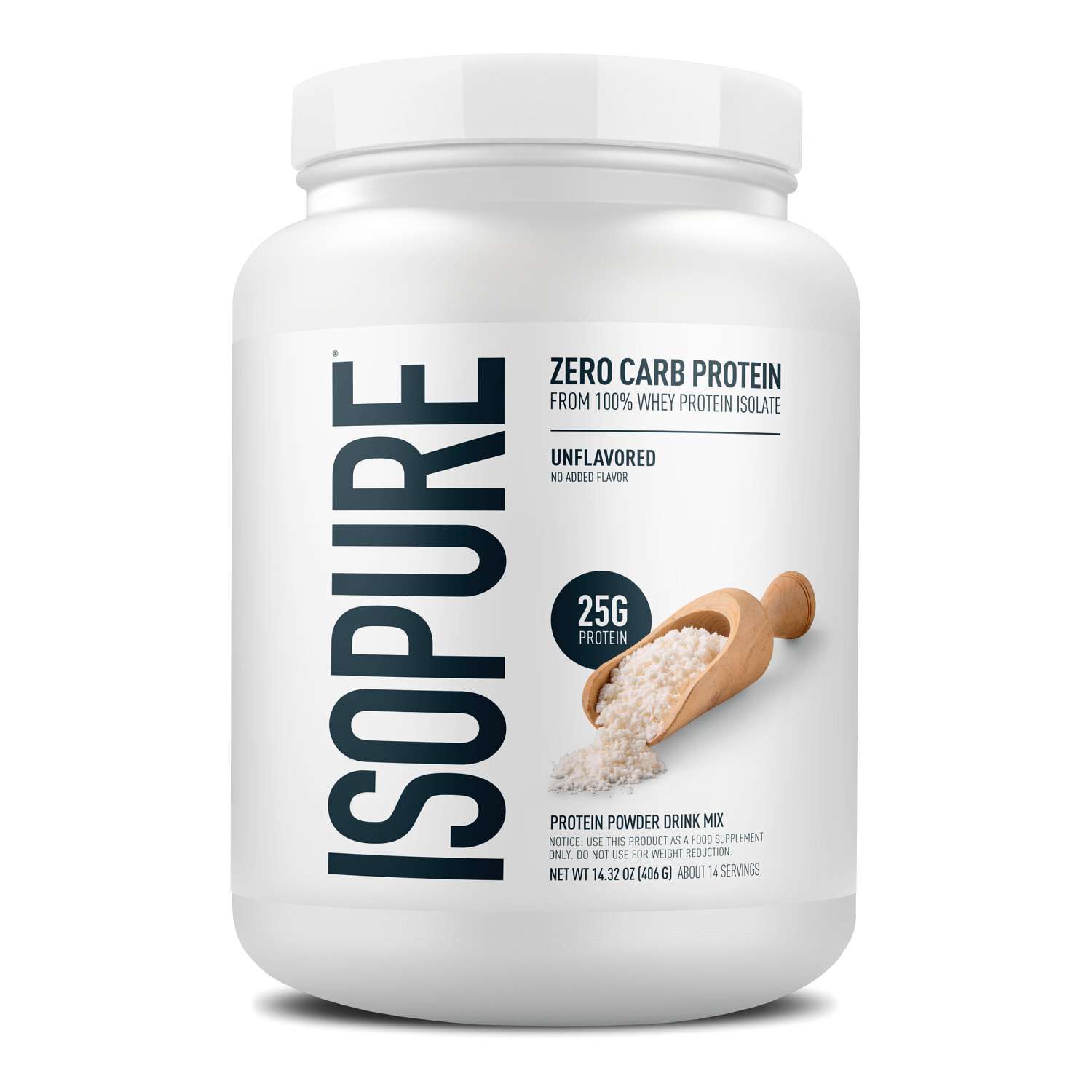
Whey protein concentrates are milk-derived protein ingredients commonly used in powdered shakes, smoothies, and everyday recipes. Whey begins as the liquid portion of milk that separates from the curds during cheese making. That liquid is filtered to concentrate its protein, then dried into a powder. The resulting ingredient retains some of the milk’s naturally occurring carbohydrates, including lactose, along with some fat. Concentrates used in protein powders often contain approximately 70% to 80% protein by weight, although the exact proportion varies with processing and formulation. That percentage describes the concentrate ingredient rather than necessarily describing a finished flavored powder, which may also contain cocoa, flavorings, sweeteners, or other ingredients. The Nutrition Facts panel gives the more useful comparison for everyday shopping: grams of protein per serving, serving weight, calories, carbohydrates, sugars, and fat. Whey naturally contains all nine amino acids that the body cannot make on its own, making its amino acid composition another distinguishing characteristic. Compared with whey protein isolate, concentrate generally undergoes less extensive filtration and retains more lactose and fat. Neither format determines flavor or texture by itself; the full recipe matters, including the protein blend and any added ingredients. Some powders use whey protein concentrate as their primary protein source, while others combine concentrate with isolate or additional proteins. Reading the ingredient list helps distinguish those formulations without relying on the wording on the front of the container. For people who include dairy in their eating routine, whey protein concentrate may offer a convenient way to add protein to a breakfast drink, an afternoon snack, or a shake enjoyed after exercise. Its appeal extends beyond the gym: recreational runners, strength-training enthusiasts, busy commuters, and home cooks might all find uses for a powder that fits familiar foods and drinks. The best match depends on dietary preferences, the desired serving composition, and how the powder will actually be used.
Flavor and texture play a large part in whether whey protein concentrate fits comfortably into an everyday routine. A powder intended for a quick shake with water has a different role from one destined for a thick smoothie with milk, oats, and fruit. Water keeps the drink focused on the powder’s own flavor, while milk brings additional nutrients and a richer base. Plant-based beverages vary considerably in protein, sweetness, and consistency, so the finished drink reflects both the powder and the chosen liquid. Whey concentrate often has a mild dairy character, though cocoa, vanilla, fruit flavors, and sweeteners shape the final taste. An unflavored formulation might suit someone who wants more flexibility across recipes, while a flavored option might better suit a familiar shake made the same way each morning. Sweetener type deserves attention as well, especially when a powder will be combined with ripe bananas, sweetened yogurt, or other ingredients that already contribute sweetness. For a shaker drink, adding the liquid before the powder and following the package’s mixing directions may help produce a more even texture. A blender accommodates denser ingredients such as oats, nut butter, and frozen fruit, making it practical for a breakfast drink with more body. Beyond beverages, whey protein concentrate also appears in mixtures for pancakes, overnight oats, and yogurt bowls. Recipe proportions matter: protein powder absorbs moisture differently from flour, and adding a large amount without adjusting the other ingredients may leave baked foods dense or dry. A recipe written for protein powder offers a more predictable starting point than substituting it directly for flour. For warm oatmeal, stirring the powder into a small portion of liquid before folding it into the oats may make incorporation easier. These kitchen details help distinguish a powder chosen mainly for drinking from one chosen for broader recipe use, without assuming that every formulation behaves the same way.
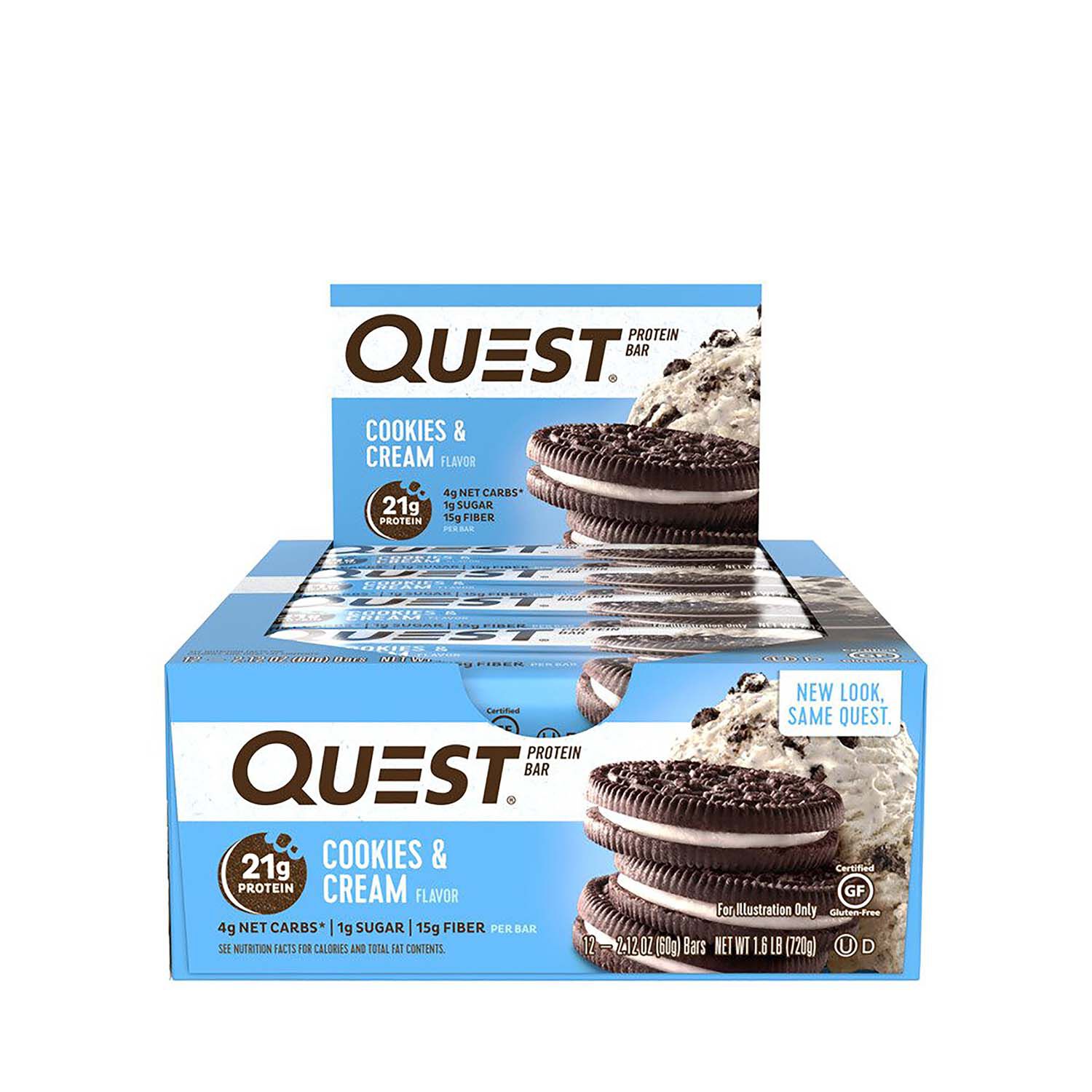
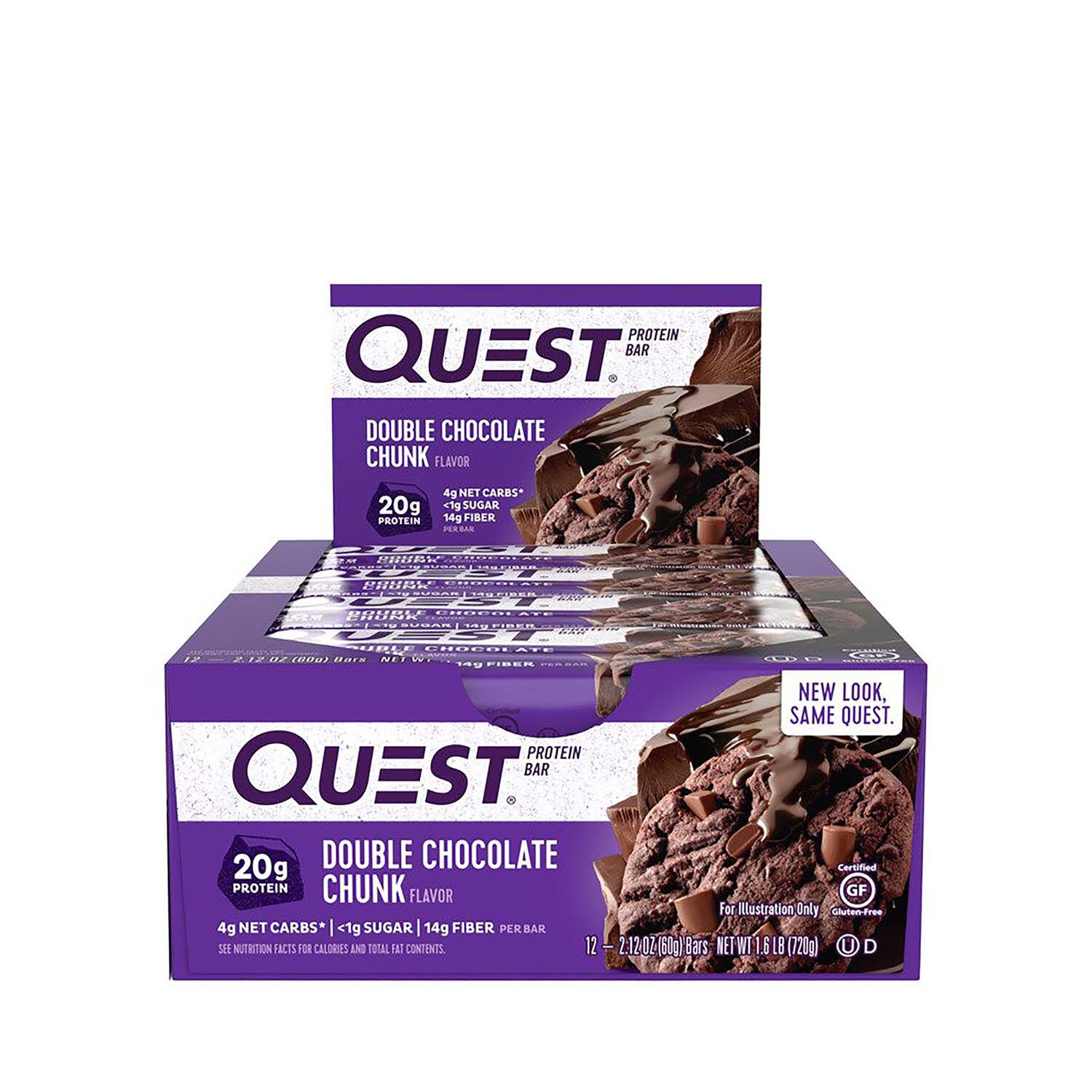
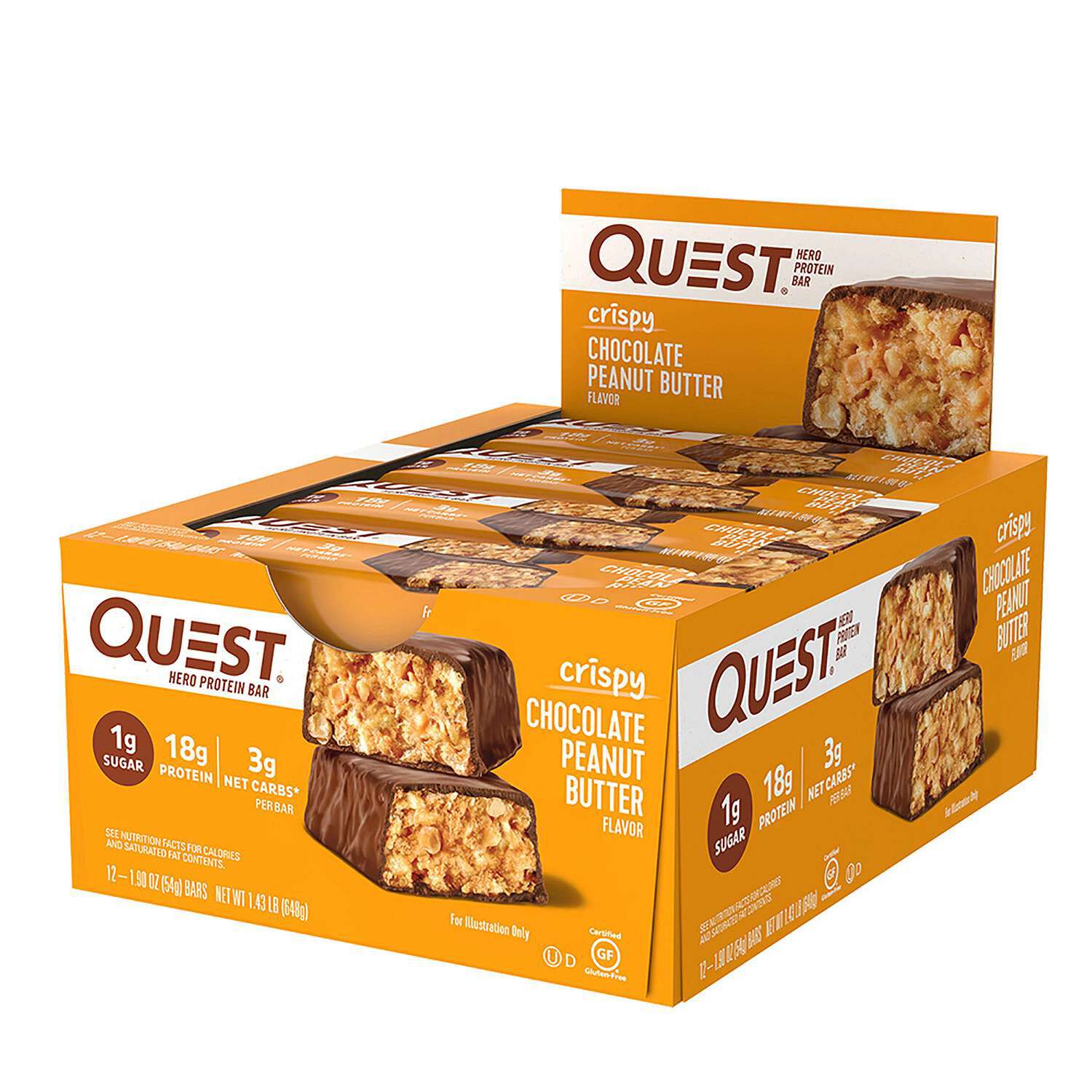
Practical details on the package help narrow the choices among whey protein concentrates. Serving sizes are not uniform, so comparing grams of protein alongside the gram weight of each serving gives a clearer picture than comparing scoop counts alone. Scoops also differ in size, and the labeled serving might require more than one scoop. The amount of liquid specified in the mixing directions affects the intended consistency; a smaller volume might create a thicker drink, while a larger volume might suit someone who prefers a lighter texture. Ingredient lists identify whether the formula contains only concentrate or a combination of protein sources, as well as any sweeteners, added sugars, flavorings, or texture-related ingredients. Because whey comes from milk, milk ingredient and allergen information is especially relevant for shoppers with dietary restrictions involving dairy. Whey protein concentrate is not automatically lactose-absent simply because it is sold as a protein powder, and the amount of lactose varies by formulation. Packaging and storage matter, too. A resealable pouch or securely closed container belongs in a dry place away from direct sunlight, with the package’s storage directions and date marking kept accessible. A clean, dry scoop helps keep moisture out of the powder, and closing the package after each use limits exposure to damp air. For someone taking a shake to work or the gym, a shaker with a secure lid, readable volume markings, and parts that are easy to wash might be a practical companion. Powder stored separately from liquid until mixing time also gives more flexibility when plans change. For a ready-to-eat alternative to a mixed drink, Whey Protein Bars offer another format to consider for a packed bag or desk drawer, with their own serving information and ingredients to review. Whether the preferred routine involves a simple shake, a blended breakfast, or a recipe prepared at home, the most relevant details are the protein source, serving composition, flavor, and handling requirements. Those details make whey protein concentrate easier to evaluate as a food ingredient that may fit a familiar routine rather than as a one-size-fits-all choice.
- Q: What is whey protein concentrate?
A: Whey protein concentrate is a popular form of protein supplement derived from milk during the cheese-making process. It typically contains around 70-80% protein by weight, with the remaining portion made up of carbohydrates, fats, and other nutrients. - Q: How is whey protein concentrate different from whey protein isolate?
A: Whey protein concentrate contains a higher percentage of carbohydrates and fats compared to whey protein isolate, which undergoes additional processing to remove most of these components. As a result, concentrates generally have slightly less protein per serving but retain more of the natural nutrients found in whey. - Q: Who can benefit from using whey protein concentrate?
A: Whey protein concentrate can be beneficial for athletes, fitness enthusiasts, or anyone looking to increase their daily protein intake. It's commonly used to support muscle recovery after exercise or as a convenient way to supplement dietary protein. - Q: Can whey protein concentrate be used in recipes other than shakes?
A: Yes, whey protein concentrate is versatile and can be added to smoothies, oatmeal, baked goods like muffins or pancakes, and even yogurt to add more protein to various meals and snacks. - Q: Does whey protein concentrate contain lactose?
A: Whey protein concentrate does contain some lactose since it is less processed than isolates. Individuals who are sensitive to lactose may want to consider this when choosing a protein supplement.